












Garbage disposals are among the most convenient kitchen appliances. However, if your property is equipped with a septic system, you may be wondering: can you have a garbage disposal with a septic system? It’s a valid question, and one that requires serious examination. Installing a trash disposal may appear innocent, but if not done correctly, it can cause problems for your septic tank.
Let’s look at how garbage disposals and septic systems function, how they interact, and what to consider if you’re considering merging the two.
What Does a Garbage Disposal Do?
Basic Function of a Garbage Disposal
A trash disposal is a little machine that sits under your kitchen sink. Its key function is to shred food waste into tiny bits that can be readily transported through plumbing. With the flip of a button, leftovers vanish without a trace—pretty cool, right?
Common Types of Garbage Disposals
Not all disposals are the same. There are two major varieties available for home usage.
Continuous Feed Garbage Disposals
These are the most popular. You turn them on, and they continue to run as long as the switch is turned on. They are handy, but must be used with caution to avoid overburden.
Batch Feed Garbage Disposals
These only operate when the disposal chamber is full and a particular stopper is installed. They are more responsible with water and garbage.
What Does a Septic System Do?
Basic Function of a Septic System
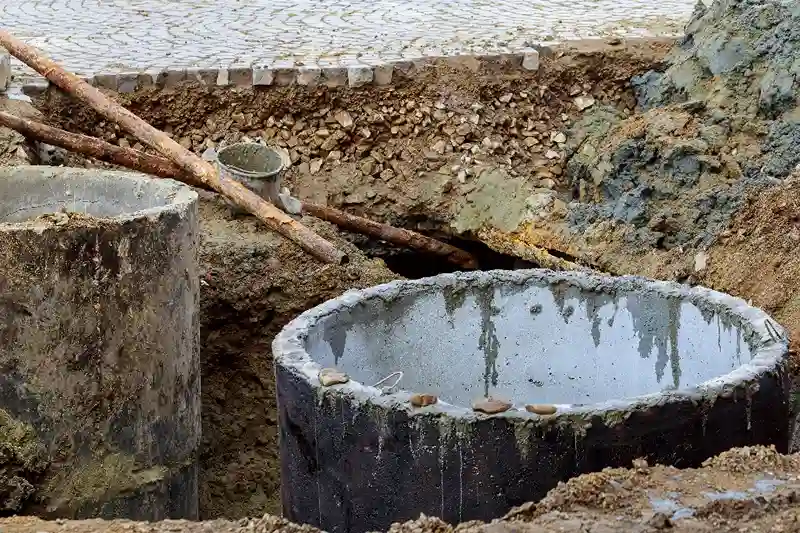
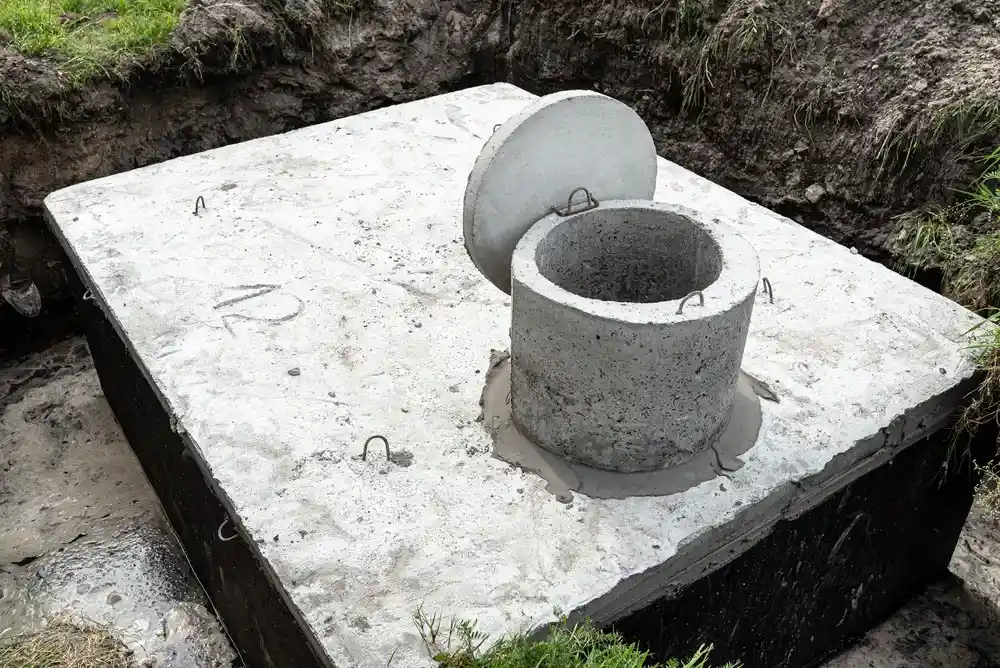
A septic system is your home’s own sewage treatment system. Wastewater enters a septic tank, where particles settle and liquids filter out onto a drain field. Beneficial microorganisms degrade waste naturally. It’s a delicate balance that requires time, space, and regular care.
Can You Have a Garbage Disposal with a Septic System?
Key Considerations before Installing a Garbage Disposal with a Septic System
Here’s the big question: can you have a garbage disposal with a septic system? You can, but only under certain conditions. Your septic tank must be large enough to accommodate the excess organic stuff. You will also need to pump the tank more frequently. Finally, you’ll need to be cautious about what goes down the drain.
Are Garbage Disposals Bad for Septic Systems?
That is a tough one. Are garbage disposals bad for septic systems? Not always, but they may be. Disposals introduce more solids into the tank, which bacteria must subsequently break down. Too much solid waste in the system can lead to blockages, delayed drainage, and tank overflows.
What is the Best Garbage Disposal for a Septic System?
The most effective units are those developed expressly for septic usage.
Features to Look For
- Enzyme Injection Systems: Some disposals have an enzyme delivery system that helps break down solids.
- Grinding Power: Choose greater horsepower devices to minimize particle size.
- Batch Feed: This type can assist you in controlling how much waste enters your plumbing at once.
Benefits and Drawbacks of Using a Garbage Disposal with a Septic System
Pros of Using a Garbage Disposal with a Septic System
Convenience
You do not have to scrape dishes into the garbage or deal with stinky bins.
Reduction of Kitchen Waste
It reduces kitchen waste, particularly wet and dirty food leftovers.
Cons of Using a Garbage Disposal with a Septic System
Potential Strain on the Septic System
Excess trash might disrupt the naturally occurring bacterial equilibrium in your tank.
Maintenance Cost Increase
More regular septic pumping and inspections may result in greater expenditures over time.
What to Put in a Garbage Disposal with a Septic Tank
Safe Food Waste
Small scraps of cooked veggies, fruit peels (in moderation), and soft foods are often OK. Chop big chunks first.
Use of Cold Water
Run cold water during and after usage. It helps to harden fats, which makes them simpler to crush and flush through pipes.
Natural Enzyme Cleaners
Use cleansers that encourage bacterial development in your septic tank. Avoid bleach and strong chemicals.
What Not to Put in a Garbage Disposal with a Septic Tank
Fats, Oils, and Grease
These are the adversaries of septic systems. They block pipes and prevent bacterial decomposition.
Fibrous or Starchy Foods
Celery, maize husks, and potato skins are off limits. They’re hard to grind and can cause clogs.
Non-biodegradable Waste
Avoid disposing of non-biodegradable waste, such as plastic wrappers, coffee grinds, eggshells, and bones. If it does not decompose spontaneously, do not put it in.
How Do You Dissolve Solid Waste in a Septic Tank?
The best approach is prevention. If it’s too late, natural enzymes and bacterial supplements can aid. Regular pumping is also needed. Avoid chemical drain cleaners since they harm beneficial microorganisms.
Tips for Maintaining a Healthy Septic System with a Garbage Disposal
Routine Maintenance and Inspection Schedule
Pump your septic tank every three to five years. Have a specialist examine the system on a regular basis.
Water Conservation Tips
Avoid overloading your system with water. Laundry loads should be spaced out, and leaking faucets should be repaired as soon as possible.
Proper Waste Management Habits
Be mindful of what you put down the sink. Take the “when in doubt, throw it out” attitude.
Need Help with Garbage Disposal Installations in Spokane, WA?
So, returning to our main question: can you have a garbage disposal with a septic system? Yes—but only if you do it correctly. You must understand your septic tank’s limits, monitor what you dispose of, and plan regular repairs. While some people still ask Are garbage disposals bad for septic systems, the answer is totally dependent on how they are utilized.
If you’re not sure what not to put in your garbage disposal with a septic tank, keep everything basic, soft, and compact.
Action Crafts specializes in smart and safe garbage disposal solutions that integrate with your septic system. Our Spokane, WA crew understands the fundamentals of appropriate setup and maintenance.