





Most frozen pipes are preventable, and most of the prevention happens before the first hard freeze. The pipes that freeze are almost always the same ones: supply lines in crawl spaces, garages, attics, and exterior walls, plus anything connected to an outdoor spigot. Protect those, build a few habits for the coldest nights, and a Spokane cold snap becomes a lot less stressful.
Start With the Pipes Most Likely to Freeze
Walk through the house and look for water lines that run through spaces you don’t heat. Crawl spaces and garages are the usual culprits, along with pipes under sinks on outside walls and any line near a vent, rim joist, or foundation gap where cold air gets in. Once outdoor temperatures drop into the low 20s or below, especially with wind, those lines are at real risk.
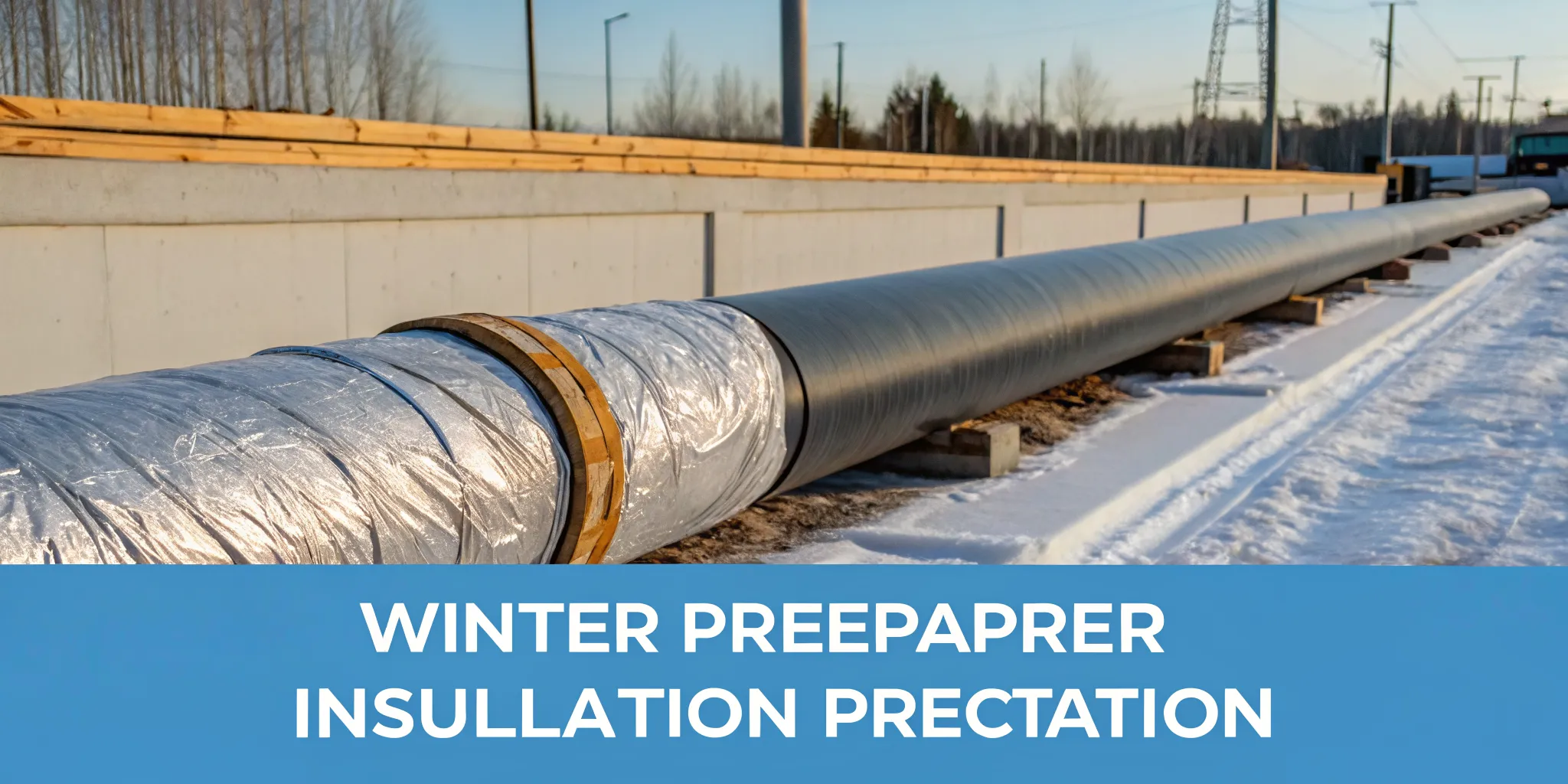
Foam pipe sleeves are the easiest fix. They’re inexpensive, slide over the pipe, and slow down heat loss enough to protect lines in spaces that stay only a little below freezing. Make sure the seams are closed and the ends are snug against fittings, since gaps are where freezing starts.
Insulation works best when cold air isn’t blowing directly on the pipe. Seal gaps where pipes pass through exterior walls or the foundation, and check that crawl space vents and access doors close properly. Stopping a draft often does more than adding a thicker sleeve.
Winterize Outdoor Faucets and Sprinkler Lines
Disconnect garden hoses before the first freeze. A hose left attached traps water in the spigot, and that water can freeze back into the pipe inside the wall. This applies to frost-free spigots too, because they only work if the water can drain out after you shut them off.
If your outdoor faucets have a separate shutoff valve inside the house, close it and open the outdoor faucet to drain what’s left in the line. Insulated faucet covers add a little more protection for spigots that face the wind. If you have an irrigation system, have it shut off and blown out in the fall so water isn’t left sitting in the lines and backflow device.
Habits for the Coldest Nights
When a hard freeze is in the forecast, a few small changes make a real difference:
- Keep the heat steady. Set the thermostat to at least 55°F, and skip the usual nighttime setback during extreme cold. Temperatures bottom out overnight, which is when most pipes freeze.
- Let faucets drip. A slow drip from faucets on exterior walls keeps water moving through the most vulnerable lines. It won’t protect a completely uninsulated pipe on its own, but it helps.
- Open cabinet doors. Leaving sink cabinets open on exterior walls lets warm air reach the pipes behind them.
- Keep the garage closed. If water lines run through the garage, keeping the door down holds in what little warmth there is.
Your water heater needs some attention too if it’s in a garage or other cold space. Our guide on keeping a water heater from freezing in winter covers that setup.
Using Heat Tape and Heating Cables
For a pipe that insulation alone can’t protect, like a line in an unheated garage, a crawl space, or a well house, heat tape or a heating cable is the next step up. Both are electric cables that attach to the pipe and keep it above freezing. Many have a built-in thermostat that only turns on when temperatures drop.
The two main types work differently. Self-regulating cables adjust their heat output along their length as the temperature changes, which makes them more efficient and generally safer. Constant-wattage cables put out the same heat all the time and usually rely on a separate thermostat. Some can be wrapped around the pipe and some must run straight along it, so check before you buy.
These installation basics matter more than the brand:
- Buy a product made for water pipes and listed by an independent testing lab like UL, and only use it where it’s rated to go. Cables for indoor use shouldn’t go outside, and most aren’t made for buried pipes.
- Follow the manufacturer’s instructions exactly, including whether the cable can overlap itself and whether to insulate over it. Overlapping the wrong type is a common cause of overheating.
- Plug it into a GFCI-protected outlet, and don’t run it through an extension cord unless the instructions allow it.
- Inspect it every fall before you need it. Look for cracks, brittle or discolored spots, and damaged cords. Old or damaged heat tape is a fire risk, so replace it rather than patch it.
If you’re wondering whether heat tape can thaw a pipe that’s already frozen, it can help on an exposed line, but it works much better as prevention. Our guide on how to tell if your pipes are frozen walks through finding and thawing a frozen section safely.
If You’ll Be Away or the House Is Empty
A vacant house is at the highest risk, because nobody notices a problem until it’s already flooded. Leave the heat on at 55°F or higher, and ask someone to check on the house during a cold snap. For a longer trip, or a rental that’s empty between tenants, shut off the main water and open the faucets to drain the lines. If the home has a boiler, radiant heat, or anything else tied into the plumbing, check with a plumber before draining anything.
When Prevention Isn’t Enough
If the same pipe freezes every winter, more insulation usually isn’t the real fix. It often means the line runs somewhere it shouldn’t, like through an uninsulated exterior wall or across a drafty crawl space. A plumber can reroute it, add protection, or install a heat cable correctly so it stops happening.
And if a pipe does freeze or burst despite your best efforts, shut off the main water first. Our guides on how to tell if a pipe burst and will frozen pipes thaw on their own cover what to do next.
Get Your Pipes Ready Before the Next Freeze
If you’d rather have a professional look at the pipes in your crawl space or garage, or you’ve got a line that keeps freezing, Action Craft Experts can help. Our plumbers are licensed in Washington and Idaho and work in homes across Spokane, Spokane Valley, and North Idaho, from rerouting problem lines to residential plumbing repairs. Call us at 509-204-3335 or request an estimate online to get on the schedule before the cold sets in.