






Winter can be beautiful but also brings specific challenges—especially for homeowners. One of the major concerns during the colder months is preventing frozen pipes. Frozen pipes can lead to bursting, often resulting in extensive water damage and costly repairs. Fortunately, there are effective ways to keep pipes from freezing, such as heating cables and tape.
These tools offer a simple and reliable method to maintain water flow even in the chilliest temperatures. Here, we’ll break down what heating cables and tape are, how they work, and why they are among the best ways to prevent frozen pipes.
What Causes Pipes to Freeze?
Understanding why pipes freeze is essential in choosing the proper frozen pipe prevention methods. When the temperature drops significantly below freezing (32°F or 0°C), water inside the pipes can solidify, expanding in volume. This expansion puts pressure on the pipe walls, which can eventually crack or burst. Uninsulated pipes are particularly susceptible or located in colder, unheated spaces like basements, garages, or exterior walls.
The consequences of frozen pipes go beyond the inconvenience of blocked water flow. A burst pipe can lead to significant water damage, mold growth, and high repair costs. This is why how to prevent frozen pipes in winter is a topic that should be on every homeowner’s radar.
How Do Heating Cables and Tape Work?
Heating cables and heating tapes are designed to provide direct warmth to pipes. Here’s how they work and what makes them practical for frozen pipe prevention:
Heating Cables
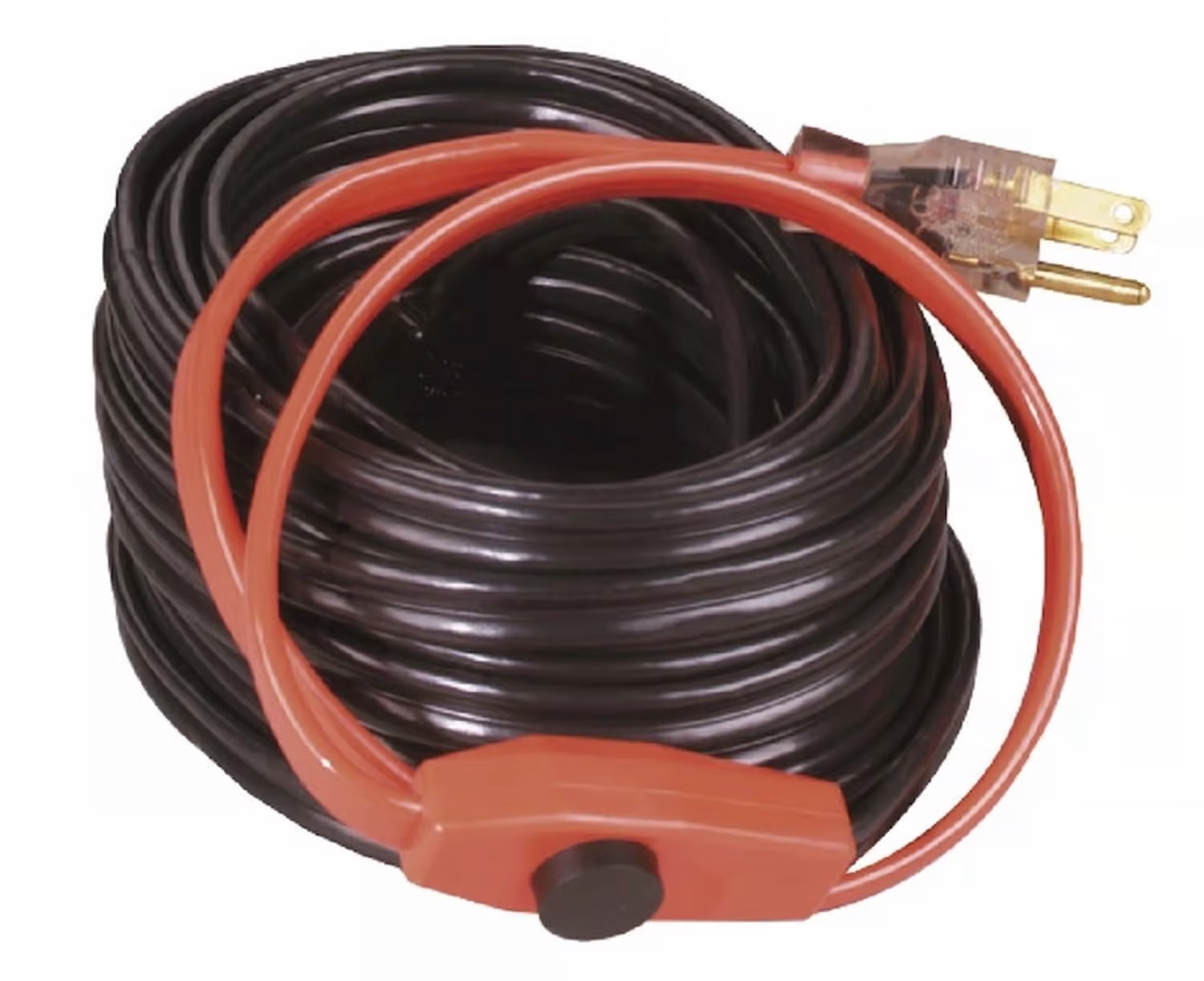
These cables are typically installed along the length of a pipe. When plugged in, they produce heat that keeps the pipe at a temperature above freezing, allowing water to flow freely. Heating cables often come with a thermostat to maintain a consistent temperature, automatically turning on when it gets too cold.
Heating Tape
Like heating cables, heating tape is applied directly to the pipe. It’s more flexible and can be wrapped around pipes of different shapes and sizes, providing customized coverage. Some heating tapes are self-regulating, adjusting their heat output based on the ambient temperature.
Both heating cables and tape serve as a proactive solution, delivering controlled heat to prevent freezing. Pipe professionals often recommend these tools as they can be used on both metal and plastic pipes, making them versatile for different plumbing setups.
Why Use Heating Cables and Tape?
Choosing heating cables or tape as the best way to prevent frozen pipes comes with several advantages:
- Reliability: Heating cables and tapes effectively keep pipes above freezing, even in extreme cold. When installed correctly, they provide a constant layer of protection.
- Cost-Effective Solution: While there’s an initial investment, heating cables and tapes save homeowners from the high costs of emergency repairs and water damage restoration. Compared to the expense of fixing burst pipes, they’re a worthwhile investment.
- Easy Installation: Many heating cables and tapes are easy to install and can be set up with minimal tools, making them accessible even for those without extensive DIY experience.
- Energy Efficiency: Some heating cables and tapes have built-in thermostats or self-regulating functions, ensuring they only use energy when necessary. This feature adds to their efficiency, preventing excessive energy costs during winter.
- Versatile Use: They can be applied in various locations, including under sinks, attics, garages, and other areas where pipes are vulnerable to cold.
Tips for Using Heating Cables and Tape
Here are some tips to ensure that you’re using heating cables and tape effectively how to prevent frozen pipes in winter:
- Choose the Right Product: Some heating cables or tapes are different. Ensure you purchase ones specifically designed for pipes, as some are meant for other applications.
- Install in Cold Zones: Place the cables or tape on pipes in colder areas of the house, like basements, attics, or external walls.
- Follow Installation Instructions: Follow the manufacturer’s guidelines carefully for the best results. Improper installation can reduce their effectiveness and increase the risk of damage to your pipes.
- Check Regularly: Make it a habit to inspect your heating cables or tape, especially as winter approaches, to ensure they’re functioning correctly.
Stay Protected with Heating Cables and Tape
Preventing frozen pipes is all about proactive preparation. By installing heating cables or tape, you can add an extra layer of security for your plumbing during the colder months. Combined with additional methods like insulation and draft-proofing, these tools provide a reliable solution to keep water flowing and avoid costly winter mishaps. If you’re looking for frozen pipes professional services or further guidance, we at Action Craft Experts are here to help.
Our team is dedicated to providing solutions that keep your home's plumbing safe and functional throughout the winter season. Don't hesitate to reach out—we're just a call away, ready to protect your pipes.