














That official-looking letter from the city about a “backflow test” can feel like a pop quiz you didn’t study for. What is backflow, anyway? And why is it suddenly your responsibility? Simply put, your plumbing has a one-way valve to keep your drinking water pure, and a certified backflow tester is a specialist who ensures that valve is working perfectly. This isn’t just about checking a box for the city; it’s about protecting your family from contaminated water. Finding the right person for the job is easier than you think. Your local water authority even provides a list of certified backflow testers to get you started.
Key Takeaways
- Prioritize Your Water Safety: Backflow testing is a critical, non-negotiable step to prevent harmful contaminants like pesticides and chemicals from entering your drinking water. Think of it as an essential annual check-up for your home’s plumbing health.
- Hire a Pro from the Official List: The most reliable way to find a qualified tester is to consult the approved list from your local water utility. Before work begins, always confirm the professional has a current certification, proper licensing, and insurance.
- Understand the Process and Potential Costs: A standard backflow test is quick and minimally disruptive, but a failed device will require repairs. Ask for a clear quote for the test and be prepared for the potential costs of fixes and a re-test to avoid any surprises.
What’s a Certified Backflow Tester (and Why Should You Care)?
You might have heard the term “backflow” mentioned, but it’s one of those plumbing topics that often gets overlooked until there’s a problem. So, what exactly is a certified backflow tester, and why is their job so important for your home or business?
Think of your plumbing system as having one-way streets for water. A backflow prevention device is the traffic cop that ensures water only flows in one direction—from the city’s main line into your property. A certified backflow tester is a trained professional who inspects, tests, and maintains these devices. Their entire job is to make sure that contaminated or non-potable water from sources like irrigation systems, boilers, or industrial equipment can’t reverse course and mix with your clean drinking water supply.
This is where the “why you should care” part comes in. A failed backflow preventer can introduce harmful contaminants like pesticides, chemicals, and bacteria into the water you use for drinking, cooking, and bathing. According to the Los Angeles County Department of Public Health, this work is essential for preventing sickness and the spread of germs. Certification ensures the tester has the specific skills and knowledge to perform these tests correctly, protecting both your property and public health. Hiring a trusted residential plumber with certified testers on staff is the best way to ensure your water remains safe and clean.
How to Find a Certified Backflow Tester
Finding a qualified professional to test your backflow preventer isn’t just a good idea—it’s often a requirement to keep your property compliant and your water safe. The good news is that you don’t have to search blindly. There are several straightforward ways to find a certified and reliable tester in the Spokane area. From official city lists to trusted local experts, here are the best places to start your search.
Check with Your Local Water Authority
Your first stop should always be your local water utility. They are the ones who set the standards for water safety, and they have a vested interest in making sure only qualified professionals perform these crucial tests. Most water authorities maintain a public list of approved and certified testers who are authorized to work in the area. For residents here in Spokane, the city’s Public Works department offers a regularly updated list of certified backflow assembly testers. Checking this list ensures you’re hiring someone who meets all local requirements and is in good standing.
Search State and County Databases
If you’re looking for a broader search, state and county databases are another excellent resource. Many local governments provide online portals where you can find licensed and certified trade professionals, including backflow testers. These official lists are designed to help property owners connect with qualified experts who are legally permitted to work in the region. While the city list is often the most direct route, checking county or state resources can sometimes provide a more extensive list of options, which is helpful for comparing availability and services.
Use Online Certification Platforms
Beyond government websites, several national organizations are responsible for training and certifying backflow testers. These platforms often have their own searchable databases where you can find certified specialists by state or zip code. Organizations like the American Society of Sanitary Engineering (ASSE) and the American Backflow Prevention Association (ABPA) set the industry standards for certification. Using their directories can help you verify a tester’s credentials and find professionals who have completed specific, rigorous training programs, giving you extra peace of mind.
Ask a Licensed Plumbing Company
If you’d rather skip the research, one of the easiest ways to find a great backflow tester is to simply ask a trusted plumber. Reputable plumbing companies work with certified testers all the time and can recommend someone they know is reliable, professional, and fair. At Action Craft Experts, we have a network of trusted partners we rely on for specialized services like backflow testing. As your go-to for residential plumbing services in Spokane, we’re always happy to connect you with a certified professional who can get the job done right.
Key Qualifications to Look For
Finding the right person for the job goes beyond a quick online search. Backflow testing is a specialized skill that protects your water supply, so it’s regulated for a reason. Before you hire anyone, you’ll want to confirm they have the right credentials. This isn’t just about checking boxes on a to-do list; it’s about ensuring the job is done correctly and that your property remains compliant with local health and safety codes. Think of it as your first line of defense in guaranteeing your water is safe.
A qualified backflow tester brings a specific set of skills that a general plumber might not have. They’ve undergone dedicated training to understand the intricate mechanics of these devices and can spot subtle issues that could lead to major problems. Hiring a certified and approved professional gives you peace of mind that your test will be accurate and that the results will be accepted by your water utility. It also means that if a problem is found, you have an expert on hand who knows how to fix it properly. Verifying these qualifications upfront saves you from potential headaches, like having to re-do a test or facing fines for non-compliance. Let’s walk through the three key qualifications you should always verify before letting anyone test your backflow preventer.
Proper Certifications and Training
A certified backflow tester has completed specific, rigorous training that goes far beyond standard plumbing coursework. These requirements vary by location, but they always involve in-depth classes and exams focused on how backflow prevention assemblies work and how to test them accurately. This specialized education ensures they understand the mechanics of different devices and can identify failures that might otherwise go unnoticed. When you contact a potential tester, don’t hesitate to ask about their specific backflow certification. A qualified professional will be ready and willing to provide this information, giving you confidence in their expertise.
Valid Insurance and Licensing
Beyond a backflow certification, the professional you hire should also be a licensed and insured plumber. Proper licensing confirms they meet the state’s standards for plumbing work, while insurance protects you and your property from liability in case of accidental damage. This is especially important because if the backflow test reveals a problem, you’ll need a licensed plumbing contractor to perform the repair or replacement. Verifying these credentials upfront saves you from the hassle of hiring multiple contractors and ensures you’re working with a legitimate, accountable professional who stands by their work.
Approval from Your Local Water Company
This might be the most important qualification to check. Your local water utility—like the City of Spokane Water Department—has the final say on who is authorized to perform backflow testing in your area. They often maintain a list of approved, certified testers who are familiar with local codes and reporting procedures. Hiring someone from this list ensures that your test results will be officially accepted and properly filed. Before you commit to a tester, call your water provider or check their website. This simple step confirms your chosen professional is in good standing and helps you avoid the headache of having to get a second test done by an approved company.
Questions to Ask Before You Hire
Once you have a few names, it’s time to do a little vetting. Asking the right questions upfront can save you a lot of headaches down the road. Think of it like a mini-interview—you want to make sure you’re hiring a professional who is qualified, transparent, and reliable. A few simple questions can help you gauge their expertise and ensure there are no surprises when it comes to pricing or the services they provide. This step is all about making an informed decision so you can feel confident in the person you hire to protect your water supply.
Can You Share Your Experience and References?
A reputable tester will have no problem sharing their qualifications and history. Start by asking about their experience with properties like yours, whether residential or commercial. Don’t be shy about asking for references from past clients. A crucial follow-up is to confirm their certification is current. Ask them directly, “Is your backflow testing certification still valid?” This ensures they are up-to-date on the latest standards and regulations. A professional will appreciate your diligence and be ready to provide proof of their credentials, giving you peace of mind that you’re working with a true expert.
What Are Your Costs and Included Services?
Before you agree to any work, get a clear understanding of the costs. Ask for a detailed quote that breaks down the price for the backflow test itself. Find out what’s included in that fee—does it cover filing the paperwork with the water authority? Are there any travel fees? It’s a good idea to contact a few different companies to compare their prices and what they offer. This helps you get a feel for the market rate and avoid overpaying. A trustworthy company will be transparent about their pricing for all their residential plumbing services and won’t pressure you into a decision.
What Equipment and Methods Do You Use?
This question helps you understand their level of professionalism. While you don’t need to be an expert on the equipment, asking about their process shows you’re a discerning customer. You can ask what type of test kit they use and if it’s been recently calibrated. Most importantly, confirm that their methods comply with local requirements. The test must be performed by a certified backflow tester who is approved by your local water company. This ensures the test is conducted correctly and that the results will be accepted by the authorities, preventing any compliance issues for you.
Do You Handle Repairs and Follow-Up Tests?
What happens if your backflow preventer fails the test? This is a critical question to ask upfront. Find out if the tester is also qualified and equipped to handle any necessary repairs. If they can, ask about their repair process and how they price that work. If the test finds a problem, you’ll likely need to pay for repairs or a replacement, plus another test to confirm the fix worked. Hiring a company that can manage the entire process, from testing to plumbing repairs, can save you time and the hassle of coordinating with multiple contractors.
Signs You Need a Backflow Test
While many municipalities require annual backflow testing, sometimes your plumbing system will give you clear hints that something is wrong before your scheduled appointment. Your home’s water should be consistent and clean, and any sudden changes are worth investigating right away. Paying attention to these signs can help you catch a potential backflow issue early and protect your water supply from contamination. If you notice any of the following problems, it’s a good idea to call a certified professional for a backflow test sooner rather than later.
Your Water Quality Has Changed
This is one of the most obvious and concerning signs. If your once-clear tap water suddenly looks cloudy, brown, or yellow, it could mean contaminants are seeping into your supply. The same goes for any new or unusual smells and tastes. Water that has a metallic, chemical, or sulfur-like odor (like rotten eggs) is a major red flag. These changes suggest that the barrier meant to protect your drinking water has been breached, allowing non-potable water to mix with your clean supply. Don’t wait to see if it clears up on its own; this warrants an immediate call to a professional.
You’re Noticing Water Pressure Problems
Have you noticed that your shower isn’t as strong as it used to be, or that your faucets are sputtering? Unexplained fluctuations or a sudden, noticeable drop in water pressure can be a symptom of a malfunctioning backflow preventer. These devices have internal seals, springs, and valves that can wear out or get stuck over time. When they fail, they can disrupt the normal flow and pressure of your water. While other issues can cause pressure changes, it’s a common sign of backflow problems, especially if it happens alongside other symptoms. A quick inspection can determine if a faulty preventer is the source of your water leak or pressure issues.
You’ve Received a Notice from Your Water Authority
If you get an official letter or notice from your local water utility about backflow testing, take it seriously. This isn’t junk mail. Water authorities are responsible for maintaining the safety of the public water supply, and they track which properties are due for testing. Receiving a notice means their records show your property either has a test that is about to expire or is overdue. Ignoring these notices can lead to fines or even the temporary shutdown of your water service. It’s their way of ensuring you take the necessary steps to remain in compliance and keep the community’s water safe.
What to Expect During Your Backflow Test
If you’ve never had a backflow test done, the idea might seem a little intimidating. But the good news is that it’s a quick, straightforward process that causes minimal disruption to your day. A certified professional will handle everything, ensuring your water system is safe and compliant with local regulations. Knowing what happens during the appointment can help you feel prepared and confident that your property is in good hands. From the initial inspection to the final report, here’s a simple breakdown of the entire process.
The Step-by-Step Testing Process
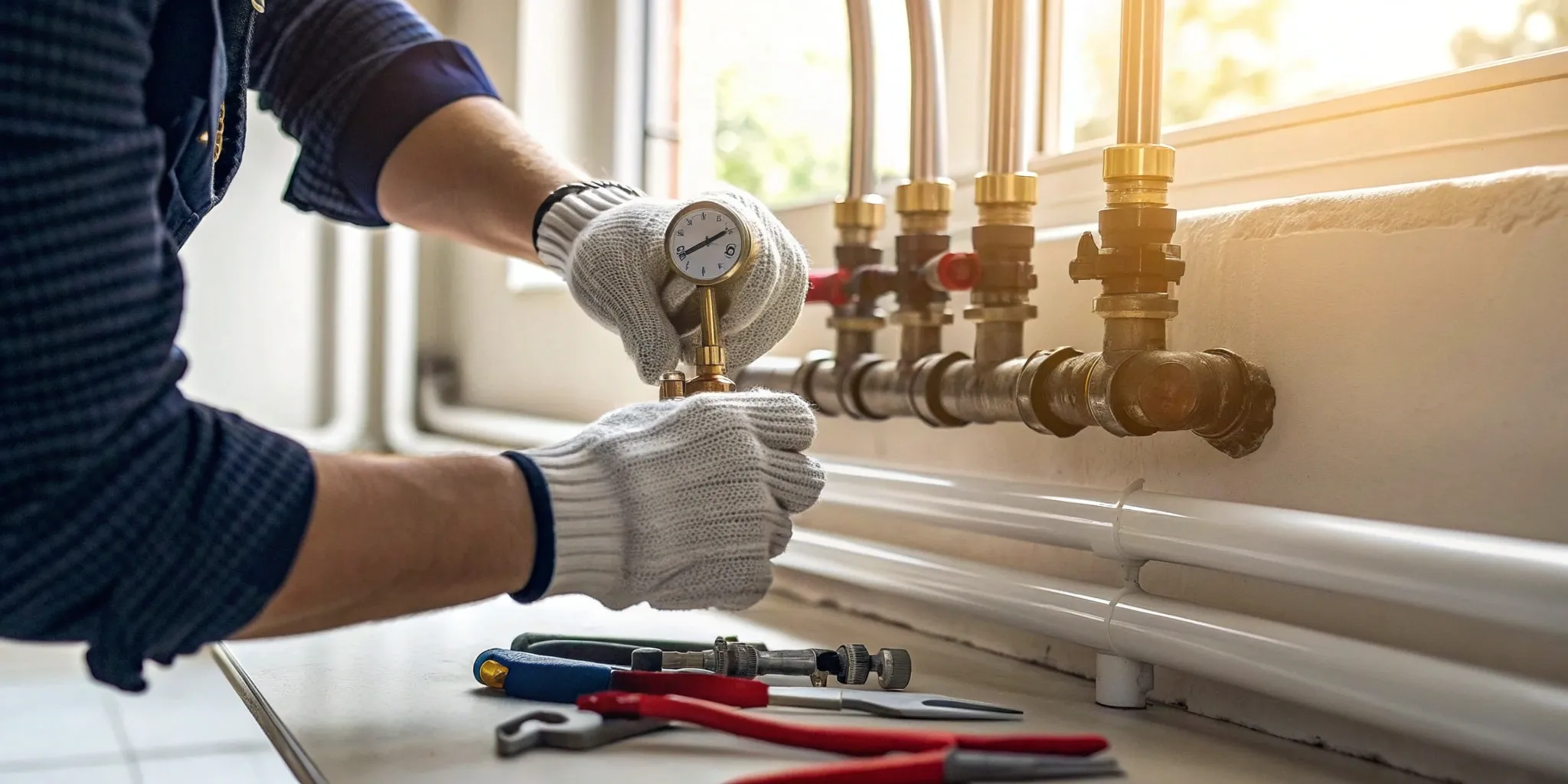
When a certified technician arrives, they follow a clear, systematic procedure. First, they’ll perform a visual inspection of the backflow prevention device and the surrounding pipes to spot any obvious signs of damage or wear. Next, they will temporarily shut off the water and isolate the device to ensure a clean and accurate test. Using specialized equipment, they’ll connect gauges to the device’s test ports to measure pressure and check that the internal valves are working correctly. The actual test is designed to confirm the assembly prevents water from flowing backward. The whole hands-on process is usually finished in under 30 minutes.
Scheduling and Time Commitment
Getting a backflow test on your calendar is typically very easy. Most professional plumbing companies can schedule an appointment within a few days, working around your availability. The best part? The test itself is fast and non-invasive. You can expect the technician to be on-site for less than half an hour. Your water will only be shut off for a small portion of that time, so it won’t cause a major interruption to your home or business operations. It’s a small time investment that provides significant peace of mind and ensures your residential plumbing in Spokane remains safe.
The Final Report and Documentation
Once the test is complete, you won’t be left guessing about the results. The technician will provide you with a detailed report that clearly states whether your backflow prevention device passed or failed. If it passed, the report serves as the official documentation you need for your local water authority. If the device fails, the report will outline exactly what’s wrong and what needs to be done. Your technician can explain the necessary steps for repair or replacement and provide a quote for the work, ensuring you have all the information needed to get your system back in compliance quickly.
Understanding the Cost of Backflow Testing
When you get that notice from the city, one of the first questions that comes to mind is, “How much is this going to cost?” The price for backflow testing isn’t one-size-fits-all, but understanding the variables can help you plan your budget. The cost covers the specialized equipment and certified expertise needed to ensure your water supply is protected from contamination. It’s a small investment in the safety of your property’s drinking water. Let’s break down what goes into the final price and how you can prepare for this essential annual service.
What Influences the Price?
The cost for a standard backflow test typically falls between $30 and $300 per device. The exact price depends on a few key things. Your location in the Spokane area, the number of backflow preventers on your property, and how easy they are to access all play a role. A simple, straightforward test will be on the lower end of that range. However, if the test reveals a problem, the cost will go up. Any necessary repairs will add to the final bill, as plumbers generally charge an hourly rate for labor. Think of it like a car inspection—the initial check is one price, but any required fixes are an additional cost.
Budgeting for Annual Tests
It’s smart to treat backflow testing as a regular part of your annual property maintenance budget. Most local water authorities require you to test your devices every year, especially if you have an irrigation system, a pool, or a commercial property. This isn’t just about compliance; it’s a critical step to keep your drinking water safe and clean. When you budget, plan for more than just the test itself. Set aside a little extra in case your device fails the inspection. A failed test means you’ll need to pay for repairs and a follow-up test to confirm the issue is resolved, so having a cushion can prevent a surprise expense. Our team can handle the entire process, from testing to any needed residential plumbing repairs.
Red Flags to Watch Out For
Choosing the right professional for your backflow testing is a big deal—you’re trusting them with the safety of your water supply. While most plumbers are honest, hardworking folks, it pays to know what to look for to avoid a bad experience. A little bit of awareness can save you from headaches, surprise costs, and shoddy work. Here are a few common red flags to keep on your radar when you’re hiring a certified backflow tester. Being mindful of these signs will help you find a reliable expert who can handle all your residential plumbing needs in Spokane.
Missing Licenses or Insurance
This is the biggest and brightest red flag. Any professional working on your plumbing system, especially something as critical as a backflow preventer, must have the proper credentials. A legitimate tester will have current certifications and should be able to provide proof of insurance without any hesitation. Don’t be shy about asking to see their certification card. If they get defensive or make excuses, that’s your cue to find someone else. Hiring an uninsured contractor puts you at risk for any damages or accidents that happen on your property. A true professional understands that being licensed and insured protects both you and them, and they’ll have their paperwork ready to go.
Prices That Seem Too Good to Be True
We all love a good deal, but when it comes to specialized services like backflow testing, an unusually low price should make you pause. If a quote is significantly lower than others, it could mean the technician is cutting corners, using subpar equipment, or isn’t properly certified. Some companies might also lure you in with a low initial price only to hit you with hidden fees later. It’s always a good idea to get quotes from a few different reputable companies. This helps you get a feel for the standard rate in Spokane and spot an offer that’s truly too good to be true. Quality work, like a proper water heater installation, comes with fair, transparent pricing.
Vague Communication and No Paperwork
Clear communication is key in any service industry. A certified backflow tester should be able to explain the testing process, answer your questions clearly, and provide you with official documentation afterward. If a contractor is evasive, uses a lot of jargon without explaining it, or can’t give you a straight answer, be wary. Before any work begins, you should receive a clear, written estimate. After the test, they must provide a detailed report to you and your water purveyor. A lack of proper paperwork is a sign of disorganization at best and a scam at worst. You need that final report as proof of compliance, so if a tester seems casual about it, they aren’t the right fit for the job.
When you need a name you can trust from the list of certified professionals, Action Craft Experts is ready to handle your certification needs.
Related Articles
- What Is a Backflow Test For? A Guide to Safe Water
- Cost to Find a Water Leak in Wall: What to Expect
- Spring Plumbing Checklist for Homeowners: What to Inspect
Frequently Asked Questions
Why do I have to get a backflow test every year? Think of it like an annual inspection for your car—it’s a preventative safety check. Backflow preventers have internal seals, springs, and moving parts that can wear out or get stuck over time. An annual test is required by most water authorities to catch these failures before they can allow contaminated water into your drinking supply. It’s a routine measure that ensures your property stays compliant with local health codes and keeps your water safe.
What’s the difference between a regular plumber and a certified backflow tester? While a certified tester is often a licensed plumber, not every plumber is certified to test backflow devices. Backflow testing requires specialized training and a specific certification that focuses on the mechanics of these devices and the precise methods for testing them. This ensures the test is performed correctly and that the results are officially recognized by your local water utility.
What happens if my backflow preventer fails the test? If your device fails, don’t worry—it’s a common issue that can be fixed. The certified tester will give you a detailed report explaining what went wrong. The next step is to have a licensed plumber repair or replace the faulty device. After the repair is complete, the device must be tested again to confirm it’s working properly. A full-service plumbing company can often handle the entire process for you, from the initial test to the final repair and re-certification.
How long will my water be shut off during the test? The good news is that the disruption is minimal. The entire appointment usually takes less than 30 minutes, and your water will only need to be shut off for a small portion of that time, typically just 10 to 15 minutes. A professional tester works efficiently to complete the process so you can get back to your day with as little interruption as possible.
Is a backflow preventer required for every home? Not every single home has one, but they are required on properties where there’s a risk of cross-connection between the clean water supply and a potential source of contamination. The most common triggers are in-ground irrigation systems, swimming pools, boilers, or fire sprinkler systems. If you have any of these, you almost certainly have a backflow prevention device that needs to be tested regularly.