















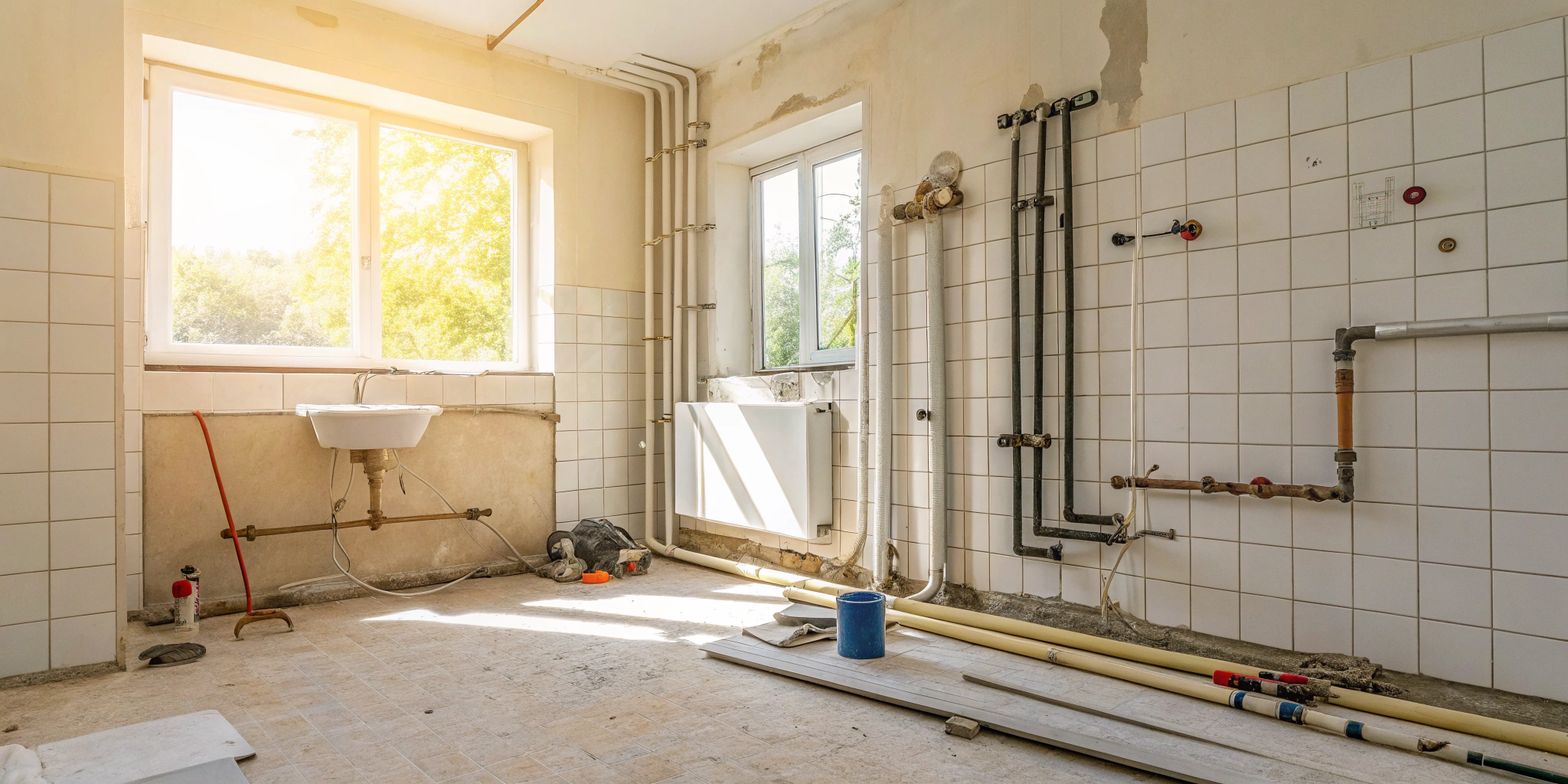
The temptation to tackle a bathroom renovation yourself is strong, especially with so many tutorials available. But while painting or tiling can be a rewarding weekend project, relocating pipes is in a different league. A moving plumbing bathroom remodel is a job where small mistakes can lead to catastrophic and expensive problems, from hidden leaks inside your walls to improper drainage that causes constant clogs. Before you even think about picking up a pipe wrench, it’s important to understand the risks. This guide explains why this is a job best left to the professionals and what to expect when you bring in an expert to get it done right.
Key Takeaways
- Assess Your Space for a Realistic Design: Before you fall in love with a new layout, understand where your current pipes are and what kind of foundation you have. This knowledge is key to creating a plan that is both beautiful and budget-friendly.
- Budget for More Than Just Pipes: The cost of moving plumbing is influenced by your home’s foundation, the specific fixtures being moved, and labor. Always factor in permits and a contingency for unexpected issues like hidden leaks.
- Don’t Risk a DIY Disaster: Moving plumbing lines is a job for a licensed professional. A pro ensures the work is done safely, meets local codes, and protects your home from the major water damage that can result from even a small mistake.
What to Know Before Moving Your Bathroom Plumbing
Dreaming of a new bathroom layout is exciting, but before you start picking out tile, it’s important to understand what’s happening behind the walls and under the floor. Relocating fixtures like toilets, sinks, and showers can completely transform your space for the better, but it’s a complex job that adds to the overall cost and timeline of your remodel. Getting a handle on a few key factors from the start will help you plan a realistic budget and design a layout that is both beautiful and functional. Thinking through these points will save you from surprises down the road and ensure your project goes smoothly from demolition to the final reveal.
Assess Your Current Plumbing
First things first, you need a clear picture of your current plumbing setup. Knowing where your existing water supply lines and drainpipes are located is the starting point for any bathroom remodel. Are the pipes old and in need of an update, or are they in great shape? An initial assessment will reveal the scope of the project. This isn’t just about tracing lines; it’s about understanding the condition of your entire system. A professional plumber can help you evaluate your pipes and identify any potential issues before they become major headaches. This step helps you create a solid plan for your residential plumbing project.
Consider Your Foundation and Access
How easy is it to get to your pipes? The answer often lies in your home’s foundation. If you have a crawl space or an unfinished basement, plumbers can access the pipes with relative ease, which keeps labor costs down. However, if your home is built on a concrete slab, the job becomes much more involved. Accessing the pipes requires cutting or jackhammering through the concrete, which is a messy, time-consuming, and more expensive process. Understanding your foundation type is critical for budgeting accurately and setting realistic expectations for the demolition and installation phases of your remodel.
Plan Your New Layout
This is where your vision starts to take shape. While it’s a common job to move plumbing around, your new layout needs to be practical. Think about how you use the space. Do you want a double vanity where a single sink currently sits? Are you dreaming of moving the toilet to a more discreet location? Sketching out your ideal floor plan is a great first step. A professional can then review your design to confirm its feasibility and suggest any adjustments based on the existing plumbing infrastructure. Finalizing your plumbing fixture installation plan early on prevents costly changes later.
Understand Drainage and Venting Needs
Proper drainage is non-negotiable for a functional bathroom. Every fixture needs a clear, sloped path to the main sewer line, and toilets are the most challenging to relocate. Their large waste pipe requires a specific downward angle to work correctly, which limits where they can be placed. Showers and tubs also need careful planning to ensure water drains away efficiently. On top of that, every drain needs a vent pipe to release sewer gases and maintain pressure. These technical requirements are why working with an experienced plumber is so important to ensure your new bathroom’s drainage system functions perfectly.
How Much Does It Cost to Move Bathroom Plumbing?
Figuring out the budget for a bathroom remodel is a big deal, especially when you’re changing the layout. Moving plumbing isn’t a simple, one-price-fits-all job; the final cost depends on what you’re moving, where it’s going, and what’s underneath your floor. Think of it less as a single price tag and more as a sum of different parts, including the fixtures you choose, the labor involved, and any surprises hiding behind the walls. Understanding these factors will help you set a realistic budget and have a much smoother conversation with your plumber.
Costs by Fixture (Toilet, Sink, Shower)
The cost to move your bathroom plumbing often breaks down by the fixture. Relocating a single plumbing line can cost between $80 and $200, and most fixtures—like a sink or shower—need at least three lines (hot water, cold water, and a drain). For example, moving the lines for a toilet might run from $200 to $400. When you add the cost of a new toilet and the plumbing fixture installation, the total can range from $550 to nearly $4,000. Similarly, moving a shower’s plumbing could be $240 to $600 for the lines, with the full project costing much more depending on the new setup.
How Your Foundation Affects the Price
One of the biggest factors in your project’s cost is your home’s foundation. If you have a raised foundation with a crawl space, plumbers have much easier access to the pipes, which keeps labor costs down. However, if your house is built on a concrete slab, the job gets more complicated. Accessing the pipes means cutting through the concrete, which is a labor-intensive process that can add $550 to $1,500 to your bill before any plumbing work even begins. It’s a crucial detail to discuss when getting a quote, as it dramatically impacts the price.
Breaking Down Labor and Material Costs
When you zoom out to look at the whole project, the average cost to replumb a standard bathroom with a toilet, sink, and tub/shower combo is about $5,300. However, that number can swing anywhere from $2,000 to $10,000 based on the project’s complexity, the fixtures you select, and local labor rates. A significant portion of this cost is labor, which is why it’s so important to work with experienced professionals. Quality residential plumbing services ensure the job is done right the first time, saving you from costly repairs down the road.
Watch Out for Hidden Costs
A bathroom remodel can sometimes uncover unexpected issues. Once the walls and floors are open, you might find problems that need immediate attention. For instance, discovering mold could add around $500 to your budget for remediation, while significant water damage might require a more extensive fix. If you find a leak, it’s critical to get a professional water leak repair to prevent further damage. Also, remember that most plumbing relocations require a permit from the city, a task your plumber will typically handle but is still a necessary part of the overall cost.
A Step-by-Step Guide to Relocating Plumbing
Moving your bathroom plumbing can feel like a huge undertaking, but breaking it down into clear steps makes the whole process much more manageable. Think of it as a roadmap for your remodel. While some parts of a renovation can be a fun weekend project, relocating pipes is a job that requires precision, expertise, and a deep understanding of how plumbing systems work. Getting it wrong can lead to major headaches and expensive repairs down the line.
Following a structured process ensures everything is done correctly, from the initial sketch to the final inspection. This is where having a professional on your team is a game-changer. A licensed plumber can guide you through each phase, ensuring your new bathroom is not only beautiful but also perfectly functional and up to code. From planning the layout to installing the final fixture, we’ll walk you through the key stages of a successful residential plumbing relocation project.
Step 1: Plan and Design
Every great bathroom remodel starts with a solid plan. Before you even think about touching a pipe, map out your new layout. Think about how you use the space. Do you want a double vanity instead of a single sink? Is the dream to move the toilet to a more private spot? Sketch out your ideas and consider the flow of the room.
Plan your design carefully, thinking about what you really need versus what would be nice to have. Deciding on your fixtures, wall finishes, and flooring early on is also key, as these choices can impact plumbing placement. A detailed plan helps you get an accurate quote and prevents costly changes once the work has started. For inspiration, you can browse bathroom design ideas to see what’s possible.
Step 2: Get the Right Permits
This step is an absolute must. Most projects that involve moving plumbing lines require a permit from your local government. It might seem like a hassle, but permits are there to protect you. They ensure the work is done safely and meets Spokane’s building codes, which is crucial for your home’s safety and resale value.
Navigating the permit process can be confusing, but this is another area where a professional plumber shines. We handle getting these permits all the time. We know exactly what paperwork the City of Spokane requires and what inspectors look for. Letting an expert manage this ensures everything is filed correctly and your project stays on track without any bureaucratic delays.
Step 3: Demolition and Prep
Once the plans are approved and permits are in hand, it’s time to prepare the space. This involves carefully removing old fixtures, flooring, and sections of drywall or tile to expose the existing plumbing lines. While you might be tempted to grab a sledgehammer and go to town, demolition requires a strategic approach.
You need to know what’s behind the walls to avoid accidentally damaging pipes or electrical wiring that isn’t being moved. Even for experienced DIYers, some tasks like plumbing and electrical are best left to the experts. A professional team will handle the demolition cleanly and safely, setting the stage for a smooth installation and minimizing the mess in your home.
Step 4: Install New Pipes and Fixtures
This is where your new bathroom layout truly starts to take shape. A licensed plumber will run new water supply and drain lines to the locations you mapped out in your design plan. This process, known as the “rough-in,” requires incredible precision. Pipes must be sloped correctly to ensure proper drainage and vented properly to prevent sewer gases from entering your home.
After the new lines are in place and have passed inspection, the next step is the plumbing fixture installation. Your new toilet, sink, shower, and tub are connected to the system. This is the moment you can finally see your vision coming to life.
Step 5: Test and Inspect
Before the new walls go up, every connection and pipe needs to be thoroughly tested. This is a critical quality-control step. Your plumber will perform a pressure test on the water lines to check for even the tiniest leaks. Drain lines are also tested to ensure they are clear and flowing correctly.
It’s very important to hire a professional for plumbing work because this step is non-negotiable. A final inspection by a city official is also required to sign off on the rough-in plumbing. This ensures everything is up to code and prevents future problems like slow drains or hidden water leak damage. Once everything passes, you can confidently move on to finishing your beautiful new bathroom.
DIY vs. Hiring a Pro: What’s the Right Choice?
The temptation to tackle a bathroom remodel yourself is understandable. Weekend warrior projects can be rewarding, but when it comes to moving plumbing, the stakes are incredibly high. A small mistake can lead to major water damage, structural issues, and costs that far exceed what you would have paid a professional in the first place. Before you pick up a wrench, it’s important to weigh the benefits of bringing in an expert against the significant risks of going it alone. For most homeowners, hiring a licensed plumber isn’t just the easier choice—it’s the smartest and safest one for protecting your investment.
Why Hire a Professional Plumber
While you might be handy, a professional plumber brings years of specialized training, experience, and the right tools for the job. They understand the complex systems of drainage, venting, and water supply that have to work together perfectly behind your walls. Trying to figure this out on your own can lead to “expensive water damage and other long-term problems.” A pro ensures every connection is secure, every pipe is graded correctly, and the entire system functions efficiently. Hiring an expert for your residential plumbing in Spokane gives you peace of mind that the work is done right the first time, preventing stressful and costly issues down the road.
Common (and Costly) DIY Mistakes
What starts as a cost-saving DIY project can quickly turn into a financial nightmare. One of the most common mistakes is improper pipe connections, which can create slow, hidden leaks inside your walls or floors, leading to mold growth and rot. Another frequent error is incorrect drain sloping. If a drainpipe doesn’t have the right pitch, it won’t drain properly, causing clogs and backups. Forgetting or improperly installing vent pipes is another critical mistake that can lead to slow drains and sewer gas entering your home. A simple mistake can easily require an emergency call for water leak repair, costing you far more than hiring a professional from the start.
When a Pro is Non-Negotiable
Some tasks are simply not meant for DIY experimentation, and moving plumbing lines is at the top of that list. You should “always hire a professional to move plumbing water lines.” This is non-negotiable for any project that involves rerouting water supply pipes, drain lines, or vent stacks. The job requires precision, an understanding of fluid dynamics, and knowledge of local codes to ensure everything is done safely and correctly. This is especially true for more complex tasks like relocating a toilet or shower, or any work involving gas line repair and installations, which carries significant safety risks if not handled by a licensed professional.
Staying Safe and Up to Code
Beyond the technical skills, a professional plumber ensures your project is compliant with local regulations. Most projects that involve moving plumbing lines require a permit from your local government, and a licensed plumber will know exactly what’s needed in Spokane and handle the permitting process for you. This is crucial because unpermitted work can result in fines, invalidate your homeowner’s insurance, and create major headaches if you ever decide to sell your home. A professional makes sure the job is done correctly, safely, and “follows all local building rules,” protecting both your family and your property’s value.
How to Plan and Budget for Your Project
A successful bathroom remodel hinges on smart planning and a realistic budget. Before you start swinging a sledgehammer or picking out tile, taking the time to map out the details will save you from headaches and unexpected costs down the road. A clear plan acts as your roadmap, guiding every decision from the initial layout to the final fixture. It helps you communicate your vision clearly to your plumber and other contractors, ensuring everyone is on the same page. Thinking through your timeline, local regulations, and potential pitfalls ahead of time is the best way to keep your project running smoothly. This proactive approach not only helps manage your budget but also turns a potentially stressful process into an exciting and rewarding one. Let’s walk through the key steps to get your project started on the right foot.
Set a Realistic Timeline
It’s easy to underestimate how long a remodel can take, especially the plumbing work. While the actual job of moving pipes might only take one to three days, that’s just one piece of the puzzle. This timeframe doesn’t include demolition, framing, drywall repair, tiling, or installing the new fixtures. Be sure to coordinate with your plumber and any other contractors to build a comprehensive schedule. A good plan accounts for potential delays, like waiting for inspections or special-order parts. Discussing the full scope of your project upfront will help you create a timeline that works for everyone and prevents your bathroom from being out of commission longer than necessary.
Know Spokane’s Building Codes and Permits
Anytime you alter your home’s plumbing system, you need to consider local regulations. In Spokane, moving water lines or drain pipes almost always requires a permit from the city. This isn’t just bureaucratic red tape; permits ensure the work is done safely and meets all building codes, protecting your home’s value and your family’s health. A licensed plumber will know exactly what permits are needed for your project and can handle the application process for you. This ensures all your residential plumbing work is fully compliant, giving you peace of mind that the job was done right. Moving pipes requires precision and local code knowledge, which is why our Spokane Valley plumbers are the preferred choice for major renovations.
Avoid These Common Planning Mistakes
A little foresight can save you a lot of money. One common mistake is assuming that moving a fixture is always the best option. Sometimes, it’s far more cost-effective to simply replace a sink or toilet in its current location. Another major pitfall is underestimating the complexity of moving the main soil stack (the large drain pipe your toilet connects to). Relocating this pipe is a significant undertaking that can dramatically increase the cost and timeline of your project. Before you get attached to a new layout, discuss the feasibility and cost implications with your plumber to make an informed decision.
How to Work with Your Plumber
Your plumber is your most valuable partner in a bathroom remodel. While it’s tempting to tackle plumbing tasks yourself, this is one area where professional expertise is non-negotiable. A licensed plumber guarantees that the work is done correctly, safely, and up to code, preventing costly leaks and water damage in the future. To have a great working relationship, come prepared with your layout ideas but also be open to their suggestions. They may see a more efficient way to run pipes or have advice on the best fixtures for your space. Clear communication is key to ensuring your vision for the new plumbing fixture installation becomes a reality.
Related Articles
Frequently Asked Questions
Can I move my toilet anywhere I want in the new layout? While you definitely have options, the toilet is the trickiest fixture to relocate. It needs a large drainpipe with a specific downward slope to connect to your home’s main sewer line. This requirement often limits how far it can be moved without significant and costly adjustments to the plumbing system. It’s always best to discuss your ideal placement with a plumber first to see what’s realistic for your space.
What’s the biggest factor that affects the cost of moving bathroom plumbing? Hands down, the biggest variable is your home’s foundation. If you have a crawl space or an accessible basement, a plumber can get to the pipes relatively easily, which keeps labor costs lower. However, if your house is on a concrete slab, the job becomes much more involved because the concrete has to be cut or jackhammered to access and move the pipes, adding significant time and expense to the project.
How long will the plumbing part of my remodel actually take? The work of rerouting the pipes, or the “rough-in,” can often be completed in just a few days. However, it’s important to remember this is just one phase of the entire remodel. Your bathroom will be out of commission for longer, as the plumbing work needs to be coordinated with demolition, framing, inspections, and then the installation of drywall, tile, and the final fixtures.
Do I really need a permit just to move my sink a few feet? Yes, in most cases you do. Any time you alter the existing water supply or drain lines, cities like Spokane require a permit. This process ensures that all the work is performed safely and meets local building codes, which protects your home’s value and prevents future issues. A professional plumber will handle the entire permitting process for you.
Can I save money by doing the demolition myself? While it might seem like a good way to cut costs, doing the demolition yourself can be risky. There are often hidden pipes, wires, and structural elements behind walls and under floors that you could accidentally damage, leading to more expensive repairs. A professional team knows how to prep the space carefully and efficiently, creating a clean slate for the new plumbing installation.