















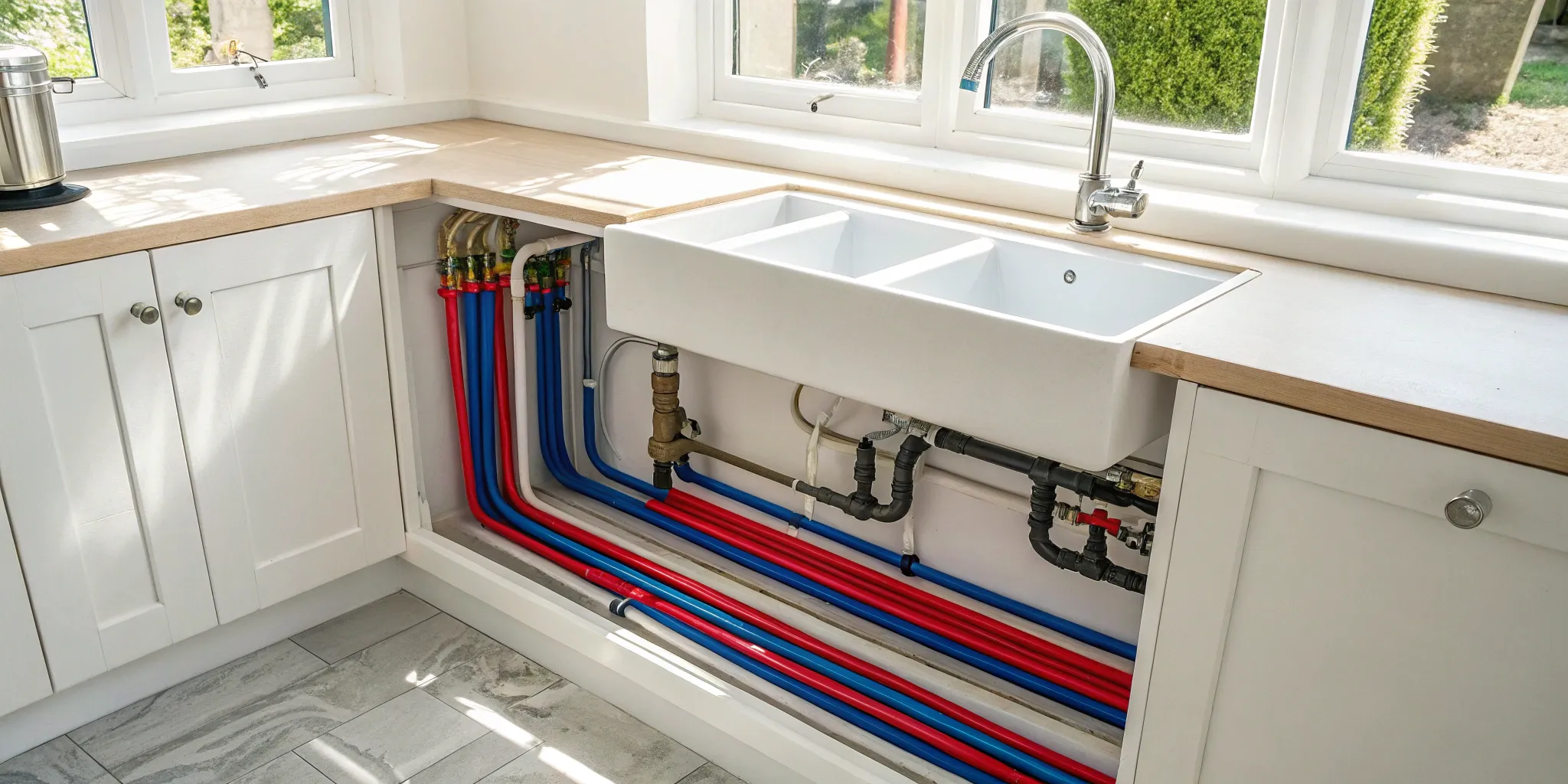
Viewing a whole-house repipe as just another expense misses the bigger picture. It’s one of the smartest investments you can make in your property’s health and value. Old, corroding pipes are a ticking time bomb, threatening costly water damage and constant repair bills. By upgrading to a modern PEX system, you’re not just fixing current issues—you’re preventing future disasters. This proactive step improves your water pressure, lowers energy bills, and eliminates the risk of leaks from aging pipes. To make this investment wisely, you first need a clear financial picture. Let’s explore the typical cost to repipe a house with PEX and see how this upfront investment pays for itself in long-term savings and security.
Key Takeaways
- Choose PEX for its cost and durability: PEX piping is not only more affordable than copper due to lower material and labor costs, but it’s also resistant to corrosion and less likely to burst in freezing weather, saving you from future repairs.
- Your budget needs to include more than just pipes: A complete repiping project involves additional expenses. Remember to factor in the costs for city permits, inspections, and the necessary drywall repairs and painting to get your home back to normal.
- Repiping is a job for a professional: This isn’t a DIY project where you can afford a mistake. Hiring an experienced plumber ensures the job is done correctly, meets all safety codes, and gives you a reliable system you can trust for years to come.
What is PEX Piping?
If you’re looking at a repiping project, you’ve probably heard the term “PEX” thrown around. So, what is it? PEX stands for cross-linked polyethylene, a type of flexible plastic tubing that has become a go-to material for modern plumbing. It was first developed to create a durable pipe that required fewer fittings, making installations simpler and more reliable.
Think of it as the new standard for residential water lines. Its flexibility allows it to bend around corners without extra joints, which means fewer potential leak points and a faster installation process. For homeowners, this translates to a less invasive and more efficient upgrade to their home’s plumbing system.
Why Choose PEX Over Copper or PVC
For decades, copper and PVC were the top choices for plumbing. While they still have their uses, PEX offers some clear advantages for a full home repipe. Unlike copper, PEX is corrosion-resistant, so you don’t have to worry about rust or pinhole leaks developing over time. It’s also more flexible and lightweight, which makes the installation process much smoother.
A plumber can run a continuous line of PEX from a distribution point directly to a fixture, like a sink or shower. This reduces the number of fittings needed behind your walls. Fewer fittings mean fewer potential points of failure. Plus, because the installation is often faster and requires less demolition, choosing PEX can lead to significant savings on labor and wall repairs compared to a traditional copper repipe.
The Benefits: Durability, Flexibility, and Cost
The three biggest wins for homeowners choosing PEX are its durability, flexibility, and cost-effectiveness. PEX pipes are built to last. They are resistant to scale buildup and chlorine, and they won’t corrode. They can also expand slightly, which makes them less likely to burst if your pipes freeze—a huge plus for anyone living through Spokane winters. This durability is a key reason we handle so many residential plumbing projects with PEX.
Its flexibility not only makes for a quicker installation but also a quieter plumbing system, as it helps absorb water pressure changes that can cause that “water hammer” sound. Best of all, PEX is typically more affordable than copper. The material itself costs less, and the simpler installation process reduces labor time. This means you can often save thousands of dollars on a full repipe project, making it a smart financial decision for updating your home.
How Much Does It Cost to Repipe a House with PEX?
When you’re facing a whole-house repipe, the first question on your mind is almost always about the cost. It’s a significant home improvement project, and you need a clear idea of the investment required. The good news is that choosing PEX piping can make the project much more affordable than you might think, especially compared to traditional materials like copper.
While the final price tag depends on several factors specific to your home, we can look at national averages to get a solid baseline. This will help you create a realistic budget and understand what goes into a professional estimate for your project.
A Look at National Averages
Nationally, the average cost to repipe a house with PEX is between $3,500 and $11,000, with most homeowners spending around $6,785. Of course, the biggest factor influencing this range is the size of your home. A larger house with more bathrooms and a complex layout will naturally require more materials and labor.
To give you a clearer picture, here’s a general breakdown of average costs by square footage:
- Under 2,200 sq ft: around $5,837
- 2,200 – 3,500 sq ft: around $8,250
- 3,500 – 6,000 sq ft: around $12,160
- 6,000+ sq ft: around $16,124
Remember, these are just starting points. The best way to understand the cost for your specific property is to get a detailed quote for your residential plumbing needs in Spokane.
PEX vs. Copper: A Cost Breakdown
One of the main reasons PEX has become so popular is its significant cost advantage over copper. Repiping a house with copper can cost anywhere from $5,000 to $20,000. By choosing PEX, you could save between $2,000 and $5,000 on the total project.
Let’s look at a practical example: for a typical two-bathroom home, a copper repipe might cost between $8,000 and $10,000. The same job using PEX would likely fall between $4,000 and $6,000. This substantial difference comes from two things: the lower cost of the PEX material itself and the reduced labor time. PEX’s flexibility makes it much faster to install, which means fewer hours on the clock and less disruption to your home—a win-win when you’re dealing with a major water leak repair.
What Factors Affect Your Final Repiping Cost?
When you get a quote for repiping your house, you’ll quickly realize it’s not a one-size-fits-all price. The final number on your estimate depends on a few key variables specific to your home and your project. Understanding these factors will help you see exactly where your money is going and allow you to plan your budget more effectively. From the square footage of your house to the materials needed to patch up your walls afterward, several elements come into play. Let’s walk through the main components that will shape the total cost of your PEX repiping project.
Your Home’s Size and Layout
It makes sense that the bigger your home, the more it will cost to repipe. A larger house requires more piping, more fittings, and more hours of labor to get the job done. The number of stories and bathrooms also plays a big role. A sprawling one-story ranch with two bathrooms will have a different price tag than a compact three-story home with four bathrooms. Each sink, toilet, and shower adds to the complexity and material needs. The overall layout determines how much pipe our team needs to run to connect every fixture back to your main water line, directly impacting your final residential plumbing cost.
The Complexity of Your Plumbing System
Beyond just size, the existing layout of your plumbing system is a major cost factor. If your pipes are easily accessible in a crawl space or an open basement, the job is much more straightforward. However, if pipes are buried in concrete slabs or hidden behind difficult-to-access walls, the labor involved increases significantly. Some homes, especially older or custom-built ones, have unique plumbing routes that require creative solutions and extra time to work around. A thorough inspection is the only way to uncover these complexities and provide an accurate quote for a full water leak repair and repipe.
Local Labor Rates and Permits
Where you live matters. Labor costs can vary quite a bit from one city to another, and Spokane has its own market rates for skilled plumbers. Beyond labor, every municipality has its own requirements for permits and inspections. These fees are a necessary part of the process, ensuring that all work is done to code and is safe for your family. As a licensed local company, we handle the entire permitting process for you. We understand Spokane’s specific regulations, so you can be confident that your project will be completed correctly and meet all local building standards.
The Cost of Wall Repairs
This is the part of the project that many homeowners forget to budget for. To replace old pipes, we almost always have to cut into drywall to access them. While our plumbers are experts at making precise, minimal cuts, you will have holes in your walls that need to be repaired once the new PEX is installed. The cost of patching, texturing, and painting this drywall is a separate expense. While we focus on the plumbing, you’ll need to plan for a drywall contractor or set aside time for a DIY project. This finishing work is essential for getting your home back to normal after a plumbing fixture installation or a full repipe.
Estimating Your PEX Repiping Budget by Home Size
The size of your home is one of the biggest factors that determines your final repiping cost. More square footage simply means more pipes, more fixtures, and more labor. To give you a ballpark idea for your budget, we’ve broken down the typical cost ranges based on home size. While these are estimates—a professional quote will always give you a precise figure—they’re a great place to start your planning.
Small Homes (1-2 Bedrooms)
If you live in a smaller, one or two-bedroom home, you can expect a full PEX repipe to cost between $1,500 and $5,000. The lower price tag is due to a more straightforward layout with fewer bathrooms and appliances requiring plumbing. This means less piping and fewer hours of labor are needed to get the job done right. For many homeowners, this is an affordable and proactive way to handle their residential plumbing and prevent future headaches from old, failing pipes.
Medium Homes (3 Bedrooms)
For a typical three-bedroom home, the cost to repipe with PEX generally lands between $4,000 and $10,000. This price jump accounts for the added complexity of a larger space. You likely have two or more bathrooms, a larger kitchen, and longer pipe runs, possibly across multiple floors. This requires more materials and more time for a careful installation. It’s a worthwhile investment, especially if you’re tired of calling for frequent water leak repair on an aging system and want a permanent solution.
Large Homes (4+ Bedrooms)
In a large home with four or more bedrooms, the scope of a repiping project grows substantially. Here, costs can range from $8,000 to $20,000 or more. These homes often feature multiple bathrooms, laundry rooms, and complex layouts that demand extensive materials and meticulous planning. The work is more labor-intensive, especially with multi-story designs or finished basements. For a project of this size, a detailed, on-site estimate is crucial to ensure your budget covers everything, including any new plumbing fixture installation you might want to include.
Don’t Forget These Additional Costs
When you get a quote for repiping your house, it’s easy to focus on the main number. But the cost of the PEX pipes and the labor to install them is only part of the story. Several other expenses can pop up, and if you haven’t planned for them, they can throw your budget for a loop. Thinking through these potential costs ahead of time will give you a much more realistic picture of the total investment and save you from any last-minute financial stress.
From city permits to patching up your walls, these additional costs are a standard part of any major plumbing project. Some are required for legal and safety reasons, while others are optional upgrades that just make sense to do while your walls are already open. Let’s walk through what you should set aside money for so you can approach your repiping project with confidence and a complete, well-rounded budget.
Budgeting for Permits and Inspections
Before any work begins, your project will likely need a green light from the city. Most major plumbing jobs, including a full repipe, require permits to ensure the work meets local building codes and safety standards. The cost of these permits can vary depending on where you live, but they are a non-negotiable part of the process. An inspection is also typically required after the work is done to verify everything was installed correctly. A professional plumbing company will handle the paperwork for you, but the cost of the permit itself is usually included in your final bill. It’s a small price to pay for the peace of mind that your new plumbing system is safe and up to code.
Planning for Drywall Repair and Painting
Here’s the one that catches most people by surprise. To replace old pipes, plumbers need to access them, and that almost always means cutting into your drywall. While a skilled plumber will make the smallest openings possible, you’ll still be left with sections of wall or ceiling that need to be patched, textured, and repainted. This is a separate job that isn’t typically covered in a plumbing quote. The cost for drywall repair can be significant, sometimes adding a few thousand dollars to your total project expense. It’s a good idea to get a separate quote from a drywall contractor or handyman before the repiping begins so you know exactly what to expect.
Upgrading Fixtures While You’re At It
Since your plumbing system is already getting a major overhaul, it’s the perfect time to think about upgrading your fixtures. That old, leaky faucet in the guest bathroom or the showerhead with weak pressure can finally be replaced. While adding new fixtures will increase the overall cost, it’s often more efficient to do it during a repipe than as a standalone project later. Whether you want a new sink, toilet, or shower system, a professional can handle the plumbing fixture installation while the new pipes are going in. Just remember that more fixtures mean more connections and a bit more labor, so be sure to factor that into your budget.
Common Questions and Concerns About PEX
Switching to a new type of plumbing material can feel like a big step, and it’s completely normal to have questions. PEX piping has become a go-to choice for modern plumbing, but many homeowners wonder about its long-term reliability and whether it’s the right fit for their property. You want to be sure you’re making a sound investment in your home’s infrastructure.
The good news is that PEX has a strong track record for durability and performance. However, like any plumbing material, its success depends heavily on proper installation and adherence to local standards. Let’s walk through some of the most common questions we hear from homeowners in Spokane about PEX, so you can feel confident in your decision. We’ll cover the reliability of its fittings, how it aligns with building codes, and what the installation process actually looks like.
Are PEX Fittings Reliable?
This is one of the biggest concerns homeowners have, and for good reason—no one wants to deal with leaks. The reliability of PEX fittings comes down to one crucial factor: professional installation. While it’s true that PEX connections can leak if they’re installed incorrectly or if incompatible parts are used, they are incredibly secure when handled by an experienced plumber. A professional ensures the right type of fitting is used for the pipe and that every connection is perfectly sealed. When done right, PEX systems are known for their leak-resistant durability, giving you peace of mind and preventing the need for future water leak repair.
Does PEX Meet Local Building Codes?
Absolutely. PEX is widely approved for use in residential plumbing systems across the country, including here in Spokane. However, it’s always important to confirm that any plumbing work meets local building codes to ensure compliance and safety. This isn’t something you should have to worry about on your own. When you work with a licensed company, we handle all the details. Our team stays current on all local regulations, ensuring your repiping project is done correctly and passes any necessary inspections. We make sure every aspect of your residential plumbing in Spokane is fully up to code.
Understanding PEX Installation Requirements
One of the standout features of PEX is its flexibility, which makes the installation process much smoother than with rigid pipes like copper. This flexibility allows plumbers to route the tubing through tight spaces, around corners, and in challenging areas with fewer fittings and less disruption to your walls. For you, this often translates into a faster and more efficient installation with lower labor costs. While the material is easier to work with, it still requires specialized tools and expertise to ensure every connection is secure and the system is laid out for optimal water flow and pressure.
The Long-Term Savings of a PEX Repipe
Thinking about the cost of repiping your house can feel a bit overwhelming, but it’s one of those home improvement projects that truly pays you back over time. While the initial investment is a key part of your budget, the long-term savings are where PEX piping really shines. It’s not just about fixing current problems; it’s about preventing future ones and making your home more efficient.
When you switch to PEX, you’re investing in a modern plumbing system that cuts down on future repair bills, lowers your monthly utility costs, and improves your daily life with better water flow. Let’s look at how these savings add up.
Fewer Repairs and Less Maintenance
If you live in an older home, you might be all too familiar with the cycle of plumbing problems. Older pipes made of galvanized steel or even copper are prone to corrosion, rust, and developing pinhole leaks over time. As one expert notes, “Older homes often have pipes that are wearing out, which can cause leaks and water damage. Repiping fixes these problems for good.”
PEX is a durable, flexible material that resists the scale buildup and corrosion that plague metal pipes. This means you can say goodbye to the constant worry of a surprise leak. Its flexibility also makes it more resistant to bursting in freezing temperatures—a huge plus for Spokane winters. This durability translates directly into savings, as you’ll spend far less on emergency water leak repair and the associated water damage costs.
Better Energy Efficiency
Here’s a benefit you’ll see on your utility bills every month. PEX is a much better insulator than metal, which means it doesn’t lose heat as quickly as copper or steel pipes do. As plumbing pros point out, “PEX plastic is an excellent thermal insulator for hot water. With PEX piping, water heater systems use less energy.”
What does this mean for you? The hot water traveling from your water heater to your shower or sink will arrive hotter. Your water heater won’t have to work as hard to compensate for heat loss, leading to lower energy consumption. It might seem like a small detail, but over the years, these energy savings can add up to a significant amount.
Improved Water Pressure and Quality
Dealing with weak water pressure or discolored water is frustrating. If you’ve noticed your shower isn’t as strong as it used to be or see a rusty tint in your water, your old pipes are likely the culprit. Over decades, galvanized pipes corrode from the inside, narrowing the path for water and leaching rust into your supply.
PEX offers a clean, modern solution. Its smooth interior surface prevents mineral buildup and corrosion, ensuring a strong, steady flow of clean water throughout your home. This upgrade provides “a modern alternative that’s more affordable, durable, and freeze-resistant than traditional copper or galvanized pipes.” You’ll notice the difference immediately, whether you’re filling a pot in the kitchen or enjoying a better shower. It’s a quality-of-life upgrade that also protects your plumbing fixtures from clogs and corrosion.
DIY vs. Hiring a Professional: Which is Right for You?
We all love a good weekend project. There’s a real sense of accomplishment in fixing something yourself, not to mention the potential savings. But when it comes to your home’s plumbing, some jobs are much bigger than a leaky faucet. Repiping your entire house falls squarely into the “call a professional” category. It’s a massive undertaking that requires specialized knowledge, tools, and experience to get right. A single mistake doesn’t just mean a small leak; it can lead to catastrophic water damage, mold growth, and repairs that cost far more than hiring a pro in the first place. So, before you head to the hardware store with a PEX crimper in hand, let’s talk about why this is one project you shouldn’t tackle on your own and the real value an experienced plumber brings to the table.
Why Repiping Isn’t a DIY Job
Repiping a house is more than just connecting pipes. It’s a complex puzzle involving your home’s entire plumbing system, from water pressure regulation to ensuring every connection is perfectly sealed. You’re working with different fittings, navigating tight spaces behind walls, and making sure the new system integrates flawlessly with your existing fixtures. Without professional training, it’s easy to make a small error—like an improperly crimped fitting—that can lead to slow leaks, major bursts, and costly water leak repair down the road. The risk of causing significant damage to your home’s structure and foundation simply isn’t worth the potential savings.
The Value of Hiring an Experienced Plumber
When you hire a professional, you’re not just paying for labor; you’re investing in expertise and peace of mind. An experienced plumber can assess your entire system and recommend the best approach, ensuring the job is done correctly and up to code the first time. They have the right tools and the know-how to complete the project efficiently, minimizing disruption to your daily life. A professional team specializing in residential plumbing will replace your whole system at once, solving underlying issues instead of just patching problems. This comprehensive approach saves you money in the long run by preventing future repairs and giving you a reliable plumbing system you can count on for years.
How to Get an Accurate Repiping Quote
Getting quotes for a major project like repiping can feel overwhelming. You’re not just comparing prices; you’re choosing a partner to work on one of your home’s most critical systems. A detailed, transparent quote is the first sign of a professional and trustworthy plumber. It shows they’ve thoroughly assessed your home’s needs and are clear about the scope of work, so you aren’t hit with surprise fees later. Before you agree to any work, it’s essential to get several written estimates from licensed plumbers. This process helps you understand the typical cost for a project of your size and complexity in the Spokane area. A good quote breaks everything down, from the cost of PEX tubing and fittings to labor, permits, and even the cleanup process. Think of it as a roadmap for your project—the more detailed it is, the smoother the journey will be. This is your chance to ask questions and make sure you and your plumber are on the same page from the very beginning. Don’t be afraid to ask for clarification on any line item you don’t understand. A reputable plumber will be happy to walk you through their estimate, explaining each charge and why it’s necessary for a safe and effective repipe.
Key Questions to Ask Every Plumber
When you have a plumber at your home for an estimate, use it as an interview. Having a few key questions ready will help you compare your options fairly. Start by asking for a detailed breakdown of what the quote includes. Does the price cover just the PEX installation, or does it also include repairing the drywall and painting afterward? Also, confirm how many plumbing fixtures are included in the estimate—every sink, toilet, and shower adds to the job. Finally, ask about the warranty they offer on both materials and labor. A confident plumber will always stand behind their work.
Red Flags to Spot in an Estimate
Just as a detailed quote is a good sign, a vague one is a major red flag. Be cautious of any estimate that provides a single lump-sum price without breaking down the costs for materials, labor, and permits. An unusually low bid can be just as concerning as a high one, as it might signal cut corners or inexperienced labor. Another warning sign is a lack of specifics about the project timeline or the materials being used. A professional company providing residential plumbing services will be transparent and happy to answer all your questions, ensuring you feel confident before the work begins.
Related Articles
Frequently Asked Questions
How long will a full repipe take? The timeline for a repiping project really depends on the size and complexity of your home, but it’s often faster than people expect. For an average-sized house, the plumbing work itself can typically be completed in just a few days. We work efficiently to minimize the disruption to your routine so you can get back to normal life with a reliable plumbing system.
Will I have to move out while you repipe my house? Not at all. In nearly all cases, you can stay comfortably in your home during the entire process. Our team works methodically to keep the inconvenience to a minimum. We typically ensure you have running water available at the end of each workday, so you won’t be left without essential services overnight.
Is PEX piping safe for my family’s drinking water? Yes, absolutely. PEX tubing is required to meet strict safety standards set by organizations like the National Sanitation Foundation (NSF) for carrying potable water. Unlike old galvanized pipes that can rust and release contaminants into your water, PEX provides a clean, non-corrosive path, which often improves your home’s water quality.
How long can I expect PEX pipes to last? PEX is a remarkably durable material designed for the long haul. With professional installation, a PEX plumbing system can last for 50 years or more. Its resistance to corrosion, scale buildup, and freezing temperatures means you are making a lasting investment in your home’s infrastructure, not just a temporary fix.
Why isn’t drywall repair included in the plumbing quote? Plumbing and drywall finishing are two distinct professional trades. Our expertise is in ensuring your new pipe system is installed perfectly and functions safely behind your walls. We keep these services separate so you have the flexibility to hire your preferred drywall contractor or even handle the patching and painting yourself if you choose. This transparency ensures there are no hidden costs, and you know exactly what each part of the project entails.