















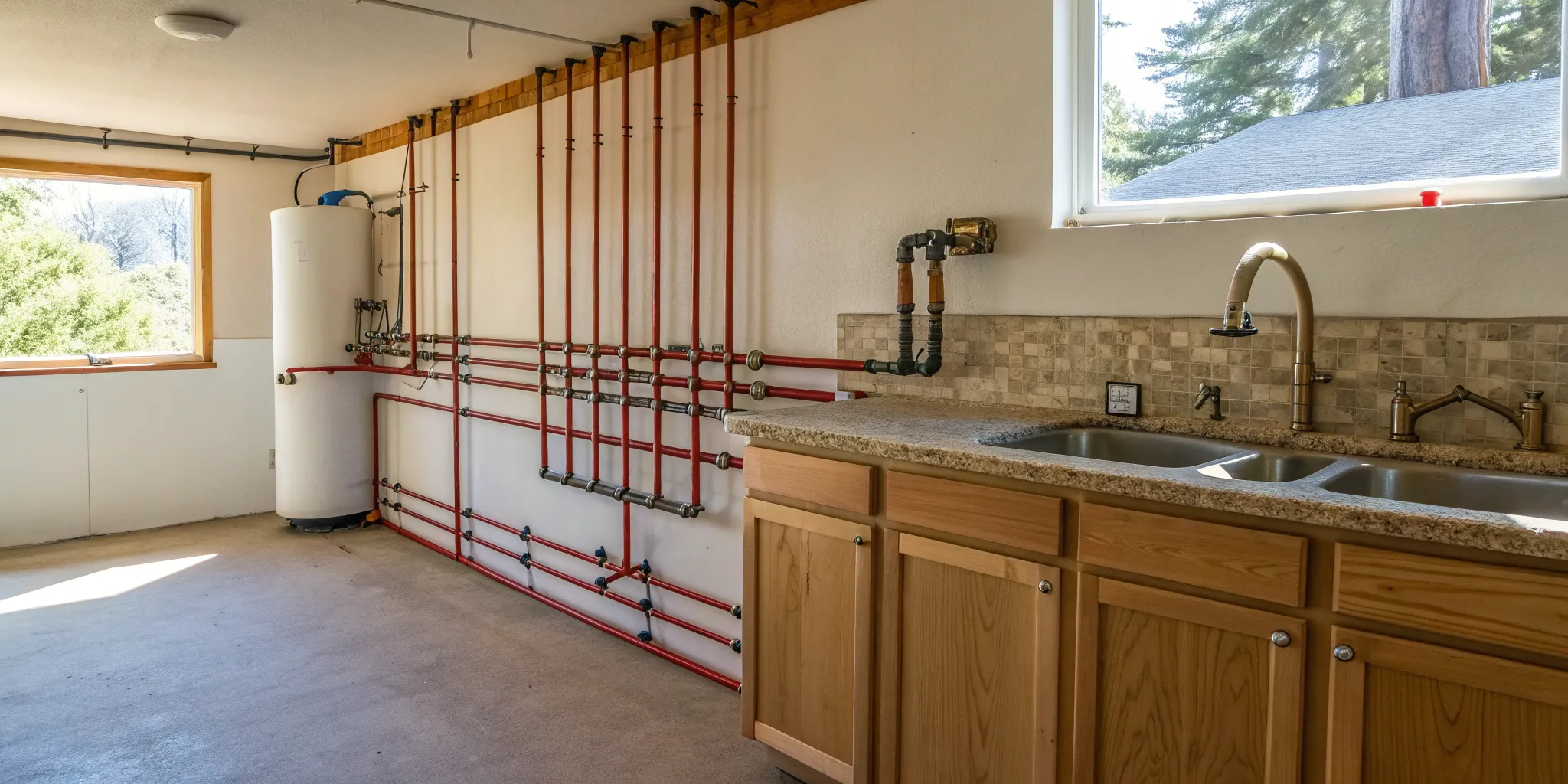
Old plumbing can be a source of constant worry. You might notice the water pressure isn’t what it used to be, or maybe you’re seeing rust-colored water from the tap. These are subtle signs that your pipes are aging and could be on the verge of a major failure. A full home repipe sounds like a massive undertaking, but modern materials like PEX make it more manageable and affordable than you might think. Understanding the average cost to repipe a house with PEX is the first step toward securing your home against leaks and water damage. In this guide, we’ll break down the numbers, explain the factors that influence your final price, and show you why this upgrade is a smart investment in your property’s future.
Key Takeaways
- Opt for PEX to save time and money: This flexible piping is less expensive than copper and allows for a faster, less disruptive installation, which means lower labor costs and fewer wall repairs for you.
- Budget for the whole project, not just the plumbing: Your final cost includes more than pipes and labor. Remember to account for necessary expenses like city permits, inspections, and the cosmetic work of repairing and painting drywall.
- Get multiple quotes and have a backup fund: To ensure a fair price, compare detailed estimates from several licensed plumbers. It’s also smart to set aside an extra 10-15% of the total cost to cover any unexpected issues that might arise.
What is PEX Piping (And Why Is It a Smart Choice)?
If you’re looking into repiping your home, you’ve probably heard the term “PEX” thrown around. So, what exactly is it? PEX, which stands for cross-linked polyethylene, is a flexible plastic tubing that has become a go-to material for modern plumbing. Think of it as a durable, bendable hose that can be threaded through walls and around corners with minimal fuss. Unlike rigid metal pipes that require numerous fittings and extensive cutting into your drywall, PEX can be installed with far less disruption.
This flexibility is a game-changer for homeowners. It means the installation process is often faster and less invasive, which translates to fewer headaches and lower repair costs after the job is done. PEX is also highly durable, resistant to corrosion and scale buildup that can plague older metal pipes. It can handle both hot and cold water and is less likely to burst in freezing temperatures. For anyone needing reliable residential plumbing in Spokane, choosing PEX is a smart, forward-thinking decision that offers peace of mind for years to come.
PEX vs. Traditional Pipes: The Key Benefits
When you compare PEX to traditional materials like copper, the advantages become clear. The biggest benefit is cost. PEX piping is significantly less expensive than copper—in some cases, copper can be up to 68% more costly. But the savings don’t stop at the material itself. Because PEX is so flexible, plumbers don’t need to cut as many holes in your walls to run the new lines. This flexibility reduces the labor involved in the installation and minimizes the need for extensive drywall repair, saving you money on both ends of the project. It’s a modern solution that delivers performance without the premium price tag of older materials.
How PEX Saves You Money and Time
The efficiency of a PEX installation directly impacts your wallet and your schedule. Since labor can account for a large portion of a repiping bill, using a material that’s easier to install is a huge advantage. The flexibility of PEX means our technicians can complete the job more quickly, leading to lower labor costs. In fact, choosing PEX can save you thousands of dollars compared to other pipe types. Less time spent on installation also means your water is turned back on sooner, and your home gets back to normal faster. When you factor in the reduced need for post-project repairs, it’s easy to see how PEX provides significant savings in both time and money.
Repairing a Broken Pipe vs. Whole-House Repiping
If you are dealing with a broken underground water pipe or a leak in the wall, you face a choice: patch the specific leak or upgrade the system.
When to Repair:
If your plumbing system is relatively new (under 30 years old) and the damage is localized (for example, caused by accidental digging or a freeze), a spot repair is the most cost-effective solution. We can locate and fix broken underground pipes quickly to restore service.
When to Repipe with PEX:
If you are experiencing frequent leaks, low water pressure, or have old galvanized or polybutylene pipes, fixing one leak is just a temporary bandage. The average cost to repipe is an investment in your home’s future value. We use high-quality PEX piping which is flexible, resistant to freezing, and more efficient to install than copper, providing a permanent solution to chronic plumbing issues.
How Much Does It Cost to Repipe a House with PEX?
Let’s talk numbers. Repiping your home is a significant investment, but it’s one that protects your property from leaks, water damage, and the headaches of an aging plumbing system. The good news is that choosing PEX piping is one of the most cost-effective ways to get the job done. While every project is unique, we can look at typical price ranges to give you a clear idea of what to expect for your budget.
The total cost will depend on several factors, including the size of your home, the number of bathrooms and fixtures, and how easy it is for plumbers to access your existing pipes. A straightforward project in a smaller home will naturally cost less than a complex repipe in a large, multi-story house. Getting a detailed estimate from a trusted local plumber is the best way to get a precise figure, but the following breakdowns will help you create a baseline budget.
Price Ranges by Home Size
On average, homeowners can expect the cost to repipe a house with PEX to fall somewhere between $4,000 and $15,000, with a national average of around $7,500. To make that more concrete, consider a typical 1,500-square-foot home with two bathrooms. For a project of this size, the cost for PEX repiping usually lands in the $4,000 to $6,000 range. This is significantly less than repiping with copper, which could easily cost double. The larger your home and the more bathrooms you have, the higher the cost will be due to the need for more materials and labor.
Breaking Down Labor and Material Costs
When you get a quote for a repiping job, you’re paying for two main things: materials and labor. PEX tubing itself is incredibly affordable, often costing just $0.40 to $0.50 per linear foot. The real investment is in the professional labor required to do the job right. In fact, labor can account for as much as 70% of your total bill. This cost covers the expertise of licensed plumbers who will carefully remove old pipes, run new lines, and ensure every connection is secure and leak-free. It’s a complex job that requires skill and precision, which is why hiring an experienced team is so important for your home’s long-term health.
Understanding Costs Per Square Foot and Fixture
Another way to estimate your potential cost is by looking at the price per square foot and per fixture. Generally, you can budget around $2 to $6 per square foot for a PEX repipe. So, for a 2,000-square-foot home, you might estimate a cost between $4,000 and $12,000. You can also refine your estimate by counting your plumbing fixtures. Each fixture—think sinks, toilets, showers, and washing machines—adds to the complexity of the job. You can expect each one to add between $250 and $800 to the total. This approach helps you see how a home with three bathrooms will cost more than one with just one and a half, even if the square footage is similar. For a precise quote on your residential plumbing needs, it’s always best to have a professional assess your specific layout.
Common “hidden line items” to ask about in your repipe quote
Permits + inspections: Many repipes require local permits and inspection sign-offs. Ask if these fees are included or billed separately—this is a common reason estimates vary.
Wall/ceiling access & patching: Even with PEX, some drywall, tile, or cabinetry access is often needed. Confirm whether the quote includes basic patching, paint matching, or if you’ll need a separate contractor for finish work.
Fixture shutoffs + upgrades: If your shutoff valves are old or corroded, replacing them during the repipe can prevent future leaks. It’s also a smart time to address aging fixtures or plan related upgrades like Water Heater Installation (especially if you’re changing pipe routing or improving hot-water performance).
Unexpected leak discovery: Opening walls sometimes reveals prior water damage or active leaks that must be fixed before new lines go in. If you’re already seeing stains or musty odors, budgeting for Plumbing Service & Repair support can prevent surprise change orders.
Timeline & “water-off” planning: Ask how long water will be off each day, and whether bathrooms will be temporarily usable. If a pipe fails mid-project, knowing you can reach a 24/7 Burst Pipe Plumbing Service helps protect your home and schedule.
What Factors Influence Your Final Cost?
When you get an estimate for repiping your house, the final number isn’t pulled out of thin air. Several key factors come together to determine the total cost of the project. Think of it less like buying a product off the shelf and more like a custom service tailored to your home’s specific needs. Understanding these variables will help you see exactly where your money is going and why one quote might differ from another. The three biggest influences on your final price are the size and complexity of your home, how easy it is to access your existing pipes, and local costs for labor and materials right here in Spokane. Let’s break down what each of these means for your budget.
Your Home’s Size and Layout
It makes sense that the bigger your house, the more it will cost to repipe. A larger home simply has more ground to cover, requiring more PEX tubing and more time for installation. The number of plumbing fixtures also plays a big role. A home with four bathrooms, a large kitchen, and a laundry room will naturally cost more than a two-bedroom, one-bath bungalow. The layout matters, too. A multi-story home with plumbing spread across different floors presents more challenges than a single-level ranch, which can add to the labor involved in your residential plumbing project.
Wall Access and Installation Methods
A huge portion of any repiping job—often the majority of the cost—is labor. A big factor in the labor estimate is how accessible your current pipes are. If your pipes are located in an open basement or an easy-to-reach crawlspace, the job will be more straightforward and less expensive. However, if pipes are hidden behind finished walls, tile, or cabinetry, our team will need to spend more time carefully opening up these areas to replace the plumbing. This is where professional expertise is critical to minimize disruption and keep your home as tidy as possible during the water leak repair and replacement process.
Local Labor Rates and Material Prices
Where you live has a direct impact on project costs. Labor rates and material prices can vary significantly from one city to another. The costs in Spokane are different from those in Seattle or a small rural town. Beyond labor, local regulations also play a part. Every municipality has its own requirements for permits and inspections, and these fees get factored into the total cost. Working with a local company like Action Craft Experts ensures your project meets all of Spokane’s specific building codes and that you’re getting a fair price based on current market rates for our area.
2026 cost check: 5 quote details that change the price fast
Two repipe quotes can look “close” on the surface but land thousands apart once the scope is clarified. Before you compare numbers, confirm these items are spelled out in writing:
1) PEX type + connection method. PEX-A (often expansion fittings) can price differently than PEX-B (commonly crimp/clamp). Neither is automatically “better” for every home—what matters is the install method, access, and warranty terms.
2) Manifold vs. trunk-and-branch layout. A home-run manifold system can improve fixture consistency and make future shutoffs easier, but it may increase material and labor depending on routing and access.
3) Pipe sizing + pressure goals. Ask your plumber to confirm final pipe sizing (especially for multi-bath homes) and whether the plan targets improved pressure at peak use. This is where “low-water-pressure repipes” often differ from basic replacements.
4) Restoration boundaries. Even with PEX, access cuts are common—confirm exactly what patching is included (drywall only vs. texture vs. paint match).
5) “While we’re here” risk items. If you’ve had recurring leaks or suspect hidden moisture, it’s smart to plan for diagnostics and quick fixes during the project via Plumbing Service & Repair. Also consider whether a repipe is a good time to address aging hot-water performance with water heater installation in Spokane (routing and shutoffs are already part of the conversation).
PEX vs. Other Pipes: A Cost Comparison
When you’re planning a repipe, you’ll quickly find that PEX isn’t your only option—but it’s often the most practical one. Materials like copper and PVC have been used for decades, but PEX offers a modern combination of affordability, durability, and installation ease that’s hard to beat. Understanding how it stacks up against the alternatives can help you feel confident in your decision and know exactly what you’re paying for.
Choosing the right material is about more than just the upfront price; it’s about the long-term value and performance for your home. Let’s break down how PEX compares to the two most common traditional piping materials.
PEX vs. Copper
For a long time, copper was the gold standard for plumbing. It’s durable and reliable, but it comes with a significantly higher price tag. The raw material for copper pipes costs much more than PEX, and the installation is more labor-intensive. Copper is rigid, so plumbers have to cut and solder pieces together, which takes time and skill. PEX, on the other hand, is flexible. It can bend around corners, meaning fewer fittings are needed and our team can often run new lines without extensive demolition. This flexibility directly translates to lower labor costs and less time spent repairing drywall, making PEX a much more budget-friendly choice.
PEX vs. PVC
You’ve probably seen white PVC pipes under your sinks or connected to your toilets. While PVC is a great, cost-effective material, it serves a different purpose than PEX. PVC is primarily used for drain, waste, and vent (DWV) lines—the pipes that carry water and waste away from your home. PEX is designed for potable water supply lines, which are the pipes that bring fresh hot and cold water to your fixtures. PEX is better suited for this job because it’s more flexible and can expand slightly, giving it better resistance to bursting in freezing temperatures—a real plus for Spokane winters. For a complete home plumbing system, you’ll likely have both, each performing the job it was designed for.
Long-Term Savings and Maintenance
Choosing PEX is an investment in your home’s future. Its durability means you’re less likely to deal with the pinhole leaks and corrosion that can plague older metal pipes. Because PEX has a smooth interior surface and fewer fittings, it’s also more resistant to mineral buildup, which helps maintain strong water pressure over time. With a lifespan that can exceed 50 years, a PEX repipe means decades of peace of mind. You’re not just saving money on the initial installation; you’re also preventing future headaches and the potential costs of water leak repair down the road.
Don’t Forget These Additional Costs
When you get a quote for repiping your house, it usually covers the PEX tubing and the plumber’s labor. But to get a truly accurate picture of your total investment, you need to account for a few other expenses that often come with the territory. Thinking about these ahead of time can save you from sticker shock later and help you budget more effectively. These aren’t “hidden” fees, but rather necessary steps and potential opportunities that are part of a major plumbing overhaul. From the administrative side of things, like city permits, to the cosmetic finishes that make your home look new again, these costs are essential to completing the project correctly. Let’s walk through the three main additional costs you should plan for: permits and inspections, drywall repair and painting, and any fixture upgrades you might want to tackle at the same time.
Permits and Inspections
Repiping your home is a significant project, and your local municipality wants to ensure it’s done safely and correctly. That’s why most areas require a permit for this kind of work. The permit process ensures that the new plumbing installation complies with local building codes and safety standards, protecting both you and future owners of your home. While your plumbing contractor will typically handle the paperwork and scheduling for you, the cost of the permit and any required inspections will be part of your final bill. It’s a necessary step that guarantees the job is done right and to code, giving you peace of mind.
Drywall Repair and Painting
To replace old pipes, plumbers need to access them, and that almost always means cutting into your walls or ceiling. Once the new PEX piping is installed, you’ll be left with sections of drywall that need to be repaired. This process involves patching the holes, applying texture to match the existing surface, and then priming and painting. The cost for this cosmetic work can range from a few hundred to a couple of thousand dollars, depending on how many access points were needed. It’s a good idea to discuss this with your plumber beforehand so you know what to expect for your specific residential plumbing project.
Optional Fixture Upgrades
While the walls are open and a plumber is already on-site, it’s the perfect opportunity to upgrade outdated fixtures. Think about that leaky faucet in the bathroom or the old showerhead with weak pressure. Replacing them during a repipe is much more efficient and cost-effective than tackling it as a separate project down the road. You could also consider a new sink or a more powerful garbage disposal. While this is an optional expense, planning for a few plumbing fixture installations can add significant value and enjoyment to your home without adding much extra labor time to the overall job.
How to Plan Your Repiping Budget
A full home repipe is a significant investment, but it doesn’t have to be a financial headache. With a bit of planning, you can create a realistic budget that covers all the bases and prevents surprises along the way. Thinking through the costs ahead of time gives you control over the project and helps you make confident decisions. A solid budget is your roadmap to a smooth, stress-free upgrade for your home’s plumbing system. By breaking it down into manageable steps, you can see exactly where your money is going and find smart ways to save without compromising on quality.
Get Accurate, Detailed Estimates
The first step in building your budget is to know what you’re working with. While the average cost to repipe a house with PEX can fall between $3,500 and $11,000, this is just a ballpark figure. The final price depends on your home’s size, layout, and the complexity of the job. The only way to get a true number for your project is to have a professional come out and provide a detailed estimate. We recommend getting a few written quotes from licensed plumbers. This allows you to compare not just the final price but also the scope of work, materials included, and the projected timeline for your residential plumbing project.
Plan for Contingencies and Timelines
Even the best-laid plans can hit a snag. That’s why it’s smart to build a contingency fund into your repiping budget—typically around 10% to 15% of the total estimated cost. This buffer can cover unexpected issues, like discovering a hidden leak that needs attention before the new pipes go in. You should also account for costs beyond labor and materials, such as city permits and inspections. These are often required to ensure the work meets local building codes, and they can add to both the final bill and the project timeline. Factoring in these possibilities from the start helps you stay on budget and on schedule.
Smart Ways to Save on Your Project
While you should never cut corners on quality, there are practical ways to manage the cost of your repiping project. Simply by choosing PEX, you’re already making a cost-effective decision over more expensive materials like copper. The biggest way to ensure a fair price is by getting multiple, detailed quotes from reputable companies. Beyond that, think of this project as a long-term investment. Spending the money now on a full repipe can save you thousands down the line by preventing catastrophic failures and the need for frequent, costly water leak repairs. It’s an upgrade that protects your home’s value and your peace of mind.
Related Articles
- Ask a Plumber: Flexible Gas Line or Classic Black Pipes?
- Remodeling your Kitchen Plumbing: the essentials
- Preventing Frozen Pipes | Benefits of Heating Cables
- Plumbing Construction: What You Need to Know
- How to Fix a Leaky Pipe? – Action Craft Experts
Frequently Asked Questions
What are the biggest signs that my home might need repiping? Common red flags include a noticeable drop in water pressure, discolored or rusty-looking water coming from your faucets, and frequent leaks. If you live in an older home with galvanized steel pipes, it’s often a matter of when, not if, you’ll need to replace them. These issues are more than just annoyances; they can be early warnings of bigger problems, so it’s smart to address them before a small leak becomes major water damage.
How long does it typically take to repipe a house with PEX? The timeline for a PEX repipe depends on the size and complexity of your home, but it’s generally much faster than you might think. For an average-sized house, the plumbing work itself can often be completed in just a few days. Because PEX is so flexible and requires less cutting into walls, the entire process is streamlined. We work efficiently to minimize disruption so you can get back to your normal routine as quickly as possible.
Will my water be turned off during the entire repiping process? No, your water won’t be off for the whole project. A professional plumbing team will typically work in sections to minimize the inconvenience to you and your family. They will likely only need to shut off the main water supply for a few hours at a time, usually when they are making the final connections to the new system. Your plumber will communicate the schedule with you so you know exactly when to expect any service interruptions.
Is PEX piping safe for my family’s drinking water? Absolutely. PEX has been used safely in homes for decades and is approved for use in potable water systems across the country, including here in Washington. It meets strict safety standards set by organizations like NSF International. Unlike old metal pipes that can corrode and leach rust into your water, PEX is a clean, durable material that won’t affect the quality or taste of your drinking water.
Can I save money by handling the drywall repair and painting myself? Yes, this is a great way to manage your overall project budget. While the plumbing work should always be left to licensed professionals, many homeowners feel comfortable tackling the cosmetic repairs afterward. If you have some DIY skills, you can certainly save on labor costs by patching, texturing, and painting the areas where plumbers needed to access the pipes. Just be sure to coordinate with your plumbing team so you know exactly what to expect once their work is done.