














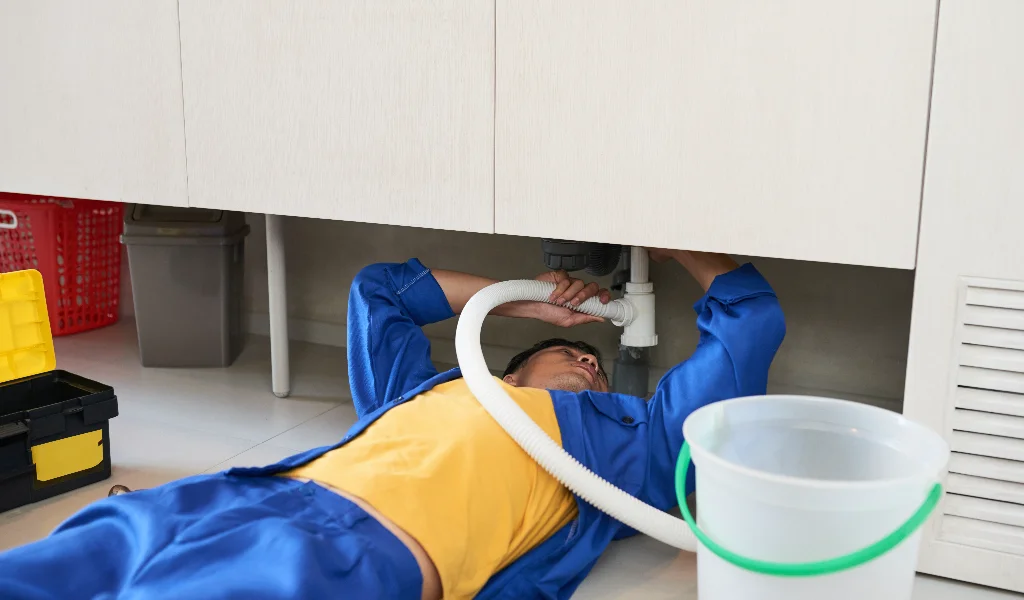
When you check your water bill, you expect to see the regular amount—and then, bam—a jaw-dropping total stares back at you. There is no evident leak in sight. No dripping faucets. There is no flooding in the basement. So, what gives? A high water bill with no visible leak might be perplexing, but the culprit is usually right under your nose—literally. It might be slow, silent, or concealed leaks that go undetected for weeks or months.
Let’s go over why this is occurring, how to uncover hidden concerns, and what you can do to keep your water expenditures under control.
High Water Bill, No Visible Leak, What's Going On?
It’s easy to believe that if there’s no water pooling or leaking, there’s nothing wrong. However, many leaks are stealthy. They can squander hundreds of litres without any visible signs. Here are some quiet offenders.
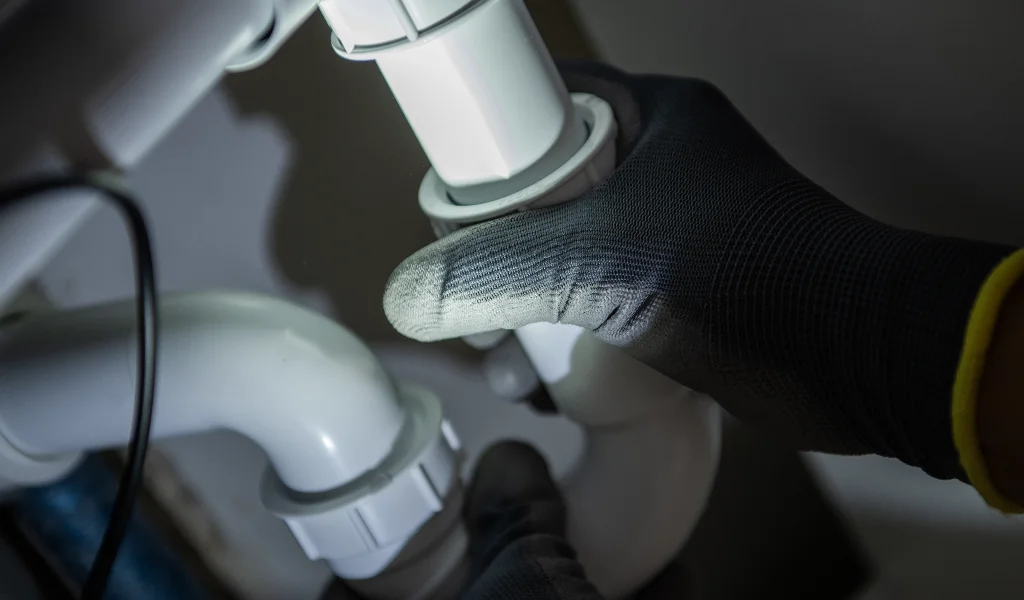
Common but Invisible Water Wasters
Silent leaks
These leaks do not make a sound, yet allow water to escape. They’re usually found on walls, under floors, or within toilets. Leaks are the traditional suspects when it comes to a high water bill no visible leaks.
Continuous Feed Garbage Disposals
These are the most popular. You turn them on, and they continue to run as long as the switch is turned on. They are handy, but must be used with caution to avoid overburden.
Running toilets or dripping faucets
You’d think you’d notice a leaky tap, but little, consistent drips, especially at night, often go unnoticed. Toilets that run silently after flushing might leak hundreds of gallons each month.
Appliance malfunctions
Dishwashers, washing machines, and water heaters may leak from the rear or the base. These leaks remain unseen until they cause damage to the flooring or walls.
Old plumbing
Cracks form when pipes age. Corrosion and joint failure are major causes of leaks inside walls or underground.
Water theft or neighbor use
If you reside in a multi-unit building or share a hose bib, someone may be using your water without your knowledge.
Common Scenarios That Confuse Homeowners
Toilet Leaks That Don't Make Noise
The flapper valve within your toilet tank may not seal correctly. Water gently drips into the bowl—quiet, wasteful, and expensive.
Broken Landscape Irrigation Systems
Automatic sprinklers can cause subsurface leaks. Because they only function at certain intervals, you may never see them running—but they may deplete your water supply.
Seasonal Usage Increases
Have you filled a pool? Do you host guests? Do you water your garden more frequently during the summer? These are simple to overlook, yet they might result in a high water bill no visible leaks.
Can a Water Leak Go Undetected?
Absolutely. Many leaks occur behind the scenes—inside walls, beneath floors, or in subterranean lines. They do not usually cause puddles or stains straight away.
What Is a Silent or Hidden Water Leak?
Difference Between Silent and Slow Leaks
A quiet leak emits no sound and is frequently totally concealed. A slow leak is mainly about volume—it may be audible, but it is still tiny and easily overlooked.
Long-Term Damage Risks of Undetected Leaks
These leaks don’t simply affect your water bill. They can undermine your home’s structure over time, causing mold development and destroying flooring or drywall.
How to Tell If Your Water Is Leaking Slowly
Even if there is no evident issue, the following symptoms indicate something is wrong:
Unexplained Increase In Your Water Bill
When your bill increases but your habits do not alter, it is time to investigate how to tell if your water is leaking slowly.
Mildew or Mold Growth in Unexpected Areas
Hidden moisture produces ideal circumstances for mold growth, particularly in corners and near baseboards.
Musty Odors or Damp Smells
A persistent earthy odor in a space frequently indicates that water is present where it shouldn’t be.
Peeling Paint or Wallpaper
Moisture behind walls can cause adhesives to degrade, resulting in bubbling or peeling finishes.
Warped Flooring or Sagging Ceilings
Water damage beneath may distort hardwood floors and cause ceilings to slump.
Stains on Walls or Ceilings
Brownish spots often indicate that water is seeping from above.
Continuously Running Toilet
Listen carefully; if your toilet runs for an extended period of time after a flush, it is likely wasting water 24×7.
How to Find a Water Leak That Is Not Visible
Monitor Your Water Meter
Turn off all taps and check the water meter. If it still spins, there is a leak.
Perform a Toilet Dye Test
Put some food color in the toilet tank. If the bowl turns color without flushing, the flapper leaks.
Check Your Water Usage at Night
If your meter shows consumption overnight when no one is using the water, there is most certainly a problem.
Inspect Walls, Ceilings, and Floors
Search for stains, warps, or softness. These may imply long-term water exposure.
Listen for Unusual Sounds
Be mindful of what you put down the sink. Take the “when in doubt, throw it out” attitude.
Use a Moisture Meter or Infrared Thermometer
These gadgets can detect moisture accumulation or temperature changes caused by leaks.
Test Faucets and Outdoor Spigots
Inspect the handles and connections. Small leaks here are easily overlooked.
Why Does My Water Meter Keep Running But No Leak Is Visible?
How to Test Your Water Meter for Hidden Leaks
Turn everything off. Write down the meter reading. Wait for a few hours. If the reading changes, it means water is leaking somewhere.
Could It Be A Faulty Water Meter?
Yes. Meters can be misinterpreted, especially if they are old or broken. If you suspect this, contact your water supplier to have it inspected.
What Is the Most Common Cause of a High Water Bill?
Leaky toilets and faucets
These are the main culprits. Even tiny toilet leaks might waste 200 gallons every day.
Irrigation system malfunctions
An underground sprinkler leak may go undiscovered for months, but it still increases demand.
Seasonal usage and overlooked habits
Filling a pool, power washing, or watering lawns may significantly increase water use.
Can a Water Meter Read Too High?
How water meters work
They monitor the flow of water entering your home, but only as precisely as their condition permits.
When and how meters can malfunction
Old or malfunctioning meters may overread. External damage or electrical failures are also conceivable.
Requesting a water meter inspection
Contact your water supplier. If the meter is defective, they will repair or replace it.
How to Prevent Unexpected High Water Bills
Regular Plumbing Inspections
Catch issues before they become money traps. A qualified plumber can spot concealed leaks early.
Smart Home Water Monitoring Systems
These technologies alert you to unusual water use trends and probable leaks in real-time.
Educating The Household On Water Usage
Teach everyone to report any strange noises, leaks, or frequently running toilets right away.
Call Action Craft Experts When Hidden Leaks Drain Your Wallet
If you have a high water bill no visible leak, and can’t figure out why, don’t wait for mildew or structural damage to reveal the problem. Professionals make all the difference, from determining how to tell if your water is leaking slowly to assisting you through the process of how to find a water leak.
Action Craft Experts provides high-quality leak detection and repair services to protect your house and your pocketbook. We’ll quickly identify any quiet leaks or defective meters. Don’t let mysterious water damage turn into a disaster—contact Action Craft Experts immediately for prompt, dependable assistance!