










How to Keep a Water Heater From Freezing in Winter
Winter can be a challenging season, especially for your plumbing system. Cold temperatures can wreak havoc on your appliances, and your water heater is no exception. A frozen hot water heater can leave you without access to hot water when needed, leading to costly repairs or replacements. If you’re wondering how to keep a water heater from freezing, this guide is for you. We’ll provide practical tips to ensure your water heater stays functional and protected, no matter how low the temperatures drop.
Can Cold Weather Affect a Hot Water Heater?
Cold weather can significantly impact your water heater’s performance and longevity. During freezing temperatures, unprotected water heaters, especially those installed in garages, basements, or outdoor areas, are at risk of freezing. When the water inside the tank freezes, it expands, potentially causing cracks or bursts in the heater’s components. This damage can result in expensive repairs or even a total replacement.
The colder it gets, the harder your water heater works to maintain the desired temperature, which can strain the system. Understanding how cold weather affects a hot water heater helps you proactively prevent issues.
How to Protect Your Water Heater From Freezing
Protecting your water heater from freezing during winter is essential for uninterrupted hot water and avoiding costly damages. Here are effective strategies to safeguard your water heater:
Insulate Your Water Heater and Pipes
One of the most effective ways to prevent freezing is to insulate your water heater and its pipes. Water heater blankets and pipe insulation sleeves are affordable solutions that retain heat and keep cold air out. This is particularly important for heaters located in unheated spaces.
Keep the Temperature Consistent
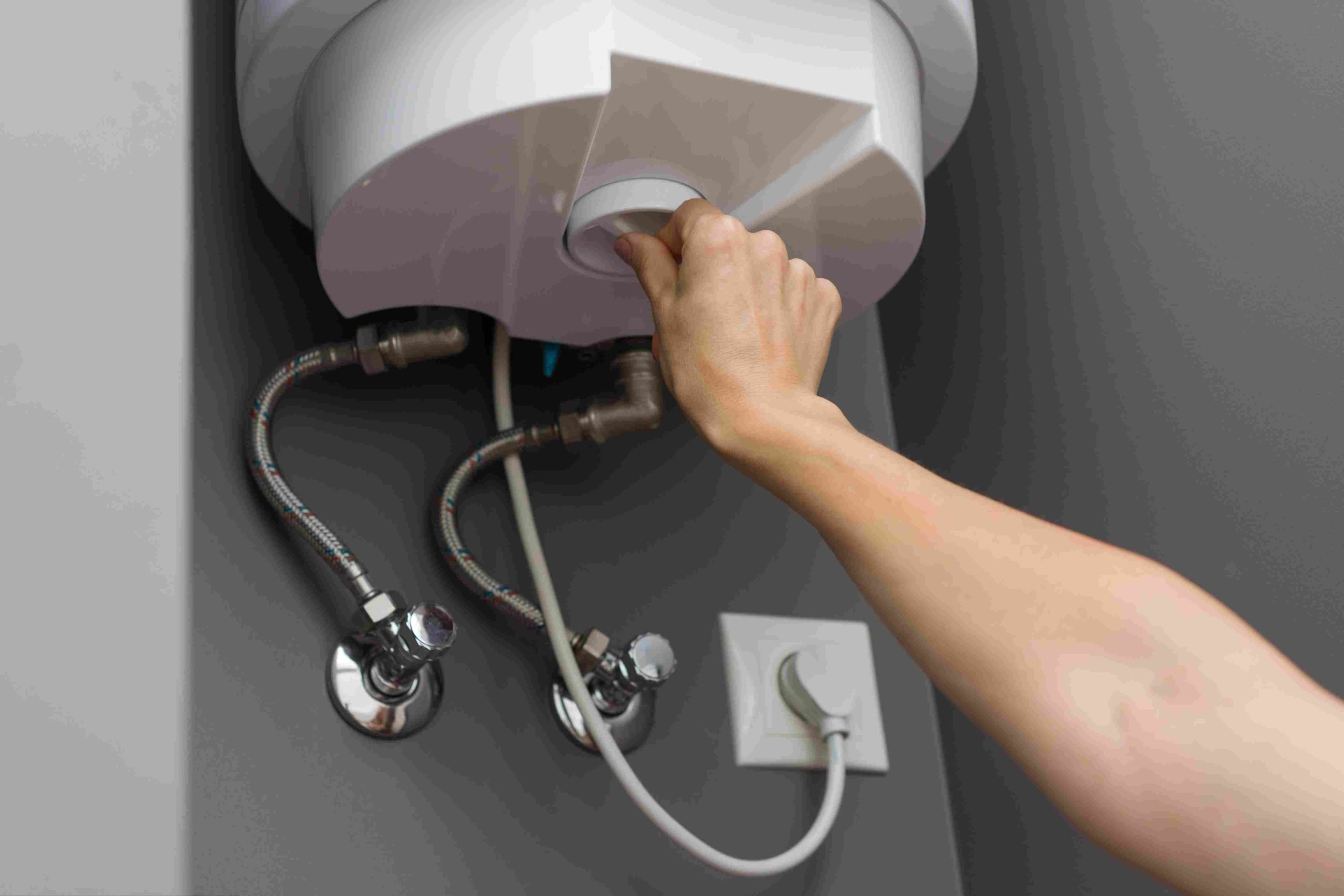
Set your water heater thermostat to a temperature between 120°F and 140°F. This range ensures the water stays warm enough to prevent freezing while avoiding excessive energy usage.
Seal Drafts in the Area
Inspect the area around your water heater for drafts. Cold air can easily seep into garages or basements and increase the risk of freezing. Use weather stripping or caulk to seal gaps around windows, doors, and vents.
Use a Space Heater for Cold Areas
If your water heater is installed in an unheated location, consider using a small space heater to maintain a consistent temperature around it. Ensure the space heater is used safely and does not pose a fire risk.
Install a Freeze Protection Valve
Many modern water heaters come with built-in freeze protection features. If your heater lacks this, you can install a freeze protection valve. This valve prevents freezing by releasing small amounts of water when temperatures drop below a certain level.
Let Faucets Drip
Allowing faucets to drip slightly can help keep water moving through your plumbing system, reducing the chances of freezing. This simple trick is especially effective during extreme cold snaps.
Flush the Water Heater Regularly
Regularly flushing your water heater removes sediment buildup, which can affect its efficiency. A clean, well-maintained heater is less likely to experience freezing issues.
Signs of a Frozen Hot Water Heater
Sometimes, despite your best efforts, your water heater may freeze. Here are some warning signs to watch for:
- No Hot Water: If your water heater isn’t producing hot water, freezing could be the cause.
- Visible Frost: Frost or ice on the exterior of the water heater or its pipes indicates freezing.
- Unusual Sounds: Popping or cracking noises may signal expanding ice inside the unit.
- Water Leaks: A cracked tank or burst pipe may leak water, often caused by freezing.
If you notice these signs, act quickly to prevent further damage.
Don't let freezing temperatures damage your water heater this winter! Stay ahead of the cold with these simple tips, and if you’re facing issues, trust our Water Heater Repair experts to keep the hot water flowing. Contact us today for a quick fix!
Preventing a Frozen Hot Water Heater During Power Outages
Power outages during winter storms can increase the risk of a frozen hot water heater. Without power, the heating element in your water heater stops working, leaving it vulnerable to freezing. Here’s what you can do in such situations:
- Drain the Water Heater: If the power outage is expected to last for an extended period, draining the water heater can prevent freezing.
- Cover the Heater with Insulation: A temporary insulation layer can help retain heat.
- Use Backup Power Sources: A portable generator or battery-powered heater can keep your water heater operational.
Protect Your Water Heater This Winter
Understanding how to keep a water heater from freezing is key to avoiding costly repairs and ensuring access to hot water throughout winter. From insulating your water heater and pipes to sealing drafts and flushing the tank regularly, these practical tips can make all the difference.
If your water heater has already frozen or you’re concerned about winterizing your system, we’re here to help. At Action Craft Experts, we specialize in water heater maintenance, repairs, and installation. Let us ensure your water heater is winter-ready and functioning efficiently. Contact us today for expert assistance and peace of mind.
Need expert help to repair water heater? Contact Action Craft Experts today and ensure your home stays safe and warm all winter long.