
















When beginning home improvements or replacing your appliances, you may need to relocate a gas line. This work, while difficult, is critical for ensuring the proper operation and safety of your home’s gas system. Whether you want to improve your kitchen or reorganize your basement, learning how to move a gas line will help you get through the endeavor easily.
Relocating Gas Line: What It Involves
Relocating a gas line is frequently required during large house renovations, such as kitchen remodels, or room expansions, when equipment must be relocated to better fit the new layout. The procedure includes not only transferring the actual pipes but also ensuring that the entire system is up to date and operating properly after relocation.
Permits and Regulations: Staying Compliant
A common question among homeowners is: Do you need a permit to move a gas line? In most circumstances, the answer is “yes.” Local building standards usually demand a permit for any changes to a home’s gas infrastructure. These licenses serve to verify that any work on gas lines meets safety requirements, therefore preventing possible risks such as gas leaks.
Moving a Gas Line for Appliances
When preparing to move a gas line for a stove or other appliance, careful and strategic planning is required. The new position must not only be appropriate for the appliance but also adhere to safety requirements, which include clearance from flammable items and easy access for emergency shut-offs.
Moving Gas Meter: A Delicate Task
Moving a gas meter is frequently associated with the relocation of a gas line. This delicate work necessitates collaboration with your gas utility provider and adherence to relevant rules. The utility provider will often conduct the actual meter relocation to ensure that it fulfills local safety and operating standards.
Who Moves Gas Lines in the House?
Determining who moves gas lines in the house is an important step. This task should always be completed by professional—licensed plumbers or trained gas fitters. These specialists have the required expertise and experience to securely transfer gas lines, ensuring that each connection is secure and leak-free.
Step-by-Step Process of Gas Line Relocation
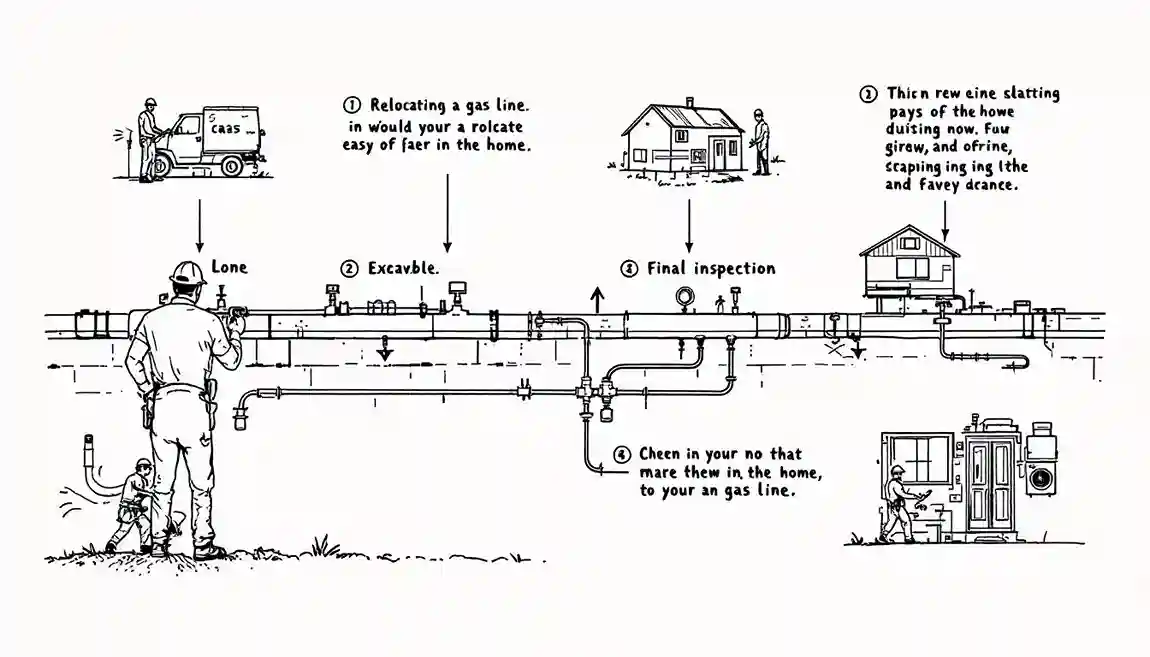
Assessment: An expert will evaluate both the present configuration and the planned end state of the gas line.
Permit Acquisition: Obtaining the proper permits is essential before any activity begins.
Shutdown and Preparation: The gas supply will be temporarily turned off to ensure a safe working environment.
Execution: Qualified experts will relocate the gas line.
Testing and Inspection: Once the job is complete, the new configuration will be thoroughly tested for leaks and other faults. An official inspection may also be necessary to finalize the permission.
Safety First: Avoiding Common Pitfalls
Maintaining safety while and after relocating a gas line is critical. Homeowners should make sure that only trained specialists do this service. DIY attempts are not only dangerous but also illegal in many regions. Following the relocation, keep an eye out for indicators of a gas leak, such as rotten egg odors or hissing near gas appliances.
For reliable gas line installation & repair services,trust our experienced technicians to handle everything safely and efficiently. Whether it’s a new installation or fixing a leak, we ensure your home stays safe and functional. Call us today for expert service!
Tips for a Smooth Relocation
- Plan ahead: Coordinate the gas line relocation with other home repair tasks to reduce interruption and expedite the process.
- Communicate with your contractor: Clear communication regarding the scope, timetable, and precise project specifics is essential for avoiding confusion and ensuring alignment.
- Stay informed: Request frequent progress reports from the relocation team to stay up to date on advancements and handle any difficulties as they arise.
- Prepare the site: To support an effective moving procedure, remove any obstructions from the work area, and provide contractors unfettered access.
- Understand regulations: Familiarize yourself with local construction rules and safety regulations to guarantee compliance and avoid future problems.
Long-term Considerations
Once your gas line has been recolated, regular upkeep is essential to ensure its durability and safety. Regular expert inspections can help discover and cure any problems before they become problematic. It’s also a good idea to teach everyone in your home how to turn off the gas in an emergency and spot the indicators of a gas leak.
Closing Thoughts: Safeguarding Your Home with Professional Gas Line Relocation
Relocating a gas line is a major operation that demands careful planning, legal compliance, and skilled execution. Understanding the stages required and the necessity of selecting the correct personnel will help you achieve a safe and successful project.
Successful gas line relocation may have a substantial influence on your home’s safety and functioning. It’s a task that emphasizes the importance of professional knowledge and meticulous preparation.
Action Craft is the go-to company for trustworthy gas line relocation services. Our qualified specialists are able to handle all of your gas line needs, guaranteeing that each job meets the highest safety as well as quality standards. Visit Action Craft now to learn more and arrange your service, ensuring that your home’s gas systems are safe and properly set.