When water does not drain correctly around your property, it can cause major problems. Poor drainage can cause significant damage, ranging from flooded basements to a damp lawn. If you reside in Spokane, where heavy rains and melting snow are typical, having a Spring Plumbing Checklist in place is critical.
In this post, we’ll look at practical strategies to prevent water from accumulating in and around your home during the spring season.
Why Spring Plumbing Maintenance is Important
Spring is an ideal time to inspect your home’s plumbing and drainage systems. Winter frequently leaves behind hidden problems, such as fractured pipes, blocked gutters, or compromised sump pumps. Taking the time to evaluate these places will help you prevent costly repairs.
By concentrating on Spring plumbing maintenance inspection, homeowners can keep their properties dry and damage-free. Let’s go over the important plumbing maintenance tasks you should take both inside and outside.
Indoor Plumbing Checklist
Inspect and Test the Sump Pump
The sump pump is your first line of defense against basement flooding. To keep it functioning properly:
- Pour water into the sump pit to make sure the pump works.
- Clean the pump’s intake screen to avoid obstructions.
- Inspect the power supply and backup battery.
A functioning sump pump may be the difference between a dry basement and extensive water damage.
Check for Leaks in Pipes and Faucets
- Leaks waste water and increase utility expenses. Even minor drips can cause mold growth and structural damage. Here is what to do:
- Check for dampness under sinks and behind appliances.
- Look for water spots on the walls and ceiling.
- Replace worn-out washers and damaged seals in faucets.
Test Water Pressure and Fixtures
Low water pressure can be inconvenient, whilst high pressure might damage your pipes. Turn on many fixtures simultaneously to test your water pressure. If the pressure is very low, there might be a blockage in the pipes or a supply problem. If it is very high, adding a pressure regulator might assist.
Flush and Maintain the Water Heater
After working hard all winter, your water heater requires some TLC. Flush away any sediment accumulation to keep it working effectively.
- Check for corrosion and leaks around the tank.
- Test the pressure relief valve.
- Set the thermostat to a safe temperature (120°F is optimal).
Outdoor Plumbing Checklist
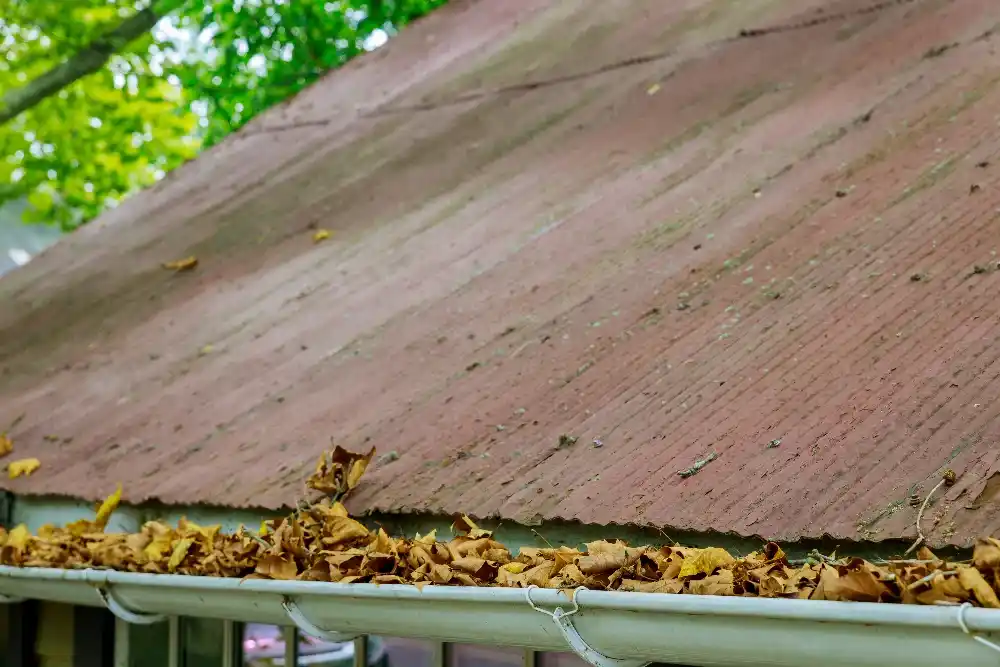
Inspect and Clean Gutters and Downspouts
Clogged gutters can cause water to overflow, leading to foundation damage. To prevent this:
- Remove leaves and debris from the gutters.
- Ensure that downspouts send water at least five feet away from your property.
- Consider adding gutter guards to help minimize accumulation.
Check Outdoor Faucets and Hoses
Outdoor faucets can freeze and crack in the winter. Before turning it on in spring,
- Check for leaks or drips while the water is flowing.
- Replace worn-out washers and connections.
- Ensure that hoses are in good condition and stored correctly.
Examine Sewer and Drain Lines
Blocked sewer pipes may cause nasty backups. Slow drains, unpleasant odors, and gurgling sounds are all indicators of a problem. If you detect any of these problems, consider a home plumbing inspection to clear up any obstacles.
Irrigation System and Sprinkler Maintenance
If you have an irrigation system, check for leaks and ensure it is functioning properly. Broken sprinkler heads or subsurface leaks can waste water and lead to erosion. Adjust the sprinkler heads to ensure uniform water distribution.
When to Call a Professional Plumber
Some plumbing and drainage issues require expert attention. Contact a professional if:
- Your sump pump is not operating correctly.
- You see standing water near your foundation.
- Drains are sluggish despite regular cleanings.
- You suspect that subsurface pipes have been damaged.
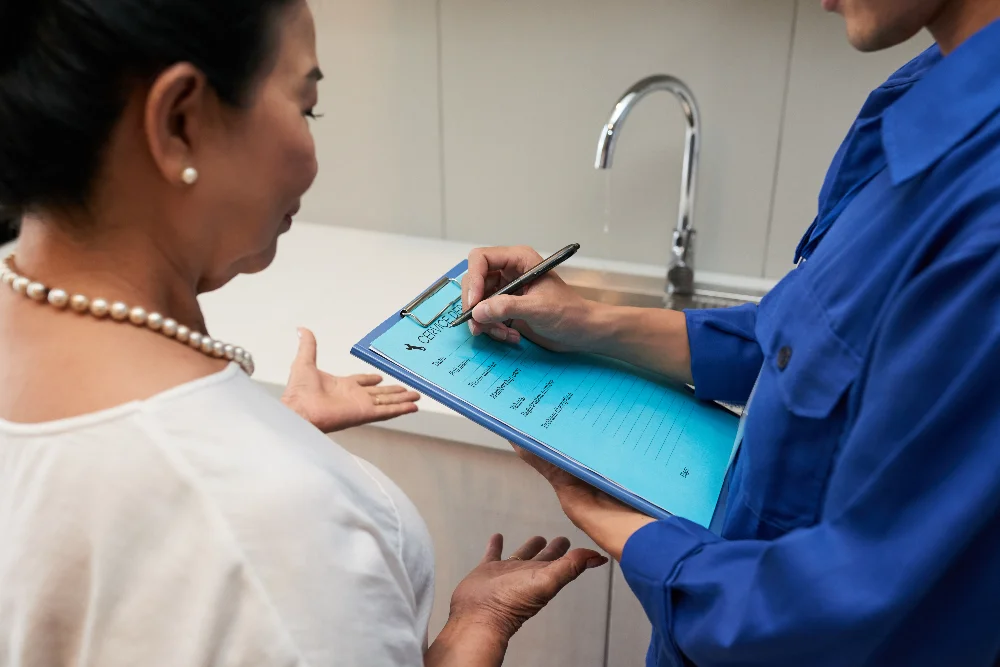
A Plumbing maintenance checklist can help homeowners stay proactive and avoid costly repairs. A skilled plumber may inspect your home and propose the best solutions for long-term protection.
FAQs About Spring Plumbing Checklist
How often should I check my home's plumbing system?
It’s ideal to examine your plumbing at least twice a year, once in the spring and again before the winter.
What are common plumbing issues after winter?
Frozen pipes, leaks, clogged drains, and failed sump pumps are among the most common post-winter issues.
How do I know if my water heater needs servicing?
If your water heater produces unusual noises, has variable water temperature, or leaks, it may require servicing.
What should I do if I find a pipe leak?
Turn off the main water supply and contact a plumber if the leak is serious. Small leaks can occasionally be repaired with pipe sealant or tape.
Can I perform plumbing maintenance myself, or should I hire a professional?
You may handle basic maintenance yourself, such as checking faucets and cleaning gutters. However, for serious repairs or installations, employing a professional is a safer bet.
Get Your Plumbing Ready for Spring – Schedule a Professional Inspection Today!
Don’t let improper plumbing maintenance damage your home’s foundation or outside areas. A Spring home maintenance by Action Craft Expert can ensure your property remains in top condition. If you want skilled professionals to conduct a home plumbing inspection, please contact or visit Action Craft immediately. Let us prepare your property for spring with a Spring Plumbing Checklist adapted to your specific needs!