

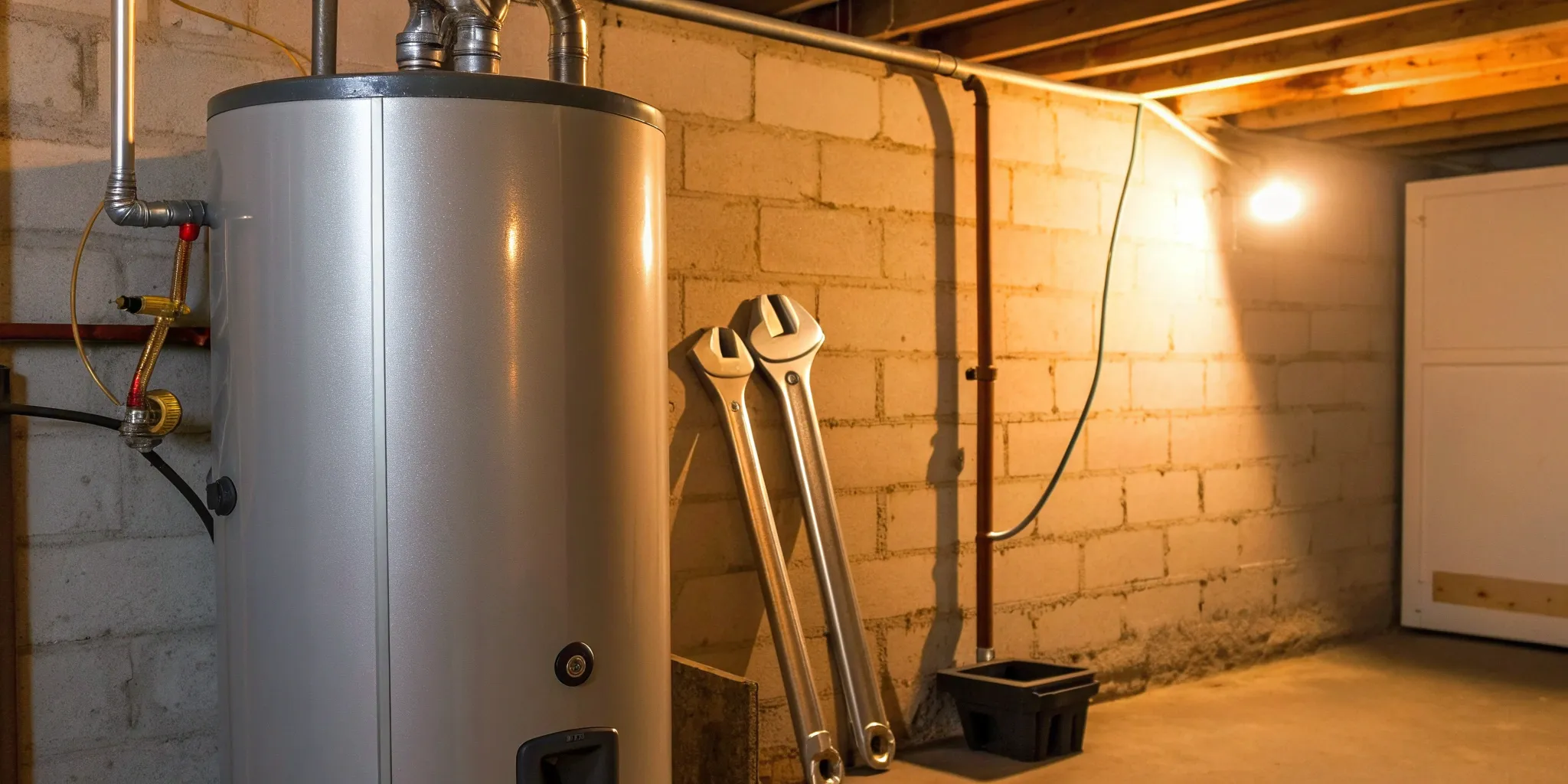
One of the first decisions you’ll make when replacing your water heater is choosing between a gas or electric model. This choice is the single biggest factor that will influence your total 40 gallon water heater installation cost. While electric units often have a lower upfront price, gas models can sometimes be cheaper to operate over time. Each type also has unique installation needs, from gas line connections and venting to specific electrical requirements, all of which affect the labor charges. We’ll compare the costs and benefits of both options to help you determine the best fit for your Spokane home and your budget.
Key Takeaways
- Understand the Full Installation Cost: The final price for a 40-gallon water heater goes beyond the unit itself. Budget for an all-in cost of $600-$1,600 for electric models and $900-$3,000+ for gas, which covers professional labor, parts, and permits.
- Hire a Pro for Safety and Warranty Protection: A DIY installation can be dangerous and may void your new water heater’s warranty. A licensed plumber ensures the work is done safely, meets local codes, and protects your investment.
- Choose Your Heater and Installer Wisely: Compare the lower upfront cost of an electric unit with the potential long-term energy savings of a gas model. Always get multiple, detailed quotes from licensed and insured plumbers to find the right expert for the job.
How Much Does a 40-Gallon Water Heater Installation Cost?
When your water heater starts giving you trouble, one of the first questions that comes to mind is, “How much will a new one cost?” It’s a practical question, and getting a clear answer helps you budget and plan. A 40-gallon tank is a popular size for many households, balancing capacity with efficiency. But the final price tag for a new installation can vary quite a bit.
It’s important to remember that the total cost isn’t just the sticker price of the unit; it also includes the professional labor required to get it installed safely and correctly. The biggest factor influencing the price is the fuel type—electric or gas. Each has its own price range for the unit and different requirements for installation, which affects labor costs. Things like where the heater is located, if you need new plumbing lines, or if your home needs electrical upgrades can also play a role. Let’s break down what you can expect to pay for a new 40-gallon water heater so you can move forward with confidence.
Electric Water Heater Costs
If you’re looking at an electric model, you can generally expect the total replacement cost to fall between $600 and $1,600. This range covers both the price of the new 40-gallon electric water heater and the cost of professional installation. Electric units are often more affordable upfront, and their installation can be simpler, especially if you’re just replacing an old electric model. Because they don’t require gas lines or special venting, the setup is typically more straightforward. This makes them a popular and reliable choice for many homeowners in the Spokane area.
Gas Water Heater Costs
For a 40-gallon gas water heater, the total replacement cost is typically higher, ranging from $900 to $3,000 or more. Just like with electric models, this estimate includes the unit and the installation fees. Gas heaters often cost more due to their more complex design and installation requirements. They need to be properly connected to a gas line and require specific venting to safely exhaust combustion gases. These extra steps and materials contribute to the higher overall cost, but many people choose gas for its potentially lower long-term operating costs.
Breaking Down Labor Costs
The labor for a professional water heater installation is a significant part of the total expense. For an electric water heater, labor costs usually run from $200 to $600. For a gas water heater, you can expect to pay between $400 and $1,000+ for labor. The price can fluctuate based on the complexity of the job. If your new unit requires new plumbing lines, electrical work, or updated venting to meet current building codes, the cost will be on the higher end of that range. A professional plumber can give you an accurate quote based on your specific situation.
What Affects Your Installation Cost?
When you get a quote for a new water heater, you’ll notice the final price is more than just the cost of the unit itself. Several key factors influence the total installation cost, from the type of heater you choose to the specific requirements of your home. Understanding these variables will help you budget accurately and see exactly where your money is going. A professional quote should break these down for you, but it’s always smart to know what to look for.
Water Heater Type and Fuel Source
The single biggest factor in your installation cost is the water heater itself. The price can vary significantly based on whether you choose a traditional tank-style unit and what kind of fuel it uses. Generally, electric water heaters are less expensive to purchase than gas models. For a standard 40-gallon tank, you can expect the unit and installation to run from $600 to $1,600 for an electric model, while a gas unit typically ranges from $900 to over $3,000. While gas heaters often have a higher upfront cost, they can sometimes be cheaper to operate over time, so it’s a trade-off worth considering. Our team can help you compare options for your new water heater installation.
Installation Location and Complexity
Where your water heater is located in your home plays a big role in the labor costs. A straightforward replacement in an open, accessible garage or basement is the simplest scenario. However, if your unit is tucked away in a tight closet, a cramped crawl space, or an attic, the job becomes more complex. Difficult installations require more time and effort, which increases the labor charge. If new plumbing lines need to be run or modifications are needed to fit the new unit, that will also add to the cost. For these more involved jobs, plumbers may charge an hourly rate, so an easily accessible spot is always a plus for your wallet.
Necessary Plumbing and Electrical Upgrades
Bringing your home’s plumbing up to current building codes is a non-negotiable part of any new water heater installation. If you live in an older home, you might need a few upgrades to ensure your new system is safe and efficient. This could include installing a thermal expansion tank, replacing old shut-off valves, or upgrading water or gas lines. For gas heaters, proper ventilation is critical and may require new venting pipes. These updates are essential for safety and compliance, and a professional plumber will identify exactly what your residential plumbing system needs to support your new water heater.
Local Permits and Code Requirements
In Spokane, most water heater installations require a permit. This is to ensure the work is done correctly and safely, meeting all local building codes. While it might seem like an extra hassle, a permit protects you, your home, and your family. The cost for a permit is usually between $50 and $150. When you hire a licensed company like Action Craft Experts, we handle the entire permitting process for you. This means you don’t have to worry about the paperwork, and you can be confident that your installation is fully compliant, preventing any potential issues with insurance or future home inspections.
What Hidden Costs Should You Plan For?
When you get a quote for a new water heater, it’s easy to focus on the price of the unit and the basic installation labor. But a few other expenses can pop up, and it’s always better to know about them ahead of time so you can budget accordingly. Think of it like buying a car—the sticker price is just the starting point. From removing your old unit to ensuring everything is up to code, a few extra line items can find their way onto the final bill.
Being prepared for these potential costs helps you avoid surprises and ensures your installation goes smoothly. A transparent plumber will walk you through these possibilities, but it never hurts to be informed. These aren’t necessarily “hidden” fees meant to deceive you; they’re often conditional costs that depend on the state of your current plumbing, local regulations, and the specific requirements of your home. Understanding what might come up allows you to ask the right questions and get a truly comprehensive estimate. Let’s break down the most common additional costs you might encounter when planning for your new 40-gallon water heater.
Old Water Heater Removal
Your old water heater can’t just be left on the curb. These units are bulky, heavy, and need to be disposed of properly. Most professional plumbers include the removal and disposal of your old unit in their installation fee, but it’s not always a given. If it’s billed separately, you can expect to pay anywhere from $70 to $500, depending on how difficult it is to remove. Always ask your installer if this service is included in their quote so you know exactly what to expect on installation day.
Permit and Inspection Fees
In Spokane, like in many other places, installing a new water heater often requires a permit, especially if you’re switching from electric to gas or making changes to plumbing or electrical lines. These permits ensure the work is done safely and meets local building codes. The cost for permits and subsequent inspections typically runs between $50 and $150. A reputable plumbing company will handle the entire permitting process for you, but the fee will be passed on to you in the final invoice. It’s a small price for the peace of mind that comes with a safe, compliant installation.
System Upgrades and New Parts
If you live in an older home, your new water heater might need a few new friends to work correctly and meet modern safety standards. For example, your plumbing system may require an expansion tank, which costs between $100 and $350, to handle pressure changes. If you’re installing a gas model, it might need new or upgraded venting, which can add $500 to $1,500 to the project. These upgrades are crucial for safety and efficiency, and professional water heater installations will always bring your system up to current code.
Emergency Installation Fees
Water heaters rarely fail at a convenient time. If you wake up to a cold shower or discover a leak on a weekend or holiday, you’ll likely need service outside of standard business hours. While getting your hot water back on quickly is the priority, be prepared for emergency service fees. These charges cover the higher cost of dispatching a technician after hours. If your water heater is showing signs of aging, it’s often more cost-effective to plan a replacement rather than waiting for an unexpected failure and needing an emergency hot water heater repair.
Electric vs. Gas: Which Water Heater Is Right for You?
Choosing between an electric and a gas water heater feels like a big decision, and it is! Each has its own set of pros and cons that can impact your budget, your monthly bills, and even your daily routine. The right choice for your home depends on your priorities—are you focused on a lower upfront cost, or are long-term savings more important? Do you have the existing infrastructure for gas, or is an electric model a more straightforward fit? Let’s walk through the key differences to help you figure out which type of water heater is the perfect match for your Spokane home.
Comparing Installation Costs
Right off the bat, the biggest difference you’ll notice is the price tag. Electric water heaters generally have a lower upfront cost, making them an attractive option if you’re working with a tighter budget. On the other hand, a gas water heater installation typically costs more. This is because they require a dedicated gas line and specific venting to operate safely, which can add to the complexity and cost of the job. When you’re planning your budget, it’s helpful to know that a new water heater installation for a gas unit can be significantly higher than its electric counterpart.
Factoring in Long-Term Operating Expenses
While an electric water heater might save you money on installation day, it often costs more to run month-to-month. Electricity rates are typically higher than natural gas, which means your utility bills could be higher over the life of the unit. Gas water heaters, despite their higher initial cost, are usually cheaper to operate. They also tend to heat water faster, which is a nice perk for busy households. Plus, since they don’t rely on electricity, you’ll still have hot water during a power outage. Thinking about these long-term operating expenses can help you make a more informed decision for your home’s future.
Reviewing Performance and Efficiency
When it comes to performance, both types get the job done, but there are differences in efficiency and lifespan. Modern gas water heaters, especially tankless models, are often more energy-efficient than traditional electric tanks. This efficiency can lead to noticeable savings on your energy bills over time. A well-maintained traditional tank heater usually lasts about 10 to 13 years. However, some high-efficiency and tankless models can last up to 20 years, making them a great long-term investment. If you ever need a tune-up to keep your unit running smoothly, a professional hot water heater repair can extend its life.
Understanding Space and Venting Needs
Finally, let’s talk about logistics. Where will the water heater go, and what does it need to function safely? Gas water heaters require proper ventilation to exhaust combustion gases like carbon monoxide safely outside your home. This means they need to be installed in a location where a vent can be run to the exterior. If you don’t have existing venting, this can add to the installation complexity. Electric water heaters don’t require venting, giving you more flexibility in where you can place them. This is a crucial factor, especially if you’re considering a gas line installation for the first time.
Should You DIY or Hire a Pro?
Let’s be real, we all love a good DIY project. The satisfaction of completing a task yourself (and saving some money) is hard to beat. When it comes to installing a 40-gallon water heater, however, the line between a rewarding project and a costly mistake is incredibly thin. While you might be handy with tools, this is one job where calling in a professional is almost always the smarter, safer, and ultimately more cost-effective choice.
This isn’t just about connecting a few pipes. A water heater installation involves dealing with high-voltage electricity or natural gas lines, adhering to strict local building codes, and ensuring the unit operates efficiently and safely for years to come. An improper installation can lead to everything from carbon monoxide leaks and water damage to voiding your new appliance’s warranty. Before you grab your toolbox, let’s break down why hiring a licensed plumber is the best investment you can make for your home and your peace of mind.
Safety Risks and Code Compliance
The biggest reason to hire a pro is safety. Working with gas lines or 240-volt electrical circuits is not the time for on-the-job training. A small mistake can have catastrophic consequences, including gas leaks, fires, or electrical shocks. Beyond the immediate danger, there are local building codes to consider. A professional plumber understands Spokane’s specific requirements for things like ventilation, pressure relief valves, and seismic strapping. A professional water heater installation ensures the job is done right and passes inspection, protecting your family and your property from potential hazards and fines.
Protecting Your Warranty and Insurance
That brand-new water heater comes with a manufacturer’s warranty, but it often has a catch: many companies require proof of professional installation for the warranty to be valid. If you install it yourself and something goes wrong with the unit, you could be on the hook for the full cost of repairs or a replacement. Similarly, your homeowner’s insurance policy might not cover damage—like a major leak that ruins your flooring—if it’s caused by an improper, unpermitted DIY installation. Hiring a licensed professional protects your investment and ensures you’re covered if anything goes wrong down the line.
When You Absolutely Need a Professional
Some situations move a water heater installation from “tricky DIY” to “professional-only” territory. If you’re switching from an electric to a gas model, for example, you’ll need new gas line repair & installations, which is a job exclusively for a licensed professional. The same goes for relocating the water heater to a new spot in your home, which often requires rerouting plumbing and electrical lines. If the installation space is tight or requires significant modifications to fit the new unit, a pro has the experience and tools to handle the complexity safely and efficiently.
How to Find the Right Installer
Choosing the right person for your water heater installation is just as important as picking the right unit. A great installer ensures your new heater runs efficiently and safely, protecting your home from potential leaks or code violations. It’s about finding a true professional you can trust, not just the cheapest option available. A proper installation can extend the life of your water heater, while a poor one can lead to constant problems and even void your manufacturer’s warranty. So, how do you sort through the options and find the best plumber for the job? It comes down to asking the right questions and doing a little homework. You’ll want to look for a company with a strong local reputation, transparent pricing, and the right credentials. Taking the time to vet your installer upfront saves you from headaches and unexpected costs down the road. Think of it as an investment in your home’s long-term health and your own peace of mind. A reliable plumber will not only handle the water heater installation but will also be a valuable contact for any future plumbing needs. They can spot potential issues with your existing plumbing, ensure everything is up to current building codes, and give you advice on maintaining your new unit for optimal performance. This expertise is what separates a quick-fix job from a quality, lasting solution.
How to Get and Compare Accurate Quotes
Start by getting at least three written estimates from different licensed plumbers. To make a fair comparison, make sure every quote is for the exact same water heater brand and model. A vague quote is a red flag. Your estimate should be a detailed breakdown of all costs, including the unit itself, labor, necessary parts like pipes or valves, permit fees, and the cost of removing your old tank. This transparency helps you understand exactly what you’re paying for and avoids surprises later. A professional will be happy to walk you through their quote and answer any questions you have.
Why You Should Verify Credentials and Insurance
Never skip the step of verifying a plumber’s credentials. The company you hire should be licensed, bonded, and insured—no exceptions. Being licensed means they’ve met local and state standards for skill and knowledge. Insurance protects your home from accidental damage during the installation, and a bond protects you if the contractor fails to finish the job. Asking for proof of these credentials is a standard part of hiring any residential plumbing professional and gives you crucial peace of mind. A reputable company will have this information readily available on their website or provide it upon request.
What to Look for in a Warranty
Finally, make sure you understand the warranty. There are usually two types: the manufacturer’s warranty, which covers the water heater itself, and the installer’s workmanship warranty. A reputable company will always stand behind their work with a clear labor warranty. Before you agree to anything, get the details in writing. How long does the workmanship warranty last, what does it cover, and what is the process if you need a hot water heater repair? A solid warranty is a sign of quality and confidence, showing that the installer is committed to doing the job right the first time.
Related Articles
- Is a 50 Gallon Water Heater Right for You?
- Cost to Replumb a Bathroom: A Complete Price Guide
- How to Size Tankless Water Heater for Maximum Efficiency
- Cost to Run Water Line 1000 Feet: A 2025 Guide
Frequently Asked Questions
Why is a gas water heater so much more expensive to install than an electric one? The higher price for a gas water heater installation comes down to complexity and safety. Gas models require a dedicated gas line and proper ventilation to safely pipe exhaust fumes, like carbon monoxide, out of your home. These extra connections and materials add to both the material and labor costs. Electric heaters are simpler because they don’t need gas lines or special vents, making the installation process more straightforward and less expensive.
How long does a typical water heater installation take? For a straightforward replacement where you’re swapping an old unit for a similar new one in an accessible spot, a professional can usually complete the job in about two to three hours. However, if the project involves moving the unit, running new plumbing or gas lines, or making significant upgrades to meet current codes, it could take a full day.
Can I buy my own water heater and just pay for the labor? While you can certainly buy your own unit, it’s often better to purchase it through your installer. Professionals can get contractor-grade models that are built to last longer than the ones you might find at a big-box store. Additionally, when a plumber supplies the unit, they typically cover the entire project—parts and labor—under their own warranty, which simplifies things if you ever have an issue.
Do I really need to worry about permits and codes for a simple replacement? Yes, absolutely. Building codes are in place to ensure your system is installed safely, and they get updated over time. A permit ensures a licensed professional is doing the work correctly, protecting you from potential hazards like gas leaks or water damage. It also prevents problems with your homeowner’s insurance or a future home sale, making it a small but crucial step.
My old water heater is in a really tight closet. Will that increase the cost? It most likely will. The location of your water heater plays a big role in the labor cost. If a plumber has to work in a cramped or hard-to-reach space like a tight closet or a crawlspace, the job becomes more difficult and time-consuming. This extra effort is usually reflected in a higher labor charge compared to an installation in an open garage or basement.