














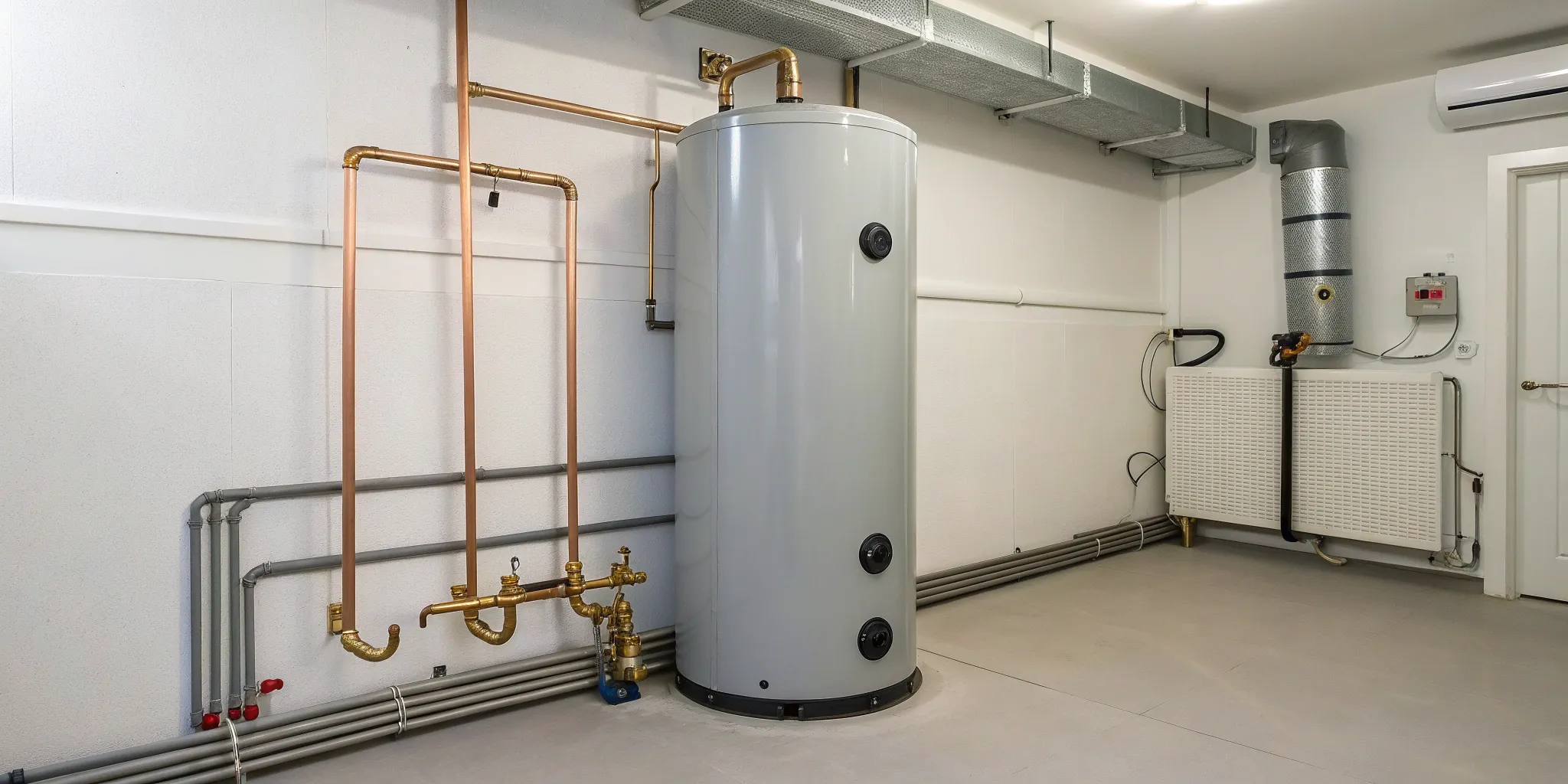
There are two ways homeowners typically buy a new water heater: proactively, when they notice the old one is aging, or reactively, when they find a puddle on the floor. Waiting for an emergency is stressful and often leads to a rushed decision you might regret later. This guide is for the planners. We’ll help you spot the early warning signs that it’s time for an upgrade. Then, we’ll walk you through the entire process of selecting the right replacement, focusing on the popular 50-gallon water heater. From evaluating your family’s daily water usage to understanding maintenance, you’ll have all the information you need to make a calm, informed choice.
Key Takeaways
- Match the tank to your real-life routine: A 50-gallon tank is a great starting point for 3-5 people, but your peak demand—like simultaneous showers and laundry—is the true test. Check the First Hour Rating (FHR) to ensure it can keep up.
- Weigh the full cost of gas vs. electric: An electric model might be cheaper to buy, but a gas unit often costs less to run each month. Consider the upfront price, installation needs, and your long-term utility bills to find the best financial fit.
- Prioritize professional installation and yearly maintenance: A pro install ensures safety and protects your warranty, while a simple annual tank flush is the most effective way to prevent issues and extend your water heater’s life.
Is a 50-Gallon Water Heater Right for Your Home?
Choosing a new water heater feels like a big decision, and it is. It’s one of those home appliances you rely on every single day, but you probably don’t think about it until it stops working. When it’s time for a replacement, the 50-gallon model often comes up as a popular, middle-of-the-road option. But is it the right choice for you? The answer depends entirely on your home and your lifestyle.
Getting the size right is crucial. A common mistake homeowners make is picking a unit that’s either too big or too small for their needs. If you go too large, you’ll be paying to heat water you never use, which is a constant drain on your energy bills. If you go too small, you’ll face the dreaded cold shower halfway through your morning routine. The goal is to find that sweet spot where you have plenty of hot water when you need it without overspending on utilities. To figure out if a 50-gallon water heater fits the bill, you need to look at two key factors: how many people live in your home and how much hot water you actually use.
Consider your household size
The simplest way to start is by counting heads. As a general rule, a 50-gallon water heater is a great fit for a household of three to five people. This size typically provides enough hot water for a family to go about their daily routines—showering, washing dishes, doing laundry—without running into shortages. If you have one or two people in your home, a 50-gallon tank might be overkill, and you could save money with a smaller 30 or 40-gallon unit. On the other hand, if your household is larger than five, you’ll likely need to look at bigger models to keep everyone happy. It’s all about matching the tank’s capacity to your family’s size to ensure your residential plumbing system works for you, not against you.
Evaluate your daily hot water use
While household size is a great starting point, your family’s habits are just as important. Think about your “peak hour” demand—that busiest time of day, usually in the morning, when multiple people might be showering while the dishwasher or washing machine is running. If your family’s hot water needs have changed over the years, what worked before might not be enough now. Do you have a large soaking tub you love to use? Or a shower with multiple body sprayers? These high-demand fixtures can drain a smaller tank quickly. The type of heater also matters. Gas water heaters tend to heat water faster than electric ones, so they can handle higher demand. Our team can help you assess your usage and recommend the perfect fit during our water heater installations.
Comparing the Top 50-Gallon Water Heater Brands
Once you start shopping, you’ll see a handful of brands pop up again and again. While many companies make reliable water heaters, a few names like A.O. Smith and Rheem consistently lead the pack in performance and durability. The key isn’t just picking a well-known brand, but choosing the right model for your home and ensuring it’s installed correctly. The version of a water heater you find at a big-box store might be different from the one a professional plumber can source from a dedicated supply house. We can help you find a professional-grade unit built with higher-quality components for a longer, more reliable lifespan.
Brands we trust and recommend
We often recommend brands like A.O. Smith and Rheem because they have a long-standing reputation for quality. For example, A.O. Smith’s Signature Series® is known for its compact design, making it a great fit for smaller spaces. While you can find these at stores like Lowe’s, many plumbing experts suggest buying from a dedicated plumbing supply store. The models available there are often built to a higher standard than their big-box counterparts. As your local plumbing experts, we have access to these professional-grade models and can help you select a unit that offers the best long-term value and reliability for your home.
A look at energy efficiency and warranties
Two of the most important factors to consider are energy efficiency and the manufacturer’s warranty. A more efficient water heater can save you a significant amount on your utility bills over time. Look for the ENERGY STAR® certification or a high Uniform Energy Factor (UEF) rating—some A.O. Smith models have a UEF up to 0.99. Warranties are also crucial. A typical warranty, like Rheem’s common 6-year plan, might cover a full unit replacement in the first year but only parts for the remaining five. Understanding these details is key, and proper, professional water heater installations are often required to keep your warranty valid.
Key factors: Smart tech and reliability
Modern water heaters are getting smarter. Brands like Rheem offer models with high-efficiency performance and smart features that let you control settings from your phone and even receive leak detection alerts. While this technology is a fantastic bonus, the core of a great water heater is still its reliability. You want a unit that delivers hot water consistently without frequent issues. Investing in a quality brand and professional installation is the best way to ensure you have a dependable system for years to come. A reliable unit means fewer calls for hot water heater repair and more peace of mind.
Gas vs. Electric: Which Should You Choose?
One of the biggest decisions you’ll make when buying a new water heater is choosing between a gas or electric model. There isn’t a single right answer—the best choice really depends on your home’s existing hookups, your budget, and your long-term energy cost goals. Both types have distinct advantages, so understanding the key differences will help you pick the perfect fit for your household.
Gas water heaters are known for their efficiency and lower monthly operating costs, while electric models often have a lower upfront price tag and more flexible installation options. Think about what matters most to you: initial savings or long-term value? Do you have the space and utility lines for a gas unit, or does the simplicity of an electric model make more sense? Let’s break down the main factors to help you decide.
Upfront cost vs. long-term savings
Your budget is a great place to start. Generally, electric water heaters have a lower purchase price and are less expensive to install, making them an attractive option if you’re focused on minimizing initial costs. However, that upfront saving is often balanced by higher monthly utility bills, as electricity typically costs more than natural gas.
On the other hand, gas water heaters usually come with a higher price tag for both the unit and the installation. The trade-off is that they are cheaper to operate over time. Because natural gas is often more affordable than electricity, you’ll likely see lower energy bills each month. A professional can help you weigh the costs and determine the best long-term investment for your home’s water heater installation.
Installation and utility requirements
The installation process for electric and gas water heaters is quite different. An electric model is typically more straightforward to install, especially if you’re replacing an old electric unit. The main requirement is ensuring your home’s electrical panel can handle the load, which is something a qualified plumber or electrician can confirm for you.
Gas water heaters require a more complex setup. They need to be connected to your home’s gas line and must have a proper ventilation system to safely pipe exhaust fumes outside. This can make the installation more involved and costly, particularly if you’re switching from electric to gas and need to run new lines. Because of these safety requirements, professional installation is non-negotiable.
Space and venting needs
Before you fall in love with a specific model, grab a tape measure. Gas water heaters need more space than their electric counterparts. This is because they require a ventilation system—usually a flue pipe that runs from the top of the unit up through the roof or out a side wall. This requirement can limit your installation options, making them a tough fit for small utility closets, apartments, or homes without easy access to an exterior wall.
Electric water heaters don’t produce exhaust, so they don’t need any venting. This gives you much more flexibility on where you can place them. They can easily be installed in smaller, enclosed spaces like a closet or under a staircase. If your available space is tight, an electric model is often the more practical solution.
How Much Does a 50-Gallon Water Heater Really Cost?
When you’re budgeting for a new water heater, it’s easy to focus on the sticker price. But the true cost includes the unit itself, professional installation, and what you’ll pay to run it month after month. Understanding all three parts of the equation helps you make a smart investment for your home that you’ll be happy with for years to come. Let’s break down what you can really expect to spend.
Breaking down the purchase price
The initial cost of a 50-gallon water heater varies quite a bit depending on the model you choose. Generally, you can expect to pay between $700 and $1,800 for an electric unit, while a gas model typically runs from $1,000 to over $3,100, including labor. The price of the unit alone can range from $500 to $2,100. This gap comes down to a few key factors: fuel type, brand reputation, energy efficiency ratings, and any extra features like smart technology. A higher-efficiency model might cost more upfront, but it’s designed to save you money over its lifespan. Getting a professional quote for water heater installations will give you the clearest picture of your total cost.
What to expect for installation costs
Installation is a critical piece of the puzzle. A straightforward replacement usually takes about three to four hours. However, the cost can increase if the job is more complex. For instance, if your water heater is in a cramped closet or requires new plumbing to be run, it will take more time and expertise. You may also need new gas line installations or electrical updates to bring everything up to code, which can add to the final bill. In some cases, you might also need to budget between $50 and $150 for a permit, especially if gas or electrical lines are being modified. This is why professional installation is so important—it ensures everything is done safely and correctly.
Calculating your long-term operating costs
Once your new water heater is installed, you’ll have ongoing operating costs. This is where the fuel type really makes a difference. A gas water heater typically costs between $20 and $35 per month to run, while an electric model can range from $40 to $60 per month. While an energy-efficient unit may have a higher purchase price, it can often pay for itself in just four to six years through lower utility bills. Thinking about these long-term expenses helps you see the full picture. A well-maintained unit will also be more efficient, so keeping up with routine service can prevent costly hot water heater repair and keep your energy bills in check.
Signs It’s Time for a New Water Heater
Most of us don’t think about our water heater until we’re hit with an icy shower. But your water heater often sends out subtle hints that it’s nearing the end of its life long before it fails completely. Paying attention to these signs can help you plan for a replacement instead of dealing with a messy, cold-water emergency. From strange noises to a slow creep in your energy bills, these clues can tell you when it’s time to start shopping for a new unit. Knowing what to look for helps you make a proactive choice, ensuring your home has a reliable supply of hot water without any surprise breakdowns.
Age and declining performance
A traditional tank-style water heater typically lasts between 10 and 15 years. If you’re not sure how old yours is, check the manufacturer’s sticker for a serial number—you can usually find the date of production coded within it. As a unit ages, its performance naturally declines. You might notice that your water doesn’t get as hot as it used to, or you run out of hot water much faster. Rumbling or popping sounds are another common sign, often caused by sediment buildup at the bottom of the tank. While some issues might be fixable, if your unit is over a decade old and needs frequent hot water heater repair, replacement is often the more cost-effective solution.
Warning signs: Leaks and physical damage
Some warning signs are too serious to ignore, and leaks are at the top of the list. If you see water pooling around the base of your water heater, it’s a major red flag. While a leak could come from a fitting, a leak from the tank itself is a sign of internal corrosion and cannot be repaired—the unit must be replaced immediately to avoid a potential flood. Other visual cues include rust spots on the outside of the tank or rusty, discolored water coming from your hot water taps. These are clear indicators that the inside of the tank is deteriorating. When you see these signs, it’s time to schedule a new water heater installation.
Why your energy bills are creeping up
Have you noticed your gas or electric bills slowly increasing without a clear reason? Your aging water heater could be the culprit. Over time, sediment builds up inside the tank, insulating the water from the heating element. This forces the unit to work harder and run longer to heat the same amount of water, consuming more energy in the process. Older water heaters are simply less efficient than modern models. Upgrading to a new, energy-efficient water heater can not only restore your reliable hot water supply but also lead to noticeable savings on your monthly utility bills. It’s an investment that pays for itself through lower operating costs.
Key Features to Look For When You Shop
Shopping for a new water heater can feel like you’re trying to decipher a secret code. Between the different ratings, technical specs, and industry jargon, it’s easy to get overwhelmed and wonder if you’re making the right choice. But you don’t need to be a plumbing expert to feel confident in your decision. By focusing on a few key features, you can cut through the noise and find a 50-gallon water heater that perfectly suits your home, your family, and your budget.
Think of it this way: you’re looking for a model that delivers enough hot water when you need it, doesn’t waste energy, and is built to last for years to come. It’s a balance of performance, efficiency, and durability. To figure that out, we’ll look at three main areas. First, we’ll examine performance ratings that tell you exactly how much hot water you can expect during your busiest hours. Next, we’ll decode the efficiency ratings that directly impact your monthly energy bills. Finally, we’ll touch on the quality of the materials and construction, which determine how long you can rely on your new heater. Let’s break down what these features really mean for you and your home.
Understanding First Hour Rating and recovery time
Have you ever been the last one in the shower, only to get a blast of cold water? That’s what the First Hour Rating, or FHR, helps you avoid. The FHR tells you how many gallons of hot water the heater can supply in a single hour when it starts with a full tank. This is the most important number to consider for meeting your household’s peak demand—like when everyone is showering, the dishwasher is running, and you’re doing a load of laundry. A higher FHR means the unit can keep up with your busiest moments. When you’re comparing models, think about your morning routine and choose an FHR that matches it.
Decoding ENERGY STAR and efficiency ratings
A water heater is one of the biggest energy users in your home, so its efficiency rating has a direct impact on your monthly utility bills. The easiest way to spot an efficient model is to look for the ENERGY STAR label. These certified units are designed to save energy and money without sacrificing performance. You’ll also see a Uniform Energy Factor (UEF) rating. It’s a simple scale—the closer the number is to 1.0, the more efficient the water heater is. While a high-efficiency model might cost a bit more upfront, the long-term savings often make it a worthwhile investment for your home.
The importance of tank materials and insulation
The longevity of your water heater depends heavily on what it’s made of. Most tanks are steel with a glass lining to prevent rust and corrosion, but the quality can vary. A key component is the anode rod, a small metal rod inside the tank that sacrifices itself to protect the tank from corrosion. It’s a part that needs to be checked and occasionally replaced. Good insulation is also crucial. Thicker, higher-quality foam insulation reduces standby heat loss—that’s when the water cools down in the tank and has to be reheated. This means the unit runs less often, saving you energy. Proper water heater installations and routine maintenance will ensure these components work as they should for years to come.
How to Choose the Perfect 50-Gallon Water Heater
Picking out a new water heater isn’t just about replacing an old appliance; it’s about ensuring your home has the consistent, reliable hot water it needs for years to come. A 50-gallon model is a popular choice for many households, but the “perfect” one for you depends on a few key factors. Thinking through your specific situation before you buy will save you from the frustration of cold showers or unnecessarily high utility bills. It’s about finding that sweet spot where performance, efficiency, and cost all align with your home’s demands.
To make the right choice, you don’t need to become a plumbing expert overnight. You just need to answer three simple questions about your home and lifestyle. We’ll walk through how to consider your family’s daily habits, what fuel source makes the most sense for your property, and the physical space you have available. Getting these details right is the first step toward a successful water heater installation and a happy, comfortable home.
Match the size to your family’s needs
While you’ve narrowed your search to a 50-gallon tank, it’s important to confirm this size truly fits your household. A common mistake is choosing a tank that’s too big or too small for your actual usage. A 50-gallon water heater is generally ideal for a family of three to five people. However, you should think about your “peak hour” demand. This is the busiest time for hot water in your home, like in the morning when one person is showering, another is starting the dishwasher, and the washing machine is running. If your family’s routine involves using a lot of hot water at once, a high-recovery 50-gallon model might be necessary to keep everyone happy.
Check your local fuel availability and costs
Next, consider your fuel source. Your choice between a gas or electric water heater often depends on the utilities available at your Spokane home. If you already have natural gas service, a gas water heater is typically more affordable to operate month-to-month. However, they require proper ventilation and a dedicated gas line. If your home is all-electric, an electric model is the more straightforward option. While their operating costs can be higher, their installation is often simpler. If you’re considering switching to gas, it’s important to factor in the cost of a new gas line installation, which a professional can help you assess.
Measure your installation space
This might seem obvious, but it’s a step you can’t afford to skip. Before you fall in love with a specific model, grab a tape measure and check the space where your water heater will live. Note the height, width, and depth of the area. Gas water heaters often require more clearance than electric ones because they need space for ventilation pipes to safely route exhaust fumes outside. Electric models, on the other hand, are often more compact and can fit into tighter closets or smaller utility rooms. Comparing your measurements to the specifications of the new unit will ensure a smooth installation day and prevent any unwelcome surprises. This is a key part of any residential plumbing project.
Your Guide to Installation and Maintenance
Once you’ve picked out the perfect 50-gallon water heater, the next steps are just as important. Proper installation and consistent maintenance are what will make your investment pay off for years to come. Getting this part right ensures your new unit runs safely and efficiently, saving you from headaches and unexpected costs down the road. Think of it as setting your water heater up for a long and productive life in your home.
Why professional installation matters
While it might be tempting to tackle the installation yourself, this is one job best left to the experts. Gas water heaters, in particular, require careful handling. They produce potentially harmful fumes, like carbon monoxide, that must be vented outside through a properly installed flue. An incorrect setup can create a serious safety hazard for your household. Even water heater installations for electric models can be complex, as they need to be wired correctly to an electrical panel that can handle the high power demand. A professional plumber ensures everything is connected safely, meets local building codes, and functions correctly from day one.
Simple maintenance for a longer lifespan
A little bit of care can significantly extend the life of your water heater. The single most effective thing you can do is flush the tank at least once a year. This process removes sediment and mineral buildup that settles at the bottom. Over time, this gunk can reduce efficiency, cause corrosion, and even lead to premature failure. Other routine checks include inspecting the unit for any small leaks or corrosion, testing the pressure relief valve, and checking the anode rod, which is designed to corrode so your tank doesn’t. If you spot any issues during your check-up, it’s wise to schedule a hot water heater repair to get it sorted out quickly.
Understanding your warranty and service
Most water heaters are built to last between six and ten years, though a well-maintained unit can sometimes last much longer. Your manufacturer’s warranty is your safety net during this period. Typically, a warranty might cover a full unit replacement for the first year and parts for the next five or more. It’s crucial to read the fine print to understand what’s covered and, more importantly, what could void your coverage—improper installation is a common culprit. Keeping records of your purchase and any professional service calls is a great habit. For any ongoing needs, having a trusted partner for your residential plumbing in Spokane provides peace of mind.
Ready to Buy? Here’s What to Do Next
You’ve done the hard work of comparing brands, weighing gas versus electric, and figuring out the right features for your home. Now you’re in the home stretch, and these last couple of steps are crucial for making sure your investment pays off. Before you finalize your purchase, it’s time to do a final check with real-world feedback and line up a professional for the installation. It’s tempting to rush through this part, but taking a little extra time here can save you from major headaches down the road. A great water heater can be a letdown if it’s installed incorrectly, and a model that looks perfect on paper might have hidden flaws that only other homeowners can warn you about. Think of this as the final quality check that ensures your new water heater starts its life in your home on the right foot, giving you reliable hot water for years to come.
Where to find honest reviews
Before you pull out your wallet, it’s smart to see what other homeowners are saying about the model you’ve chosen. One of the most common mistakes people make is buying a water heater without digging into reviews from those who already own it. Go beyond the manufacturer’s website and check customer feedback on independent sites like Google. Look for patterns in the comments. Are people consistently praising its efficiency, or are there frequent complaints about noise or needing early repairs? Reading these firsthand accounts gives you an unfiltered look at how the water heater performs in a real home, helping you sidestep a purchase you might regret.
Find a trusted installer in Spokane
Once you’ve settled on the perfect model, your next move is to find a qualified professional to install it. Proper installation is non-negotiable for safety and efficiency, especially if you’ve chosen a gas water heater where improper venting can be a serious hazard. A professional plumber will make sure your new unit is a good fit for your space, handle all the connections correctly, and ensure everything is up to code. This isn’t a weekend DIY project; a small mistake can lead to leaks, poor performance, or worse. For a safe and seamless setup, it’s always best to call in a local expert. The team at Action Craft Experts provides professional water heater installations, making sure your new unit runs perfectly from day one.
Related Articles
- How to Size Tankless Water Heater for Maximum Efficiency
- Why a Hot Water Tank Flush is Essential Before Winter
- How to Keep Water Heater from Freezing in Cold Weather
- 3 Reasons Why Your Gas Heater is Malfunctioning
- Hot Water Heater Repair Spokane WA | Tank & Tankless
Frequently Asked Questions
How can I be sure a 50-gallon tank is the right size for my family? The “three to five person” rule is a great starting point, but your daily habits are the real decider. Think about your busiest hour for hot water use, which is usually the morning. If you have multiple showers running back-to-back while the dishwasher is on, your demand is high. A 50-gallon tank is often perfect for this, but if you have a large soaking tub or a shower with multiple jets, you might need a model with a higher recovery rate to keep up.
My water heater is over 10 years old but seems fine. Should I replace it anyway? It’s smart to consider a replacement proactively. A water heater’s efficiency drops as it ages, meaning you’re likely paying more on your utility bills than you need to. More importantly, units over a decade old are at a much higher risk of failing suddenly, which could mean a leak and water damage. Replacing it on your own terms saves you from a cold-water emergency and potential cleanup costs.
What’s the most important difference between gas and electric models? The biggest difference comes down to cost, both upfront and over time. Electric water heaters are generally less expensive to buy and install, but they usually cost more to run each month. Gas models have a higher initial price tag and a more complex installation, but their lower monthly operating cost often saves you money in the long run. Your home’s existing utility hookups will also be a major factor in your decision.
Can I save money by installing the water heater myself? While it might seem like a way to cut costs, installing a water heater is a job best left to a professional. An incorrect installation can lead to leaks, poor performance, or even dangerous situations, especially with gas lines and ventilation. Plus, most manufacturer warranties require proof of professional installation to be valid, so a DIY job could void your coverage from the start.
Does annual maintenance really make a difference? Absolutely. The most important maintenance task is flushing the tank once a year to remove sediment buildup. This sediment forces your heater to work harder, which wastes energy and can cause the tank to corrode from the inside out. A simple annual flush can extend the life of your unit, keep it running efficiently, and help you avoid a premature and costly replacement.