














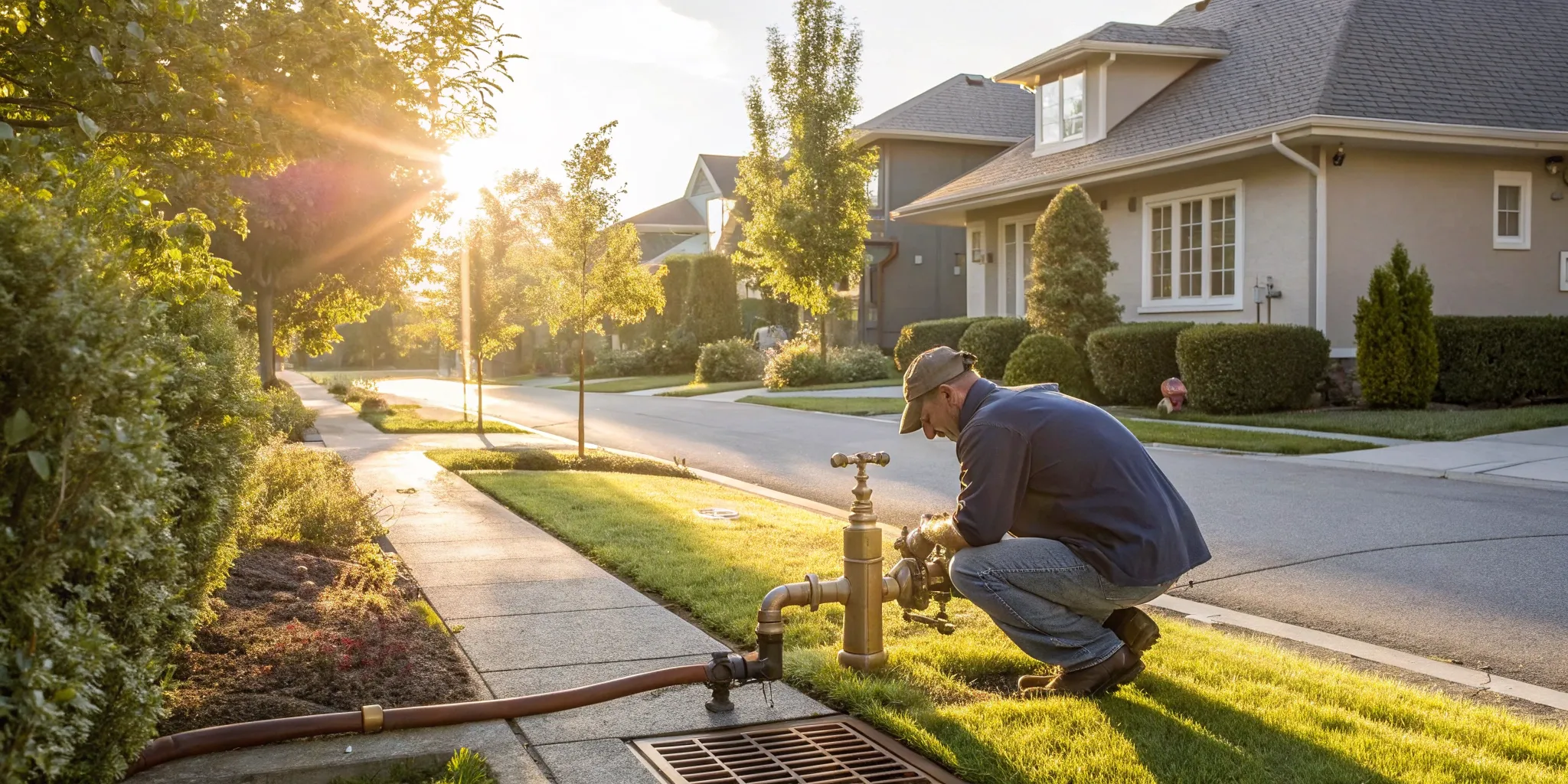
Some of the biggest risks to your property are the ones you can’t see. You wouldn’t ignore a leaky pipe you could see, but a faulty backflow preventer is a silent threat. This small device is the only thing stopping water from your irrigation system, boiler, or pool from flowing backward into the clean water lines during a pressure change. If it fails, contaminated water could enter your taps and the city’s supply without any warning. This is why annual backflow testing is not just a suggestion—it’s a mandatory safety measure in Spokane. It’s a simple inspection that confirms your system’s silent guardian is working correctly.
Key Takeaways
- Backflow Prevention is a Critical Health Safeguard: Your backflow device is the only thing that stops contaminants like pesticides and chemicals from entering the clean water supply. Annual testing is a non-negotiable check-up to ensure this vital safety feature is working correctly.
- Annual Testing is a Requirement, Not a Suggestion: For most commercial properties and homes with systems like in-ground sprinklers or pools in Spokane, yearly backflow testing is mandatory. Neglecting this can lead to fines and a potential water service shut-off.
- A Certified Pro Makes Compliance Simple: The testing process is quick and affordable when handled by a certified Backflow Assembly Tester (BAT). They perform the inspection, manage the city paperwork, and provide a clear plan if any repairs are needed.
What is Backflow and Why is it a Problem?
Think of your plumbing system as a one-way street. Water is supposed to flow from the city’s main line into your home or business, and wastewater is supposed to flow out. Backflow is what happens when that traffic reverses, and non-potable (unsafe) water flows backward into your clean water supply. This isn’t just a minor plumbing hiccup; it’s a serious health hazard. A sudden change in water pressure can cause this reversal, pulling contaminated water from sources like irrigation systems, boilers, or commercial equipment back into the pipes that carry your drinking water.
This contamination can affect not only your property but also the public water supply, putting the community at risk. That’s why cities, including Spokane, have strict regulations requiring backflow prevention devices and annual testing. Understanding what backflow is and the problems it can cause is the first step in protecting your family, employees, and neighbors from contaminated water. It’s a crucial part of maintaining a safe and reliable residential plumbing system.
How Backflow Contaminates Your Water
Backflow happens in one of two ways: back-siphonage or back-pressure. Back-siphonage is probably the easiest to picture. Think of it like drinking from a straw. A sudden drop in pressure in the city’s water main—caused by something like a water main break or a fire hydrant being used nearby—creates a vacuum effect. This vacuum can suck water backward from your property’s plumbing system into the public water lines. If you have a hose in a bucket of soapy water or connected to a fertilizer sprayer, that contaminated water could be pulled back into your clean water supply.
Back-pressure is the opposite. It occurs when the water pressure in your property’s plumbing system is greater than the pressure in the city’s supply line. This can happen with systems that generate their own pressure, like boilers or pressurized tanks. This higher pressure can literally push contaminated water back into the clean water pipes, creating a serious contamination event.
The Health Risks of Contaminated Water
When backflow occurs, it’s not just dirt and grime that can enter your drinking water. The contaminants can include anything from lawn fertilizers and pesticides to harsh chemicals, bacteria, and other hazardous materials. For commercial properties, the risks can involve industrial chemicals or cleaning agents. For homes, it could be as simple as stagnant water from a sprinkler system or pool. Ingesting these substances can lead to serious health issues, ranging from stomach illnesses to more severe conditions, depending on the type of contaminant.
Protecting the water supply is a shared responsibility. A single cross-connection without a proper backflow preventer can compromise the safety of an entire neighborhood. This is why regulations are so stringent and why professional plumbing services are essential for ensuring your system is safe and compliant.
Common Sources of Backflow
Backflow can originate from many common water connections at both residential and commercial properties. One of the most frequent sources is an irrigation or lawn sprinkler system, where water can mix with fertilizers and pesticides from the ground. Other common culprits include swimming pools, hot tubs, and ornamental ponds, where treated or stagnant water can be siphoned back into the clean water supply.
In commercial settings, the list expands to include fire sprinkler systems, large boilers, commercial kitchen equipment like dishwashers and soda machines, and laboratory or medical equipment. Even a simple utility sink with a hose attached can create a risk. Any point where the clean water system is connected to a system containing non-potable water—known as a cross-connection—is a potential source of backflow and requires a specific prevention device to keep the water supply safe.
What is Annual Backflow Testing?
Think of annual backflow testing as a yearly physical for your plumbing system’s most important safety feature. It’s a required check-up that confirms your backflow prevention device is working correctly, stopping contaminated water from reversing course and mixing with your clean drinking water supply. This isn’t just about ticking a box for compliance; it’s a critical measure to protect the health of your family, employees, or tenants. A functioning backflow preventer is the only thing standing between the public water supply and potential contaminants from sources like irrigation systems, boilers, or industrial equipment.
Backflow can happen due to unexpected changes in water pressure, like a water main break down the street or a fire hydrant being used nearby. When pressure drops in the main lines, it can create a siphon effect, pulling water from private properties back into the city’s supply. Without a working preventer, this reverse flow could carry pesticides, chemicals, and other harmful substances with it. An annual test ensures this barrier is strong and reliable, giving you peace of mind that your water is safe.
A Step-by-Step Look at the Testing Process
When a certified technician arrives to perform a backflow test, the process is straightforward and efficient. They will connect a specialized test kit to the ports on your backflow prevention device. The main task involves carefully opening and closing the device’s internal valves in a specific sequence to check pressure levels and ensure they are holding steady. This procedure verifies that the check valves are closing tightly and that the relief valves are opening when they should. The entire test is designed to simulate backflow conditions in a controlled way, confirming the assembly will do its job during a real-world pressure change.
Types of Backflow Prevention Devices
You might be surprised to learn there isn’t just one type of backflow preventer. Different properties and potential hazard levels require different devices. The most common ones you’ll see are the Pressure Vacuum Breaker (PVB), the Double Check Assembly (DCA), and the Reduced Pressure Zone (RPZ) assembly. PVBs are often used for irrigation systems, while DCAs and RPZs are typically found in commercial buildings or properties with a higher risk of contamination. Each device works a bit differently, but they all share the same goal: keeping your water supply pure. A professional plumber can easily identify your device and use the correct testing procedure for your specific residential plumbing system.
What a Certified Technician Checks For
During the test, a certified technician is looking for one thing: proof that your device can stop a reverse flow of water. They meticulously check that each valve within the assembly opens and closes correctly and holds the required pressure. It’s a pass-or-fail situation. If your device passes, the technician submits the report to the local water authority, and you’re all set for another year. If it fails, it means a part is worn out or broken. The technician will explain what’s needed for a repair or part replacement. Once the water leak repair is complete, the device must be retested to confirm it’s fully functional and compliant.
Who Needs Annual Backflow Testing in Spokane?
Now that you know what backflow testing is, you might be wondering if it applies to you. The rules can feel a little different depending on your property type, but the goal is always the same: keeping our community’s water safe. The City of Spokane has specific requirements to protect the public water supply, and it’s important to know where you fit in. Let’s break down who needs to schedule an annual backflow test here in Spokane.
Rules for Commercial Properties
If you own or manage a commercial property, you can almost certainly count on needing an annual backflow test. Businesses typically have more complex plumbing systems and a higher risk of cross-connection. Think about things like commercial irrigation systems, fire sprinklers, boilers, or soda fountains—all of these create opportunities for backflow. To protect public health, local governments mandate yearly testing and inspections for these properties. This isn’t just a suggestion; it’s a requirement to ensure your business isn’t accidentally introducing pollutants into the city’s water.
Requirements for Residential Properties
For homeowners, the rules are a bit more specific. Not every house needs a backflow prevention device, but if you have certain water systems, you likely do. The most common triggers for residential plumbing are in-ground sprinkler or irrigation systems. Other systems that often require a backflow preventer include swimming pools, wells connected to the city water supply, and some types of boilers. Your backflow prevention assembly is your property’s last line of defense, protecting both your family and your neighbors from contaminated water flowing backward into the clean supply.
Staying on Schedule with Compliance Deadlines
Meeting the annual deadline is critical. The City of Spokane’s water authority sets and enforces these testing schedules. As a property owner, you will typically receive an official notice in the mail when your test is due. Don’t ignore this letter! It’s your cue to call a certified technician and get your test scheduled. Staying on top of this deadline is the easiest way to remain in compliance and avoid any potential penalties. Acting promptly ensures your system is working correctly and you’re doing your part to maintain a safe water supply for everyone.
What Happens if You Skip Your Annual Test?
Putting off your annual backflow test might seem like a harmless way to save a little time and money, but it’s a gamble with serious stakes. This isn’t just about checking a box on a maintenance list; it’s a critical step in protecting your water supply and community. Neglecting this simple test can lead to significant health hazards, steep financial penalties, and even a complete shutdown of your water service. Think of it as essential preventative care for your property’s plumbing system. The consequences of skipping it far outweigh the cost and effort of a quick annual inspection.
The Health and Safety Risks
The most important reason for annual backflow testing is to protect public health. Your backflow prevention device is the only thing standing between the clean water supply and potential contaminants from your property. A failed device could allow things like pesticides from an irrigation system, chemicals from a commercial boiler, or bacteria from stagnant water to flow backward into the city’s drinking water. Regular testing ensures your device is working correctly, playing a vital role in keeping the water safe for your family, employees, and neighbors. It’s a fundamental part of responsible residential plumbing maintenance.
Potential Fines and Water Service Disruption
Local water authorities take backflow prevention very seriously, and non-compliance comes with consequences. If you miss your testing deadline, you can expect to receive a notice, which is often followed by hefty fines if ignored. For commercial properties, these penalties can add up quickly. Beyond fines, the water purveyor has the authority to shut off your water service until you provide proof that your backflow preventer has been tested and is functioning properly. A sudden water shut-off can disrupt your home life or bring your business to a grinding halt, creating a major headache that could have been easily avoided.
The Financial Cost of a Contamination Incident
If your faulty backflow preventer causes a contamination event, the financial fallout can be devastating. Your property’s device is the last line of defense, and if it fails, you could be held liable for the cleanup costs. This can include paying for the city to flush the public water mains, covering the cost of public health notices, and facing potential legal action from anyone who gets sick. These expenses can easily run into thousands, or even tens of thousands, of dollars. Compared to the potential for financial ruin, the small, predictable cost of an annual backflow test is a smart investment.
How Much Does Backflow Testing Cost in Spokane?
Understanding the cost of annual backflow testing helps you budget for this essential service. Think of it as a small investment in protecting your water supply and staying compliant with local regulations. While prices can vary, here’s a straightforward breakdown of what you can expect to pay in the Spokane area and the factors that play into the final cost.
Typical Price Ranges for Testing
For a standard backflow test in Spokane, you can generally expect the cost to be between $50 and $150. Some more complex systems might push the price closer to $300, but for most residential and small commercial properties, the cost falls within that lower range. This fee covers the professional inspection and the official paperwork filed with the city to keep you in compliance. It’s a predictable annual expense that ensures your backflow prevention assembly is working exactly as it should be, giving you peace of mind.
What Influences the Final Cost?
Several key factors can affect the price of your backflow test. The biggest one is the number and type of backflow prevention devices you have. A large commercial property with multiple complex assemblies will naturally cost more to test than a home with a single, simple device. The accessibility of the device can also play a role. Finally, the company you choose matters. An experienced, certified team ensures the job is done right and that all compliance rules are met, which is a value that goes beyond the price tag.
Budgeting for Potential Repairs
It’s smart to budget for more than just the test itself. If your backflow preventer fails the inspection, it will need to be repaired or replaced right away to keep your property compliant and your water safe. Repairs can range from a simple fix, like replacing a worn-out seal, to a full replacement of the device. This is why annual testing is so important—it helps catch minor issues before they become major, costly problems. If a repair is needed, our team can handle all your residential plumbing needs to get your system back in working order quickly.
How to Choose a Certified Backflow Testing Pro
Choosing the right professional for your backflow test is about more than just checking a box on your compliance list. You need someone with the specific training, certification, and equipment to do the job correctly. An improper test can give you a false sense of security and leave your property—and the public water supply—vulnerable to contamination. A qualified pro ensures your backflow preventer is functioning exactly as it should, protecting your water and keeping you compliant with local regulations. They’ll also know how to handle the official paperwork and what to do if your device needs repairs.
Finding a Properly Certified and Licensed Technician
Not every plumber is qualified to perform a backflow test. This is a specialized task that requires a state-issued certification. In Washington, technicians must be certified as Backflow Assembly Testers (BATs). Cities and water purveyors often maintain a list of approved local testers, so you can be sure you’re hiring someone who meets the requirements. Before you book a service, always ask the company if their technicians are certified for backflow testing. A reputable company will be happy to provide proof of their certification and insurance. Hiring a properly licensed and certified professional for your residential plumbing needs is the first step toward ensuring your water system is safe and compliant.
What to Expect During a Professional Inspection
When a certified technician arrives, the process is straightforward and usually takes less than 30 minutes. First, they will visually inspect the backflow prevention device for any obvious damage, leaks, or improper installation. Next, they will connect a specialized test kit to the assembly’s test ports. By manipulating the shut-off valves and reading the differential pressure gauge, they can verify that the internal check valves and relief valves are working correctly. Once the test is complete, the technician will give you a report of the results. If the device passes, they will submit the necessary paperwork to the city. If it fails, they will explain what repairs are needed to bring it back into compliance.
Schedule Your Annual Test with Action Craft Experts
Regular testing and maintenance of backflow prevention devices play a vital role in protecting public water supplies from contamination. It’s a small but critical task that ensures the safety of the water you and your community use every day. At Action Craft Experts, our technicians are fully certified to perform annual backflow testing for both residential and commercial properties throughout Spokane. We make the process simple and stress-free. We’ll handle the test, manage all the compliance paperwork, and provide fast, reliable repairs if your device doesn’t pass. Don’t wait for a reminder notice to arrive—contact our team today to schedule your annual backflow test and keep your property safe and compliant.
Common Backflow Myths (and the Truth)
When it comes to backflow testing, there’s a lot of misinformation floating around. These misconceptions can be confusing and, worse, can put your property and the public water supply at risk. Let’s clear up a few common myths so you can feel confident about keeping your water safe and clean.
Myth: “Annual testing isn’t really necessary.”
This is probably the most common—and most dangerous—misconception we hear. Think of annual backflow testing as a required health checkup for your plumbing system. It’s a critical step to ensure that contaminants like pesticides, chemicals, and other pollutants don’t reverse flow into the public water supply. Skipping this test isn’t just risky; in Spokane, it’s a compliance issue. Regular testing is the only way to verify your prevention device is working correctly, protecting both your family and your neighbors. It’s a fundamental part of responsible residential plumbing maintenance.
Myth: “My prevention device is fail-proof.”
It would be wonderful if this were true, but no mechanical device lasts forever. Your backflow preventer has internal seals, springs, and moving parts that can wear out, get clogged with debris, or simply fail over time. Without an annual inspection, you’d have no way of knowing if your device is compromised until it’s too late. Regular testing catches these small issues before they can lead to a major contamination event or a costly water leak repair. It’s a simple, proactive measure that ensures your first line of defense is always ready to do its job.
Myth: “I don’t need to test a vacant property.”
Whether your property is bustling with activity or sitting empty, the backflow device still needs its annual check-up. The requirement for testing is tied to your property’s connection to the public water system, not its occupancy status. An untested device on a vacant property poses the same threat as one on an occupied property. Stagnant water can still create pressure changes that lead to backflow. To stay compliant and protect the water supply, you must ensure any connected property has its backflow preventer tested every year. If you have questions about a specific property, our Action Craft Experts are here to help.
Related Articles
- What Is a Backflow Test For? A Guide to Safe Water
- Best Drainage Solutions for Homes in Spokane | Expert Tips
- Trusted Spokane Plumbers for Home & Business | ACE
Frequently Asked Questions
How long does a typical backflow test take? You can expect the entire process to be quite fast, usually taking less than 30 minutes. Your water will need to be turned off for a short period while the technician connects their equipment and runs the test, but the interruption is minimal. It’s a quick and simple procedure that causes very little disruption to your day.
Do I need to be home during the backflow test? This really depends on where your backflow prevention device is located. If the assembly is outside and easily accessible, you typically don’t need to be present for the appointment. However, if the device is inside your home, basement, or a locked utility area, someone will need to be there to grant the technician access.
What happens if my backflow device fails the inspection? A failed test isn’t a cause for panic; it simply means one of the internal components is worn out or not sealing properly. The certified technician will explain exactly what caused the failure and what repairs are needed. After the necessary repairs are made, the device must be tested again to confirm it’s working correctly before the passing results can be filed with the city.
Can I perform the backflow test myself? This is one job you can’t DIY. Backflow testing requires specialized, calibrated equipment and, most importantly, a state-issued certification. Only a certified Backflow Assembly Tester (BAT) is legally qualified to perform the test and submit the official compliance paperwork to the water authority on your behalf.
Why do I get a notice from the city and not my plumber? The city or local water purveyor is the authority responsible for protecting the public water supply, so they manage the database of all required backflow prevention devices. They send official notices directly to property owners to inform them of their compliance deadlines. It is then the property owner’s responsibility to hire a certified company to perform the test.