














Have you ever considered what keeps your drinking water separate from the water used in your sprinkler system or boiler? Your plumbing is designed to be a one-way street, ensuring clean water flows in and wastewater flows out. But sometimes, pressure changes can cause that flow to reverse, creating a dangerous situation called backflow. This reversal can pull contaminants like pesticides, fertilizers, and other hazardous materials directly into your clean water supply. This is precisely what is a backflow test for—it’s a crucial safety inspection that verifies your backflow prevention device is working correctly, acting as a gatekeeper to stop contaminated water from entering your pipes and protecting the health of your family and community.
Key Takeaways
- Understand the risk of backflow: This dangerous reversal of water flow can pull contaminants from your property—like lawn fertilizers or boiler chemicals—directly into your clean drinking water, posing a serious health hazard.
- Annual testing is non-negotiable: Your backflow prevention device is a mechanical part that can fail over time. An annual test by a certified professional is the only way to verify it’s working correctly and will protect your water when it matters most.
- Know if Spokane’s rules apply to you: Annual backflow testing is mandatory for most commercial properties and any home with an in-ground sprinkler system. Staying compliant protects you from fines and ensures you’re not putting the community’s water at risk.
What is Backflow? (And Why It’s a Risk to Your Water)
Have you ever thought about what keeps your tap water clean and separate from the water in your sprinkler system or toilet tank? It all comes down to your plumbing system maintaining a safe, one-way flow. But sometimes, that pressure can change, and the flow can reverse, creating a serious problem called backflow.
Simply put, backflow is when water flows backward from a building or system—like a home, irrigation, or fire system—into the main clean water supply. This reversal can happen at any cross-connection point where clean and dirty water lines are linked, creating a direct path for contaminants to enter your drinking water. Think of it like a one-way street where traffic suddenly starts going the wrong way. This isn’t just a minor plumbing hiccup; it’s a serious public health concern. When non-potable (unsafe) water from sources like your lawn’s sprinkler system or a boiler mixes with the potable (safe) water supply, it can affect an entire neighborhood. That’s why understanding and preventing backflow is a key part of responsible residential plumbing and property management. Protecting the public water system starts right in our own homes and businesses, ensuring the water we use every day remains safe for everyone.
How Contamination Happens
So, what causes this dangerous reversal? It usually boils down to a sudden change in water pressure. Backflow can occur if there’s a sudden drop in pressure in the main water line, which might happen during a water main break or when a nearby fire hydrant is used. When the pressure in the city’s pipes drops below the pressure in your home’s pipes, it creates a siphon effect that pulls water backward. This reversal can pull in dirty water containing harmful things like human waste, pesticides, or chemicals, creating a serious health risk. Even something as simple as a garden hose left in a puddle of fertilizer can become a source of contamination during a backflow event.
The Health Risks of Unsafe Water
The consequences of backflow are severe. When contaminated water enters your pipes, you and your family could end up drinking, cooking, and bathing in it without even knowing. Backflow can allow hazardous substances like chemicals, pesticides, or sewage to contaminate the clean water supply. If water travels backward, contaminants from the sewer system can pollute it. In a home setting, this is extremely dangerous because you could end up drinking polluted water, which poses a risk to your health. This isn’t just about murky water—it’s about preventing serious illnesses that can result from exposure to unseen bacteria and toxins.
How Do Backflow Prevention Devices Work?
Think of a backflow prevention device as a one-way security door for your water supply. Its only job is to let fresh, clean water flow from the city’s main into your property and stop anything from going in the reverse direction. This is crucial because of changes in water pressure. If pressure in the city’s main line suddenly drops—which can happen during a water main break or when a nearby fire hydrant is used—it can create a vacuum effect. This suction, called back-siphonage, can pull potentially contaminated water from your property’s pipes back into the public water supply.
A backflow preventer is a smart valve that senses these pressure changes. When it detects a drop, it automatically closes, creating a physical barrier. This simple but vital mechanism ensures that anything in your system—from lawn fertilizers in your irrigation lines to cleaning solutions in a commercial facility—stays put. It’s a fundamental component of a safe residential plumbing system and the first line of defense in protecting the community’s drinking water from contamination.
Common Types of Backflow Preventers
Not all backflow preventers are the same, and the right one for your property depends on the level of contamination risk. For high-hazard situations, like those found in hospitals or industrial facilities, a Reduced Pressure Zone (RPZ) Assembly is the standard. It’s the most robust option, featuring two independent check valves and a relief valve for maximum safety. For most commercial properties with a moderate risk, a Double Check Valve Assembly is often used. It provides solid protection with two check valves working in a series. Finally, for residential irrigation systems, you’ll likely find an Atmospheric Vacuum Breaker, which cleverly introduces air into the line to break any suction before it can pull water backward.
Where These Devices Are Installed
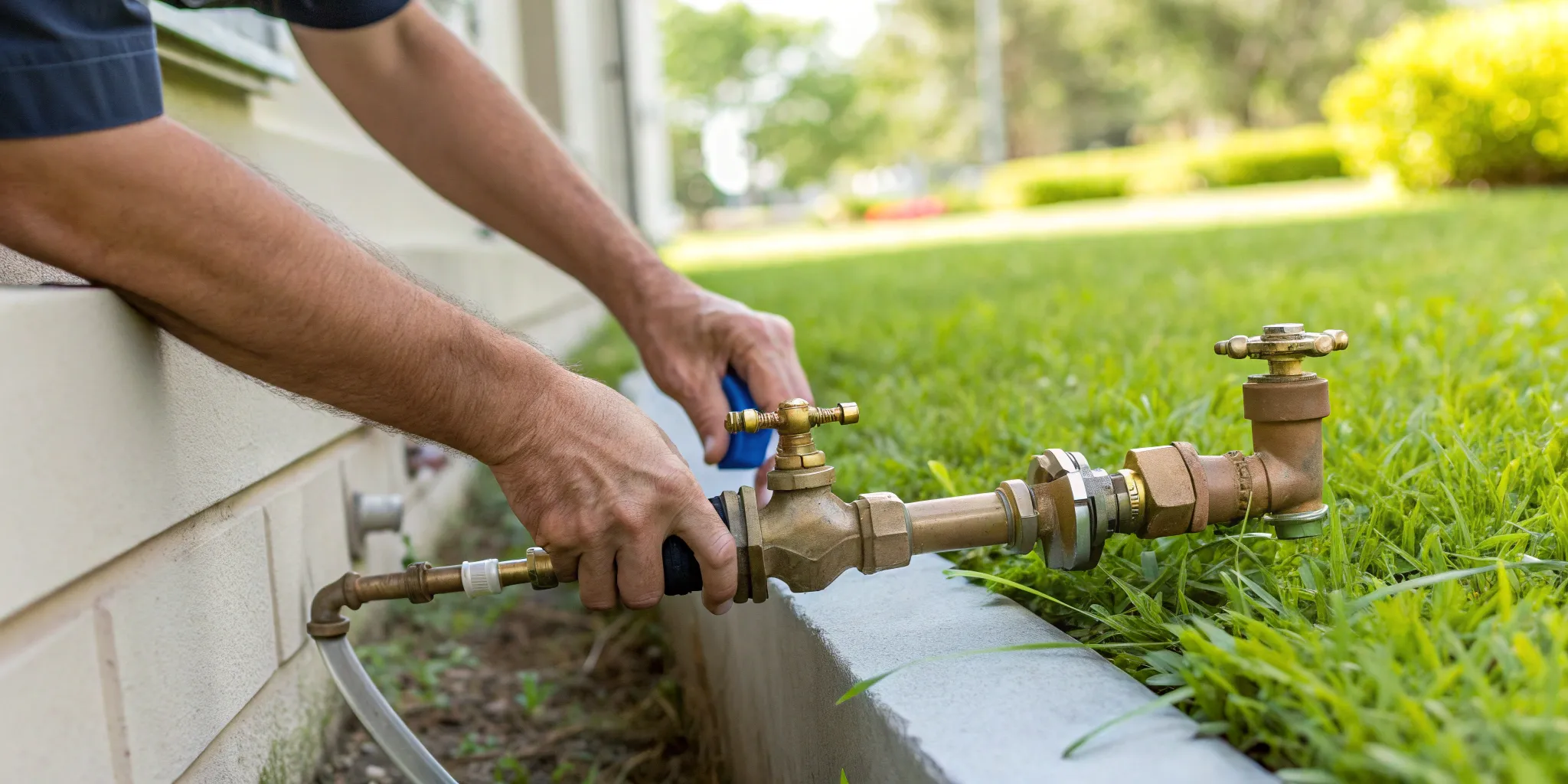
You’ll find backflow prevention devices at the most critical point in your plumbing: the cross-connection where your private water lines meet the public water supply. This is the official entry point for water onto your property, making it the perfect spot to place a gatekeeper. In commercial buildings like restaurants, apartment complexes, and condos, these devices are mandatory and are typically located just after the main water meter. For homeowners, the most common place to spot one is on the line that feeds an in-ground sprinkler system. Proper plumbing fixture installation and correct placement are essential for ensuring these devices can effectively protect our shared water supply.
What Happens During a Backflow Test?
A backflow test might sound technical, but it’s a straightforward and essential process for keeping your water supply safe. When one of our certified technicians visits your property, they’ll perform a series of checks on your backflow prevention device to ensure it’s working exactly as it should. The entire test is designed to be quick and non-invasive, giving you peace of mind without disrupting your day. Let’s walk through what you can expect.
The Purpose of a Backflow Test
The main goal of a backflow test is to protect your drinking water. Backflow happens when water reverses its direction of flow, pulling contaminants from sources like irrigation systems, boilers, or other non-potable water lines back into your clean water supply. A backflow test confirms that your prevention device is creating a proper barrier against this reversal. Think of it as a crucial health check-up for your plumbing system. This annual test is a simple but powerful way to ensure the water your family or tenants use remains safe and free from harmful pollutants, making it a vital part of responsible residential plumbing maintenance.
The Step-by-Step Testing Process
During the test, a certified plumber will connect a specialized testing gauge to your backflow prevention assembly. This device allows them to measure the water pressure within the system and check that the internal valves are functioning correctly. The technician will then open and close various test cocks on the assembly in a specific sequence. This process simulates the pressure changes that would occur during a backflow event. By carefully monitoring the gauge readings at each step, the plumber can verify that the device’s check valves are holding tight and preventing any reverse flow, confirming your system is secure.
Tools Used for Accurate Testing
To get a precise and reliable result, our technicians use a state-approved, calibrated backflow testing gauge. This isn’t just any pressure gauge; it’s a highly accurate instrument designed specifically for this task. The gauge must be calibrated regularly to ensure its readings are exact, which is a requirement for certified testing. Using a properly calibrated tool is critical for confirming that your backflow preventer meets the strict safety standards set by local water authorities. This commitment to professional equipment is the same standard we apply to all our services, including complex jobs like water heater installations.
Is Backflow Testing Required in Spokane?
Yes, in many cases, backflow testing is a requirement in Spokane. This isn’t just a friendly suggestion from your local water authority; it’s a critical regulation designed to protect the public water supply from contamination. If your property has a system that could potentially allow non-potable water to flow back into the main water lines—like an irrigation system, fire sprinklers, or a commercial boiler—you are likely required to have a backflow prevention device installed and tested regularly.
The specific rules can differ between residential and commercial properties, with businesses often facing stricter requirements. For homeowners, the most common reason for required testing is an in-ground sprinkler system. For commercial property owners, the list is much longer and includes things like soda fountains, industrial equipment, and fire suppression systems. Failing to comply can lead to serious consequences, including fines or even having your water service shut off. Understanding your responsibilities is the first step toward ensuring your property is both safe and compliant.
Local Rules and Regulations
Spokane’s local water authorities, like many across the country, have rules in place that mandate backflow testing to keep our drinking water safe. These regulations primarily target commercial properties and residential homes with specific high-risk systems. The core idea is simple: if your plumbing system has a connection where contaminated water could reverse flow into the city’s supply, you need a tested and functioning backflow preventer. Failure to comply with these local rules isn’t something to take lightly. It can result in hefty fines or, in serious cases, the city may shut off your water until the issue is resolved. These regulations are a key part of our community’s public health infrastructure.
Understanding Annual Testing Requirements
For properties that require a backflow prevention device, testing is typically not a one-and-done event. Local rules often require these devices to be tested every year by a certified technician. This annual check-up ensures the assembly is working correctly and hasn’t been compromised by wear and tear. Think of it like your annual car inspection—it’s a necessary step to catch problems before they become dangerous. It’s smart to schedule your testing well in advance of your deadline. This helps you avoid the last-minute scramble and ensures you remain compliant without any risk of penalties.
The Benefits of Regular Testing
Beyond simply following the rules, regular backflow testing offers genuine peace of mind. Its primary purpose is to ensure your backflow preventer can still effectively protect our drinking water from harmful contaminants like pesticides, chemicals, and bacteria. A successful test confirms your property isn’t posing a risk to your family, employees, or neighbors. Regular testing also keeps your building compliant with important safety regulations, including plumbing and fire codes. It’s a small, proactive measure that prevents catastrophic health hazards and costly liability issues, making it one of the most important items on your annual property maintenance checklist.
Who Needs a Backflow Test in Spokane?
You might be surprised to learn who needs a backflow test. It’s not just for large industrial sites; many different types of properties in Spokane are required to have them to protect our community’s water supply. The rules depend on your property type and the specific water systems you have installed. Understanding if your home or business falls into one of these categories is the first step toward ensuring your water is safe and you’re compliant with local regulations.
Commercial and Industrial Properties
If you own or manage a commercial property, a backflow test is likely on your annual to-do list. Places like apartment buildings, restaurants, condos, and other public facilities are required to have their backflow prevention devices tested regularly. Why? These properties have more complex plumbing systems and serve a larger number of people, which increases the risk of a widespread contamination event. A failed device could affect dozens or even hundreds of people. Regular testing is a critical part of your building’s safety protocol and shows your commitment to protecting the health of your tenants, employees, and customers. It’s a key part of your property’s overall residential plumbing maintenance plan.
Homes with Irrigation Systems
Homeowners, this one often comes as a surprise. If you have an in-ground irrigation or sprinkler system to keep your lawn green, you probably have a backflow preventer that needs an annual test. Your sprinkler heads sit low to the ground, where they can come into contact with fertilizers, pesticides, and animal waste. Without a functioning backflow preventer, a drop in water pressure could siphon those contaminants from your lawn right back into your home’s drinking water and the city’s main supply. An annual test is a simple, quick, and affordable way to ensure the water your family drinks, bathes in, and cooks with remains clean and safe.
High-Risk Facilities with Stricter Rules
While homes and standard commercial buildings have clear requirements, certain facilities face even stricter rules. Any property that uses chemicals or has a high potential for contamination falls into this category. Think of car washes, medical or dental offices, manufacturing plants, and funeral homes. Because these locations handle hazardous materials, local plumbing and fire codes mandate annual backflow testing to prevent a public health crisis. For these businesses, testing isn’t just about compliance—it’s an essential safety measure to ensure that dangerous substances never have a chance to enter the public water system. Testing confirms that their specialized safety devices are functioning exactly as they should.
What if Your Backflow Test Fails?
Seeing a “failed” result on your backflow test report can be unsettling, but it’s not a cause for panic. Instead, think of it as a critical alert that your plumbing system has successfully caught a potential problem before it could cause harm. A failed test simply means your backflow prevention device isn’t working correctly, and it’s time to call in a professional to get it fixed. The good news is that these issues are almost always correctable. Taking swift action protects your property’s water supply and ensures you remain compliant with local health and safety regulations in Spokane. The key is to understand what the failure means and what steps to take next.
Immediate Risks and Next Steps
If your backflow test fails, it means there’s a problem with your prevention device that could allow contaminated water to enter your clean water supply. This poses a significant health risk to everyone using the water on your property. The first step is to review the report from your certified tester, which will detail why the device failed. Your next call should be to a licensed plumber. A professional can assess the situation and determine the best course of action. Addressing the issue promptly is crucial for maintaining safe drinking water and avoiding potential fines for non-compliance with local water authority rules. For any plumbing concerns, big or small, our team is ready to help with expert residential plumbing in Spokane, WA.
Required Repairs to Get Compliant
A failed backflow test can happen for several reasons. Common issues include worn-out seals, stuck springs, debris buildup, or even improper installation. Fortunately, a failed test can almost always be fixed with the right steps. A qualified plumber will inspect your backflow preventer to diagnose the exact cause of the failure. In many cases, the device can be repaired by cleaning its internal components and replacing any damaged parts. If the device is old, corroded, or extensively damaged, a full replacement might be necessary to ensure it functions reliably. Taking care of these plumbing repairs will get your system back in working order and ready for re-testing.
The Re-Testing Process
After the necessary repairs or replacement is complete, the job isn’t quite finished. The backflow prevention device must be retested to confirm it is functioning correctly and meets all local regulations. This step is non-negotiable, as it provides official verification that the problem has been solved and your water supply is once again protected. The same certified professional who conducted the initial test will typically perform the re-test. Once your device passes, the certified tester will submit the successful report to the Spokane water purveyor on your behalf. This final step ensures you are fully compliant and have peace of mind knowing your water is safe.
What Does Backflow Testing Cost?
When you think about property maintenance, a backflow test might seem like just another expense on the list. But it’s better to view it as an investment in the safety of your water supply and a non-negotiable part of responsible property ownership. The cost is predictable and manageable, especially when you consider what it protects you from. While the exact price can vary, a certified backflow test is one of the most cost-effective ways to ensure your water is safe for your family, employees, or customers. It’s a small price to pay for peace of mind and compliance with local health regulations.
Factors That Influence the Price
The cost of a backflow test isn’t one-size-fits-all. Several factors can influence the final price, including the type, size, and location of your backflow prevention device. A larger, more complex device on a commercial property will typically cost more to test than a standard residential one. Accessibility also plays a role; if your device is in a hard-to-reach spot, it may require more time and labor. The number of devices on your property will also affect the quote. A professional plumber can give you a clear, upfront estimate based on these factors, so you know exactly what to expect before any work begins.
Comparing the Cost to Contamination Risks
The fee for a backflow test is minimal when you weigh it against the severe consequences of a contamination event. A backflow incident can introduce dangerous substances like chemicals, pesticides, and waste into your drinking water, creating serious health hazards. The financial fallout can be just as devastating, involving costly cleanup efforts, property damage, and potential legal liability. The cost of a routine test is a tiny fraction of what you might spend on extensive water leak repair and decontamination services after a backflow event. Investing in regular testing is a proactive step that protects both your health and your wallet.
Budgeting for Your Annual Test
Since local Spokane regulations require most backflow prevention devices to be tested annually, it’s smart to include this service in your yearly property maintenance budget. Treating it as a predictable, recurring expense helps you stay prepared and avoid surprises. Failing to get your device tested on time can lead to fines or even a disruption in your water service, which are far more costly and inconvenient. By planning for your annual test, you ensure your property remains compliant and your water stays safe. You can easily schedule your service ahead of time, making it a seamless part of your residential plumbing maintenance routine.
How to Choose a Certified Backflow Tester
When it comes to backflow testing, you can’t just call any plumber. This is a specialized job that requires specific training and certification to ensure it’s done correctly and in compliance with local regulations. Choosing the right professional protects your water supply, keeps your property compliant, and gives you peace of mind.
Making the right choice comes down to knowing what to look for. You’ll want to verify their credentials, understand what the service involves, and ask a few key questions before you commit. This ensures you’re hiring a true expert who can accurately test your device, interpret the results, and handle any necessary repairs. A certified tester not only performs the test but also manages the required paperwork, making the entire process seamless for you.
What Certifications to Look For
First things first: backflow testing is not a DIY project or a job for a general handyman. In Washington, a person must be a certified Backflow Assembly Tester (BAT) to legally perform these tests. This certification means the technician has completed specialized training and passed an exam, proving they have the skills and knowledge to test all types of backflow prevention assemblies correctly. They understand how the devices work, know how to use the testing equipment properly, and are up-to-date on local codes. Hiring a certified professional is your guarantee that the test will be accurate and that your results will be accepted by the local water authority.
What to Expect from a Professional Service
When a certified tester arrives, they’ll start by briefly shutting off the water supply to the backflow device. This step is essential for a safe and accurate test. The plumber will then connect a specialized testing gauge to the device’s test ports. This tool measures pressure and confirms that the internal check valves and relief valves are working correctly to prevent any backflow. The entire process is typically quick and efficient, minimizing any disruption to your home or business. A professional offering residential plumbing services will walk you through the results and turn your water back on as soon as the test is complete.
Questions to Ask Before You Hire
Before you schedule a service, it’s smart to ask a few questions to ensure you’re hiring a qualified professional. This simple step can save you from headaches down the road, like failed tests or non-compliance fines.
Here’s what to ask:
- Are you a Washington State-certified Backflow Assembly Tester (BAT)?
- Can you provide your certification number and proof of liability insurance?
- What happens if my device fails the test? Do you also handle repairs?
- Will you submit the official test report to my water purveyor for me?
A reputable company will have no problem answering these questions and providing the necessary documentation. Knowing they can handle the entire process, from testing to repairs and paperwork, makes everything much simpler.
Signs Your Backflow Preventer Needs Attention
While annual testing is the best way to ensure your backflow preventer is working correctly, the device can develop problems between inspections. Like any piece of plumbing equipment, it can wear out or get damaged. Knowing what to look for can help you catch an issue before it leads to a serious contamination event.
Paying attention to your water quality and the device itself is key. If you notice any sudden changes, don’t wait for your scheduled test. It’s always better to be proactive when it comes to the safety of your water supply.
Warning Signs for Property Owners
Your senses are often the first line of defense against a failing backflow preventer. If you notice your water is discolored, has a sulfur-like smell, or tastes strange, it could be a sign that contaminants are entering your clean water supply. Other physical signs include a sudden drop in water pressure, slow-moving drains, or water that seems to be flowing intermittently.
You might also spot problems with the device itself. Visible leaks, drips, or constant discharge from the backflow preventer are clear indicators that something is wrong. These issues can happen when a sudden pressure change affects the main supply line, causing contaminated water to flow backward. If you notice any of these signs, it’s time to call a professional for an inspection.
When to Call for an Emergency Service
Some symptoms require immediate attention. If you see a significant leak from your backflow preventer or experience a complete loss of water pressure, you should call for emergency service right away. These problems often point to serious internal issues, such as damaged components, a major debris buildup, or a complete device failure.
Ignoring these warnings can have serious consequences. A failed backflow preventer puts your property at risk of contamination and may violate local health codes, leading to fines or even a water service shut-off. For any urgent issues, it’s crucial to hire a licensed professional who is trained to handle water leak repair and backflow systems. A certified plumber can diagnose the problem quickly and perform the necessary repairs or replacements to restore your water safety.
Common Backflow Myths That Risk Your Safety
When it comes to water safety, what you don’t know can definitely hurt you. Misinformation about backflow prevention is common, and believing these myths can put your family, employees, or tenants at risk. Let’s clear up a few of the most persistent and dangerous misconceptions so you can make informed decisions about protecting your water supply. Understanding the truth is the first step toward ensuring the water flowing from your taps is always clean and safe for everyone to use.
Misconceptions About Testing Frequency
One of the biggest myths is that backflow testing is just for businesses. While commercial properties are often required to have annual tests, backflow can happen anywhere, including your home. If you have an irrigation system, an in-ground pool, or a fire suppression system, your property has a higher risk of cross-connection. Contaminants from fertilizers on your lawn or chemicals in your pool could potentially siphon back into your drinking water. That’s why regular testing is a smart move for any responsible property owner, ensuring your residential plumbing system keeps your water supply pure.
Myths About Device Maintenance
It’s easy to assume all plumbing valves do the same thing, but that’s not the case with backflow prevention. People often confuse backflow preventers with simple check valves, but they are not interchangeable. Each device is designed for a specific level of risk and has unique internal components that require different maintenance and testing procedures. Using the wrong one or neglecting its specific needs can create a false sense of security. This is why it’s so important to have a certified professional handle your system—they know exactly what your device needs to function correctly and keep you safe.
Misunderstandings About the Cost
Many property owners worry that backflow testing is an expensive, unnecessary hassle. In reality, the cost of an annual test is a small price to pay for peace of mind. Think of it as a routine check-up for your water system. The expense of a scheduled test is minimal compared to the potential costs of a contamination event, which could include extensive plumbing repairs, property damage, and serious health issues for anyone who drinks the water. Investing in proactive testing is one of the most cost-effective ways to protect your property and the people in it from a preventable disaster.
Related Articles
- Spokane Water Hardness Levels & Quality Guide
- Plumbing Fixtures Installation Spokane WA | Residential & Commercial
- Spring Plumbing Checklist for Homeowners: What to Inspect
- Water Leak Repair Spokane WA | Quick Repair for Plumbing Leaks
- Residential Plumber Spokane WA | Water Heaters, Leak Repair, Clogged Drains
Frequently Asked Questions
I only have a home sprinkler system. Is an annual backflow test really necessary? Yes, it absolutely is. Your sprinkler heads are on the front lines, sitting right in the grass where they come into contact with fertilizers, pesticides, and animal waste. A sudden drop in city water pressure can create a siphon effect, pulling those contaminants from your lawn directly into your home’s drinking water. An annual test is a quick and simple way to confirm your system’s one-way door is still working, protecting the water your family uses every day.
How long does a backflow test take, and will my water be shut off the whole time? A standard backflow test is surprisingly fast and causes very little disruption. In most cases, the entire process takes less than 30 minutes. The water to the specific line being tested (like your irrigation system) will need to be shut off, but only for the few minutes it takes for the technician to connect the gauge and run the diagnostics. Your home’s main water supply usually isn’t affected, so you can continue your day without interruption.
What’s the difference between a failed test and a broken device? Think of a failed test as a warning light, not a total breakdown. It simply means one of the internal components isn’t meeting the strict safety standards, often due to a worn-out seal or a bit of debris. These are typically straightforward fixes. A completely broken or irreparable device is much less common. A failed test allows a certified professional to catch and correct a small problem before it becomes a major risk.
Why can’t my regular plumber or I perform the test? Backflow testing is a specialized field that requires more than just general plumbing knowledge. To perform a test that is recognized by the city of Spokane, a technician must be a state-certified Backflow Assembly Tester (BAT). This certification ensures they have the specific training and properly calibrated equipment needed to get an accurate reading and correctly file the official paperwork with the water authority.
If my device passes the test, does that mean it’s good for the whole year? A passing test confirms that your backflow preventer is working perfectly at that specific moment. However, like any mechanical part, its components can wear down or get clogged with debris over time. The annual test is a critical check-up, but it’s still wise to keep an eye out for warning signs like leaks from the device or changes in your water quality. This ensures your water remains protected between scheduled inspections.