















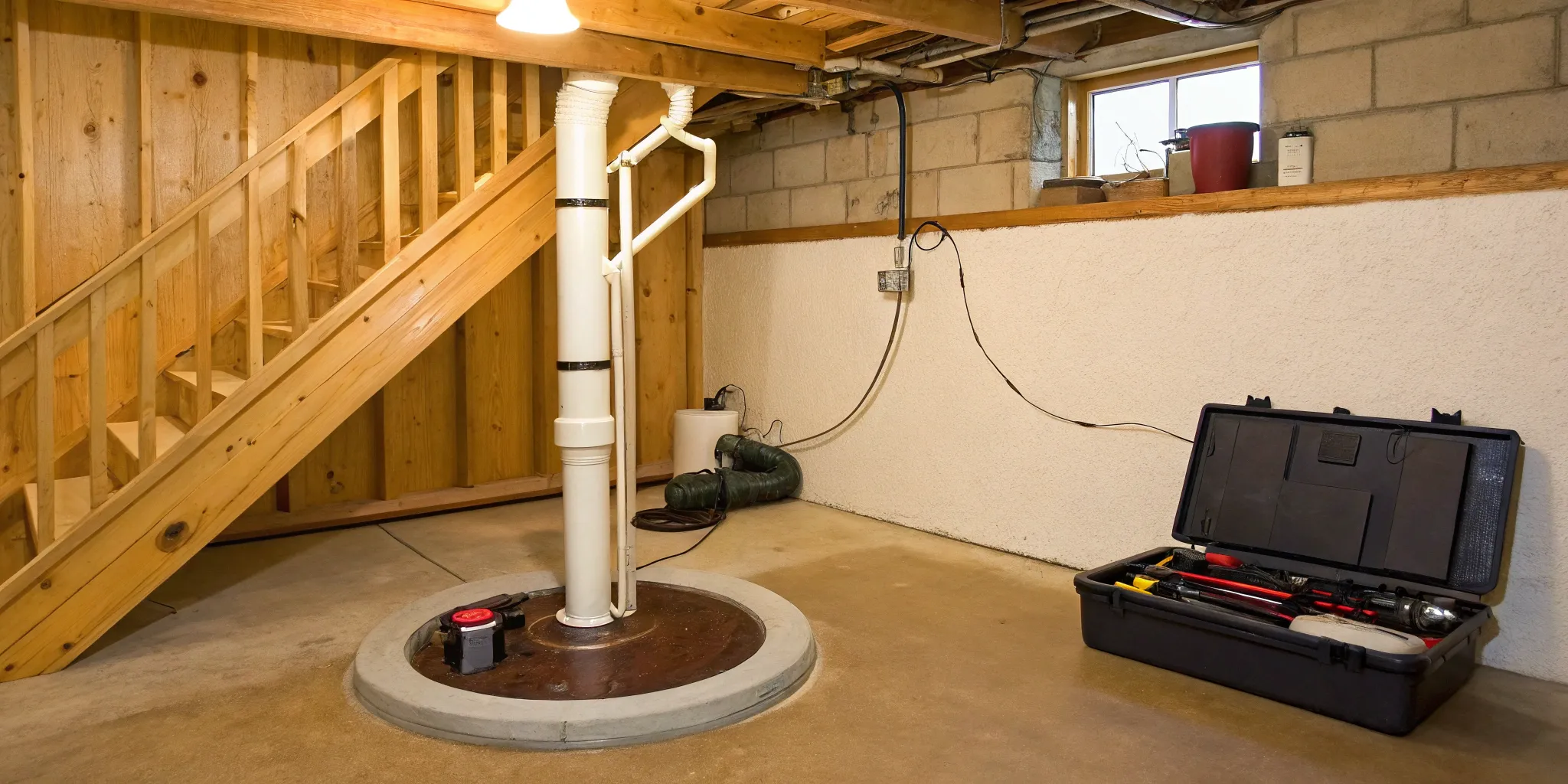
That sinking feeling you get when you spot a damp corner in your basement is a universal homeowner dread. It’s more than just a puddle; it’s a warning sign that your home’s foundation is vulnerable to water damage. A sump pump is your best defense, working silently to protect your property and your peace of mind. But the pump itself is only half the equation. The real key to a dry basement is a flawless installation. Choosing from the many available basement sump pump system installers can feel overwhelming, but it’s the most critical decision you’ll make. This guide will walk you through everything you need to know to find a true professional you can trust to get the job done right.
Key Takeaways
- Vet your installer thoroughly: Go beyond a basic search and confirm any potential plumber is licensed and insured. Ask for a detailed, itemized estimate and check recent customer reviews to ensure you’re hiring a true professional who stands by their work.
- A complete system is your best defense: A pump alone isn’t enough. For reliable protection, your installation must include a battery backup to keep it running during a power outage and a high-water alarm to alert you to potential failures before flooding occurs.
- Your role continues after installation: Keep your sump pump in top condition with simple, regular maintenance. Periodically test the system by pouring water into the pit and keep it clear of debris to ensure it’s ready to work when the next storm hits.
Sump Pump 101: The Basics
Before you can hire the right installer, it helps to understand what you’re having installed. A sump pump is your home’s first line of defense against basement flooding and water damage. It sits in a specially constructed pit (the sump) in the lowest part of your basement or crawlspace. When groundwater levels rise, the pit fills with water, and the pump automatically kicks on to discharge the water away from your home’s foundation. Choosing the right type and size is a critical first step to keeping your basement dry and protected.
Submersible vs. Pedestal Pumps: Which Is Right for You?
You’ll generally encounter two main types of sump pumps: submersible and pedestal. A submersible pump rests directly inside the sump pit, fully submerged in water. Because it’s underwater, it runs much quieter and is protected from debris. These pumps are typically more powerful and durable, making them a great choice for larger basements or homes in areas with a high water table.
A pedestal pump, on the other hand, has its motor mounted on a column above the pit, keeping it out of the water. This design makes them easier to access for service and generally less expensive. Pedestal pumps are a solid, budget-friendly option that works well in smaller spaces or areas with less frequent water intrusion.
Choosing the Right Horsepower and Capacity
Sump pumps come in various horsepower (HP) ratings, typically from 1/4 to 1/2 HP for residential use. It might seem logical to buy the most powerful pump you can find, but bigger isn’t always better. A pump that’s too powerful for your space will turn on and off frequently—a process called short-cycling—which can burn out the motor prematurely.
The key is to find a pump that perfectly matches your home’s needs. An effective pump must be able to handle the volume of water that enters your basement. Factors like your local climate, the depth of your basement, and the height the water needs to be pumped all influence the right size. A professional can assess these factors to recommend the ideal capacity, ensuring your home has reliable protection.
Must-Have Features: Battery Backups and Alarms
A sump pump is useless if it doesn’t have power. Since heavy rainstorms are often accompanied by power outages, a battery backup system is an absolute must-have. A battery backup ensures your pump keeps working when you need it most, providing uninterrupted protection and peace of mind.
An alarm is another essential feature. High-water alarms will alert you if the water level rises too quickly or if the pump fails to turn on, giving you a chance to address the problem before it becomes a catastrophe. Many modern systems can even send notifications directly to your phone. When discussing your project, make sure any professional residential plumbing service includes these critical components in their installation plan.
How to Choose the Right Sump Pump Installer
Selecting the right sump pump is only half the battle; finding a skilled and trustworthy installer is just as crucial for protecting your basement from flooding. The quality of the installation directly impacts how well your pump performs and how long it lasts. A poor installation can lead to pump failure, water damage, and expensive repairs down the road. To make sure you’re hiring a true professional, focus on a few key qualifications. Vetting your installer thoroughly will give you peace of mind that your home is in good hands.
Check for Proper Licensing and Insurance
First things first: never hire a plumber who isn’t properly licensed and insured. This is your baseline for safety and quality. A valid license proves the installer has met Washington’s standards for training and knowledge, ensuring they understand local building codes here in Spokane. Insurance is just as important. It protects you and your property from liability in case of an accident or damage during the installation process. Any reputable residential plumbing company will be upfront about their credentials and happy to provide proof, so don’t hesitate to ask.
Look for Proven Experience in Basement Systems
Sump pump installation is a specialized job that requires more than general plumbing skills. You want an installer with proven experience in basement waterproofing and drainage systems. A professional who understands how water behaves in and around a foundation can properly assess your home’s specific needs, from the soil type to the water table level. This expertise helps them recommend the right size and type of pump and ensure it’s installed for optimal performance. Look for a company that frequently handles basement water issues, as they’ll have the hands-on experience to tackle any challenges that arise.
Read Customer Reviews and Ask for References
Before you commit, take a few minutes to see what past customers have to say. Online reviews on sites like Google can offer honest insight into a company’s professionalism, communication, and quality of work. Look for consistent positive feedback about their sump pump services. While a few negative reviews aren’t always a dealbreaker, pay attention to how the company responds. For an even clearer picture, ask the installer for a few local references. Speaking directly with a former customer is a great way to confirm you’re hiring a reliable and skilled professional.
Understand the Warranty on Parts and Labor
A solid warranty is a sign that an installer stands behind their work and the products they use. Be sure to ask about the warranty coverage for both the sump pump itself (the parts) and the installation (the labor). A comprehensive warranty gives you a safety net if the equipment fails prematurely or an issue arises from the installation. Get the details in writing so you know exactly what’s covered and for how long. This is a key factor when comparing estimates, as a slightly higher price might be well worth it for a better warranty and long-term protection.
Key Questions to Ask a Potential Installer
Once you’ve narrowed down your list of potential installers, it’s time to start the interview process. Don’t be shy about asking direct questions. A reputable professional will be happy to walk you through their process, pricing, and qualifications. Think of it as a job interview where you’re the hiring manager—because you are! Your goal is to find a partner you can trust to protect your home from water damage.
Asking the right questions upfront helps you compare companies fairly and avoid any surprises down the road. It shows you’ve done your homework and are serious about making a smart investment. A clear, confident answer is a great sign that you’re dealing with an experienced pro. If a contractor seems evasive or can’t provide straight answers, that’s a major red flag. Use this list to guide your conversations and find the best installer for your home.
What Does the Installation Process Involve?
Understanding the full scope of the project is essential. Ask the installer to walk you through their process step-by-step. A professional installation typically involves finding the best location for the pump, excavating a pit, setting the basin, connecting the pump and discharge lines, and routing the water safely away from your foundation. They should also explain how they will test the system and seal the area once the work is complete. This conversation gives you a clear picture of what to expect on installation day, how long it might take, and how much disruption there will be to your home.
Do You Handle Permits and Ensure Code Compliance?
This question is non-negotiable. Proper sump pump installation must meet local building codes to ensure it’s safe and effective. An experienced plumber will know exactly what Spokane’s requirements are and handle the entire permitting process for you. Hiring a licensed professional is your best defense against the serious water damage that can result from an improper installation. They will make sure the system is correctly tied into your home’s residential plumbing and electrical systems, giving you peace of mind that the job is done right and to code.
What Are Your Emergency Service Options?
Your sump pump is your first line of defense against a flooded basement, and it can fail at the most inconvenient times. Before you hire an installer, ask about their emergency service policies. Do they offer 24/7 support for urgent situations? What is their typical response time for an emergency call, and are there additional fees for after-hours service? Knowing you have a reliable professional ready to help in a crisis is crucial. A company that offers prompt water leak repair and other emergency services is a company you can count on long after the installation is finished.
Can You Provide a Detailed, Itemized Estimate?
A vague quote on a napkin just won’t cut it. Always ask for a detailed, written estimate that breaks down all the costs involved. This document should clearly list the price for the sump pump itself, materials, labor, and any other potential fees. It’s also the perfect time to confirm the warranties on both the equipment and the installation labor. A transparent, itemized estimate protects you from surprise charges and ensures everyone is on the same page before any work begins. It’s a hallmark of a professional and trustworthy company.
Red Flags to Watch For When Hiring an Installer
Choosing the right installer is just as important as choosing the right sump pump. While most professionals are honest and skilled, knowing how to spot a few warning signs can save you from a major headache. A great installer will make you feel confident and informed, not stressed and uncertain. If you notice any of the following red flags during your search, it’s probably a good idea to keep looking for a contractor who is a better fit for your project. Your peace of mind is worth the extra effort to find a true expert who respects you and your home.
Vague Pricing and Surprise Fees
A trustworthy installer will always provide a clear, detailed, and itemized estimate in writing. Be cautious of anyone who gives you a quote over the phone without seeing the job site or offers a price that seems suspiciously low. This can be a tactic to get in the door before adding on unexpected fees. Your quote should clearly break down the costs for labor, materials, and any other charges. If a contractor is hesitant to put everything on paper or their invoice includes vague “overhead” charges, consider it a major red flag. You have a right to know exactly what you’re paying for before any work begins.
Aggressive, High-Pressure Sales Tactics
You should never feel pressured into making a decision on the spot. Some companies use high-pressure sales tactics, like offering a “special price” that’s only good if you sign immediately. This is often a strategy to prevent you from getting other quotes and realizing their price is inflated. A true professional will respect your need to consider your options and will be confident enough in their pricing and service to give you time to think it over. If a salesperson makes you feel uncomfortable or rushed, trust your gut. A sump pump is a long-term investment, and the decision shouldn’t be made in a hurry.
Missing Licenses, Insurance, or Contracts
This is a non-negotiable. Any professional you hire to work in your home must be properly licensed and insured. Licensing proves they have met the state’s requirements for knowledge and skill, while insurance protects you from liability in case of an accident on your property. Don’t just take their word for it—ask to see proof. Hiring an unlicensed individual can lead to shoddy work that doesn’t meet building codes, potentially costing you more in the long run. Reputable companies that handle residential plumbing in Spokane will always have their credentials in order and be happy to provide them.
Slow or Unclear Communication
How a company communicates with you before you hire them is a strong indicator of how they’ll communicate during the project. Are they slow to return your calls? Do they give you vague answers to direct questions? Do you feel like they’re being condescending or dismissive of your concerns? These are all warning signs. A professional installer should be responsive, clear, and patient. They should be able to explain the installation process in a way you can understand and make you feel comfortable asking questions. Poor communication from the start often leads to delays, misunderstandings, and frustration down the road.
Breaking Down Sump Pump Installation Costs
Understanding the cost of a sump pump installation is a key part of planning your basement waterproofing project. While it’s an investment, it’s one that protects your home from far more expensive water damage. The final price tag can vary based on several factors, from the type of pump you choose to the complexity of the job. A trustworthy installer will always provide a clear, itemized estimate so you know exactly what you’re paying for before any work begins. Let’s walk through the typical costs and what might influence your quote.
What’s the Average Price for Installation?
When you’re budgeting for a sump pump, it helps to have a ballpark figure in mind. On average, replacing an existing sump pump costs around $529, with most homeowners paying somewhere between $309 and $754. Of course, this is just a general range. The total cost can swing from as low as $120 for a simple DIY replacement to over $1,350 for a more complex professional installation. This price typically covers the pump itself and the labor to swap out the old unit. For a precise quote tailored to your home, it’s always best to consult with a local plumbing professional.
Potential Added Costs: Plumbing and Electrical Work
A sump pump installation is more than just dropping a pump into a hole. It often involves careful plumbing and electrical work to function safely and effectively. If you’re installing a sump pump for the first time, the project may require cutting into your concrete floor to create a sump pit, running new drainage lines, and installing a dedicated electrical outlet. These tasks are not simple DIY projects; improper installation can lead to serious water leak repair needs down the road. Hiring a licensed professional ensures all the plumbing and electrical components are handled correctly and meet local building codes.
What Factors Influence the Final Price?
Several key factors determine your final sump pump installation cost. The biggest variable is often the type of pump you select—a submersible pump, for instance, generally costs more than a pedestal model. Labor rates in your area also play a significant role. Beyond that, the specifics of your home matter. Your local climate, the height of the water table, and the complexity of the installation all factor in. A simple replacement in a pre-existing pit will cost less than a brand-new installation that requires creating a pit and running new pipes.
A Quick Guide to Top Sump Pump Brands
Choosing the right installer is half the battle; the other half is picking the right equipment for the job. A great plumber can install any pump, but the best ones will recommend a brand they trust to keep your basement dry for years to come. While you’ll find dozens of options at the hardware store, a few names consistently rise to the top for their performance, durability, and innovative features. Getting familiar with these leading brands will help you have a more informed conversation with your installer and feel confident in your final choice. Let’s look at three of the most respected names in the industry so you can understand what makes them stand out.
Zoeller Pump Systems
Think of Zoeller as the workhorse of the sump pump world. Plumbers often recommend them for a simple reason: they’re built to last. These pumps typically feature heavy-duty cast-iron construction, which helps dissipate heat and extends the motor’s life. This isn’t a flimsy, plastic pump you’ll have to replace in a few years. Zoeller focuses on creating incredibly reliable and long-lasting products, which is why many of their models have become an industry standard. If you’re looking for a no-fuss, set-it-and-forget-it solution, a Zoeller pump is a fantastic investment in your home’s protection.
Wayne Water Systems
Wayne is another top contender, often praised for combining powerful performance with user-friendly design. They are known for making highly efficient pumps that can move a serious amount of water without running up your electricity bill. Many homeowners also appreciate that Wayne pumps are designed for quiet operation—a nice bonus if your living space is near the pump. They often use durable materials like cast iron and stainless steel and assemble many of their products in the US. If you need a powerful, energy-efficient pump that won’t break the bank, Wayne Water Systems offers a great balance of quality and value.
Basement Systems Products
Unlike brands that just sell pumps, Basement Systems offers complete, engineered waterproofing solutions. Their sump pump systems, like the popular TripleSafe, are designed to be foolproof. These systems often include a primary pump, a more powerful secondary pump for heavy water volume, and a battery backup pump that kicks in during a power outage—all housed in a single liner. They also incorporate features like airtight lids and a water alarm to alert you of any issues. This integrated approach makes them a premium choice for homeowners who want the ultimate protection against any and all water threats.
Comparing Features, Warranties, and Reliability
When you’re comparing these brands, look beyond the name on the box. Pay attention to the horsepower (HP), which determines how powerful the pump is, and the GPH (gallons per hour) rating, which tells you how much water it can move. Construction material is also key—cast iron is generally more durable than thermoplastic. Don’t forget to check the warranty, as a longer warranty often signals the manufacturer’s confidence in their product. Ultimately, reliability is the most important factor. Reading customer reviews and discussing your specific needs with a professional will help you choose the perfect pump for your home.
How to Prepare for Your Sump Pump Installation
Once you’ve chosen the right installer, a little prep work can make the installation day go much more smoothly. Taking a few simple steps ensures your plumbing team can work efficiently and address all your home’s specific needs from the moment they arrive. Think of it as setting the stage for a successful project. A proper installation requires a clear understanding of your home’s plumbing, electrical setup, and drainage patterns. By preparing ahead of time, you help your technician get a complete picture, which leads to a better, more effective solution for keeping your basement dry. This preparation doesn’t require any technical skill—it’s mostly about clearing the way and gathering information so your pro can get right to work. It also helps you feel more involved and confident in the process. When your installer can walk in and immediately assess the situation without any obstacles, they can dedicate their time to the technical aspects of the job, ensuring every detail is handled correctly. This simple teamwork between you and your plumber leads to a faster, more seamless installation and gives you peace of mind that your home is protected. Flood prevention is just as critical for businesses as it is for homes, and finding a qualified commercial plumber in Spokane, WA is essential for high-capacity systems.
Clear the Installation Area
Before your installation appointment, take some time to clear the area where the sump pump will be located. This usually means moving any boxes, furniture, or stored items away from the sump pit in your basement or crawl space. Your technicians will need a clear, safe path to bring in their tools and the new equipment. Make sure the sump pit itself and the nearest electrical outlet are easy to access. A cluttered workspace can slow down the job and create safety hazards. By providing a clean and open area, you allow the team to focus on what they do best: giving you a professional and efficient plumbing fixture installation.
Identify Any Existing Drainage Problems
Your installer is an expert, but you’re the expert on your home. Before they arrive, make a few mental notes about any specific water issues you’ve noticed. Where does water tend to pool after heavy rain? Have you spotted damp spots on the walls or floor? Is there a particular corner of the basement that seems to get wet first? Sharing this information helps your plumber understand your home’s unique drainage challenges. A sump pump installation isn’t just about placing a device in a pit; it’s about creating a system that effectively manages water. Pointing out problem areas ensures the final setup is tailored to provide the best protection and can help identify if you need additional drain cleaning services.
Check Your Electrical Setup
A sump pump is an electrical appliance, so it needs a reliable power source to function. Take a look at the area near your sump pit and locate the nearest electrical outlet. Sump pumps work best when plugged into a dedicated Ground Fault Circuit Interrupter (GFCI) outlet, which helps prevent electrical shock in damp environments. If you don’t have a suitable outlet nearby, don’t worry. Just let your installation team know ahead of time. A professional plumbing company can often coordinate with an electrician or advise you on the best course of action to ensure your pump is connected safely and correctly, providing peace of mind that it will run when you need it most.
Know Your Local Building Codes
You don’t need to become an expert on municipal regulations, but it’s helpful to know that they exist. Local building codes in Spokane dictate specific requirements for sump pump installations, such as where the discharge pipe can drain water. This is a key reason why hiring a licensed professional is so important. A qualified installer will be up-to-date on all local codes and will handle any necessary permits, ensuring your system is compliant from day one. This protects you from potential fines and ensures your system won’t cause issues for your property or your neighbors. When you hire a team for your residential plumbing, you’re also hiring their expertise in local requirements.
Beyond Installation: What Else Can a Pro Offer?
Hiring a professional for your sump pump installation is about more than just getting the equipment set up. A true expert offers a complete solution to keep your basement dry for the long haul. They look at the bigger picture, assessing your home’s specific needs to prevent water issues before they start. Think of them as your partner in protecting your property. While a handyman might just place the pump, a seasoned professional provides a range of services that ensure your entire system works efficiently and safely. From comprehensive waterproofing to ongoing maintenance, here’s what a qualified installer can bring to the table.
Comprehensive Basement Waterproofing
A sump pump is just one part of a healthy basement ecosystem. A professional installer won’t just focus on the pump itself; they’ll evaluate your entire basement for moisture problems. They can identify weak spots in your foundation, potential sources of leaks, and areas where humidity is a concern. Based on this assessment, they can recommend and implement a full waterproofing system. This might include sealing foundation cracks or applying waterproof coatings to the walls. The goal is to create an integrated system that protects your home from all types of water intrusion, giving you a truly dry and usable space.
Drainage System Upgrades
How does water get to your sump pit in the first place? An effective drainage system is crucial for managing water around and under your foundation. A professional can analyze your current setup and suggest improvements to make your sump pump’s job easier. This often involves installing an interior drainage system, sometimes called a French drain, along the perimeter of your basement floor. This system collects water that seeps through the foundation walls and channels it directly to the sump pump. By improving how you manage groundwater, you can prevent water from pooling and causing damage.
Safe Electrical Work and Upgrades
A sump pump is an electrical appliance that operates in a wet environment, which makes proper wiring a critical safety issue. A qualified installer will handle all the necessary electrical work to ensure your pump runs safely and reliably. This includes connecting the pump to a dedicated ground-fault circuit interrupter (GFCI) outlet to prevent electrical shock. They’ll make sure the wiring meets all local codes and that your system is prepared to handle the load. This is a major reason to trust a professional—they have the expertise to manage the electrical components safely, protecting both your home and your family.
Ongoing Maintenance Plans
Your sump pump works hard to protect your basement, but it’s not a “set it and forget it” appliance. Like any important piece of equipment, it needs regular attention to stay in peak condition. Many professional installers offer ongoing maintenance plans to help you keep your system running smoothly. During a maintenance visit, a technician will test the pump, clean the pit, check the alarm and battery backup, and ensure the discharge line is clear. Regular residential plumbing service helps catch small issues before they become major problems, extending the life of your pump and giving you peace of mind that it will be ready when you need it most.
Keep Your Sump Pump Running: A Simple Maintenance Checklist
Once your new sump pump is installed, a little routine care will go a long way in keeping it ready for action. Think of it as a small investment of your time to protect your basement from major water damage. Most sump pump maintenance is straightforward and doesn’t require special tools, just a bit of consistency. Following a simple checklist a few times a year ensures your pump will be ready to work when you need it most. Here’s a breakdown of what you can do to keep your system in top shape.
Test and Inspect It Regularly
The easiest way to know if your sump pump is working is to test it. You don’t want to wait for a downpour to discover a problem. At least a few times a year, pour a bucket of water into the sump pit. The water should raise the float switch, turn the pump on, and then drain the water until the float lowers and shuts the pump off. While it’s running, listen for any strange grinding or rattling noises. Also, take a moment to check that the pump is plugged into a working ground fault circuit interrupter (GFCI) outlet and that the cord is in good condition. Catching issues early is key to maintaining your home’s residential plumbing health.
Clean Out the Pit and Pump
Over time, dirt, gravel, and other small debris can find their way into the sump pit. This gunk can clog the pump’s intake or jam the float switch, preventing it from activating. Every three to four months, it’s a good idea to unplug the pump and clean it out. Remove any visible debris from the pit and wipe down the pump itself. This simple step ensures water can flow freely and the float mechanism can move without obstruction. Keeping the pit clear helps your pump operate efficiently and extends its lifespan, preventing the kind of blockages that often require professional drain cleaning services.
Know When to Call for Professional Service
While DIY checks are great, some issues require an expert eye. If your sump pump runs constantly, makes loud or unusual noises, or fails to turn on during your test, it’s time to call a professional. These can be signs of a worn-out motor, a faulty switch, or an improperly sized pump. A professional plumber can diagnose the underlying problem and perform the necessary repairs safely. Don’t hesitate to reach out for help if you notice anything out of the ordinary—it’s the best way to ensure your basement stays dry and protected.
Related Articles
Frequently Asked Questions
How often should I really be checking on my sump pump? A good rule of thumb is to test your sump pump every three to four months, especially before the start of the rainy season. Just pour a bucket of water into the pit to make sure it kicks on and drains properly. Beyond your own checks, having a professional inspect it once a year is a smart move. They can spot wear and tear you might miss, ensuring your pump is reliable when you need it most.
Is a battery backup system actually necessary? Yes, it’s one of the most important features you can invest in. Heavy storms that saturate the ground are often the same ones that knock out the power. Without a battery backup, your sump pump becomes useless at the exact moment it’s needed. Think of it as an insurance policy that provides uninterrupted protection and prevents a flooded basement during a power outage.
What’s the biggest mistake people make when hiring an installer? The most common mistake is choosing an installer based on price alone. A suspiciously low bid can be a red flag for an unlicensed individual who might cut corners on the installation, use cheap materials, or not understand local building codes. Always prioritize a licensed and insured professional with proven experience in basement water issues—it will save you from costly repairs and headaches later on.
Can I just buy a pump myself and have a plumber install it? While you can do this, it’s generally better to let your plumbing professional supply the pump. Experienced installers know which brands and models perform best in Spokane’s specific conditions. They can perfectly match the pump’s horsepower to your home’s needs, and when they provide the unit, the warranty often covers both the equipment and their installation labor, giving you a single point of contact if any issues arise.
My basement only gets a little damp sometimes. Do I still need a sump pump? Even a small amount of dampness is a sign that groundwater is pressing against your foundation. While it may seem minor now, a single heavy storm or a rapid snowmelt could turn that small issue into a major flood. A sump pump is a proactive defense that collects and removes that water before it has a chance to cause widespread damage, protecting your foundation and preventing mold growth.
