




When a pipe freezes and bursts, most people assume the expanding ice is what splits the metal. That’s a common misconception. The real danger comes from the intense water pressure that gets trapped between a growing ice blockage and a closed faucet. This pressure can build to a point where it can rupture a pipe, even in a section that isn’t frozen. Knowing what’s actually happening inside your plumbing makes it much easier to take the right precautions. We’ll break down the science and provide a practical, step-by-step guide on how to prevent pipes from bursting in winter by tackling the root cause of the problem.
Key Takeaways
- Proactive prevention is key: You can avoid most winter plumbing disasters with a few simple habits. Keep your thermostat set to at least 55°F, let faucets drip slowly during severe cold snaps, and open cabinet doors to let warm air reach pipes under sinks.
- It’s about pressure, not just ice: Pipes don’t burst because ice expands; they burst from the intense water pressure that builds up between an ice blockage and a closed faucet. This is why even a small drip can provide enough relief to prevent a rupture.
- Have an emergency action plan: If a pipe does burst, your first step is to shut off the main water supply to your home. Next, turn off the electricity to the affected area for safety. Once the immediate crisis is contained, call a professional plumber to handle the repair.
Why Pipes Burst in the Winter
When the temperature drops here in Spokane, the last thing any homeowner wants to deal with is a burst pipe. It’s a messy, expensive problem, but understanding why it happens is the first step in preventing it. It’s a common misconception that the ice itself expands and breaks the pipe. The real culprit is the intense water pressure that builds up inside your plumbing system when a freeze occurs.
Think of it this way: as water freezes, it expands and creates an ice blockage inside the pipe. This blockage traps the liquid water behind it, between the ice and the closed faucet. As more ice forms, the pressure on that trapped water builds and builds until the pipe can no longer contain it. That’s when you get a rupture, often in a spot where you least expect it. Knowing where your pipes are most vulnerable and what warning signs to look for can save you from a major headache.
How Freezing Water Creates Pressure
Let’s get into the specifics of how a simple freeze can create enough force to split a metal or plastic pipe. When water turns to ice, it expands by about 9%. This initial expansion creates a solid plug inside your pipe. The real problem starts with the water trapped between that ice plug and your closed faucet. This pocket of water has nowhere to go.
As the temperature continues to drop, the ice blockage grows, squeezing the trapped water and dramatically increasing the pressure. It’s this immense pressure, not the initial expansion of the ice, that causes the pipe to fail. A pipe can burst even in a section that isn’t frozen, simply because it’s the weakest point in the pressurized line. If this happens, you’ll need immediate water leak repair to prevent significant water damage to your home.
The Most Vulnerable Pipes in Your Home
Not all pipes are created equal when it comes to freezing risk. The ones you need to pay the most attention to are those located in unheated or poorly insulated areas of your home. These pipes don’t benefit from your home’s central heating, leaving them exposed to the frigid winter air.
Common problem spots include pipes in attics, crawl spaces, and basements. You should also be mindful of pipes running along the inside of exterior walls, especially those in kitchen or bathroom cabinets. Even your garage can be a high-risk zone. Taking a quick inventory of your home’s residential plumbing and identifying pipes in these cold areas is a great first step toward preventing a disaster.
Key Warning Signs to Watch For
Before a pipe bursts, it will often give you a few warning signs that it’s frozen. Being able to spot these clues can help you take action before it’s too late. The most obvious sign is when you turn on a faucet and only a weak trickle of water, or no water at all, comes out. This is a strong indicator that an ice blockage is obstructing the flow somewhere in the line.
Another sign is visible frost on the exterior of a pipe. If you can see ice crystals forming, the water inside is definitely frozen. You might also hear strange sounds, like gurgling, banging, or clanking, when you turn on a tap. These noises can be caused by water trying to move around an ice dam. If you notice any of these signs, especially with your hot water lines, it’s time to investigate before you need a major hot water heater repair or pipe replacement.
How to Prevent Frozen Pipes
A burst pipe is one of the most stressful and damaging things a homeowner can face. The good news is that a little prevention goes a long way. Taking a few proactive steps before a cold snap hits can save you from a major headache and expensive repairs. These aren’t complicated, time-consuming projects, either. Most are simple adjustments you can make to your daily routine or quick tasks you can complete in an afternoon. Think of it as preparing your home for a cozy, worry-free winter. Let’s walk through the most effective ways to protect your plumbing when the temperature drops.
Keep Your Thermostat Consistent
It can be tempting to lower your thermostat at night or when you leave for the day to save on heating costs, but this can put your pipes at risk. When your home’s internal temperature drops, the pipes in less-insulated areas like exterior walls or basements can get cold enough to freeze. A great rule of thumb is to keep your thermostat set to at least 55°F at all times. This consistent warmth provides a crucial buffer, ensuring the ambient air temperature around your plumbing stays above freezing. It’s a simple, effective first line of defense against the cold.
Let Faucets Drip on Cold Nights
During a particularly harsh cold spell, one of the easiest things you can do is let a faucet drip. Choose the faucet that is farthest from where the water main enters your home, as this pipe will be the most vulnerable. A slow, steady drip of cold water is all you need. This simple action helps prevent freezing in two ways: first, it keeps water moving through the pipe, and moving water is much harder to freeze. Second, it relieves pressure building up in the pipes from any ice that may have started to form, reducing the risk of a burst.
Open Cabinets to Circulate Warm Air
Pipes under kitchen and bathroom sinks are often located in cabinets against exterior walls, making them prime candidates for freezing. These enclosed spaces don’t get the same warm air circulation as the rest of the room. An easy fix is to simply open the cabinet doors before you go to bed or leave the house on a cold day. This allows the warmer air from your home to circulate around the pipes, keeping them from dipping to freezing temperatures. It’s a no-cost, low-effort trick that can make a huge difference for your home’s most vulnerable plumbing.
Seal Drafts Around Your Plumbing
Cold drafts are a pipe’s worst enemy. Even a small crack can let in enough frigid air to freeze a nearby pipe. Take some time to inspect your home for any gaps or openings, especially where pipes enter your house from the outside. Check around windows, doors, and along the foundation. Use caulk or spray foam to seal any cracks you find. This not only protects your pipes but also helps make your home more energy-efficient. If you notice significant drafts or have concerns about your home’s plumbing, it’s always a good idea to consult with a professional for a residential plumbing inspection.
Disconnect and Drain Outdoor Hoses
Your outdoor spigots are extremely exposed to the elements. Before the first freeze, it’s essential to disconnect, drain, and store all your garden hoses for the winter. Any water left in a hose can freeze and expand, creating pressure that can travel back into the pipes inside your wall and cause a burst. After the hose is removed, make sure the spigot itself is turned off completely. If you have an interior shut-off valve for your outdoor faucets, close it and then open the outdoor spigot to drain any remaining water. This simple seasonal task can prevent a major indoor flood.
Insulate Attics and Crawl Spaces
While you might think of insulation as something that just keeps your living spaces warm, it also plays a vital role in protecting your pipes. Many plumbing lines run through unheated areas like attics, basements, and crawl spaces. According to Consumer Reports, adding insulation in these areas helps maintain a more stable temperature, shielding pipes from extreme cold. Proper insulation acts as a blanket for your home, preventing cold spots where freezes are likely to occur. It’s a smart investment that protects your plumbing and can lower your heating bills at the same time.
Keep the Garage Door Closed
If you have water supply lines in your garage, leaving the garage door open can be a recipe for disaster in the winter. An uninsulated garage can get almost as cold as the outdoors, and any exposed pipes are at high risk of freezing. Make it a habit to keep your garage door closed as much as possible during cold weather. This simple action traps any residual heat from your home or car and provides a critical barrier against the freezing outside air. It’s an easy step to add to your routine that can prevent a very messy and expensive problem.
How to Properly Insulate Your Pipes
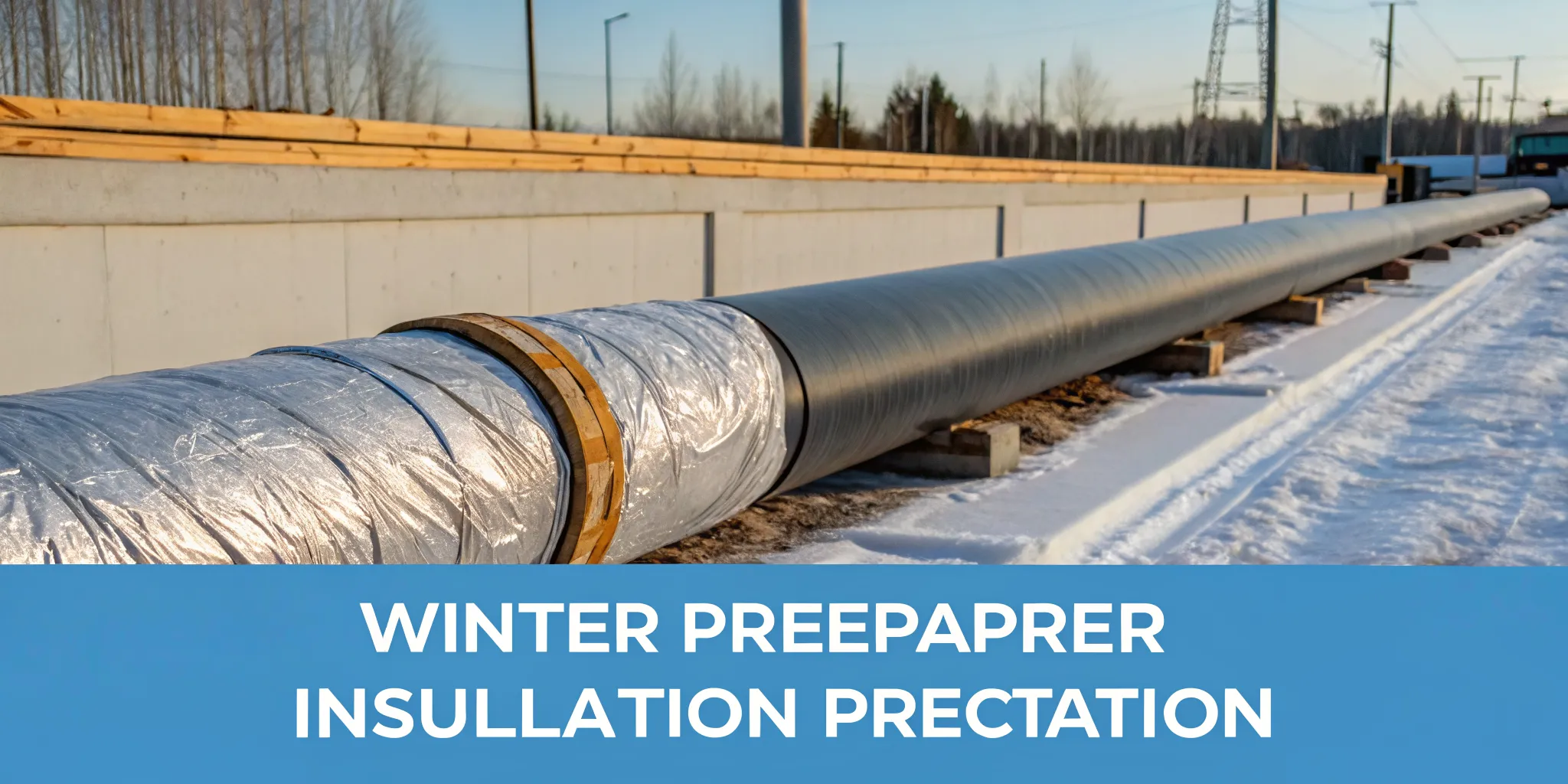
Insulating your pipes is one of the most effective ways to prevent them from freezing. Think of it like a winter coat for your plumbing. It’s a straightforward project that can save you from the headache of a major water damage incident. If you find drips or corrosion while you’re working, it’s a good idea to schedule a water leak repair to ensure your pipes are in top shape before winter hits.
Choosing the Best Insulation Materials
The most common choice is foam pipe insulation. These sleeves are inexpensive, easy to cut, and slide right over your pipes for a snug fit. For cold water pipes, foam or rubber insulation is excellent because it also prevents condensation. For pipes carrying hot water, materials like fiberglass or mineral wool are better suited to handle the higher temperatures. Matching the material to the pipe is key for the best protection.
Where to Focus Your Insulation Efforts
Any unheated space can leave your plumbing vulnerable. Prioritize insulating pipes in attics, crawl spaces, basements, and garages. Pay special attention to pipes running along exterior walls, even those inside cabinets under sinks. These areas don’t get much heat, allowing cold air to settle around the pipes. Insulating these spots is a critical step in protecting your entire residential plumbing system from the winter chill.
Tips for Effective Installation
Proper installation is key. Measure your pipes and cut the insulation sleeves to length. Ensure the insulation fits snugly with no gaps, using duct tape or zip ties to secure the seams. A great place to start is with your water heater. Insulate the first three feet of hot and cold water pipes connected to the unit to reduce heat loss. If you notice any issues with your unit, it might be time for a hot water heater repair.
Using Heat Tape for Extra Protection
For extremely vulnerable pipes, consider adding heat tape. This is an electrical cord that you wrap around a pipe to provide steady, low-level heat, keeping the water from freezing. Heat tape is an excellent solution for pipes in unheated areas that need more than just standard insulation. Always follow the manufacturer’s instructions carefully during installation to avoid safety hazards. It’s a targeted solution for problem spots that offers extra peace of mind.
Winterizing Your Home Before a Trip
Heading out of town for a winter vacation should be relaxing. The last thing you want is to come home to a flooded house because a pipe burst while you were away. Taking a few preventative steps before you leave can protect your home from freezing temperatures and give you total peace of mind. It doesn’t take long, and it can save you from a major headache and expensive repairs. Here’s how to prepare your plumbing for your time away.
Key Steps for an Empty House
Even if you’re only gone for a weekend, it’s smart to prep your home for cold weather. The most important step is to keep your heat on. While it’s tempting to turn it off to save money, the cost of a burst pipe is far greater than a few days of heating. You should also open the cabinet doors under your kitchen and bathroom sinks. This allows warm air to circulate around the pipes, which are often located near colder exterior walls. For extra security, ask a trusted neighbor or friend to check on your house periodically, especially during a severe cold snap. A quick inspection can catch a problem before it becomes a catastrophe.
Shut Off the Main Water Supply
If you’ll be away for an extended period, the safest approach is to shut off your home’s main water supply. This completely eliminates the risk of a pipe bursting, because there won’t be any water in the pipes to freeze. First, locate your main water shut-off valve, which is often in the basement, a crawl space, or a utility closet. Turn the valve clockwise until it’s fully closed. After you’ve shut it off, open the faucets on the highest and lowest levels of your home to drain any remaining water from the system. If you’re not sure where your valve is or how to operate it, our team can help you get your home ready and prevent any potential water leak repair needs.
Set the Right Temperature
Once you’ve decided to leave the heat on, what’s the right temperature? We recommend setting your thermostat to at least 55°F. This temperature is a safe baseline to ensure the air inside your walls, where many pipes are located, stays well above freezing. It’s an effective way to protect your entire plumbing system without running up a huge heating bill while you’re gone. A consistent, moderate temperature provides a crucial buffer against sudden outdoor temperature drops. This simple action is one of the most effective ways to safeguard your home’s residential plumbing and enjoy your trip without worrying about what’s happening back home.
How to Safely Thaw a Frozen Pipe
Even with careful preparation, a sudden cold snap can catch your plumbing off guard. If you suspect a pipe has frozen, it’s important to act quickly and carefully. The goal is to thaw the ice blockage before the pressure builds up and causes the pipe to burst. Handling it the right way can save you from a messy and expensive water damage situation. Here’s how to identify a frozen pipe and thaw it out safely.
Signs You Have a Frozen Pipe
The most obvious sign of a frozen pipe is turning on a faucet and getting only a slow trickle of water, or no water at all. If other faucets in your home are working fine, you’ve likely isolated the problem area. Take a look at any exposed pipes in unheated areas like your basement, crawl space, or under kitchen and bathroom sinks. You might see a layer of frost on the pipe itself. In more serious cases, the pipe may have a slight bulge, which is a sign that pressure is building and a burst could be imminent.
Safe Ways to Thaw Your Pipes
First, open the faucet connected to the frozen pipe. This will give the melting ice and steam a place to go, relieving pressure inside the pipe. Next, apply gentle heat to the frozen section. You can do this by wrapping the pipe in towels soaked in warm water or by using a hairdryer on a low setting. Start warming the pipe as close to the faucet as possible and work your way back toward the blockage. This creates a clear path for the water to flow out. Patience is key; it can take some time, but slow and steady warming is the safest approach to prevent a water leak repair.
Common Thawing Mistakes to Avoid
Never, ever use an open flame to thaw a pipe. Using a blowtorch, propane heater, or any other high-heat device is incredibly dangerous. It can damage your pipes, create a serious fire hazard, and even cause the water inside to boil and burst the pipe violently. Another mistake is ignoring the problem and hoping it resolves itself. The pressure from the ice blockage won’t go away on its own and will continue to build. If you can’t find the frozen area, can’t access it safely, or if your thawing efforts aren’t working, it’s time to call for help. A professional has the tools to thaw your pipes safely and efficiently. For any residential plumbing in Spokane, WA, our team is ready to assist.
What to Do If a Pipe Bursts
Discovering a burst pipe is stressful, but a clear plan can help you manage the situation and minimize damage. Acting quickly is the most important thing you can do. The following steps will guide you through the immediate aftermath of a burst pipe, from stopping the water flow to getting professional help on the way.
Your Immediate Action Plan
Your first move should always be to stop the water. Head straight for your home’s main water shut-off valve and turn it off completely. This single action prevents more water from flooding your home and causing further damage to your floors, walls, and belongings. If the water is near any electrical outlets or appliances, go to your breaker box and shut off the electricity to that area as a safety precaution. Once the water and power are secured, your next call should be to a professional plumber to handle the repair.
How to Safely Shut Off Water and Power
Knowing where your main water shut-off valve is located before an emergency is a game-changer. You can typically find it in the basement, a crawl space, the garage, or on an exterior wall. It might be a lever you pull down or a wheel-style handle you turn clockwise. You may need a pipe or crescent wrench to turn it fully. For electrical safety, locate your home’s main circuit breaker panel. Flip the main breaker to shut off all power, or just the breakers for the affected rooms if you can safely identify them. Never stand in water when handling electrical components.
Documenting Damage for Insurance
Once the immediate crisis is under control, start documenting everything for your insurance claim. Use your phone to take plenty of photos and videos of the burst pipe and all the affected areas. Capture images of soaked carpets, damaged furniture, wet drywall, and any pooling water. A thorough visual record is one of the best tools for a smooth homeowners insurance claim. Make a written list of all damaged items as well. This detailed evidence will help ensure you receive fair compensation for the repairs and replacements you’ll need.
When to Call Action Craft Experts
A burst pipe is not a DIY project. This is a plumbing emergency that requires professional expertise to fix correctly and prevent future issues like mold growth. As soon as you shut off the water, your next step is to call a licensed plumber. During a cold snap, plumbers are in high demand, so it’s important to get on the schedule quickly. The team at Action Craft Experts is ready to handle urgent water leak repair and restore your home’s plumbing. We’ll find the source of the problem, replace the damaged pipe, and help you get your home back to normal.
Related Articles
- 5 Steps to Identifying Frozen Pipes
- Will Frozen Pipes Thaw on Their Own? Is It Safe to Wait?
- Water Pipe Burst in House? What to Do Right Now
- Preventing Frozen Pipes | Benefits of Heating Cables
- Pipe Burst in House Cost: A Complete Breakdown
Frequently Asked Questions
Is it really necessary to keep my heat at 55°F, even when I’m not home? Yes, think of it as a safety net for your plumbing. The temperature inside your walls, basement, or crawl space is always colder than the air in your living room. Keeping the thermostat set to at least 55°F ensures that even those hidden, vulnerable areas stay warm enough to prevent the water inside your pipes from freezing. It’s a small energy cost compared to the expense of repairing a burst pipe.
I have low water pressure at one faucet but can’t see any frost on the pipes. Could it still be frozen? Absolutely. A weak trickle of water is one of the most common signs of an ice blockage. The frozen section of the pipe is likely located inside a wall or a part of your crawl space that isn’t easily visible. If you’ve noticed a sudden drop in flow from a specific faucet during a cold spell, it’s wise to assume the pipe is frozen and act carefully to thaw it or call a professional for help.
If a pipe does burst, what is the absolute first thing I should do? Before you do anything else, find and shut off your home’s main water valve. This will immediately stop the flow of water and prevent the damage from getting worse. Every second counts in this situation, so knowing where your main shut-off valve is located ahead of time is one of the most important pieces of information you can have as a homeowner.
Can I just use a space heater to thaw a frozen pipe in my crawl space? It’s best to avoid using a space heater, especially if you have to leave it unattended. These devices can pose a significant fire risk when placed near insulation or other flammable materials. They can also heat the pipe too quickly, which can cause it to crack. A much safer method is to use a hairdryer on a low setting or wrap the pipe in towels soaked in warm water.
I’m leaving for a week-long trip. Is it better to let a faucet drip or just shut off the main water supply? For a trip lasting more than a day or two, shutting off the main water supply is the most secure option. This completely eliminates the risk of a pipe freezing and bursting while you’re gone. Letting a faucet drip is an effective strategy for protecting your pipes during an overnight cold snap when you are home, but shutting off the water provides total peace of mind for an extended absence.
