











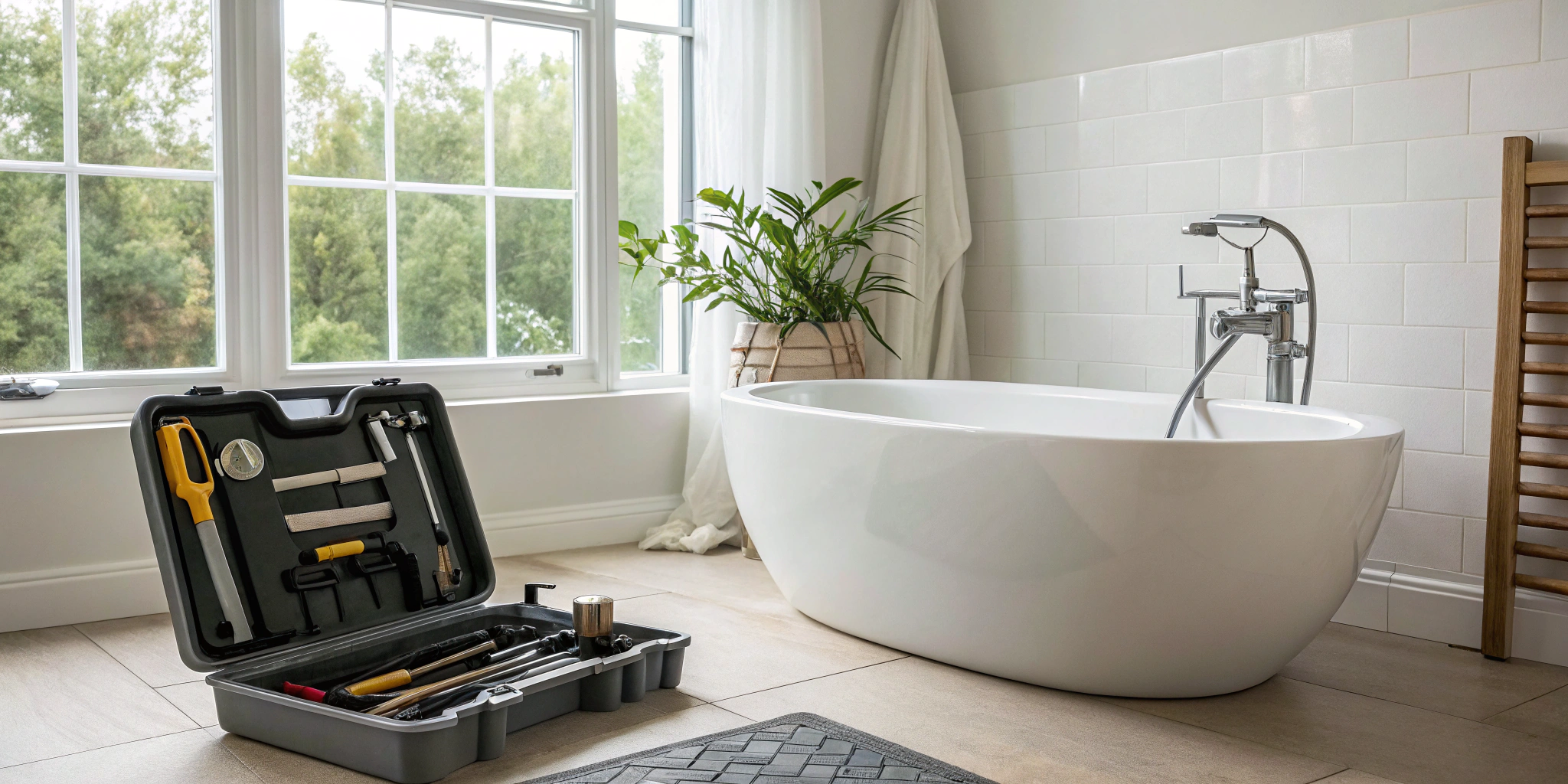
The difference between a dream bathroom and a renovation nightmare often comes down to the plumbing. While it’s not the most glamorous part of the project, a solid plumbing plan is the foundation for a space that functions perfectly for years to come. Rerouting a water line incorrectly or choosing a fixture that’s incompatible with your system can bring your entire project to a halt. To avoid these costly and frustrating setbacks, it’s crucial to have a clear plan. This bathroom remodel plumbing checklist will walk you through everything you need to consider, ensuring every pipe, valve, and drain is properly addressed for a successful and stress-free renovation.
Key Takeaways
- Prioritize the Plumbing Plan: Before you fall in love with a vanity or tile, confirm your plumbing layout. This means ensuring drain pipes are correctly sized for new fixtures and that proper venting is in place to guarantee everything flows smoothly.
- Inspect and Prepare Before Demolition: The best time to avoid expensive surprises is before they happen. Test your water pressure, inspect existing pipes for corrosion, and set aside a contingency budget to handle any issues you uncover.
- Rely on a Professional for a Safe Remodel: A licensed plumber does more than just connect pipes; they ensure your project meets local building codes, use durable materials, and can troubleshoot unexpected issues, protecting your investment and giving you peace of mind.
What Plumbing Components Do You Need for a Bathroom Remodel?
A beautiful bathroom remodel is more than just stylish tiles and a new vanity. The real magic happens behind the walls and under the floor. Getting the plumbing right is the foundation for a bathroom that not only looks great but functions perfectly for years to come. Before you start demolition, it’s essential to have a clear plan for all the key plumbing components. This includes everything from the water supply lines that bring fresh water in, to the drains and vents that carry wastewater away. Thinking through these elements now will save you from costly surprises and headaches down the road.
Planning your plumbing involves more than just knowing where the toilet will go. You need to consider the size of your pipes, the location of shut-off valves, and the complex system of vents that keeps your drains flowing freely and your bathroom smelling fresh. Are you moving fixtures, or keeping the same layout? Are you upgrading to a high-efficiency toilet or a luxurious rainfall shower? Each of these decisions has a direct impact on your plumbing needs. A solid plan ensures that your new fixtures will have the proper water pressure and drainage they require to work correctly. Let’s walk through the essential components you’ll need to address for a smooth and successful remodel.
Map Out Water Lines and Shut-Off Valves
Every fixture in your bathroom—the sink, toilet, and shower—needs a dedicated water supply line. More importantly, each one should have its own easy-to-access shut-off valve. These small valves are your first line of defense in a plumbing emergency, allowing you to stop the water flow to a single fixture without shutting it off to the whole house. During your remodel, take the time to inspect your existing valves. If they are old, rusty, or hard to turn, now is the perfect time to replace them. Ensuring you have reliable shut-off valves is a simple step that provides peace of mind and can prevent a small drip from turning into a major water leak repair project.
Get Your Drain Pipe Sizing Right
The drain pipes are the unsung heroes of your bathroom, quietly carrying away wastewater. But if they aren’t the right size for your new fixtures, you’ll notice them for all the wrong reasons. For example, if you’re upgrading to a spacious walk-in shower with multiple body sprays, it will produce a much higher volume of water than your old showerhead. The existing drain pipe may not be large enough to handle the flow, leading to standing water and slow drains. It’s crucial to match the drain pipe diameter to your fixtures’ output to prevent clogs and backups. A professional plumber can assess your plans and ensure your system is equipped for proper drainage, saving you from future calls for drain cleaning services.
Understand Venting and Stack Placement
Have you ever heard a gurgling sound from your sink or noticed a foul smell that won’t go away? The culprit is often improper plumbing ventilation. A vent pipe, or stack, is a critical part of your drainage system that allows air to enter the pipes. This air pressure helps water and waste flow smoothly and prevents sewer gases from seeping into your home. During a remodel, it’s easy to overlook venting, especially if you’re moving fixtures. However, every drain needs to be properly vented according to local building codes. Getting this right ensures your new bathroom drains efficiently and smells fresh. It’s a complex job that’s best left to a professional to ensure your residential plumbing in Spokane is up to code.
Plan Your Fixture Placement
Choosing your new toilet, sink, and shower is often the most exciting part of a bathroom remodel, but it’s important to make these decisions early. Your fixture choices directly impact the plumbing layout. If you want to move a toilet or change a single-sink vanity to a double, the water and drain lines will need to be rerouted—a job that’s much easier before the new drywall and tile go in. Finalizing your fixtures ahead of time allows your plumber to plan the rough-in plumbing accurately. This is also a great opportunity to select water-efficient models that can save you money on utility bills. Once you’ve made your picks, a professional can handle the plumbing fixture installation to ensure everything is connected correctly and works flawlessly.
How to Choose the Right Plumbing Fixtures
Picking out new plumbing fixtures is often the most exciting part of a bathroom remodel. It’s where your personal style really gets to shine. But beyond aesthetics, your choices have a big impact on your bathroom’s daily function, water usage, and long-term durability. The right fixtures can make your space more comfortable and efficient, while the wrong ones can lead to compatibility issues, leaks, and frustration.
Thinking through your options for toilets, sinks, and showers will help you create a cohesive and practical space. It’s about finding the perfect balance between a look you love and the performance you need. By focusing on quality, compatibility with your existing plumbing, and water efficiency, you can select pieces that will serve you well for years. Let’s walk through what to consider for each key fixture so you can make choices with confidence.
Select a Water-Efficient Toilet
The toilet is one of the hardest-working fixtures in your home, and it’s also one of the biggest water consumers. Choosing a water-efficient model is one of the smartest decisions you can make during a remodel. Not only does it help conserve a vital resource, but it can also lead to noticeable savings on your monthly water bill. Modern high-efficiency toilets use advanced flushing technology to get the job done with far less water, so you don’t have to worry about sacrificing performance. Plus, they come in a huge variety of styles, from sleek one-piece designs to classic two-piece models, making it easy to find one that fits your bathroom’s aesthetic. When you’re ready for a new toilet, our team can handle the plumbing fixture installation to ensure it’s set up perfectly.
Match Your Sink and Faucet to Your Plumbing
Your sink and faucet are a functional duo that can define the look of your vanity. When selecting them, it’s crucial to ensure they work together and with your existing plumbing setup. For example, the faucet you choose must match the number of pre-drilled holes in the sink or countertop—common options are single-hole, center-set (4-inch spread), and widespread (8-inch spread). Getting this wrong can bring your project to a halt. Beyond compatibility, think about how you use the space. A deep basin might be great for preventing splashes, while a faucet with a taller arc can make hand-washing more comfortable. Considering both style and function will help you create a space that is both beautiful and easy to use.
Consider Water Pressure for Showers and Tubs
Nothing is more disappointing than a beautiful new showerhead that delivers a weak, unsatisfying trickle of water. Your home’s water pressure plays a huge role in how your shower and tub fixtures will perform. Before you fall in love with a specific model, it’s a good idea to understand your current water pressure. Some fixtures, like rain showerheads, often require strong pressure to function as intended. If your pressure is on the lower side, you’ll be better off choosing a fixture designed to work well in low-pressure environments. If you’ve noticed a recent drop in pressure, it could also be a sign of a hidden issue, so it might be time for a water leak repair inspection to rule out any problems before you remodel.
Avoid Common Fixture Selection Mistakes
It’s easy to get caught up in the visual aspect of a remodel, but making choices based on looks alone is a common mistake. To avoid buyer’s remorse, take the time to research your options thoroughly. Prioritize quality and durability over the lowest price tag; a well-made fixture will save you money on repairs and replacements down the road. Always double-check measurements to ensure your new tub or vanity will actually fit in the space. Finally, think about maintenance. Some finishes, like matte black or polished brass, look stunning but may require more care to keep them free of water spots and fingerprints. By balancing your needs, budget, and style, you can choose fixtures that you’ll be happy with for years to come. If you need guidance, our experts in residential plumbing in Spokane, WA are always here to help.
Plan Your Drainage and Venting
Once you’ve decided where your beautiful new fixtures will go, it’s time to think about the less glamorous—but absolutely critical—side of plumbing: drainage and venting. This is the system that safely carries wastewater away and prevents sewer gases from entering your home. Getting this part right is non-negotiable for a functional and safe bathroom. Proper planning at this stage ensures water flows away smoothly, prevents clogs, and keeps your bathroom smelling fresh. It’s the hidden network that makes everything else work, and it requires careful attention to detail, especially when you’re changing your bathroom’s layout.
Calculate the Correct Slope for Drains
For your drains to work correctly, they need to be installed on a slight downward angle. This slope uses gravity to pull wastewater away from your sink, shower, and toilet. The standard rule of thumb is a quarter-inch drop for every foot of pipe. However, this can vary based on the pipe’s diameter and local building codes. If the slope is too steep, liquids can outrun solid waste, leaving it behind to cause a blockage. If it’s too shallow, the water won’t flow away effectively. Getting this calculation just right is key to preventing future clogs and ensuring you don’t need frequent drain cleaning services.
Place Vent Stacks According to Code
Have you ever put a straw in a drink and covered the top with your finger? When you lift the straw, the liquid stays put. That’s what happens in your pipes without proper venting. A plumbing vent, or stack, allows air to enter the drain system, which helps water flow out smoothly. Every fixture needs to be properly vented. The placement and size of these vents are strictly regulated by building codes to ensure your plumbing system functions safely. A professional plumber will map out your venting system to meet Spokane’s specific requirements, ensuring your remodel is fully compliant.
Prevent Gurgling Drains and Odors
That gurgling sound from your drain is more than just an annoyance—it’s a sign that your plumbing is gasping for air. This happens when there isn’t a proper vent, creating negative pressure that pulls water from your P-traps (the U-shaped pipe under your sink). When that water barrier is gone, unpleasant sewer gases can seep into your bathroom. If your remodel involves moving a sink or toilet, you can’t just extend the drainpipe; you’ll likely need to adjust the venting, too. Proper planning prevents these smelly, noisy problems and is essential for any residential plumbing project.
Plan for Floor Drains and Moisture Prevention
While not required in every bathroom, a floor drain is a smart addition, especially for second-floor bathrooms or wet-room designs. It provides an extra layer of protection against overflow from a tub or toilet, preventing catastrophic water damage to the floors below. Planning for a floor drain means ensuring the floor itself is slightly sloped toward it. This kind of detailed drainage planning is crucial for long-term moisture prevention. It helps protect your subfloor, framing, and drywall from the slow, hidden damage that can lead to mold, rot, and expensive water leak repairs.
Prep Your Space for a Safe Remodel
Before you pick up a single hammer, taking the time to properly prepare your bathroom will set your remodel up for success. These preliminary steps are all about safety, preventing expensive surprises, and making the entire process smoother. Think of it as creating a solid foundation for your new space. A little planning now saves a lot of headaches later, ensuring your project stays on track and on budget. From paperwork to pipe inspections, here’s how to get your bathroom ready for its transformation.
Secure the Necessary Permits
It might feel like bureaucratic red tape, but securing the right permits is a non-negotiable first step. If your remodel involves moving or altering plumbing lines, you’ll likely need a permit from the city of Spokane to ensure everything is up to code. This isn’t just about following rules; it’s about protecting your investment. Proper permits ensure the work is inspected for safety and quality, which can be crucial for insurance purposes and the future resale value of your home. A licensed plumber can help you figure out exactly what permits are required for your project and can often handle the application process for you, making sure your remodel is compliant from day one.
Shut Off the Water and Cap Lines
The last thing you want during demolition is an unexpected indoor swimming pool. Before any work begins, you must shut off the main water supply to the bathroom. For extra security, it’s a smart move to cap any water lines that will be exposed during the remodel. This simple but crucial step prevents accidental leaks from residual water in the pipes and keeps construction dust and debris from getting into your clean water lines. It’s a critical part of maintaining a safe and clean worksite. If you’re unsure where your shut-off valves are or how to cap the lines properly, our team can handle all aspects of your residential plumbing needs.
Photograph Your Current Plumbing Layout
Here’s a pro tip that costs nothing and can save you a ton of confusion: take pictures of everything before you start. Snap detailed photos and even a short video of your current plumbing layout from multiple angles. Pay close attention to how pipes connect to fixtures and run through the walls and floor. Get shots behind the vanity, around the base of the toilet, and inside any walls you open up. These images will become an invaluable reference guide during the remodel. When you’re trying to remember how a specific drain was configured or where a water line was located, you’ll be glad you have a visual record to consult.
Inspect Old Pipes for Potential Problems
What you can’t see can definitely hurt your remodeling plans. Before you cover everything up with new drywall and tile, it’s the perfect time to inspect your existing plumbing. Older homes in Spokane might have outdated materials like galvanized steel pipes that are prone to corrosion and clogs. Look for signs of trouble like flaking metal, green or white buildup on fittings, low water pressure, or slow drains. Addressing these issues now is far easier and cheaper than dealing with a water leak repair after your beautiful new bathroom is finished. It’s your best opportunity to upgrade the plumbing for decades of worry-free use.
How to Avoid Costly Plumbing Mistakes
A bathroom remodel is exciting, but hidden plumbing issues can quickly turn a dream project into a financial nightmare. A little foresight goes a long way in preventing expensive surprises. From understanding your home’s water system to planning for the unexpected, these steps will help you keep your project on track and on budget. By taking the time to address these key areas, you can avoid common pitfalls and ensure your new bathroom is both beautiful and functional for years to come. Let’s walk through some practical ways to sidestep those costly mistakes.
Test Your Water Pressure and Flow Rate
Before you fall in love with a luxurious rainfall showerhead, it’s crucial to know if your home’s plumbing can handle it. Testing your water pressure and flow rate is a non-negotiable first step. Low pressure can turn that spa-like shower into a disappointing drizzle, while pressure that’s too high can strain your pipes and fixtures, leading to leaks. Understanding how your plumbing system works is key to making smart choices during a renovation. If you’re unsure, a professional can test your system and recommend solutions, like a pressure booster or regulator. This simple check ensures your new fixtures perform as expected and helps prevent future water leak repair headaches down the road.
Budget for Unexpected Repairs
No matter how meticulously you plan, remodels can uncover surprises, especially in older homes. That’s why it’s smart to build a contingency fund into your budget. A good rule of thumb is to set aside at least 10-15% of your total renovation cost for unexpected plumbing problems. This buffer can cover issues like corroded pipes hidden in the walls, outdated plumbing that needs to be brought up to code, or unforeseen drain cleaning services. Having this financial cushion means a discovery won’t derail your project or force you to compromise on your vision. It’s the best way to prepare for the unknown and keep your remodel stress-free.
Protect Pipes During Demolition
The demolition phase is exciting, but it’s also where things can go wrong quickly. To prevent a mini-flood in your home, make sure you shut off the main water supply and cap all the water lines in the bathroom before you start swinging a hammer. It’s also a great idea to take photos of the existing pipe layout before you tear everything out. This visual record can be an invaluable reference for you or your plumber when it’s time to install the new plumbing. Protecting your pipes from debris and damage during this stage is essential for a smooth transition to the installation phase of your residential plumbing project.
Install Accessible Shut-Off Valves
Imagine your toilet starts overflowing. Your first instinct is to shut off the water, but what if the main valve is in a hard-to-reach corner of the basement? Installing accessible, individual shut-off valves for your toilet, sink, and shower is one of the smartest upgrades you can make during a remodel. These valves, called “stops,” allow you to turn off the water to a single fixture without disrupting the supply to the rest of the house. This makes future repairs or a new plumbing fixture installation much simpler and less frantic. If your bathroom doesn’t already have them, now is the perfect time to add them.
Why You Should Hire a Professional Plumber
A bathroom remodel is exciting, but the plumbing is one area where a DIY approach can quickly turn a dream project into a costly nightmare. While tackling the painting or tiling yourself can be rewarding, plumbing involves complex systems that need to be installed perfectly to prevent leaks, water damage, and safety hazards. Bringing in a professional plumber from the start is one of the smartest investments you can make in your remodel. They have the expertise to ensure every pipe, drain, and fixture works flawlessly for years to come.
Ensure Quality Work with a Licensed Plumber
Working with a licensed plumber is your best guarantee that the job will be done right the first time. Professionals have the training and experience to handle the specific challenges of a bathroom remodel, from rerouting water lines to connecting new fixtures. They ensure every connection is secure and that the entire system functions efficiently. This expertise prevents common DIY mistakes that can lead to slow drains, low water pressure, or hidden leaks behind your brand-new walls. A professional provides peace of mind that your residential plumbing is sound, protecting your home and investment.
Meet Local Building Codes
Every city, including Spokane, has specific building codes that govern plumbing work. These rules are in place to ensure safety and proper function, covering everything from pipe materials to drain slopes and vent placement. A licensed plumber is an expert on these local regulations and will handle the permitting process for you. They make sure all work is fully compliant, so you won’t have to worry about failing an inspection or facing issues when you decide to sell your home. This is especially critical for complex tasks like gas line installations if you’re adding a gas-powered water heater.
Choose Durable and Reliable Materials
It can be tempting to save money by keeping old pipes, but a remodel is the perfect opportunity to upgrade your plumbing infrastructure. A professional can assess the condition of your existing pipes and recommend durable, high-quality materials that will last. They know which materials work best together to prevent corrosion and ensure your new fixtures perform optimally. By replacing old or corroded pipes during the renovation, you’re setting your new bathroom up for success. A pro can also guide your plumbing fixture installation to ensure everything is compatible and built to last.
Handle Complex Installations and Troubleshooting
Bathroom remodels rarely go exactly as planned. Once you open up the walls, you might discover unexpected issues like corroded pipes, hidden leaks, or improper drainage from a previous job. A professional plumber can pivot and solve these problems efficiently. Whether it’s a small drip or a major clog, they have the tools and knowledge to handle it. From complex shower systems to hot water heater repair, their ability to troubleshoot on the spot keeps your project on track and prevents small issues from becoming major disasters.
Perform a Final Plumbing Check
Before you even think about putting up drywall, it’s time for one of the most critical steps in your remodel: the final plumbing inspection. This is your last chance to catch any potential issues while the pipes are still exposed. Skipping this step can turn a dream bathroom into a nightmare of hidden leaks and costly water damage down the road. A comprehensive check ensures that all your hard work and investment are built on a solid, leak-free foundation. Taking the time now to be thorough will give you peace of mind and a bathroom that functions perfectly for years to come. For any complex issues discovered during this phase, our team is always ready to help with expert residential plumbing services in Spokane.
Conduct a Thorough Leak and Pressure Test
Once all the new water lines are connected, they need to be tested for leaks. This involves more than just turning on the faucet and looking for drips. A professional plumber will cap the lines and use a special tool to pressurize the system with air or water. This test reveals tiny, slow leaks that might otherwise go unnoticed until they’ve caused significant damage behind your new walls. It’s a non-negotiable step to confirm every connection is secure and watertight. If a problem does arise, it’s much easier to handle a water leak repair now than after your bathroom is finished.
Verify Fixture Function and Drainage
With the water lines confirmed to be secure, the next step is to check how well everything drains. This is where you ensure the “rough-in” plumbing was done correctly. Run water in the sink and shower and flush the toilet a few times. Does the water drain quickly and quietly? Any slow drains or gurgling sounds could signal a problem with the drain lines or, more commonly, the venting system. Proper venting is essential for smooth drainage and preventing sewer gases from entering your home. If things aren’t flowing as they should, you may need professional drain cleaning services to clear any construction debris.
Check Water Efficiency and Performance
You likely chose your new fixtures for their style, but now is the time to check their performance. Make sure your new low-flow toilet flushes effectively and that your water-efficient showerhead provides adequate pressure. Modern, efficient fixtures are designed to save water without sacrificing performance, but it’s always best to confirm they meet your expectations before the project is complete. This final check ensures your bathroom is not only beautiful but also functional and cost-effective. If you need help with a new fixture, our team specializes in plumbing fixture installation and can ensure everything works perfectly.
Keep Records for Future Maintenance
Here’s a pro tip that will save you major headaches later: before the drywall goes up, take photos and videos of your new plumbing. Get clear shots of where all the pipes, valves, and drains are located inside the walls and floor. This creates a permanent record, a sort of x-ray map of your bathroom’s plumbing system. If you ever have a problem in the future or decide to do another remodel, you’ll know exactly where everything is without having to guess or cut exploratory holes in your walls. Store these photos in a safe, labeled folder on your computer or cloud drive—your future self will thank you.
By following this checklist, you can ensure your project stays on track. For personalized assistance, reach out to Action Craft Experts.
Related Articles
Frequently Asked Questions
Do I need to replace my old pipes during a remodel? Not always, but this is the absolute best time to check their condition. If your home has older galvanized pipes, they could be corroded or restricted on the inside, even if they look fine. Replacing them while the walls are open is far more affordable than dealing with a leak or clog after your beautiful new bathroom is finished. A professional can help you assess their condition and make a smart long-term decision.
What’s the biggest plumbing mistake I can make during a remodel? One of the most common and costly mistakes is choosing fixtures based only on style without considering your home’s existing plumbing. That amazing rainfall showerhead you love might deliver a disappointing trickle if your home has low water pressure. Another major error is failing to budget for the unexpected. Setting aside a 10-15% contingency fund ensures that a surprise issue, like a hidden corroded pipe, doesn’t derail your entire project.
Why is a plumbing vent so important, and can I just extend the old one? A plumbing vent acts like a snorkel for your drains, allowing air to enter the system so water can flow out smoothly. Without proper venting, you get slow drains, gurgling sounds, and unpleasant sewer odors. Simply extending an old vent pipe often isn’t enough, especially if you move a fixture’s location. Building codes have strict rules about a vent’s size and distance from the drain, so it’s a critical detail to get right for a functional bathroom.
Can I keep my bathroom layout the same to save money on plumbing? Absolutely. Keeping your toilet, sink, and shower in their original spots is the most budget-friendly option. This approach minimizes the labor-intensive work of rerouting water and drain lines within the walls and floor. Even if you stick with the current layout, a remodel is still the perfect opportunity to upgrade essential components like old shut-off valves while you have easy access to them.
My new showerhead has terrible pressure. Is the fixture broken? It’s possible, but the problem is more likely your home’s water pressure. Many modern fixtures, especially large rain-style showerheads, require a certain amount of pressure to perform well. This is why it’s so important to test your home’s water pressure before you start shopping for fixtures. If your pressure is on the lower side, you’ll have a much better experience by choosing a showerhead specifically designed for low-pressure systems.