

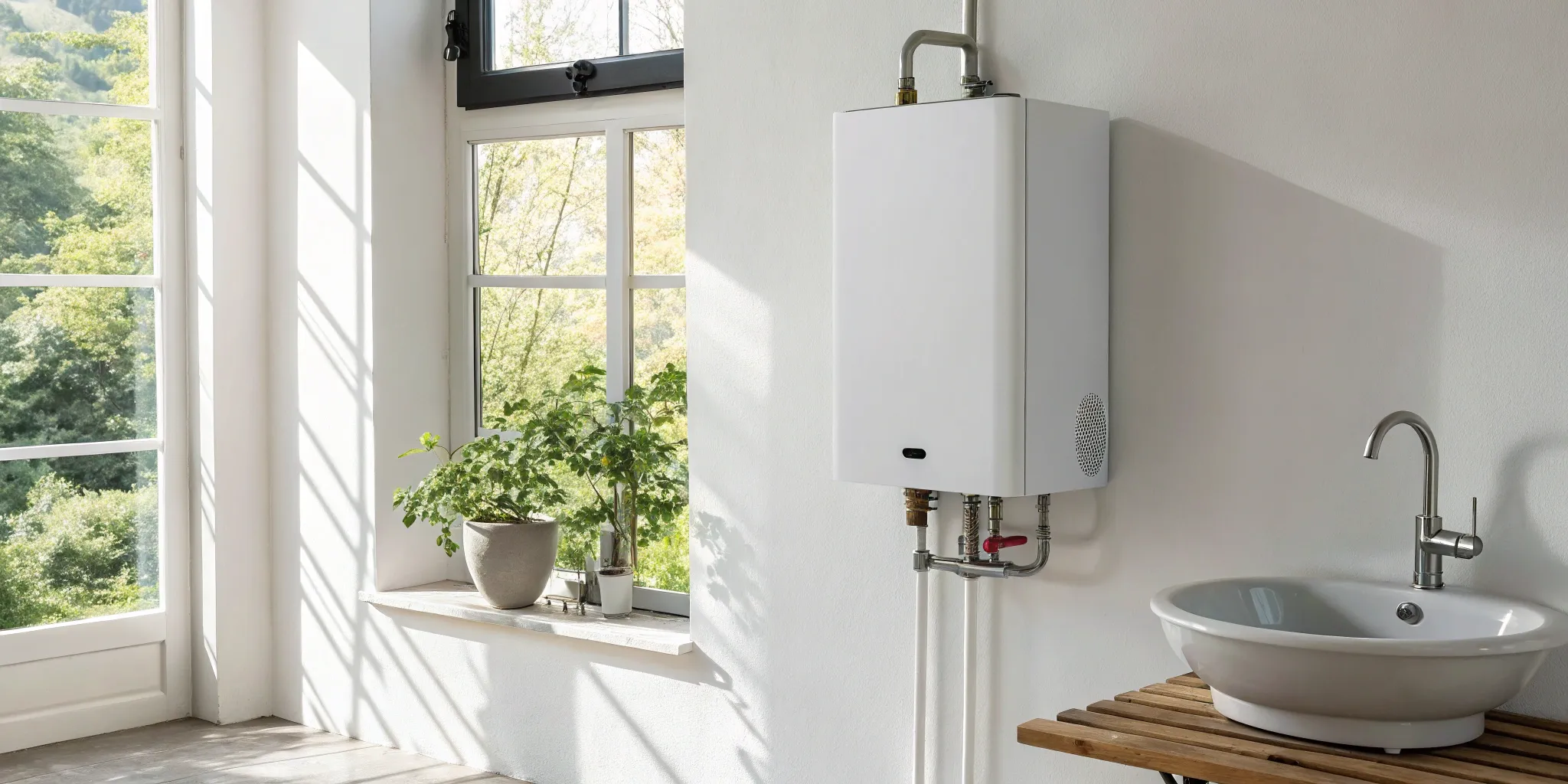
When you think about upgrading your home, you might picture new countertops or a smart thermostat. But one of the most impactful changes you can make is to your plumbing system. Swapping your old, oversized water heater for a sleek, wall-mounted tankless unit is a true modernization. You’ll immediately reclaim valuable floor space and enjoy the simple luxury of continuous hot water. It’s an appliance that improves your daily routine while also increasing your home’s efficiency. We’ll explore the full list of benefits of a tankless water heater, from its long lifespan to its smaller carbon footprint, to help you decide if it’s the right upgrade for you.
Key Takeaways
- Heat Water On-Demand for Efficiency and Comfort: Tankless systems provide an endless supply of hot water by heating it only when you turn on the tap. This process eliminates the wasted energy of keeping a large tank hot, leading to lower utility bills.
- Think of It as a Long-Term Home Upgrade: While the initial price is higher, tankless water heaters can last over 20 years—often twice as long as tank models. Their space-saving design is another practical benefit that adds lasting value to your home.
- Rely on a Professional for a Safe Installation: A tankless water heater is not a simple swap-out. A licensed plumber is essential for correct sizing, managing necessary gas or electrical upgrades, and ensuring proper ventilation for safe, reliable performance.
How Does a Tankless Water Heater Work?
If you’ve ever had to cut a shower short because the hot water ran out, the idea of a tankless water heater probably sounds like a dream. Unlike traditional models that keep a large tank of water hot 24/7, tankless systems heat water on demand. This means the moment you turn on your faucet, the unit springs into action to provide a continuous stream of hot water. The magic lies in its efficiency. Instead of wasting energy keeping 40 or 50 gallons of water heated in a closet, a tankless unit only works when you need it to. This simple change in operation is what leads to significant energy savings and the endless supply of hot water that homeowners love. When you’re ready to explore your options, a professional water heater installation can make all the difference in getting the right fit for your home.
The Basics of On-Demand Heating
Think of a tankless water heater as a smart, instant hot water source. When you turn on a hot water tap, a flow sensor detects the water movement and signals the unit to power on. A powerful heating element—either electric or a gas burner—fires up instantly. Cold water then travels through a heat exchanger inside the unit, absorbing heat rapidly as it passes through. By the time it leaves the unit and travels to your faucet, it’s heated to your desired temperature. Because they heat water only when you need it, these systems completely eliminate the standby heat loss associated with storage tanks. The process is quick, efficient, and ensures you aren’t paying to heat water you aren’t using.
Key Parts and Their Functions
Tankless water heaters come in two main types: gas and electric. A gas-powered model uses a high-efficiency gas burner to heat the water as it passes through the heat exchanger. These units are very powerful but require proper ventilation to safely route exhaust fumes outside. This often involves a dedicated vent pipe and may require a professional gas line installation to ensure everything is connected correctly and up to code. Electric models use robust heating elements to achieve the same result. They don’t require venting, which can sometimes make installation simpler. The right choice really depends on your home’s existing utilities and your family’s hot water demands.
Smart Technology for Efficient Heating
Modern tankless water heaters are packed with smart technology designed for safety and efficiency. Internal sensors constantly monitor water temperature and flow rates, adjusting the heating elements to maintain a consistent output without wasting energy. These systems also have built-in safety features that can shut the unit down if they detect any operational issues, preventing overheating or other potential hazards. This advanced engineering also extends to installation. Some of the latest models are designed for more flexible venting options, sometimes using less expensive materials like PVC. This can simplify the setup process and make a professional installation quicker and more straightforward, getting you on your way to endless hot water sooner.
The Top Benefits of Going Tankless
Switching to a tankless water heater isn’t just about getting a new appliance; it’s about upgrading your daily routine. These modern systems heat water on demand, which means they come with a host of benefits that traditional tank heaters just can’t match. From endless hot showers to a smaller footprint in your home, the advantages are practical and immediate. If you’re tired of planning your family’s showers or worrying about the bulky tank in your basement, exploring the benefits of going tankless is a smart move. Let’s look at some of the top reasons homeowners in Spokane are making the switch.
Never Run Out of Hot Water Again
There’s nothing worse than a hot shower turning icy cold halfway through. With a traditional tank heater, you’re limited to the amount of hot water stored inside—once it’s gone, you have to wait. Tankless water heaters solve this problem completely. Because they heat water as you need it, they provide a continuous supply of hot water. This means you can run the dishwasher, do a load of laundry, and still have enough hot water for everyone in the family to take a comfortable shower. It’s a simple change that makes a huge difference in a busy household.
Reclaim Your Space with a Compact Design
Traditional water heaters are bulky, taking up valuable floor space in your utility closet, basement, or garage. Tankless models, on the other hand, are incredibly compact. Most are about the size of a small suitcase and are designed to be mounted directly on a wall, freeing up the floor for storage or other uses. This space-saving design is perfect for smaller homes, apartments, or anyone looking to declutter and maximize their utility area. It gives you more flexibility in where you can install your unit and what you can do with your newfound space.
Enjoy a Longer-Lasting Appliance
When you invest in a major home appliance, you want it to last. Tankless water heaters typically have a much longer lifespan than traditional tank models. While a standard water heater might last 8 to 12 years, a well-maintained tankless unit can often last for 20 years or more. This longevity is due to their design; since they don’t constantly store and heat a large volume of water, there’s less wear and tear from mineral buildup and corrosion. This means fewer worries about replacements and a better long-term return on your investment in a new water heater installation.
Reduce the Risk of Leaks and Water Damage
One of the biggest fears for any homeowner is a major water leak. A traditional tank water heater holds 40 to 80 gallons of water at all times, and if the tank fails, it can lead to catastrophic flooding and expensive damage. Since tankless water heaters don’t store water, they significantly reduce this risk. While any plumbing fixture can leak, the potential for a massive tank rupture is completely eliminated. This gives you peace of mind, knowing you’re protected from one of the most common causes of home water leak repair emergencies.
How Tankless Heaters Save Energy and Money
Beyond the convenience of endless hot water, one of the most compelling reasons to switch to a tankless water heater is the significant impact on your wallet and the environment. Unlike traditional tank heaters that constantly burn energy to keep a large reserve of water hot, tankless models operate on demand. This fundamental difference in design leads to impressive efficiency gains that you’ll notice month after month. By heating water only when you need it, these modern systems cut down on waste and translate directly into lower utility bills and a smaller carbon footprint for your Spokane home.
See the Savings: By the Numbers
When you look at the data, the financial benefits of going tankless become clear. According to the Department of Energy, homes that use 41 gallons or less of hot water daily can see energy savings between 24% and 34% compared to conventional storage-tank water heaters. For gas-fired models, this can add up to over $100 in savings each year. If you install smaller, point-of-use tankless units at each hot water outlet, your energy savings could increase by as much as 50%. While your exact savings will depend on your family’s water usage, these numbers show a consistent pattern: a tankless water heater is an investment that pays for itself over time.
Eliminate Standby Heat Loss for Good
The secret to the efficiency of a tankless water heater is its ability to eliminate standby heat loss. Think about your traditional tank heater—it’s essentially a giant, insulated thermos that’s always on, constantly using energy to keep 40 or 50 gallons of water hot, just in case you need it. This continuous energy consumption happens 24/7, whether you’re at work, on vacation, or asleep. Tankless, or demand-type, water heaters completely sidestep this problem. Since they only activate when you turn on a hot water tap, there is zero energy wasted keeping water warm, which is a major source of savings.
Lower Your Utility Bills Month After Month
Because tankless heaters don’t waste energy on standby heat, you’ll see a direct and noticeable reduction in your monthly utility bills. Many homeowners report saving more than 30% on their water heating costs after making the switch. This isn’t a one-time perk; it’s a consistent, month-after-month benefit that adds up to substantial savings over the appliance’s long lifespan. A professional water heater installation ensures your unit is set up for maximum efficiency, so you can start enjoying those lower bills right away. It’s one of the smartest upgrades you can make to reduce your home’s operating costs.
Reduce Your Home’s Carbon Footprint
Choosing a tankless water heater is also a great way to make your home more environmentally friendly. Since these units are highly energy-efficient, they use less natural gas or electricity to do their job. This directly reduces your household’s carbon footprint and lowers CO2 emissions. In a world where we’re all trying to be more conscious of our environmental impact, upgrading to an energy-saving appliance is a practical and effective step. You get all the hot water you need, save money on your bills, and make a responsible choice for the planet at the same time.
Planning Your Tankless Water Heater Installation
Switching to a tankless water heater is an exciting upgrade for your home, but a successful transition requires a bit of planning. Unlike a traditional tank heater, a tankless setup isn’t a simple swap. It involves thinking about your family’s hot water usage, your home’s existing infrastructure, and specific safety requirements. Getting these details right from the start ensures you’ll enjoy all the benefits of on-demand hot water without any headaches down the road.
Find the Right Size for Your Family’s Needs
Sizing a tankless water heater is all about flow rate, not storage capacity. The key is to figure out your home’s peak demand for hot water. Think about a typical morning: are you running a shower while the dishwasher is on? The right unit needs to handle that simultaneous use. A professional will calculate the required gallons per minute (GPM) and the necessary temperature rise to match the unit to your needs. A seamless water heater install depends on matching the unit’s draw to your home’s demand, ensuring you never get a lukewarm surprise.
Assess Your Home’s Gas and Electrical Systems
Tankless water heaters are powerful, and they need the right fuel source to work their magic. Gas models require a larger-diameter gas line than most traditional tank heaters to provide enough fuel for on-demand heating. Electric models have a significant electrical draw and often need a new, dedicated circuit. It’s important to factor in the potential costs of these upgrades. A professional assessment of your home’s current systems is a critical first step to determine if you need to make adjustments for a safe and effective gas line installation or electrical update.
Understand Ventilation and Safety Requirements
Proper ventilation is non-negotiable, especially for gas-powered tankless heaters. These units produce exhaust fumes containing carbon monoxide, which must be vented safely outside your home. A professional plumber will ensure all vent pipes are correctly installed, sealed, and free of any damage. They will also make sure the installation complies with all local Spokane building codes and manufacturer specifications. Following these strict safety protocols is essential for protecting your home and family, ensuring your new water heater operates as safely as it does efficiently.
Why You Should Always Hire a Pro
While it might be tempting to DIY, installing a tankless water heater is a complex job best left to a licensed plumber. A tankless setup needs proper planning, not just a simple water line connection. A professional handles everything from correct sizing and gas line upgrades to safe ventilation and final commissioning. Hiring an expert from Action Craft Experts for your residential plumbing needs ensures the job is done right the first time. This protects your warranty, guarantees your system runs at peak efficiency, and gives you peace of mind knowing your home is safe.
Potential Drawbacks to Consider
While tankless water heaters have some amazing benefits, they aren’t the perfect solution for every home. It’s smart to look at the full picture before making a decision. Understanding a few potential drawbacks will help you feel confident that you’re choosing the right appliance for your family and your budget. These systems are a significant investment, and knowing what to expect—both the good and the not-so-good—ensures you’ll be happy with your choice for years to come. Let’s walk through a few things to keep in mind.
Managing Hot Water Flow for Multiple Uses
A tankless heater can only produce a set amount of hot water at once, typically between two and five gallons per minute. If you’re running the dishwasher and a shower simultaneously, your system might struggle to keep up, causing a drop in pressure or temperature. This is a key difference from a tank heater, which pulls from a large reserve. Gas models generally offer a higher flow rate than electric ones, but it’s crucial to choose a unit sized for your family’s daily use. This ensures everyone gets the hot water they need without any interruptions.
Understanding the “Cold Water Sandwich”
The “cold water sandwich” is a quirky phenomenon you might experience with a tankless system. It happens when you turn the hot water off and then quickly back on, getting a brief burst of cold water before it heats up again. This is caused by cold water getting trapped in the pipes between uses. While it’s usually just a momentary surprise and modern units are much better at minimizing it, it’s a good thing to be aware of so you aren’t caught off guard during your morning shower.
Balancing Upfront Cost with Long-Term Savings
There’s no getting around it: tankless water heaters have a higher upfront cost than traditional models. The professional water heater installations can also be more complex, sometimes requiring upgrades to your home’s electrical or gas systems. It’s best to think of it as an investment. Over their longer lifespan, these units save you money on monthly utility bills due to superior energy efficiency. You pay more now to save more later, all while enjoying an endless supply of hot water.
The Importance of Regular Maintenance
While you can say goodbye to a giant, rust-prone tank, you can’t skip maintenance entirely. To keep your tankless unit running efficiently, it needs an annual service call. The main task is descaling, which flushes out mineral buildup from hard water—something we see a lot of here in Spokane. Skipping this can reduce performance and shorten the appliance’s lifespan. Scheduling routine hot water heater repair and maintenance is the best way to protect your investment and ensure it works perfectly for years to come.
Is a Tankless Water Heater Right for Your Spokane Home?
Deciding to switch to a tankless water heater is a big step, and it’s smart to weigh the pros and cons for your specific situation. While they offer some incredible benefits, they aren’t a one-size-fits-all solution. Let’s walk through who gets the most out of going tankless and what factors you should consider to see if it’s the right move for your Spokane home.
Who Benefits Most from Going Tankless?
If you’ve ever had to cut a shower short because someone else used all the hot water, you’ll immediately appreciate the biggest perk of a tankless system: endless hot water. Because these units heat water on demand, you never have to worry about an empty tank. This is a game-changer for busy families or anyone who loves a long, hot soak. Beyond convenience, tankless heaters are also highly energy-efficient. They don’t waste energy keeping a large tank of water hot 24/7, which is great for both the environment and your wallet. If you’re looking to make your home more efficient, a tankless model is a fantastic upgrade.
Key Factors to Help You Decide
When you’re thinking about the investment, look beyond the initial price tag. Tankless water heaters can last up to 20 years or more—often twice as long as traditional tank models. They are also incredibly compact, hanging on a wall and freeing up valuable floor space in your utility closet or garage. This space-saving design is a huge plus for smaller homes. The real long-term win is the savings on your utility bills. By only heating water when you need it, you can significantly cut down on energy costs. Some gas models can save you over $100 a year, making it a smart financial decision over the life of the appliance.
Let Action Craft Experts Help You Choose
Choosing the right size and model for your home is crucial, and so is the installation. This isn’t a DIY project. A professional plumber ensures your new unit is installed correctly and safely, meeting all local Spokane building codes and safety standards. A qualified technician will assess your home’s specific needs, including fuel type and venting requirements, to guarantee your system runs efficiently. If you’re considering making the switch, our team can help you find the perfect fit. We handle professional water heater installations and can answer all your questions to help you make a confident choice for your home.
Related Articles
- Is a 50 Gallon Water Heater Right for You?
- How to Size Tankless Water Heater for Maximum Efficiency
- 7 Key Benefits of a Whole House Water Softener
- Why a Hot Water Tank Flush is Essential Before Winter
Frequently Asked Questions
Can a tankless water heater really handle my family’s needs, like running a shower and the dishwasher at the same time? Yes, it absolutely can, as long as it’s sized correctly for your home. Unlike a tank that holds a limited supply, a tankless unit’s capacity is measured by its flow rate—how many gallons of hot water it can produce per minute. A professional will help you choose a model that can easily meet your household’s peak demand, ensuring you have plenty of hot water for multiple uses at once.
Does “on-demand” mean I get hot water instantly at the faucet? This is a great question that clears up a common point of confusion. The tankless unit begins heating water the instant you turn on the tap, but that newly heated water still has to travel through the pipes to reach your faucet. The travel time is about the same as it would be with a traditional tank heater, so you’ll still have a short wait for the hot water to arrive.
What kind of maintenance do these units actually need to last 20 years? The key to a long lifespan is consistent, simple maintenance. The most important task is having the unit professionally descaled about once a year. This service flushes out the mineral buildup that naturally occurs from hard water, which keeps the internal parts clean and working efficiently. Think of it as a routine check-up to protect your investment and ensure it performs well for years.
Why is the installation so much more involved than a regular water heater? Tankless water heaters are powerful appliances that have specific utility needs. Gas models require a larger gas line to fuel the on-demand heating process, while electric models often need a new, dedicated high-voltage circuit. Gas units also have strict ventilation requirements to safely exhaust fumes. A professional installation ensures these systems are set up correctly for safe, efficient, and reliable operation.
Are the long-term savings really worth the high upfront cost? For many homeowners, the answer is a definite yes. While the initial purchase and installation cost is higher, you’re investing in a system that can last twice as long as a traditional tank heater. You’ll also see immediate savings on your monthly energy bills because the unit only runs when you need it. When you consider the lower operating costs and longer lifespan, a tankless heater often proves to be the more economical choice over time.