














You might be surprised to learn which businesses are required to get their plumbing systems tested each year. It’s not just large industrial facilities; restaurants, medical clinics, apartment buildings, and any property with an irrigation system all fall under these regulations. The reason is simple: these properties have a higher risk of cross-connection, where contaminated water could mix with the clean supply. A certified backflow testing is a specialized inspection performed by a state-approved professional to verify that your backflow prevention device is working properly. This guide breaks down who needs testing, what the process looks like, and how to stay compliant to protect your business and the public.
Key Takeaways
- It’s About Community Safety and Compliance: Annual backflow testing is a legal mandate for most commercial properties in Spokane, not just a recommendation. It’s a critical measure to prevent contamination of the public water supply, protecting both your business from liability and the community’s health.
- Your Tester Must Be State-Certified: This isn’t a job for a general plumber. Only professionals certified by the Washington State Department of Health are authorized to perform official backflow tests and submit the required paperwork, ensuring the job is done correctly and legally.
- Annual Testing Prevents Costly Emergencies: A routine backflow test is an inexpensive way to catch small issues like worn-out seals or minor leaks before they turn into major plumbing failures. Being proactive helps you avoid expensive emergency repairs, water damage, and business downtime.
What is Certified Backflow Testing and Why Does Your Business Need It?
If you own or manage a commercial property, you’ve probably heard the term “backflow testing,” but you might not be clear on what it is or why it’s so important. Let’s break it down. In any plumbing system, water is meant to flow in one direction: from the city’s main line into your building. Backflow is what happens when that flow reverses, usually due to a sudden drop in water pressure. This reversal can pull contaminated water from sources like irrigation systems, boilers, or industrial equipment back into the clean drinking water supply.
Certified backflow testing is a specialized inspection that ensures the safety devices designed to prevent this from happening are working correctly. Think of it as a required annual check-up for your plumbing’s most critical safety feature. For most businesses in Spokane, this isn’t just a good idea—it’s a legal requirement to protect public health. Keeping up with testing protects your customers and employees, keeps you compliant with local regulations, and prevents a plumbing issue from turning into a public health crisis. It’s a fundamental part of maintaining a safe and professional commercial property.
The Risks of Backflow Contamination
The biggest risk of backflow is severe water contamination. When water pressure changes unexpectedly, non-potable (undrinkable) water can be siphoned back into the clean water lines. This can introduce dangerous contaminants like pesticides from an irrigation system, chemicals from industrial processes, or even bacteria from wastewater into the water people use for drinking, cooking, and cleaning. A single backflow incident can pose a serious health risk to everyone in your building and potentially even neighboring properties connected to the same water main. This is why preventing it is a top priority for both property owners and municipal water authorities.
How Backflow Prevention Devices Work
To stop contamination, commercial and some residential plumbing systems are equipped with backflow prevention devices. These devices are essentially one-way valves that allow water to flow into your property but automatically close if the pressure changes and water tries to flow backward. They act as a crucial barrier, keeping dirty water safely separated from your clean supply. However, like any mechanical part, these devices can wear out or get stuck over time. Regular testing by a certified professional ensures your backflow preventer is in good working order and ready to do its job when needed.
Protecting Health and Safety on Your Property
Ultimately, certified backflow testing is all about protecting people. By ensuring your prevention devices are functioning properly, you are taking a critical step to maintain a safe and reliable water supply for your employees, tenants, and customers. It’s a non-negotiable part of responsible property management that safeguards health and demonstrates your commitment to safety. Beyond the health benefits, staying compliant with annual testing helps you avoid fines, potential business shutdowns, and costly liability issues that could arise from a contamination event. It’s a simple, proactive measure that provides peace of mind and keeps your business running smoothly.
What Are the Legal Requirements for Backflow Testing?
Understanding the rules around backflow testing can feel a little overwhelming, but it’s a crucial part of property ownership in Spokane. These regulations aren’t just about ticking boxes; they are in place to protect our community’s drinking water from contamination. When water pressure in a building’s plumbing system drops, it can create a siphon effect, pulling non-potable water from sources like irrigation systems, boilers, or industrial equipment back into the public water supply. This is called backflow, and it can introduce harmful chemicals, bacteria, and other pollutants into the water we all use.
To prevent this, both Washington State and the City of Spokane have established clear legal requirements for installing and maintaining backflow prevention devices. For most commercial properties and many residential ones, this means having your backflow assembly tested by a certified professional on a regular basis. Staying compliant ensures you’re not only following the law but also doing your part to keep our water safe. It also helps you avoid potential fines, service interruptions, and liability issues that can arise from neglecting this important piece of your plumbing system. Think of it as a routine check-up for the health of your property and the community.
Spokane and Washington State Regulations
Here in Spokane, the rules for backflow testing are specific. The most important thing to know is that you can’t just hire any plumber for the job. According to local guidelines, only testers certified by the Washington State Department of Health are authorized to perform official backflow tests. This certification ensures the professional has the specialized training and knowledge required to correctly test the device, interpret the results, and handle the necessary paperwork. When you hire a certified tester, you can be confident that the job is done right and that your property meets all local and state codes for residential plumbing in Spokane.
Annual Testing and Certification Rules
Backflow prevention isn’t a one-time task. The regulations are clear that testing is an ongoing responsibility. In Washington State, backflow testing is required annually for any property with an irrigation system and for all commercial systems connected to the public water supply. This yearly check-up confirms that your backflow prevention assembly is functioning correctly and hasn’t been compromised by wear and tear, debris, or improper maintenance. An annual test by a certified professional is the only way to officially document that your system is providing the necessary protection and keeping you in compliance with the law. It’s a simple but essential part of your property’s yearly maintenance schedule.
Documentation and Penalties for Non-Compliance
After a successful test, your certified backflow tester will handle the official documentation, submitting the results directly to your local water purveyor. This creates a formal record that your property is compliant. Failing to complete your annual test can lead to serious consequences. You could face fines, and in some cases, the city may shut off your water service until the issue is resolved. Beyond the legal penalties, ignoring backflow testing puts you at risk for liability if a contamination event is traced back to your property. Proactively managing your testing schedule is the best way to avoid these headaches and prevent costly problems like a major water leak repair.
Which Businesses Need Certified Backflow Testing?
You might be surprised by how many types of businesses are required to have their backflow prevention devices tested annually. It’s not just large industrial plants; many commercial properties, and even some residential ones, fall under these important safety regulations. Backflow testing for commercial properties is mandatory across the United States, with local rules requiring regular inspections to protect public water supplies from contamination.
In Washington, any commercial system that accesses the public water supply must be tested. This regulation is in place to prevent contaminated water from your property—whether it contains chemicals, fertilizers, or other pollutants—from flowing backward into the clean drinking water we all share. If you own or manage a commercial property in Spokane, it’s crucial to understand if these requirements apply to you. A sudden drop in city water pressure, like from a water main break or firefighters using a nearby hydrant, can create a reverse flow, pulling non-potable water from your property into the public system. This is why the regulations are so strict. From the sprinkler system that waters your lawn to the complex plumbing inside your building, several common features can trigger the need for certified testing. Let’s look at some of the most common examples.
Properties with Irrigation Systems
If your property has an in-ground sprinkler or irrigation system, you need to pay close attention. According to state guidelines, “Backflow testing is required annually in Washington State for anyone with an irrigation system.” This applies to both commercial and residential properties. Why? Because irrigation systems create a direct link between the public water supply and the ground, where fertilizers, pesticides, and animal waste are present. A sudden drop in water pressure could siphon these contaminants back into the clean water lines. Regular testing ensures your backflow preventer is working correctly, keeping both your water and the community’s supply safe.
Restaurants and Healthcare Facilities
For businesses that serve the public, especially in food service and healthcare, the stakes are even higher. Places like restaurants and hospitals have numerous potential cross-connections where contamination can occur. In a restaurant, this could be a commercial dishwasher, a soda fountain, or a simple hose used for washing floors. In healthcare facilities like clinics, dental offices, and hospitals, the risks come from lab equipment, sterilization systems, and boilers. Due to this heightened risk, these facilities are required to undergo annual backflow testing to protect their customers, patients, and the public from waterborne illnesses. It’s a critical part of maintaining a safe and hygienic environment.
Industrial and Multi-Tenant Buildings
Large-scale properties like factories, warehouses, apartment complexes, and office buildings have complex plumbing systems that require robust backflow prevention. Industrial facilities often use chemicals or have intricate processing systems connected to their water lines. Multi-tenant residential and commercial buildings typically have fire suppression systems and large boilers, both of which are major cross-connections that pose a significant risk to the water supply. Any property with these features must have its backflow prevention assemblies tested annually by a certified professional. Staying on top of these requirements is a key part of responsible property management and ensures your building’s plumbing systems remain compliant and safe.
How to Find a Qualified Backflow Testing Provider
Finding the right professional for your backflow testing isn’t as simple as calling the first plumber you find online. This is a specialized service that requires specific credentials to ensure your property is compliant and your water is safe. Taking a few extra steps to vet your provider will save you headaches down the road and give you confidence that the job is done right. It’s about finding a partner who understands the local regulations and has the technical skill to protect your system.
The person you hire will be responsible for submitting official test results to the city, so their qualifications directly impact your business’s compliance status. A mistake or an oversight could lead to fines or, even worse, a contaminated water supply. That’s why it’s worth your time to look for a provider who is not only certified but also has a proven track record in the Spokane area. Think of it as an investment in your property’s safety and your own peace of mind. A qualified expert will handle the entire process smoothly, from testing and documentation to any necessary repairs, letting you focus on running your business.
Check for Proper Certification and Experience
The most important factor to verify is certification. In our area, only testers certified by the Washington State Department of Health are authorized to perform official backflow tests. This isn’t just a suggestion—it’s a requirement. This certification ensures the technician has been properly trained on the correct procedures and is up-to-date on Spokane’s specific codes.
Beyond the certificate on the wall, look for hands-on experience. An experienced professional has seen a wide variety of systems and can quickly diagnose issues that a newer technician might miss. They’ll understand the nuances of different backflow prevention devices and can handle any necessary plumbing repairs efficiently if your device fails the test.
Key Questions to Ask Before You Hire
Before you commit to a service, it’s smart to have a quick conversation and ask a few key questions. This helps clarify expectations and ensures you’re hiring a true professional.
Start with these questions:
- Are you certified by the Washington State Department of Health to perform backflow testing in Spokane?
- How much experience do you have with systems like mine (e.g., commercial irrigation, restaurant, etc.)?
- What is your pricing structure? Do you charge a flat rate for the test or an hourly fee?
- What happens if my device fails the test? Can you perform the repairs, and how is that priced?
A trustworthy provider will be happy to answer these questions clearly. Their goal is to provide excellent residential plumbing services, and that starts with open communication.
Look for Clear Pricing and a Strong Reputation
When it comes to cost, transparency is key. While prices vary, most professional plumbers charge between $75 and $150 per hour for backflow testing. Ask for a clear quote upfront and make sure it includes the cost of filing the official paperwork with the city. A reputable company will explain any potential extra costs, such as parts or labor for repairs, so you aren’t caught off guard by a surprise bill.
Finally, do a little research on the company’s reputation. Look for a provider with a strong local presence and positive customer reviews. A company that has built a solid reputation in the Spokane community is more likely to stand by its work and provide reliable service. Choosing a trusted expert ensures your property remains safe, compliant, and in good hands.
What Does Certified Backflow Testing Cost?
When you’re managing a property, budgeting for maintenance is always top of mind. The cost of certified backflow testing isn’t a single, fixed price, as it depends on several factors unique to your property’s plumbing system. Understanding these variables helps you get an accurate quote and plan your expenses without any guesswork.
Generally, you can expect the test itself to have a standard price, but the final cost can change if repairs or extra work are needed. The best way to get a clear picture is to request an upfront quote from a certified professional who can evaluate your specific setup. This ensures you’re not only staying compliant with local regulations but also protecting your water supply without any financial surprises down the road. A trustworthy provider will walk you through the costs so you know exactly what to expect.
Factors That Influence the Price
The final price on your invoice for backflow testing can vary based on a few key elements. First, the size and type of your backflow prevention device play a big role. A small, simple device on a residential irrigation system will typically cost less to test than a large, complex assembly found in a commercial building or industrial facility. The accessibility of the device also matters; if it’s located in a hard-to-reach spot, the extra time and labor can affect the cost. Finally, the provider’s rates, which often reflect their experience and certification level, will be a factor. It’s always a good idea to confirm what’s included in the base price.
Service Packages vs. Annual Maintenance Plans
Many plumbing companies offer different ways to pay for backflow testing. You can opt for a one-time service, which is a straightforward appointment to get your device tested and certified for the year. This is a great option if you prefer to handle maintenance tasks on an as-needed basis. Alternatively, some companies offer annual maintenance plans. These plans often bundle the required yearly backflow test with other residential plumbing services at a discounted rate. A maintenance plan provides peace of mind by ensuring you never miss a deadline and can help you budget more predictably for your property’s upkeep. Integrating backflow testing into your annual plumbing service and repair schedule ensures your water supply remains safe and compliant.
How to Plan Your Budget and Avoid Hidden Fees
To avoid unexpected costs, it’s important to ask the right questions before you hire a professional. Start by asking for a detailed quote and clarifying whether it’s a flat rate for the test or an hourly charge. Be sure to inquire if the price includes submitting the official test results to the local water authority, as some jurisdictions have filing fees. It’s also smart to ask about the process and potential costs if your device fails the test. Understanding the pricing for potential repairs upfront will help you create a complete and accurate budget. A reputable company will be transparent about all potential charges.
The Risks of Skipping Your Backflow Test
Putting off your annual backflow test might seem like a way to save a little time and money, but it can lead to serious problems down the road. This isn’t just another item on a maintenance checklist; it’s a critical step in protecting your property, your health, and your finances. Here’s a closer look at what you’re risking by skipping this essential service.
Health Hazards and Legal Liability
The most significant risk of a failed backflow preventer is water contamination. A sudden drop in water pressure can cause a reversal in flow, pulling non-potable water from sources like irrigation systems, boilers, or industrial equipment back into your clean drinking water supply. This contaminated water can contain anything from pesticides and chemicals to bacteria and waste, creating a serious health hazard for anyone on the property. As a property owner, you are responsible for providing safe water, and failing to do so can open you up to significant legal liability if someone gets sick.
Fines and Business Interruptions
Local and state regulations, including those in Spokane, require many commercial and residential properties to have their backflow prevention devices tested annually by a certified professional. Skipping this test isn’t just a bad idea—it’s a compliance violation. Failing to provide proof of a current, passing test can result in hefty fines from your water purveyor. For businesses, the consequences can be even more severe. A compliance failure could lead to a mandatory shutdown of your water service until the issue is resolved, causing business interruptions that cost you revenue and damage your reputation with customers.
Costly Repairs and System Damage
Think of your annual backflow test as an inexpensive insurance policy for your plumbing system. During a test, a certified technician can spot minor wear and tear or small malfunctions before they become major failures. Ignoring these early warning signs can lead to a complete device breakdown, which is far more expensive to fix. An unchecked failure can also cause extensive damage to your plumbing. Catching a small issue early can prevent a catastrophic event that requires emergency water leak repair and causes significant property damage. Proactive maintenance is always more affordable than a reactive emergency call.
How to Stay Compliant with Backflow Testing
Keeping up with backflow testing requirements doesn’t have to be a headache. With a little planning, you can ensure your property is safe, compliant, and protected from costly fines or repairs. Think of it as a simple, annual check-up for your plumbing system that keeps your water supply and the community’s water safe. Staying on top of compliance is all about having a straightforward system in place. Here’s how you can manage it effectively.
Create a Simple Schedule and Budget
Most municipalities, including Spokane, require backflow prevention assemblies to be tested annually. The easiest way to stay compliant is to treat it like any other recurring appointment. Set a yearly reminder on your calendar for the same month each year so it never catches you by surprise. This simple step helps you avoid fines and ensures you’re doing your part to protect the public water supply. Budgeting for this service as a predictable annual maintenance cost is much smarter than facing an unexpected penalty or, worse, an emergency repair bill.
Partner with a Certified Professional Like Action Craft Experts
When it comes to backflow testing, you can’t hire just any plumber. The technician must have a current certification to test, repair, and install backflow prevention devices. This certification guarantees they have the specific training and calibrated equipment to perform the test accurately and submit the results to the water purveyor. Working with a certified team like Action Craft Experts ensures the job is done right and your property remains compliant. A certified professional can also handle any necessary plumbing leak repairs if the device fails its test, providing a seamless solution.
Keep Good Records and Take a Proactive Approach
Once your annual test is complete, you’ll receive documentation from your certified tester. It’s crucial to keep these records in a safe and accessible place. This paperwork is your proof of compliance if the city ever requests it. Adopting a proactive approach to your plumbing maintenance can also save you a lot of money in the long run. Regular backflow certification helps identify small issues before they become major problems. Catching a minor leak or a worn-out seal early can prevent widespread water damage or the need for a complete system replacement, protecting your investment in your residential plumbing.
Related Articles
- What Is a Backflow Test For? A Guide to Safe Water
- Commercial Plumber Spokane WA | Repairs & Installations
- Trusted Spokane Plumbers for Home & Business | ACE
Frequently Asked Questions
How do I know for sure if my property needs backflow testing? The simplest rule is that if you have an in-ground irrigation system or own a commercial property in Spokane, you almost certainly need an annual test. Other common triggers include fire suppression systems, large boilers, or specialized equipment connected to your water lines. If you’re still unsure, the best course of action is to contact your local water purveyor or a certified plumbing professional who can assess your specific system and confirm the requirements for your property.
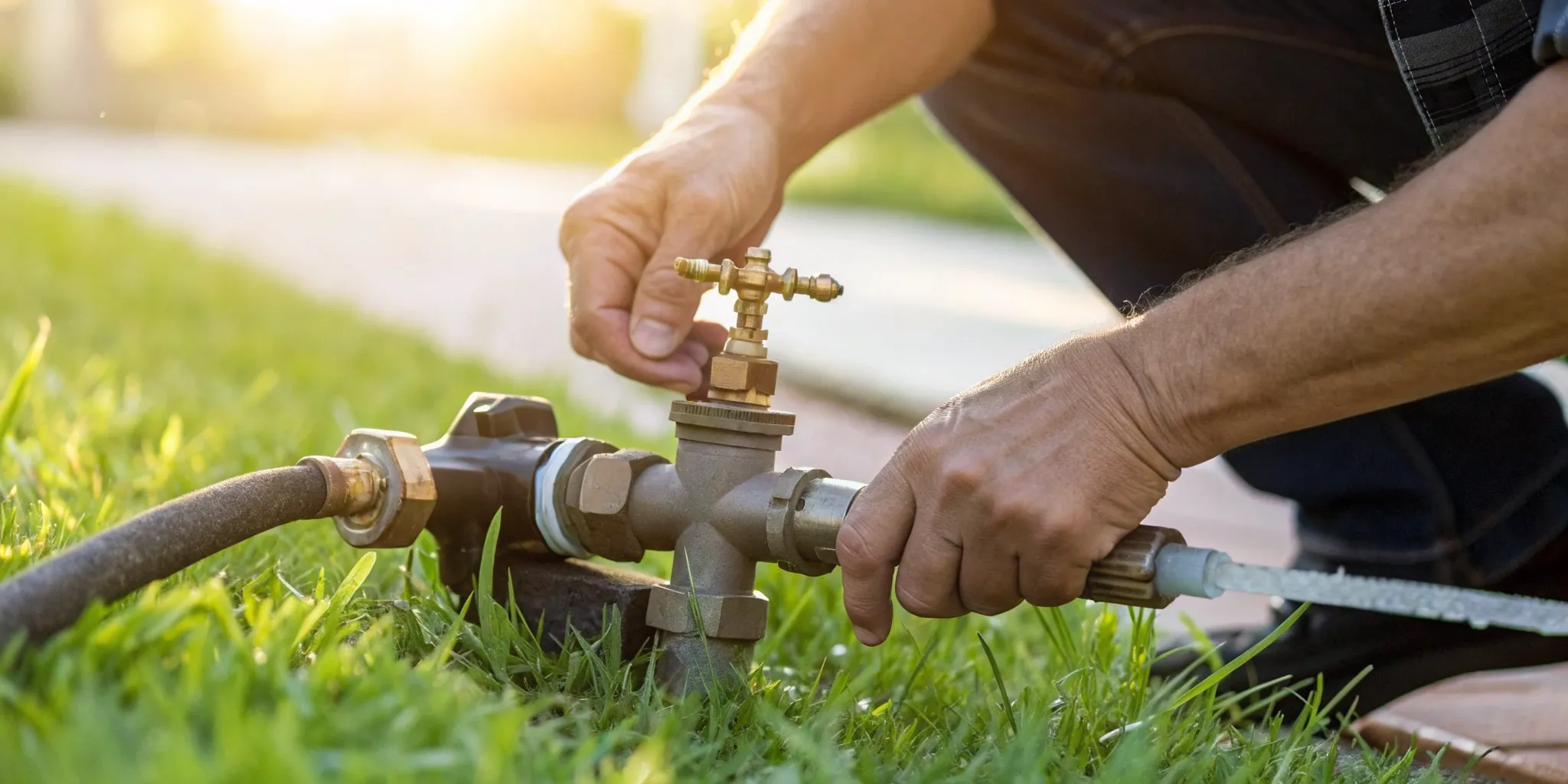
What actually happens during a backflow test? A certified technician will connect a specialized and calibrated gauge to the test ports on your backflow prevention device. They will then shut off the water supply to the device and manipulate its internal valves to simulate the pressure changes that would cause backflow. The gauge measures whether the internal checkpoints and valves are sealing correctly and preventing any water from flowing backward. The entire process is precise and ensures your device is ready to protect the water supply.
What’s the most common reason a backflow device fails its test? Most failures aren’t due to a major catastrophe. They are typically caused by simple wear and tear over time. Internal components like rubber seals and springs can degrade, or small pieces of debris from the water main can get lodged in the device, preventing it from closing completely. The good news is that these are often minor issues that a certified technician can repair on the spot, allowing your device to pass the test and keep your property compliant.
Can I perform the backflow test myself to save money? No, this is one job you can’t DIY. Washington State law requires that all official backflow tests be performed by a technician who holds a current Backflow Assembly Tester certification. This ensures the individual has the proper training and uses highly specialized, calibrated equipment to get an accurate reading. The results must be officially submitted to the water authority, which is a process only a certified professional can handle.
How long will the test take, and will my water be shut off? A standard backflow test is usually quite fast, often taking less than 30 minutes to complete. Your water will need to be shut off during the test, but only to the specific line that the backflow device serves. For an irrigation system, this won’t affect the water inside your home or building. For a main line device, the technician will coordinate with you to perform the test at a time that causes the least disruption to your home or business operations.