















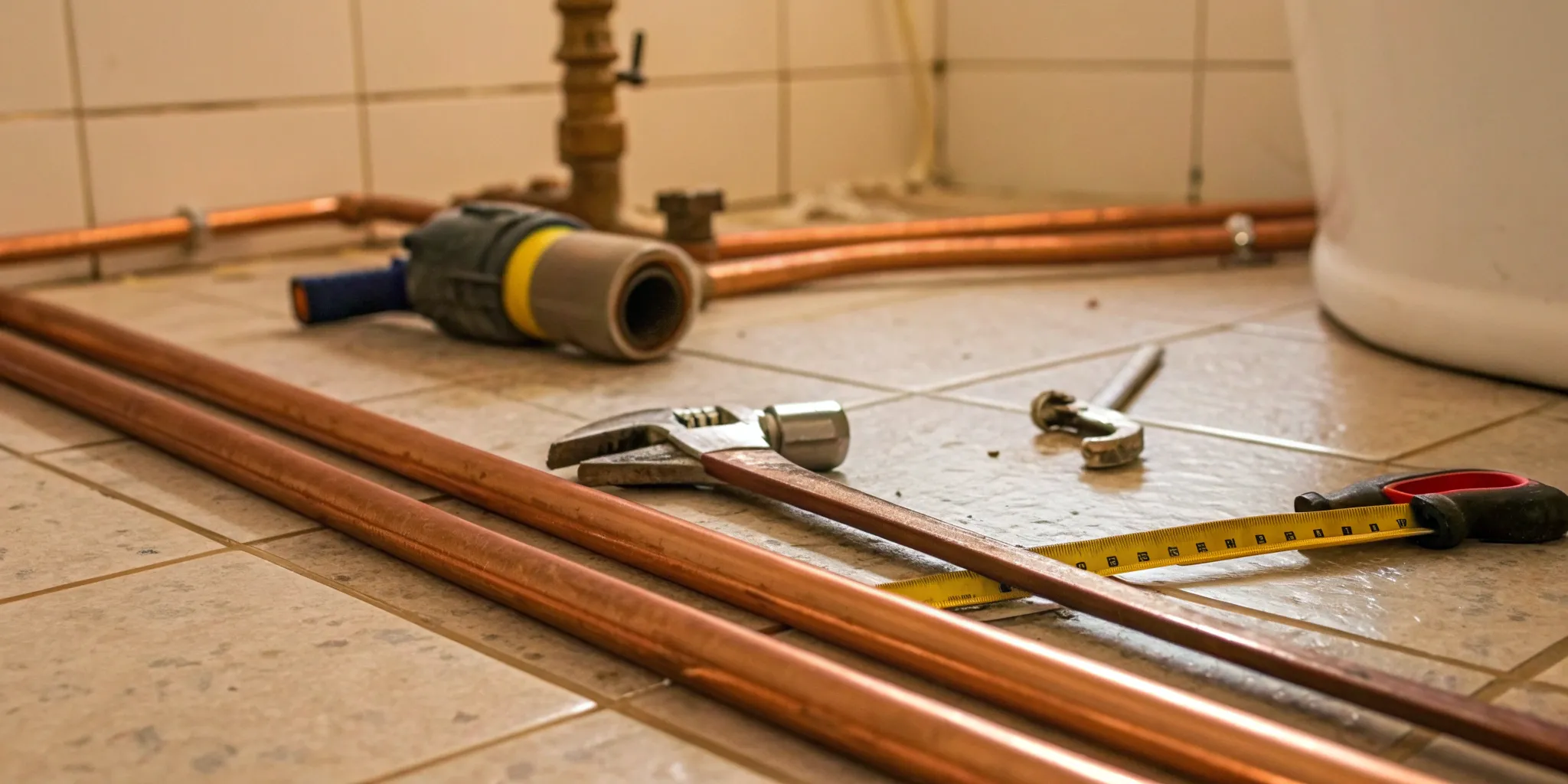
You’ve spent hours scrolling through design ideas, pinning your favorite tiles, and dreaming of a spa-like retreat. But when it comes to turning that vision into reality, one practical question always comes up: what’s the budget? Specifically, what is the cost to replumb a bathroom? It’s the invisible part of the remodel, but it has a huge impact on the final price tag. Whether you’re just updating old pipes or completely changing the layout, getting a handle on the potential costs is essential. Let’s walk through the numbers, from fixtures to labor, so you can build your dream bathroom on a budget that works for you.
Key Takeaways
- Your Budget is Shaped by Four Key Factors: The final cost of your project comes down to the bathroom’s size, the pipe materials you choose (like PEX or copper), the price of your new fixtures, and whether you change the layout. Moving fixtures is a complex job that will always increase the price.
- Plan Ahead to Keep Costs in Check: The best way to manage your budget is to get multiple detailed quotes, stick with your bathroom’s current layout if possible, and set aside an extra 15-20% as a contingency fund for any surprises you might find behind the walls.
- Leave the Complex Work to a Professional: While you can handle simple cosmetic updates, any job that involves changing pipes inside walls or floors requires a licensed plumber. This ensures the work is safe, up to code, and won’t lead to expensive leaks or water damage later on.
What’s the Cost to Replumb a Bathroom?
Thinking about a bathroom remodel? One of the biggest questions on your mind is probably about the cost, especially when it comes to the plumbing. Replumbing a bathroom is a significant update that involves replacing old supply and drain lines, and it’s a key part of ensuring your new space functions perfectly for years to come. The final price can swing quite a bit depending on your project’s scope, but understanding the typical costs can help you budget with confidence.
The total expense for a full replumb depends on everything from the size of your bathroom to the materials you choose. Whether you’re just updating old pipes or completely changing the layout, getting a handle on the potential costs is the first step. Let’s break down what you can expect to invest in your residential plumbing project.
Breaking Down Costs by Bathroom Size
The size of your project is the first thing that will shape your budget. A simple powder room will naturally cost less to replumb than a large primary bathroom with multiple sinks and a separate tub and shower. According to national averages from Angi, the rough-in plumbing for a single bathroom costs around $6,500, but the range is wide—from $3,000 to $20,000.
To give you a clearer picture, here’s how the costs generally scale based on the number of bathrooms being worked on:
- 1 Bathroom: $1,600–$2,900
- 2 Bathrooms: $3,200–$5,800
- 3 Bathrooms: $4,800–$8,700
These figures cover the basic pipe installation, but remember that your specific layout and fixture choices will also play a big role in the final number.
What Influences the Final Price Tag?
Beyond the size of the room, several key factors will determine your final bill. The materials you choose are a big one; durable copper pipes typically range from $4 to $12 per foot, while flexible PEX pipes are a more affordable option at $1.50 to $4 per foot. Labor is another major component, with professional plumbers charging between $45 and $200 per hour.
Your home’s layout, the need for permits (which can cost $30 to $500), and whether you’re moving fixtures all add to the complexity and cost. If your remodel involves a new plumbing fixture installation in a different spot, that will require more work and materials than a simple replacement in the same location.
What Factors Drive Up Replumbing Costs?
When you’re planning a bathroom remodel, the plumbing is one of the biggest variables in your budget. The final price tag isn’t just about buying a new faucet; it’s a combination of materials, labor, and the complexity of the job itself. Understanding these key factors from the start can help you set a realistic budget and avoid surprises down the road.
Think of it like this: replacing a toilet in its existing spot is a straightforward task. But what if you want to move that toilet to the other side of the room? Suddenly, the project involves rerouting drain lines and water supply pipes, which requires more time, skill, and materials. From the type of pipes you choose to the size of your bathroom, every decision has a financial impact. Let’s break down the main elements that will influence the total cost of your bathroom replumbing project.
How Pipe Materials Impact Your Budget
The pipes hidden behind your walls play a huge role in your budget. Your choice often comes down to a balance between upfront cost and long-term durability. For example, copper pipes are known for their longevity, often lasting 50 to 80 years, but they come at a higher price point. On the other hand, PEX piping is a more affordable and flexible option that’s resistant to rust. Another budget-friendly choice is CPVC, which handles high heat and pressure well. Making an informed decision on pipe materials with your plumber can help you manage costs effectively.
Understanding Labor Costs and Project Scope
Labor is one of the most significant expenses in any plumbing project. Plumbers typically charge by the hour, and the rate can vary based on their experience and the complexity of the work. The more intricate your project—like a complete layout change versus a simple fixture swap—the more hours it will take. This is why a detailed project scope is so important. When you get a quote for your residential plumbing project, it should clearly outline all the work to be done, giving you a better handle on the estimated labor time and overall cost.
The Impact of Bathroom Size and Fixtures
It makes sense that a larger bathroom with more fixtures will cost more to replumb than a small powder room. A primary bathroom with a double vanity, toilet, shower, and separate tub has far more plumbing connections than a simple half-bath. Each fixture requires its own supply and drain lines, adding to both material and labor costs. The cost to replumb a home with one bathroom is significantly less than a home with three. This is a key reason why a plumbing fixture installation for a large, multi-fixture bathroom requires a bigger budget.
Dealing with Tricky Layouts and Structural Issues
If your remodel involves changing the bathroom’s layout, be prepared for higher costs. Moving a fixture isn’t as simple as sliding it over; it requires rerouting the water and drain lines within the walls and floor. According to Fixr, relocating a toilet or sink can add hundreds or even thousands of dollars to your project. Sometimes, this work can also uncover hidden problems like old water leak damage or structural elements that need to be worked around. These unexpected challenges can increase the time and complexity of the job, ultimately driving up the final price.
A Look at Pipe Material Costs
The pipes hidden behind your walls are one of the biggest variables in your replumbing budget. The material you choose affects not only the upfront cost but also the long-term performance and durability of your bathroom’s plumbing system. Think of it as the foundation of your project—getting it right is essential. While you might be focused on the shiny new faucet or the perfect tile, the pipes are doing all the heavy lifting, quietly ensuring everything works as it should. Making the right choice here can save you from headaches and costly repairs years from now.
The three most common materials you’ll encounter are PEX, copper, and CPVC. Each has a distinct price point and a unique set of benefits. PEX is a flexible, modern option that often saves on labor costs, while copper is the classic, ultra-durable choice that’s been trusted for generations. CPVC stands as another affordable and reliable alternative. Understanding the differences will help you have a more informed conversation with your plumber and make a choice that fits your home, your needs, and your budget. A professional can help you weigh the pros and cons for your specific residential plumbing project, ensuring your new system is built to last.
PEX: The Flexible, Budget-Friendly Choice
If you’re looking for a modern and cost-effective option, PEX is likely at the top of the list. PEX, or cross-linked polyethylene, is a flexible plastic tubing that has become incredibly popular in residential plumbing. Its cost typically runs between $1.50 to $4 per foot. The real savings, however, often come from the installation. Because PEX is so flexible, it can be snaked around corners and through walls without needing as many fittings, which reduces both material and labor time. It’s also highly resistant to rust and corrosion and is less likely to burst if your pipes freeze, which is a great feature for Spokane homes.
Copper: The Durable, Premium Option
Copper is the gold standard in plumbing for a reason. It’s a premium material that costs more upfront—usually between $4 to $12 per foot—but it’s an investment in longevity. Copper pipes are incredibly durable and have a proven lifespan of 50 to 80 years, sometimes even longer. They are naturally resistant to corrosion and won’t leach any harmful chemicals into your water. While the initial cost is higher, its strength and reliability mean you’re less likely to face issues down the road. If you’re planning to stay in your home for the long haul and want peace of mind, copper is an excellent choice that can prevent future needs for water leak repair.
Exploring CPVC and Other Alternatives
Another strong contender in the budget-friendly category is CPVC (chlorinated polyvinyl chloride). Priced similarly to PEX at $1.50 to $3.25 per foot, CPVC is a rigid plastic pipe that’s resistant to corrosion and can handle both high heat and water pressure. It’s a step up from standard PVC pipe, which is only suitable for cold water lines. CPVC is a reliable and affordable alternative to copper, making it a practical choice for many bathroom remodels. Deciding between PEX and CPVC often comes down to the specific layout of your bathroom and your plumber’s recommendation. A professional can provide the best guidance for your home’s unique needs, whether it’s for a simple fixture update or a complex water heater installation.
Budgeting for New Fixtures and Installation
Once the old pipes are out, it’s time for the fun part: choosing new fixtures. This is where your bathroom’s personality really comes to life, but it’s also a major part of your budget. The costs can vary wildly depending on your style, the materials you choose, and the complexity of the installation. Let’s break down what you can expect to spend on the essentials so you can plan your project without any surprises.
How Much for a New Toilet?
A new toilet is a must-have in any bathroom replumb. Budget-wise, you’re looking at a range from about $350 to $3,500. On the lower end, you’ll find standard, reliable models that get the job done. As you move up in price, you’ll see options with features like dual-flush technology for water savings, comfort-height seats, or even smart toilets with heated seats and bidet functions. Your choice will depend on your priorities—whether you’re focused on basic function, water efficiency, or a touch of luxury.
Pricing Sinks, Faucets, and Vanities
The sink and vanity area is often the focal point of the bathroom. For the sink alone, prices can range from $300 for a simple drop-in model to over $5,500 for a high-end console or vessel sink made from premium materials. Faucets typically add another $225 to $475 to the bill, with the finish and brand influencing the final cost. Vanities have the widest price spectrum, so it’s important to shop around to find one that fits both your storage needs and your budget. Together, these pieces set the tone for the entire room.
The Cost of a New Shower or Tub
Deciding between a shower, a tub, or a combination unit is a big decision for your bathroom’s layout and your budget. A new shower installation generally costs between $1,500 and $3,500. A simple acrylic insert will be on the more affordable side, while a custom-tiled shower with a glass door will be at the higher end. If you prefer a relaxing soak, a new bathtub will run you between $1,500 and $2,900. The material, size, and features like whirlpool jets will all play a role in the final price.
Splurge vs. Save: Choosing Your Fixtures
When you’re picking out fixtures, it’s tempting to go for the cheapest option to save money. However, it’s important to think about long-term value. Cheaper materials in wet areas can lead to costly repairs and replacements down the road. A well-made faucet or a durable tub might cost more upfront, but it will save you headaches later. The key is to plan your budget carefully and decide where to invest. Professional plumbing fixture installation ensures everything is set up correctly, protecting your investment and giving you peace of mind.
How Much Does It Cost to Move Plumbing?
Dreaming of a new bathroom layout? Maybe you want to shift the toilet to a more private corner or move the sink to make way for a double vanity. While changing your bathroom’s floor plan can completely transform the space, it’s important to understand that moving plumbing fixtures is a much bigger job than simply swapping them out. It involves rerouting the water supply and drain lines hidden within your walls and floors, which is a complex task that requires professional skill to get right. This isn’t just about connecting a new faucet; it’s about re-engineering a part of your home’s circulatory system.
The cost to move plumbing can vary widely based on how far you’re moving a fixture, the type of foundation you have (slab vs. crawl space), and what’s inside your walls. A simple move of a few inches along the same wall will be much more affordable than relocating a fixture to the opposite side of the room. That’s why getting a detailed quote for your specific residential plumbing project is so important for creating an accurate budget. A professional plumber can assess the situation, identify potential challenges, and give you a clear picture of the costs involved, helping you weigh your design dreams against the practicalities of the work.
The Cost to Move a Toilet
Moving a toilet is often a key part of a bathroom remodel, but it comes with a specific set of challenges. You can expect the cost to range from $550 to $3,900. This price typically covers the work of relocating both the water supply line and the main waste line—a large pipe that has strict requirements for slope and placement to ensure proper drainage. The final cost depends heavily on the distance of the move and the accessibility of the plumbing. If your plumber has to cut through a concrete slab foundation to move the drain, the price will be on the higher end of that spectrum.
Repositioning Your Sink and Vanity
If a new vanity is on your wishlist, you might also be thinking about moving the sink. The cost to reposition a bathroom sink can fall anywhere between $540 and $6,100. This estimate usually includes the labor for moving the hot and cold water lines and the drain pipe, plus the cost of a new sink. Moving a sink along the same “wet wall” where the plumbing already exists is a relatively straightforward job. However, moving it to an entirely new wall requires more extensive work, which will increase the overall cost of your plumbing fixture installation.
The Challenge of Relocating a Shower or Tub
Of all the fixtures, the shower or tub is usually the most challenging and expensive to relocate. The cost to move shower or tub plumbing typically ranges from $1,740 to $4,100. This is because you’re not just moving one pipe; you’re moving three separate lines for hot water, cold water, and the main drain. This process almost always requires opening up walls and potentially the floor, which adds significant labor and subsequent repair costs to the project. Given the complexity, it’s a job where professional expertise is crucial to avoid future issues like poor drainage or hidden leaks.
What Are the Hidden Costs of Replumbing?
You’ve picked out your beautiful new fixtures, you have a quote for the plumbing work, and you feel ready to go. But then, surprise costs start popping up. It’s a common story with any home renovation, and replumbing a bathroom is no exception. The final bill often includes more than just pipes and labor. These “hidden” costs aren’t about contractors trying to trick you; they’re just the less-glamorous, often overlooked parts of the job that are essential for getting it done right.
From administrative paperwork to repairing the demolition required to access your pipes, these expenses can quickly inflate your budget if you aren’t prepared. Thinking about these potential costs ahead of time helps you create a more realistic budget and prevents that sinking feeling when an unexpected expense arises. Let’s walk through some of the most common costs that can catch homeowners by surprise, so you can plan for them from the start and ensure your residential plumbing project goes smoothly.
Don’t Forget Permits and Inspections
Before any pipes are touched, you’ll likely need to get a permit from the city. It might seem like just another piece of paperwork, but permits are crucial. They ensure the work is done to local safety codes, which protects your home and your family. The cost for these permits can vary, but you can generally expect to pay somewhere between $30 and $500. Your plumber should be able to tell you exactly what’s required for your project and can often handle the application process for you. It’s a small but non-negotiable step to make sure your new plumbing is safe, compliant, and up to standard.
Dealing with Water Damage and Mold
One of the most common reasons for a replumb is an old, leaky system. Unfortunately, where there are leaks, there’s often water damage. When your plumber opens up the walls, you might find more than just old pipes. Discovering damp drywall, rotting wood, or mold is a definite possibility. Addressing these issues is not optional. The cost for mold removal can start around $500, and significant water damage repairs can be much more. If you suspect you have existing issues, it’s smart to have a professional assess the situation. Tackling any water leak repair and resulting damage is critical for the health of your home.
Repairing Walls and Floors
Plumbing pipes are hidden behind your walls and under your floors for a reason—it looks nicer that way. But to replace them, your plumber needs to get to them. This almost always means cutting into drywall or, in some cases, removing flooring or tile. Once the new plumbing is installed, those surfaces need to be repaired. This is a cost that many homeowners forget to factor in. The expense will depend on the extent of the demolition and the type of materials used, but it’s a necessary step to get your bathroom looking finished and new again. As many homeowners share, patching up the access points is a standard part of the process.
Factoring in Delivery and Disposal Fees
Your replumbing project involves bringing in new materials and hauling away the old ones. New toilets, tubs, and vanities need to be delivered, and your old, worn-out fixtures and pipes need to be disposed of properly. While these charges might not always be listed as separate line items on your invoice, they are factored into the overall project cost. Some contractors call this a “tear-out” fee. To avoid any surprises, it’s a good idea to ask your plumber upfront how they handle the delivery and disposal of materials. Knowing this will give you a clearer picture of the total investment required for your bathroom remodel.
How to Save Money on Your Bathroom Replumb
A full bathroom replumb is a significant home improvement project, but it doesn’t have to drain your savings. With some smart planning and strategic decisions, you can manage the costs effectively while still getting the high-quality results you want. It’s all about knowing where you can save and where it’s worth investing. From choosing the right materials to keeping your layout simple, a few key choices can make a huge difference in your final bill. A successful, budget-friendly project isn’t about cutting corners; it’s about making informed choices that align with your priorities and financial goals. By focusing on value and long-term performance, you can ensure your new plumbing system serves you well for years to come without causing financial stress.
Thinking through your project beforehand helps you stay in control of the budget. Instead of making rushed decisions, you can approach your replumb with a clear plan. This means getting clear estimates, understanding the scope of the work, and preparing for those little surprises that home renovation projects are known for. A well-thought-out strategy will not only save you money but also reduce the stress that often comes with major home updates. Let’s walk through some practical, actionable steps you can take to keep your bathroom replumbing project on budget without compromising on the quality and safety of your home’s plumbing.
Get Multiple Quotes from Plumbers
Before you commit to any work, it’s a great idea to get a few different perspectives. We recommend talking to at least three licensed plumbers to get detailed price estimates for your project. This helps you get a feel for the market rate in Spokane and ensures you’re getting a fair price. When you review a quote, make sure it’s itemized, breaking down the costs for labor, materials, and any permits. Don’t just jump at the lowest price; consider the plumber’s experience, reputation, and the quality of materials they plan to use. A clear, professional quote is often a good sign you’re dealing with a trustworthy company.
Stick to Your Current Layout
One of the most effective ways to save money is to keep your bathroom’s existing layout. Moving a toilet, sink, or shower involves much more than just swapping out a fixture—it requires rerouting pipes within your walls and floors, which significantly increases labor costs. If your current layout functions well, you can create a fresh new look simply by updating the fixtures. A new vanity, toilet, or faucet can completely transform the space without the high cost of a major plumbing overhaul. A professional can handle the plumbing fixture installation quickly, giving your bathroom an instant upgrade.
Choose Your Materials Wisely
The type of pipes you use will have a direct impact on your budget. While copper has long been a standard for its durability, it’s also one of the more expensive options. For a more budget-friendly choice, ask your plumber about PEX piping. PEX is a flexible plastic pipe that is less expensive than copper and often quicker to install, which can also lower labor costs. It’s a reliable and popular material for modern residential plumbing. Discuss the pros and cons of different materials with your plumber to decide what makes the most sense for your home and your budget.
Plan for the Unexpected
Even with the most detailed plan, renovation projects can uncover surprises, especially in older homes. When you open up walls, you might find hidden water damage, mold, or old plumbing that isn’t up to code. To avoid derailing your budget, it’s smart to build a contingency fund. A good rule of thumb, recommended by experts at This Old House, is to set aside an extra 15% to 20% of your total project cost. This buffer gives you peace of mind, ensuring you can handle any unexpected water leak repair or other issues without financial stress.
DIY vs. Hiring a Pro: What to Know
One of the biggest questions during a bathroom remodel is what you can tackle yourself versus what requires a professional. While rolling up your sleeves can save you some cash on certain tasks, plumbing is one area where a small mistake can lead to a huge, expensive problem. Knowing where to draw the line is key to a successful project that doesn’t end in a water-logged disaster. Let’s break down which jobs are safe for a weekend warrior and when it’s time to call in the experts.
What You Can (Safely) DIY
If you’re handy and looking to cut costs, there are a few bathroom tasks you can likely handle. You can definitely save money by doing simple jobs yourself, like painting, swapping out a showerhead, or even replacing a toilet if the connections are already in place. Installing a new faucet or vanity can also be a manageable DIY project, as long as you’re just connecting to existing water supply lines and drains. These are generally low-risk updates where the potential for error is minimal and easily corrected. Just be sure to turn off the water supply first!
When to Call a Professional Plumber
When your project involves changing the plumbing behind the walls, it’s time to step aside and call a pro. Any kind of rough-in plumbing is a big job that needs special skills and a deep knowledge of building rules. This includes moving a toilet, relocating a shower, or running new water and drain lines. Even a seemingly simple plumbing fixture installation can get complicated if the new fixture doesn’t match the old setup perfectly. A licensed plumber has the tools and experience to get it right the first time, preventing leaks and ensuring proper function for years to come.
Staying Safe and Up to Code
Hiring a professional isn’t just about convenience; it’s about safety and compliance. Local building codes are incredibly specific—for example, toilets need at least 30 inches of space from side to side to meet the rules. A pro knows these requirements inside and out. More importantly, if you do the work yourself and make a mistake, your home insurance might not cover the resulting water damage, which could cost you thousands. A licensed and insured plumber protects you from that risk. They handle the permits, pass inspections, and guarantee their work, giving you total peace of mind for your residential plumbing project.
Common Budgeting Mistakes to Avoid
Creating a budget for a bathroom replumb can feel like trying to hit a moving target. But with a little foresight, you can avoid the common pitfalls that send costs spiraling. Getting your budget right from the start is about more than just numbers; it’s about setting realistic expectations and making smart choices that will save you headaches and money down the road. Let’s walk through the biggest budgeting mistakes homeowners make and how you can steer clear of them.
Don’t Underestimate the Scope
One of the biggest errors homeowners make is rushing into a bathroom project without a well-thought-out plan. What seems like a straightforward pipe replacement can quickly become more complex. Once you open up the walls, you might find old, corroded pipes that need a full replacement or discover hidden water damage that requires professional water leak repair. Underestimating the full scope of the project inevitably leads to unexpected costs and frustrating delays. Before you set a single number in your budget, take the time to understand every task involved, from demolition and pipe installation to drywall repair and painting.
Never Skip the Planning Stage
Jumping into a replumbing project without a detailed plan is a mistake that can cost you thousands. The planning stage is your best defense against budget overruns. This is where you map out everything: the new layout, the specific fixtures you want, the type of pipes you’ll use, and the timeline for the project. A thorough plan allows you to get accurate quotes and anticipate potential issues before they become expensive emergencies. Working with a professional on your residential plumbing plan can give you a realistic picture of the costs and help you build a budget that includes a contingency fund for those inevitable surprises.
Look Beyond the Price Tag
When you’re trying to stick to a budget, it’s tempting to choose the cheapest materials you can find. But opting for low-cost materials, especially in a wet area like a bathroom, can lead to much higher costs in the long run. Inexpensive faucets can leak, cheap pipes can burst, and a poorly made vanity can warp from the humidity. Investing in quality materials and professional plumbing fixture installation will save you from the expense and hassle of premature replacements and repairs. It’s better to spend a little more now on durable products that will stand the test of time than to pay for the same job twice.
Signs It’s Time to Replumb Your Bathroom
Deciding to replumb your bathroom isn’t a small choice, but sometimes it’s the smartest one you can make for your home. Ignoring the warning signs can lead to bigger, more expensive problems down the road, like water damage and mold. If you’re on the fence, think of it less as an expense and more as an investment in your home’s health and your own peace of mind. Knowing what to look for can help you make the call before a small issue becomes a full-blown emergency. Pay attention to these key indicators that your bathroom plumbing has seen better days.
Your Plumbing is Getting Old
Like everything else in your home, your pipes have a lifespan. If you live in an older house, especially one built before the 1970s, you might have galvanized steel pipes. Over time, these pipes corrode from the inside out, leading to restricted water flow and discolored, rusty water. While they were built to last, they weren’t meant to last forever. Even if you aren’t seeing major problems yet, aging pipes are a ticking time bomb. Proactively replacing them can prevent catastrophic leaks and protect your water quality. A professional inspection of your residential plumbing can tell you what kind of pipes you have and their current condition.
You Have Constant Leaks or Low Water Pressure
Are you playing a constant game of whack-a-mole with leaks under your sink or behind the toilet? While a single drip can often be a quick fix, recurring leaks in different spots are a red flag. This often points to widespread corrosion throughout your plumbing system. Similarly, if your shower feels more like a drizzle than a downpour, you might have low water pressure. This can be caused by mineral buildup and corrosion inside the pipes, which narrows the passage for water. While we can certainly handle an individual water leak repair, multiple issues often signal that the entire system is failing and a replumb is the most effective solution.
Repairs Cost More Than a Replacement
Take a look at what you’ve spent on plumbing repairs over the last year or two. If you’re frequently calling a plumber for clogs, leaks, or other issues, those costs add up quickly. At some point, it becomes more financially savvy to replace the system rather than continue patching it up. A full replumb is a significant project, but it solves the root of the problem for good. It also gives you the perfect opportunity to upgrade your bathroom’s look and function. When you’re already replacing the pipes, considering a new plumbing fixture installation for your sink, shower, or toilet makes a lot of sense and can add real value to your home.
Related Articles
- Remodeling Plumbing Spokane | Bathroom & Kitchen and More!
- Bathroom Remodel Spokane WA | Free Consultations
- Remodeling your Kitchen Plumbing: the essentials
- Here’s What You Need to Know About DIY Plumbing
- Why Is My Toilet Draining Into the Tub? What It Means and How to Fix It
Frequently Asked Questions
Is it always expensive to replumb a bathroom, or are there ways to keep costs down? While a full replumb is a significant investment, you have a lot of control over the final price. The most effective way to manage your budget is to keep your bathroom’s current layout. Simply updating fixtures in their existing spots avoids the high labor costs of rerouting pipes. You can also talk to your plumber about using cost-effective materials like PEX piping, which is a reliable and modern alternative to more expensive copper.
Why does moving a toilet or sink add so much to the cost? Moving a fixture involves much more than just the visible part you see. It requires a plumber to open up your walls and floors to reroute the water supply and drain lines. The drain line, in particular, has to be installed with a specific slope to function correctly. This turns a simple fixture swap into a more complex construction project, which naturally increases the time, labor, and materials needed to do the job right.
How can I tell if my bathroom needs a full replumb or just a few repairs? Think about the age and behavior of your plumbing. If your home was built before the 1970s, you likely have old pipes that are nearing the end of their life. Another major sign is having frequent issues—if you’re constantly dealing with leaks, clogs, or low water pressure in different spots, it often points to a systemic problem. When the cost of ongoing repairs starts to add up, a full replumb is often the more sensible long-term solution.
Do I really need a permit for a bathroom plumbing project? Yes, in most cases, a permit is required for any work that involves altering your home’s plumbing system. This isn’t just red tape; it’s a crucial step for your safety. A permit ensures that all the work is inspected and meets local building codes, which protects your home from potential hazards like leaks and water damage. A professional plumber will handle the permitting process for you, making sure everything is done correctly and to standard.
Is it worth paying more for copper pipes over something like PEX? This really comes down to your budget and long-term goals. Copper is a premium material known for its incredible durability, often lasting 50 years or more, making it a great long-term investment. PEX is a modern, flexible plastic pipe that is more affordable and often quicker to install, which saves money on both materials and labor. It’s also very reliable and resistant to corrosion. Both are excellent choices, so it’s best to discuss the pros and cons with your plumber to see which fits your specific project and budget.