













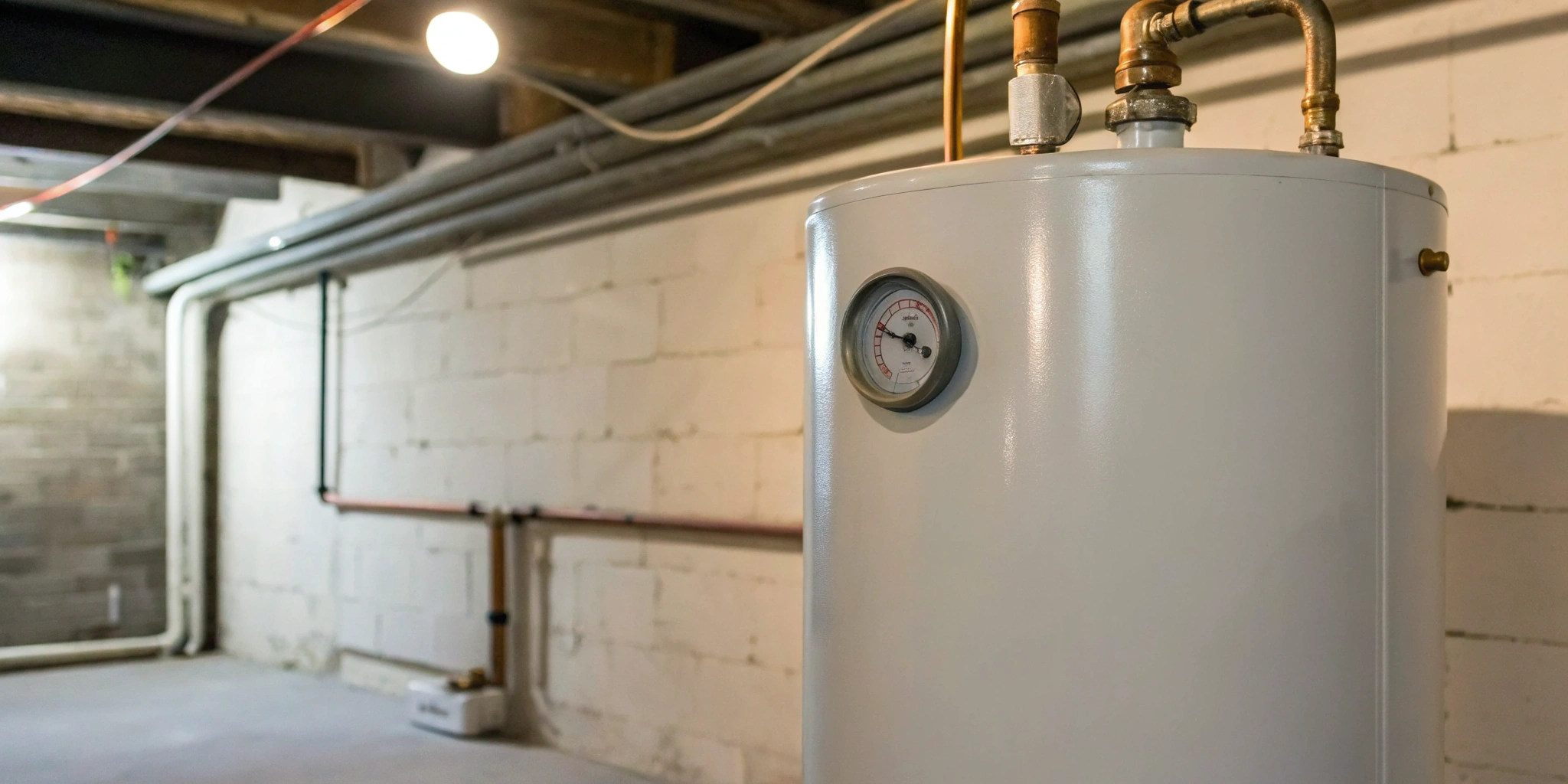
Think of yourself as a detective for your own home. Every so often, it pays to check on your hardest-working appliances to make sure everything is in good shape. When it comes to your water heater, a quick visual and auditory inspection can save you from a world of trouble. You don’t need to be a plumbing expert to spot the red flags. This guide is your checklist for how to tell if your water heater is broken, covering everything from the sounds it makes to the quality of the water it produces. Knowing what to look for empowers you to catch issues early, preventing potential water damage and ensuring you know exactly when it’s time to call a professional for a water leak repair.
Key Takeaways
- Listen to Your Water Heater: Strange noises, rusty water, and inconsistent temperatures aren’t minor quirks—they’re clear signals that your unit needs attention. Addressing these signs early can save you from a sudden breakdown and expensive water damage.
- Annual Maintenance Prevents Emergencies: The most effective way to handle a water heater problem is to stop it from happening. A yearly tank flush and professional inspection can significantly extend your unit’s lifespan and keep it running efficiently.
- Know When to Repair vs. Replace: Don’t sink money into a failing unit. If your water heater is over eight years old or a repair costs more than half the price of a new one, investing in a modern, efficient replacement is almost always the smarter financial decision.
Is Your Water Heater Failing? 6 Telltale Signs
Your water heater is one of those appliances you probably don’t think about until it stops working. But it often sends out warning signs before it fails completely. Paying attention to these signals can help you avoid a cold shower, a flooded basement, and a sudden, expensive replacement. If you notice any of these telltale signs, it’s time to take a closer look and decide on your next steps.
No Hot Water
This is the most obvious sign that something is wrong. If you turn on the tap and get nothing but cold water, or if the water never gets truly hot, your water heater is crying out for help. The issue could be a faulty thermostat or a broken heating element. For gas heaters, a pilot light that won’t stay lit is a common culprit. While it might be a simple fix, a complete lack of hot water often points to a significant problem that needs a professional diagnosis. Don’t just hope it fixes itself; it’s a clear indicator that your unit needs immediate attention from a pro.
Rusty or Murky Water
When you turn on the hot water tap, does the water look brown, orange, or have a metallic taste? This is a major red flag. Discolored water usually means the inside of your water heater tank is rusting. Anode rods are designed to prevent this, but they get used up over time. Once corrosion takes hold of the tank itself, there’s no going back. This internal rust can lead to leaks and total tank failure. If you see rusty water, it’s often a sign that you’ll need a new water heater installation sooner rather than later.
Strange Noises
Your water heater should operate fairly quietly. If you start hearing popping, rumbling, or banging sounds coming from the tank, it’s likely due to sediment buildup. Over the years, minerals from the water settle at the bottom of the tank, harden, and trap water underneath. When the burner kicks on, the water boils and makes these noises as it escapes. This sediment makes your heater less efficient, drives up energy bills, and can cause the tank to overheat and crack. A professional hot water heater repair can often resolve this, but ignoring it can lead to permanent damage.
Leaks and Puddles
Water pooling around the base of your water heater is never a good sign. Take a close look at the tank and its connections. While a leak could come from a fitting or the pressure relief valve, it often signals a crack in the internal tank. A slow drip can quickly turn into a major flood, causing extensive and costly damage to your home. If you find water, it’s time to act fast. A professional can determine the source of the leak and let you know if a repair is possible or if the unit is beyond saving.
Fluctuating Water Temperatures
Does your shower suddenly go from hot to lukewarm to cold and back again? Inconsistent water temperature is a common sign of a struggling water heater. This issue often points to a problem with the heating elements or the thermostat. Sediment buildup can also be a factor, as it displaces hot water in the tank. You shouldn’t have to guess what temperature your water will be. This inconsistency indicates that parts are wearing out and your unit is losing its ability to regulate heat properly, signaling that it’s time for a professional inspection.
Foul Odors
If your hot water smells like rotten eggs, you likely have bacteria growing inside your water heater tank. This is especially common for homes with well water. The smell is produced by a chemical reaction between the bacteria and the anode rod inside the tank. While sometimes flushing the tank can solve the problem, it often indicates that the anode rod has corroded and needs to be replaced. Ignoring the smell won’t make it go away and suggests your water heater isn’t as clean or effective as it should be, warranting a service call.
Your Water Heater’s Age: What You Need to Know
Like most appliances in your home, your water heater has a finite lifespan. Knowing its age is one of the best ways to stay ahead of potential problems, from a surprise cold shower to a messy leak. Think of it as a key piece of information that helps you plan for maintenance or a future replacement instead of reacting to an emergency. If you’ve ever wondered how old your unit is or how much longer it might last, you’re in the right place. Let’s walk through how to find its age and what to look for as it gets older.
How to Find Your Water Heater’s Age
Finding your water heater’s age is easier than you might think. Look for the manufacturer’s sticker on the side of the tank—it’s usually a large label with lots of technical information. On that sticker, you’ll find a serial number. The manufacturing date is typically encoded within the first few characters of this number. For example, a serial number starting with “0521” might mean it was made in the 21st week of 2005. While formats vary by brand, a quick search for your water heater’s brand and “how to read serial number” will give you a clear answer. This simple step gives you a baseline for its health.
Typical Lifespan for Gas vs. Electric Models
Most traditional tank-style water heaters, whether gas or electric, have a lifespan of about 8 to 12 years. If you have a tankless model, you can often expect it to last even longer, sometimes up to 20 years. However, this isn’t a hard and fast rule. Factors like the mineral content of your local water (hard water can be tough on appliances) and how well the unit has been maintained play a significant role. Here in Spokane, it’s common to see units start to fail around the 9 or 10-year mark. Regular maintenance can definitely help you get the most out of your investment.
Warning Signs of an Aging Unit
Once your water heater enters that 8-to-12-year window, it’s time to pay closer attention. An aging unit will often give you clues that it’s nearing the end of its service life. You might notice that your hot water doesn’t last as long, hear rumbling or popping sounds from the tank, or see small leaks forming around the base. If your unit is over a decade old and starts acting up, these aren’t just minor quirks—they’re signs that it’s time to start planning for a replacement. Getting ahead of a complete failure can save you from a major headache and potential water damage. Considering new water heater installations before your old one gives out is always a smart move.
Your DIY Water Heater Inspection Checklist
Giving your water heater a quick check-up every few months can help you spot trouble before it turns into a full-blown emergency. You don’t need to be a plumbing expert to do a basic visual inspection—just a flashlight and a few minutes of your time. This simple routine can save you from the headache of a sudden breakdown and give you peace of mind. Think of it as a health screening for one of your home’s hardest-working appliances. By knowing what to look for, you can catch small issues early and know exactly when it’s time to call in a professional for a closer look. It’s a small investment of time that can prevent costly damage and ensure you always have the hot water you need.
Check for Leaks and Corrosion
Start with a thorough visual scan around the base of your water heater. Any amount of water pooling on the floor is a major red flag. While a small drip from a valve might be a simple fix, water seeping from the bottom of the tank usually means it has an internal crack and needs to be replaced immediately. Next, run your flashlight over the tank and its connections, looking for any rust spots or corrosion. These patches are clear signs that the tank is starting to wear out from the inside. If you find any evidence of a leak, it’s best to get a professional opinion on the source and severity of the problem through a water leak repair service.
Test the Water Temperature and Quality
The water coming from your taps can tell you a lot about your heater’s health. If you turn on the hot water and it looks rusty, yellow, or has sediment in it, the inside of your tank is likely corroding. This often happens when the anode rod, a component that prevents rust, has worn out. Also, pay attention to the temperature. If your water isn’t getting as hot as it used to, or if it suddenly goes cold during your shower, you could have a faulty heating element or thermostat. These issues often require a professional hot water heater repair to diagnose and fix correctly.
Inspect the Anode Rod and Pressure Valve
Two key components for your water heater’s longevity and safety are the anode rod and the pressure relief valve. The anode rod is a metal rod that hangs inside the tank and sacrificially corrodes to protect the tank itself from rusting. The pressure relief valve is a critical safety feature designed to release pressure if it builds up too high. While checking the anode rod is a job for a pro, you can look at the pressure relief valve for any signs of dripping or corrosion. Regular maintenance checks are the best way to ensure these parts are working properly and keep your residential plumbing system in top shape.
Gas vs. Electric: Spotting Specific Problems
While many water heater issues are universal, some problems are specific to the type of unit you have. Gas and electric models operate differently, which means they have their own unique sets of quirks and common failure points. Understanding what to look for based on your heater type can help you pinpoint the problem much faster. It’s like knowing whether to check the battery or the gas tank when your car won’t start—it just narrows down the possibilities.
Whether you have a gas or electric model, knowing the specific signs of trouble can save you from a cold shower. Below, we’ll break down the most frequent issues for each type so you can play detective before calling in a pro.
Common Issues with Gas Heaters
If you have a gas water heater, the most common culprit behind a lack of hot water is the pilot light. This small, continuous flame is responsible for igniting the main burner. If it goes out, you can often relight it yourself by following the manufacturer’s instructions. However, if the pilot light repeatedly extinguishes, it points to a deeper problem, like a faulty thermocouple or an issue with the gas supply. Problems with the gas line are serious, so it’s best to have a professional handle any potential gas line repair and installations. Inconsistent water temperature is another classic gas heater issue, often signaling a problem with the thermostat.
Troubleshooting Electric Heaters
With electric water heaters, a total loss of hot water is frequently an electrical issue. Before you panic, check your home’s circuit breaker. A tripped breaker is a common and easy fix. If the breaker is fine, the problem could be a faulty thermostat or a burned-out heating element. Another frequent issue is sediment buildup inside the tank, which can reduce efficiency, cause strange noises, and even lead to discolored water. While you can flush the tank yourself, a thorough hot water heater repair service can ensure all the sediment is cleared out and check the heating elements at the same time.
Found a Problem? Here’s What to Do Next
So, you’ve spotted one of the warning signs and suspect your water heater is on the fritz. Before you start worrying about cold showers, taking a few clear, methodical steps can help you manage the situation safely and figure out your next move. Acting quickly can prevent a small issue from turning into a major headache. Whether it’s a simple fix or a sign you need professional help, here’s how to handle it.
First, Take These Safety Steps
Your safety is the top priority. If you suspect a serious problem, especially a leak or a strange smell, you need to act immediately. Before you do any investigating, shut down the unit to prevent further damage or potential hazards. For an electric water heater, find its corresponding switch in your home’s circuit breaker panel and turn it off. For a gas heater, you’ll need to turn the gas shut-off valve, which is usually located on the gas line leading to the unit. After cutting the power or gas, turn off the water supply. There should be a valve on the cold water pipe that feeds into the heater; turn it clockwise until it stops.
Simple Fixes You Can Try
Once the unit is safely shut down, there are a few minor issues you might be able to identify on your own. If you have an electric model and it simply stopped heating, the first thing to check is your circuit breaker. Sometimes, a tripped breaker is all that’s standing between you and a hot shower. You can also check the thermostat on the unit. It’s possible it was accidentally turned down or has a faulty component. For issues like strange noises, sediment buildup is a common culprit. While a full tank flush is best left to the pros, it highlights how regular maintenance can prevent problems before they start.
Know When to Call Action Craft Experts
While it’s great to rule out simple issues, many water heater problems require a professional touch. If you’re dealing with no hot water at all, rusty water coming from your taps, or visible leaks around the tank, it’s time to call for help. These are signs of more significant problems that aren’t safe to handle on your own. A professional can diagnose the issue and determine if you need a hot water heater repair or a full replacement. A good rule of thumb is the 50% rule: if the cost of a repair is more than half the price of a new unit, it’s usually more economical to invest in a new one. Our team can help you weigh the options and handle new water heater installations quickly and efficiently.
Why You Shouldn’t Ignore Water Heater Problems
It’s tempting to add “check the water heater” to the bottom of your to-do list, especially when the problem seems minor. A little noise or a small puddle might not feel urgent, but when it comes to water heaters, small issues can escalate into major disasters surprisingly quickly. Putting off a simple check-up can lead to costly damage, higher utility bills, and even safety risks for your family. Understanding what’s at stake can help you prioritize your water heater’s health and know when to call for professional help.
The Risk of Water Damage
One of the most significant risks of a failing water heater is extensive water damage. A slow drip might seem harmless, but any water pooling around your unit is a clear warning sign. While a leak from a valve can sometimes be a straightforward fix, water seeping from the bottom of the tank often indicates a crack and an imminent failure. Before you know it, that small puddle can turn into a flood, ruining your floors, soaking drywall, and destroying personal belongings stored nearby. Prompt water leak repair is crucial to prevent a small problem from becoming a full-blown restoration project.
Higher Bills and Bigger Repair Costs
A faulty water heater doesn’t just threaten your home with water damage—it also hits your wallet. As water heaters age, they lose efficiency, forcing them to work harder and use more energy to heat the same amount of water. This directly translates to higher gas or electric bills each month. If you’re constantly scheduling repairs, the costs can add up. A good rule of thumb is if a repair will cost more than half the price of a new unit, it’s often more economical to invest in a replacement. Continuing to patch up an old, inefficient model can end up costing you more in the long run than simply installing a new water heater.
Potential Safety and Health Hazards
Beyond property damage and financial strain, a neglected water heater can pose serious safety and health risks. For instance, that rotten egg smell coming from your hot water isn’t just unpleasant; it can signal bacteria growing inside the tank. Moisture from persistent leaks can also encourage mold and mildew growth, which can affect your home’s air quality and your family’s health. If you have a gas model, a malfunction could lead to a dangerous gas leak. Problems with the temperature and pressure relief valve are also a major concern, as a faulty valve can create a risk of the tank bursting. These aren’t issues to take lightly, and they require immediate professional attention.
Prevent Problems with Regular Maintenance
The best way to deal with a water heater problem is to prevent it from happening in the first place. A little regular maintenance goes a long way in keeping your unit running efficiently and can help you avoid a surprise cold shower or a costly emergency. Think of it as a quick health check-up for one of your home’s hardest-working appliances. These simple steps can extend the life of your water heater, save you money on energy bills, and give you peace of mind.
Flush the Tank Annually
Over time, sediment like minerals and sand settles at the bottom of your water heater tank. This buildup can reduce your heater’s efficiency, cause corrosion, and create those popping or rumbling sounds. Flushing the tank once a year clears out this gunk, allowing your unit to heat water more effectively. While some homeowners tackle this themselves, it can be a messy job. If you’d rather not deal with draining a large tank of hot water, our team can handle your hot water heater repair and maintenance needs quickly and cleanly.
Check and Replace the Anode Rod
Inside your water heater tank is a hidden hero called the anode rod. Its job is to sacrifice itself by attracting corrosive elements in the water, which keeps the steel tank from rusting out. This small component is crucial for extending the life of your water heater. The rod should be inspected every few years and replaced when it’s mostly worn away. Since checking and replacing an anode rod can be a tricky job that requires shutting off the water and power, it’s a task best left to a professional plumber to ensure it’s done safely and correctly.
Test the Pressure Valve and Temperature
Your water heater has a temperature and pressure (T&P) relief valve, a critical safety feature that releases pressure if it builds to dangerous levels. You should test this valve annually to ensure it’s working. Simply lift the lever for a few seconds to let some water out, then let it snap back into place. If it doesn’t release water or keeps leaking afterward, it needs immediate replacement. For any issues with your T&P valve or if you need help with new water heater installations, it’s always safest to call a professional.
Repair or Replace? Making the Right Call
When your water heater starts acting up, you’re faced with a big question: is it better to fix the problem or invest in a whole new unit? It’s a tough call, especially since it involves a significant expense either way. The right choice isn’t always obvious and depends on a few important details, like your heater’s age, the specific issue it’s having, and the cost of the potential repair.
Think of it as a practical decision. Sometimes, a simple fix is all you need to get a few more years of reliable service. Other times, paying for a repair is just putting a temporary patch on a problem that’s bound to get worse. By looking at the age of your unit, the frequency of breakdowns, and the potential savings from a more efficient model, you can make a smart choice for your home and your budget. An honest assessment from a professional can give you the clarity you need to decide with confidence.
Key Factors to Consider
Two of the biggest factors in this decision are age and cost. Most traditional tank water heaters have a lifespan of about 8 to 12 years. If your unit is in that range or older, replacement is often the smarter long-term move. The second factor is the cost of the fix. A good rule of thumb is that if a repair will cost more than 50% of the price of a new water heater, it’s usually more economical to replace it. A professional can diagnose the issue and give you a clear quote for a hot water heater repair, helping you weigh your options.
The Benefits of a New, Efficient Model
While the upfront cost of a new water heater is higher, the long-term benefits can be substantial. Modern water heaters are significantly more energy-efficient, which translates directly into lower monthly utility bills. Upgrading to a new model, especially a tankless one, can also mean a much longer lifespan—some last for 20 years or more with proper care. Investing in one of our professional water heater installations means you get a reliable, efficient system that adds value to your home and provides peace of mind for years to come.
Are Frequent Repairs a Sign?
If you feel like you’re on a first-name basis with your plumber because of your water heater, it’s a strong sign that it’s time for a replacement. Needing repairs more than once a year often indicates that the unit is nearing the end of its life. These recurring issues are not just inconvenient; the costs can add up quickly, and you might be spending money on a unit that’s destined to fail completely. Instead of continuing to pay for fixes, putting that money toward a new, reliable water heater is a much better investment for your home’s residential plumbing system.
Handling a Water Heater Emergency
A sudden water heater failure can feel overwhelming, but knowing what to do can prevent a small problem from turning into a major disaster. Some issues are more than just an inconvenience—they’re emergencies that require immediate action to protect your home and family. If you spot any of the serious red flags below, it’s time to act fast. Taking a few key safety steps can make all the difference while you wait for a professional to arrive. Here’s how to identify a true emergency and what to do to secure the situation safely.
Red Flags That Mean It’s an Emergency
Some water heater problems are too serious to ignore. If you see a puddle forming around the base of your tank, you likely have a leak that needs immediate attention to prevent serious water damage. Another major red flag is rusty or discolored water coming from your taps, which signals that the inside of your tank is corroding and could fail completely. Loud banging or rumbling sounds are also a cause for concern, as they often mean sediment buildup is causing the unit to overheat. And of course, a complete loss of hot water could mean a critical component has failed. Any of these signs mean it’s time for an emergency hot water heater repair.
How to Shut Off Your Water Heater Safely
If you suspect a water heater emergency, your first priority is safety. Before you do anything else, you need to shut the unit down. Here’s how:
- Cut the power or gas. For an electric model, go to your breaker box and flip the switch for your water heater. For a gas model, find the gas valve on the supply line leading to the unit and turn it to the “Off” position.
- Turn off the water supply. Locate the cold water inlet pipe, which is usually at the top of the tank. Turn the valve on this pipe clockwise until it stops. This will prevent more water from entering the tank and worsening a potential leak.
Once you’ve taken these steps, the immediate danger is managed. Now, you can safely call a professional for your residential plumbing needs.
Related Articles
- 5 Warning Signs You Need a New Water Heater
- How to Keep Water Heater from Freezing in Cold Weather
- 3 Reasons Why Your Gas Heater is Malfunctioning
Frequently Asked Questions
How do I know if I should repair my water heater or just replace it? The two biggest factors here are age and cost. If your water heater is approaching the 10-year mark and the repair bill is close to half the cost of a new unit, replacement is almost always the smarter financial move. An older unit, even after being fixed, is more likely to have other parts fail soon. Investing in a new, more efficient model can save you from future headaches and lower your monthly energy bills.
Is a noisy water heater really a serious problem? Yes, you should take strange noises seriously. That rumbling or popping sound you hear is caused by a layer of hardened mineral sediment at the bottom of the tank. This forces your heater to work much harder to heat the water, which wastes energy and can cause the tank to overheat and crack. Think of it as a clear warning that your unit is under stress and needs professional attention before the damage becomes permanent.
My water heater is over 10 years old but seems to be working fine. Should I still consider replacing it? It’s great that your unit has lasted so long, but a water heater over a decade old is living on borrowed time. The risk of a sudden and messy failure increases significantly with each passing year. Being proactive allows you to choose a new model on your own terms, rather than making a rushed decision during an emergency. Plus, you’ll benefit from the improved energy efficiency of a modern unit right away.
What’s the very first thing I should do if I find my water heater is leaking? Your immediate priority is to prevent further damage. First, shut off the power or gas supply to the unit. For an electric model, flip the corresponding switch in your circuit breaker box. For a gas model, turn the shut-off valve on the gas line. Once the fuel source is off, turn off the water supply by turning the valve on the cold water pipe that leads into the tank. After you’ve done this, you can safely call a professional.
How often does my water heater need professional maintenance? Having your water heater professionally inspected and serviced once a year is the best way to keep it running safely and efficiently. During a maintenance visit, a technician can flush out sediment, check the anode rod for corrosion, and test the safety valves. This simple annual check-up can extend the life of your unit and catch small issues before they turn into costly emergencies.