















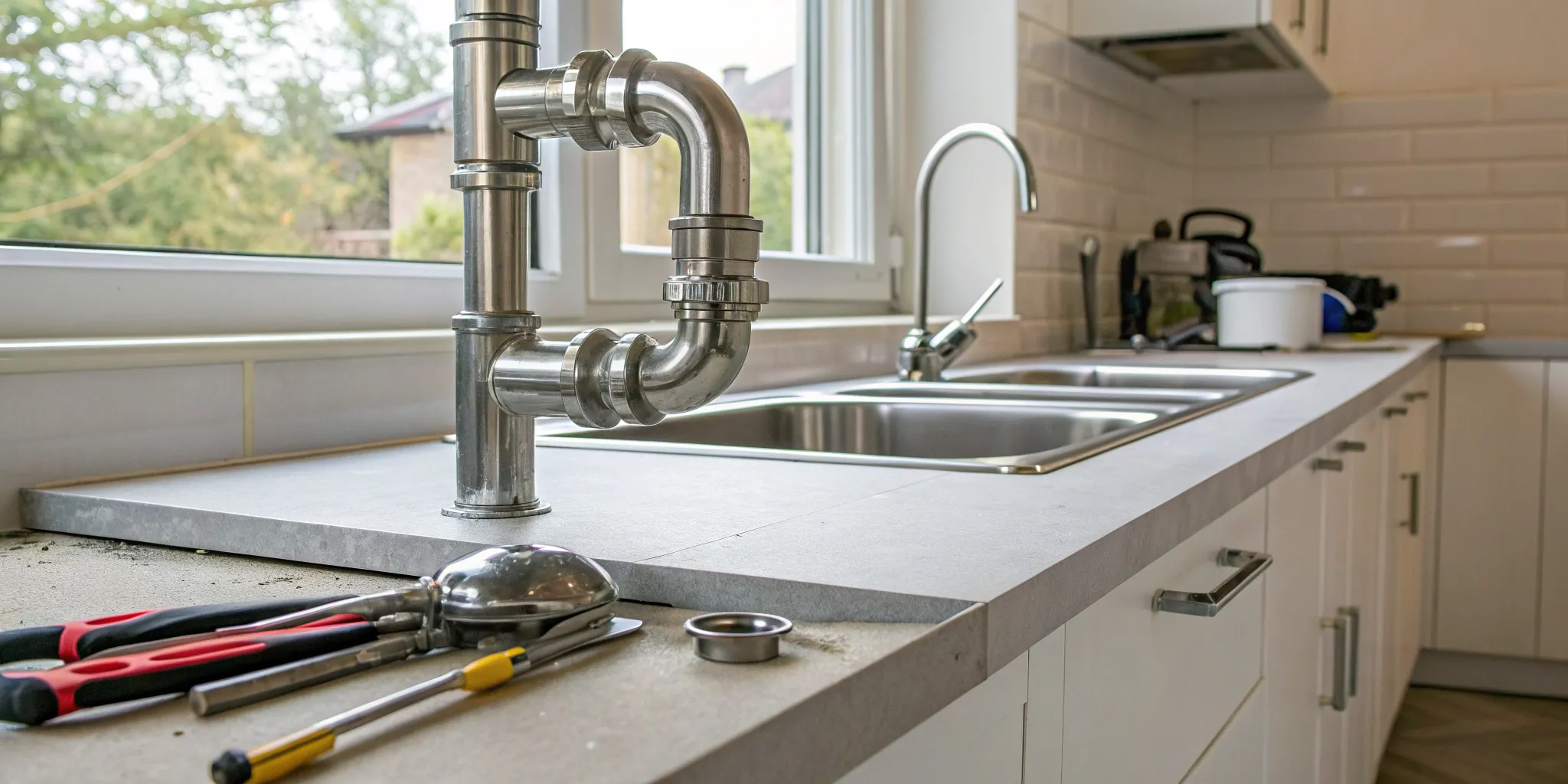
The layout of your kitchen has a huge impact on your daily routine. If you’re constantly walking around an awkwardly placed sink or wishing your dishwasher was closer to your cabinets, your plumbing is likely the culprit. A kitchen remodel gives you the power to fix these frustrations for good. While picking out new countertops and cabinets is exciting, the most transformative changes often happen behind the walls. By moving kitchen plumbing to a new location, you can create a seamless workflow that makes cooking and cleaning feel effortless. It’s a significant undertaking, but this article will break down everything you need to know, covering the costs, permits, and key considerations for a successful project.
Key Takeaways
- Relocate Plumbing to Create Your Ideal Kitchen: Moving your sink or dishwasher is the key to achieving a more functional layout, making room for new appliances, and designing a workflow that truly suits your needs.
- Success Lies in the Unseen Details: A successful plumbing move depends on getting the technical details right, like the precise drain slope and proper vent connections. These hidden elements are crucial for preventing future clogs and ensuring your new kitchen functions flawlessly.
- Invest in a Pro to Avoid Costly Mistakes: While DIY seems cheaper, a single error can lead to thousands in water damage. Hiring a licensed plumber is an investment in safety, code compliance, and getting the job done right the first time, especially when dealing with gas lines.
Why Move Your Kitchen Plumbing?
A kitchen remodel is one of the most exciting home improvement projects you can take on. It’s your chance to create a space that truly works for you and your family. But as you browse inspiration photos and sketch out new floor plans, you might run into a big question: what about the plumbing? Moving sinks, dishwashers, and gas lines can feel like a huge undertaking, but it’s often the key to getting the kitchen you really want. Whether you’re dreaming of an open-concept space or just a more practical layout, rerouting your plumbing can make all the difference.
Making changes to your home’s core systems is a significant step, but it’s a common part of any major renovation. The goal is to improve your home’s functionality, convenience, and long-term value. When you’re investing in a new kitchen, ensuring the plumbing supports your vision is just as important as picking out the right cabinets or countertops. With careful planning, moving your kitchen plumbing can be a smooth process that sets the stage for a beautiful and efficient new space. Our team is experienced in all aspects of residential plumbing in Spokane, and we can help you figure out the best approach for your project.
To Fit Your New Kitchen Layout
Sometimes the existing plumbing dictates your entire kitchen design, forcing you into a layout that’s awkward or outdated. Moving your plumbing frees you from those constraints. Have you always wanted a large island with a prep sink in the middle of your kitchen? Or maybe you’d like to move your main sink under a window to get more natural light while you do dishes. Relocating the water and drain lines is what makes these modern, functional designs possible. A well-planned layout not only looks better but also makes your kitchen feel more spacious and inviting. It’s a change that enhances both the room’s aesthetics and its everyday usability, and it often starts with a new plumbing fixture installation.
To Make Room for New Appliances
Kitchen appliances have come a long way, and your current plumbing setup might not support the latest technology. For example, adding a pot filler above your new stove requires running a new water line. Maybe you want to install a second dishwasher, an under-counter ice maker, or a high-end coffee machine with a dedicated water supply. Even moving your refrigerator can be complicated if it has a built-in water dispenser or ice maker. By planning to move your plumbing, you can accommodate these upgrades and ensure they are installed correctly and safely. This is also a great time to upgrade older appliances, like getting a new garbage disposal installation to go with your new sink setup.
To Create a Better Workflow
Think about how you move around your kitchen when you’re cooking a meal. The path between your sink, stove, and refrigerator is often called the “kitchen work triangle,” and an efficient layout can make meal prep and cleanup much easier. If your current setup has you walking back and forth across the room just to rinse vegetables or fill a pot, moving your sink or dishwasher could dramatically improve your workflow. Imagine having your dishwasher right next to your cabinets for easy unloading, or your main sink centrally located for easy access. These adjustments can make your daily routines feel more seamless and less like a chore, all while ensuring your pipes have the proper slope for effective drain cleaning services.
What Are the Challenges of Moving Kitchen Plumbing?
Moving your kitchen sink or dishwasher might seem like a simple change on paper, but the network of pipes behind your walls tells a different story. Relocating kitchen plumbing is often more complex than homeowners expect because it involves an entire system of interconnected pipes for water supply, drainage, and venting. Even shifting a sink a few feet can require significant adjustments to this hidden infrastructure. The biggest challenges usually involve ensuring proper drainage, connecting to the vent system, navigating your home’s foundation, and correctly tying into the existing plumbing lines. Tackling these issues requires careful planning and professional expertise to avoid future problems like clogs, leaks, or even structural damage. Understanding these potential hurdles is the first step in planning a successful kitchen remodel that functions as beautifully as it looks, helping you set a realistic budget and timeline for your project.
Getting the Drainage and Slope Right
One of the most critical parts of moving a sink is making sure the new drainpipe has the right downward slope. Your plumbing relies on gravity to carry wastewater away, and the drain line needs a specific pitch—typically a quarter-inch drop for every foot of pipe—to work effectively. If the slope is too shallow, waste and water will sit in the pipe, leading to clogs and bad odors. If it’s too steep, the water can rush past solid waste, leaving it behind. A professional plumber knows how to calculate the perfect angle to prevent future drain cleaning emergencies and ensure your new sink drains smoothly from day one.
Dealing with the Venting System
Every drain in your home needs a vent pipe. This pipe is an unsung hero, allowing air to enter the drainage system, which prevents a vacuum from forming and lets water flow freely. Without proper venting, your sink will drain slowly, make gurgling sounds, and may release unpleasant sewer gases into your kitchen. When you move a sink, you also have to figure out how to connect it to the home’s venting system, which can be tricky. This often involves opening up walls or ceilings to run new pipes. Getting the venting wrong can cause major drainage problems down the road, so it’s a job best left to an expert who understands your home’s plumbing code requirements.
Working Around Your Foundation
Your home’s foundation can present a major obstacle, especially if you live in a house built on a concrete slab. Moving a sink or creating a kitchen island often requires rerouting pipes under the floor. If you have a concrete slab, this means cutting into the concrete, digging trenches for the new pipes, and then patching everything back up. This process is loud, messy, and can add significant cost to your project. It requires specialized equipment and a deep understanding of how to work with the foundation without compromising its integrity. A plumber experienced in residential plumbing can assess your foundation and determine the most effective and least destructive way to move your pipes.
Tying into Existing Plumbing Lines
Connecting your new plumbing to the existing water supply and drain lines isn’t always straightforward. The farther you move a fixture from its original location, the more complex the connection becomes. You can’t just add length to a pipe; you have to consider how the new configuration will affect water pressure and drainage throughout the rest of your system. A professional plumber will map out the best route for the new lines and ensure they are integrated seamlessly. Proper plumbing fixture installation ensures that your new setup works perfectly without causing unintended problems, like reduced water pressure at another faucet, in other parts of your home.
How Much Does It Cost to Move Kitchen Plumbing?
Okay, let’s talk about the budget. The cost of moving your kitchen plumbing can vary quite a bit, and it really depends on the scope of your project. Are you just shifting the sink a few feet, or are you completely reconfiguring the layout to create an island? The complexity of the job, the distance your pipes need to travel, and the materials you choose all play a big role in the final price tag. Think of it as an investment in your kitchen’s functionality and flow. To give you a clearer picture, let’s break down the main expenses you can expect.
Labor and Professional Fees
The biggest chunk of your budget will likely go toward labor. Hiring a licensed plumber is essential for a job like this, and their expertise is what you’re paying for. Generally, you can expect to pay between $650 and $1,500 to have a single plumbing line rerouted. This covers the plumber’s time to safely disconnect, move, and reconnect your pipes. Keep in mind this price typically doesn’t include the cost of opening up and repairing drywall, so be sure to factor that into your overall remodel budget. Using professional residential plumbing services ensures the job is done right the first time.
Material and Equipment Costs
Next up are the materials. The cost for new pipes usually runs from $3 to $10 per linear foot, depending on whether you use PEX or copper. You’ll also need to account for fittings, valves, and other connectors that make it all work. This is also the time to think about the fixtures themselves. If your remodel includes a new sink, faucet, or garbage disposal, those costs will be part of the equation. Choosing your new plumbing fixtures early can help you get a more accurate estimate for your project.
Permits and Inspections
In most areas, including Spokane, moving plumbing lines requires a permit from the city. This isn’t just red tape; it’s a crucial step to ensure all the work is done safely and up to local building codes. The cost of the permit itself can vary, but it’s a non-negotiable part of the process. A qualified plumber can manage the entire permitting process for you, from filing the application to scheduling the final inspection. This saves you a major headache and gives you peace of mind that your new kitchen plumbing is compliant and safe for your family.
Potential Hidden Costs
Every remodel has the potential for surprises, and plumbing is no exception. Once your plumber opens up the walls, they might find pre-existing issues that need attention, like old, corroded pipes or an unexpected water leak. Other potential costs can come from needing to update the ventilation system for your new layout or working around structural elements inside the walls or floor. It’s always a smart idea to set aside a small contingency fund—about 10% to 15% of your total budget—to cover any unexpected repairs that might pop up along the way.
Do You Need a Permit to Move Kitchen Plumbing?
If you’re planning to move your kitchen sink, dishwasher, or refrigerator water line, you’re probably wondering if you need to get the city involved. The short answer is almost always yes. Moving plumbing isn’t like swapping out a light fixture; it involves altering your home’s essential water supply and drainage systems. A permit ensures that the work is done correctly and safely, protecting your home’s value and your family’s health.
Think of a permit as a form of quality control. It guarantees that any changes meet local safety standards, preventing future issues like leaks, sewer gas back-ups, or drainage problems. While it might seem like an extra step, securing a permit is a crucial part of a successful kitchen remodel. It’s the official green light that says your project is compliant, safe, and built to last.
Understanding Local Building Codes
Every city and county has its own set of rules for plumbing work, and Spokane is no exception. Local building codes dictate everything from the type of pipes you can use to the required slope for your drain lines. These regulations are in place to ensure your plumbing system functions efficiently and safely. Relocating kitchen plumbing lines requires a systematic approach to ensure compliance with local regulations.
Familiarizing yourself with these specific codes is critical. What’s acceptable in one area might be a code violation in another. This is where a professional plumber’s expertise becomes invaluable. They are well-versed in local requirements and can make sure your project is up to snuff from day one, avoiding costly mistakes and rework down the line.
How to Apply for a Permit
The thought of applying for a permit can feel a bit daunting, but it doesn’t have to be. In most places, a licensed plumber can and should handle the entire permit process for you. They know exactly what paperwork is needed, what plans to submit, and who to coordinate with at the local permitting office. This takes the burden off your shoulders and ensures everything is filed correctly.
Engaging a professional not only simplifies the process but also provides peace of mind that all work will be compliant with the law. When you hire a team for your residential plumbing in Spokane, they will typically include the permit application as part of their service, making the experience smooth and stress-free for you.
What to Expect During Inspections
Once the permit is issued and the initial plumbing work is complete—but before the walls are closed up—an inspector will need to visit your home. The purpose of the inspection is to verify that the new plumbing installation meets all safety and code standards. The inspector will check the pipe connections, drain slope, venting, and overall quality of the work.
This isn’t something to be nervous about; it’s a standard procedure that protects you as the homeowner. A successful inspection confirms that the job was done right. If you’ve hired a qualified plumber, they will be confident in their work and will coordinate the inspection to ensure everything passes without a hitch, allowing your remodel to move forward.
Avoiding Common Code Violations
Trying to sidestep the permit process or hiring an unlicensed contractor can lead to some serious headaches. Common code violations include using improper materials, creating an incorrect slope for drainage (which can cause clogs), or failing to install proper venting (which can lead to sewer gases entering your home). These mistakes aren’t just inconvenient; they can be hazardous.
Failing to adhere to local codes can result in fines, difficulty selling your home in the future, and the expensive task of tearing out finished walls to correct the errors. The best way to avoid these issues is to work with a professional from the start. A licensed plumber will ensure every aspect of the job is done by the book, saving you from costly and stressful problems.
How to Prepare for Your Plumbing Move
A successful kitchen plumbing move is all about the prep work. Before any walls are opened or pipes are cut, taking the time to plan thoroughly can save you from major headaches and unexpected costs down the road. Think of it as creating a detailed roadmap for your project. By mapping out your new layout, selecting the right materials, and bracing for the temporary disruption, you set the stage for a smooth and successful renovation. Let’s walk through the key steps to get you ready.
Plan Your New Layout
This is where your dream kitchen starts to take shape. Before you do anything else, map out exactly where you want everything to go. Think about how you use your kitchen. Where will the sink be most functional? Will the dishwasher be right next to it for easy loading? If you’re adding an island sink or a pot filler, how will that affect the room’s flow? Sketching out your ideas helps you visualize the space and identify potential issues early on. A well-thought-out plan is crucial for a kitchen that not only looks great but also works for your lifestyle. Consulting with a professional on your residential plumbing needs at this stage can confirm if your vision is practical and code-compliant.
Choose the Right Materials
The pipes hidden behind your walls are just as important as the beautiful faucet you picked out. Choosing the right materials is essential for a durable, long-lasting plumbing system. For water supply lines, PEX is a popular choice because it’s flexible, corrosion-resistant, and easier to install in tight spaces. Copper is another reliable, long-lasting option. For drain lines, PVC is common and affordable, but it can’t be used for hot water. A professional can help you select the best materials based on your home’s existing plumbing and Spokane’s local building codes. This ensures your new plumbing fixture installation is built to last.
Prepare for the Disruption
Let’s be real: moving plumbing is a disruptive process. Your kitchen will be a construction zone for a little while, and it’s best to prepare for it. This means your water will likely be shut off for periods, and you’ll have workers and dust in your home. Plan ahead by setting up a temporary kitchen station in another room with a microwave, coffee maker, and mini-fridge. Cover furniture in adjacent areas to protect it from dust. If your project involves moving a gas range, you’ll also need a certified professional to handle the gas line repair and installations, which adds another layer to the coordination.
Common Mistakes to Avoid When Prepping
A little foresight can help you sidestep some common remodeling pitfalls. One of the biggest mistakes is choosing cheap materials to save a few dollars upfront; this often leads to costly repairs later. Another is forgetting to get the necessary permits, which can halt your project and lead to fines. It’s also crucial not to overlook your current plumbing layout—understanding where your pipes are now is key to planning where they can go. Finally, avoid underestimating the complexity of the job. What looks like a simple pipe move can quickly become complicated, which is why it’s wise to get professional help to prevent issues like a future water leak repair.
Should You DIY or Hire a Professional Plumber?
The temptation to tackle a kitchen plumbing project yourself is understandable. It seems like a great way to save money and take pride in your remodel. However, moving water lines, drains, and vents is far more complex than swapping out a faucet. It requires a deep understanding of building codes, proper drainage, and venting systems. One wrong move can lead to slow leaks, sewer gas smells, or drainage problems that are costly to fix later. Before you pick up a wrench, it’s important to weigh the benefits of hiring a professional against the risks of going it alone.
Why You Should Hire a Pro
Moving kitchen plumbing is precise work. It’s not just about connecting pipes; it’s about understanding how the entire system works, from water pressure to the critical slope of drain lines. An experienced plumber ensures every connection is secure and graded to prevent future clogs. Getting it right improves your kitchen’s layout and convenience, which adds to your home’s long-term value. For complex projects, relying on a team that specializes in residential plumbing in Spokane is the best way to protect your investment and ensure flawless results.
Handling Gas and Electrical Lines
A kitchen remodel often involves more than just water pipes. If you’re moving a gas stove, you’ll be dealing with gas lines. This is where a DIY project can become genuinely dangerous. An improperly connected gas line can lead to a hazardous leak, posing a serious risk to your family. For this reason, any work on a gas line, including appliance hookups, should always be handled by a licensed professional. They have the training and tools to do the job safely and correctly.
DIY vs. Pro: A Cost Breakdown
While doing it yourself might seem cheaper, the potential for costly mistakes is high. A professional might charge between $650 and $1,500 to reroute a single line, but a small DIY error could lead to a hidden leak, causing thousands in water damage. Think of hiring a qualified plumber as an investment in getting the job done right the first time. You pay for their expertise and the guarantee that your new plumbing will work flawlessly. This helps you avoid expensive water leak repairs down the road.
How to Find a Qualified Plumber
The best first step in any kitchen remodel is to talk to a professional plumber before you start demolition. A qualified expert can review your plans, tell you what’s feasible, and provide a realistic cost estimate. They can also inspect your existing plumbing to identify any potential issues. When looking for a plumber, make sure they are licensed, insured, and have experience with kitchen remodels in the Spokane area. At Action Craft Experts, we can help you plan your project from start to finish, ensuring your new kitchen is both beautiful and functional.
Related Articles
- Remodeling your Kitchen Plumbing: the essentials
- Remodeling Plumbing Spokane | Bathroom & Kitchen and More!
- Cost to Replumb a Bathroom: A Complete Price Guide
Frequently Asked Questions
How long does a project like this usually take? The timeline for moving kitchen plumbing really depends on how complex your remodel is. A simple job, like shifting a sink a few feet along the same wall, might only take a day or two for the plumbing work itself. However, if you’re planning a major reconfiguration, such as adding a sink to a new island on a concrete slab foundation, the plumbing portion could take several days. This doesn’t include the time for demolition, inspections, and patching up walls, so it’s best to discuss the full scope with your plumber to get a realistic schedule.
Can I really move my sink anywhere, like to a new kitchen island? Yes, you absolutely can move your sink to a kitchen island, and it’s a very popular design choice! However, it is more complex than moving it along a wall. The main challenges are running the water supply lines and, more importantly, the drain and vent lines under the floor. This requires careful planning to ensure the drain has the correct slope to prevent clogs and is properly vented. A professional plumber can assess your home’s structure and map out the best way to make your island sink a reality.
What’s the very first step I should take if I’m considering moving my plumbing? Before you even think about demolition, your first step should be to consult with a licensed plumber. Have them come out to look at your kitchen and discuss your new layout ideas. An expert can tell you what is feasible, identify potential challenges with your home’s existing system, and give you a clear idea of the costs involved. This initial consultation is invaluable for creating a realistic plan and budget for your remodel.
Will moving my kitchen plumbing affect the water pressure in the rest of my house? When done correctly by a professional, moving your kitchen plumbing should not negatively impact the water pressure elsewhere in your home. A qualified plumber understands how to properly tie into the existing water supply lines, ensuring the new configuration doesn’t create bottlenecks or reduce flow to other fixtures. This is one of the key reasons why hiring an expert is so important—they can see the whole picture and protect your entire plumbing system.
Does the type of foundation my house has really make a big difference in the cost? It makes a huge difference. If your home has a crawlspace or basement, a plumber has relatively easy access to the pipes under the floor, making the job simpler and less expensive. If your house is on a concrete slab foundation, moving plumbing requires cutting into the concrete to lay new pipes. This process is significantly more labor-intensive and costly, so it’s a major factor to consider when budgeting for your kitchen remodel.