













Your home’s appliances often communicate in their own language, and your water heater is no exception. Are you hearing strange popping or rumbling sounds from the basement? Have you noticed your hot water looking a little rusty or running out faster than it used to? These aren’t just random quirks; they’re important clues. Ignoring them is like ignoring the check engine light in your car. This guide will help you become a home maintenance detective, teaching you how to interpret the evidence. We’ll cover the five most critical signs you need a new water heater, so you can solve the mystery before it turns into a crisis.
Key Takeaways
- Know the signs of a failing water heater: Your unit will give you clues before it breaks down. Watch for inconsistent water temperatures, rusty water, strange noises like popping or rumbling, and any visible leaks around the tank.
- Annual maintenance is essential for longevity: The most effective way to extend your water heater’s life is to have the tank flushed once a year. This removes mineral sediment that causes corrosion and inefficiency, helping you get the most out of your unit.
- Replace your water heater before it fails: Waiting for a complete breakdown often leads to expensive water damage and a stressful emergency. If your tank heater is over 10 years old and showing problems, planning for a new installation saves you money and protects your home.
How Long Should Your Water Heater Last?
It’s a question every homeowner asks eventually. You rely on your water heater every single day, but it’s easy to forget it’s there until something goes wrong. Knowing its expected lifespan helps you plan ahead and avoid the shock of a cold shower and a flooded basement. While there’s no single magic number, the lifespan of your water heater depends heavily on two key things: the type of unit you have and how well it’s been maintained over the years. A little knowledge here can save you a lot of headaches down the road.
Lifespan by Water Heater Type
The most common type of water heater is the traditional storage-tank model. These workhorses generally last between 8 and 12 years. If your tank heater is creeping past the 10-year mark, it’s wise to start thinking about a replacement. Waiting for it to fail completely can lead to a messy and expensive emergency. On the other hand, tankless water heaters have a significantly longer lifespan, often lasting 20 years or more with proper care. When it’s time to upgrade, considering different water heater installations can help you find a model that fits your home’s needs and your long-term budget.
What Makes a Water Heater Last Longer?
Just like your car, your water heater needs regular maintenance to reach its maximum lifespan. The single most important task is flushing the tank annually. This process removes mineral sediment that builds up at the bottom. Left unchecked, this sediment can cause corrosion, reduce efficiency, and lead to premature failure. Another critical component is the anode rod, a metal rod inside the tank that sacrifices itself to prevent rust. Having it checked and replaced when needed is essential. If you’re not comfortable doing this yourself, scheduling a routine hot water heater repair and maintenance check can extend the life of your unit and catch small issues before they become big problems.
5 Signs Your Water Heater Is About to Fail
Your water heater is one of those appliances you probably don’t think about until something goes wrong—like when you’re hit with an icy blast of water mid-shower. The good news is that most water heaters send out warning signals before they fail completely. Paying attention to these signs can save you from the headache of a sudden breakdown, potential water damage, and the stress of an emergency replacement. A catastrophic failure isn’t just an inconvenience; it can lead to significant flooding and costly repairs to your home.
If your water heater is over a decade old, it’s especially important to keep an eye on its performance. Age, sediment buildup, and general wear and tear can take their toll over the years. By learning to spot the early signs of trouble, you can make an informed decision about whether you need a simple fix or if it’s time to start planning for a new installation. Let’s walk through the five most common indicators that your water heater is on its way out. If any of these sound familiar, it might be time to call for a professional hot water heater repair to get a clear diagnosis.
You’re Running Out of Hot Water
Remember when you could take a long, hot shower without a care in the world? If those days feel like a distant memory and you’re now racing against the clock before the water turns cold, your water heater is trying to tell you something. Running out of hot water much faster than usual is a classic sign of a problem. Often, this is caused by a thick layer of sediment that has built up at the bottom of the tank. This mineral layer insulates the water from the heating element, forcing it to work harder and less effectively. It could also be a sign of a faulty heating element that can no longer keep up with your household’s demands.
Your Water Temperature Is Unpredictable
One day your shower is lukewarm, and the next it’s scalding hot. If you can’t get a consistent temperature from your taps, your water heater is likely struggling. This fluctuation is often caused by a malfunctioning thermostat or a failing heating element that can’t regulate the temperature properly. Not only is this frustrating, but it can also be a safety hazard, especially if you have young children or elderly family members in the house. You shouldn’t have to guess what temperature the water will be. If your hot water is all over the place, it’s a clear signal that your unit needs a professional inspection.
The Water Looks or Smells Strange
Your hot water should always be clear and odorless. If you turn on the tap and see cloudy, sandy, or rust-colored water, take it seriously. This discoloration often means the inside of your water heater tank is corroding. Those rusty bits you see are pieces of the tank itself breaking off and mixing with your water supply. You might also notice a metallic smell or taste. This is a major red flag because it indicates the structural integrity of the tank is compromised. A corroding tank will eventually spring a leak or, in a worst-case scenario, burst.
You Notice Strange Noises
Your water heater should operate relatively quietly. If you start hearing loud or unusual sounds coming from the tank, it’s time to investigate. Popping, rumbling, or banging noises are typically caused by sediment buildup. Over time, minerals from hard water settle at the bottom of the tank and harden. When the burner kicks on, water trapped beneath this layer of sediment boils and tries to escape, creating those popping and crackling sounds. This process puts a lot of stress on the tank and can lead to cracks and leaks. These noises are a sign that your heater is working inefficiently and is at risk of failure, making it a good time to consider new water heater installations.
Your Energy Bills Are Creeping Up
Have you noticed your gas or electric bills slowly getting higher without any obvious reason? Your aging water heater could be the culprit. As sediment builds up and parts wear out, the unit has to run longer and work harder to heat the same amount of water. This inefficiency means it consumes more energy, which directly impacts your utility bills. Take a look at your statements from the last few months. If you see a steady increase that doesn’t line up with your usage habits or a change in seasons, your water heater is likely losing its efficiency and nearing the end of its life.
Listen for These Water Heater Noises
Your water heater should be a silent workhorse, quietly doing its job in the background. So, when it starts making strange sounds, it’s time to pay attention. These noises are more than just an annoyance; they’re often the first audible signs that your water heater is struggling. In most cases, the culprit behind the racket is sediment buildup. Over time, minerals like calcium and magnesium that are naturally present in your water settle at the bottom of the tank.
As this layer of sediment gets thicker, it creates a barrier between the heating element and the water. This forces your heater to work harder, wastes energy, and puts a huge amount of stress on the tank itself. Ignoring these sounds can lead to a less efficient unit, higher utility bills, and eventually, a total system failure—which could mean a messy and expensive leak. Listening to your water heater and understanding what the sounds mean can help you address the problem before it becomes a catastrophe.
Popping and Crackling
If your water heater sounds like it’s making popcorn, you’re likely dealing with sediment buildup. This distinct popping or crackling noise happens when water gets trapped underneath the layer of mineral deposits at the bottom of the tank. The heating element at the base heats that trapped water, causing it to boil and turn to steam. The bubbles then burst through the sediment layer, creating that signature popping sound. While it might sound harmless, it’s a clear indication that your heater is struggling to function properly and is losing efficiency.
Rumbling and Banging
A low rumble or a loud bang coming from your water heater is a more aggressive version of the popping sound and points to a more significant sediment problem. As the mineral layer gets thicker and hardens, your water heater has to work even harder to heat the water. The rumbling is the sound of the tank vibrating under the strain, while loud bangs can occur as large steam bubbles violently escape the hardened sediment. These noises mean your water heater is under serious stress, which can weaken the tank’s structure over time.
What Those Sounds Are Telling You
Ultimately, whether you hear popping, rumbling, or banging, your water heater is sending a clear message: there’s a problem with sediment buildup. This accumulation not only makes your unit less efficient but also accelerates wear and tear on the tank. The constant overheating at the bottom of the tank can weaken the metal, leading to cracks and leaks. If you hear any of these sounds, it’s a good idea to schedule a professional inspection. A plumber can assess the situation and determine if a hot water heater repair is possible or if it’s time to consider a replacement.
Find and Address Water Heater Leaks
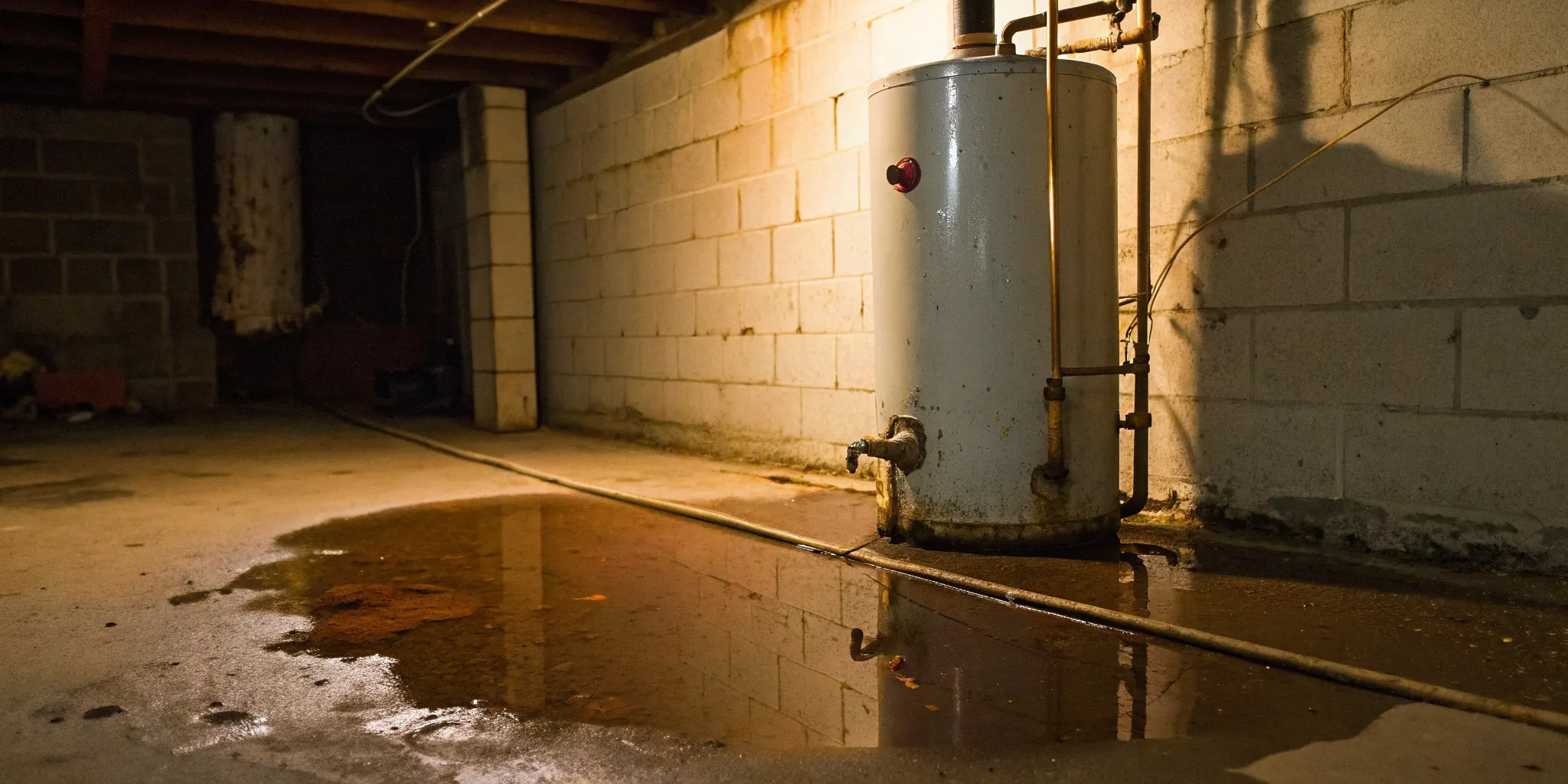
A puddle of water around your water heater is one of the most straightforward signs that something is wrong. While a catastrophic burst is what many people fear, most water heaters start leaking slowly. The key is to catch these small drips before they turn into a major flood. Even a minor leak can cause significant water damage to your floors, subfloors, and walls, and it’s a clear signal that your water heater’s internal tank has likely failed. Ignoring it isn’t an option, as the problem will only get worse. Taking a few minutes to inspect your unit regularly can save you a massive headache and a lot of money down the road.
Where to Check for Leaks
Leaks can spring from several different places on your water heater, so it’s good to know where to look. Start by checking the connections at the top of the tank where the cold water inlet and hot water outlet pipes are. From there, inspect the temperature and pressure (T&P) relief valve on the side. Also, take a look at the drain valve near the bottom of the tank. Sometimes, these fittings can loosen or fail over time. Finally, carefully examine the base of the tank itself. If you see water pooling here, it often means the inner tank has corroded and is leaking, which is a sure sign you need a replacement.
Spotting Signs of Water Damage
If you see any water leaking around your water heater, even small drips, it’s a big problem that needs to be fixed quickly. The most obvious sign is a puddle on the floor, but sometimes the evidence is more subtle. Look for rust streaks running down the side of the tank, which can indicate a slow leak from a fitting or a seam. Check for water stains or discoloration on the floor around the unit. You might also notice a damp, musty smell in the area. Any of these signs point to a moisture problem that requires immediate attention to prevent mold growth and structural damage.
What to Do Immediately
Finding a leak can be stressful, but a few quick actions can prevent a disaster. Any leak means something is wrong, and you likely need a professional. First, shut off the power to the water heater. For an electric model, head to your circuit breaker. For a gas heater, turn the control knob to the “Off” position. Next, turn off the water supply by turning the handle on the cold water pipe that leads into the tank. Once you’ve contained the immediate threat, it’s time to call for help. A professional can assess the situation and handle the necessary water leak repair safely.
Is Rust a Red Flag?
When you see rust on old garden tools, you might not think twice. But when it comes to your water heater, rust is a major warning sign that shouldn’t be ignored. It’s a clear signal of corrosion, which can weaken your system from the inside out and lead to serious problems. Ignoring rust can set you up for a catastrophic failure—think a burst tank and a flooded basement.
The good news is that rust often gives you a heads-up before things get that bad. Knowing where to look and what to look for can help you catch the problem early. Whether it’s showing up in your water or on the unit itself, treating rust as a red flag is the first step to preventing a much bigger, more expensive mess down the road. A little bit of rust on a pipe fitting might seem minor, but it’s often the first symptom of a slow leak that could eventually cause significant water damage to your floors, subfloors, and drywall. Taking it seriously now can save you from a major headache later.
Signs of a Corroding Tank
If you turn on your hot water faucet and get a stream of brownish, discolored water, that’s a big clue. It almost always means the inside of your water heater’s tank is corroding. Your tank has a part called an anode rod that is designed to sacrifice itself to prevent the tank from rusting. Over the years, this rod dissolves. Once it’s gone, the water starts eating away at the steel tank itself. This not only affects your water quality but also compromises the tank’s structural integrity, making a leak or burst inevitable. If your water is rusty, it’s time to schedule a professional hot water heater repair inspection to see what’s going on.
Checking Pipes and Connections for Rust
Rust doesn’t just appear on the inside. You should also take a close look at the exterior of your water heater, paying special attention to the pipes and fittings. Check the cold water inlet and hot water outlet pipes at the top of the unit for any signs of rust or corrosion. This often indicates a slow leak that has been dripping for a while. Even a tiny amount of moisture can cause rust to form on the connections. A small leak is a clear sign that a fitting is failing, and it’s a problem that will only get worse. Catching it early and getting a water leak repair can prevent serious water damage to your home.
Don’t Fall for These Water Heater Myths
When it comes to home appliances, water heaters seem to attract a lot of questionable advice. From money-saving “hacks” to maintenance shortcuts, it can be tough to separate fact from fiction. Believing the wrong thing can lead to more than just a cold shower—it can result in costly damage, inefficient performance, and even safety hazards. Let’s clear the air and bust a few of the most common myths I hear about water heaters. Understanding the truth about how your system works is the first step toward keeping it running safely and efficiently for years to come. Before you follow a tip from a well-meaning neighbor or a random online forum, let’s look at what the experts have to say about these persistent misconceptions.
The Myth of Easy DIY Fixes
I love a good DIY project, but water heater repair isn’t one of them. These appliances are more complex than they look, combining high-pressure water, electricity, and sometimes natural gas. Attempting a fix without the right training can easily make the problem worse or create a serious safety risk. A small mistake could lead to a major leak, electrical shock, or even a gas line issue. Instead of spending your weekend watching tutorial videos and hoping for the best, it’s much safer and more effective to call for professional hot water heater repair. A licensed plumber has the specialized tools and knowledge to diagnose the issue correctly and fix it safely the first time.
“Tankless Means No Maintenance”
Tankless water heaters are fantastic for their energy efficiency and on-demand hot water, but they aren’t invincible. A common myth is that once installed, they don’t require any upkeep. The reality is that all water heaters need regular maintenance to perform their best, and tankless models are no exception. Over time, mineral deposits from hard water can build up inside the unit, reducing its efficiency and potentially causing damage. Scheduling periodic service to flush the system and check its components ensures it runs smoothly and lasts as long as it should. This small step protects your investment and keeps the hot water flowing efficiently.
“Turn It Off for Vacation”
It seems logical to shut off your water heater when you leave for vacation to save energy, but this advice is outdated and can cause more harm than good. Modern water heaters are well-insulated and highly efficient, so leaving them on in a “vacation mode” or at a lower temperature setting uses very little energy. Shutting the system down completely can sometimes lead to issues when you try to restart it, especially with older models. Instead of turning it off, the best way to ensure your water heater is in good shape is through a consistent maintenance schedule. A professional can make sure everything is working correctly before you leave.
Choose Your Next Water Heater
If you’ve decided it’s time for a replacement, you have a great opportunity to choose a water heater that fits your home, lifestyle, and budget even better than your old one. Modern water heaters are much more efficient than older models, which can save you money on energy costs over time. The three main types you’ll encounter are traditional tank, tankless, and heat pump models. Each has its own set of benefits, so understanding the basics will help you make a confident decision.
When you’re ready to explore your options, getting a professional opinion can make all the difference. Our team can walk you through the best choices for your Spokane home and handle the entire water heater installation from start to finish, ensuring everything is set up for optimal performance and longevity.
Traditional Tank Heaters
This is the type of water heater most of us are familiar with. It features an insulated tank that holds and heats a specific amount of water, keeping it ready for when you need it. They are a reliable and straightforward choice with a lower upfront cost than other models. However, they do have a finite supply of hot water, and the tank constantly uses energy to keep the water heated, which is known as standby heat loss.
Most traditional water heaters last about 10 to 15 years. If yours is older than 10, it might be time to start thinking about a replacement, especially if you’re already noticing performance issues.
Tankless (On-Demand) Heaters
Tankless water heaters are a game-changer for many households. Instead of storing hot water, they heat it instantly as it flows through the unit. This means you get an endless supply of hot water on demand—no more worrying about being the last one to shower! Because they don’t have to keep a large tank of water hot 24/7, they are significantly more energy-efficient.
While the initial investment is higher, tankless systems can last longer than traditional models and save you money on utility bills over the long run. An upgrade to a tankless system is a popular choice for homeowners looking for efficiency and convenience.
Heat Pump (Hybrid) Heaters
Heat pump water heaters, also known as hybrid models, are the most energy-efficient option on the market. They don’t create heat directly; instead, they pull heat from the surrounding air and transfer it to the water in the tank. This process uses much less electricity than a standard electric water heater.
The upfront cost can be higher, but they can significantly reduce your energy bills. Plus, there are often federal, state, and utility-backed incentives that can bring the cost down. They do require a bit more space and clearance for airflow, but for many homeowners, the long-term savings make them an excellent investment in their home’s efficiency.
Why You Shouldn’t Wait to Replace Your Water Heater
I get it—a new water heater is a big investment, and it’s easy to put it on the back burner, especially if yours is still technically working. But when it comes to this essential appliance, waiting until it fails completely can lead to a much bigger headache and a much bigger bill. Being proactive isn’t just about avoiding a cold shower; it’s about protecting your home, your schedule, and your wallet. Let’s break down why playing the waiting game is a risk you don’t want to take.
The Risk of Water Damage and Other Hazards
One of the biggest reasons to act sooner rather than later is the potential for serious water damage. A failing water heater tank doesn’t always give you a polite warning; it can burst, releasing dozens of gallons of water into your home in minutes. If your unit is in an attic, a closet, or a finished basement, the resulting damage to floors, walls, and belongings can be catastrophic and expensive. Even a small, slow leak can go unnoticed, creating the perfect environment for mold and rot. If you see any puddles or moisture, it’s time to investigate a potential water leak repair before a small problem becomes a disaster.
Avoiding a Complete Breakdown
Imagine waking up to an ice-cold shower on a busy Monday morning. That’s the reality of a water heater that fails without warning. Waiting for a total breakdown turns a manageable project into a stressful emergency. You’ll be scrambling to find a replacement, often with limited options and at a premium price. By planning ahead, you get to research your options and schedule a water heater installation on your own terms. For units located in high-risk areas, many experts recommend proactively replacing them every 8 to 10 years to avoid the stress and mess of an unexpected failure.
How Waiting Costs You More
Putting off a replacement can also drain your bank account in less obvious ways. As a water heater ages, it loses efficiency and has to work harder to heat the same amount of water, causing your energy bills to creep up month after month. Then there are the repair costs. If you find yourself on a first-name basis with your plumber because of frequent service calls, you might be throwing good money after bad. Instead of paying for another temporary fix, that money could be a down payment on a new, reliable unit. A single hot water heater repair might seem manageable, but multiple calls add up quickly.
Get Expert Help With Your Water Heater
Knowing the signs of a failing water heater is one thing, but figuring out the exact cause is a job best left to a professional. If you’re dealing with lukewarm showers, rusty water, or a puddle forming around the base of your tank, it’s time to call for an expert opinion. A professional plumber can quickly determine whether you’re looking at a simple fix or a more serious issue that requires a full replacement. Trying to diagnose it yourself can lead to more frustration and potentially miss the real problem.
Deciding whether to repair or replace your unit can be tricky. If you find yourself scheduling hot water heater repair services more than a couple of times a year, those costs can add up quickly. It often makes more financial sense to invest in a new, more efficient model. A trusted plumber can inspect your current unit, consider its age and condition, and give you an honest recommendation. This professional assessment helps you avoid spending money on temporary fixes for a unit that’s on its last legs and allows you to start planning for a new water heater installation.
Ultimately, working with water heaters involves a combination of plumbing, electrical wiring, and sometimes gas lines. A small mistake can lead to significant water damage or create a safety hazard. When you notice something is off with your water heater, the safest and most effective step is to contact a team of professionals. At Action Craft Experts, we handle everything from minor repairs to complete replacements, ensuring your home’s hot water system is reliable and safe.
Related Articles
- Is a 50 Gallon Water Heater Right for You?
- Is a Noisy Water Heater Dangerous?
- 3 Reasons Why Your Gas Heater is Malfunctioning
- How to Size Tankless Water Heater for Maximum Efficiency
Frequently Asked Questions
How do I know if I need a simple repair or a whole new water heater? This is the big question, and it usually comes down to a few key factors. If your water heater is less than ten years old and has a minor issue like a faulty thermostat, a repair is often the most sensible choice. However, if you’re dealing with a leaking tank or significant rust in your water, that’s a clear sign the unit has failed internally and needs to be replaced. Also, consider the frequency of repairs. If you’re calling a plumber every few months, it’s more cost-effective to invest that money in a new, reliable unit.
My water heater is old but seems to be working fine. Why should I replace it? It’s tempting to stick with what works, but waiting for an old water heater to fail completely is a risky gamble. The biggest concern is a sudden tank burst, which can cause major flooding and expensive water damage to your home. Beyond that, an older unit is much less energy-efficient, meaning you’re likely paying more on your utility bills every month. Being proactive allows you to choose a new model on your own schedule and budget, rather than making a rushed decision during an emergency.
Is a noisy water heater really a big deal? Yes, you should take any strange noises seriously. While your water heater isn’t about to explode, sounds like popping, rumbling, or banging are signs of a problem. These noises are caused by a thick layer of mineral sediment at the bottom of the tank, which forces the unit to work much harder to heat the water. This constant strain can weaken the tank over time, leading to cracks, leaks, and eventual failure. Think of it as your water heater’s way of telling you it’s under a lot of stress.
How often should I have my water heater professionally maintained? For most water heaters, scheduling a professional maintenance check once a year is a great rule of thumb. During this visit, a plumber can flush the tank to remove damaging sediment, inspect the anode rod that prevents rust, and check all the components to ensure they’re working safely and efficiently. This regular service is the single best thing you can do to extend the life of your unit and catch small issues before they turn into major problems.
What’s the first thing I should do if I find my water heater is leaking? Finding a leak can be alarming, but acting quickly can prevent a disaster. The first step is to shut off the power source. For an electric model, go to your breaker box and flip the corresponding switch. For a gas model, turn the control knob on the unit to the “Off” position. Next, find the cold water supply pipe leading into the tank and turn the valve to shut off the water. Once you’ve done that, you’ve contained the immediate threat and can safely call a professional to handle the repair.