

Let’s talk about one of the biggest concerns with any major home repair: the cost. When it comes to fixing your sewer line, the price tag isn’t just about the pipe itself. Traditional repairs can come with significant hidden costs, like replanting your garden or repaving your driveway. Trenchless methods, while sometimes having a higher initial quote, can often be the more economical choice in the long run. To truly understand what you’ll be paying, you have to compare the trenchless sewer repair vs traditional pros and cons. We’ll explore the full financial picture, from labor and materials to restoration costs, so you can make a budget-savvy decision.
Key Takeaways
- Preserve Your Property with Trenchless Repair: Trenchless methods are the ideal solution for fixing common issues like cracks and root intrusion without destroying your landscaping. Traditional digging is reserved for severe problems, such as a completely collapsed line, where direct access is the only option.
- Calculate the Total Project Cost, Not Just the Quote: The initial price for traditional repair doesn’t include the significant expense of restoring your lawn, patio, or driveway. When you factor in these secondary costs, the less invasive trenchless option is often the more budget-friendly choice overall.
- An Accurate Diagnosis is Non-Negotiable: You can’t choose the right solution without knowing the exact problem. A professional camera inspection is the essential first step to identify the extent of the damage and determine if your pipes are a candidate for trenchless repair.
Trenchless vs. Traditional Sewer Repair: What’s the Difference?
When you’re facing a serious sewer line problem, your mind might immediately jump to images of a giant trench cutting through your beautiful lawn. While that’s sometimes necessary, modern plumbing has given us another option: trenchless repair. Both methods have their place, and understanding the fundamental differences between them is the first step toward choosing the right solution for your home. A hidden sewer issue can be a major source of a water leak repair, and how you fix it matters. It’s all about weighing the pros and cons of digging versus a more surgical approach to fixing your pipes. Let’s break down how each one works.
How Trenchless Repair Works
This is a less invasive way to fix underground pipes. Instead of digging a long trench, a plumber creates one or two small access points. First, a camera is sent down the line to pinpoint the exact location and nature of the problem. After cleaning out any blockages, a new, flexible pipe coated in resin is pulled into the old one. This liner then hardens, creating a brand-new pipe inside the old one. Another method, called pipe bursting, breaks apart the old pipe while simultaneously pulling a new one into its place, effectively replacing it without major excavation.
The Traditional Dig-and-Replace Method
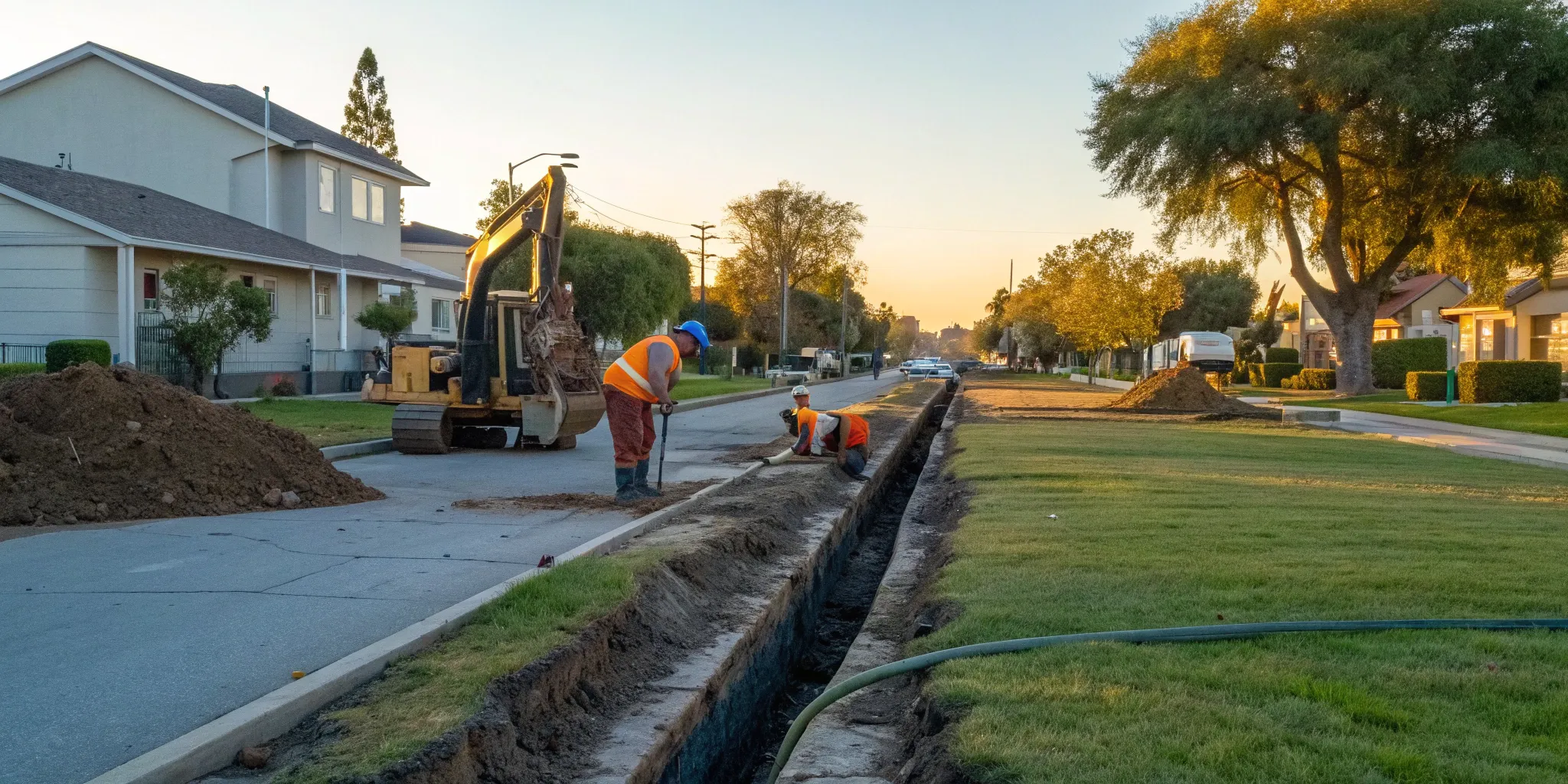
This is exactly what it sounds like and has been the standard for decades. To fix the problem, a crew uses an excavator to dig a large trench along the sewer line, exposing the damaged section of pipe. This gives plumbers direct, hands-on access to remove the broken pipe and install a new one. While it’s certainly more disruptive to your yard, this method is a reliable way to handle severely collapsed or completely broken lines that trenchless methods can’t fix. It’s a proven solution for the most serious residential plumbing issues.
Key Differences at a Glance
The biggest difference is the impact on your property. Traditional repair requires a large, open trench, which means digging up your lawn, garden, driveway, or patio. Trenchless repair, on the other hand, preserves your landscaping by using only a couple of small holes. This also creates a major difference in timelines. A trenchless job can often be completed in a day or two, while a traditional dig can take several days or even a week, not including the time it takes to restore your yard. The less invasive nature of trenchless repair often makes it a faster and cleaner process from start to finish.
Why Choose Trenchless Sewer Repair?
When you hear “sewer repair,” you probably picture a giant trench cutting through your lawn, destroying your flowerbeds and driveway in the process. For years, that was the only option, and it came with a lot of collateral damage. But modern plumbing has a much smarter solution: trenchless sewer repair. This innovative approach fixes your pipes from the inside out, offering a host of benefits that make it a clear winner for many homeowners in Spokane. It’s a powerful alternative that avoids the massive disruption of traditional excavation.
Instead of digging up your entire yard to access the sewer line, trenchless methods use small, strategic entry points to repair the pipe underground. Think of it as surgery for your plumbing—precise, minimally invasive, and focused on fixing the problem without creating a bigger mess. This technique not only saves your landscape but also streamlines the entire repair process. It’s faster, cleaner, and often more durable than old-school methods. If you’re facing a sewer line issue, understanding these advantages can help you make a confident, informed decision for your home and property.
Save Your Yard From Destruction
Let’s be honest—your landscaping is an investment of time, money, and pride. The thought of a backhoe tearing through it is enough to make any homeowner cringe. This is where trenchless repair truly shines. Instead of digging a long, disruptive trench, this method only requires one or two small access points to reach the damaged pipe. Our team can repair your sewer line without ruining your lawn, garden, or patio. You get a permanent fix for your plumbing problems without the added headache and expense of restoring your beautiful yard. It’s a less invasive solution that respects your property and keeps your curb appeal intact.
Get the Job Done Faster
A major sewer problem can bring your entire household to a halt. The last thing you want is a repair that drags on for days or even weeks. Traditional excavation is a lengthy process involving digging, repairing, backfilling, and landscaping. In contrast, most trenchless repairs can be completed in just a day or two. This incredible speed means less disruption for your family and a quicker return to your normal routine. Our residential plumbing services are designed to resolve issues efficiently, and the trenchless method allows us to fix major problems with minimal downtime, getting your home back up and running fast.
Enjoy Stronger, Longer-Lasting Pipes
Trenchless repair isn’t just a patch; it’s a long-term upgrade for your plumbing system. Using techniques like pipe lining, we install a new, seamless pipe directly inside the old one. This new pipe is made from a durable, epoxy-resin material that is resistant to corrosion, cracks, and invasive tree roots. In fact, these modern pipes are often stronger than the original cast iron or clay pipes and can last for 50 years or more. This means you’re not just fixing the current problem—you’re investing in a durable solution that prevents future issues and the need for water leak repair, giving you peace of mind for decades to come.
A Greener, Cleaner Option
If you’re looking for an environmentally responsible way to handle sewer repairs, the trenchless method is the way to go. Because it involves minimal digging, it preserves the surrounding ecosystem by leaving soil, plants, and groundwater largely undisturbed. Traditional excavation, on the other hand, can release underground contaminants and requires heavy machinery that burns fossil fuels. By choosing a trenchless approach, you’re opting for a repair that has a much smaller carbon footprint. It’s a cleaner, greener way to maintain your home’s essential systems while being kinder to the planet.
When Is Trenchless Repair Not the Answer?
Trenchless sewer repair is an incredible technology, but it’s not the right fit for every single situation. While it solves a huge range of common sewer line problems with minimal disruption, there are specific scenarios where it just isn’t feasible or effective. Understanding these limitations is key to making a smart, confident decision for your home. A professional plumber will always perform a thorough inspection to recommend the best course of action, but knowing the boundaries of trenchless tech helps you ask the right questions and understand why a different approach might be necessary.
It Can’t Fix Every Type of Damage
While trenchless methods are perfect for fixing cracks, holes from root intrusion, and general corrosion, they do have their limits. The core requirement for most trenchless repairs, like pipe lining, is a semi-intact host pipe to work with. If your sewer line is completely collapsed or has severe sags (known as “bellies”), there may not be a clear, continuous path to pull a new liner or pipe through. In these cases of total structural failure, the only way to restore proper flow and grade is to excavate and replace the damaged section. A camera inspection is the only way to know for sure what’s happening underground.
The Upfront Cost Can Be Higher
Let’s talk about the budget. Sometimes, the initial quote for a trenchless repair can be higher than the quote for a traditional dig. This is largely due to the specialized equipment and materials involved. However, that initial number doesn’t tell the whole story. Traditional excavation comes with significant secondary costs, like repairing your lawn, re-pouring a concrete patio, or fixing a torn-up driveway. When you factor in the cost of landscape restoration, trenchless repair often becomes the more cost-effective option overall. It’s important to compare the total project cost, not just the initial plumbing estimate.
Your Property and Soil Type Matter
The ground your house sits on plays a big role in determining the best repair method. Trenchless techniques like pipe bursting, which pulls a new pipe through the old one, require the surrounding soil to be cooperative. If the ground is extremely rocky, compacted, or unstable, it can create complications and prevent the new pipe from being installed correctly. A professional assessment of your property will consider Spokane’s specific soil conditions to see if they are suitable for a trenchless approach. This is a crucial step in any residential plumbing project to ensure a lasting fix.
It’s Not Compatible with All Pipes
Trenchless technology is incredibly versatile and works with most common pipe materials, including cast iron, clay, and PVC. However, the success of the repair depends heavily on the condition of the existing pipe. If a pipe is severely deteriorated, crumbling, or has lost its original shape, it may not be a suitable host for a new liner. The liner needs a stable surface to adhere to for a permanent seal. In rare cases, certain older or incompatible pipe materials might not be right for trenchless methods. A detailed inspection will confirm if your pipes are a good candidate for this modern repair solution.
The Pros and Cons of Traditional Excavation
While trenchless methods get a lot of attention for being minimally invasive, they aren’t a silver bullet for every sewer problem. Sometimes, the old-school approach of digging a trench is not only necessary but is actually the best option for your home. Traditional excavation is exactly what it sounds like: we use equipment to carefully dig down to the damaged pipe, giving our plumbers direct, hands-on access to make repairs or replacements. It’s definitely more disruptive to your yard, but for certain types of severe damage, it’s the most reliable way to ensure a permanent fix.
Understanding the pros and cons of this method can help you feel more confident when you’re discussing options for your property. This is a proven technique that has served homeowners for decades, especially when dealing with completely collapsed lines or complex issues that require a full pipe replacement. It allows for a thorough inspection of the surrounding soil and the condition of the entire pipe segment, which isn’t always possible with trenchless methods. Let’s walk through when digging makes sense and what you should expect from the process, from the repair itself to the restoration afterward. Knowing both sides of the story helps you make an informed decision that protects your home for the long haul.
Pro: Complete Access for Major Repairs
The biggest advantage of traditional excavation is that it provides complete, direct access to the damaged pipe. When a sewer line has extensive cracks, is severely corroded, or has multiple issues along one section, a plumber needs to see and handle the entire pipe. By digging a trench, our team can physically remove the old, broken sections and install a brand-new pipe, ensuring a perfect fit and secure connections. This hands-on approach is often the only way to guarantee a lasting fix for the most catastrophic pipe failures, giving you peace of mind that the problem is truly solved.
Pro: A Time-Tested Fix for Collapsed Lines
When a sewer line completely collapses on itself, trenchless methods like pipe lining just won’t work—there’s no existing pipe structure to repair. In these situations, traditional excavation is the gold standard. It’s a time-tested solution that plumbers have relied on for generations to handle the worst-case scenarios. Digging down to the pipe is the most effective way to clear the collapsed material and perform a full water leak repair by replacing the entire damaged segment. While it’s more intensive, you can trust that this method will resolve even the most severe sewer line damage.
Con: Expect Significant Landscape Damage
Here’s the downside that gives most homeowners pause: traditional excavation is disruptive to your property. To access the sewer line, we have to dig a large trench that can run across your lawn, through garden beds, and sometimes even under patios or walkways. This process inevitably damages your landscaping. While professional plumbers work carefully to minimize the impact, you should plan for some restoration work after the plumbing is fixed. This could mean replanting grass, rebuilding a flower bed, or repairing hardscaping, which is an important factor to consider in the overall project.
Con: Longer Timelines and Restoration Costs
Because it involves heavy machinery, digging, and extensive landscape restoration, the traditional dig-and-replace method takes more time to complete. A project can last several days, from the initial excavation to backfilling the trench. Beyond the plumbing work itself, you also have to factor in the time and cost of restoring your yard to its original condition. These extra steps—and expenses—are why many people explore trenchless options first. When you need residential plumbing services in Spokane, it’s important to account for both the repair and the recovery process.
Comparing Costs and Timelines
When you’re facing a major plumbing issue, two of the biggest questions are “How much will this cost?” and “How long will it take?” The answers depend heavily on whether you choose a trenchless or traditional sewer repair. While it might seem like digging a trench would be the cheaper, more straightforward option, the reality is often more complex. Let’s break down the costs and timelines for each method so you can see the full picture.
Breaking Down the Cost of Trenchless Repair
At first glance, the quote for a trenchless repair might seem higher than a traditional one, but it’s important to look at the total investment. Trenchless methods are often more cost-effective because they require far less manual labor and time. Since there’s no massive trench to dig, the project is completed much faster. This efficiency directly translates to savings on labor costs. Plus, you avoid the secondary expense of restoring your property. Your lawn, garden, and driveway remain intact, saving you from a costly and time-consuming landscaping project after the plumbing work is done. It’s a streamlined process that respects both your budget and your property.
Factoring the Full Cost of Traditional Digging
The traditional dig-and-replace method comes with costs that extend beyond the pipe repair itself. The initial quote covers the excavation, pipe replacement, and backfilling, but it doesn’t include restoring your property to its original state. Think about the price of re-sodding your lawn, repaving a driveway, or rebuilding a walkway that had to be torn up. These restoration expenses can add thousands to your final bill. While traditional digging is sometimes the only option for completely collapsed or unsalvageable pipes, it’s crucial to budget for these “hidden” costs. The project timeline is also significantly longer due to the extensive excavation and subsequent landscape repairs.
Considering Long-Term Value and Hidden Expenses
When you compare the two methods side-by-side, the long-term value of trenchless repair becomes clear. The initial price tag might be similar to traditional methods, but once you factor in the cost of repairing your yard, driveway, or patio, the trenchless option often comes out ahead. You’re not just paying for a pipe fix; you’re investing in a solution that preserves your property’s value and saves you from weeks of disruption. The time savings alone can be a huge benefit for busy homeowners and businesses. Ultimately, choosing a trenchless repair is an investment in a durable, less invasive, and often more economical solution for your sewer line problems.
Common Sewer Repair Myths, Busted
When you’re facing a major plumbing issue, the last thing you need is misinformation. Trenchless sewer repair is a fantastic modern solution, but it’s surrounded by a few persistent myths that can make it hard to decide on the right approach for your home. Let’s clear the air and look at the facts behind some of the most common misconceptions so you can feel confident in your decision.
Myth: “Trenchless is always more expensive.”
This is probably the biggest myth we hear, and it’s easy to see why. When you compare initial quotes side-by-side, the trenchless option can sometimes look pricier. But that quote doesn’t tell the whole story. Traditional digging comes with a lot of hidden costs, like repairing your torn-up lawn, rebuilding a demolished patio, or fixing a cracked driveway. When you factor in the cost of landscape restoration, trenchless repair is often the more economical choice. It’s a less invasive process that saves you from the extra expense and headache of putting your yard back together after the plumbing work is done.
Myth: “Trenchless repairs don’t last as long.”
Some people worry that a “pipe within a pipe” is just a temporary patch, but that couldn’t be further from the truth. Modern trenchless methods, like Cured-in-Place Pipe (CIPP) lining, are engineered for durability. This process creates a brand-new, seamless, and incredibly strong pipe inside your old one. The epoxy-resin liner is resistant to corrosion, cracks, and even aggressive tree roots, effectively preventing future water leak issues. When installed correctly by a professional team, these trenchless repairs are designed to last for 50 years or more, giving you a long-term solution and complete peace of mind.
Myth: “It works for any and every sewer problem.”
Trenchless technology is incredibly versatile, but it’s not a magic wand for every sewer line issue. It’s an excellent solution for fixing cracks, holes, leaks, and damage from root intrusion. However, it does have its limits. If a pipe is completely collapsed, has severe sags (known as “bellies”), or is significantly misaligned, trenchless methods might not be an option. In those extreme cases, traditional excavation is often necessary to fully replace the damaged section. That’s why a professional sewer camera inspection is the critical first step to accurately diagnose the problem and determine the most effective repair strategy for your specific situation.
How to Choose the Right Method for Your Home
Deciding between trenchless and traditional sewer repair can feel overwhelming, but it comes down to a few key things: the type of damage, your budget, and keeping your yard intact. Understanding the best-case scenario for each method helps you and your plumber find the right solution to solve the problem efficiently.
Key Factors to Consider
Before picking a method, you need to know what you’re dealing with. A professional camera inspection is the essential first step. Once you have a diagnosis, consider what matters most. Is preserving your landscaping a priority? How quickly do you need the repair done? Are you focused on upfront cost or a long-term fix? Answering these questions will help clarify which approach fits your home’s needs.
When to Go Trenchless
Trenchless repair is ideal when your pipes are mostly intact but have issues like cracks, root intrusion, or minor misalignments. It’s an excellent way to fix water leaks by creating a new pipe inside the old one. If you want to save your lawn, garden, and driveway from being dug up while getting a fast, strong repair, trenchless is almost always the best choice.
When You Absolutely Have to Dig
Sometimes, the damage is too severe for a trenchless fix. If your sewer line has completely collapsed, has major breaks, or is severely bellied (sunk), there’s no clear path for the equipment. In these situations, traditional excavation is the only reliable option. Digging gives plumbers direct access to replace the damaged pipe, ensuring your residential plumbing system is fully restored.
Get a Professional Assessment to Make the Best Call
You don’t have to figure this out alone. The most important step is getting a professional assessment from a company offering both trenchless and traditional services. A camera inspection will reveal the exact problem, allowing an experienced technician to give you a clear recommendation. They can walk you through the findings and provide estimates, ensuring you choose the most effective solution for your home.
Related Articles
- Trenchless Sewer Lateral Replacement: A Guide
- How to Get a Smart Sewer Line Replacement Quote
- 6 Signs You Need a Sewer Camera Inspection
Frequently Asked Questions
How do I know which repair method is right for my specific problem? The only way to know for sure is with a professional sewer camera inspection. An experienced plumber will feed a camera down your line to get a clear view of the damage. This diagnostic step is essential because it shows us the exact location and severity of the problem, whether it’s a simple crack, root intrusion, or a complete collapse. Based on that visual evidence, we can give you a clear recommendation and explain why one method is a better fit than the other.
Is a trenchless pipe liner just a temporary fix? Not at all. A trenchless pipe liner is a permanent, structural repair designed to last for decades. The process creates a brand-new, seamless pipe inside of the old one using a durable epoxy resin. This new pipe is incredibly strong and resistant to corrosion and root intrusion, often making it more durable than the original pipe was. Think of it as a long-term upgrade for your sewer system, not a simple patch.
If trenchless repair avoids so much digging, why can the initial cost be higher? This is a great question that comes down to looking at the total project cost. The initial quote for trenchless repair can sometimes be higher due to the specialized equipment and advanced materials required. However, a traditional repair quote doesn’t include the significant secondary costs of restoring your property. When you factor in the expense of re-sodding your lawn, repairing a driveway, or rebuilding a patio, the trenchless method often proves to be the more cost-effective option overall.
Can tree roots break through the new trenchless pipe liner? It’s highly unlikely. The seamless, joint-free nature of a cured-in-place pipe liner is one of its biggest advantages. Tree roots are opportunistic and typically invade pipes through tiny cracks or weak joints. Because the new liner is a single, continuous piece with no seams, it creates a formidable barrier that roots can’t penetrate. This makes it an excellent long-term solution for preventing future root-related blockages and leaks.
What happens if my pipe is completely collapsed? Do I have any other option besides digging? If a camera inspection confirms your sewer line is completely collapsed or severely bellied, traditional excavation is almost always the necessary solution. Trenchless methods like pipe lining require a relatively intact host pipe to pull the new liner through. When the pipe has lost its structural shape, there’s no clear path for the equipment to work. In these severe cases, digging is the most reliable way to remove the failed section and install a new, properly graded pipe.