

Plumbing technology has come a long way from the old days of brute-force repairs. Today, we can solve complex underground problems with surgical precision, thanks to innovation. Instead of relying on massive excavation, skilled technicians use high-definition cameras and advanced equipment to fix pipes from within. This is the core principle behind trenchless sewer lateral replacement, a game-changing method that makes sewer repair faster, cleaner, and more efficient than ever before. It’s a powerful solution that creates a brand-new, seamless pipe designed to last for decades, all without turning your yard into a construction zone. This article will cover how this impressive technology works and why it’s a superior choice for your home.
Key Takeaways
- Protect your landscaping and save money: Trenchless repair avoids the destructive trenching that ruins lawns and driveways. By working underground through small access points, you skip the significant costs of restoring your property.
- Gain a durable, long-lasting solution: This method creates a brand-new, seamless pipe inside the old one. The result is a stronger line that resists root intrusion and corrosion, often lasting for 50 years or more.
- A camera inspection is non-negotiable: Trenchless repair isn’t a fit for every situation, especially for completely collapsed pipes. A professional video inspection is the essential first step to accurately diagnose the problem and confirm if this is the right approach for your home.
What Is Trenchless Sewer Repair?
If you’ve ever pictured a sewer line replacement, you probably imagine a giant trench cutting across your lawn, destroying flowerbeds and landscaping in its path. For a long time, that was the only way to handle a serious sewer problem. Thankfully, technology has given us a much better option. Trenchless sewer repair is a modern approach that fixes damaged or blocked sewer lines without having to dig up your entire yard. Think of it as minimally invasive surgery for your plumbing. Instead of major excavation, this method uses just a couple of small, strategically placed access points to repair or even completely replace the pipe from the inside.
This technique is a game-changer for property owners because it minimizes the disruption to your life and your property. The traditional method could mean ripping up your driveway, patio, or prized rose bushes. With trenchless repair, those features of your home are left untouched. Instead of spending weeks (and more money) repairing your lawn after the plumbers leave, you can get your plumbing fixed and carry on as usual. It’s a faster, cleaner, and often more efficient way to handle major sewer line problems, protecting the yard you’ve worked so hard to maintain and saving you from a massive headache.
Trenchless vs. Traditional: What’s the Difference?
The biggest difference between trenchless and traditional sewer repair comes down to the process and the impact on your property. Traditional methods involve digging a long, deep trench along the entire length of the damaged sewer pipe to access and replace it. This process is disruptive, time-consuming, and leaves you with a major landscaping project once the plumbing work is done. A traditional repair can take several days to complete.
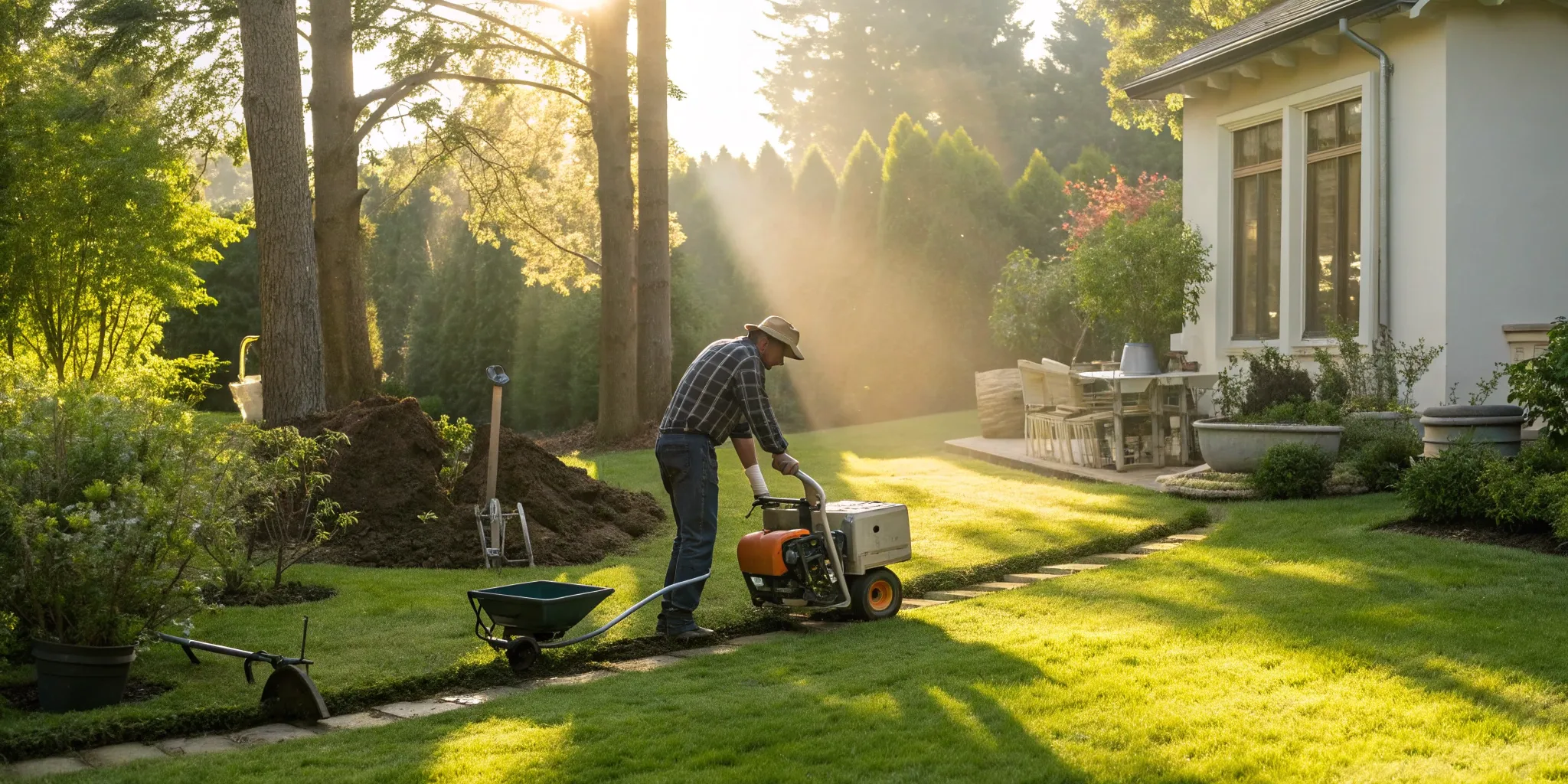
Trenchless repair, on the other hand, can often be finished in about a day. Instead of a massive trench, our technicians only need to dig one or two small holes to access the ends of the pipe. This preserves your driveway, garden, and lawn. Modern residential plumbing services that use trenchless technology save you time, stress, and the extra cost of restoring your yard.
A Look at Common Trenchless Methods
Trenchless sewer repair isn’t a one-size-fits-all solution; there are a couple of key techniques professionals use, depending on the specific problem with your pipe. The two most common methods are pipe bursting and pipe lining.
Pipe bursting involves pulling a brand-new pipe through the old, damaged one. As the new pipe is pulled through, a “bursting head” breaks the old pipe apart, pushing the fragments into the surrounding soil. This effectively replaces the old pipe with a seamless, durable new one.
Pipe lining, also known as Cured-in-Place Pipe (CIPP), works by creating a new pipe inside the existing one. A flexible, resin-coated liner is inserted into the old pipe and inflated. The resin then hardens, forming a strong, corrosion-resistant pipe that seals cracks and prevents future water leak repair needs.
How Does Trenchless Sewer Repair Work?
So, how does this seemingly magical process actually happen? While it sounds complex, the concept is pretty straightforward. Instead of digging a long trench across your yard, plumbers use one of two main techniques to repair or replace the sewer line from the inside out. It all starts with a thorough camera inspection to diagnose the problem and determine the best approach. A small, high-resolution camera is sent down the line to give us a clear picture of the damage—whether it’s cracks, root intrusion, or a collapsed section.
From there, we decide on the right method for your specific situation. The two most common trenchless methods are pipe bursting and pipe lining. Each one is designed to create a brand-new, durable pipe that will last for decades, all with minimal disruption to your property. Think of it less like major surgery and more like a minimally invasive procedure for your home’s plumbing system. This modern approach saves your lawn, driveway, and sanity from the chaos of traditional excavation.
The Pipe Bursting Method
Pipe bursting is exactly what it sounds like—it’s a method for completely replacing a damaged sewer line. We start by digging small access pits at either end of the existing pipe. A new, high-density polyethylene (HDPE) pipe is attached to a device called a bursting head. This head is pulled through the old, damaged pipe, fracturing it outward into the surrounding soil while simultaneously pulling the new pipe into place behind it. You’re left with a brand-new, seamless pipe that’s stronger and more durable than the original, all without excavating the entire line. This method is perfect for pipes that are severely damaged or have collapsed.
The Pipe Lining Method
If your existing pipe is still structurally sound but has cracks, leaks, or root intrusion, pipe lining is an excellent solution. This method essentially creates a new pipe right inside the old one. A flexible, resin-saturated liner is inserted into the damaged pipe from an access point. An inflatable bladder is then used to press the liner against the walls of the original pipe. Once it’s in place, the resin cures and hardens, forming a smooth, jointless, and incredibly durable new pipe. This process seals off cracks, stops water leaks, and prevents future root intrusion without ever having to dig up the old pipe.
Tools and Materials for the Job
Trenchless sewer repair requires specialized equipment and a skilled team of residential plumbing experts. The process always begins with a high-definition sewer camera, which is our eyes underground. For pipe bursting, we use powerful hydraulic or pneumatic equipment to pull the new pipe through. The replacement pipes are typically made of seamless HDPE, a tough material resistant to corrosion and cracking. For pipe lining, the key materials are the flexible felt liner and the epoxy resin. This resin cures to a rock-hard finish, creating a pipe that is often stronger than the original PVC or clay pipe it’s reinforcing.
Why Choose Trenchless Sewer Repair? (The Pros)
When you hear “sewer repair,” you probably picture a giant trench running through your front yard, destroying your lawn, flowerbeds, and maybe even your driveway. For years, that was the only way to fix a broken sewer line. But trenchless technology has completely changed the game, offering a less invasive, faster, and highly effective alternative. Instead of digging up your entire property, this modern approach uses just one or two small access points to repair or replace the sewer line from within the existing pipe.
The benefits are pretty clear right away. You get to keep your beautiful landscaping intact, avoid the headache of a week-long construction project, and gain a durable, long-lasting solution for your home’s plumbing. It’s a smarter way to handle a stressful problem, minimizing the disruption to your life and property. For many homeowners in Spokane, the choice is simple once they understand how trenchless methods protect their investment and provide peace of mind. It addresses the core issue without turning your property into a major dig site, making it a go-to for savvy residential plumbing solutions. This method is not just a quick fix; it’s a significant upgrade to your home’s infrastructure.
Protect Your Landscaping
One of the biggest draws of trenchless sewer repair is that it leaves your yard looking just the way it did before the work started. Traditional repairs require digging a long, deep trench from your house to the street, which means tearing up your lawn, gardens, and sometimes even patios or driveways. With trenchless methods, we only need a couple of small entry points to access the pipe. This minimal digging means your landscaping is preserved. You won’t have to spend extra time and money on costly restoration work like re-sodding your lawn or rebuilding a walkway once the plumbing job is done.
Get It Done Faster
Nobody wants a construction project dragging on for days, especially when it involves something as essential as their sewer line. Trenchless sewer repair is significantly faster than traditional methods. Because there’s no need for extensive excavation, most trenchless jobs can be completed in a single day. Compare that to the week or more it can take to dig a trench, replace the pipe, and then fill it all back in. This speed means less disruption for you and your family. You can get your plumbing system back up and running quickly, without having your property turned into a work zone for an extended period.
A Durable, Long-Lasting Solution
Choosing trenchless repair isn’t just about convenience—it’s also a smart long-term investment. The materials used in trenchless methods, like epoxy resin liners, create a new pipe inside the old one that is seamless and incredibly durable. These new pipes are resistant to corrosion, rust, and root intrusion, which are common causes of sewer line failure. In fact, the new pipe lining can last for 50 years or more, often coming with a long warranty. You’re not just patching a problem; you’re installing a brand-new, high-quality pipe that will reliably serve your home for decades to come, preventing future water leak repair needs.
Are There Any Downsides? (The Cons)
Trenchless sewer repair sounds pretty great, and for many homeowners, it is. But like any major home repair, it’s smart to look at the full picture. There are a few potential drawbacks to consider before you decide if it’s the right approach for your property. Understanding these points will help you make a confident and informed decision for your home.
Understanding the Upfront Cost
Let’s talk about the budget. The initial price for trenchless sewer repair can be higher than traditional digging methods. This is because it relies on specialized technology and equipment that isn’t part of every plumber’s standard toolkit. However, it’s important to think about the total cost. While the initial quote might be higher, you save a significant amount on restorative work. You won’t have to pay to re-sod your lawn, patch up your driveway, or rebuild a patio. When you factor in those savings, trenchless repair often becomes a more financially sound choice for your overall residential plumbing needs.
Finding a Qualified Specialist
Trenchless repair isn’t a job for just any plumber. Because it’s a more advanced technique, not all companies have the special training and equipment needed to perform the work correctly and safely. This can sometimes make it a little harder to find a qualified professional in your area. It’s crucial to hire a team with proven experience in trenchless methods. Before you commit, ask about their specific experience, look at reviews, and confirm they are licensed and insured. Choosing the right expert ensures the job is done right the first time, preventing future headaches and expenses.
Clearing Up Common Misconceptions
A few myths about trenchless repair can cause confusion. One common misconception is that it only works for newer homes with modern plumbing. In reality, trenchless methods can often be used on older pipes, as long as they haven’t completely collapsed. Another myth is that the repairs are less durable than traditional ones. The opposite is actually true. The seamless, high-quality liners used in trenchless repairs are incredibly strong. They resist corrosion and root intrusion and are designed to last for 50 years or more, making them a reliable, long-term fix. These modern solutions are just as effective as older methods.
When Is Trenchless Not the Right Choice?
Trenchless sewer repair is an incredible technology, but it’s not a universal solution. Think of it as a specialized tool—powerful for the right job, but not every job. Situations involving the condition of your existing pipes, your property’s layout, or even the soil can make traditional excavation the better, or only, option. The most important first step is a thorough camera inspection. This inside look reveals the extent of the damage and helps a professional determine the best path forward. Getting a clear picture of your residential plumbing system is key to a lasting solution.
For Severely Damaged or Collapsed Pipes
Trenchless methods like pipe lining work by creating a new pipe inside the old one. For this to work, the original pipe must be intact enough to serve as a host. If your sewer line is completely collapsed, has large sections missing, or is severely corroded, there’s simply nothing left to line. In these cases, trenchless repair isn’t possible because the pipe’s structural integrity is gone. The only way to fix a total collapse is to dig a trench, remove the destroyed pipe, and install a new one. This kind of damage is also a common cause of major water leak repair needs, as a broken line can’t contain wastewater.
When Your Property or Soil Presents a Challenge
Your property’s unique characteristics can also influence the repair method. Trenchless techniques might not be suitable if the pipe is severely misaligned or has significant sags, often called “bellies.” While a liner can seal cracks, it can’t correct a major grading problem that causes poor drainage. Certain soil conditions, like heavy clay or extremely rocky ground, can also complicate the process. A professional assessment considers these factors to ensure the chosen repair is effective. Sometimes, a persistent clog that requires frequent drain cleaning services is a symptom of a misaligned pipe that a simple liner can’t fix.
Depending on Your Pipe’s Age and Material
The material of your existing pipes plays a big role in whether trenchless repair is an option. These methods work wonderfully with common materials like clay, cast iron, and PVC. However, if your home has older, fragile pipes—such as Orangeburg pipes, made of compressed tar paper—they may be too brittle to withstand the process. These pipes often deteriorate and can’t support a new liner. In these situations, a full replacement is usually the most sensible long-term investment in your home’s residential plumbing system. An expert can identify your pipe material during an inspection and recommend the safest solution.
What Does Trenchless Sewer Repair Cost?
When you’re facing a major plumbing issue like a broken sewer line, cost is understandably a top concern. Trenchless repair is an innovative solution, but how does it stack up financially? The answer isn’t just about the number on the initial quote; it’s about looking at the total value and long-term savings. Traditional dig-and-replace methods often come with hidden costs that aren’t immediately obvious. You might get a lower price for the plumbing work itself, but then you’re left with a torn-up yard, a broken driveway, or a ruined garden bed. The expense of restoring your property can add thousands to the final bill.
This is where trenchless repair really shines. It’s a modern approach that requires specialized equipment and skilled technicians, which can make the upfront investment seem higher. However, because we can fix your pipes from the inside out without extensive digging, you avoid those massive restoration costs. When you factor in the speed—often completing a job in a day instead of a week—and the incredible durability of the new pipe lining, the overall cost-effectiveness becomes clear. It’s about weighing the initial price against the long-term benefits and peace of mind. Let’s break down the specific factors that influence the price and whether your insurance might lend a hand.
Factors That Influence the Price
The main reason trenchless sewer repair can have a higher initial price tag is the technology involved. We use specialized cameras for inspection and advanced equipment to either reline or burst the old pipe. While this investment might seem steep, it’s what allows us to avoid excavating your entire yard. Think about the money you save by not having to re-sod your lawn, patch your driveway, or rebuild a retaining wall. Plus, the process is incredibly efficient, often taking just a day. This speed minimizes disruption to your life and property. Ultimately, you’re paying for a durable, long-lasting solution that prevents future headaches and preserves your landscaping.
Will Your Insurance Help Cover It?
This is a question we get all the time, and it’s an important one. Unfortunately, a standard homeowners insurance policy usually does not cover damage to your main sewer line. Most policies exclude issues caused by normal wear and tear, tree root intrusion, or gradual decay. To get protection, you typically need to add a specific endorsement to your policy. When you talk to your insurance agent, ask about adding a “sewer line endorsement” or “buried utility lines coverage.” This extra protection is often quite affordable and can save you from a major out-of-pocket expense down the road. It’s always best to confirm your coverage before you actually need it.
Signs You Might Need Sewer Line Repair
Sewer line problems are the last thing any homeowner wants to think about. Since the pipes are buried underground, it’s easy to forget they’re even there—until something goes wrong. The good news is that your plumbing system will usually give you a few hints that trouble is brewing. Knowing what to look for can help you catch a minor issue before it becomes a major, messy headache. A damaged or clogged sewer line is a serious problem, but identifying it early gives you more options and can save you from costly emergency repairs down the road.
Warning Signs to Watch For
Your home’s drains are the first place to check for clues. If you have multiple fixtures—like a toilet, shower, and sink—backing up at the same time, it’s a strong indicator that the problem isn’t a simple clog but an issue with your main sewer line. You might also hear strange gurgling sounds from your toilets or notice foul, sewage-like odors in your home or yard. Outside, look for soggy patches or unusually lush, green spots on your lawn. This can happen when a leaking pipe fertilizes the grass above it. These issues are often caused by tree roots invading the pipes, corrosion in older lines, or cracks from shifting soil. Our drain cleaning services can often resolve simple blockages, but persistent problems point to the main line.
Why a Professional Inspection Is Key
While these warning signs are helpful, they don’t tell the whole story. Guessing the cause of a sewer line problem can lead to incorrect and expensive fixes. That’s why getting a professional inspection is so important. A trusted plumber will use a specialized sewer camera to get a clear look inside your pipes. This video inspection pinpoints the exact location and cause of the problem—whether it’s a crack, a blockage from tree roots, or a collapsed section of pipe. This step is non-negotiable; it takes the guesswork out of the equation and ensures you get the right repair for your specific situation. It’s the first step in creating an effective plan for your residential plumbing system.
What to Expect During the Repair Process
Knowing what happens on repair day can make the whole process feel much less stressful. Trenchless sewer repair is designed to be efficient and minimally invasive, but it’s still a significant project. When you work with a professional team, you’ll be kept in the loop from start to finish. The goal is to get your plumbing system back to perfect working order with as little disruption to your life and property as possible. From the initial camera inspection to the final checks, every step is handled with precision. Here’s a closer look at the typical timeline and how you can care for your new sewer line once the job is done.
A Step-by-Step Timeline
Once you’ve scheduled your trenchless repair, the process is straightforward. First, our technicians perform a detailed camera inspection to pinpoint the exact location and nature of the problem. Next, we thoroughly clear the line of any roots, debris, or blockages to ensure the pipe is ready for relining. After that, we insert a flexible, resin-coated liner into the existing pipe. This liner is inflated and left to cure, hardening into a brand-new, seamless pipe within the old one. This new pipe is incredibly durable and resistant to future root intrusion. Finally, we conduct a post-repair camera inspection to confirm the installation was successful and your sewer line is flowing freely.
How to Care for Your New Sewer Line
Your new sewer line is built to last for decades, and a little care goes a long way in protecting your investment. We recommend avoiding harsh chemical drain cleaners, as they can damage the new pipe lining over time. Instead, opt for gentler, enzyme-based cleaners or professional drain cleaning services if you notice a clog. It’s also a good idea to be mindful of what goes down your drains—avoid flushing anything other than toilet paper and human waste. If you notice any signs of trouble, like slow drains or gurgling sounds, it’s best to call for a professional inspection right away to catch any potential issues early.
Related Articles
- Collapse sewer line? Here are the signs
- Why Is My Toilet Draining Into the Tub? How to Fix It
- Why Do my Drains Smell Like Sewer?
- Cost to Run Water Line 1000 Feet: A 2025 Guide
Frequently Asked Questions
How long does a trenchless sewer repair typically take? One of the best parts of this modern method is the speed. While traditional sewer replacements can turn your yard into a construction zone for a week or more, most trenchless repairs are completed in just a single day. We can get in, fix the pipe, and be out of your way with minimal disruption to your routine.
Is the new pipe lining really as strong as a traditional pipe? It’s actually often stronger. The seamless epoxy liner that we install creates a brand-new pipe inside the old one. This new pipe is incredibly durable and resistant to the common culprits of sewer line failure, like corrosion and invading tree roots. It’s a solid, long-term solution that is designed to last for 50 years or more.
Does “trenchless” mean there’s absolutely no digging involved? While we won’t be digging a massive trench across your lawn, the process does require one or two small access points. These carefully placed holes give us the entry we need to send our equipment through the pipe. This approach preserves your lawn, garden, and driveway, saving you from the headache and cost of major landscape restoration.
How do I know if trenchless repair will work for my older home? The age of your home isn’t the main factor; it’s the condition and material of the existing pipe. Trenchless methods work well on many older pipe materials, like cast iron and clay, as long as the pipe hasn’t completely collapsed. The only way to know for sure is with a professional camera inspection, which gives us a clear view of what’s happening underground.
Why is the upfront cost of trenchless repair sometimes higher? The initial quote for trenchless repair can be higher because it requires specialized equipment and a highly skilled team. However, it’s important to look at the total cost of the project. With trenchless repair, you avoid the massive expense of re-sodding your lawn, repaving your driveway, or rebuilding a patio. When you factor in those savings, trenchless repair is often the more cost-effective choice overall.