















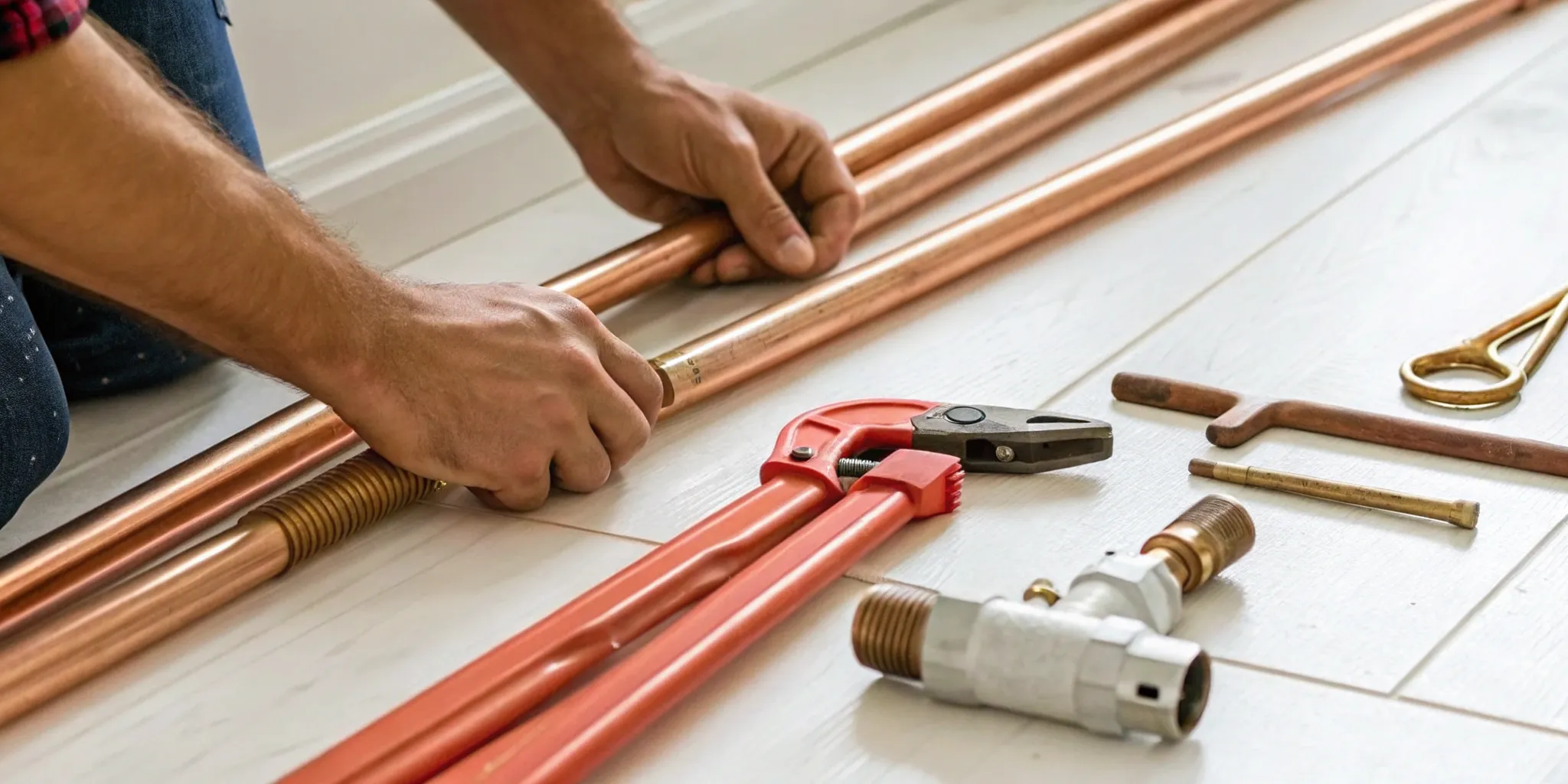
Let’s get straight to the point. When you realize your home needs a full plumbing overhaul, the first and most pressing question is, how much does it cost to repipe a house? You’ll see a wide range of numbers online, from a few thousand dollars to tens of thousands, which can be confusing. The truth is, there’s no single price tag. The final cost depends on your home’s size, the materials you choose (like flexible PEX or durable copper), and how accessible your current pipes are. This guide is designed to give you a clear, honest breakdown of all the factors that influence the price, so you can budget effectively and make a confident decision for your home.
Key Takeaways
- Know the signs that point to a repipe: Consistent problems like low water pressure, rusty water, and recurring leaks are your home’s way of telling you the entire plumbing system is aging. Repiping solves these issues at the source for long-term peace of mind.
- Understand what shapes your quote: The final cost isn’t one-size-fits-all; it’s based on your home’s square footage, pipe accessibility, and your choice of materials like PEX or copper. This is why a detailed, on-site estimate is essential.
- Budget beyond the pipes and labor: Remember to account for related costs like city permits and drywall repair when planning your finances. You can also save on future projects by upgrading fixtures or your water heater at the same time.
When Should You Repipe Your House?
The idea of repiping your entire house can sound overwhelming, but it’s one of those projects that can save you from major headaches and expenses down the road. Think of your home’s plumbing as its circulatory system. Over time, especially in older homes, those pipes can corrode, clog, and weaken. While a single leak might just be a quick fix, a pattern of plumbing problems often points to a bigger issue that patchwork repairs won’t solve.
Deciding to repipe is a proactive step toward protecting your home’s value and ensuring your plumbing system runs smoothly for decades. It’s about trading a series of frustrating, emergency calls to a plumber for a single, planned project that gives you total peace of mind. Knowing when to make that call is key, and your house will usually give you some pretty clear signals when it’s time for an upgrade.
Telltale Signs It’s Time for an Upgrade
Your home’s plumbing will often let you know when it’s starting to fail. If you’re experiencing consistently low water pressure that makes showering a chore, it could be due to buildup or corrosion inside the pipes. Another major red flag is discolored water; if rusty or brown water comes out of your faucets, your pipes are likely corroding from the inside out.
Pay attention to the frequency of problems. One or two isolated issues are normal, but if you find yourself dealing with a constant stream of water leak repairs, it’s a sign your whole system is aging. Also, listen for strange noises like banging or rattling when you turn on the water, as this can indicate serious underlying issues.
The Benefits of a Full Home Repipe
While repiping is a significant investment, the long-term benefits are substantial. First and foremost, it protects your home from the catastrophic and expensive damage that can result from a major pipe failure, including flooding and mold growth. A full repipe essentially resets the clock on your plumbing system, with modern materials like PEX and copper lasting anywhere from 50 to 100 years.
This project also improves your daily life. You’ll enjoy better water pressure, cleaner water, and the quiet confidence that comes with a reliable system. It’s a smart financial move, too. Not only does it add significant value to your property, but it also helps you save on your water bills by eliminating hidden, slow leaks. Investing in your home’s residential plumbing is an investment in its future.
How Much Does It Cost to Repipe a House?
Let’s talk numbers. Repiping your entire home is a significant project, and the cost reflects that. While every home is different, you can generally expect the price to fall somewhere between $5,500 and $27,000. Most homeowners find their final bill lands around the $7,500 mark, but this can shift based on your home’s size, the materials you choose, and the complexity of the job. It’s a wide range, and that’s because no two homes are exactly alike. The number of bathrooms, the layout of your kitchen, and even the type of foundation you have can influence the final price.
Think of it as a long-term investment in your property’s health and your own peace of mind. Old, corroded pipes can lead to low water pressure, discolored water, and surprise leaks that cause major damage. A full repipe solves these problems at the source, protecting your home for decades to come. While it’s a big undertaking, it’s one of the most effective ways to update your home’s essential systems. The final cost depends on several key factors, but understanding the main drivers can help you budget effectively for your residential plumbing needs.
Breaking Down Costs by Home Size
It makes sense that the bigger your house, the more it will cost to repipe. More square footage means more pipes, more connections, and more labor to get the job done. The number of bathrooms and the distance to your kitchen and laundry room also play a major role. Here’s a general idea of what you might expect based on square footage:
- Small homes (1,000–1,500 sq. ft.): $5,500–$11,000
- Medium homes (1,500–2,000 sq. ft.): $7,500–$17,500
- Large homes (2,000–3,000+ sq. ft.): $9,500–$27,000+
These ranges account for the materials and the time it takes to run new lines to every sink, shower, and toilet. If you’re also planning a plumbing fixture installation, that will be an additional consideration in your overall project budget.
How Location Affects the Price Tag
Where you live has a surprisingly big impact on repiping costs. Prices can vary significantly from one city to another, largely due to differences in local labor rates. In fact, labor often makes up about 70% of the total project cost, so regional wages are a major factor. A repiping job in a major metropolitan area will almost always cost more than the same job in a smaller town.
Beyond labor, you’ll also need to account for local permit fees. These are required to ensure the work is done to code and typically range from $50 to $500. Here in Spokane, our team handles the permitting process for you, making sure everything is filed correctly. Getting a detailed quote from a local professional is the best way to understand the specific costs for your Spokane home.
What Factors Influence the Final Cost?
When you get a quote for repiping your house, you’ll notice it’s more than just the cost of new pipes. The final price tag is a tailored estimate based on your home’s specific needs and structure. Several key factors come into play, from the square footage of your house to the accessibility of your current plumbing. Understanding these variables will help you see exactly what you’re paying for and why one quote might differ from another.
Think of it like this: no two homes are exactly alike, so no two repiping jobs are either. A sprawling ranch-style house will have different requirements than a compact, two-story craftsman. Our team at Action Craft Experts always conducts a thorough inspection to provide a clear and accurate estimate for your residential plumbing needs in Spokane. Let’s break down the main factors that will shape your project’s budget.
Your Home’s Size and Layout
It makes sense that the bigger your home, the more the project will cost. A larger footprint requires more piping, more fittings, and more hours of labor to get the job done. For perspective, a full repipe can range from around $5,500 for a small home to over $20,000 for a much larger one. The layout also plays a significant role. If you have a multi-story home, our plumbers need to carefully run pipes between floors, which adds a layer of complexity and time compared to working on a single-level property. The number of bathrooms and kitchens also adds to the final cost, as each fixture requires its own connections.
How Accessible Are Your Pipes?
Where your pipes are located has a huge impact on the project’s timeline and cost. If your plumbing is easily accessible in an unfinished basement or a crawl space, the work is relatively straightforward. However, many homes have pipes hidden behind finished walls, tucked away in ceilings, or even buried beneath a concrete slab. Reaching these pipes requires more intensive labor, including carefully cutting into drywall or flooring to access them. This is often how a slow drip turns into a major water leak repair, as hidden pipes can corrode unnoticed for years. The more work it takes to get to the pipes, the more labor hours the project will require.
Local Labor and Permit Fees
Labor is typically the largest portion of any repiping bill, often making up about 70% of the total cost. You’re not just paying for time; you’re investing in the skill and experience of licensed plumbers who know how to do the job safely and correctly. This expertise ensures your new plumbing system is reliable and up to code. Speaking of code, most major plumbing projects require a permit from the city. These fees, which can range from $50 to $500, cover the cost of an official inspection to verify the work meets local safety standards. As your Spokane plumbing experts, we handle the entire permitting process for you, so you can have peace of mind knowing everything is done by the book.
How Do Piping Materials Affect the Cost?
The material you choose for your new pipes is one of the biggest line items on your repiping estimate. The two most common options for modern homes are PEX and copper, and they sit at opposite ends of the price spectrum. Each has its own set of benefits and drawbacks that go beyond the initial cost, influencing everything from installation time to long-term durability.
Understanding the differences between these materials will help you have a more informed conversation with your plumber. While one might seem like the obvious choice based on price alone, factors like your home’s layout, local climate, and even your personal preferences play a role. We’ll break down the key characteristics of each so you can weigh the pros and cons for your Spokane home.
PEX: The Flexible, Budget-Friendly Option
PEX, or cross-linked polyethylene, is a flexible plastic tubing that has become incredibly popular in residential plumbing for good reason. Its main advantage is affordability. The material itself is less expensive than copper, and its flexibility makes it much faster and easier to install. Plumbers can often run long, continuous lines of PEX through walls and around corners without needing as many fittings, which significantly cuts down on labor costs. PEX is also resistant to corrosion and scale buildup, which can be a problem in areas with hard water. For many homeowners, it offers a reliable and cost-effective solution for a full home repipe.
Copper: The Durable, Premium Choice
Copper has been the gold standard for plumbing for decades, known for its exceptional durability and longevity. These pipes can last for 50 years or more, are resistant to corrosion, and naturally inhibit bacterial growth. However, this premium quality comes at a higher price—both for the material and the labor. Installing copper pipes is a more intensive process that requires soldering joints, which takes more time and skill. One important consideration for those of us in Spokane is that copper pipes are vulnerable to bursting if they freeze. While proper insulation can prevent this, it’s a critical factor to discuss with your plumbing professional when weighing your options.
Choosing the Right Material for Your Climate
So, which material is right for you? It’s not always a simple choice between budget and durability. Your local climate is a major factor. While PEX has some flexibility that makes it more resistant to bursting in freezing temperatures, copper’s longevity is undeniable. It’s also important to consider local building codes, as some municipalities have specific regulations about which materials can be used. A professional plumber can assess your home’s unique layout, discuss the demands of our local weather, and provide a recommendation that balances cost, performance, and peace of mind for years to come.
What Other Costs Should You Plan For?
When you get a quote for repiping your house, it typically covers the cost of the new pipes and the labor to install them. But what about the other expenses that come with a project of this scale? It’s easy to overlook these additional costs, but planning for them from the start will save you from budget surprises down the road. From city permits to putting your walls back together, a few extra line items are almost always part of the process.
Thinking through the entire project, from the first cut into the drywall to the final coat of paint, gives you a much more realistic financial picture. It also presents an opportunity. With your plumbing system exposed, you have a unique chance to make other valuable upgrades that might be more complicated or expensive to tackle later. Let’s break down the common costs you should factor into your total budget beyond the pipes themselves.
Permit and Inspection Fees
Before any work begins, most repiping projects require a permit from your local municipality. This isn’t just red tape; it’s a crucial step to ensure the work is done safely and meets local building codes. The cost for a plumbing permit can vary, but you can generally expect to pay between $50 and $500. This fee often includes the cost of a final inspection, where an official will verify that the new plumbing has been installed correctly. A professional plumber will handle the permitting process for you, making sure everything is filed properly before they start.
Drywall Repair and Painting
To replace old pipes, your plumbers will need to access them, and that almost always means cutting into your walls and ceilings. Once the new pipes are in, you’ll be left with sections of drywall that need to be repaired, textured, and painted to match the rest of the room. This is one of the most significant “hidden” costs of a repipe. Depending on how extensive the work is, you could spend anywhere from $1,000 to $4,500 on drywall repair and painting. It’s a good idea to get a separate quote from a drywall contractor or handyman so you know exactly what to expect.
Optional Upgrades (Like Fixtures and Water Heaters)
While your walls are open and a plumber is already on-site, it’s the perfect time to consider other plumbing upgrades. Thinking about a new sink or shower head? This is an ideal moment for a new plumbing fixture installation. If your water heater is getting old, replacing it during a repipe is much more efficient than doing it as a separate project. A new water heater installation can improve your home’s energy efficiency and ensure you have reliable hot water for years to come. These upgrades will add to the total cost, but bundling them with your repipe project can save you money on labor in the long run.
Understanding Professional Labor Costs
When you get a quote for a full home repipe, you might notice that a large portion of the total cost is dedicated to labor. This isn’t just about paying someone to connect pipes; it’s about investing in the expertise, precision, and skill required to overhaul your home’s entire plumbing system correctly. Professional labor ensures the job is done safely, meets local building codes, and lasts for decades. The cost covers the plumber’s time, specialized tools, and the physical work of accessing, removing, and installing pipes, which is often the most challenging part of the project.
Labor vs. Materials: What’s the Split?
It might be surprising to learn that labor can account for about 70% of your total repiping bill. The reason is simple: repiping is an intensive process. Plumbers often need to get behind walls, under floors, and into crawlspaces to replace old plumbing. This requires careful demolition and reconstruction, not just connecting new pipes. While materials like PEX or copper have their own costs, the real investment is in the skilled professional who knows how to install them without causing unnecessary damage to your home and ensuring every connection is secure.
How Long Will the Project Take?
The timeline for a repiping project can vary quite a bit. For a smaller, more accessible home, the work might only take a few days. For larger, multi-story homes with complex layouts, it could take several weeks to complete. The duration depends on factors like your home’s size, the number of bathrooms and fixtures, and how easily our team can access the existing pipes. During an initial consultation, a professional plumber can assess your specific situation and give you a much clearer timeline for your residential plumbing project.
Why Hiring a Pro Is Worth It
Repiping is definitely not a weekend DIY project. It’s a complex job that requires deep knowledge of plumbing systems and Spokane’s building codes. Hiring a licensed plumber is the best way to avoid costly mistakes that could lead to major issues down the road, like leaks and water damage. Think of it as a long-term investment in your home. A professional repipe not only prevents future water leak repairs but also improves your property value, gives you better water pressure, and ensures the quality of your drinking water for years to come.
Common Myths About Repiping Costs
The thought of repiping brings up a lot of financial questions, and unfortunately, there’s plenty of misinformation out there. Believing these myths can cause unnecessary stress or lead to costly mistakes. Let’s clear up a few common misconceptions about repiping costs so you can approach your project with a realistic perspective. Understanding the truth helps you plan effectively and make confident decisions for your home.
Myth: You have to replace everything at once.
One of the most intimidating ideas about repiping is that it’s an all-or-nothing job that turns your house into a construction zone. The good news is this simply isn’t true. A full repipe can often be completed in phases. You can work with your plumber to create a strategic plan, addressing the most critical areas first and tackling other sections later. This approach makes the project much more manageable, spreading out the cost and minimizing disruption. It’s a practical way to handle essential residential plumbing upgrades without the overwhelming commitment of doing it all at once.
Myth: A DIY job will save you a ton of money.
It’s tempting to think you can cut costs by handling a repiping project yourself, especially if you’re handy. However, this is one job where DIY can backfire spectacularly. Repiping requires specialized knowledge, tools, and an understanding of local building codes. A single mistake—like a poorly sealed joint—can lead to catastrophic leaks and water damage. The cost of a professional water leak repair and subsequent restoration will far exceed any initial savings. Hiring a licensed professional ensures the job is done right and gives you peace of mind.
Myth: There are no “hidden” costs.
While a professional plumber provides a detailed quote, it’s wise to budget for more than just the initial estimate. Repiping is a major renovation, and unexpected issues can surface once walls are opened. Your plumber might discover rotted wood or other problems that weren’t visible during the initial inspection. You should also plan for post-project expenses like drywall repair and painting. These aren’t “hidden” fees but related costs that are part of the renovation. Discussing potential add-ons, like a new garbage disposal installation, can also help you create a more complete budget.
How to Budget for Your Repiping Project
Facing a full home repipe can feel overwhelming, especially when it comes to the cost. But with a solid plan, you can manage the expense without breaking the bank. Budgeting for this project isn’t just about setting aside a lump sum; it’s about understanding the costs, planning for the process, and making smart financial decisions. A little foresight goes a long way in turning a stressful situation into a smooth home upgrade.
Think of it as a three-step process: gathering the right information, preparing for the work itself, and exploring your payment options. By getting detailed quotes, you’ll know exactly what you’re paying for. By planning for the temporary disruption, you can minimize the impact on your daily life. And by looking into different financing and timing options, you can find a solution that fits your budget. This approach helps you stay in control and ensures you get the best value for your investment in your home’s plumbing system.
Get Multiple, Detailed Quotes
Your first step is to gather at least three detailed quotes from licensed plumbers. Don’t just look at the final number—compare the fine print. A good quote will break down the costs for materials, labor, permits, and any potential add-ons. This helps you see exactly where your money is going and compare apples to apples. Be wary of any bid that’s significantly lower than the others, as it could signal subpar materials or inexperienced labor. A thorough quote is a sign of a professional and transparent residential plumbing company, giving you confidence in who you hire.
Plan for Temporary Disruptions
Let’s be real: repiping is an invasive job. Your water will be shut off for periods, and there will be plumbers and equipment in your home. Most repiping projects take between two and five days, but the exact timeline depends on your home’s size and the complexity of the job. Plan for this by arranging to work from another location if you can, or even staying with family for a night or two. Knowing what to expect helps you prepare for the noise and temporary inconvenience, making the entire process feel much more manageable.
Look Into Timing and Financing
The choices you make can influence the final cost and timeline. For example, choosing PEX piping over copper can often lead to a quicker and more budget-friendly installation. It’s also worth asking potential contractors about payment options. Many plumbing companies understand that repiping is a significant expense and may offer financing plans to help spread out the cost over time. Don’t hesitate to ask about these options when you’re getting your quotes. Finding a flexible payment solution can make this necessary upgrade much more affordable.
Is Repiping a Good Investment?
Seeing the price tag for a full home repipe can be daunting, and it’s natural to wonder if it’s truly worth it. The short answer is yes. Think of it less as a repair and more as a long-term upgrade for your home’s health, safety, and value. When you’re dealing with aging, failing pipes, the cost of not repiping—in the form of emergency repairs, water damage, and constant stress—can quickly add up to be much more. A full repipe is a proactive solution that addresses the root of the problem, giving you a reliable plumbing system for decades to come.
Long-Term Savings and Increased Home Value
Let’s be honest: no one likes surprise expenses. Old, corroded pipes are a ticking time bomb for costly problems like hidden leaks, mold growth, and water damage that can ruin floors and walls. Repiping your home eliminates these risks, saving you from expensive emergency calls and sky-high water bills from undetected leaks. It’s also a smart move for your property value. A home with a brand-new plumbing system is a huge selling point for potential buyers, assuring them they won’t have to deal with plumbing headaches. It’s an investment that not only protects your home now but also pays dividends later.
Better Water Pressure and Quality
If your morning shower feels more like a trickle than a powerful spray, your old pipes are likely the culprit. Over time, corrosion and mineral buildup inside pipes restrict water flow, leading to frustratingly low pressure throughout the house. You might also notice your water looking rusty or tasting metallic, which means particles from your aging pipes are getting into your water supply. A full repipe solves these problems instantly. You’ll enjoy strong, consistent water pressure and clean, clear water for drinking, cooking, and bathing. It’s a quality-of-life upgrade you’ll appreciate every single day.
Peace of Mind from a Job Done Right
There’s a certain anxiety that comes with living in a home with old plumbing. Every creak or drip can make you wonder if a pipe is about to burst. Investing in a professional repipe project gives you invaluable peace of mind. Knowing your home is equipped with modern, durable pipes installed by experts means you can stop worrying about sudden water leak repair emergencies. A professional plumber will ensure the job is done correctly and up to code, using reliable materials like PEX or copper. This isn’t just a fix—it’s a permanent solution that lets you relax and enjoy your home without the constant threat of a plumbing disaster.
Related Articles
Frequently Asked Questions
How long does the repiping process usually take? For most average-sized homes, a full repipe can be completed in about two to five days. Of course, this can change depending on the size of your house, the number of bathrooms, and how easily our plumbers can get to the existing pipes. We always provide a clear and realistic timeline before we begin any work so you know exactly what to expect.
Will I be without water the entire time my house is being repiped? Not at all. While the water does need to be shut off while we’re actively working, our team makes it a priority to restore your water service at the end of each workday. We understand you need to live in your home during the project, so we plan our work to cause as little disruption to your daily routine as possible.
How much damage to my walls should I expect? To replace pipes, we do have to make strategic cuts into the drywall. Our professional plumbers are experts at minimizing this impact by creating the smallest access points necessary to do the job correctly. While some drywall repair and painting will be needed after the project is finished, we are always careful and respectful of your home.
Why can’t I just keep repairing small leaks as they happen? While fixing a single leak is a good short-term solution, it doesn’t address the root cause if your entire plumbing system is old and failing. When you start seeing multiple leaks, low water pressure, or discolored water, it’s a sign that the pipes themselves are deteriorating. Continuing with small repairs is like putting a bandage on a problem that needs surgery; a full repipe solves the issue for good.
Is PEX piping a safe and reliable choice for my family? Absolutely. PEX has become a standard in modern plumbing because it’s an incredibly durable and safe material. It’s resistant to the corrosion and scale buildup that can affect older metal pipes, meaning it helps maintain your water quality over time. It also meets strict safety standards for drinking water systems and offers a flexible, long-lasting solution that is often more budget-friendly than copper.