









That sudden, unexplained spike in your water bill isn’t just an accounting error—it’s often the first financial red flag of a hidden leak. A single broken pipe can waste hundreds of gallons of water, silently driving up your utility costs while simultaneously causing rot and mold to grow within your home’s structure. The true cost of a burst pipe goes far beyond the initial bill. Knowing how to tell if a pipe burst in the wall is crucial for protecting both your property and your wallet. We’ll cover the key indicators, from a spinning water meter to physical signs of damage, so you can stop a leak from draining your bank account.
Key Takeaways
- Look, Listen, and Feel for Warning Signs: A burst pipe often gives subtle clues before a major flood. Pay attention to new wall stains, bubbling paint, musty odors, a sudden drop in water pressure, or unusual hissing sounds from within your walls.
- Know Your Immediate Action Plan: If you suspect a burst pipe, your first two steps are the most important: shut off the main water supply to stop the flow, then call a professional plumber immediately to handle the repair safely and correctly.
- Prevention is Simpler Than Repair: You can avoid most pipe emergencies with basic maintenance. Insulating pipes in cold areas, winterizing outdoor faucets, and addressing small leaks right away are simple steps that protect your home from costly water damage.
What Are the Telltale Signs of a Burst Pipe?
A burst pipe doesn’t always announce itself with a dramatic flood. More often, the signs are subtle, creeping into view long before you see any actual water. Paying attention to the small changes in your home is the key to catching a hidden leak before it turns into a full-blown disaster. When a pipe breaks inside a wall, the water has to go somewhere, and it usually starts by soaking into your home’s building materials like drywall, insulation, and wood framing. This slow, hidden saturation is what makes these leaks so tricky—and potentially so damaging.
Spotting these early warnings can save you from extensive and costly repairs down the line. Think of it as your house trying to tell you something is wrong. The clues are often visual—unexplained stains or changes in your wall’s texture—but sometimes, your nose will be the first to know. If you notice any of these signs, it’s important to investigate further. A small issue can quickly escalate, turning a simple fix into a major renovation project. Trusting your instincts and acting quickly is your best defense against serious water leak repair needs. Let’s walk through exactly what you should be looking for.
Check for Stains on Walls and Ceilings
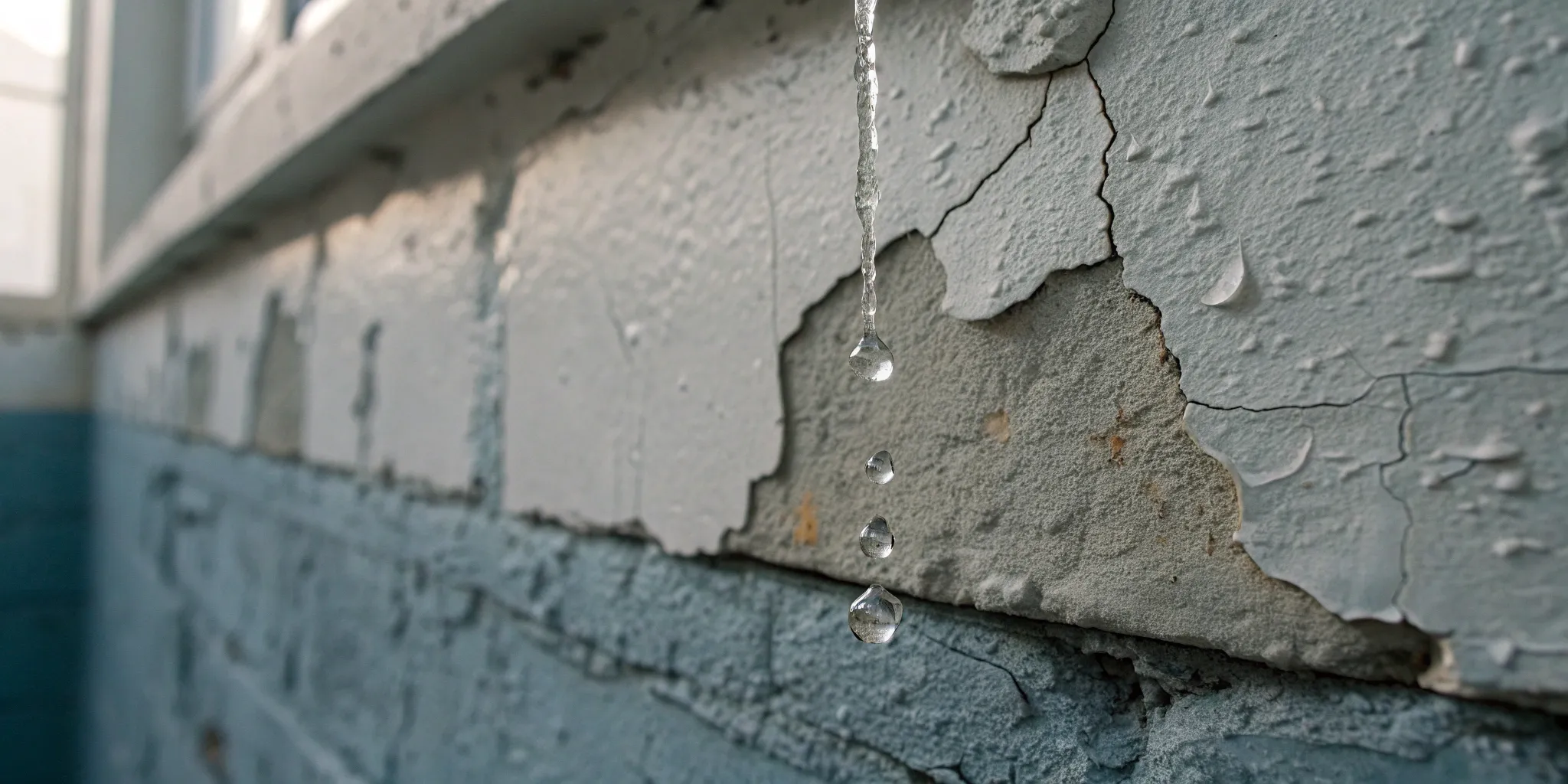
One of the most common signs of a hidden water leak is a mysterious stain appearing on your wall or ceiling. These spots are often yellowish or brownish and can grow larger over time. If the leak is above you, you might see a circular stain on the ceiling that feels damp to the touch. For pipes inside walls, discoloration can appear as streaks running down from the ceiling or as dark patches near your baseboards. Don’t dismiss a small stain as an old issue. Any new or changing discoloration is a clear signal that water is actively seeping into the drywall, and it’s a problem that will only get worse if ignored.
Notice Bubbling Paint or Peeling Wallpaper
Have you noticed your paint starting to bubble or your wallpaper beginning to peel away at the seams? This is a classic sign that moisture is trapped behind the surface. When water saturates the drywall, it separates the paint or wallpaper adhesive from the wall itself, creating blisters, bubbles, or warping. You might also see sagging or soft spots on the wall. These areas indicate that the structural integrity of the drywall is compromised due to prolonged moisture exposure. Running your hand over the surface can help you feel for these textural changes. It’s a definite red flag that a pipe behind the wall has sprung a leak.
Smell for Musty Odors or Visible Mold
Sometimes, you’ll smell a problem before you see it. A persistent, earthy, or musty odor that you can’t seem to place is a strong indicator of a hidden water leak. This smell is caused by moisture that has been sitting long enough to encourage mold and mildew growth inside your walls. You might even see visible mold, which can look like black, green, or white fuzzy patches, often appearing near baseboards or in corners. Because mold can pose health risks, it’s crucial to address the source of the moisture right away. This isn’t just about protecting your home; it’s about protecting your family’s well-being with reliable residential plumbing in Spokane.
Is Your Water Pressure Warning You About a Leak?
Sometimes, the most telling sign of a burst pipe isn’t a puddle on the floor—it’s a change you can feel every time you turn on a faucet. Your home’s plumbing is a closed system, and it relies on consistent pressure to deliver water where you need it. When a pipe breaks or springs a leak, that pressure is compromised because water is escaping somewhere it shouldn’t. It’s easy to dismiss a slightly weaker shower spray or a faucet that takes a few extra seconds to fill a pot, but these subtle changes are often your first and only clue that something is wrong behind the walls.
Paying attention to how your water flows can help you catch a hidden problem before it causes major structural damage or mold growth. If you suspect a leak is behind your pressure problems, it’s always best to get a professional water leak repair to find the source quickly. Think of low water pressure as your plumbing system’s early warning signal. Learning to recognize it and the other signs that go along with it can save you a lot of stress and money down the road.
Feel for a Sudden Drop in Water Pressure
One of the most common signs of a hidden leak is a sudden, noticeable drop in water pressure. You know how your shower normally feels or how quickly your kitchen sink fills up. If you suddenly find that your shower head is barely trickling or your faucets have a much weaker flow than usual, it’s a major red flag. This isn’t about a slow decline over years, but a distinct change that happens quickly. A burst pipe diverts a significant amount of water, leaving less of it to travel to your fixtures. So, if your morning shower feels less refreshing than it used to, don’t just ignore it. It could be your first clue that a pipe has failed somewhere inside your walls.
Test for Weak Flow from Faucets
If you suspect a drop in pressure, you can do a quick diagnostic test yourself. Turn on faucets in different parts of your house—the kitchen, a downstairs bathroom, and an upstairs bathroom. Is the flow weak everywhere? If so, the problem likely lies in your main water line or a significant pipe that services the whole house. A widespread pressure drop is a strong indicator of a serious leak. If the weak flow is isolated to a single faucet, the issue might be a clogged aerator or a problem with that specific fixture. But when the entire house is affected, it’s time to consider a more serious issue with your residential plumbing system.
Watch Your Water Meter for Constant Activity
Your water meter is your best friend when it comes to detecting hidden leaks. It provides definitive proof that water is running when it shouldn’t be. To check, first make sure every water-using appliance in your home is turned off. That means no dishwasher, no washing machine, and no flushing toilets. Head outside and take a reading of your water meter—you can even snap a quick photo of it. Wait for two to three hours without using any water, then go back and check the meter again. If the numbers have changed, you have a leak somewhere in your system. Even a tiny leak will cause the meter to tick up over time.
Look for Spikes in Your Water Bill
Often, the first person to spot a hidden leak is the one who opens the mail. An unexpectedly high water bill is a classic sign of a burst pipe. A small drip can waste gallons of water a day, and a more significant break can send your bill soaring. Take a look at your recent statements. If your bill has jumped by 20% or more without a clear reason—like watering a new lawn or filling a pool—you likely have a continuous leak. This financial clue is especially helpful for catching slow leaks inside walls that don’t produce other obvious signs right away. It’s your home’s way of telling you that it’s time to call in a professional.
What Does a Burst Pipe Sound Like?
Sometimes, the first sign of a burst pipe isn’t something you see, but something you hear. Your home has a normal rhythm of sounds, but when your plumbing system starts making strange noises, it’s time to pay attention. These sounds are often your earliest warning that water is escaping somewhere it shouldn’t be. Listening closely can help you catch a problem before it causes major damage.
Listen for Banging or Clanking Noises
Have you ever heard a loud bang or clank coming from your walls? While some pipe noises are normal, sudden, loud sounds are a cause for concern. This noise can signal that a pipe is damaged or has come loose from its fittings. The sound is often created by high-pressure water moving through a compromised pipe, putting stress on the entire system. Ignoring these jarring sounds can lead to a full-blown burst. It’s always best to have a professional investigate any unusual banging to prevent a more serious water leak repair down the road.
Hear Hissing or Rushing Water
This is one of the most unmistakable signs of a burst pipe. If you hear a distinct hissing or a sound like rushing water coming from inside your walls or floors—and you know no taps are running—you likely have an active leak. This isn’t a subtle drip; it’s the sound of water actively spraying from a broken pipe. The longer you hear it, the more water is accumulating behind your drywall. This is a true plumbing emergency that requires immediate action. Don’t wait to see if it stops; shut off your main water supply and call for professional help right away.
Pinpoint Dripping Sounds Inside Walls
A persistent dripping sound from within a wall can be maddening, but it’s also a clear warning. Unlike a rushing sound, a drip might indicate a smaller leak, but it’s no less destructive. That steady drip, drip, drip means water is slowly seeping into your home’s structure, creating the perfect environment for mold and wood rot. You might only notice it when the house is quiet, but it’s crucial not to dismiss it. Try to pinpoint where the sound is loudest to help a plumber locate the problem faster. A small leak today can become a catastrophic failure tomorrow, so addressing it quickly protects your home’s plumbing system and structural integrity.
Suspect a Burst Pipe? Here’s What to Do Right Now
Okay, you’ve found the signs, and you’re pretty sure a pipe has burst. It’s a stressful situation, but what you do in the next few minutes can save you from a lot of extra damage and headaches. Don’t panic. Taking these five immediate, decisive steps will help you get control of the situation and protect your home. Think of this as your emergency action plan. Follow these steps in order to keep yourself safe and minimize the damage while you wait for professional help to arrive.
Shut Off the Main Water Supply
This is your absolute first move. Before you do anything else, you need to stop the flow of water. Find your home’s main water shut-off valve and turn it off immediately. This single action prevents more water from flooding your home and worsening the damage. The valve is often located in a basement, crawl space, or utility closet near your water heater. It might have a wheel-style handle or a lever. Turn the wheel clockwise until it’s tight, or turn the lever a quarter-turn until it’s perpendicular to the pipe. Once the water is off, open a few faucets to drain the remaining water from the pipes.
Turn Off Electricity to the Affected Area
Water and electricity are a dangerous combination. For your safety, your next step is to cut the power to the affected area. Head to your home’s main electrical panel (or breaker box) and flip the breakers for any rooms where water is present. This includes outlets, lights, and any appliances in the vicinity of the leak. If you see standing water around the electrical panel itself or are unsure which breakers to turn off, don’t risk it. Leave the area and wait for a professional plumber or electrician to handle it. Your safety is always the top priority.
Document the Damage for Insurance
Before you start moving things or cleaning up, grab your phone. You’ll need to document everything for your homeowner’s insurance claim. Take clear photos and videos of the burst pipe (if you can see it), the standing water, and any damaged walls, floors, furniture, or belongings. Capture the scene from multiple angles to give a complete picture of the initial impact. This evidence is incredibly important for making sure your claim process goes smoothly and that you get the coverage you need for repairs. Don’t skip this step, even if you’re in a hurry to clean up.
Call Action Craft Experts for Emergency Help
With the immediate dangers contained, it’s time to call in the professionals. A burst pipe is not a DIY project; you need an experienced plumber to assess the situation and perform the necessary repairs correctly. Give our team at Action Craft Experts a call right away. We handle plumbing emergencies and can dispatch a technician to your home quickly. Getting a professional on-site is crucial for a proper water leak repair and to prevent long-term structural issues or mold growth. Let us take it from here so you can have peace of mind.
Start the Cleanup Process Safely
While you wait for our team to arrive, you can begin the initial cleanup if it’s safe to do so. Removing as much water as possible will help minimize damage. Use mops, old towels, and buckets to soak up water from floors. If you have a wet/dry vacuum, now is the time to use it. Open windows and doors to get air circulating, and set up fans or a dehumidifier if you have them. This helps start the drying process and reduces the risk of mold setting in. Just be careful not to overexert yourself—the main goal is to manage the situation until help arrives.
How to Prevent Pipes from Bursting
Dealing with a burst pipe is a homeowner’s nightmare, leading to serious water damage, costly repairs, and a massive headache. The good news is that you can often avoid this disaster with a few proactive steps. Taking some time to protect your plumbing system, especially before Spokane’s cold winters set in, can save you a world of trouble down the road. It’s all about getting ahead of the problem before it starts. Here’s how you can be prepared and keep your pipes safe all season long.
Insulate Pipes in Cold Spaces
Pipes in unheated areas of your home are the most vulnerable to freezing. Think about those located in crawl spaces, basements, attics, or along exterior walls. Without protection, the water inside can freeze, expand, and split the pipe open. An easy and effective fix is to wrap them with foam pipe insulation, which you can find at any local hardware store. This simple barrier helps keep the pipe’s temperature above freezing, even when the air around it is frigid. It’s a small investment of time and money that offers huge protection against a potential catastrophe, giving you peace of mind when the temperatures drop.
Keep Your Home’s Temperature Stable
Your home’s heating system does more than just keep you comfortable; it also protects your plumbing. During a cold snap, it’s crucial to maintain a consistent temperature inside. Even if you’re leaving for a few days, resist the urge to turn the heat completely off. Set the thermostat to at least 55°F (13°C) to ensure the air circulating through your walls stays warm enough to prevent pipes from freezing. This simple action provides a vital safety net for your entire plumbing system, especially for those pipes hidden from view that you can’t easily insulate. It’s an effortless way to safeguard your home from the inside out.
Prepare Outdoor Faucets for Winter
Before the first freeze hits, it’s essential to winterize your outdoor faucets and sprinklers. Any water left in these exterior pipes can freeze, expand, and cause a burst that you might not discover until spring. Start by disconnecting all your garden hoses. Then, find the shut-off valve for your outdoor faucets—it’s usually located in your basement or crawl space—and turn it to the off position. Finally, go back outside and open the spigots to drain any remaining water from the line. This simple, ten-minute task ensures the pipe is empty and safe from the dangers of freezing temperatures all winter long.
Schedule a Professional Plumbing Inspection
Sometimes, the biggest risks are the ones you can’t see. An annual inspection from a professional can catch potential problems before they become emergencies. A plumber can spot corroded pipes that are close to failing, check for hidden leaks behind walls, and assess your system’s overall health. This kind of preventative maintenance is like a yearly check-up for your home, giving you confidence that everything is in good working order. Scheduling a routine check of your residential plumbing is one of the smartest ways to protect your property and avoid the stress and expense of unexpected, large-scale repairs.
Address Small Leaks Immediately
That tiny drip under the sink might seem harmless, but it’s often a warning sign of a bigger issue. A small leak can indicate corrosion, excessive water pressure, or a failing joint—all of which can weaken the pipe and lead to a full-blown burst if ignored. Don’t put off the repair. Addressing a minor issue right away is much easier and cheaper than dealing with the extensive water damage that comes from a major break. If you notice a persistent drip anywhere in your home, it’s time to call for a professional water leak repair to get it fixed properly and protect your home from future damage.
When Is It Time to Call a Plumber?
Knowing the signs of a burst pipe is the first step, but recognizing when the problem is too big to handle on your own is just as important. Some plumbing issues are minor inconveniences, while others are emergencies in the making. If you’re seeing any of the major warning signs, it’s time to put down the wrench and pick up the phone. Acting quickly can save you from extensive damage, costly repairs, and a whole lot of stress. Let’s walk through the clear signals that mean you need a professional, the pitfalls of trying to fix it yourself, and what you can expect when you call for help.
Red Flags That Demand a Professional
Some situations are too critical for a wait-and-see approach. If you notice significant water stains spreading across your walls or ceiling, or if your paint or wallpaper is actively bubbling, you have an urgent problem. A persistent musty smell or visible mold patches are also clear indicators of a hidden leak that’s been festering for a while. Standing water is, of course, the most obvious red flag. These signs point to a serious issue within your walls that requires immediate attention. A professional plumber can locate the source and help with water leak repair to prevent the damage from getting worse. Don’t hesitate to make the call if you spot any of these issues.
The Risks of a DIY Fix
It can be tempting to try and tackle a leak yourself, especially if you’re trying to save money. However, a burst pipe inside a wall isn’t a simple DIY project. Without the right tools and experience, you could easily make the problem worse. Cutting into the wrong section of drywall can lead to more repairs, and an improper pipe fix can fail, causing a second, more severe flood. Ignoring the problem or attempting a temporary patch can lead to thousands of dollars in structural repairs and mold remediation down the road. When it comes to your home’s plumbing system, calling a professional plumber is the safest and most cost-effective solution in the long run.
What to Expect from an Emergency Service Call
When you’re dealing with major flooding or a visible pipe break, you need help fast. When you call for an emergency service, you can expect a rapid response. Our team at Action Craft Experts arrives with specialized equipment, like moisture meters and inspection cameras, to accurately find hidden leaks without needlessly tearing up your walls. We’ll explain the problem clearly, outline the necessary repairs, and provide an upfront estimate. Our goal is to not only fix the immediate issue but also to ensure the repair is done correctly to prevent future problems. You can feel confident that a trained professional is handling the crisis, protecting your home and giving you peace of mind.
The Hidden Dangers of an Untreated Burst Pipe
A burst pipe might seem like a simple plumbing problem, but ignoring it can lead to a cascade of issues that affect your home and your health. The initial water damage is just the beginning. When water seeps into your home’s structure undetected, it creates the perfect environment for serious, long-term problems to develop. From compromising the structural integrity of your house to creating health hazards for your family, the consequences of waiting are far more severe than the inconvenience of an immediate repair. Understanding these hidden dangers makes it clear why a swift response is not just recommended—it’s essential for protecting your property and your peace of mind.
Lasting Damage to Your Home’s Structure
Water from a burst pipe doesn’t just stay on the surface; it soaks deep into drywall, wood beams, and flooring. This prolonged moisture can weaken the very framework of your home. What starts as a damp spot on the ceiling can quickly lead to sagging, and a wet patch on the wall can compromise the structural integrity of your house. Over time, wood can rot, and plaster can crumble, turning a manageable leak into a major construction project. Addressing the problem quickly with professional water leak repair is the only way to prevent this kind of extensive and costly structural damage.
Health Risks from Mold and Mildew
One of the most serious consequences of a hidden water leak is the growth of mold and mildew. In as little as 24 to 48 hours, mold spores can begin to flourish in damp, dark spaces behind your walls or under your floors. You might first notice a persistent musty smell before you ever see visible signs of growth. For anyone with allergies, asthma, or a compromised immune system, mold exposure can pose significant health risks, causing respiratory issues, skin irritation, and other allergic reactions. Protecting your family’s health is a critical reason to treat any suspected pipe burst as an emergency.
The True Cost of Waiting to Repair
It’s tempting to hope a small leak will resolve itself, but in plumbing, procrastination is expensive. The longer you wait to fix a burst pipe, the more the damage spreads and the higher the repair bill climbs. A simple pipe fix can turn into a massive expense that includes replacing drywall, tearing out flooring, professional mold remediation, and even structural repairs. What could have been a straightforward job for a residential plumbing expert becomes a full-blown restoration project. Investing in an immediate repair saves you from the stress and staggering costs of fixing widespread damage down the road.
Related Articles
- How To Detect Water leaks In Your House – Action Craft Experts
- How to Fix a Leaky Pipe? – Action Craft Experts
- Frozen Pipes Recovery: What to Do if Your Pipes Cracked
- 4 Effective Ways to Avoid Plumbing Emergencies – Action Craft Experts
- How to Identify Plumbing Problems in a New House
Frequently Asked Questions
How can I tell if a pipe is frozen before it bursts? One of the earliest signs of a frozen pipe is when you turn on a faucet and only a small trickle of water comes out, or nothing at all. This often happens on the coldest mornings. If you can see the pipe, you might notice frost has formed on the outside of it. If you suspect a pipe is frozen, it’s important to act carefully. You can try gently warming the area with a hairdryer, but never use an open flame. The safest bet is to call a professional who can thaw the pipe safely and check for any damage.
Is a small, slow leak really an emergency? While a slow drip doesn’t feel as frantic as a gushing pipe, it’s an urgent problem that needs attention. Think of it as a ticking clock. That constant moisture is quietly soaking into your home’s structure, creating the perfect conditions for wood rot and mold, which can start growing in as little as 24 hours. Addressing it quickly prevents a small problem from turning into a massive, expensive restoration project involving mold remediation and structural repairs.
Will my homeowner’s insurance cover the damage from a burst pipe? Typically, homeowner’s insurance policies cover sudden and accidental water damage, like what happens when a pipe unexpectedly bursts. However, they often don’t cover damage that results from a slow, long-term leak that was neglected. This is why it’s so important to document everything with photos and call for a repair as soon as you notice a problem. Every policy is different, so it’s always a good idea to review your specific coverage with your insurance agent.
What’s the difference between a leak and a burst pipe? A leak is usually a slow, steady drip that might come from a loose fitting, a corroded spot, or a pinhole in the pipe. A burst, on the other hand, is a complete failure where the pipe breaks open, releasing a large amount of water very quickly. While any uncontrolled water is a problem, a burst is a true emergency that requires you to shut off your main water supply immediately to prevent major flooding.
After you fix the pipe, who handles the water damage and wall repairs? Our expertise is in finding the source of the problem and repairing the plumbing itself to stop the water flow. Once the pipe is fixed, the next step is addressing the water damage, which involves drying out the affected areas and repairing any damaged drywall, flooring, or insulation. This part of the job is typically handled by a specialized water damage restoration company. We can often recommend trusted local professionals to help you with the restoration process.