















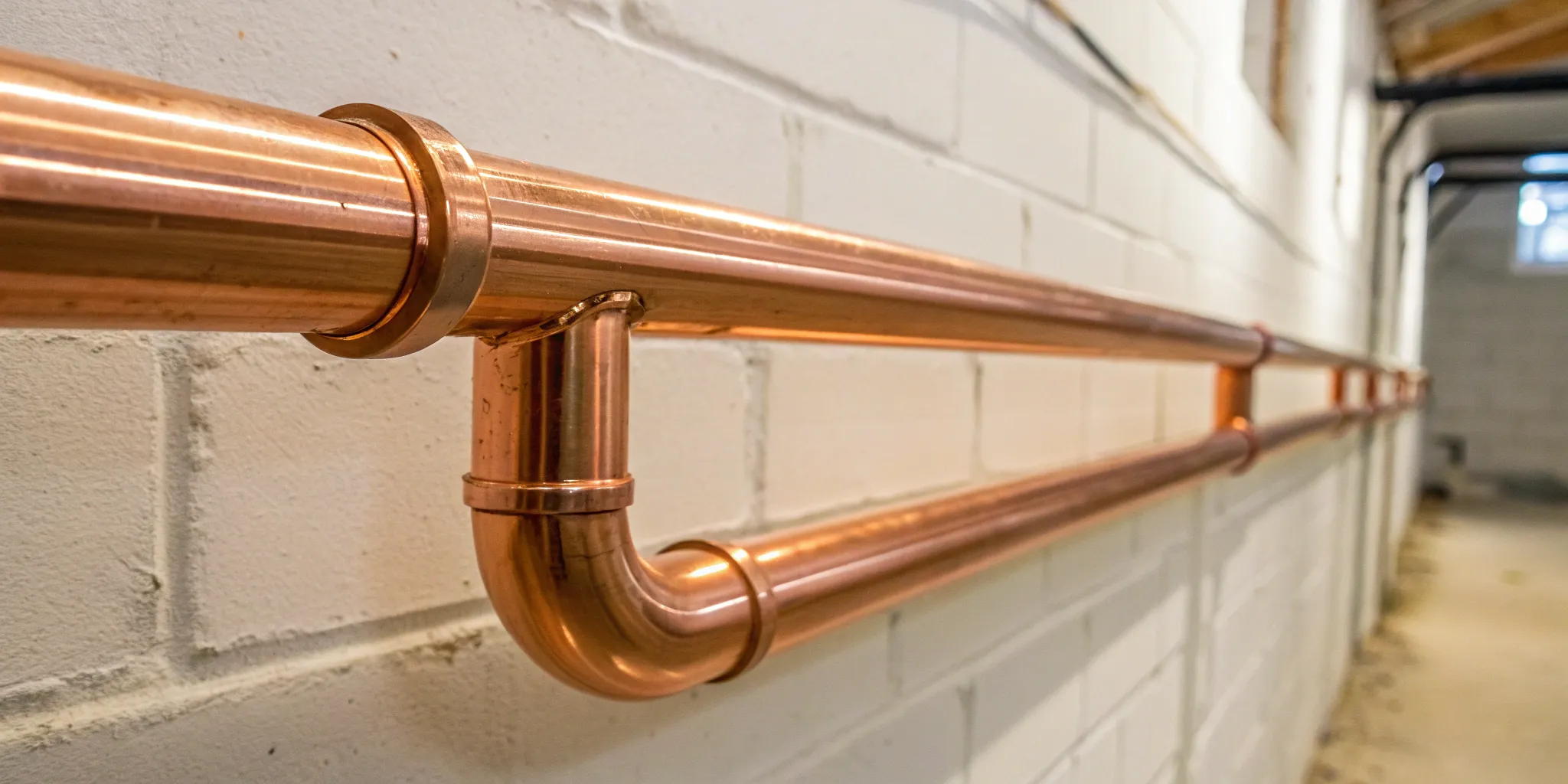
Low water pressure and discolored water aren’t just minor annoyances; they’re often symptoms of a failing plumbing system. If you’re tired of calling for one water leak repair after another, it might be time to consider a permanent solution. This inevitably leads to the big question: how much to repipe a house with copper? The answer is complex because every home is different. This guide will walk you through all the factors that determine the final price, from the cost per linear foot of pipe to the labor required for a clean installation. We’ll give you the information you need to understand your plumber’s estimate and plan for a project that will restore your home’s plumbing for good.
Key Takeaways
- Understand What You’re Paying For: The final cost of a copper repipe is influenced more by your home’s size and pipe accessibility than the material itself. Expect skilled labor to be the largest part of your quote.
- Plan for Post-Project Repairs: A plumber’s estimate typically covers the piping work only. You’ll need to budget separately for drywall repair, painting, and any potential water damage cleanup discovered once the walls are open.
- Weigh Your Material Options Carefully: Copper is a durable, high-value choice, but it’s also the most expensive. Compare it to modern alternatives like PEX, which can save you thousands on both materials and labor without sacrificing long-term reliability.
What Does It Cost to Repipe a House with Copper?
Thinking about repiping your house with copper is a big decision, and one of the first questions on your mind is likely about the cost. While there’s no single price tag, understanding the typical expenses can help you budget for this important home improvement. Repiping is a significant investment in your property’s health and longevity, and copper is a top-tier choice for its durability and reliability.
The total cost to repipe a house with copper generally falls between $5,000 and $20,000, but it can go higher depending on the project’s scope. This wide range exists because every home is unique. The final price depends on factors like the size of your house, how many bathrooms and kitchens you have, and how easy it is for plumbers to access your existing pipes. A straightforward job in a smaller home will be on the lower end of the spectrum, while a complex project in a large, multi-story house will naturally cost more. Getting a professional estimate is the best way to know what your specific residential plumbing project will require.
Price Ranges for Different Home Sizes
The size of your home is one of the biggest factors in determining the cost of a copper repipe. For a smaller home, around 1,000 to 1,500 square feet with one or two bathrooms, you might expect the cost to be in the $5,000 to $10,400 range. As the square footage and the number of plumbing fixtures increase, so does the price. For larger homes, it’s not uncommon for the cost to exceed $20,000. For example, repiping a standard three-bedroom house can vary dramatically, from as low as $6,000 to as high as $50,000, depending on the complexity of the plumbing system and ease of access.
The Cost Per Linear Foot, Explained
When you get a quote, you’ll often see costs broken down by the materials used. Copper piping itself typically costs between $2.00 and $5.00 or more per linear foot. This is higher than other common materials like PEX or CPVC, which usually run from $0.50 to $2.00 per foot. While the per-foot cost of the pipe is a key part of the equation, it’s just one piece of the puzzle. The total amount of piping needed, plus the cost of fittings, valves, and other necessary components, will all be factored into your final material costs. This is why a professional assessment is so important for an accurate quote.
Labor vs. Materials: Where Your Money Goes
It might surprise you to learn that the bulk of your repiping bill isn’t for the shiny new copper pipes—it’s for the skilled labor required to install them. Labor can account for as much as 70% of the total project cost. This is because repiping is an intensive process. Our plumbers often need to carefully open walls, ceilings, and floors to remove the old pipes and install the new ones. Installing copper is also more labor-intensive than working with flexible materials like PEX. When you hire a professional, you’re paying for the expertise needed to handle the job efficiently and correctly, ensuring your new system is built to last and prevents future water leak repair.
What Factors Drive Up Copper Repiping Costs?
When you get a quote for repiping your home, the final number depends on much more than just the price of copper. Several key factors influence the total cost, and knowing what they are can help you understand your estimate and plan your budget. While a full copper repipe can range from $5,000 to $20,000, the specifics of your home and the project’s complexity will determine where you land in that spectrum. Let’s break down the main variables that affect the price.
Your Home’s Size and Fixture Count
It makes sense that the bigger your home, the more the project will cost. A larger house requires more linear feet of copper pipe and more time for installation. But it’s not just about square footage; the layout matters, too. A sprawling single-story home might need more piping than a compact two-story house. The number of water-using fixtures also plays a huge role. Each bathroom, your kitchen sink, dishwasher, washing machine, and outdoor faucets all add to the job’s complexity. More fixtures mean more connections, which increases both material and labor costs. This is also a great time to consider a new plumbing fixture installation if you’ve been thinking about an upgrade.
How Accessible Are Your Pipes?
One of the biggest cost drivers is how easy it is for plumbers to get to your existing pipes. If your plumbing is located in an open basement or an accessible crawl space, the work is much more straightforward. However, if your pipes are hidden behind finished drywall, tucked away in ceilings, or buried beneath a concrete slab foundation, the job gets more complicated. Accessing these pipes requires careful demolition and, later, repairs to walls and floors. This extra labor significantly adds to the overall cost. A professional team knows how to minimize this disruption, but the difficulty of access is a major factor in any repiping quote.
Local Labor Rates in Your Area
Labor is typically the largest portion of a repiping bill, often making up around 70% of the total cost. This isn’t just for the time spent fitting pipes together; it covers the skilled work of planning the new system, carefully opening walls, and ensuring every connection is secure to prevent future leaks. Labor rates vary depending on where you live, and the cost in Spokane reflects the expertise and qualifications of licensed plumbers. When you hire a professional for your residential plumbing needs, you’re paying for the peace of mind that comes with knowing the job is done correctly and up to code.
The Cost of Permits and Inspections
A full-house repipe is a major plumbing project, and it almost always requires a permit from your local city or county building department. This process ensures that the work complies with all current building codes and safety standards, which protects you and your home’s value. The cost of the permit itself, along with any fees for mandatory inspections during and after the project, will be part of your total expense. A reputable plumbing contractor will manage the entire permitting process for you, but it’s an essential line item to look for in your estimate and to factor into your budget.
How Does Copper Compare to Other Materials?
When you decide to repipe your home, one of the biggest choices you’ll make is the material. Copper has been the gold standard for decades, known for its reliability and durability. But it’s not the only option on the market anymore. Modern plumbing has introduced excellent alternatives like PEX and PVC, each with its own set of benefits. Understanding the differences in cost, installation, and lifespan is key to making a decision that fits your budget and your home’s needs.
The right material for you depends on several factors. Are you looking for the most affordable option, or is long-term durability your top priority? Is your home’s layout complex, making a flexible pipe more practical? PEX (cross-linked polyethylene) offers flexibility and a lower price point, while PVC and its cousin, CPVC, are other cost-effective plastic alternatives. Comparing these materials side-by-side with copper will help you see the full picture, ensuring you feel confident in your investment for years to come.
Copper vs. PEX: Which Is Right for You?
The most common debate in modern repiping is copper versus PEX. The biggest difference you’ll notice right away is the cost. A whole-home repipe with PEX can be thousands of dollars cheaper than one with copper. For example, a typical two-bathroom home might cost between $4,000 and $6,000 with PEX, while the same job with copper could run from $8,000 to $10,000.
This price gap comes down to both material and labor. PEX is a flexible tube that can be snaked through walls with minimal cutting, which means a faster and less invasive installation. Copper, on the other hand, is rigid. Installing it often requires opening up walls and ceilings, adding to labor time and repair costs. While copper has a solid lifespan of about 50 years, PEX is expected to last over 100 years and is resistant to the corrosion that can sometimes affect copper pipes.
Copper vs. PVC: A Look at Price and Performance
While PEX is a popular choice for water supply lines, you’ll also hear about PVC and CPVC. Standard PVC is primarily used for drain and vent lines, not for your home’s hot and cold water supply. For that, you’d use CPVC (chlorinated polyvinyl chloride), which is rated for both. Like PEX, CPVC is much more affordable than copper, typically costing between $0.50 and $2.00 per foot, compared to copper’s $2.00 to $5.00 per foot.
In terms of performance, copper is a strong metal that is naturally biostatic, meaning it inhibits bacterial growth. CPVC is a rigid plastic that is also corrosion-resistant but can become brittle over time. It doesn’t have the flexibility of PEX, so installation can be more labor-intensive than PEX, though still generally less so than copper.
Thinking Long-Term: Value and ROI
Repiping your house is a major investment, but it’s one that protects your property and adds to its value. Choosing new pipes means you’re proactively preventing future problems. You can avoid the stress and expense of constant water leak repairs and the serious water damage that can follow. Ignoring aging pipes can lead to bigger headaches and higher bills down the line.
When considering your return on investment, both copper and PEX are excellent choices. A home with a brand-new plumbing system is a huge selling point. While copper’s upfront cost is higher, its reputation for quality can be attractive to potential buyers. Ultimately, a full repipe provides peace of mind and protects the overall health of your residential plumbing system, making it a worthwhile upgrade no matter which material you choose.
When Is It Time to Repipe Your Home?
Figuring out if your home needs a complete repipe can feel daunting, but your plumbing system often gives you clear warning signs. Paying attention to these clues can help you address problems before they turn into catastrophic failures, saving you from the stress and expense of major water damage. If you notice one or more of these issues, it’s probably time to call in a professional to assess the health of your pipes. Think of it as a check-up for your home’s circulatory system—it’s essential for its long-term well-being.
Is Your Water Pressure Dropping?
Remember when your shower felt like a waterfall, but now it’s more of a trickle? A sudden or gradual drop in water pressure is one of the most common signs of aging pipes. Over decades, materials like galvanized steel can corrode from the inside out, and mineral deposits can build up, narrowing the path for water to flow through. This constriction forces water through a smaller opening, reducing the pressure you experience at your faucets and showerheads. If only one fixture is acting up, it might be a localized issue. But if you’re noticing low pressure throughout the house, your pipes are likely the culprit.
Seeing Rusty or Discolored Water?
Your water should always run clear. If you turn on the tap and see brown, yellow, or reddish water, it’s a major red flag. This discoloration is often caused by rust and corrosion inside your pipes breaking off and mixing with your water supply. Not only is it unappealing, but it also indicates that your pipes are deteriorating and nearing the end of their lifespan. You might notice it most in the morning after the water has been sitting in the pipes overnight. Don’t ignore this sign; it’s a clear signal that your entire residential plumbing system needs a thorough inspection.
Dealing with Constant Leaks?
A single leak can be an annoyance, but recurring leaks are a symptom of a much larger problem. If you find yourself calling a plumber for a new leak every few months, you’re essentially putting a bandage on a failing system. Older pipes, especially those over 50 years old, become brittle and weak, leading to frequent cracks and pinhole leaks. Instead of chasing one repair after another, repiping offers a permanent solution. A full repipe addresses the root cause, giving you peace of mind and preventing the cumulative damage that constant water leak repair can cause to your home’s structure.
Hearing Strange Noises from Your Pipes?
Your plumbing shouldn’t sound like a haunted house. Banging, rattling, clanking, or whistling noises are your pipes trying to tell you something is wrong. These sounds can be caused by a variety of issues, from loose support straps to serious problems like “water hammer,” which is a shockwave created when water flow is abruptly stopped. In an older plumbing system, these noises often mean the pipes are struggling to handle the pressure and flow of water. While some sounds can be fixed with minor adjustments, persistent and loud noises often point to systemic instability that a full repipe can resolve for good.
What Hidden Costs Should You Budget For?
Getting a quote for a full copper repipe is a huge step, but the number on that estimate usually covers the plumbing work itself—the pipes, fittings, and labor. To create a truly realistic budget, you need to think about the related expenses that can pop up during and after the project. Planning for these potential costs ahead of time means you won’t be caught off guard. It helps ensure your repiping project goes smoothly from start to finish, without any last-minute financial surprises.
Repairing Walls and Drywall
To replace old pipes, plumbers need to access them, and that almost always means cutting into your walls and ceilings. Once the new copper pipes are in place, that drywall needs to be repaired. This isn’t typically included in a plumbing quote. The process involves patching the holes, applying texture to match the existing surface, and then priming and painting. Depending on how much access was needed, this restoration work can be a significant expense. It’s a good idea to get a separate quote from a drywall contractor or handyman so you can add this cost to your overall project budget.
Potential Water Damage Cleanup
One of the main reasons for repiping is to solve problems with old, corroded pipes that may have been leaking for years. When the walls are opened up, you might uncover pre-existing water damage that needs to be addressed before the new drywall goes up. This could involve drying out damp areas, treating for mold, or even replacing rotted wood framing. If your old pipes were already causing issues, you might need professional water leak repair to assess and fix any hidden damage. Factoring in a contingency fund for these kinds of discoveries is a smart move.
Updating Fixtures While You’re At It
With your walls open and your plumbing system getting a major overhaul, it’s the perfect time to think about other upgrades. Have you been dreaming of a new sink in the bathroom or a more modern kitchen faucet? This is an ideal opportunity for a plumbing fixture installation since your plumber is already on-site. While it’s a convenient time to do it, remember that the cost of new fixtures and the extra labor to install them will be added to your total bill. Be sure to discuss any desired upgrades with your plumber beforehand so they can be included in the project scope and quote.
Planning for Temporary Accommodations
A whole-house repipe isn’t an overnight job. For a smaller home, it might take a few days, but for a larger, multi-story house, it could take a week or more. During much of this time, your water will be shut off, making it difficult to stay in your home. You may need to budget for a hotel stay or arrange to stay with family or friends, especially if you have kids. While this isn’t a direct plumbing cost, it’s a real expense related to the project’s logistics. Planning for this disruption will make the entire process feel much less stressful for everyone in your household.
Why Choose Copper for Your Repiping Project?
Deciding to repipe your house is a major undertaking, and choosing the right material is a critical part of the process. While newer options like PEX have gained popularity, copper remains a top choice for homeowners for several compelling reasons. It’s a classic material that has stood the test of time, offering a unique combination of durability, safety, and long-term value. If you’re weighing your options, understanding the specific benefits of copper can help you make a confident decision for your home’s plumbing infrastructure. It’s not just about replacing old pipes; it’s about investing in a system that will serve you reliably for decades.
The Long-Lasting Durability of Copper
When you invest in a full home repipe, you want a solution that lasts. Copper piping delivers on that front, with a typical lifespan of 50 years or more. This incredible longevity means you can essentially set it and forget it for a generation. Unlike older galvanized steel pipes that are prone to rust and corrosion from the inside out, copper is highly resistant to corrosion, ensuring a steady flow of water for years. This durability significantly reduces the likelihood of needing frequent water leak repairs caused by pipe degradation. While the upfront cost is higher than plastic alternatives, its strength and proven track record provide lasting peace of mind.
Better Water Quality for Your Family
The quality of the water your family uses every day is non-negotiable. Copper is an excellent choice for maintaining pure, clean water throughout your home. Because it doesn’t corrode easily, you won’t have to worry about rust or other contaminants leaching into your water supply, which can happen with aging metal pipes. Unlike some plastic pipes, copper doesn’t introduce harmful chemicals into the water. In fact, copper is biostatic, meaning it naturally inhibits the growth of bacteria. This ensures that the water arriving at your taps is as clean and safe as possible, which is a cornerstone of any healthy residential plumbing system.
How Copper Pipes Affect Your Home’s Value
A repiping project is more than just a repair; it’s an upgrade to your home. Choosing copper can add tangible value to your property. Homebuyers, appraisers, and inspectors often view copper plumbing as a premium feature, signaling that the home has been well-maintained with high-quality materials. This can be a significant selling point if you ever decide to put your house on the market. Investing in a copper repipe shows a commitment to quality that goes beyond cosmetic updates, strengthening the core infrastructure of your home. It’s a smart, long-term investment that pays off in both performance and property value.
How Long Does Copper Repiping Take?
Beyond the cost, one of the biggest questions homeowners have is about the timeline. How long will your home be a construction zone, and when can you get back to normal? While it’s a significant project, a full copper repipe is usually completed faster than most people think. The exact duration depends on your home’s specific layout and the complexity of the job. Understanding the typical timeline and how to prepare can make the entire process feel much more manageable.
What to Expect for a Timeline
A full copper repipe can take anywhere from a few days to a couple of weeks. For a smaller, single-story home, a skilled team might finish the job in two to five days. However, a larger, multi-story house with several bathrooms and a complex plumbing system could take longer. The number of plumbing fixtures and how easy it is to access the pipes play a big role. If you’ve been dealing with constant plumbing issues, like recurring water leak repair, investing a few days in a permanent fix is often well worth the time. Your plumber can give you a more precise timeline after assessing your home.
How to Keep Disruptions to a Minimum
While some disruption is unavoidable, you can take steps to make the process smoother. The most important step is hiring an experienced team that specializes in repiping. A dedicated crew can often complete the job faster and more efficiently than a general plumber. You should also prepare for the fact that plumbers will need to cut into your drywall to access the old pipes. Planning for these repairs ahead of time helps manage the overall project. Our team at Action Craft Experts handles residential plumbing in Spokane every day, and we always work to minimize the impact on your daily life by keeping you informed and maintaining a clean workspace.
How to Get an Accurate Repiping Estimate
Getting a clear and comprehensive estimate is the most important step in your repiping project. A vague quote can lead to unexpected costs and stress, so it’s smart to get detailed bids from a few licensed plumbers. This isn’t just about comparing prices; it’s about understanding the full scope of the work. A trustworthy plumber will walk you through your home, explain their process, and provide a written estimate that breaks everything down. This transparency is the foundation of a successful project and gives you peace of mind.
Key Questions to Ask Your Plumber
When a plumber comes to your home, you’re in the driver’s seat. Don’t be shy about asking questions to ensure you’re getting a thorough evaluation. A good estimate depends on a detailed assessment of your home’s unique layout. Ask them to explain how the number of fixtures will impact the job and about the accessibility of your current pipes. Are they in a crawlspace or behind a finished wall? Finally, always confirm they are licensed and insured. A professional will be happy to answer any questions you have about their residential plumbing services.
How to Read Your Repiping Quote
Once you have a few quotes, it’s time to compare them. A good quote is more than just a final number; it should be a detailed breakdown of all costs. Look for line items that separate labor from materials. Make sure you understand if the quote is just for the water supply lines or if it also includes drain lines. A critical point to clarify is whether the estimate includes the cost of repairing walls and ceilings after the pipes are installed. These finishing touches can add up, so you want to know upfront if they’re part of the package.
Spotting Red Flags in an Estimate
A suspiciously low bid can be tempting, but it’s often a red flag. Be wary of any estimate that seems too good to be true or lacks detail. If a plumber gives you a price without a thorough inspection, that’s a sign they might cut corners later. Another red flag is a quote that doesn’t specify what’s included in the post-repipe restoration. If pipes are hard to access, like those under a concrete slab, the cost will be higher. A professional will explain these challenges. If you’re dealing with constant pipe problems, get a quote from a team that specializes in water leak repair and provides transparent pricing.
Related Articles
Frequently Asked Questions
Will my water be shut off during the entire repiping process? Not usually for the whole time, but you should plan for significant periods without water. Typically, our team will shut off the main water supply while they are actively removing old pipes and installing the new ones. We work efficiently to minimize this downtime and often can restore water to parts of the house by the end of each workday. We’ll communicate the plan with you clearly so you know exactly what to expect and can plan accordingly.
Do I have to repipe my entire house at once? While a whole-house repipe is the most comprehensive solution for aging pipes, it’s not always necessary to do it all at once. If your problems are isolated to one specific area, like a bathroom or kitchen, it’s sometimes possible to repipe just that section. However, if you have widespread issues like low water pressure or discolored water, a full repipe is the most effective long-term investment to prevent future problems from popping up elsewhere.
Is copper always the best choice, or should I seriously consider PEX? Both copper and PEX are excellent materials, and the “best” choice really depends on your priorities. Copper is a premium material known for its long-term durability and its ability to add value to your home. PEX is a more budget-friendly and flexible option that often involves a faster, less invasive installation. If you prioritize proven longevity and home value, copper is a fantastic investment. If your budget and a quicker installation are your main concerns, PEX is a very reliable alternative.
Does your estimate include repairing the drywall after the job is done? This is a great question to ask any plumber. A standard plumbing quote typically covers the removal of old pipes and the installation of the new system. The repair of any drywall or ceilings that were opened for access is usually a separate step. We make sure our estimates are transparent about what is included, and we can recommend trusted local professionals to handle the restoration work so your home looks just as it did before we started.
How can I tell if I need a full repipe or just a simple leak repair? A single, isolated leak can often be fixed with a straightforward repair. However, you should start thinking about a full repipe if you’re experiencing systemic issues. If you have multiple leaks in different areas, notice a drop in water pressure throughout the house, or see rusty water coming from your faucets, these are signs that your entire plumbing system is failing. A full repipe addresses the root cause, while continuing with individual repairs can be like putting a bandage on a much larger problem.