













That one slow drain in the bathroom is annoying. The faint, musty smell in the basement is puzzling. And that patch of grass in the yard that’s suddenly greener than the rest? It’s easy to dismiss these as separate, minor quirks of homeownership. However, they could all be connected to a single, serious issue. Your main sewer line is the common denominator for all your home’s plumbing, and when it has a problem, the symptoms can appear all over your property. Understanding how to connect these dots is key. We’ll cover the most important signs of a broken sewer line to help you see the bigger picture.
Key Takeaways
- Know the warning signs of a sewer problem: Pay attention to clues like persistent foul odors, multiple slow drains, gurgling sounds, or unusually green and soggy spots in your yard. These are often the earliest indicators of an issue underground.
- Take immediate, specific action: If you suspect a problem, stop using all water in your home to prevent a sewage backup. Your next step is to call a professional for a camera inspection to accurately diagnose the issue without guesswork.
- Focus on prevention to avoid disaster: You can significantly reduce your risk with simple habits. Be mindful of what goes down your drains, manage trees near your sewer line, and consider periodic professional inspections to catch small problems before they become emergencies.
Think Your Sewer Line Is Broken? Here’s How to Tell
Your home’s main sewer line is the single most important pipe in your plumbing system. It’s the final exit for all the wastewater from your toilets, sinks, and showers. When it works correctly, you never have to think about it. But when it breaks, it can cause some of the most disruptive and unpleasant problems a homeowner can face. The trouble is, since the line is buried underground, you can’t see the damage happening.
That’s why it’s so important to recognize the indirect signs of a sewer line problem. A small crack from a tree root or a blockage from years of buildup can quickly escalate, leading to messy backups and expensive structural damage. Catching the issue early is the key to a faster, less invasive repair. If you’ve noticed a few strange things happening around your property, don’t dismiss them. Your home might be trying to tell you that your sewer line needs help. Paying attention to these clues can save you from a major headache down the road.
Notice Foul Odors in Your Home or Yard
One of the most unmistakable signs of a sewer line issue is the smell. If you catch a whiff of raw sewage in your basement, bathrooms, or even out in your yard, it’s a major red flag. Your plumbing system is designed to be airtight, trapping sewer gases within the pipes. When a line cracks or breaks, those gases can escape. You might notice the odor is stronger after you flush a toilet or run water. Don’t just light a candle and hope it goes away—that smell is a clear signal that wastewater isn’t being properly contained and needs immediate attention.
Your Drains Are Slow and Making Gurgling Sounds
A single slow drain is usually just a localized clog in that specific fixture. But if you notice that multiple drains in your house are slow—like the toilet, shower, and sink in the same bathroom—the problem likely lies deeper in your system. When the main sewer line is blocked, wastewater has nowhere to go, causing backups throughout the house. You might also hear strange gurgling sounds from your drains or toilet. This is often caused by trapped air being forced through the water as it struggles to get past the obstruction. If you’re dealing with persistent clogs, professional drain cleaning services can determine if the issue is in your main line.
Sewage Is Backing Up Into Your Home
This is the most urgent and unpleasant sign of a broken sewer line. If a blockage is severe enough, raw sewage can be forced back up through your pipes and into your home. This typically happens at the lowest point in the house, such as a basement floor drain or a ground-floor shower. A sewage backup is more than just a mess; it’s a serious health hazard that contains harmful bacteria and contaminants. If you see sewage backing up into your home, stop using your water immediately and call a professional plumber. This is a true plumbing emergency that requires an expert solution for your residential plumbing in Spokane.
See Unusually Green Patches on Your Lawn
Have you noticed a patch of grass in your yard that’s suddenly much greener and more lush than the surrounding lawn? While it might look nice, it could be a sign of trouble underground. When a sewer line leaks, the wastewater seeps into the surrounding soil. This acts as a potent fertilizer, causing the grass directly above the leak to grow exceptionally well. If you have a suspiciously vibrant patch of lawn, especially if it follows the path from your house to the street where the sewer line runs, it’s worth investigating as a potential leak.
Find Soggy Spots or Puddles in the Yard
Along with a green patch, you might find unexplained wet or mushy spots in your yard. If it hasn’t rained recently, but you have a persistent puddle or indented area on your lawn, it could be from a broken sewer line saturating the ground from below. These soggy areas will often have a foul sewage odor as well. Over time, a significant leak can wash away the soil, creating a depression or even a sinkhole in your yard. A professional can help with water leak repair to stop the damage before it gets worse.
Spot New Cracks in Your Foundation
This is one of the most serious signs of a long-term sewer line problem. A slow, undetected leak can go on for months or even years, continuously washing away the soil that supports your home’s foundation. As this soil erodes, the foundation can begin to settle, shift, or sink. This structural movement often results in new cracks appearing in your foundation walls, concrete slab, or even your interior walls. If you see new cracks forming, especially alongside other plumbing issues, a chronic sewer line leak could be the underlying cause. Addressing it quickly is critical to protecting your home’s structural integrity.
Pinpointing the Problem: Indoor vs. Outdoor Clues
Sewer line issues don’t always announce themselves with a dramatic backup. Sometimes, the signs are subtle and can appear either inside your house or out in your yard. Knowing what to look for in both places can help you catch a problem before it gets out of hand. The key is to pay attention to small changes—they’re often your home’s way of telling you something is wrong with the main line.
Think of yourself as a detective. The clues inside your home are often related to how your drains and toilets are behaving, while the outdoor evidence shows up in your landscaping. By piecing together these signs, you can get a clearer picture of what’s happening underground and know when it’s time to call in a professional.
Subtle Indoor Signs You Might Overlook
It’s easy to dismiss a single slow drain as a minor clog, but when multiple fixtures start acting up, it’s a major red flag. If your toilet, shower, and kitchen sink are all draining slowly, the problem isn’t an isolated clog—it’s likely in your main sewer line. You might also hear strange gurgling sounds coming from the drains after you flush the toilet or run the sink. This happens when air gets trapped in the pipes by a blockage and is forced to bubble back up. And, of course, there’s the unmistakable smell of sewage inside your home, which is a clear sign that waste isn’t flowing away as it should. These issues often point to a need for professional drain cleaning services.
Obvious Outdoor Red Flags
Sometimes, the most telling signs of a sewer line break are right in your own yard. A broken pipe can leak water and waste into the surrounding soil, which acts as a powerful fertilizer. If you notice a patch of grass that is suddenly much greener and more lush than the rest of your lawn, a sewer leak could be the cause. You might also find soggy, perpetually damp spots or even standing puddles of smelly water in your yard. In more serious cases, the ground can become so saturated that it starts to erode, creating indentations or sinkholes. If you spot any of these changes in your landscaping, it’s a strong indicator that you need a water leak repair for your main line.
An Unexplained Increase in Pests
This is one of the more unsettling signs, but it’s an important one. A crack or break in your sewer line creates an easy entry point for rodents and insects. Pests like rats and sewer roaches thrive in sewer systems, and a compromised pipe is like an open door directly into the ground beneath your home—and eventually, inside it. If you suddenly notice an increase in pest activity around your property with no other explanation, it could be linked to a breach in your sewer line. This is especially true if you see them near your home’s foundation or in your basement.
Spotted a Warning Sign? Here Are Your Next Steps
Seeing signs of a broken sewer line can feel overwhelming, but don’t panic. Your quick response can make a huge difference in preventing further damage and keeping repair costs down. If you’ve noticed any of the red flags we’ve discussed, from strange smells to slow drains, it’s time to act. Following a few clear steps will help you handle the situation safely and effectively. Think of this as your immediate action plan to protect your home and get things back to normal as soon as possible.
Step 1: Stop Using Your Water Immediately
This is your first and most important move. If you suspect a sewer line issue, stop running all water in your home. That means no flushing toilets, no showers, and no running the dishwasher or washing machine. Every drop of water you send down the drain has to go somewhere, and if your main sewer line is blocked or broken, it’s likely to back up into your house. This simple action can prevent a messy and unsanitary sewage backup, saving you from significant water damage and a much bigger headache. Once the water is off, you can move on to the next step with a little more peace of mind.
Step 2: Call for a Professional Assessment
Sewer line problems are complex and not something you should try to tackle on your own. The next step is to call a trusted plumber. Professionals have specialized equipment, like sewer cameras, that can go directly into the pipe to pinpoint the exact location and cause of the problem. This diagnostic step is critical because it tells us whether we’re dealing with a simple clog, invasive tree roots, or a collapsed pipe. Getting an accurate assessment from an expert is the only way to ensure you get the right fix. A professional team can handle all your residential plumbing needs in Spokane and get to the root of the issue safely.
Step 3: Document Everything for Insurance
While you wait for the plumber to arrive, use the time to document the situation. Grab your phone and take clear photos and videos of any evidence you’ve found. This includes water stains on floors or walls, sewage backups in your drains, cracks in your foundation, or soggy patches in your yard. It’s also helpful to jot down a quick timeline of events: when did you first notice the smell? When did the drains start gurgling? This information can be incredibly valuable if you need to file a homeowner’s insurance claim. Having detailed documentation makes the claims process smoother and helps ensure you’re properly covered for repairs.
Why DIY Repairs Can Make Things Worse
It can be tempting to try a quick fix, but when it comes to your sewer line, DIY attempts often cause more harm than good. Using chemical drain cleaners can corrode pipes, and trying to snake the line without knowing the cause of the blockage can damage the pipe further or turn a small crack into a total collapse. Ignoring the problem is just as risky, as a slow leak can eventually erode the soil supporting your home’s foundation, leading to serious structural damage. A broken sewer line is a major issue that requires a professional touch. Attempting to fix it yourself can turn a manageable repair into a costly catastrophe, so it’s always best to call for expert water leak repair from the start.
The Real Cost of Ignoring Sewer Line Problems
It’s tempting to cross your fingers and hope that a slow drain or a funny smell will just go away on its own. But when it comes to your sewer line, waiting is one of the riskiest things you can do. What starts as a minor annoyance can quickly spiral into a major catastrophe that impacts your home, your health, and your finances. Understanding the potential consequences makes it clear why immediate action is always the best choice. These aren’t just worst-case scenarios; they’re the real-world outcomes of letting a small sewer issue fester.
Risking Serious Structural Damage to Your Home
One of the most serious threats of a broken sewer line is the damage it can do to your home’s foundation. When water and waste leak from a compromised pipe, they saturate the soil around and under your house. This can cause the soil to shift or erode, creating voids that your foundation can settle into. Leaking sewer lines can cause large cracks in your home’s foundation or even sinkholes in your yard if left unaddressed. What you might dismiss as a simple plumbing problem can become a structural nightmare, requiring extensive and costly repairs to both your plumbing and your home’s core structure. Prompt water leak repair is essential to prevent this kind of escalating damage.
Protecting Your Family from Health Hazards
A broken sewer line isn’t just a threat to your property—it’s a direct threat to your family’s health. When a sewer line backs up or leaks, it releases raw sewage into your home or yard. This waste is filled with harmful bacteria, viruses, and parasites that can cause serious illnesses. Beyond the visible mess, a lingering smell of sewage inside your house can be from hydrogen sulfide gas, which is toxic and can cause symptoms ranging from headaches and dizziness to more severe respiratory issues. Protecting your family’s well-being means treating any sign of a sewer problem with the urgency it deserves and calling for professional help right away.
How Small Issues Turn Into Costly Repairs
Procrastination is the enemy of your wallet when it comes to plumbing. A small, localized crack in a sewer pipe is a relatively straightforward fix for a professional. But if you ignore it, that small crack can worsen under pressure, leading to a complete collapse of the pipe. Ignoring a broken sewer line can lead to bigger problems, including extensive damage to your home’s structure or foundation. Suddenly, a simple repair job turns into a major excavation project, complete with landscaping restoration and potentially even flooring replacement inside your home. Addressing issues early with professional drain cleaning services can prevent clogs from creating the pressure that turns minor flaws into major breaks.
Avoiding Environmental and Legal Trouble
Your responsibility for your property doesn’t end at your foundation. A broken sewer line can flood your yard with sewage, which can contaminate the soil and local groundwater. This isn’t just bad for the environment; it can also land you in legal trouble. Many municipalities have strict regulations about wastewater containment, and you could face fines or be held liable for cleanup costs if your broken pipe affects public areas or neighboring properties. Taking care of your residential plumbing system isn’t just about maintaining your home—it’s about being a responsible property owner and avoiding unnecessary environmental and legal complications.
How to Prevent Sewer Line Disasters
A broken sewer line is one of the most stressful and expensive problems a homeowner can face. The good news is that you aren’t powerless. By taking a few proactive steps, you can significantly reduce the risk of a major backup or break. Think of it as simple maintenance for one of your home’s most critical systems. A little attention now can save you from a huge headache and a massive bill later. These preventative habits are easy to adopt and will help keep your plumbing flowing smoothly for years to come.
Schedule Regular Professional Inspections
This one is simple: an ounce of prevention is worth a pound of cure. Having a professional plumber inspect your sewer line every few years is the best way to catch small issues before they become catastrophic. Using a special video camera, a technician can look inside your pipes for cracks, blockages, or tree root intrusion without digging up your yard. This is especially important for older homes, which may have pipes made from materials prone to decay. A regular check-up gives you peace of mind and a clear picture of your sewer line’s health, helping you avoid an unexpected and costly replacement.
Be Mindful of What Goes Down the Drain
What you put into your drains every day has a huge impact on your sewer line’s health. Your toilet and sinks are not trash cans. Flushing items like “flushable” wipes (spoiler: they aren’t), paper towels, cotton swabs, or feminine hygiene products can create stubborn clogs. In the kitchen, pouring grease, fats, or coffee grounds down the sink is a recipe for disaster, as they solidify and build up inside your pipes. These blockages put immense pressure on your sewer line, which can lead to backups and breaks. If you notice your drains are already slow, it might be time for professional drain cleaning services.
Manage Landscaping and Tree Roots
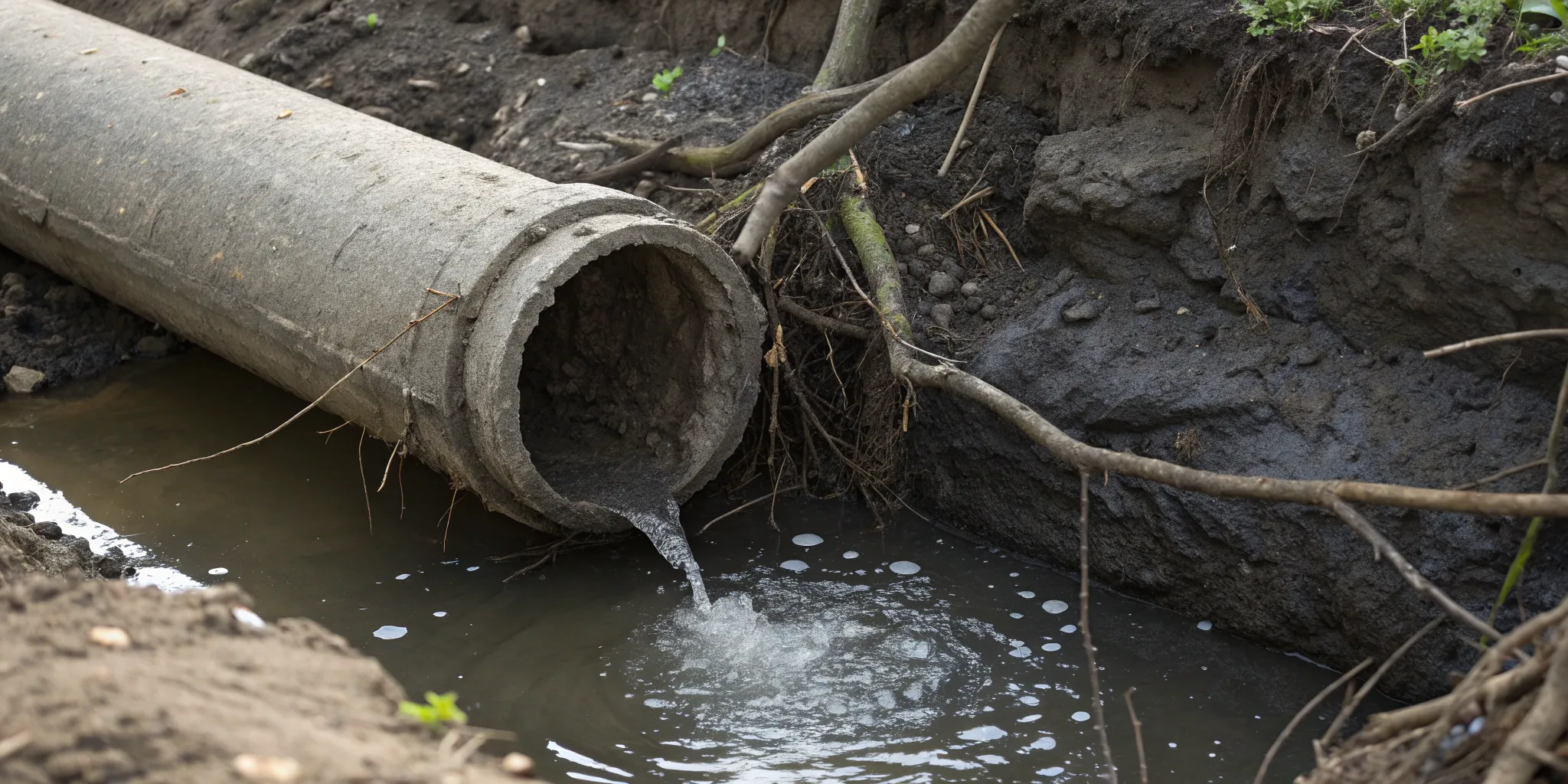
Trees can add a lot of beauty to your property, but their roots can be a sewer line’s worst enemy. Tree roots are naturally drawn to the moisture and nutrients inside your pipes and can work their way into tiny cracks, eventually growing large enough to block or even crush the line. Before you plant a new tree, find out where your sewer line runs and plant a safe distance away. If you have large, mature trees near your line, be extra vigilant for signs of a problem. Preventative maintenance, like having roots professionally cleared, can stop an invasion before it causes irreversible damage to your pipes.
Understand the Common Causes of Damage
Knowing what can go wrong is the first step to preventing it. Sewer lines don’t last forever, and several factors can lead to their failure. The age and material of your pipes play a big role; older homes with clay or cast iron pipes are more vulnerable to cracks and corrosion over time. Poor installation can also cause sections of the pipe to sag, creating low spots where waste collects and causes blockages. And as we’ve covered, aggressive tree roots are a primary cause of crushed or broken pipes. Understanding these risks helps you know what to watch for and when to call for a professional opinion on a potential water leak repair.
Related Articles
- Collapse sewer line? Here are the signs
- How Much to Fix a Broken Water Pipe Underground?
- Why Do my Drains Smell Like Sewer?
Frequently Asked Questions
How can I tell if it’s just one clogged drain or a main sewer line problem? A single slow drain, like in a bathroom sink, usually points to a simple clog right in that fixture’s pipe. However, if you notice that multiple drains throughout your house are acting up at the same time—for instance, the toilet gurgles when the shower drains, or all the ground-floor fixtures are slow—that’s a strong signal the problem is in your main sewer line. The issue is affecting the entire system, not just one branch.
Are chemical drain cleaners a good first step for slow drains? While it’s tempting to reach for a bottle of chemical drain cleaner, it’s best to avoid them if you suspect a main line issue. These harsh chemicals are often ineffective against serious blockages like tree roots or a collapsed pipe. More importantly, they can corrode your pipes, especially in older homes, potentially turning a small problem into a much bigger one. It’s always safer and more effective to have a professional diagnose the true cause of the slowdown.
How often should I have my sewer line professionally inspected? For most homes, scheduling a professional sewer camera inspection every two to three years is a great proactive step. If you live in an older home with original pipes or have large, mature trees on your property, you might consider having it checked more frequently, perhaps every other year. This simple maintenance can catch issues like root intrusion or small cracks before they lead to a messy and expensive emergency.
Will my homeowner’s insurance cover a broken sewer line? Coverage for sewer line repairs can be tricky and varies significantly between policies. Standard homeowner’s insurance often excludes damage caused by gradual wear and tear or poor maintenance. However, some policies offer specific add-ons or endorsements for sewer line backups and breaks. The best course of action is to review your current policy and contact your insurance agent to understand exactly what is and isn’t covered before you have a problem.
What’s involved in a professional sewer line inspection? A professional inspection is a straightforward and non-invasive process. A technician will use a specially designed waterproof camera attached to a flexible cable, which is fed into your sewer line through an access point. This gives them a real-time video feed of the inside of your pipes, allowing them to pinpoint the exact location and cause of any issues, whether it’s a clog, tree roots, or a crack in the pipe, all without any digging.