















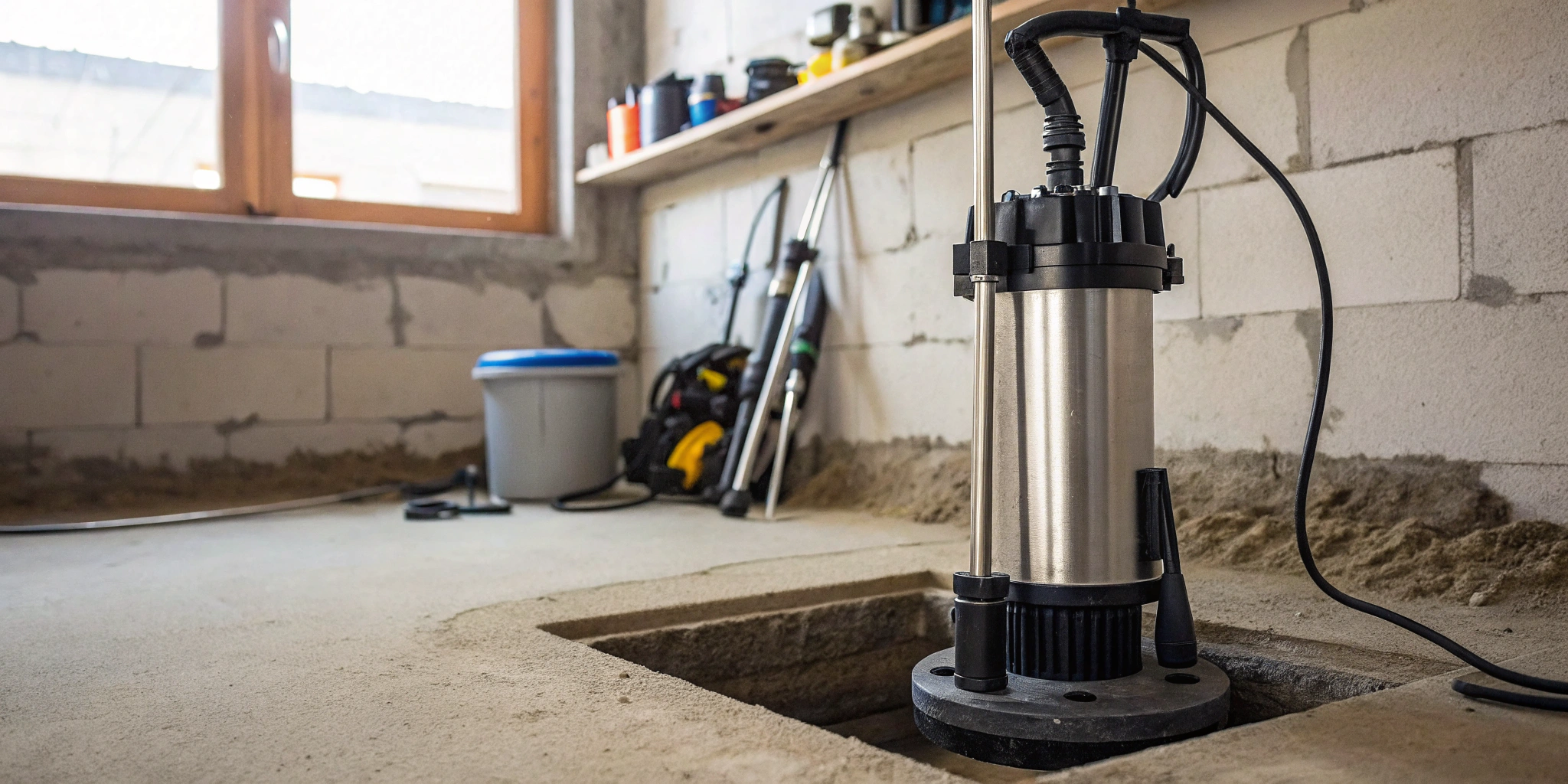
It’s easy to view a new sump pump as just another household expense, but it’s more accurate to see it as an investment in your property’s value and safety. The cost of water damage, mold remediation, and foundation repair can be astronomical compared to the proactive cost of a quality installation. To make that investment wisely, you need a clear picture of the average sump pump and installation cost. We’ll break down the numbers, explaining the price of different models, labor rates, and any additional work that might be needed, so you can see how this upfront cost protects you from much larger expenses down the road.
Key Takeaways
- Budget for the whole system, not just the pump: The final cost covers more than the unit itself. Your total investment will include the specific pump type, professional labor, and any site work like creating a new sump pit or updating drainage pipes.
- Hiring a pro is an investment in reliability: While DIY seems tempting, a small installation mistake can lead to major water damage. A licensed plumber ensures your system is installed correctly and safely, giving you a dependable defense against flooding.
- Match the pump and the plumber to your home’s needs: Choose a pump with the right horsepower and durable materials for your basement’s conditions. Just as importantly, select a licensed and insured contractor who provides a detailed, written quote to guarantee quality work.
Sump Pump Types and Their Price Tags
Before you can budget for a new sump pump, it helps to understand your options. The type of pump you choose is one of the biggest factors in the total cost, and each one is designed for slightly different needs. Let’s walk through the four main types you’ll find on the market so you can decide which is the right fit for your home and your wallet.
Submersible Sump Pumps
Think of this as the strong, silent type. A submersible sump pump sits directly inside the sump pit, completely underwater. Because it’s submerged, its operation is much quieter, and it’s neatly tucked out of sight. These pumps are typically more powerful and durable than other models, making them a fantastic choice for homes in areas prone to heavy rain. The pump itself generally costs between $300 and $900. While the upfront price is a bit higher, many homeowners find the quiet, efficient performance is a worthwhile investment for their residential plumbing system.
Pedestal Sump Pumps
If you’re looking for a more budget-friendly solution, a pedestal sump pump is a great alternative. With this design, the motor sits on a stand above the sump pit, keeping it out of the water. A long shaft extends down into the pit to pump water out. This above-ground design makes the motor easy to access for service and repairs. The main trade-offs are that they take up more floor space and are noticeably louder. You can expect a pedestal pump to cost between $150 and $400, making it a reliable and economical choice for many basements.
Battery Backup Systems
A sump pump is your best defense against a flooded basement, but it can’t do its job if the power goes out during a storm. That’s where a battery backup system saves the day. This is a secondary, battery-powered pump that automatically kicks in when your primary pump loses power. A standalone battery typically costs between $150 and $250. Adding a battery backup provides invaluable peace of mind, ensuring your basement stays dry even when the electricity is out. It’s a small price to pay to avoid a major water damage headache.
Water-Powered Backup Pumps
Another reliable backup option is a water-powered pump. This clever system doesn’t need electricity or batteries. Instead, it uses the pressure from your home’s municipal water supply to create suction that pulls water out of the sump pit. The biggest benefit is that it can run indefinitely, as long as your water is on. These pumps are priced between $200 and $900. While they do use fresh water to operate, they offer a dependable, long-term solution for homeowners who want a backup system they never have to worry about charging or replacing.
What Factors Influence Installation Costs?
When you get a quote for a sump pump installation, you’ll notice the final price is more than just the cost of the pump itself. The total investment can range anywhere from $500 to over $3,000, and that variation comes down to a few key factors. Think of it like any home improvement project—the unique details of your space and the specific equipment you choose play a huge role in the final bill.
Understanding what goes into the cost will help you budget accurately and see exactly where your money is going. From the type of pump that best suits your basement to the complexity of the installation work required, each element contributes to the overall price. We’ll break down the four main components that influence your sump pump installation cost so you can feel confident in your decision and know what to expect.
The Pump’s Type and Power
The sump pump is the heart of the system, and its cost is a major part of your total budget. The pump alone can range from $150 to $1,500, depending on its type and horsepower. Submersible pumps, which are installed directly inside the sump pit and are generally more powerful and quieter, typically cost between $300 and $900. Pedestal pumps, which have a motor that sits above the pit, are a more budget-friendly option, usually running from $150 to $400. The right choice depends on how much water you need to move and how often the pump will need to run.
Your Home’s Specific Layout
Every home’s plumbing system is unique, and your basement’s layout will directly impact the installation cost. If you’re simply replacing an old, worn-out sump pump with a new one in the same spot, the job is relatively straightforward. However, if you need a brand-new system, the project becomes more complex. A plumber may need to dig a new sump pit in your concrete foundation, which can add $1,000 to $2,500 to the cost. The project’s complexity is a key reason why custom quotes for residential plumbing in Spokane are so important.
Local Labor Rates
Professional installation is a significant factor in the total cost, and for good reason. An experienced plumber ensures your sump pump is installed correctly, protecting your home from future water damage. Labor rates for a licensed plumber typically range from $50 to $150 per hour. While it might be tempting to save money with a DIY approach, a faulty installation can lead to catastrophic and expensive failures down the road. Paying for professional expertise gives you peace of mind that the job is done right the first time, safeguarding your basement and your home’s foundation.
Additional Materials and Equipment
Beyond the pump itself, a complete installation requires several other components. Materials like a sump pit liner, a check valve to prevent backflow, and the necessary PVC piping can add another $100 to $300 to your bill. If your project requires more extensive work, such as installing new discharge pipes or connecting to your home’s drainage system, the costs will increase. In some cases, a comprehensive water management solution might involve updating your home’s drainage system, which would be a separate but related expense.
How Much Does Professional Installation Cost?
When you’re looking at a sump pump installation, the final price on the invoice is more than just the cost of the pump itself. The total investment covers the unit, the skilled labor required for a proper setup, and any extra materials or permits. Generally, the total cost for a professional sump pump installation ranges from about $500 to $3,000. This wide range reflects the variety of pumps and installation scenarios. A straightforward replacement will fall on the lower end, while a brand-new installation that requires digging a sump pit and running new piping will be at the higher end.
Average Costs by Pump Type
The biggest factor in your total cost is the type of sump pump system you choose. A basic pedestal pump is the most budget-friendly option, while a high-capacity submersible pump with a battery backup system will cost more upfront but offers greater protection. On average, homeowners can expect the total project cost to be around $1,400. This figure typically includes the pump, labor, and materials for a standard installation. If your home needs a more complex setup, like a water-powered backup pump or extensive drainage work, the price will adjust accordingly.
Labor Costs and Project Timeline
The cost of labor for a sump pump installation usually runs between $50 and $150 per hour. The final labor charge depends entirely on the complexity of the job. A simple replacement might only take a professional plumber a couple of hours. However, a new installation that involves breaking through concrete to create a sump pit can easily take a full day or more. When you hire a professional, you’re paying for their expertise, efficiency, and the peace of mind that comes with knowing your home is protected. Our team handles all types of residential plumbing services and can give you a clear timeline for your specific project.
Permit and Inspection Fees
Depending on where you live in the Spokane area and the scope of your project, you may need a permit for your sump pump installation. This is especially common for new installations that require new electrical wiring or significant plumbing and drainage work. Permits ensure the work is done safely and complies with local building codes. While it’s an extra cost, it’s a crucial step for safety and compliance. A licensed plumbing contractor will know exactly what permits are needed and can handle the application and inspection process for you, making the entire experience much smoother.
How to Compare Sump Pump Models
Once you know which type of sump pump you need, it’s time to compare specific models. Walking down the aisle at a hardware store can be overwhelming, with dozens of boxes all promising to be the best. But when you know what to look for, you can cut through the noise and find the right fit for your home. Focusing on a few key performance indicators will help you choose a reliable pump that keeps your basement dry for years to come. Think of it as an investment in your home’s protection—choosing wisely now prevents costly headaches later.
Motor Power and Horsepower
A sump pump’s motor is its heart, and its horsepower (HP) tells you how much muscle it has. Most residential pumps range from 1/4 HP to 1 HP. A 1/3 HP model is often sufficient for homes in areas with average rainfall and a typical water table. However, if your basement is prone to significant flooding or has a very deep sump pit, you’ll want to look at a 1/2 HP or 3/4 HP motor. The key is to match the power to the job. An underpowered pump will struggle to keep up and burn out quickly, while an overpowered one will cycle on and off too frequently, leading to premature wear.
Pumping Capacity and Flow Rate
Pumping capacity, measured in gallons per hour (GPH), tells you how quickly a pump can move water out of your sump pit. This is arguably one of the most critical factors to consider. A higher GPH means the pump can handle a greater volume of water during a heavy downpour. To find the right capacity, you need to consider your sump pit’s size, the local water table, and the drainage area your pump serves. A professional can help you calculate the exact GPH your home requires, ensuring your pump is ready for Spokane’s wettest seasons. This is a core part of any quality residential plumbing assessment.
Build Quality and Materials
A sump pump spends its entire life in a damp, dark pit, so it needs to be tough. The best models are built with durable, corrosion-resistant materials. Look for pumps with a cast iron or stainless steel body, as these materials hold up much better against rust and wear than plastic. While a plastic pump might be cheaper upfront, a cast-iron model is built for longevity and can better withstand the vibrations and heat of a hard-working motor. Investing in solid construction means you won’t have to worry about replacing your pump every few years.
Energy Efficiency
A sump pump can be a significant energy user, especially if it runs frequently. An energy-efficient model can save you a surprising amount on your electricity bills over its lifespan. When comparing pumps, look for an ENERGY STAR certification, which guarantees the model meets strict efficiency guidelines set by the EPA. If a pump isn’t certified, you can still compare its amperage (amps) or wattage on the spec sheet. A lower number generally means it uses less power to do its job, leaving more money in your pocket without sacrificing performance.
Should You DIY or Hire a Professional?
When you’re looking at a new sump pump, it’s natural to wonder if you can save some money by installing it yourself. With countless online tutorials for just about everything, a DIY sump pump installation can seem like a straightforward weekend project. And for some simple replacements, it might be. However, this is one of those home projects where a small mistake can lead to thousands of dollars in water damage, completely wiping out any initial savings.
The decision really comes down to weighing the potential cost savings against the significant risks. An improperly installed sump pump doesn’t just fail to protect your home—it can create a false sense of security. Before you break out the toolbox, it’s important to understand what can go wrong and recognize the value that a professional brings to the job. A licensed plumber doesn’t just install a pump; they install a reliable system designed to protect your home for years to come. They assess the unique layout of your basement, the local water table, and drainage patterns to ensure your system is perfectly tailored to your property. This level of expertise is what turns a simple piece of equipment into a robust defense against water damage.
The Risks of a DIY Installation
While it’s technically possible to install a sump pump yourself, it’s a job packed with potential pitfalls. One of the most common mistakes is incorrect placement. Simply digging a small pit in a random corner of your basement can result in poor water collection, causing the pump to either run constantly or not at all when needed, leading to a quick burnout. Even a seemingly minor error, like failing to install the discharge pipe with the proper slope, can cause water to flow back into the pit, forcing the pump to work harder and eventually fail. These types of mistakes can lead to a flooded basement and the need for costly water leak repair.
The Benefits of Hiring a Pro
Hiring a professional plumber is about more than just convenience; it’s about ensuring the job is done correctly and safely from the start. A licensed plumber has the experience to assess your home’s specific needs, determine the optimal location for the sump pit, and select the right size and type of pump. They ensure the entire system functions efficiently and complies with local plumbing codes. This expertise provides peace of mind that your basement is protected from flooding. With professional residential plumbing services, you get a reliable installation and a safeguard for your home’s foundation and your belongings.
When a Professional Is Non-Negotiable
Certain situations move a sump pump installation from a potential DIY project to a job that absolutely requires a professional. If your basement doesn’t already have a sump pit, one will need to be created by cutting through the concrete foundation—a task that requires specialized tools and expertise. Any installation that requires new electrical wiring for an outlet should be handled by a professional to avoid serious safety hazards. Furthermore, a pro will know to install critical components that a DIYer might overlook, like a check valve to prevent backflow and a backup pump system for protection during power outages.
How to Choose the Right Contractor
Picking the right sump pump is only half the battle; finding the right person to install it is just as critical. A flawless installation by a qualified professional ensures your pump works efficiently when you need it most, protecting your home from water damage. The wrong contractor can lead to a faulty setup, costly repairs, and a whole lot of stress. Think of this as a long-term investment in your home’s safety. Taking the time to vet your options will give you peace of mind and a dry basement for years to come.
Verify Licensing and Insurance
Before you even look at a quote, your first step should be to confirm that any potential contractor is licensed and insured. This isn’t just a formality—it’s your protection. A licensed journeyman plumber has the verified training and expertise to handle the job correctly and safely, understanding the complexities of your home’s entire residential plumbing system. Insurance is equally important, as it protects you from liability if an accident happens on your property during the installation. Any reputable company will gladly provide proof of their credentials. Skipping this step could leave you with a faulty installation and no recourse if something goes wrong. This simple check ensures you’re working with a true professional who stands by their work.
Get and Compare Multiple Quotes
It’s always a good idea to get quotes from a few different contractors. This helps you get a feel for the average market rate in Spokane and ensures you’re getting a fair price. But don’t just look at the bottom-line number. A good quote will break down the costs for labor, the pump itself, and any additional materials. Compare the details: Are they quoting the same type of pump? Is a warranty on parts and labor included? What’s the estimated timeline? A suspiciously low bid might mean they’re cutting corners or using lower-quality equipment that will fail sooner. Getting multiple detailed quotes helps you make an informed decision based on overall value, not just the initial price tag.
Red Flags to Watch For
As you evaluate contractors, keep an eye out for a few warning signs. A major red flag is a vague or verbal-only quote—everything should be in writing. Be cautious of anyone who pressures you to make an immediate decision with a “today only” deal. Another technical error to watch for is an improperly installed discharge pipe; it needs the correct slope to prevent water from flowing back and overworking the pump. A professional will also discuss installing a backup pump or an alarm system, which are crucial for preventing floods if the primary pump fails. Trust your gut; if a contractor seems unprofessional or dismissive of your questions, it’s best to move on.
What Other Costs Might Come Up?
When you’re budgeting for a new sump pump, it’s easy to focus on the cost of the pump itself. But the total price tag often includes a few other essential components and services that are just as important. Think of it like buying a new appliance—the unit is just one piece of the puzzle. To get a complete and accurate picture of your investment, you need to account for the entire system that makes the pump work effectively to protect your home. Depending on your home’s current setup, you might need to factor in the cost of creating a space for the pump, running new electrical lines, or updating your drainage system. Understanding these potential expenses ahead of time helps you avoid surprises and ensures your new sump pump system is installed correctly from day one. A professional installation is key to protecting your home from water damage, so it’s worth knowing what a complete residential plumbing project entails. These additional steps aren’t just “extras”; they are fundamental to a reliable and long-lasting water management solution for your basement or crawlspace. Getting it right the first time saves you from costly repairs and gives you peace of mind when the rain starts to fall.
Sump Pit and Basin Installation
Before a sump pump can be installed, it needs a place to live. This is called a sump pit or basin—a perforated liner placed in a hole dug into your basement or crawlspace floor. If your home doesn’t already have one, a professional will need to create it. This involves carefully cutting through the concrete slab, excavating the area, and setting the basin. According to home improvement experts, the labor for installing a new pit can add between $500 and $1,200 to your total project cost. It’s a foundational step that ensures groundwater has a place to collect before the pump pushes it away from your home.
Necessary Electrical Work
Your sump pump needs a reliable power source to do its job, especially during a storm when you need it most. For safety, sump pumps should be plugged into a ground-fault circuit interrupter (GFCI) outlet. If you don’t have a dedicated GFCI outlet near the installation spot, you’ll need to have one installed by a qualified professional. This isn’t a place to cut corners, as mixing water and electricity requires expert handling to prevent serious hazards. The cost for this electrical work will depend on the complexity of the job, but it’s a critical expense for ensuring your system operates safely and effectively for years to come.
Drainage System Updates
Once the sump pump collects water, it has to send it somewhere far away from your home’s foundation. This is handled by a discharge pipe. If your current drainage system isn’t adequate, you may need to install new piping to carry the water to a safe location, like a storm drain or a dry well. In some cases, this could even involve installing a French drain to improve overall yard drainage. These updates are vital for preventing the water from simply seeping back into your basement. Depending on the length and complexity of the new piping, this can be a significant part of the project, so be sure to discuss your home’s specific drainage needs with your contractor.
Common Mistakes to Avoid
Getting a new sump pump is a smart move for protecting your home, but a few missteps during the process can turn a great investment into a major headache. Knowing what to watch out for can save you from future floods, costly repairs, and a lot of stress. When you’re ready to protect your basement or crawl space, make sure you sidestep these common mistakes. It’s all about getting the job done right the first time so you can have peace of mind when the rain starts to fall.
Choosing the Wrong Size or Type of Pump
It’s easy to think that bigger is always better, but that’s not the case with sump pumps. Selecting the right size is a balancing act. A pump that’s too small for your basement won’t be able to keep up with heavy water flow, leaving your property vulnerable to flooding. On the other hand, an oversized pump will cycle on and off too frequently, a problem known as “short-cycling.” This not only wastes energy and drives up your utility bills but also puts excessive wear and tear on the motor, shortening the pump’s lifespan. A professional can assess your home’s specific needs to recommend the perfect fit.
Hiring an Unqualified Contractor
While the DIY spirit is admirable, sump pump installation is a job best left to the pros. An incorrect installation can lead to all sorts of problems, from a pump that doesn’t collect water effectively to one that burns out prematurely. Hiring a licensed and experienced plumber ensures everything is set up correctly, from the pit placement to the electrical connections and discharge line. Our team of residential plumbing experts has the training and tools to install your sump pump safely and efficiently, making sure it’s ready to protect your home when you need it most. Don’t risk your home’s safety to save a few dollars on installation.
Forgetting About Future Maintenance
Installing a sump pump is the first step, but it’s not the last. Like any important piece of equipment in your home, your sump pump needs regular attention to stay in top working condition. Neglecting maintenance can lead to a surprise failure during a storm—the worst possible time. We recommend testing your pump every few months, especially before the rainy season. You should also have it professionally inspected once a year. During an inspection, a plumber will clean the pit, check the float switch, test the alarm, and ensure the discharge line is clear of obstructions, keeping it ready for action.
How to Save on Your Sump Pump Installation
A sump pump is a fantastic investment in protecting your home from water damage, but that doesn’t mean the installation has to break the bank. With a bit of planning, you can make smart decisions that lower the overall cost without compromising on the quality of the work. It’s all about being an informed homeowner and taking a few proactive steps before and during the installation process.
Thinking ahead can lead to significant savings. From asking the right questions about pricing and promotions to bundling services for a better deal, you have more control over the final bill than you might think. Even simple actions, like preparing the work area yourself, can cut down on labor time and reduce your expenses. Let’s walk through a few practical ways you can keep your sump pump installation costs manageable while still getting the professional results your home deserves. These simple steps can make a real difference to your budget and give you peace of mind.
Ask About Promotions and Financing
Don’t hesitate to ask your plumbing company about any current promotions, discounts, or financing options they offer. Many companies run seasonal deals or have payment plans available to make larger projects more affordable. Since professional labor rates can vary depending on the complexity of the job, every little bit helps. A quick question is all it takes to find out if you can save.
When you get a quote, you’re getting an estimate based on time and materials. By inquiring about special offers, you’re taking a proactive step to lower that estimate from the get-go. It’s a simple conversation that could save you a surprising amount on your residential plumbing project.
Bundle Services and Maintenance Plans
If you have other plumbing tasks on your to-do list, consider scheduling them at the same time as your sump pump installation. Bundling jobs, like getting your pipes checked or scheduling drain cleaning services, can often reduce costs since the plumber is already at your home. This saves you from paying separate service call fees for each individual task.
You can also ask about maintenance plans. A sump pump needs regular check-ups to ensure the float switch, motor, and discharge pipes are all working correctly. Signing up for a maintenance plan when you get your pump installed can sometimes come with a discount on the installation itself. This approach not only saves you money upfront but also protects your investment for years to come.
Prepare the Installation Area in Advance
One of the easiest ways to save money is to reduce the amount of time your plumber needs to spend on the job. Before the technician arrives, take some time to prepare the installation area. This means clearing a path to the basement or crawlspace and removing any boxes, furniture, or other clutter from around the sump pit location.
This simple act of tidying up can shave valuable time off the labor portion of your bill. When the plumber can walk right in and get to work without having to move things around, the job gets done faster. It’s a small effort on your part that directly translates into cost savings and helps the entire installation process go more smoothly.
Related Articles
Frequently Asked Questions
What’s the total expected cost for a new sump pump installation? The final price tag can vary quite a bit, but most homeowners can expect to invest between $500 and $3,000 for a professional installation. A simple replacement of an existing pump will be on the lower end of that range. If your project requires more extensive work, like digging a new sump pit in your basement’s foundation, the cost will naturally be higher.
How do I know if my home actually needs a sump pump? A sump pump is essential if your basement or crawlspace is prone to dampness or has flooded in the past. Other clear signs include living in an area with a high water table, having a home built on a flat or low-lying lot, or noticing water stains on your basement walls. If you’re unsure, a professional plumber can assess your property’s drainage and tell you if a sump pump is a necessary investment.
How long will my new sump pump last? On average, a quality sump pump has a lifespan of about 7 to 10 years. The longevity really depends on the pump’s build quality, how frequently it has to run, and whether it receives regular maintenance. A well-maintained, cast-iron submersible pump in a home with average water issues will typically last longer than a plastic pedestal pump that’s constantly working overtime.
Should I get a battery backup or a water-powered backup pump? The best choice depends on your home and priorities. A battery backup is a great, reliable option that kicks in automatically during a power outage, but the battery will eventually need to be replaced. A water-powered pump uses your home’s water pressure to operate, so it can run indefinitely as long as your municipal water is on. It’s a fantastic set-it-and-forget-it solution, though it does use fresh water to function.
How often does a sump pump need professional maintenance? It’s a good practice to have your sump pump professionally inspected once a year. An annual check-up ensures the float switch is working correctly, the discharge line is clear of debris, and the motor is in good shape. This preventative maintenance is the best way to catch small issues before they become major problems, ensuring your pump is ready to protect your home during the next big storm.