











That sudden spike in your monthly water bill isn’t just an unwelcome surprise; it’s often the first and clearest sign of a hidden plumbing problem. While you might expect small fluctuations, a sharp increase you can’t explain with extra laundry or watering the lawn is a major red flag. This is because even a small crack in an underground pipe can waste thousands of gallons of water over time. Understanding how to tell if a pipe burst underground starts with paying attention to these financial clues. Before that leak has a chance to cause serious structural damage, your utility statement might be telling you everything you need to know.
Key Takeaways
- Look and Listen for Physical Clues: Your property often signals a problem before it becomes a disaster. Watch for soggy spots in your yard, sudden drops in water pressure, or new cracks in your foundation, and listen for unusual hissing or gurgling sounds from your pipes.
- Take Proactive Steps to Prevent Bursts: Simple maintenance can save you from major headaches. Schedule annual plumbing inspections to catch corrosion early, insulate pipes before winter, and ensure your home’s water pressure isn’t too high to avoid putting unnecessary strain on your system.
- Address Suspected Leaks Immediately: A small leak can quickly escalate into a costly catastrophe involving structural damage and mold. If you notice any warning signs, confirm the issue with a water meter test and call a professional right away to protect your property and your budget.
Spot the Warning Signs of a Burst Underground Pipe
An underground pipe burst can feel like a hidden threat, quietly causing damage long before you notice a problem. Unlike a leaky faucet or a running toilet, these issues are out of sight, making them much harder to detect. The key is knowing what to look for. Your home and property will often give you subtle (and sometimes not-so-subtle) clues that something is wrong with the water lines buried in your yard.
Paying attention to these warning signs can help you catch a problem early, preventing extensive damage to your property and saving you from a sky-high water bill. From changes in your lawn to strange sounds in your walls, these indicators are your first line of defense. Let’s walk through the six most common signs that you might have a burst pipe underground.
Puddles or Unexplained Wet Spots in Your Yard
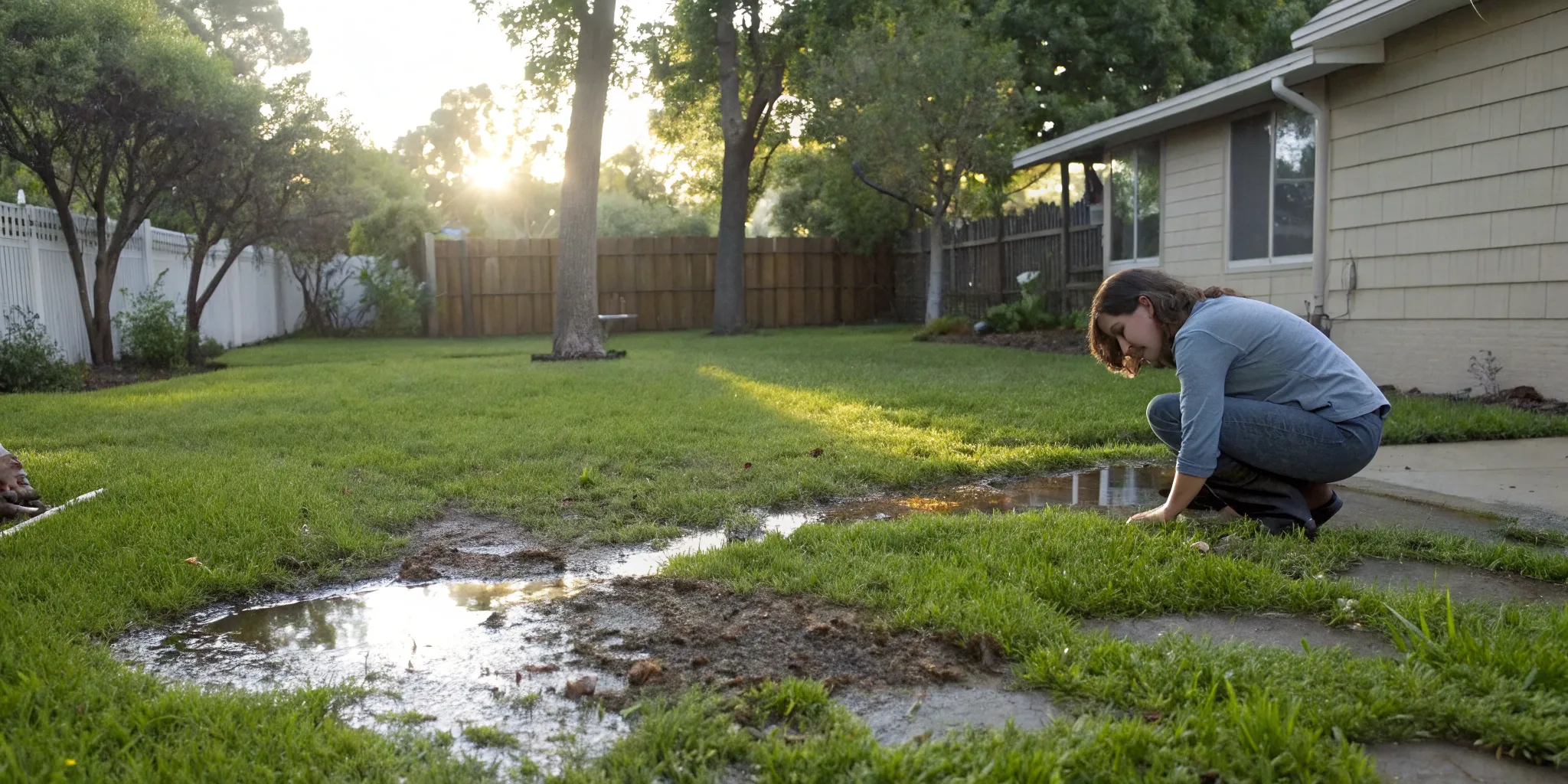
Have you noticed a soggy, marsh-like patch in your yard that never seems to dry out, even when it hasn’t rained for days? This is one of the most common signs of a broken underground water pipe. When a pipe bursts, the water has to go somewhere, and it often saturates the soil directly above the break. You might also notice small sinkholes or an unusual amount of mud in one area. If you spot a persistent wet spot on your lawn, it’s a clear signal that you likely have a water leak that needs immediate attention.
A Sudden Drop in Water Pressure
If your morning shower suddenly feels more like a weak trickle than a powerful spray, it could be a sign of trouble. A significant and sudden drop in water pressure throughout your home means that water is escaping from the system before it reaches your faucets. The break in the underground pipe diverts a large volume of water, leaving less of it available for your showers, sinks, and appliances. While other issues can cause low pressure, a sudden change is a major red flag for a burst pipe and warrants a professional look at your residential plumbing.
Hissing or Gurgling Sounds from Your Plumbing
Your home has its own unique soundtrack, but hissing, bubbling, or gurgling noises coming from your pipes or walls shouldn’t be part of it, especially when no water is running. These strange sounds often indicate that air is getting into your pipes through a crack or break in the line. As water rushes out of the burst pipe, it can create a distinct hissing sound, while air being pulled into the system can cause gurgling. If you hear these plumbing noises when everything is turned off, it’s time to investigate the source.
Cracks in Your Foundation
This is one of the more serious signs of an underground leak. A broken pipe can release a huge amount of water into the soil around your home’s foundation. Over time, this constant saturation can erode the soil, causing it to shift and settle. This instability puts immense pressure on your foundation, leading to visible cracks in your home’s concrete slab, driveway, or sidewalks. If you see new cracks appearing, don’t just patch them up—it could be a symptom of a much larger plumbing problem that requires expert water leak repair.
Discolored or Foul-Smelling Tap Water
Your tap water should always be clear and free of any strange odors. If you suddenly notice that your water is brown, cloudy, or has an earthy or foul smell, it’s a serious warning sign. A break in the main water line can allow dirt, sediment, and other contaminants from the surrounding soil to enter your clean water supply. This not only affects the quality of your water but can also pose a health risk. Don’t ignore discolored water; it’s a clear indication that the integrity of your pipe system has been compromised.
Unusually Green Patches of Grass
While a vibrant lawn is usually a point of pride, a single patch of grass that is suddenly much greener and lusher than the rest of your yard can be a sign of a leak. The constant supply of water from a broken underground pipe acts like a targeted fertilizer, causing the grass directly above it to grow faster and more vibrantly. If you spot an isolated patch of unusually healthy-looking grass, especially during a dry spell, take a closer look. It might be getting a little too much help from a hidden water source.
How Your Water Bill Can Signal a Hidden Leak
Your monthly water bill is more than just another piece of mail—it’s a report card for your plumbing system. While you might expect it to fluctuate a bit with the seasons, a sudden, sharp increase that you can’t explain is often the first sign that something is wrong. An underground leak doesn’t always show up as a puddle in your yard right away. Sometimes, the only initial clue is the number on your utility statement. Paying close attention to these details can help you catch a hidden problem before it causes serious damage to your property and your budget.
Identify Spikes in Your Water Usage
A sudden and unexplained increase in your water bill is one of the most reliable indicators of a hidden leak. If your water usage habits haven’t changed but your bill has shot up, it’s time to investigate. Even a tiny pinhole leak in an underground pipe can waste a significant amount of water over time, leading to a noticeable spike in your monthly charges. Make it a habit to compare your current bill with previous months. This simple check can help you spot a discrepancy early and get a professional out to assess the situation. Catching it quickly is key to minimizing waste and preventing more extensive water leak repair.
Understand the Cost of an Ignored Leak
Putting off a suspected leak might seem easier in the short term, but it can lead to staggering costs down the road. What starts as a higher water bill can quickly escalate into thousands of dollars in water damage, mold remediation, and structural repairs. An ignored underground leak can saturate the soil around your foundation, causing cracks and compromising the integrity of your home or business. Addressing the problem promptly is the best way to protect your property and avoid these escalating expenses. Think of it as an investment in your home’s health; a timely repair is always more affordable than a major restoration project for your residential plumbing.
How to Confirm You Have a Burst Pipe
So you’ve noticed a few red flags, like a soggy patch in the yard or a surprisingly high water bill. Before you get too worried, there are a few straightforward ways to confirm if you’re dealing with a burst pipe. These simple checks can help you pinpoint the problem and decide on your next steps. Think of it as a little detective work to get to the bottom of what’s happening with your plumbing.
Perform the Water Meter Test
This is one of the most reliable ways to check for a hidden leak. First, make sure every single water-using appliance in your home is turned off—no dishwasher, no washing machine, and no running faucets. Head outside to your water meter and take a look at the dial. If it’s still spinning or ticking, that’s a clear sign that water is flowing somewhere on your property, even with everything shut off. This simple test can confirm a leak without any guesswork, pointing you toward the need for a professional water leak repair.
Visually Inspect Your Property
Your yard can tell you a lot about what’s happening underground. Take a slow walk around your property and keep an eye out for anything unusual. Are there persistent puddles or damp spots that never seem to dry up, even when it hasn’t rained? You might also notice a patch of grass that’s suddenly much greener and more lush than the surrounding lawn. While it might look nice, this can happen when a broken pipe is constantly watering that specific area. These visual cues are often the first signs homeowners notice and are a strong indicator that your residential plumbing needs a closer look.
Check Your Indoor Plumbing Fixtures
Sometimes, the clues to an underground problem are found inside your home. Pay attention to your water pressure. If you notice a significant drop when you’re taking a shower or running the sink, it could mean water is escaping from a pipe before it even reaches your fixtures. You should also listen carefully. Do you hear strange gurgling, hissing, or banging sounds coming from your pipes when no water is running? These noises can be caused by air entering the system through a crack or break. These indoor signs often point to a bigger issue, making it a good time to call for a professional leak detection service.
Why Do Underground Pipes Burst?
A burst underground pipe can feel like it came out of nowhere, but it’s often the result of long-term stress or a specific event. Understanding what causes these hidden disasters is the first step in preventing them. While a sudden gush of water in your yard is a clear sign of trouble, the causes are usually much more subtle and develop over time. From the natural aging process of your plumbing system to external pressures from the environment, several factors can turn a stable pipe into a major problem. Knowing what to look for can help you stay ahead of costly repairs.
Age and Corrosion
Just like any other part of your home, your pipes have a limited lifespan. Older homes in Spokane, especially those with galvanized steel or cast iron pipes, are particularly vulnerable. Over decades, water and minerals cause corrosion from the inside out, gradually thinning the pipe walls. This slow deterioration weakens the pipe’s structure, making it unable to handle normal water pressure. Eventually, a weak spot gives way, leading to a significant leak or a full-blown burst. Regular residential plumbing inspections can help assess the condition of your aging pipes before they fail.
Freezing Temperatures
Spokane winters are no joke, and they can be tough on your plumbing. When water freezes, it expands with incredible force. If your underground pipes aren’t buried deep enough to be protected from freezing temperatures (below the frost line), the water inside them can turn to ice. This expansion puts immense pressure on the pipe walls from within. It doesn’t take much ice to create a blockage that causes pressure to build up, eventually cracking or bursting the pipe. This is one of the most common causes of wintertime water leak repair calls we receive.
Shifting Soil and Tree Roots
The ground beneath your property is constantly, if slowly, in motion. Heavy rains, dry spells, and the seasonal freeze-thaw cycle can cause the soil to shift, expand, and contract. This movement puts a huge amount of stress on the pipes buried within it, potentially bending them or breaking them at the joints. On top of that, tree roots are naturally drawn to sources of moisture. A tiny, existing crack in a pipe is an open invitation for a root to find its way in. As the root grows, it can clog and eventually break the pipe completely, requiring professional drain cleaning services.
Excessively High Water Pressure
Good water pressure is great for a shower, but when it’s too high, it puts your entire plumbing system under constant strain. Ideally, your home’s water pressure should be around 60 PSI (pounds per square inch). Anything consistently above 80 PSI is a problem waiting to happen. This excessive force wears down pipe walls, fittings, and joints over time. Think of it like constantly overinflating a tire—eventually, a weak point will give out. A sudden surge in pressure, known as a water hammer, can also deliver a final blow to an already weakened pipe, causing it to burst.
The Dangers of Ignoring a Burst Pipe
Lasting Property and Structural Damage
The most immediate threat from a burst pipe is water damage. When a pipe bursts underground, that water saturates the soil, floods basements, and seeps into your foundation. This constant moisture weakens the structural integrity of your house, leading to cracks and instability that are incredibly expensive to fix. What starts as a hidden leak can quickly become a major water leak repair project that compromises your property’s safety and value. Don’t wait for the damage to become visible; by then, it’s already severe.
Mold Growth and Health Hazards
Where there’s standing water, mold is sure to follow. A slow leak from a burst pipe creates the perfect damp environment for mold to thrive in your walls, floors, and crawl spaces. Mold isn’t just an ugly stain; it poses serious health risks, especially for children, the elderly, and anyone with respiratory issues. Exposure can trigger allergic reactions and asthma attacks. Ignoring the source of the moisture means you’re allowing a potential health hazard to grow unchecked in your home, affecting the air your family breathes every day.
Skyrocketing Repair Costs
It’s simple: the longer you wait to fix a burst pipe, the more it will cost. A small leak can escalate into a major flood, compounding the damage and the price of repairs. What might have been a straightforward pipe fix can turn into a massive project involving water damage restoration, mold remediation, and even structural repairs. These costs can skyrocket, a financial burden that could have been minimized with early detection. Taking care of your residential plumbing issues promptly is an investment that protects you from much larger expenses.
Wasted Water and Environmental Impact
A burst pipe doesn’t just damage your home; it wastes a tremendous amount of water. Even a small, unseen leak can waste thousands of gallons over time, leading to a shocking increase in your monthly water bill. That unexpected spike is often the first clue something is wrong. Beyond the hit to your budget, this waste also has a significant environmental impact. In a region where water conservation is important, letting a leak continue is a drain on a vital community resource. Fixing the pipe promptly protects both your finances and the environment.
How to Prevent Underground Pipe Bursts
An ounce of prevention is worth a pound of cure, especially when it comes to your home’s plumbing. A burst underground pipe is a major headache, but the good news is that you can take proactive steps to significantly lower your risk. Here’s how you can protect your pipes and your property.
Schedule Regular Plumbing Inspections
Think of a plumbing inspection as a routine check-up for your home. It’s one of the smartest ways to catch small issues before they escalate into catastrophic failures. During an inspection, a professional plumber can spot early signs of corrosion, stress fractures, and tiny leaks that are invisible to the untrained eye. Addressing these minor problems right away is far less expensive and disruptive than dealing with a full-blown pipe burst and the resulting water damage. Scheduling a yearly residential plumbing check-in gives you peace of mind and keeps your system in top shape, ensuring everything flows smoothly for years to come.
Insulate and Protect Your Pipes
Spokane winters can be tough on plumbing. When water freezes, it expands, putting immense pressure on your pipes until they crack or burst. You can guard against this by insulating any pipes located in unheated areas like crawl spaces, basements, or garages. Pipe sleeves are inexpensive and easy to install. Before the first frost hits, remember to disconnect your outdoor hoses to prevent water from getting trapped and freezing in the line. On particularly frigid nights, opening the cabinet doors under your sinks allows warm air to circulate around the pipes, offering another simple yet effective layer of protection.
Monitor Water Pressure and Landscape with Care
Your home’s water pressure might not be something you think about often, but it plays a huge role in your plumbing’s health. If the pressure is too high—generally above 80 PSI—it puts constant strain on your pipes, joints, and fixtures, eventually leading to failure. You can check this with a simple gauge from a hardware store or ask a plumber to test it for you. Outside, be mindful of your landscaping. Tree roots are naturally drawn to the moisture and nutrients in sewer and water lines, and they can wrap around and crush pipes over time. When planting new trees, make sure to place them a safe distance from your underground utility lines to avoid future water leak repair.
Consider a Leak Detection System
For an extra layer of security, a leak detection system is a fantastic investment. These smart devices monitor your home’s water flow patterns and can identify abnormalities that signal a leak. Some systems are so advanced they can even shut off your main water supply automatically the moment a leak is detected, preventing extensive water damage before you even know there’s a problem. While it’s a more significant upfront cost than pipe insulation, a leak detection system can save you thousands in repairs and restoration down the road. It’s a modern solution that provides round-the-clock protection and ultimate peace of mind for any homeowner.
When to Call Action Craft Experts for Help
Some plumbing issues are subtle, while others are full-blown emergencies. Knowing when to monitor a situation and when to pick up the phone can save you from costly damage and major headaches. If you spot any of the signs of a burst underground pipe, it’s always best to get a professional opinion. We can help you figure out the severity of the problem and find the right solution before a small issue becomes a disaster.
Know When It’s an Emergency
A sudden, significant drop in water pressure is a major red flag that requires immediate attention. If you’re taking a shower or running the dishwasher and the water flow weakens to a trickle, it could mean a large amount of water is escaping from a burst pipe somewhere on your property. Similarly, if you see water pooling near your home’s foundation or notice new cracks appearing in the concrete, don’t wait. These are signs of a serious leak that could compromise your home’s structural integrity. In these situations, it’s best to call for professional help right away to minimize the damage.
Signs You Need Expert Leak Detection
Not all signs of a burst pipe are dramatic. Sometimes, the clues are more subtle. Have you noticed soggy spots in your yard even when it hasn’t rained? Or maybe your water bill shot up unexpectedly this month? These are classic indicators of a hidden leak. You might also hear strange hissing or gurgling sounds from your pipes or notice unpleasant odors that smell like mold or sewage. These are all signs that it’s time to call for professional water leak repair. Our team has the tools to find the source of the problem without unnecessary digging.
What to Expect From Our Assessment
When you call us, our first step is to confirm a leak and pinpoint its exact location. We start with non-invasive methods, like helping you perform a water meter test. This involves shutting off all water inside your home and checking the meter to see if it’s still running. If it is, we know there’s a leak. To find it, we often use advanced diagnostic tools, such as a small, waterproof camera that we guide through your pipes. This lets us see the break or clog directly, so we can plan a precise repair. Our goal is to provide an accurate assessment of all your residential plumbing needs with minimal disruption to your property.
Related Articles
- Collapse sewer line? Here are the signs
- Frozen Pipes Recovery: What to Do if Your Pipes Cracked
- How To Detect Water leaks In Your House – Action Craft Experts
- High Water Bill with No Visible Leak? Here’s What Might Be Happening
- 5 Steps to Identifying Frozen Pipes – Action Craft Experts
Frequently Asked Questions
What’s the first thing I should do if I suspect an underground pipe has burst? If you’re confident you have a serious leak, the first step is to shut off your home’s main water supply. This will stop the flow of water and prevent further damage to your property while you wait for help. The main shut-off valve is usually located in a basement, crawl space, or an outdoor utility box. Once the water is off, your next call should be to a professional plumber who can assess the situation.
Can I fix a small underground leak myself? While I’m a huge fan of DIY for many home projects, repairing an underground pipe isn’t one of them. These repairs require specialized equipment to accurately locate the break without digging up your entire yard. Professionals also have the expertise to ensure the pipe is fixed correctly to prevent future issues, which is crucial for something buried underground. It’s a job best left to the experts.
How do you find the exact spot of the leak without destroying my yard? This is a common concern, and thankfully, modern plumbing has some great solutions. We use non-invasive leak detection methods, such as acoustic listening devices that can hear the sound of water escaping a pipe underground. In some cases, we can use small cameras to travel through the pipes and see the problem from the inside. This technology allows us to pinpoint the leak’s location for a precise repair, saving your lawn from unnecessary digging.
My water pressure is low, but I don’t see any puddles. Could it be something other than a burst pipe? Yes, it’s possible. Low water pressure can sometimes be caused by a faulty pressure regulator, a partially closed shut-off valve, or even buildup inside your pipes. However, a sudden and significant drop in pressure throughout your entire home is a classic sign of a major leak somewhere in the main line. The best way to know for sure is to have a professional diagnose the problem.
Will my homeowner’s insurance cover the cost of a burst pipe repair? Insurance coverage can be tricky and often depends on your specific policy and the cause of the pipe failure. Generally, policies are more likely to cover damage from a sudden and accidental event rather than a problem caused by long-term neglect or lack of maintenance. The most important thing is to act fast to stop the leak and mitigate the damage, as insurance providers expect you to do so. Be sure to document everything and contact your agent to understand your coverage.