

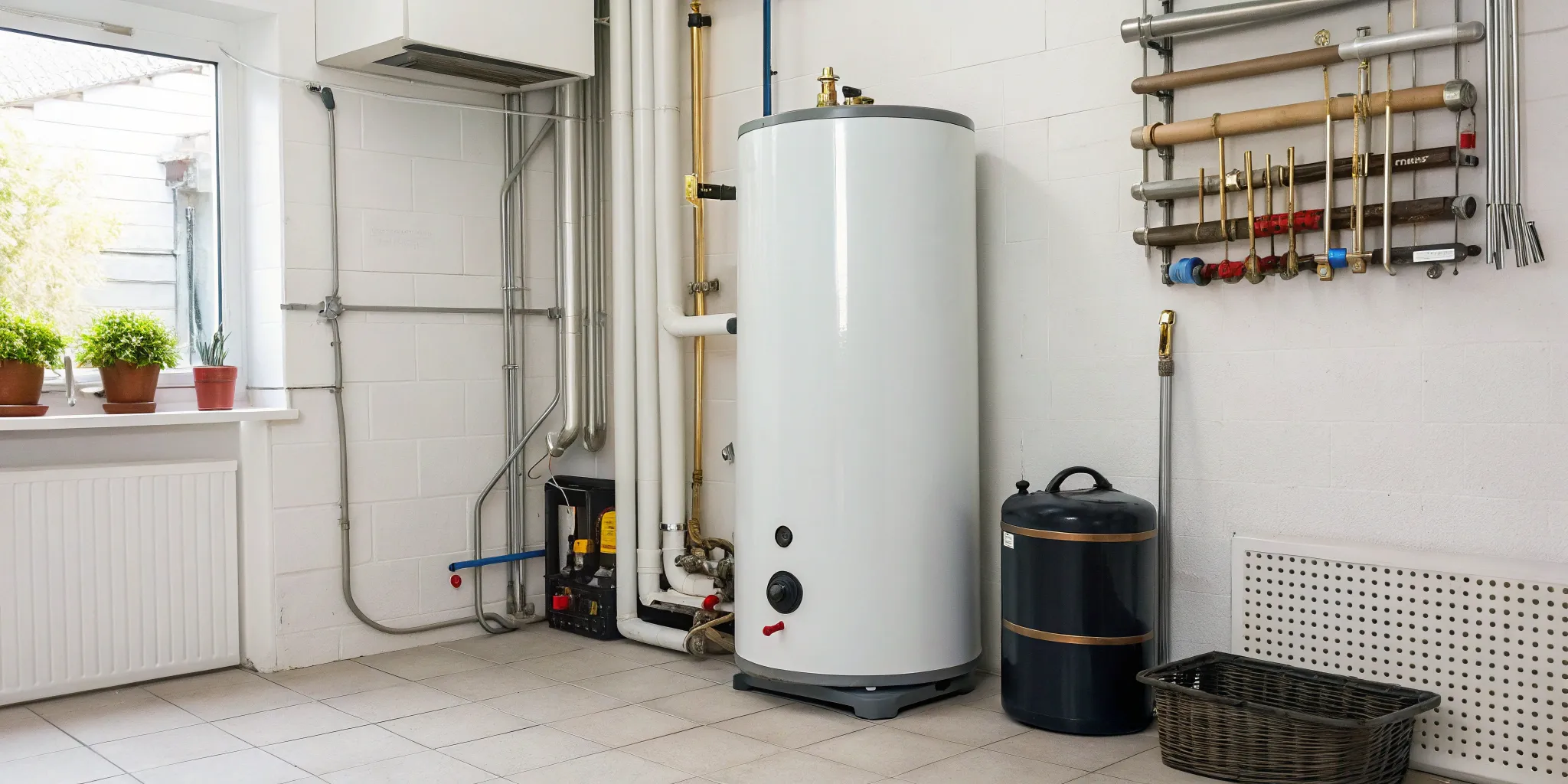
That moment your shower goes ice-cold is a homeowner’s nightmare. Your first thought is about getting the hot water back on, but the second is always about the expense. A failing water heater forces a big decision, and understanding the water heater replacement cost 50-gallon models is the first step. The price isn’t just about the unit itself; it’s influenced by whether you choose gas or electric, your home’s existing plumbing, and the labor involved. In this article, we’ll walk you through all the variables so you can create a realistic budget and turn a stressful situation into a smart home upgrade.
5 Signs It’s Time to Replace Your Water Heater
Before you look at the costs of a new unit, check if your current heater is showing these critical warning signs:
-
Age: Most traditional units last 8–12 years. If your serial number indicates it’s over a decade old, a breakdown is imminent.
-
Rusty or Discolored Water: This often indicates corrosion inside the tank, which cannot be repaired.
-
Strange Noises: Rumbling or popping sounds are caused by sediment hardening at the bottom of the tank, leading to overheating.
-
Leaking Water: Standing water around the base is a sign of a structural fracture in the inner tank.
-
Inconsistent Temperatures: If you’re running out of hot water faster than usual or the water never gets truly hot, the heating elements or the tank itself are failing.
Key Takeaways
- Look beyond the sticker price: The final cost of a new water heater includes the unit, professional labor, permits, and any necessary upgrades to your plumbing or utility lines, which explains the wide price range.
- Replace proactively to avoid emergencies: If your water heater is over 10 years old or showing signs of failure like leaks or rusty water, planning a replacement helps you avoid expensive emergency fees and potential water damage.
- Hire a licensed pro for a safe installation: A professional plumber ensures your new unit is the right size for your home, meets all local safety codes, and is correctly connected to water, gas, and electrical systems, which is crucial for protecting your property.
How Much Does It Cost to Replace a 50-Gallon Water Heater?
When your water heater starts giving you trouble, one of the first questions that comes to mind is, “How much is this going to set me back?” It’s a valid concern, and the answer isn’t always straightforward. For a standard 50-gallon unit, a common size for many households, the total replacement cost can land anywhere between $600 and $4,000. I know, that’s a pretty big range! This wide spectrum exists because the final price tag depends on several key factors. The most significant are the type of water heater you choose—gas, electric, or even a high-efficiency model—and the complexity of the installation itself.
Think of it like this: a simple, direct swap where the new unit fits perfectly into the old one’s spot is going to be on the lower end of that spectrum. However, if the job requires new plumbing lines, venting adjustments for a gas model, or electrical upgrades, the cost will naturally go up. Your home’s specific layout and existing infrastructure play a huge role, which is why getting a personalized quote is so important. In the following sections, we’ll break down these costs in more detail so you can get a clearer picture of what to expect for your water heater installation and feel more prepared to make a decision.
Electric vs. Gas: A Quick Cost Comparison
Your first big decision is choosing between an electric or gas water heater, and this choice directly impacts the cost. Generally, electric models are less expensive upfront. You can expect the total replacement for an electric unit to fall between $700 and $1,800. Gas water heaters, on the other hand, usually range from $1,000 to over $3,100. The higher price for gas models is due to their more complex design and the need for proper venting to safely exhaust combustion gases. While the initial investment is different, it’s also smart to think about long-term running costs. For now, just know that your fuel source is a major factor in the initial price of your new water heater.
Breaking Down the Installation Costs
Beyond the price of the unit itself, professional installation is a significant part of the total cost. Labor for a new water heater can range from $600 to $3,000, depending on the job’s complexity. Installing an electric heater is usually more straightforward, with labor costs typically between $200 and $600. Gas heater installations are more involved due to the need for secure gas line connections and proper venting, so labor can run from $400 to $1,000 or more. Don’t forget about removing your old unit—most plumbers charge between $100 and $300 for disposal. While it might be tempting to cut corners, hiring a pro for your water heater installation ensures everything is up to code and done safely.
What Factors Influence the Final Price?
When you get a quote for a new water heater, you’ll notice it’s more than just the unit’s price tag. Several key factors contribute to the total cost, from the type of heater you choose to your home’s layout. Understanding these variables helps you see exactly what you’re paying for. Here are the main elements that shape your replacement budget.
Your Water Heater’s Type and Efficiency
The biggest factor in your replacement cost is the water heater itself. A standard 50-gallon unit can cost anywhere from $600 to over $4,000. Gas heaters often have a higher upfront cost than electric ones but can be cheaper to run monthly. If you’re looking for long-term savings, consider a hybrid heat pump model. While the initial water heater installation is more expensive, their high efficiency can qualify you for tax credits and rebates.
The Complexity of the Installation
No two installations are the same. A direct replacement will have lower labor costs than a job requiring extensive work. For example, switching from an electric to a gas model requires new venting and a gas line. Upgrading the size or type might also mean new plumbing or electrical updates are necessary. A professional plumber can assess your setup and identify any required modifications.
Local Permits and Code Requirements
In Spokane, a permit is required for a water heater replacement to ensure the installation is safe and meets local building codes. These codes protect you and your home. The cost for permits and the inspection usually falls between $50 and $200. This is a crucial step that a licensed plumber will handle for you, making sure your new heater is installed correctly and signed off on.
Your Heater’s Location and Accessibility
Your heater’s location matters. An easy-to-reach spot like a garage or unfinished basement means a more straightforward and less expensive installation. If your unit is in a cramped closet, a tight attic, or a finished basement, the job becomes more difficult. Plumbers need extra time and effort to safely remove the old unit and install the new one, which is reflected in the labor costs.
Are There Hidden Costs to Consider?
When you’re budgeting for a new water heater, it’s easy to focus on the price of the unit and the basic installation fee. But the final bill can sometimes include a few surprises if you’re not prepared. Thinking about these potential extra costs ahead of time helps you create a more realistic budget and avoid that last-minute sticker shock. These aren’t sneaky charges; they’re often necessary for ensuring your new heater is installed safely and up to current building codes, which change over time. A professional plumber will always be transparent about these possibilities, but it’s smart to go into the conversation with a clear understanding of what might be needed. From bringing your home’s systems up to date to dealing with the old unit, a few factors can add to the total price. Let’s walk through the most common hidden costs so you know exactly what to ask about before the work begins. This way, you can feel confident in your budget and your choice.
Upgrading Gas or Electrical Lines
If your home is older or you’re switching from an electric to a gas model, your existing utility lines might not be up to the task. Modern water heaters often have different power or fuel requirements than older units, and bringing them up to code is essential for safety and performance. Upgrading electrical circuits or installing new gas lines is a job for a licensed professional and can add to your project total. It’s important to have your system assessed early on to see if this applies to you. Factoring this in from the start prevents a major budget disruption down the road and ensures your new appliance has the proper fuel or power source to run correctly.
New Plumbing and Venting
Proper venting is non-negotiable, especially for gas water heaters, as it safely directs harmful combustion gases out of your home. If your current venting system doesn’t meet modern building codes or isn’t compatible with your new unit, it will need to be replaced or modified. Similarly, the plumbing connections might need to be reconfigured to fit the new heater. These adjustments ensure your new appliance runs efficiently and safely. When getting a quote for a new water heater installation, make sure it includes any necessary plumbing or venting work so you have a complete picture of the investment.
Removing and Disposing of the Old Unit
What happens to your old, bulky water heater once it’s disconnected? Hauling it away and disposing of it properly isn’t always included in the standard installation price. Some companies list this as a separate line item, while others bundle it into their fee. Since water heaters contain materials that need to be recycled or disposed of according to local regulations, this isn’t a step you can skip. It’s a heavy, awkward item that you don’t want left sitting in your garage. Always ask your plumbing contractor if removal and disposal of the old unit are part of their service to avoid an unexpected charge on your final invoice.
Fees for Emergency Service
A water heater never seems to fail at a convenient time. If you wake up to a cold shower or a leaking tank, you’ll likely need service right away. While calling for emergency help gets the problem solved quickly, these after-hours or weekend calls typically come with higher labor rates. If your water heater is just old but still functioning, you can save money by planning the replacement during regular business hours. However, if you’re in a pinch and need urgent hot water heater repair, it’s good to be aware that the convenience of immediate service will be reflected in the cost.
Electric vs. Gas: Which Costs More Over Time?
Choosing between an electric and a gas water heater isn’t just about how it heats your water—it’s also a financial decision that impacts your budget both now and for years to come. While one might save you money on the initial purchase, the other could lead to lower monthly utility bills. Let’s break down the costs so you can figure out which option makes the most sense for your home and your wallet. We’ll look at the upfront price tag for each type and then compare what you can expect to pay month-to-month to keep the hot water flowing.
The Upfront Cost of an Electric Heater
Electric water heaters are often the more budget-friendly option right out of the gate. Generally, you can expect the cost for a 50-gallon electric unit, including professional installation, to fall somewhere between $700 and $1,800. This lower initial price is a big reason why many homeowners lean toward electric models. The installation process is typically more straightforward than with gas heaters, which also helps keep labor costs down. If you’re looking for a reliable and affordable solution to get your hot water running again quickly, an electric model is a solid choice. Our team can handle your water heater installation efficiently, ensuring everything is set up correctly from day one.
The Upfront Cost of a Gas Heater
Gas water heaters come with a higher initial price tag, typically ranging from $1,000 to over $3,100 for a 50-gallon unit with installation. The units themselves are more complex, which contributes to the higher cost. Installation can also be more involved, as it requires connecting to a gas line and ensuring proper ventilation for safety. If your home needs new or updated piping, that will add to the overall expense. Because of these complexities, it’s crucial to have a professional handle the job. Proper gas line installation is not a DIY project—it’s a matter of safety for you and your family.
Comparing Long-Term Running Costs
This is where the tables turn. While a gas heater costs more upfront, it’s usually cheaper to operate each month. Natural gas is typically less expensive than electricity, which means lower utility bills over the life of the heater. On average, running a gas water heater costs about $20 to $35 per month, while an electric model can cost between $40 and $60. Over a decade or more, those monthly savings from a gas heater can really add up, often making up for its higher initial purchase price. So, the choice comes down to a trade-off: pay less now with an electric heater or invest more upfront for long-term savings with a gas model.
Is It Time to Replace Your Water Heater?
Knowing when to say goodbye to your old water heater can feel like a guessing game. Do you pay for another repair or invest in a new unit? The last thing anyone wants is to wake up to a cold shower or a flooded basement. Luckily, your water heater usually gives off a few clear signals that it’s nearing the end of its life. Paying attention to its age, performance, and any unusual behavior can help you make a smart decision and avoid an emergency replacement. Let’s walk through the key things to look for.
How Old Is Too Old?
Like most appliances, water heaters have a finite lifespan. For a typical gas model, you can expect it to last somewhere between 8 and 12 years. If you’re not sure how old your unit is, look for a manufacturer’s sticker on the side—it usually has the installation date or a serial number you can use to find it. While some heaters can push past the 12-year mark, their efficiency often drops, and the risk of failure goes up significantly. Many plumbers recommend considering a replacement around the 10-year mark to stay ahead of potential problems and ensure you have a reliable source of hot water.
Warning Signs Your Heater Is About to Fail
Your water heater will often tell you when it’s in trouble. One of the most obvious signs is rusty or discolored water coming from your hot taps, which can mean the inside of the tank is corroding. Listen for strange noises like rumbling, popping, or banging—this often indicates sediment buildup that’s causing the unit to overheat. Of course, any visible water leak around the base of the tank is a major red flag. Other clues include not getting enough hot water (or none at all) and a sudden spike in your energy bills, which suggests the heater is working harder than it should.
Repair vs. Replace: Which Makes More Sense?
Deciding between a repair and a full replacement often comes down to age and cost. If your water heater is over 10 years old and needs frequent fixes, a new installation is usually the more cost-effective choice in the long run. The same goes if you see rust on the tank itself or if a potential repair bill is more than half the cost of a new unit. However, if your heater is relatively new and has a minor issue, like a faulty pilot light or heating element, a simple hot water heater repair might be all you need. When in doubt, a professional can assess the situation and help you weigh the pros and cons of a new water heater installation.
What Are the Perks of a New Water Heater?
Thinking about a new water heater often comes with a focus on the price tag, but it’s also an investment in your home’s comfort and efficiency. Beyond simply replacing a failing unit, upgrading your water heater brings some significant advantages that you’ll appreciate every day. From saving money on your monthly bills to gaining peace of mind, a new model can make a surprising difference. If your current heater is getting old or showing signs of trouble, considering a replacement is less about fixing a problem and more about improving your home’s entire plumbing system.
Lower Your Energy Bills
One of the most immediate benefits of a new water heater is the impact on your utility bills. Older models lose efficiency over time as sediment builds up and parts wear out, forcing them to work harder and use more energy to heat the same amount of water. Modern water heaters are built with superior insulation and more effective heating technology. This means they use significantly less energy to keep your water hot. Opting for professional water heater installations ensures your new, efficient unit is set up correctly, so you can start seeing those savings right away.
Get More Reliable Performance
An old water heater can be a ticking time bomb. The constant threat of a sudden breakdown or, worse, a major leak, can be stressful for any homeowner. A new unit gives you peace of mind. New water heaters are far less likely to leak, protecting your home from the costly and disruptive water damage that a failed tank can cause. Plus, they come with a manufacturer’s warranty, giving you an extra layer of protection. Instead of worrying about when your old heater might fail, you can relax knowing you have a reliable system. If you’re already dealing with a drip, it’s wise to look into water leak repair immediately.
Enjoy a Better Hot Water Supply
Are you tired of showers turning lukewarm halfway through? Or having to schedule laundry and dishwashing around your family’s shower times? An aging water heater often struggles to keep up with a household’s demands. Sediment buildup reduces the tank’s capacity and makes it harder for the unit to heat water effectively. A new 50-gallon water heater ensures you have a plentiful and consistent supply of hot water for everyone in your family. You’ll no longer have to ration hot water, making your daily routines much smoother and more comfortable for everyone.
Exploring Energy-Efficient Water Heaters
When you’re looking at a new water heater, the sticker price is only part of the story. An energy-efficient model might cost a bit more upfront, but it can save you a significant amount of money on your utility bills over its lifespan. Think of it as an investment in your home’s long-term operating costs. Plus, with potential tax credits and rebates available, the initial cost becomes much more manageable. Choosing an efficient unit is a smart move for both your wallet and the environment. Let’s look at a few popular options that can help you cut down on energy consumption and keep your home running smoothly.
Hybrid (Heat Pump) Models
If you’re serious about energy savings, a hybrid heat pump water heater is a fantastic option. These units work by pulling heat from the surrounding air and transferring it to the water in the tank, which is much more efficient than traditional electric resistance heating. The typical cost for a professional water heater installation of a hybrid model runs between $2,300 and $4,400. While that’s a higher initial investment, they can qualify for a $300 federal tax credit and other local rebates. One thing to keep in mind is that they need a good amount of open space around them to operate effectively, so they aren’t the right fit for a tight closet.
High-Efficiency Gas Models
For homes already equipped for natural gas, a high-efficiency gas water heater is a solid choice. These models are designed to use less fuel, which translates directly to lower monthly bills. The total replacement cost can range from $1,000 to $6,000, with about half of that going toward labor. High-efficiency units are a great way to get reliable performance while keeping your energy usage in check. If you’re switching to gas or need to update your connections, you’ll also want to factor in the cost of professional gas line services to ensure everything is safe and up to code.
ENERGY STAR Certified Options
Regardless of whether you choose gas, electric, or hybrid, looking for the ENERGY STAR label is always a good idea. These certified water heaters meet strict energy efficiency guidelines set by the EPA, ensuring you get a high-performing unit that saves you money. Investing in an ENERGY STAR model can also pay off at tax time. For units installed between January 2023 and 2032, you may be eligible for a tax credit of 30% of the project cost, up to $600. This incentive makes upgrading to a more efficient system an even smarter financial decision for your home.
How to Save Money on Your Replacement
Replacing a water heater is a significant investment, but it doesn’t have to break the bank. With a little planning, you can find a high-quality unit and professional installation that fits your budget. The key is to think ahead and explore all your options before you’re stuck with a cold shower and an emergency bill. From comparing professional quotes to taking advantage of local incentives, a few simple steps can lead to substantial savings on both the upfront cost and your long-term energy expenses.
Get Quotes from a Few Professionals
When you start shopping for a new water heater, don’t settle for the first price you see. Installation costs can vary quite a bit between different companies, so it’s smart to get quotes from a few licensed plumbers. A trustworthy quote should be transparent, breaking down the costs for the unit itself, labor, materials, and disposal of your old heater. This comparison isn’t just about finding the lowest price; it’s about finding the best value. A slightly higher quote from a reputable company with great reviews and a solid warranty might save you from headaches and costly water leak repairs down the road.
Look for Rebates and Tax Credits
One of the best ways to lower the cost of a new water heater is by taking advantage of rebates and tax credits. Many local utility companies offer rebates for installing energy-efficient models. You can also check for federal tax credits, which often apply to high-efficiency units like hybrid heat pump water heaters. These incentives are designed to encourage homeowners to choose models that save energy. You can use the ENERGY STAR Rebate Finder to see what’s available in Spokane. A professional plumber can also help you identify which models qualify and guide you through the application process.
Plan Your Replacement Strategically
The most expensive time to replace your water heater is when it fails unexpectedly. An emergency call often comes with premium fees, and you won’t have time to research your options or wait for the best model to be ordered. If your current unit is over 10 years old or showing signs of trouble—like rusty water, strange noises, or small leaks—it’s wise to start planning for a replacement. Being proactive allows you to schedule the water heater installation on your terms, avoid the stress of a breakdown, and prevent the expensive water damage that a catastrophic failure can cause.
Common Replacement Mistakes to Avoid
Replacing a water heater is a big job, and it’s easy to make a misstep that can cost you time, money, and a lot of frustration. When you’re focused on the final price, it’s tempting to cut corners, but some shortcuts just aren’t worth it. Being aware of the most common pitfalls can help you feel more confident about your project from start to finish. Let’s walk through the three biggest mistakes homeowners make so you can get your new water heater installed without a hitch.
Picking the Wrong Size or Type
It might seem easiest to just replace your old 50-gallon heater with a new one of the same size, but your household’s needs may have changed over the last decade. Maybe your family has grown, or you’ve added a new bathroom. An oversized heater will waste energy heating water you don’t use, while an undersized one will leave you shivering through a cold shower. A professional can help you assess your family’s actual hot water usage to ensure your new water heater installation is the perfect fit, providing plenty of hot water without running up your utility bills.
Forgetting About Local Codes
Here’s a detail that’s easy to overlook but can cause major headaches: local building codes. Most areas, including Spokane, require permits and inspections for water heater installations to ensure they meet current safety standards. Skipping this step can lead to fines or even force you to have the work redone correctly. A licensed plumber will know exactly what permits are needed and will make sure your new heater is installed in full compliance with all regulations. This not only keeps you on the right side of the law but also gives you peace of mind that the job was done safely.
Trying to DIY the Installation
The temptation to save a few hundred dollars with a DIY installation is strong, but this is one job best left to the pros. Water heaters involve a complex mix of plumbing, electrical wiring, and often, natural gas lines. A single mistake can lead to significant water damage, electrical hazards, or a dangerous gas leak. Hiring a professional ensures your heater is connected safely and functions efficiently from day one. It’s a worthwhile investment that protects your home and family, especially when you’re dealing with something as critical as a gas line.
How to Hire the Right Plumber for the Job
Choosing the right water heater is only half the battle—finding the right person to install it is just as important. A great plumber ensures your new unit runs safely and efficiently from day one, saving you from future headaches and surprise costs. But with so many options out there, how do you find a true professional you can trust? It comes down to knowing what to look for and asking the right questions. Taking a little time to vet your options will give you peace of mind and a job done right.
What to Look for in a Plumbing Pro
When you’re dealing with something as complex as a water heater, this isn’t the time for a DIY project or a handyman special. A professional water heater installation is critical because it often involves gas lines, electrical wiring, and water connections—a combination that can be dangerous if handled incorrectly. Always look for a licensed and insured plumber with proven experience. This ensures they’re up-to-date on local building codes and safety standards. A true pro will have the skills to handle the job safely and efficiently, protecting your home and your family.
Key Questions to Ask Before You Hire
Before you commit, have a conversation with your potential plumber. A good one will be happy to answer your questions. Here’s what you should ask:
- Can I get a detailed, itemized quote? Prices can vary, so it’s smart to compare offers from a few licensed plumbers to get a feel for the local average.
- Does the estimate include removing and disposing of my old unit? You don’t want to be surprised by this task later, so confirm it’s part of the service.
- What are your recommendations for my home? Ask for their expert opinion on the right unit size, the best energy source for your needs, and any brands they trust. A knowledgeable plumber can also point you toward available rebates or incentives.
Related Articles
- Is a 50 Gallon Water Heater Right for You?
- How to Size Tankless Water Heater for Maximum Efficiency
- 3 Reasons Why Your Gas Heater is Malfunctioning
- Hot Water Heater Repair Spokane WA | Tank & Tankless
Frequently Asked Questions
Why is there such a wide price range for a new water heater? The final cost depends on more than just the water heater itself. The biggest factors are the type of unit you choose—gas models are typically more expensive upfront than electric ones—and the complexity of the installation. If your new heater is a simple swap, the labor cost will be lower. However, if the job requires new plumbing, updated venting for a gas unit, or electrical work, the price will naturally increase to cover the extra time and materials.
Is a more expensive, energy-efficient model really worth it? In most cases, yes. While an energy-efficient model like a hybrid heat pump has a higher initial price, it can lead to significant savings on your monthly utility bills. Over the heater’s lifespan of a decade or more, those savings can easily offset the higher upfront cost. Plus, many of these high-efficiency units qualify for local rebates and federal tax credits, which helps make the initial investment more manageable.
My water heater is over 10 years old but seems fine. Should I replace it anyway? It’s a smart move to consider it. While it might feel like you’re spending money unnecessarily, replacing an old unit proactively is almost always cheaper than dealing with an emergency. When a heater fails suddenly, you’re often stuck with higher fees for urgent service and potential costs from water damage. Planning the replacement allows you to choose the right model for your needs without the stress and extra expense of a breakdown.
Can I save money by installing the water heater myself? While it might seem like a way to cut costs, installing a water heater is a job best left to a licensed professional. It involves complex plumbing, electrical wiring, and sometimes natural gas lines—all of which can be dangerous if handled incorrectly. A mistake could lead to a serious water leak, an electrical fire, or a gas leak. A professional ensures the installation is done safely and meets all local building codes, giving you peace of mind.
What should I expect a professional installation quote to include? A thorough and transparent quote should break down all the costs involved. Look for an itemized list that includes the price of the water heater unit itself, the estimated labor charges, the cost of any necessary materials like pipes or fittings, any required permit fees for the city, and the fee for hauling away and disposing of your old unit. This level of detail ensures there are no surprises on the final bill.