
That feeling of the shower turning ice-cold mid-lather is a universal pain point for anyone with a traditional tank water heater. The promise of endless, on-demand hot water is what makes tankless units so appealing. They save space, cut down on energy waste, and deliver consistent heat whenever you need it. But making the switch involves more than just buying a new appliance; the installation is a critical step that requires careful planning and execution. This guide is designed to walk you through the entire process, covering everything you need to know about how to install an electric tankless water heater safely and correctly, from checking your electrical panel’s capacity to the final system test.
Key Takeaways
- Confirm Your Electrical System is Ready: An electric tankless water heater requires significant power. Before starting, verify that your home’s electrical panel can handle a new, dedicated circuit with the correct heavy-gauge wiring and breaker size to operate safely.
- Safety and Codes Are Non-Negotiable: This installation involves high-voltage electricity, making safety the top priority. Strictly follow the National Electrical Code for all wiring, especially proper grounding, to prevent serious fire and shock hazards.
- Recognize When to Call a Professional: If you are uncertain about assessing your electrical panel, running new wiring, or meeting local permit requirements, hiring a licensed plumber is the smartest move. A pro ensures the job is done correctly and safely from start to finish.
What is an Electric Tankless Water Heater?
If you’ve ever had to cut a shower short because the hot water ran out, the idea of a tankless water heater probably sounds pretty great. Unlike the traditional water heaters most of us are used to—those big, bulky tanks that constantly heat and store gallons of water—an electric tankless water heater is a compact unit that heats water on demand. Think of it as a personal hot water butler, ready to work the moment you need it.
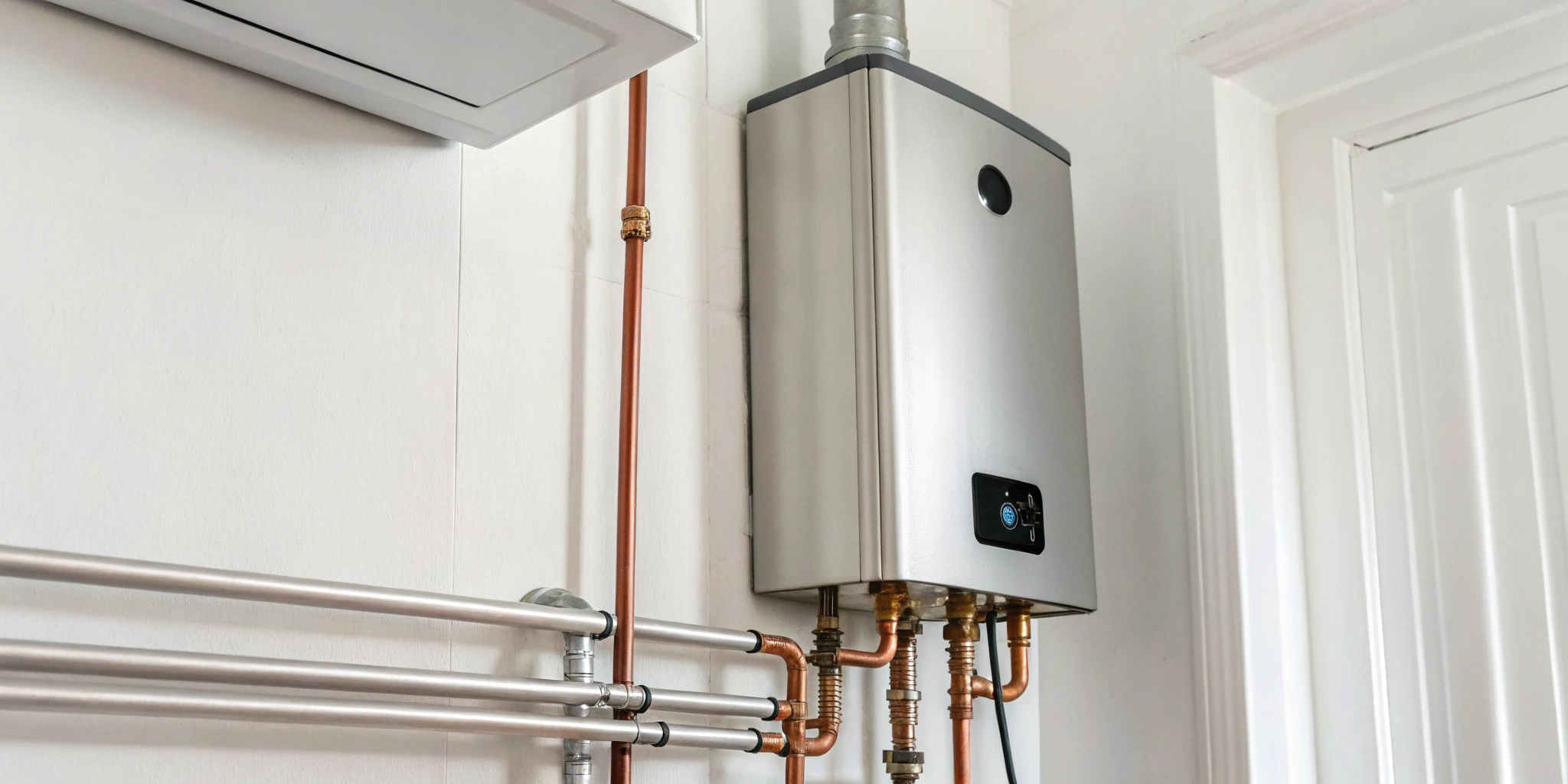
These units are small enough to mount on a wall, freeing up valuable closet or utility room space. Instead of wasting energy by keeping a large tank of water hot 24/7, a tankless model springs into action only when you turn on a hot water faucet. This on-demand system is not only more efficient but also means you get a continuous supply of hot water. For homeowners in Spokane, making the switch is a popular upgrade for both convenience and long-term savings. If you’re considering a new water heater installation, understanding how these modern systems operate is the perfect place to start.
How Do They Work?
The process behind a tankless water heater is surprisingly simple. When you turn on a hot water tap in your kitchen or bathroom, a sensor inside the tankless unit detects the water flow. This immediately activates a set of powerful electric heating elements. As cold water from your plumbing line travels through the unit, it passes directly over these hot elements, heating up almost instantly. The now-hot water continues on its way to your faucet, providing you with a steady stream. When you turn the tap off, the sensor shuts the heating elements down. It’s a straightforward and highly efficient cycle that only uses energy when you’re actively using hot water.
Key Benefits of Going Tankless
Switching to a tankless water heater comes with some fantastic perks. The most celebrated benefit is the endless supply of hot water. You can run the dishwasher, do a load of laundry, and still take a long, hot shower without worrying about it turning cold. These units are also built to last, with a lifespan of up to 20 years or more—nearly double that of a typical tank heater. Because they only heat water when needed, they are significantly more energy-efficient, which can lead to noticeable savings on your monthly utility bills. Their compact, wall-mounted design also saves a surprising amount of space, giving you back a little extra storage room.
Meeting the Electrical Requirements for Installation
Before you even think about mounting your new tankless water heater, let’s talk about the electrical side of things. This is the most critical part of the installation, and getting it right is non-negotiable for safety and performance. Electric tankless units are powerful appliances that draw a significant amount of electricity. Your home’s current setup needs to be ready to handle that demand.
Working with your home’s electrical system can be complex, and it’s often where a DIY project can become overwhelming or unsafe. If you’re ever in doubt, it’s always best to consult with a professional. Proper water heater installations ensure your unit runs efficiently and safely for years to come, protecting your home and your family. Let’s walk through what you need to check to make sure your electrical system is up to the task.
Matching Power to Your Unit’s Size
The first step is to understand just how much power your new unit needs. Most electric tankless water heaters require a substantial electrical load, often between 120 and 200 amps. This can be a challenge, especially in older homes that weren’t built to support so many high-powered appliances. Before you buy a unit, check its amperage requirements and compare them to your home’s total electrical service capacity. You can usually find this information on your main electrical panel. Making sure you have enough power from the start will save you from major headaches and potential hazards down the road.
Sizing Your Circuit Breaker and Wires
Once you know the power draw, you can determine the right size for your circuit breaker and wiring. A tankless heater needs its own dedicated circuit to operate safely. For example, a smaller unit might draw around 50 amps and require a 60-amp breaker, while a larger one could pull over 130 amps. This requires heavy-gauge wiring—often 6-gauge copper wire or thicker—to handle the load without overheating. Using undersized wires or breakers is a serious fire hazard, so this step must be done correctly. It’s not a place to cut corners; the safety of your home depends on it.
Can Your Electrical Panel Handle It?
Your home’s main electrical panel is the distribution hub for all its power. You need to confirm it has enough capacity to support the new, high-demand circuit for your water heater. In many cases, especially if your panel is already close to its limit, you may need an upgrade. This could involve replacing the entire panel or adding a sub-panel. Evaluating your panel’s capacity is a crucial step that ensures your home’s electrical system remains stable and safe after the new appliance is installed. Don’t skip this assessment; an overloaded panel can lead to frequent breaker trips or more serious electrical issues.
Staying Compliant with the National Electrical Code
All electrical work, including installing a tankless water heater, must comply with the National Electrical Code (NEC). These are the minimum safety standards designed to protect you and your property. The NEC mandates that your tankless unit must be on a dedicated circuit—no sharing with other outlets or appliances. It also requires proper grounding to prevent electrical shocks. Following these codes isn’t optional; it’s an essential part of a safe and reliable installation that keeps your home’s residential plumbing and electrical systems secure. Adhering to the code ensures your installation is done right and will pass any future inspections.
Gather Your Tools and Materials
Getting organized before you start is one of the best things you can do to ensure a smooth installation. Think of it like prepping your ingredients before you start cooking—it just makes everything easier. Having all your tools, components, and safety gear within arm’s reach means you can stay focused on the task at hand. This preparation step isn’t just about convenience; it’s a crucial part of doing the job safely and correctly. A quick run to the hardware store now is much better than having to stop mid-project because you’re missing a critical part. Let’s walk through exactly what you’ll need to have on hand.
Your Toolkit and Safety Gear
First things first, let’s talk tools and safety. Before you touch a single wire or pipe, your absolute first step is to turn off the water and electricity to your old water heater. Always double-check that the power is off with a voltage tester—it’s a non-negotiable safety measure. You’ll also want to have safety glasses and gloves. For the job itself, your basic toolkit should include a drill, screwdrivers, a pipe wrench, and wire strippers. Having these ready will prevent any frustrating interruptions. Proper preparation is a cornerstone of any successful residential plumbing project, big or small.
Essential Electrical Components
The electrical side of this installation is where precision is key. You’ll need heavy-gauge wiring that’s appropriate for your unit’s power demands. Electric tankless water heaters require their own dedicated circuit, which means they can’t share power with any other appliances. This is vital for preventing overloads and ensuring the unit operates safely. All your electrical work must meet or exceed the standards set by the National Electrical Code (NEC). Proper grounding is also mandatory; it’s a critical safety feature that should never be overlooked. If you’re ever unsure about electrical work, it’s always best to consult a professional.
Plumbing Pipes and Fittings
Now for the plumbing parts. To connect your new unit, you’ll need a few specific fittings to make the job clean and functional for the long haul. Make sure you have isolation valves, which allow you to shut off water directly to the unit for future maintenance without turning off water to the whole house. You’ll also need a manual shutoff valve on the cold water line and a pressure relief valve rated for 150 psi. These components are essential for safety and proper operation. Getting the right parts for your plumbing fixture installation ensures everything works together seamlessly.
Your Pre-Installation Checklist
Before you can enjoy that endless hot water, a little prep work is in order. Taking the time to properly prepare your space will make the installation process much safer and more efficient. Think of it as setting the stage for a successful project. Getting these steps right ensures that when it’s time to connect your new unit, everything goes off without a hitch. From clearing out the old to making sure you’re compliant with local codes, this checklist covers the essential groundwork you need to handle first.
Shut Off Power and Water
First things first: safety. Before you touch a single pipe or wire, you absolutely must shut off the power and water to your old water heater. Head to your main electrical panel and flip the circuit breaker that controls your current water heater to the “off” position. Next, find the main water shut-off valve for your home and turn it off completely. This step is non-negotiable and prevents any risk of electric shock or unexpected flooding while you work. It’s a foundational rule for any residential plumbing project, big or small.
Remove Your Old Water Heater
With the power and water safely off, it’s time to say goodbye to your old tank. You’ll need to drain it completely, which can take a while, so be patient. Once it’s empty, you can disconnect the water lines and electrical connections. Keep in mind that even when empty, old water heaters can be incredibly heavy and awkward to move. Make sure you have a clear path to get it out of your home. If the thought of wrestling with a bulky old tank sounds like a headache, our team can handle the heavy lifting and disposal during a new water heater installation.
Find the Right Spot for Your New Unit
One of the best things about tankless water heaters is their compact size, which gives you more flexibility in where you can install them. You’ll want to choose a spot that’s close to the points of use, like your kitchen or main bathroom, to minimize heat loss in the pipes and get hot water faster. Make sure the wall you choose can support the unit’s weight and that you have enough clearance around it for future maintenance. Some models are even rated for outdoor installation, which can be a great space-saver.
Check Local Permit Requirements
This is a step many DIYers overlook, but it’s incredibly important. Most cities, including Spokane, have specific building codes and permit requirements for plumbing and electrical work. Installing a new water heater often requires a permit to ensure it’s done safely and correctly. A quick check with your local building department will tell you what you need. This is another area where hiring a professional plumber pays off—we’re familiar with all local codes and can manage the entire permitting process for you, ensuring your installation is fully compliant.
A Step-by-Step Installation Guide
Once you’ve done your prep work, you’re ready to get your new tankless water heater up and running. This part of the process requires careful attention to detail, especially when it comes to the electrical and plumbing connections. Follow these steps methodically to ensure a safe and successful installation. Remember, while DIY can be rewarding, complex plumbing and electrical work often benefit from a professional touch. If you ever feel unsure, our team is always ready to help with expert water heater installations right here in Spokane.
Mount the Unit to the Wall
First, pick the perfect spot for your new unit. It should be indoors, protected from freezing temperatures, and close to your most-used water fixtures to minimize lag time. Check the manufacturer’s manual for specific clearance requirements around the heater—you’ll need space for future maintenance. Once you’ve marked your location, use the provided template to drill mounting holes. Secure the heater to the wall using sturdy anchors and screws, making sure it’s perfectly level. A solid mounting job is the foundation for a safe and efficient system, so take your time to get it right.
Make the Electrical Connections
This is where safety is absolutely critical. Before you touch a single wire, go to your main electrical panel and shut off the power to the circuit you’ll be working on. Use a voltage tester to confirm the power is off. Following the manufacturer’s diagram, connect the heavy-gauge wiring from your dedicated circuit to the unit. All connections must be secure and comply with the National Electrical Code (NEC) to prevent fire hazards. If you’re not completely comfortable with electrical work, this is the ideal time to call a professional.
Connect the Water Lines
With the unit mounted and wired, it’s time for plumbing. Connect the cold water inlet and hot water outlet lines to the corresponding fittings on the bottom of the heater. It’s a best practice to install shutoff valves on both lines to make future servicing easier. You’ll also need to install a pressure relief valve on the hot water outlet line for safety. Before you tighten everything down, flush the water lines to clear out any sediment or debris that could clog your new heater. This simple step helps protect your investment from the start.
Properly Ground and Bond the Unit
Proper grounding is a non-negotiable safety measure that protects you from electrical shock and your unit from power surges. Your electric tankless water heater must be connected to a dedicated circuit that is properly grounded according to local codes and the NEC. This involves connecting the ground wire from your electrical panel to the grounding screw on the unit. Bonding, which connects all metallic components of your plumbing system, is also essential to create a safe electrical path. Don’t skip this step—it’s a vital part of a safe installation.
Test Your New System
You’re at the finish line! It’s time to test your work. First, slowly turn the water back on at the main shutoff valve and open the new valves for the heater. Check every single connection for leaks. Once you’re sure everything is watertight, go to your electrical panel and restore power to the circuit. Turn on a hot water faucet and let it run. The unit should power on and begin heating the water. Set your desired temperature—usually around 120°F is recommended—and enjoy the endless hot water from your new system.
Common Installation Mistakes to Avoid
While installing an electric tankless water heater yourself can be tempting, a few common mistakes can create serious safety hazards and performance issues. Getting the electrical details right is the most critical part of the job. Let’s walk through the three biggest mistakes we see so you can ensure your installation is done correctly from the start.
Ignoring Electrical Codes and Safety
Think of electrical codes as the essential rulebook for keeping your home safe. The National Electrical Code (NEC) sets the minimum safety standards for all electrical work, and local regulations might have additional requirements. Ignoring these codes isn’t just cutting a corner—it’s creating a potential fire hazard or risk of electric shock. These guidelines cover everything from the type of wire you use to how the unit is grounded. Following them ensures your heater operates safely. If you’re not completely familiar with these codes, it’s always best to rely on professional water heater installations to get the job done right.
Using the Wrong Wire or Circuit Size
An electric tankless water heater is a powerful appliance that draws a lot of electricity, which is why it must have its own dedicated circuit. A dangerous mistake is using a wire gauge that’s too small for the unit’s amperage. Undersized wiring can’t handle the electrical load, causing it to overheat and create a serious fire risk. It can also cause the circuit breaker to trip constantly or lead to your water heater underperforming. Always check the manufacturer’s specifications for the required amperage and use the corresponding wire and breaker size as mandated by the NEC.
Skipping Proper Grounding
Grounding is a critical safety feature that should never be overlooked. A ground wire provides a safe path for electricity to travel in case of a short circuit, preventing the unit’s metal casing from becoming energized. Without a proper ground, you or a family member could receive a dangerous electric shock just by touching the water heater. It also protects the sensitive electronic components inside your tankless unit from damage during power surges. Proper grounding and bonding are mandatory steps for a reason—they protect both your investment and, more importantly, the people in your home.
When Should You Call a Professional?
While tackling a home improvement project yourself can be incredibly rewarding, some jobs are best left to the experts. Installing an electric tankless water heater often falls into that category. It’s a project where a small mistake can lead to big problems, from damaging your new unit to creating serious safety hazards. If you find yourself hesitating at any point, it’s a good sign to pause and call for backup.
Recognizing when to bring in a professional is key to a successful and safe installation. There are a few specific situations where expert help isn’t just a good idea—it’s essential. If your project involves intricate electrical work, if your home’s electrical system might not be up to the task, or if you’re unsure about local codes and permits, calling a licensed plumber is the smartest move you can make. It ensures the job is done right, your home is protected, and your new water heater works perfectly from day one.
Your Project Involves Complex Electrical Work
Installing an electric tankless water heater is much more than a simple plumbing swap. It’s a hybrid job that requires a solid understanding of both plumbing and electrical systems. You’re not just connecting water lines; you’re wiring a high-powered appliance directly into your home’s electrical panel.
This isn’t the place for guesswork. An incorrect electrical connection can damage the unit’s sensitive electronic components, trip your breakers, or worse, create a fire hazard. A professional has the training to handle the complex wiring safely, ensuring every connection is secure and up to code. They bring the right tools and experience to manage both sides of the installation, giving you peace of mind that the work is done correctly and safely.
Your Unit Has High-Power Demands
Electric tankless water heaters are powerful machines, and they need a lot of electricity to heat water on demand. Most units require between 120 and 200 amps of power, which is a significant draw on your home’s electrical system. Many older homes simply don’t have an electrical panel with enough capacity to handle this extra load without an upgrade.
A professional water heater installation begins with an assessment of your current electrical setup. A licensed technician will confirm if your panel can support the new unit and will install a mandatory dedicated circuit for it. This isn’t an optional step—it’s a critical safety measure to prevent overloading your system. Proper grounding is also essential, and a pro will ensure it’s done right.
You Need Help with Permits and Inspections
Any work involving your home’s plumbing and electrical systems is subject to local and national building codes. These rules are in place to ensure everything is installed safely and functions correctly. An electric tankless water heater installation is no exception, and in many areas, this work requires a permit and a final inspection.
Navigating the permit process and understanding every specific code can be a challenge. Professionals are familiar with all the local requirements in Spokane. They know exactly what’s needed for your installation to be compliant, safe, and legal. Hiring an expert means they handle the paperwork and ensure the job passes inspection, saving you from potential headaches, fines, or issues down the road. It’s one of the biggest benefits of trusting your residential plumbing to a qualified team.
Staying Safe During Your Installation
Installing a tankless water heater involves working with both high-voltage electricity and your home’s plumbing. Safety isn’t just a suggestion—it’s a requirement. Taking the right precautions protects you, your family, and your home from potential hazards. Before you touch a wire or a pipe, make sure you understand the risks and are prepared to handle them. If you ever feel unsure, our team is always ready to help with professional water heater installations that put safety first.
Key Electrical Safety Tips
Working with your home’s electrical system can be dangerous if you’re not careful. Electric tankless heaters require a lot of power, so a dedicated circuit is mandatory—no exceptions. This ensures the unit has enough power without overloading your system and creating a fire hazard. All electrical connections must be made with the correct heavy-gauge wiring and proper grounding to meet or exceed the National Electrical Code (NEC). Grounding is a critical safety feature that protects against electric shock, so it’s never optional. Following these rules is essential for a safe installation.
Using Your Safety Gear Correctly
The right gear is your first line of defense. Before you begin any work, always turn off the main circuit breaker that supplies power to your water heater. Then, use a voltage tester on the wires to be absolutely certain the power is off. Never trust a switch alone. Wear safety glasses to protect your eyes from debris and insulated gloves to reduce the risk of shock when handling electrical components. Closed-toe, sturdy shoes are also a good idea. Using your safety gear correctly isn’t about being overly cautious; it’s about being smart and prepared.
What to Do in an Emergency
Knowing how to react in an emergency is just as important as preventing one. If you smell gas—often described as a distinct rotten egg odor—it could indicate a leak from a nearby appliance. Turn off the main gas supply immediately, evacuate the area, and call your gas company or emergency services. A burning smell might point to an electrical issue or an overheating component. In that case, shut off the power at the breaker and call a professional. If you run into problems, our team is here to help with expert hot water heater repair.
Keep Your Water Heater Running Smoothly
Getting your new electric tankless water heater installed is a great first step, but the work doesn’t stop there. Just like any other major appliance in your home, it needs a little TLC to perform its best for years to come. Consistent maintenance not only extends the life of your unit but also ensures it runs efficiently, saving you money on energy bills and preventing unexpected breakdowns. A little proactive care can help you avoid the headache of a cold shower on a winter morning.
Think of it as a regular check-up. By performing a few key tasks annually, you can catch small issues before they become major problems. This includes flushing the system to remove mineral buildup, checking the electrical connections for safety, and testing the pressure relief valve. While some of these tasks are straightforward, others require a careful hand. If you ever feel unsure, remember that a professional is just a phone call away. Keeping up with these simple steps will ensure you have reliable, on-demand hot water whenever you need it. If you run into any trouble, our team is always ready to help with hot water heater repair.
Flush and Descale Your System Annually
Spokane’s water has a moderate hardness level, which means it contains minerals like calcium and magnesium. Over time, these minerals can build up inside your tankless water heater, creating a layer of “scale” on the heating element. This buildup forces your unit to work harder to heat the water, reducing its efficiency and potentially shortening its lifespan. Unlike traditional tank models, tankless water heaters are more susceptible to scale, so an annual flush is essential. Descaling involves circulating a special solution through the unit to dissolve these mineral deposits, restoring your heater’s performance and keeping your energy bills in check.
Inspect Electrical Connections Regularly
Your electric tankless water heater relies on powerful electrical connections to function safely. Over time, vibrations and temperature fluctuations can cause these connections to loosen. A loose wire can create a serious fire hazard and cause your unit to fail. At least once a year, it’s a good idea to visually inspect the wiring for any signs of damage, such as discoloration, melting, or frayed insulation. Because these units use heavy-gauge wiring, all work must meet or exceed the National Electrical Code. For a thorough and safe inspection, we recommend calling a professional who can safely tighten connections and ensure everything is up to code, much like you would for a gas line repair.
Test the Pressure Relief Valve
The pressure and temperature (P&T) relief valve is a critical safety feature on most water heaters. Its job is to automatically open and release pressure if the temperature or pressure inside the unit gets dangerously high. While some electric tankless models aren’t required by code to have one, if your unit has a P&T valve, you should test it annually. To do this, simply lift the lever for a few seconds to let a burst of water out. If it operates smoothly and stops dripping after you close it, you’re good to go. If the valve is stuck or continues to leak, it needs to be replaced immediately to ensure your system is safe.
Related Articles
- How to Find the Best Plumbers for Tankless Installation
- Tank vs. Tankless Water Heater: Pros, Cons & Costs
- 5 Big Benefits of a Tankless Water Heater
- 40-Gallon Water Heater Installation Cost: 2025 Guide
- 5 Warning Signs You Need a New Water Heater
Frequently Asked Questions
How do I know if my home’s electrical panel can handle a tankless water heater? The best way to know for sure is to check the amperage rating on your main electrical panel. Most electric tankless units require a significant amount of power, often needing a panel with at least 200-amp service. If your panel is older or already supports several large appliances, you might need an upgrade. If you’re not comfortable assessing this yourself, it’s a great reason to have a professional plumber or electrician take a look before you purchase a unit.
Is a tankless water heater really worth the investment? While the upfront cost is higher than a traditional tank heater, the long-term benefits often make it a worthwhile upgrade. You’ll see savings on your energy bills because the unit only heats water when you need it. Plus, they typically last almost twice as long as tank heaters. For many homeowners, the biggest perk is the convenience of endless hot water—no more scheduling showers or running out mid-laundry cycle.
What’s the most common mistake people make when installing these themselves? The most critical and common mistake involves the electrical work. Many people underestimate the power these units draw and fail to install a dedicated circuit with the correct heavy-gauge wiring. Using undersized wires is a serious fire hazard and can cause the unit to perform poorly or fail completely. Proper grounding is another step that is sometimes overlooked but is essential for safety.
How much maintenance does a tankless unit actually need? The primary maintenance task is to flush the system annually to remove mineral buildup, which is especially important in areas with hard water. This descaling process keeps the heating elements clean and ensures the unit runs efficiently. It’s a straightforward job that protects your investment and prevents a drop in performance over time.
Can I install a tankless water heater anywhere in my house? Their compact size gives you more flexibility than a bulky tank, but placement still matters. You’ll want to install it on a sturdy wall, indoors, and as close as possible to the fixtures you use most often, like your kitchen or primary bathroom. This reduces the time you wait for hot water to arrive at the tap. Always be sure to leave enough clearance around the unit for any future servicing.