














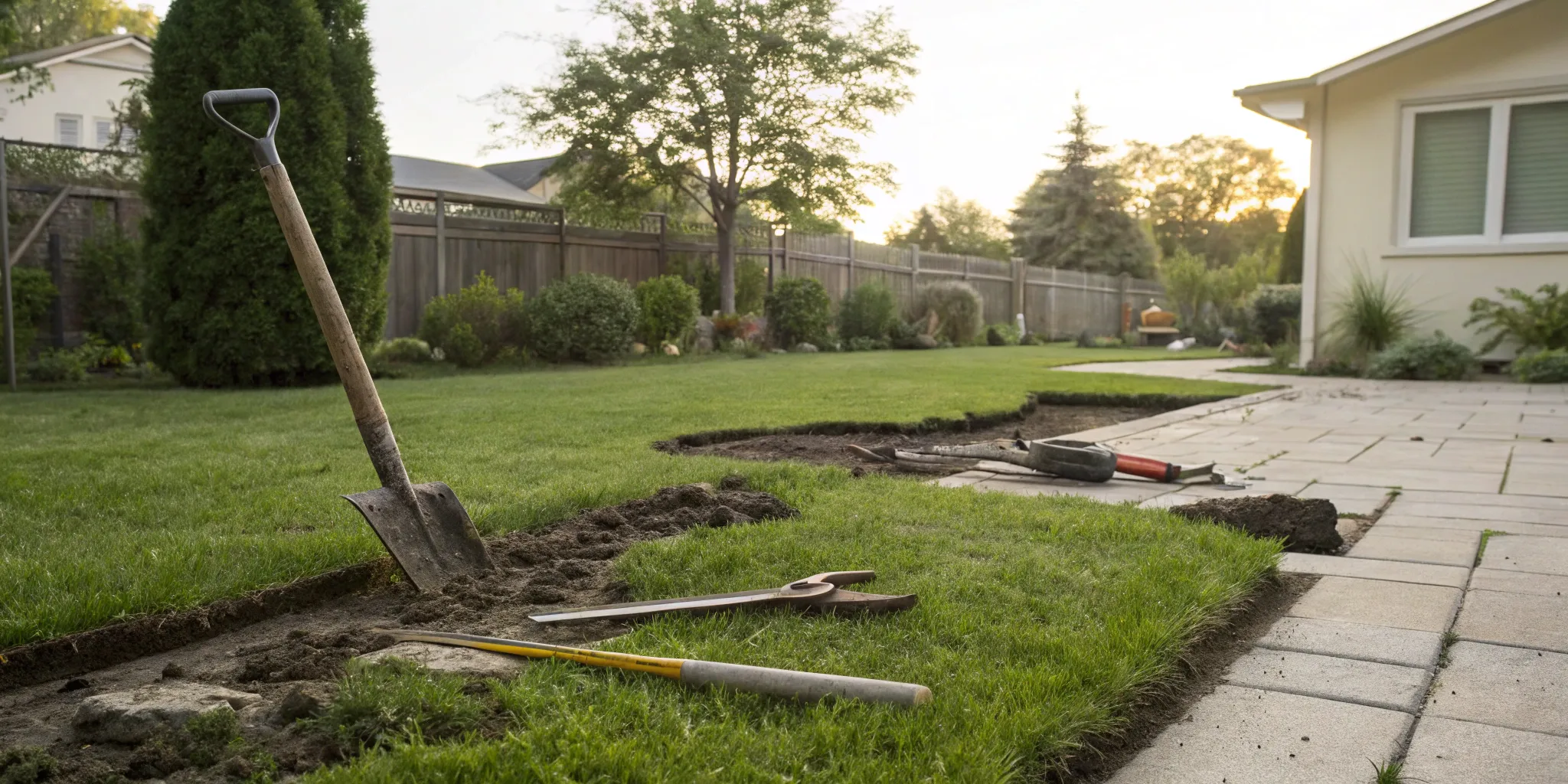
An underground water leak is a sneaky problem. It can start with subtle clues—a slight drop in water pressure, a patch of grass that’s suddenly greener than the rest, or a faint hissing sound you can only hear when the house is quiet. These small signs often point to a much bigger issue hidden beneath the surface. When you suspect a leak, your mind immediately jumps to the potential damage and the repair bill. You’re likely wondering, how much does it cost to fix a broken water pipe underground? In this article, we’ll explore the answer, covering everything from average repair costs to the hidden expenses you need to budget for.
Key Takeaways
- Know the subtle clues of a hidden leak: Pay attention to soggy spots in your yard, a sudden drop in water pressure, or an unexplained spike in your water bill. Acting on these early signs is the best way to prevent a small issue from becoming a major, expensive problem.
- Understand the full cost of repair: The final bill is influenced by many factors, including the pipe’s location and the extent of the damage. Remember to budget for potential secondary expenses like excavation, city permits, and restoring your lawn or driveway.
- Choose the right expert for a lasting fix: Underground pipe repair requires specialized skills, so always hire a licensed and insured plumber with proven experience. Getting multiple detailed estimates helps you find a fair price for a quality solution that protects your property.
Think You Have a Leak? Signs of a Broken Underground Pipe
An underground pipe leak can feel like a hidden problem, but it almost always leaves clues. The trick is knowing what to look for. Spotting the signs of a broken pipe early can save you from dealing with major water damage, a ruined yard, and a surprisingly high water bill. Some signs are obvious, like a new pond in your front yard, while others are much more subtle. Paying attention to small changes in your home and property is the best way to catch a leak before it becomes a catastrophe. If you notice any of the issues below, it’s a good idea to investigate further. These are the most common red flags that point to a break in your underground water or sewer lines, signaling it’s time to call in a professional for residential plumbing services.
Puddles in the Yard and Soggy Spots
Have you noticed a patch of lawn that’s always wet, even when it hasn’t rained? Or maybe one area of your grass is suddenly much greener and more lush than the rest. These are classic signs of an underground water leak. When a pipe breaks, the water seeps up into the soil, creating soggy spots or persistent puddles. If the leak is in a sewer line, you might also notice a foul odor in the area. Ignoring these wet patches can lead to sinkholes in your yard and cause more severe damage over time, so it’s best to get them checked out as soon as you spot them.
A Sudden Drop in Water Pressure
If turning on your shower feels less like a power wash and more like a trickle, a broken underground pipe could be the culprit. A significant break in your main water line allows a large volume of water to escape before it ever reaches your home’s faucets. This diversion of water results in a noticeable drop in pressure throughout the house. A leaking water main can also saturate the ground near your home, potentially causing serious damage to your foundation. If you’re experiencing low pressure, it’s a clear signal that you may need a water leak repair.
Cracks in Your Foundation
This is one of the more serious signs of an underground leak. When water consistently leaks into the soil around your home, it can cause the ground to soften and shift. This movement can put immense pressure on your home’s foundation, leading to cracks in the concrete slab, walls, or floors. You might notice new cracks appearing or existing ones getting wider. While foundation issues can have several causes, a long-term, hidden water leak is a common one. Don’t wait to address this—foundation damage is expensive and compromises the structural integrity of your home.
Your Water Bill Suddenly Spikes
Your water bill is often the first place a hidden leak shows itself. If you get a bill that’s significantly higher than usual, but your family’s water habits haven’t changed, you likely have a leak somewhere. A broken underground pipe can waste hundreds or even thousands of gallons of water, running 24/7 without you even knowing it. Before you panic, double-check for running toilets or dripping faucets. If you can’t find an obvious source inside, the problem is probably underground. Comparing your recent bill to those from previous months can help confirm your suspicion.
Murky or Foul-Smelling Tap Water
Your tap water should always be clear. If it suddenly looks brown, rusty, or has visible dirt particles in it, a break in your main water line is a strong possibility. A crack or hole in the pipe can allow soil, sediment, and other contaminants from the ground to get into your clean water supply. You might also notice that the water has an earthy or unpleasant smell. This isn’t just a plumbing problem; it’s a health concern for your family. Discolored or foul-smelling water is a sign that you need to stop using the water and call a plumber right away.
Key Factors That Affect Your Repair Bill
When you get a quote for an underground pipe repair, you might wonder why the price can vary so much. The truth is, no two plumbing jobs are exactly alike. The final cost depends on a handful of key variables that determine how complex and labor-intensive the repair will be. Understanding these factors can help you see what goes into a professional estimate and why a quick, cheap fix isn’t always the best solution for a problem buried deep in your yard. From the location of the pipe to the materials it’s made of, each element plays a role in the total cost of getting your water flowing smoothly again.
How Hard Is It to Reach the Pipe?
One of the biggest factors in your repair bill is simply where the broken pipe is located. A leak under an open patch of grass is relatively easy to get to. But if the pipe is buried deep underground, runs beneath a concrete driveway, or is tangled up in the roots of a mature tree, the job gets a lot more complicated. Access is everything. The more work it takes to safely expose the pipe without damaging your property, the more time and labor are required. This initial step of just reaching the problem is often a significant part of the overall water leak repair cost.
The Size and Scope of the Damage
The nature of the damage itself will also heavily influence the price. A tiny, pinhole leak might only require a small patch or a simple clamp, making for a relatively quick and affordable fix. On the other hand, a long crack, a completely burst section, or multiple leaks along the same line will require a much more extensive repair. A simple fix might cost a few hundred dollars, while severe damage could run into the thousands if a large section of the pipe needs to be replaced. We always assess the full extent of the problem to make sure our solution is a lasting one.
The Type and Age of Your Pipes
What kind of pipes do you have? The material they’re made from affects both the cost of replacement parts and the labor involved. Modern PVC or PEX (plastic) pipes are generally the most affordable and easiest to work with. Older homes in Spokane might have copper, galvanized steel, or even cast iron pipes, which are more expensive to purchase and often require more specialized techniques to repair or replace. The age of your pipes also matters—older, corroded pipes may be too fragile for a simple patch, meaning a larger section will need to be replaced to ensure a secure, long-term fix for your residential plumbing.
Local Labor Rates
Like any professional service, the cost of labor is a major component of your final bill. Plumber rates vary based on location, experience, and the complexity of the job. Here in Spokane, you can expect to pay for a licensed and insured professional’s time and expertise. While it might be tempting to find the cheapest hourly rate, remember that an experienced plumber can often diagnose and fix the problem more efficiently and effectively. This expertise saves you money in the long run by ensuring the job is done right the first time, preventing future leaks and more costly damage.
Whether We Need to Dig (And How Much)
If your pipe is buried deep, we may need to bring in an excavator to dig a trench. This is a separate cost from the plumbing labor itself and typically includes the machine and a skilled operator. Hand-digging is fine for shallow pipes, but for deeper lines or extensive replacements, excavation is necessary to get the job done safely and efficiently. The amount of digging required—whether it’s a small pit or a long trench—will directly impact this part of the cost. We’ll always discuss this with you upfront if we believe excavation is needed for your water leak repair.
Breaking Down the Cost of Underground Water Pipe Repair
When you’re facing a potential underground pipe issue, the first question on your mind is usually, “What is this going to cost me?” The answer isn’t always straightforward, as several factors come into play. But understanding the typical costs can help you prepare and make informed decisions. From the scope of the damage to whether it’s an after-hours emergency, let’s look at the key financial aspects of fixing a main water line.
Typical Price Ranges for Repairs
On average, homeowners can expect to pay around $1,025 for a main water line repair, with most projects falling somewhere between $400 and $1,500. Of course, this is just a ballpark figure. A simple, accessible fix will be on the lower end of that spectrum, while a more complex job that requires significant digging or specialized equipment can cost more. The best way to get a clear picture of your specific situation is to have a professional assess the damage. Getting an expert opinion for your water leak repair will give you a precise quote based on the actual work needed.
Understanding Cost Per Foot
For larger jobs, plumbers often estimate the cost per foot. This helps break down the price for replacing a section of your water line. You can generally expect repair costs to range from $100 to $200 per foot. If a section of the pipe is beyond repair and needs to be replaced, the cost is typically between $50 and $250 per foot. This variation accounts for the type of pipe material used and the complexity of the installation. For a full replacement of the main water line from your home to the street, the total cost can be a significant investment, but it provides a long-term solution.
Emergency Repairs vs. Scheduled Service
A burst pipe doesn’t wait for business hours. Unfortunately, if you need an emergency repair on a weeknight or weekend, the cost can be two to three times higher than a scheduled service call. This premium covers the immediate availability of a plumber outside of their normal hours. While you can’t always predict an emergency, this is why it’s so important to address potential plumbing issues as soon as you notice them. Acting quickly on signs like a soggy yard or a sudden drop in water pressure can help you avoid a much more expensive after-hours crisis.
Will Your Homeowner’s Insurance Cover It?
This is a common question, and the answer can be a bit tricky. Most standard homeowner’s insurance policies will cover the damage caused by a sudden and accidental pipe burst—like water damage to your floors or foundation. However, they typically do not cover the cost of repairing or replacing the pipe itself, especially if the break was due to gradual wear and tear or neglect. It’s always a good idea to review your specific policy or call your insurance agent to understand exactly what’s covered before you need to file a claim.
Your Repair Options (And What They Cost)
Once a plumber has diagnosed the problem with your underground pipe, the next step is figuring out the best way to fix it. The right approach depends entirely on the type of pipe, the extent of the damage, and where the leak is located. Some solutions are quick and targeted, while others are more comprehensive. Understanding your options will help you make an informed decision when you review an estimate.
The good news is that you don’t have to choose alone. A professional diagnosis is the key to finding the most effective and budget-friendly solution for your specific situation. At Action Craft Experts, we specialize in water leak repair and can walk you through the pros and cons of each method. Let’s break down the most common approaches and what you can generally expect them to cost.
Patching Small Leaks
If you’ve caught the problem early and are only dealing with a minor pinhole leak or a small crack, a simple patch might be all you need. This is the most straightforward and affordable fix, typically costing between $150 and $300. A plumber will access the damaged area and apply a clamp or a patch to seal the leak, stopping the water loss without replacing any part of the pipe. This is an ideal solution for small, isolated issues that don’t point to a larger problem of pipe corrosion or widespread failure.
Replacing a Section of Pipe
When the damage is too significant for a patch but is still confined to one area, replacing a section of the pipe is the next logical step. This involves excavating the area, cutting out the damaged portion, and fitting a new piece of pipe in its place. According to The Spruce, you can expect this to cost around $150 to $200 per foot. This is a common repair for pipes that have a localized break, a large crack, or a section that has corroded more quickly than the rest of the line.
Trenchless “No-Dig” Repairs
Nobody wants their beautiful lawn dug up. That’s where trenchless repairs come in. This modern method avoids major excavation by either pulling a new pipe through the old one or inserting a liner that hardens in place, creating a new pipe within the old one. While the cost can range from $60 to $200 per foot, it often saves you money in the long run. You won’t have to pay for extensive landscaping or driveway repairs, making it a popular choice for homeowners who want to preserve their property while getting a durable, long-lasting fix.
A Full Water Line Replacement
Sometimes, the entire water line has reached the end of its life. If you have an older home, widespread corrosion, or multiple leaks, a full replacement is often the smartest long-term investment. This is the most intensive option, but it gives you a brand-new, reliable water line. The cost varies widely based on the length of the line and the pipe material. According to Angi, the average cost is around $2,000, or $50 to $250 per foot. A full replacement provides complete peace of mind, ensuring you won’t have to worry about underground leaks for decades to come.
Budgeting for Other Potential Costs
When you’re facing an underground pipe issue, the cost of the actual repair is only one piece of the puzzle. It’s easy to overlook the other expenses that can pop up before, during, and after the work is done, and these can add up quickly. Thinking about these costs ahead of time helps you create a realistic budget and avoid any unwelcome surprises when the final bill arrives. From digging up your yard to restoring your driveway and getting the right city permits, several factors contribute to the total cost of a major plumbing project.
A comprehensive quote from a trusted plumber should break down more than just the parts and labor for the pipe itself. It should account for the entire scope of the job, from start to finish. This transparency is a hallmark of a professional service and gives you a complete financial picture before any work begins. Understanding these potential expenses is key to planning for a major water leak repair and feeling confident in your decisions. Below, we’ll walk through some of the most common additional costs you should be prepared for so you can ask the right questions and know exactly what to expect from the process.
The Cost of Excavation
To fix a pipe that’s buried underground, we first have to get to it. This almost always involves some level of excavation. The cost for an excavator and a skilled operator typically runs between $120 and $150 per hour. The total time needed depends on how deep the pipe is and what kind of soil or obstacles are in the way. A simple dig in a soft lawn will take less time than a complex one near other utility lines or through rocky ground. This is a critical part of the job, and the expense is a necessary investment to access and properly repair the damaged line.
Restoring Your Yard and Landscaping
Once the pipe is repaired and the trench is filled, your yard won’t look the same as it did before. Budgeting for landscape restoration is an important step many homeowners forget. The costs can vary widely depending on the extent of the digging. You might need to lay new sod, replant flower beds, or even replace shrubs. If a tree was in the way, removal can cost anywhere from $150 to $2,000. General landscaping restoration often falls in the range of $4 to $12 per square foot. It’s a good idea to factor this in so you can get your yard back to beautiful once the plumbing work is complete.
Repairing Driveways and Walkways
If the broken pipe is located under your driveway, patio, or a walkway, the repair becomes more complicated and costly. Before we can even get to the pipe, we have to break through and remove the concrete or paving stones. Concrete removal alone can cost between $3 and $8 per square foot. After the pipe is fixed, that surface needs to be repaired or replaced, which is an additional expense. This is why a leak under hardscaping can significantly increase the overall project budget. We always assess this carefully and include it in our initial estimate.
City Permits and Inspection Fees
Major plumbing work, especially involving a main water line, usually requires a permit from the city. This ensures the repair is done correctly and meets all local building codes, which is crucial for your safety and the integrity of the public water system. The cost for a permit can range from $25 to $500, depending on your location and the scope of the work. A professional plumbing company will handle the entire permitting process for you, making sure all the paperwork is filed correctly and any required inspections are scheduled.
The Initial Diagnostic Fee
Before any work begins, you’ll need a professional to accurately diagnose the problem. Most plumbing companies charge a diagnostic fee to send a technician to your home, inspect the issue, and determine the cause of the leak. This fee is typically between $50 and $100. At Action Craft Experts, we often apply this fee as a credit toward the total cost of the repair if you decide to move forward with us. This initial assessment is a vital first step in getting a clear picture of the problem and planning for your residential plumbing needs.
What to Check Before You Call a Plumber
That sinking feeling when you suspect an underground water leak is no fun. While some plumbing problems require an immediate call for professional help, taking a few minutes to do a quick assessment can give you valuable information to share with your plumber. It can help you confirm that a leak exists and understand the potential signs of trouble around your property. Think of it as gathering clues. These simple checks won’t replace a professional diagnosis, but they can give you peace of mind and help you communicate the problem more clearly. Below are a few things you can check to determine if you have a leak and when it’s definitely time to bring in an expert.
Simple DIY Inspection Tips
Your property often leaves clues when there’s a problem underground. Start by taking a slow walk around your yard. Are there any unusually lush, green patches of grass when the rest of the lawn is dry? Or do you see standing water, puddles, or soggy spots that never seem to dry up? These are classic signs that water is leaking beneath the surface. You can also try listening carefully. Turn off all the water inside and outside your house, then head out to your water meter. If you can hear a hissing or running water sound, you likely have a leak. While we use advanced acoustic tools for precise water leak repair, your own eyes and ears can be great first detectors.
How to Do a Basic Pressure Test
Your water meter is your best friend for confirming a hidden leak. Here’s a simple test you can do yourself. First, make sure every faucet, appliance, and water source in your home is turned off completely—don’t forget the ice maker and toilets! Go out to your water meter and take a picture of the dial or write down the exact numbers. Now, wait for about an hour without using any water. After the hour is up, go back and check the meter again. If the numbers have changed or the small leak indicator (often a triangle or star) is spinning, you have a leak somewhere in your system. This simple check confirms a problem and is great information to have when you call for help.
What to Look For During a Visual Check
Beyond soggy spots in the yard, a visual inspection can reveal other signs of trouble. Look closely at your home’s foundation for any new cracks, as shifting, water-saturated soil can cause structural stress. Check your driveway and walkways for similar signs of cracking or heaving. Sometimes, a broken underground pipe can also lead to unpleasant odors, especially if it’s a sewer line. If you notice a foul smell in your yard that won’t go away, it’s a major red flag. A comprehensive visual check gives you a fuller picture of the situation, helping you understand the potential scope of your residential plumbing issue before you even make the call.
Knowing When It’s Time to Call an Expert
These DIY checks are fantastic for diagnosing a problem, but when it comes to the actual repair, it’s time to call in the professionals. Underground pipe repair is not a weekend project. It involves locating utility lines, understanding local building codes, and often requires excavation. Attempting to dig yourself can be dangerous and could lead to a much bigger, more expensive mess. Once you’ve confirmed you have a leak or have spotted some of the major warning signs, your next step should be to contact a licensed plumber. We have the right tools and expertise to handle the job safely and efficiently, ensuring your repair is done right the first time.
How to Choose the Right Plumber for the Job
When you’re dealing with a potential underground pipe break, the plumber you hire can make all the difference. This isn’t the time to simply pick the first name that pops up in a search. You need a skilled professional who can diagnose the problem accurately and fix it efficiently without causing more damage to your property. Choosing the right expert means looking for a combination of experience, credentials, and transparency. It’s about finding someone who communicates clearly, respects your home, and stands behind their work. Taking a few extra steps to vet your options will give you peace of mind and help ensure the job is done right the first time, saving you from future headaches and expenses. Think of it as hiring a partner to protect one of your biggest investments: your home. A great plumber won’t just fix the immediate issue; they’ll also help you understand the cause and offer advice on how to prevent it from happening again.
Check for Proper Licensing and Certification
First things first: any plumber you consider should be properly licensed and certified. This is non-negotiable. A license proves that the plumber has met the specific training and competency standards required by the state of Washington. For a job as critical as a main water line repair, some cities even require you to use a licensed professional. Hiring an unlicensed individual might seem cheaper upfront, but it puts you at risk for subpar work that isn’t up to code, which can lead to failed inspections and even bigger problems down the road. Always ask for a license number and verify it.
Make Sure They’re Insured and Bonded
Accidents can happen, even with the most experienced professionals. That’s why it’s essential to hire a plumber who is both insured and bonded. General liability insurance protects your property in case of accidental damage during the repair process—for example, if equipment damages your driveway or landscaping. A bond, on the other hand, protects you if the company fails to complete the job as promised or doesn’t pay for necessary permits. A reputable company will have no problem providing you with proof of their coverage. Don’t be shy about asking for it; it’s your safety net.
Ask About Their Experience with Underground Pipes
Fixing a leaky faucet is one thing; repairing an underground water line is a completely different ballgame. This is a specialized job that requires specific equipment and expertise. When you call a potential plumber, ask them directly about their experience with this type of work. You can ask questions like, “How many underground water leak repairs have you handled?” or “What methods do you use?” Look for a company that has been in business for several years and has a solid track record. Experience often means they can diagnose issues faster and handle unexpected complications with ease.
Why You Should Get a Few Estimates
Unless you have water gushing into your yard and it’s a true emergency, it’s always a smart move to get at least three in-person estimates. This isn’t just about finding the lowest price. Getting multiple quotes helps you understand the typical cost for the job and identify any bids that seem unusually high or suspiciously low. A detailed estimate should break down the costs for labor, materials, and any other fees. When you compare quotes, make sure you’re comparing apples to apples—look at the proposed solution, the quality of materials, and the project timeline. This process helps you find a fair price from a trustworthy residential plumbing expert.
Smart Ways to Keep Repair Costs Down
Dealing with an underground pipe issue is stressful enough without the surprise of a massive bill. The good news is you aren’t powerless. By being proactive and informed, you can take control of the situation and make smart decisions that help keep repair costs in check. Here are a few practical strategies to protect your property and your wallet.
Act Fast at the First Sign of Trouble
When it comes to plumbing, procrastination is not your friend. A small, damp spot in the yard or a slight drop in water pressure might seem minor, but these are often the first warnings of a bigger problem underground. Addressing a small issue promptly is always more affordable than waiting for a complete pipe failure. A minor leak can quickly erode the soil supporting your home’s foundation or lead to a catastrophic burst. Getting a professional assessment for a water leak repair at the first sign of trouble can prevent thousands of dollars in damage and much more complex repairs down the road.
The Value of Regular Maintenance
Think of plumbing maintenance as a health checkup for your home. Having your water lines professionally inspected every few years can catch potential problems like corrosion, tree root intrusion, or small cracks before they become emergencies. This proactive approach is a smart investment that saves you money and stress in the long run. A professional plumber can use camera inspection tools to assess the condition of your pipes without having to dig up your yard. This gives you a clear picture of your system’s health and allows you to plan for any necessary repairs on your own schedule, not in the middle of a crisis.
Know Where Your Responsibility Ends
It’s important to understand which pipes are yours to maintain and which belong to the city. Typically, as a homeowner, you are responsible for the water service line that runs from your house to the main connection at the street or property line. This includes the pipe itself and the shut-off valves. Any issues with the city’s main line are their responsibility. If you’re ever unsure about where that line is drawn, you can contact your local Spokane utility provider for clarification. Knowing this boundary helps you understand who to call and who is financially responsible when a problem arises, preventing confusion and unexpected bills.
Plan for the Unexpected
The plumber’s bill is often just one piece of the financial puzzle. When an underground pipe repair requires excavation, you also need to account for the cost of restoring your property afterward. Be ready for extra costs if the repair involves digging up your lawn, driveway, or even opening up walls inside your home. These secondary expenses can include landscaping to reseed grass, repairing concrete or asphalt, or even drywall and painting work. When you get an estimate from a plumber, make sure you ask what is and isn’t included so you can create a realistic budget for the entire project from start to finish.
Related Articles
- How to Fix a Leaky Pipe?
- How To Detect Water leaks In Your House
- High Water Bill with No Visible Leak? Here’s What Might Be Happening
- Collapse sewer line? Here are the signs
- How to Identify Plumbing Problems in a New House
Frequently Asked Questions
My water bill suddenly went up, but I can’t find any leaks inside. What’s my next step? A surprise spike in your water bill is often the first sign of a hidden underground leak. The best next step is to perform a simple water meter test. Make sure all water-using appliances and faucets in your home are turned off, then check the leak indicator on your water meter. If it’s moving, you have a leak somewhere. This confirms it’s time to call a professional to locate the source of the problem before it causes more damage.
Do you always have to dig up my yard to fix an underground pipe? Not necessarily. While traditional repairs often require digging a trench to access the pipe, modern methods can minimize the disruption. For certain types of damage, trenchless repair techniques allow us to fix the pipe from the inside or pull a new line through the old one. This approach can save your lawn, driveway, and landscaping from major excavation, though the best method always depends on the specific location and severity of the leak.
Why can’t I get a firm price quote over the phone? Every underground pipe repair is unique, and an accurate estimate requires an in-person assessment. The final cost depends on several factors we can’t see from afar, such as how deep the pipe is, what material it’s made of, the exact location of the break, and whether it’s under grass or a concrete slab. A professional inspection allows us to give you a fair and precise quote based on the actual work required, so there are no surprises.
Will my homeowner’s insurance pay for this repair? It depends on your specific policy. Generally, homeowner’s insurance will cover the damage caused by a sudden pipe burst, like water damage to your home’s foundation or flooring. However, most policies do not cover the cost of repairing or replacing the pipe itself, especially if the break is due to normal wear and tear over time. It’s always best to review your policy or contact your insurance agent directly to understand your coverage.
Is a small, soggy patch in my lawn really a big deal? Yes, it’s a sign you shouldn’t ignore. That persistent wet spot is a clear warning that water is escaping from a pipe underground. While it may seem small now, the leak is constant, wasting water and slowly eroding the soil. Left unaddressed, it can lead to a much larger and more destructive pipe burst, cause sinkholes in your yard, or even damage your home’s foundation over time. Acting on this early sign is the smartest way to prevent a much bigger headache later.