












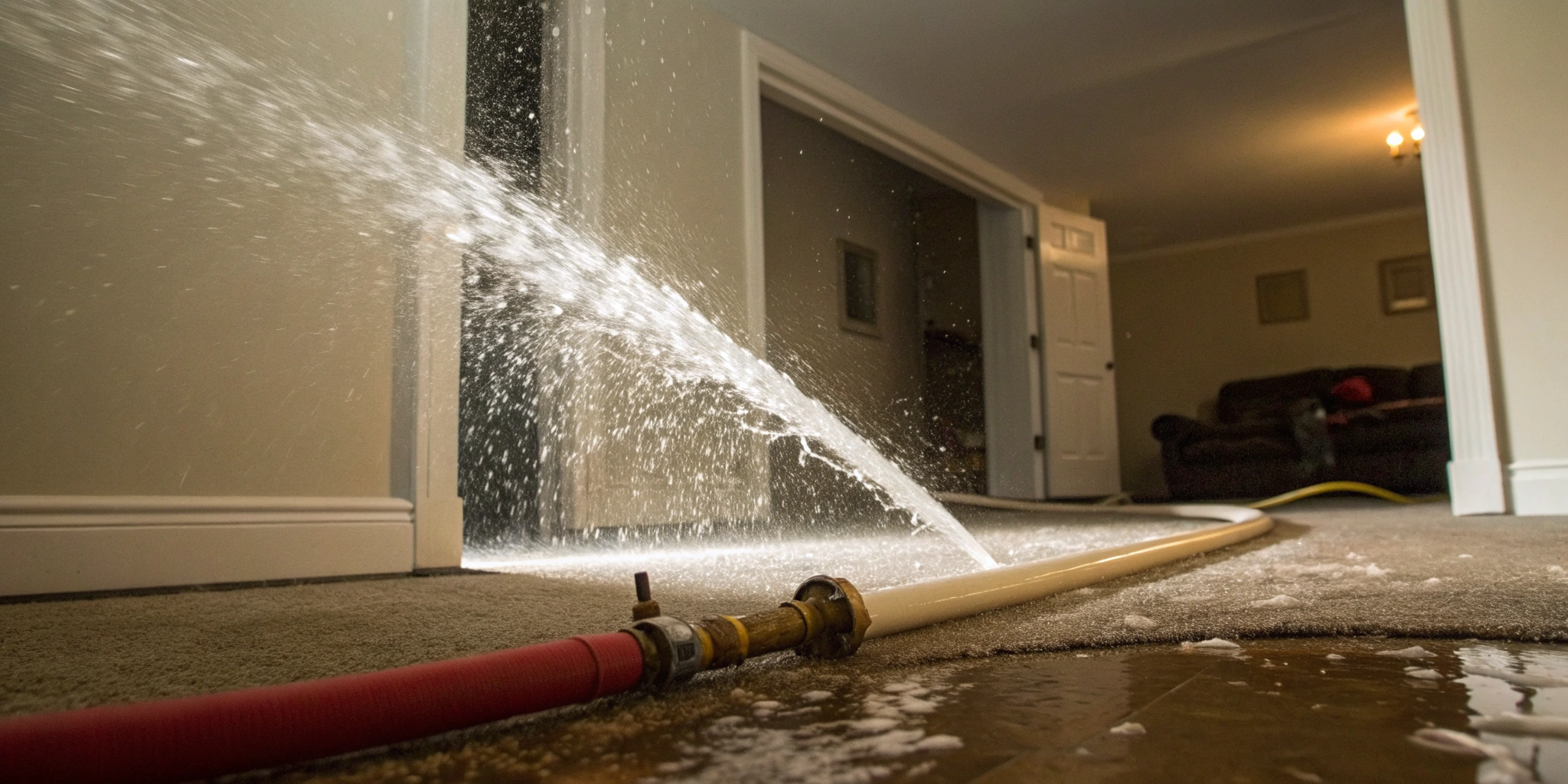
When a pipe fails in your home, the financial worry can be just as overwhelming as the water damage itself. Homeowners often underestimate the true pipe burst in house cost, thinking only of the initial plumbing repair. In reality, that bill is just the beginning. The secondary costs—like professional water extraction, mold remediation, drywall replacement, and ruined flooring—can quickly add up to thousands of dollars. This article provides a transparent look at all the potential expenses you could face. We’ll explore the factors that determine the price of a repair, what your insurance may or may not cover, and how proactive prevention can save you from this costly disaster.
Key Takeaways
- Proactive care prevents disaster: Most burst pipes are caused by predictable issues like freezing, corrosion, or excessive water pressure. Simple maintenance, such as insulating vulnerable pipes and scheduling regular inspections, is the best way to avoid an emergency.
- The plumbing bill is just the start: The true cost of a burst pipe includes more than the initial repair. Factor in potential secondary expenses for water damage cleanup, mold remediation, and replacing ruined drywall, flooring, and personal belongings.
- Your first moves are critical: If a pipe bursts, immediately shut off your home’s main water valve and the electricity to the affected area. Once the situation is stable, document the damage with photos for your insurance claim before calling a professional.
Why Do Pipes Burst?
A burst pipe can feel like a homeowner’s worst nightmare, leading to significant water damage and overwhelming stress. But understanding what causes pipes to fail is the first step in preventing a disaster. It’s rarely a random event; usually, there’s an underlying reason why a pipe gives way, and knowing the signs can help you protect your property. The causes can range from environmental factors, like the bitter cold of a Spokane winter, to the simple aging process of your home’s plumbing system. Other times, the problem is internal, like excessive water pressure stressing your pipes from within, or an external threat, like tree roots silently invading your underground lines. By getting familiar with these common culprits, you can take proactive steps to safeguard your home and avoid a costly emergency. Let’s walk through the main reasons pipes burst so you can be better prepared.
Freezing Temperatures
Here in Spokane, we know how cold the winters can get. Unfortunately, those freezing temperatures are a primary cause of burst pipes. When water inside a pipe freezes, it expands with incredible force. This ice creates a blockage, and as pressure builds up between the ice and the closed faucet, the pipe is strained beyond its limits until it splits open. This is an especially high risk for pipes located in uninsulated or unheated areas of your home, such as crawl spaces, attics, basements, or along exterior walls. Properly preparing your home’s residential plumbing for the cold is a crucial step in winter maintenance.
Age and Corrosion
Just like any other component of your home, pipes have a lifespan. Over time, materials like galvanized steel or cast iron, which are common in older homes, can begin to corrode from the inside out. Rust and mineral deposits slowly weaken the pipe walls, making them thin and brittle. What might start as a tiny, unnoticeable pinhole leak can suddenly become a catastrophic failure as the degraded pipe can no longer withstand normal water pressure. If you live in an older home and are unsure about the condition of your plumbing, an inspection can help you catch corrosion early and prevent a major water leak repair down the road.
High Water Pressure
While good water pressure is great for a refreshing shower, pressure that is too high puts constant, excessive stress on your entire plumbing system. Think of it like overinflating a tire—eventually, the strain will cause a weak point to fail. Consistently high pressure wears down pipes, joints, fittings, and appliance hoses, dramatically increasing the risk of a leak or a sudden burst. Your home’s water pressure should ideally be between 40 and 80 PSI. Anything above that is a ticking time bomb. A professional plumber can easily test your pressure and install a pressure-reducing valve to protect your plumbing from unnecessary wear and tear.
Intrusive Tree Roots
The plumbing outside your home is just as vulnerable as the pipes inside, especially when it comes to tree roots. Roots are naturally drawn toward the moisture and nutrients found in underground water and sewer lines. They can work their way into the smallest crack or joint in a pipe, and once inside, they will continue to grow, forming a dense mass. This root ball can create a serious blockage, causing pressure to build up until the pipe cracks or bursts completely. This is a hidden threat that often goes unnoticed until you’re dealing with a major sewer backup or a soggy, sunken spot in your yard. Regular drain cleaning services can help identify and clear out root intrusions before they lead to a pipe failure.
How Much Does It Cost to Fix a Burst Pipe?
When you’re dealing with a burst pipe, the first question on your mind is almost always, “How much is this going to cost me?” The honest answer is: it varies. The final price tag depends on a few key things, like where the pipe is located, how bad the break is, and what material the pipe is made of. A simple fix on an exposed pipe under your kitchen sink will cost much less than a major break inside a wall or under your home’s foundation.
Think of the total cost as two main components: the materials needed for the repair and the labor required to get the job done right. While materials are a factor, it’s the plumber’s time and expertise that make up the largest portion of the bill. A professional plumber doesn’t just patch a leak; they diagnose the cause, ensure the repair is durable, and check for any related issues that could cause problems down the road. At Action Craft Experts, we always provide a clear, upfront estimate so you know exactly what to expect before we begin any work. We believe in transparency, especially when you’re dealing with a stressful situation like a burst pipe.
The Cost of Minor Repairs
Let’s start with the best-case scenario. For a small, straightforward fix on an easily accessible pipe, you might pay as little as $150. This typically covers a simple patch or the replacement of a small section of pipe that’s out in the open, like under a bathroom vanity. However, the definition of “minor” can stretch. If the damaged pipe is in a slightly trickier spot, like a crawl space, the cost can climb. Some more complex but still contained repairs can reach up to $2,000, especially if they require more time and effort to access. The key is catching it early, as a quick water leak repair can prevent a minor issue from becoming a major disaster.
The Cost of Major Repairs
When the damage is more significant or the pipe is hidden behind drywall or concrete, you’re looking at a major repair. The cost for these jobs typically ranges from $400 to $2,000, though some estimates place the average around $500. A major repair could involve cutting into walls to access the broken pipe, replacing a large section of your main water line, or addressing a burst pipe that has already started to cause water damage to the surrounding area. These situations are more complex and labor-intensive, which is reflected in the price. While the cost is higher, investing in a professional repair ensures the problem is solved correctly and protects your home from further structural issues.
Understanding Labor Costs
It might be surprising to learn that about 80% of your bill for a burst pipe repair comes from labor. Plumber labor rates generally fall between $45 and $200 per hour. This fee doesn’t just cover the time spent physically fixing the pipe. It also includes the plumber’s travel time, the expertise needed to accurately diagnose the problem, the specialized tools required for the job, and the skill to perform a lasting repair. When you hire a professional, you’re paying for the peace of mind that comes with knowing the job is done safely and correctly. Our team provides expert residential plumbing services in Spokane and is equipped to handle any situation with efficiency and skill.
Factoring in Emergency Fees
Pipes rarely burst at a convenient time. If you find yourself needing a plumber on a weeknight, weekend, or holiday, be prepared for an emergency service fee. This extra charge, which can range from $100 to $300, covers the cost of calling a technician out during off-hours. While nobody likes an extra fee, paying for an emergency call can save you thousands in the long run. A burst pipe can release gallons of water per minute, and waiting until the next business day can lead to catastrophic water damage, mold growth, and structural problems. That emergency fee is a small price to pay for immediate action that protects your property.
What Factors Influence Repair Costs?
When you get a quote for a burst pipe repair, you might wonder why the price can vary so much. The final bill isn’t just a random number; it’s a calculation based on several specific details of your situation. Understanding these factors can help you make sense of your estimate and see where the costs are coming from. From the type of pipe in your walls to the time of day you call for help, here’s a breakdown of what influences the price of a repair.
Pipe Material
The material of the broken pipe plays a big role in the repair cost. Homes can have a mix of pipes, including copper, PVC, PEX, or older cast iron. Each material has a different price point and requires specific tools and techniques to repair. For example, copper is generally more expensive than PVC but is also very durable. A plumber will factor in the cost of the replacement pipe section and the labor involved, which can vary depending on how complex it is to work with that specific material. This is a key part of any residential plumbing project, big or small.
Pipe Location & Accessibility
Where the burst pipe is located is one of the biggest cost drivers. A pipe under a sink is easy to get to and relatively simple to fix. However, a pipe hidden behind a wall, under a concrete slab, or buried in your yard is a different story. Accessing these pipes requires more time and labor—and that means a higher cost. A plumber may need to cut through drywall, jackhammer concrete, or dig trenches to reach the problem. The more work it takes to get to the pipe, the more you can expect the water leak repair to cost.
The Extent of the Damage
Not all pipe bursts are created equal. The severity of the break directly impacts the repair bill. A small, hairline crack might only require a simple patch or a small section of pipe to be replaced. This is a relatively quick and affordable fix. On the other hand, a major rupture that has split a long section of pipe will require a more extensive replacement, which costs more in both materials and labor. The longer the plumber needs to be on-site and the more materials they use, the higher the final cost will be. It’s the difference between a minor fix and a major plumbing operation.
Urgency of the Repair
When a pipe bursts, you often need help immediately, no matter the time of day. Plumbing emergencies don’t stick to a 9-to-5 schedule, and calling for help after hours, on a weekend, or during a holiday will typically cost more. Most plumbing companies have an emergency surcharge to cover the cost of having technicians on call. While nobody likes paying extra, this fee ensures you can get a professional to your home quickly to stop the water flow and prevent thousands of dollars in additional water damage. Think of it as a necessary investment to protect your home from a much bigger disaster.
Hidden Costs of a Burst Pipe
The initial plumbing bill to fix the burst pipe is often just the tip of the iceberg. The water that escapes can cause a cascade of problems throughout your home, leading to a series of repairs you might not have anticipated. Understanding these potential secondary costs is key to grasping the true financial impact of a burst pipe. From soaked drywall to ruined floors, the damage can spread quickly, and each issue comes with its own price tag. Let’s break down the most common hidden costs you might face.
Water Damage Cleanup
Once the leak is stopped, the cleanup begins. A burst pipe can release a surprising amount of water, soaking everything in its path. Professional water damage cleanup is a critical first step and can cost around $3,500 on average. This process involves more than just mopping up puddles; technicians use specialized equipment to thoroughly dry out walls, floors, and hidden cavities to prevent long-term issues. Prompt and professional water leak repair and cleanup is your best defense against the more serious problems that can follow, like mold and structural damage.
Mold Remediation
Where there’s lingering moisture, mold is often not far behind. If the affected areas aren’t dried out completely and quickly, mold can begin to grow within 24 to 48 hours. Not only is it unsightly, but mold also poses health risks and can be incredibly difficult to remove on your own. Professional mold remediation is a specialized service that involves containing the area, removing contaminated materials, and treating surfaces to prevent regrowth. This process is essential for protecting your home’s air quality and your family’s health, but it adds another significant expense to the recovery process.
Drywall & Structural Repairs
Water is surprisingly destructive. When it soaks into drywall, it can cause it to swell, stain, and crumble. Ceilings can sag, and paint can peel away. Beyond these cosmetic issues, significant water damage can weaken the structural integrity of your home. Wooden studs, floor joists, and subflooring can rot if they remain damp, compromising their strength. Repairing this kind of damage often involves tearing out and replacing large sections of your walls, ceilings, or floors to ensure your home remains safe and sound. These repairs are crucial but can be extensive and costly.
Repairing Floors & Belongings
The damage from a burst pipe doesn’t stop at the structure of your house; it can also ruin your personal belongings and flooring. Hardwood floors can warp and buckle, carpet and padding are often unsalvageable, and furniture, rugs, and electronics can be completely destroyed. While homeowners insurance often covers accidental water damage, policies and coverage limits vary. You’ll still have to deal with your deductible and the headache of documenting everything for your claim. The cost of replacing cherished items and restoring your floors can add up quickly, making it a major financial and emotional burden.
Electrical System Repairs
Water and electricity are a dangerous combination. If a pipe bursts near wiring, outlets, or your electrical panel, it creates a serious risk of short circuits, electrical shock, and even fire. Never attempt to handle electrical issues yourself in a flooded area. Any water exposure means you’ll need a qualified electrician to inspect your system for damage. This could involve replacing outlets, rewiring sections of your home, or repairing your main service panel. Ensuring your electrical system is safe after a water event is non-negotiable and an essential, but often overlooked, repair cost.
Does Homeowner’s Insurance Cover Burst Pipes?
The moment you discover a burst pipe, one of your first thoughts is likely about the cost. The good news is that in many cases, your homeowner’s insurance will cover the damage. Standard policies are designed to protect you from sudden and accidental water damage, which is exactly what a burst pipe is. This coverage typically helps pay for tearing out and replacing damaged structures like drywall and flooring, as well as repairing or replacing your personal belongings. However, the specifics of what’s covered can get a little tricky, and it’s important to understand the details of your policy before you file a claim.
Sudden vs. Gradual Damage
Insurance companies draw a clear line between sudden accidents and problems that result from neglect. If a pipe freezes and bursts unexpectedly, your policy will most likely cover the resulting water damage. But if you’ve had a slow leak under your sink for months that you never addressed, leading to a major issue, your claim could be denied. Insurers expect homeowners to perform regular maintenance. Catching problems early is key, which is why professional water leak repair is so important for preventing small issues from becoming uninsured disasters.
Your Deductible & Policy Limits
Before your insurance company pays for anything, you’ll need to cover your deductible. This is the fixed amount you pay out of pocket on any claim. For example, if you have a $1,000 deductible and $10,000 in damages, you’ll pay the first $1,000, and your insurer will cover the remaining $9,000. Your policy will also have limits on different types of coverage. Dwelling coverage applies to the structure of your home, while personal property coverage helps replace damaged items. Some policies even include “loss of use” coverage, which helps with living expenses if you have to temporarily move out during repairs.
Common Coverage Exclusions
While a standard policy covers a lot, it doesn’t cover everything. It’s crucial to read the fine print to understand what’s excluded. Most homeowner’s insurance policies do not cover damage from flooding (like from a storm or overflowing river), sewage backups, or sump pump failures. These events typically require separate insurance policies or add-ons, often called endorsements or riders. If you live in an area prone to these issues, it’s worth talking to your insurance agent about getting extra protection so you aren’t caught off guard by a coverage gap.
How a Claim Affects Your Premium
Filing a claim for a burst pipe can impact your insurance premium when it’s time to renew your policy. Insurance companies often see a water damage claim as an indicator of higher future risk, which can lead to an increase in your rates. This is another reason why preventative maintenance is so valuable. By investing in regular residential plumbing inspections and keeping your system in top shape, you reduce the likelihood of needing to file a claim in the first place, which can help keep your insurance costs down over the long term.
How to Prevent Burst Pipes
Dealing with a burst pipe is a stressful and expensive ordeal. The good news is that you can often prevent this plumbing catastrophe with a few proactive steps. Taking some time to care for your plumbing system, especially before the cold Spokane winter sets in, can save you from the headache of emergency repairs and water damage. These preventative measures don’t require a lot of effort but offer a huge return by keeping your pipes intact and your water flowing where it should be.
Insulate Your Pipes
One of the most effective ways to prevent frozen pipes is to insulate them, especially those in unheated areas of your home. Pipes located in attics, crawl spaces, basements, and garages are particularly vulnerable to freezing temperatures. You can find pipe sleeves or insulation wrap at most hardware stores. This simple layer of protection acts like a winter coat for your plumbing, keeping the water inside from turning to ice and expanding. Taking the time to insulate your pipes is a small investment that can prevent a very costly disaster.
Keep Your Home Warm
Consistent heat is your plumbing’s best friend during the winter. Even when you’re away from home, it’s important to keep the heat on. Set your thermostat to at least 55 degrees Fahrenheit to ensure the ambient temperature is warm enough to protect the pipes inside your walls. If you’re gone for a long time, ask someone to check on your house to make sure the heat is working properly. For pipes in cabinets under sinks, open the cabinet doors to allow warmer air to circulate around them.
Schedule Regular Inspections
You can’t fix a problem you don’t know exists. Scheduling regular residential plumbing services allows a professional to spot potential issues like corrosion, pinhole leaks, or failing pipe joints before they lead to a full-blown burst. A trained plumber can assess the health of your entire system, from the water pressure to the condition of the pipes themselves. An annual check-up is a smart, preventative step that helps you address minor issues before they escalate into a major emergency.
Check Your Water Pressure
Water pressure that’s too high puts constant strain on your pipes, fittings, and appliances. Over time, this stress can weaken your plumbing system and lead to leaks or a sudden burst. Most home plumbing systems are designed to handle pressure between 40 and 80 psi. You can buy a simple pressure gauge to test it yourself at an outdoor spigot, or a plumber can check it for you during an inspection. If the pressure is too high, a professional can install a pressure regulator to prevent potential water leak repair down the line.
A Pipe Burst: What to Do First
Discovering a burst pipe can send anyone into a panic, but taking a few deep breaths and acting quickly can save you from significant stress and expense. The moments right after a pipe bursts are critical for protecting your home and belongings. Think of it as plumbing first aid. By following a clear set of steps, you can control the situation and minimize the damage while you wait for professional help to arrive. This guide will walk you through exactly what to do, step by step, to manage the immediate aftermath and set the stage for a fast, effective repair.
First Steps to Minimize Damage
The second you realize a pipe has burst, your priority is to stop the flow of water as quickly as possible. Every moment counts, as water can quickly saturate drywall, warp flooring, and ruin furniture. Finding and addressing the source of the leak immediately is the single most important thing you can do to prevent a small problem from turning into a major catastrophe. Once you’ve stopped the water, you can begin to assess the situation and prepare for a professional water leak repair. The goal is to contain the issue so the cleanup and repair process is as smooth as possible.
Shut Off Water & Power
First, locate your home’s main water shut-off valve and turn it off completely. This valve is often found in the basement, a crawl space, or near your water heater. Turning it clockwise should stop the flow of water to your entire house. Next, open all the faucets and flush the toilets to drain any water remaining in the pipes and relieve the system’s pressure. This helps ensure the leak stops entirely. For safety, if water is anywhere near electrical outlets, appliances, or your breaker box, shut off the electricity to the affected area immediately. Water and electricity are a dangerous combination, so don’t take any chances.
Document the Damage
Before you start cleaning up, take a moment to document everything for your insurance claim. Use your phone to take clear photos and videos of the burst pipe, the flowing water (if it’s still going when you find it), and all the areas and items that have been damaged. Capture wide shots of the room and close-ups of soaked carpets, damaged walls, and ruined furniture. The more evidence you have, the smoother your claim process will be. Once you have your photos, contact your insurance agent as soon as possible to report the incident and get guidance on the next steps for your policy.
What to Do While You Wait
While you wait for a plumber, you can start the initial cleanup if it’s safe to do so. Begin by removing as much standing water as you can with buckets, mops, and old towels. A wet-dry vacuum is incredibly helpful here if you have one. Getting the water out quickly is key to preventing mold growth. Next, move any furniture, rugs, and other belongings out of the affected area to a dry spot. Finally, set up fans and a dehumidifier to start drying out the room. Promoting good airflow will help reduce moisture and stop secondary damage before your residential plumbing expert arrives.
When to Call a Professional Plumber
When a pipe bursts, the immediate instinct might be to panic and try to fix it yourself. But this is one household emergency that is almost always best left to the professionals. A botched repair can easily turn a manageable problem into a catastrophic one, leading to more damage and higher costs. Understanding when to pick up the phone and what to look for in a plumber can save you time, money, and a massive headache. A professional not only has the right tools but also the experience to diagnose the full extent of the problem and ensure the repair is done correctly and safely.
Warning Signs You Can’t Ignore
Some signs of a burst pipe are impossible to miss, like a sudden flood of water. If you’re dealing with a large amount of water, especially if it’s near electrical systems, your first step should be to ensure your family’s safety—it may be best to leave the house before calling for help. Other signs can be more subtle. Pay attention to sudden drops in water pressure, banging or hissing sounds from within your walls, or water stains appearing on ceilings or drywall. Even a surprisingly high water bill can indicate a hidden water leak that needs immediate attention.
The Risks of DIY Repairs
It can be tempting to try and fix a burst pipe yourself, but this is a risky move. Without the proper training and tools, you could easily make the problem worse. An improper patch can fail under pressure, causing a second flood, and you might not address the root cause of the burst, like excessive water pressure. A licensed plumber can perform the repair correctly the first time, preventing future issues and ensuring the fix complies with local building codes. Trying to save a few dollars on a DIY repair can quickly lead to thousands of dollars in additional water damage, making a professional call the most cost-effective choice in the long run.
What to Expect from a Pro
When you call a professional plumber, they will first work to contain the immediate damage, then perform a thorough inspection to identify the source and extent of the problem. You should always get a clear estimate before any work begins. A straightforward pipe repair might cost a few hundred dollars, but if the pipe is hard to access or there’s significant flooding and damage to walls, the total cost can easily run into the thousands. A reputable plumber will walk you through the necessary residential plumbing services and explain the costs involved so there are no surprises.
How to Choose a Plumber
In an emergency, it’s easy to call the first plumber you find online, but taking a moment to choose the right one is crucial. Look for a licensed and insured plumbing company with a strong reputation in the Spokane area. Check online reviews and ask for upfront, transparent pricing to ensure you’re getting quality service. A trustworthy company will be clear about their rates, including any emergency fees, and will stand behind their work. Choosing a plumber who values clear communication and quality repairs will give you peace of mind that your home is in good hands.
Related Articles
- 24/7 Burst Pipe Plumbing Service: An Expert Guide
- 6 Signs: How to Tell if a Pipe Burst Underground
- How to Tell If a Pipe Burst in the Wall: 7 Signs
Frequently Asked Questions
What’s the most important thing I can do to prevent a burst pipe in the winter? For those of us in Spokane, the number one preventative step is insulation. Pay close attention to pipes in unheated areas like crawl spaces, basements, or garages. Wrapping these pipes with foam insulation sleeves is a simple and inexpensive project that provides a crucial barrier against freezing temperatures. Also, remember to keep your thermostat set to at least 55 degrees, even when you’re away, to keep the air around your pipes warm enough to prevent a freeze.
Is a small leak really an emergency, or can I wait to get it fixed? You should treat every leak as an urgent issue. A small drip might not seem like a big deal, but it’s a clear sign that a pipe is failing. If left alone, that small leak can lead to water damage, mold growth, and eventually a full-blown burst. Plus, insurance companies often deny claims for damage that results from a long-term, unaddressed leak, so fixing it quickly protects both your home and your finances.
My house is older. Does that automatically mean my pipes are at risk of bursting? Not necessarily, but it does mean you should be more proactive. Older homes often have galvanized steel or cast iron pipes that corrode over time, weakening from the inside out. While age itself isn’t a guarantee of failure, it significantly increases the risk. The best course of action is to have a professional plumber inspect your system to assess the condition of your pipes and identify any corrosion or weak spots before they become a serious problem.
Will my homeowner’s insurance cover the cost to repair the actual pipe? This is a common point of confusion. Typically, a standard homeowner’s insurance policy covers the resulting water damage from a sudden pipe burst—things like replacing drywall, flooring, and ruined furniture. However, the policy often does not cover the cost of repairing the broken pipe itself. The plumbing repair is usually considered a maintenance issue that falls to the homeowner. It’s always best to review your specific policy to understand exactly what is and isn’t covered.
Why is the repair bill so high when the replacement pipe seems inexpensive? You’re right, the physical pipe section is often the least expensive part of the job. The majority of the cost comes from the professional labor required to do the job correctly. You’re paying for the plumber’s expertise to accurately diagnose the problem, the time it takes to access the pipe (which could involve cutting into a wall), the specialized tools needed for the repair, and the assurance that the fix is durable and up to code. Essentially, you’re investing in a long-term solution, not just a piece of pipe.