


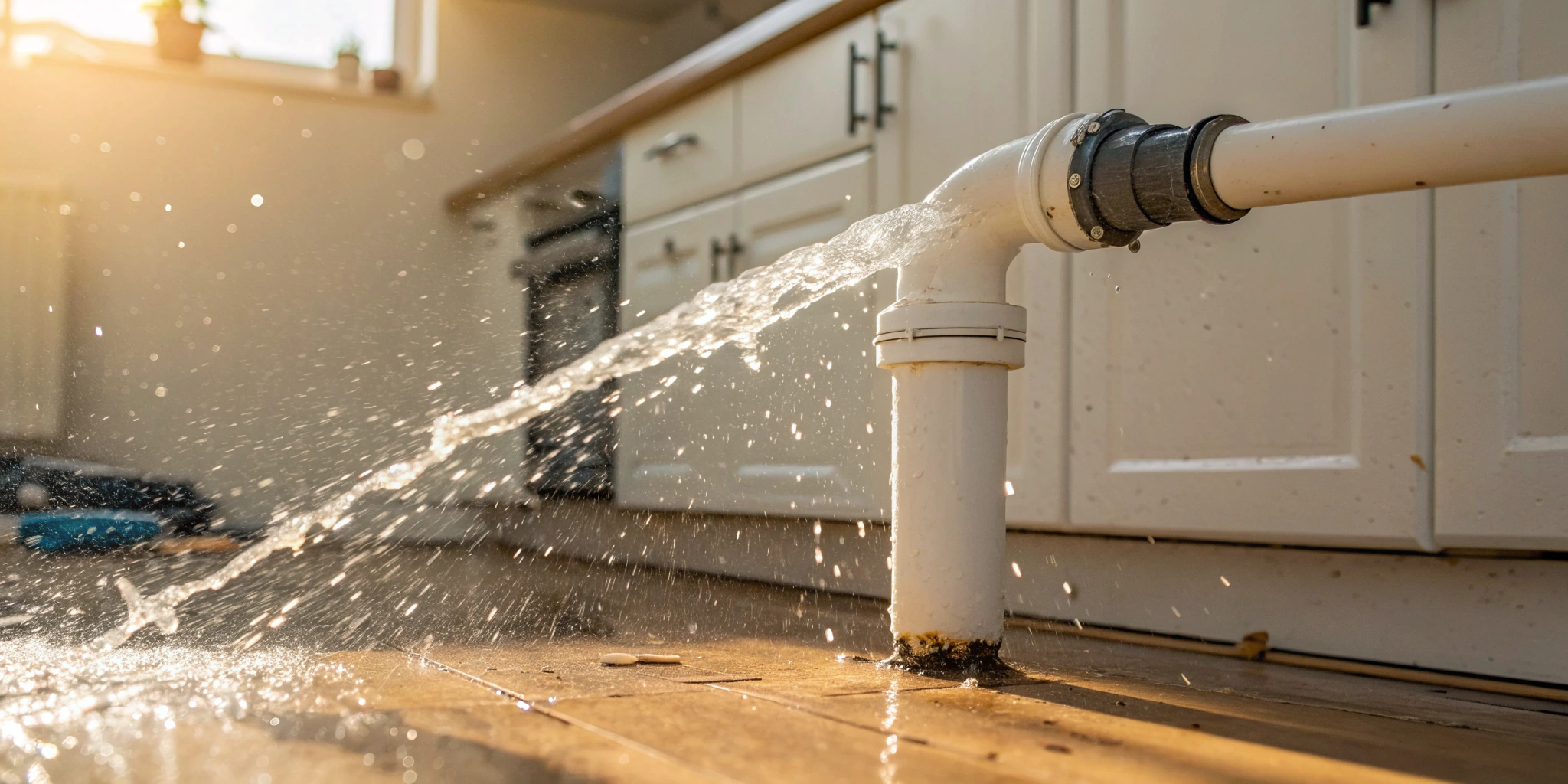
The sound of a burst pipe can make any homeowner feel powerless, but you have more control over the situation than you might think. By taking a few specific, immediate actions, you can manage the crisis, prevent catastrophic damage, and set the stage for a smooth and efficient professional repair. This isn’t just a list of tips; it’s your step-by-step playbook for turning panic into purposeful action. We’ll show you exactly what to do when you have a water pipe burst in house what to do, empowering you to take command of the chaos and protect your home from further harm.
Key Takeaways
- Prioritize Safety and Stop the Flow: In a burst pipe emergency, your first actions are critical. Immediately shut off the main water supply, then cut the power to any affected areas to prevent electrical hazards before calling a professional.
- Focus on Damage Control, Not DIY Fixes: While waiting for help, your job is to minimize damage. Remove standing water, get fans and dehumidifiers running to prevent mold, and document everything for insurance. Leave the complex pipe repair to the professionals.
- Proactive Prevention is Your Best Defense: You can avoid future emergencies with simple preventative steps. Insulate pipes in cold areas like basements and crawl spaces, maintain a consistent thermostat setting during winter, and schedule an annual plumbing inspection to catch potential problems early.
A Pipe Burst? Here’s What to Do Right Now
A burst pipe is one of those heart-stopping moments no one wants to experience. The sound of rushing water and the sight of it spreading across your floor can send anyone into a panic. But take a deep breath. What you do in the next few minutes is critical and can make a huge difference in the amount of damage your home sustains. Acting quickly and calmly can protect your property and your safety.
Before you even think about calling for help or figuring out where the leak is coming from, there are three immediate steps you need to take. Think of it as plumbing first aid. These actions will stop the flow of water, eliminate electrical hazards, and save your belongings from ruin. Once you’ve handled these initial tasks, you’ll be in a much better position to assess the problem and call for professional help. We’ll walk through exactly what you need to do, step by step, to get the situation under control. Remember, the goal right now isn’t to fix the pipe yourself, but to manage the emergency and prevent a bad situation from getting much, much worse. Following these steps will help you secure the scene before a professional plumber arrives to handle the water leak repair.
Shut Off the Main Water Supply
This is your first and most important move. Before you do anything else, you have to stop more water from flooding your home. To do this, you need to find your home’s main water shut-off valve. It’s often located in the basement, a crawl space, the garage, or outside near your water meter. Look for a wheel-style handle (like you’d see on an outdoor spigot) or a lever handle. Turn the wheel clockwise until it’s tight, or turn the lever a quarter turn so it’s perpendicular to the pipe. This will cut off the water supply to your entire house and stop the leak at its source.
Turn Off Electricity in Affected Areas
Water and electricity are a dangerous combination. For your safety, the next step is to cut the power to any areas of your home affected by the water. Head to your main electrical panel (usually in the garage, basement, or a utility closet) and flip the breakers for the wet rooms to the ‘OFF’ position. If you see water near outlets, light fixtures, or appliances, this step is non-negotiable. If you have to stand in water to reach your breaker box, don’t touch it. Instead, call a professional electrician or your utility company for emergency assistance. Your safety always comes first in any residential plumbing emergency.
Move Valuables to a Safe, Dry Place
Once the water and power are off, it’s time to start damage control for your belongings. If it’s safe to do so, start moving items out of the flooded area. Prioritize things that are most valuable or most susceptible to water damage, like electronics, wooden furniture, important documents, and rugs. Move everything to a completely dry room or at least to an elevated, dry spot within the same room. Getting items off the wet floor as quickly as possible can prevent them from being ruined and will make the cleanup process much easier when the time comes. This quick action can save you a lot of heartache and money later on.
How to Find the Burst Pipe
Okay, you’ve shut off the water, which is a huge first step. Now, it’s time to play detective and find the source of the problem. Locating the burst pipe quickly helps you understand the scale of the issue and gives a professional plumber a head start when they arrive. The faster you find it, the faster you can begin damage control. Sometimes the location is obvious, like a visible split under the sink. Other times, the pipe is hidden behind a wall, making the search a bit trickier. Don’t worry—you can usually pinpoint the general area by using your senses. Look for visual cues, check your water meter for confirmation, and listen closely for any unusual sounds. These simple steps will guide you to the source of the leak. Remember, the goal isn’t necessarily to see the exact break in the pipe, but to find the area where the water is coming from. This information is incredibly valuable when you call for a water leak repair, as it helps the technician work more efficiently. Let’s walk through how to use your eyes, your water meter, and your ears to track down that leak.
Look for Telltale Signs of Water Damage
Start by doing a visual sweep of your home. Your eyes are one of your best tools for finding a hidden leak. Look for anything out of the ordinary, like new water stains or discoloration on ceilings and walls. You might also notice bubbling or peeling paint or wallpaper, or even a slight bulge in the drywall. These are classic signs that water is accumulating behind the surface. Also, pay attention to your water pressure. If you turn on a faucet (before shutting off the main, of course) and the pressure is suddenly much lower than usual, it could mean water is escaping somewhere else in the system.
Check Your Water Meter for Clues
Your water meter is another excellent tool for confirming a leak, especially a hidden one. First, make sure every single water-using appliance in your house is turned off. That means no flushing toilets, no running dishwasher, and no washing machine. Once you’re sure no water is being used, head outside and check your water meter. Most meters have a small triangle or dial that spins when water is flowing. If that indicator is moving, even slowly, it’s a strong sign that you have a leak somewhere in your plumbing. This simple check can confirm your suspicions and adds a crucial piece of information when you call for help.
Listen for Hissing or Dripping Sounds
Once you’ve turned off any noisy appliances like fans or the TV, walk through your home and just listen. A burst pipe isn’t always silent. You might hear distinct sounds like dripping, hissing, or even a faint whistling coming from inside your walls. These noises are caused by water escaping the pipe under pressure. Pay close attention in areas with plumbing, like bathrooms, the kitchen, and your laundry room. If you hear something, try to get as close to the source as you can to narrow down the location. This auditory clue, combined with any visual signs, can help you pinpoint the problem area with surprising accuracy.
How to Minimize Water Damage
Once you’ve stopped the flow of water and secured the area, your focus shifts to damage control. Acting quickly can make a huge difference in the extent of the repairs you’ll need and can help prevent long-term problems like mold. It can feel overwhelming, but breaking it down into manageable steps makes it much easier. Your main goals are to get the water out, dry the space completely, and document everything for your insurance company. This phase is just as critical as stopping the initial leak because water can silently seep into subfloors, drywall, and insulation, creating a hidden breeding ground for mold and rot. The work you do in these first few hours can save you thousands of dollars and a lot of future headaches. Think of it as first aid for your home. Below, we’ll walk through the three most important actions you can take to protect your property.
Remove Standing Water Immediately
Don’t let water sit. The longer it stays, the more it soaks into floors, drywall, and furniture, creating a perfect environment for mold. As soon as it’s safe, start removing any standing water. You can use buckets and towels for smaller amounts, but a wet-dry vacuum is your best tool for the job. Get as much water out as you can, as quickly as you can. Move any wet items like rugs, furniture, and boxes to a dry, well-ventilated spot to salvage what you can and help the underlying floor begin to dry. This immediate action is a critical part of any water leak repair process and can save you from more extensive damage down the road.
Start the Drying Process
After you’ve removed the standing water, it’s time to dry everything out. Even if surfaces feel dry to the touch, moisture can be trapped in walls, under flooring, and within insulation. Create as much airflow as possible by opening windows and doors (if the weather allows). Set up fans and dehumidifiers in the affected rooms and let them run continuously to pull moisture out of the air and materials. This circulation is your best defense against mold growth, which can start in as little as 24 to 48 hours. For widespread damage, you may need professional-grade equipment, but getting your own fans and dehumidifiers running immediately is a crucial first step in protecting your home.
Document Everything for Insurance
Before you move too much or start any major cleanup, grab your phone. You need to document everything for your insurance claim. Take clear photos and videos of the source of the leak, the standing water, and all damaged items and areas of your home. Go room by room and be as thorough as possible. Make a detailed list of everything that was damaged, from flooring and furniture to electronics and personal belongings. Keep a dedicated folder for all receipts related to the incident, including any repair costs or supplies you buy for cleanup. This detailed evidence will make the insurance process much smoother and help ensure you get the coverage you need for your residential plumbing emergency.
When to Call a Professional Plumber
Once you’ve shut off the water and electricity, your next move is to call a professional. A burst pipe isn’t a DIY project, and trying to fix it yourself can lead to bigger, more expensive problems. A licensed plumber has the tools and expertise to diagnose the issue correctly, perform a lasting repair, and ensure your home’s plumbing system is safe and secure. Getting an expert involved quickly is the best way to protect your property and your peace of mind.
Signs You Need an Expert Immediately
Some plumbing issues whisper, but a burst pipe screams for attention. If you see a significant amount of water pooling on your floor, walls, or ceiling, it’s time to pick up the phone. Strange sounds are another major red flag. Gurgling from your drains, hissing behind the walls, or a banging sound when you turn on a faucet can all point to a serious pipe problem. Don’t wait for the damage to get worse. These signs mean you need a professional water leak repair immediately to prevent structural damage and potential mold growth.
What to Expect When You Call Action Craft Experts
We know a burst pipe is stressful, so we aim to make the repair process as smooth as possible. When you call us, we’ll dispatch a technician to your home right away. Our first step is to carefully assess the situation to find the exact source of the leak. Once we’ve identified the problem, we’ll explain what needs to be done and provide a clear, upfront estimate for the repair. Our team will handle everything from fixing the broken pipe to ensuring your system is running properly before we leave. We’re here to manage the chaos so you can get your home back to normal.
Is It an Emergency? How to Tell
While any burst pipe is serious, some situations are true emergencies that require immediate action. If water is near electrical outlets, your breaker box, or any appliances, it’s a major safety hazard. You should call for help from a safe location. Other signs of an emergency include a sudden, dramatic drop in water pressure throughout your house, discolored water coming from your faucets, or strong, unpleasant odors. These symptoms can indicate a major break in your main water or sewer line, and you’ll want our residential plumbing team on-site as soon as possible to address the problem safely and effectively.
Temporary Fixes While You Wait for Help
Okay, you’ve shut off the main water supply and called for help. That’s a huge first step. While you wait for a professional plumber to arrive, you might be able to apply a temporary patch to the burst pipe. This isn’t about fixing it permanently; it’s about damage control. A quick patch can stop the last few drips, keep the area from getting wetter, and give you a little more peace of mind. Think of it as plumbing first aid. These fixes are designed to hold things together just long enough for an expert to take over and perform a proper repair.
Before you start, make sure the pipe is as dry as you can get it on the outside. Grab a towel and wipe it down thoroughly. A dry surface will help any patch, whether it’s a clamp or tape, get a much better grip. It’s also a good idea to place a bucket or some towels underneath the pipe to catch any residual water. Remember, these are stopgap measures. The real solution is a professional water leak repair that addresses the underlying problem—like corrosion or high pressure—and ensures your plumbing is secure for the long haul. But for now, let’s focus on what you can do with a few basic supplies to keep the situation from getting worse while you wait for the pros.
Use Pipe Clamps and Rubber Patches
If you have an emergency pipe clamp in your toolkit, now is its time to shine. These are one of the most effective temporary fixes because they’re designed for exactly this kind of problem. A pipe clamp is a two-piece clamp that bolts together around the pipe, with a rubber sleeve or patch that sits against the leak. To use one, simply place the rubber patch directly over the split in the pipe. Then, position the two halves of the metal clamp around the patch and tighten the screws. This applies direct, even pressure to seal the leak until a permanent repair can be made.
Apply Waterproof Tape Correctly
No pipe clamp? No problem. Specially designed waterproof tape, like silicone or rubber repair tape, can also work wonders. The key is applying it correctly. Start wrapping the tape a few inches to one side of the leak and continue a few inches past it on the other side. As you wrap, stretch the tape tightly and overlap each layer by about half. This tension and overlap are what create a strong, waterproof seal. While you might be tempted to reach for duct tape, it’s not designed to hold back water pressure and will likely fail quickly. Stick with tape made specifically for plumbing repairs.
Know When a Temporary Fix Is Appropriate
It’s important to recognize that these fixes are just that—temporary. They are meant to serve as a short-term patch to contain a leak and prevent further water damage while you wait for a professional. A temporary fix is a great idea for a small, accessible crack or split, but it’s not a substitute for a real repair. These methods won’t hold forever, especially once the water pressure is restored. The goal is to manage the immediate crisis until an expert can properly assess the pipe, find the cause of the burst, and provide a lasting solution. Always follow up with a call for professional plumbing services.
How to Prevent Mold After Water Damage
Dealing with a burst pipe is stressful enough without adding a mold problem to the mix. Once you’ve stopped the leak and removed the standing water, your next priority is to dry everything out completely. Lingering moisture is the perfect invitation for mold to grow, and it can happen faster than you might think. Preventing mold is all about controlling moisture. Even a small, unresolved damp spot from a water leak can lead to significant issues, affecting your home’s air quality and structural integrity. The good news is that with quick, decisive action, you can create an environment where mold can’t thrive. It involves getting the air moving, pulling moisture out of materials, and understanding just how quickly you need to work. Taking these steps right away will save you a lot of headaches—and money—down the road. Remember, leftover moisture can quickly lead to mold and mildew, which can cause health issues and be expensive and time-consuming to remove. The key is to be thorough and fast, because what seems like a simple water issue can become a much bigger problem if it’s not handled correctly from the start.
Create Ventilation and Airflow
First things first, get some air moving through the affected area. If it’s safe and practical, open up any windows and doors to create a cross-breeze. This helps carry moist air out and brings fresh, dry air in. Think of it as giving the room a chance to breathe. You can also use box fans or oscillating fans to keep the air circulating constantly. Point them toward the dampest spots, like wet carpets or drywall, to speed up evaporation. The goal is to air out the area to help it dry and stop mold before it has a chance to start. This simple step is your first line of defense against moisture buildup.
Use Dehumidifiers and Fans
While fans are great for surface drying, dehumidifiers are essential for pulling moisture out of the air and deeper into materials. Set up one or more industrial-strength dehumidifiers in the dampest rooms and let them run continuously. You’ll be surprised how much water they collect. Keep your fans running alongside the dehumidifiers to circulate the drier air they produce. This one-two punch is incredibly effective. Using fans and dehumidifiers to dry out wet areas thoroughly is the most important step you can take to prevent mold growth. Make sure to empty the dehumidifier collection tanks regularly so they can keep working at full capacity.
Understand the Mold Growth Timeline
Time is not on your side when it comes to mold. In the right conditions—dampness, warmth, and a food source like drywall or wood—mold can begin to grow in as little as 24 to 48 hours. This is why acting fast is so critical. Don’t assume a spot is dry just because it feels dry to the touch; moisture can be trapped behind walls or under flooring. Leftover moisture can quickly lead to mold and mildew, which can cause health issues and be expensive to remove. If an area has been wet for more than two days, it’s wise to assume mold might be starting to form, even if you can’t see it yet.
Why Do Pipes Burst?
A burst pipe can feel like a random, catastrophic event, but there’s usually a specific reason behind the failure. Understanding what causes pipes to burst is the first step in preventing it from happening in your home. Most pipe bursts come down to three main culprits: freezing temperatures, old or damaged pipes, and excessive water pressure. By knowing what to look for, you can take proactive steps to protect your plumbing system and avoid a watery disaster.
Freezing Temperatures and Ice
Here in Spokane, we’re no strangers to freezing winter temperatures, which pose a major threat to your home’s plumbing. When water inside a pipe freezes, it expands and turns into ice. This expansion puts an incredible amount of pressure on the pipe walls. The real problem often happens between the ice blockage and the closed faucet, where trapped water pressure builds until the pipe can no longer contain it and ruptures. This is why pipes in unheated areas like basements, crawl spaces, and attics are most vulnerable. Even a small crack can release a huge amount of water once the ice thaws.
Age, Corrosion, and Wear
Like any other part of your home, your plumbing system has a lifespan. Over time, pipes can weaken and fail. Older homes with galvanized steel pipes are particularly at risk, as these pipes corrode from the inside out, restricting water flow and weakening the pipe structure until it gives way. Copper and PVC pipes can also degrade over the years. Small, persistent leaks can create weak spots, and any physical damage—like accidentally hitting a pipe during a renovation—can lead to a sudden burst. Regular residential plumbing inspections can help identify these aging pipes before they cause a major problem.
High Water Pressure
While strong water pressure is great for a shower, water pressure that’s too high puts constant stress on your entire plumbing system. Most residential plumbing is designed to handle pressure between 40 and 80 PSI. Anything higher than that can strain your pipes, fittings, and appliances, leading to eventual failure. You might notice signs of high pressure like banging noises when you turn off faucets or frequent leaks. A plumber can test your home’s pressure and, if needed, install a pressure-reducing valve to keep it within a safe range. This simple fix can prevent a future water leak repair and protect your pipes from bursting.
How to Prevent Future Pipe Bursts
After you’ve dealt with the stress of a burst pipe and the necessary water leak repair, the last thing you want is a repeat performance. The good news is that you can take simple, proactive steps to protect your home from future plumbing disasters. A little prevention goes a long way in keeping your pipes intact, especially during Spokane’s cold winters. It’s about shifting from a reactive mindset—fixing problems as they happen—to a proactive one where you stop them before they start. By focusing on insulation, temperature control, and routine maintenance, you can significantly reduce the risk of another messy and expensive pipe burst. These aren’t complicated, time-consuming tasks. In fact, most are simple adjustments or small weekend projects that make a huge difference. Think of it as a small investment in your home’s health and your own peace of mind, ensuring your plumbing system remains reliable when you need it most. Taking these measures helps safeguard your property, avoid costly damage, and keep your daily life running smoothly without unexpected interruptions.
Insulate Your Pipes
One of the most effective ways to prevent frozen pipes is to insulate them, especially those in unheated areas of your home. Think about pipes running through your attic, basement, crawl spaces, or garage. These spots are most vulnerable to the freezing temperatures that can cause water to expand and burst the pipe. You can find pre-slit foam pipe sleeves at most hardware stores, which are easy to cut to size and fit over your pipes. It’s a simple weekend project that can save you from a major headache down the road. Insulating your pipes provides a thermal barrier, keeping the water inside them just warm enough to avoid freezing.
Maintain a Consistent Temperature
Consistent temperature is your plumbing’s best friend during a cold snap. If you’re heading out of town during the winter, resist the temptation to turn the heat completely off. Keep your thermostat set to at least 55°F to ensure the ambient air temperature is warm enough to protect your pipes. For an extra layer of protection during extremely cold nights, let a faucet connected to a vulnerable pipe drip slowly. A small, steady stream of moving water is much harder to freeze than stationary water. This simple trick keeps water flowing through the system, relieving pressure and preventing a freeze-up.
Schedule Regular Plumbing Inspections
You can’t fix a problem you don’t know exists. That’s why scheduling routine residential plumbing inspections is one of the smartest things a homeowner can do. A professional plumber can spot the subtle signs of trouble that are easy to miss, like early-stage corrosion, hidden leaks, or dangerously high water pressure. They can assess the overall health of your plumbing system and recommend preventative maintenance before a small issue becomes a full-blown emergency. An annual check-up gives you a clear picture of your pipes’ condition and allows you to address potential weak spots on your own terms, not in the middle of a freezing winter night.
Will Insurance Cover the Damage?
After the initial shock of a burst pipe wears off, one of the first questions that pops into your head is probably, “Who is going to pay for all this?” Dealing with insurance can feel like a huge headache, but knowing what to expect can make the process much smoother. The good news is that in many cases, your homeowner’s insurance will step in to help cover the costs of water damage and repairs.
Understand What Your Policy Covers
Most standard homeowner’s insurance policies cover water damage from a pipe burst, but there’s a key condition: the break must be “sudden and accidental.” This means if a pipe unexpectedly freezes and cracks or a sudden pressure surge causes a rupture, you’re generally in the clear. Your policy will likely cover the cost of accessing and repairing the pipe itself, as well as drying out and restoring the damaged areas of your home.
However, insurance typically won’t cover damage caused by neglect or poor maintenance. If a slow leak you’ve ignored for months finally causes a wall to collapse, your claim might be denied. This is why staying on top of your home’s residential plumbing is so important for protecting your investment.
How to File Your Claim Correctly
To ensure your claim process goes as smoothly as possible, you need to act quickly and stay organized. First, contact your insurance agent as soon as you can to get the ball rolling. The sooner they know about the situation, the sooner they can guide you on the next steps.
Next, become a detective and document everything. Before you move anything or start major cleanup, take clear photos and videos of the damage. Capture the source of the leak, the standing water, and any affected walls, floors, furniture, or personal belongings. Finally, keep a detailed file of all your expenses, including receipts for professional water leak repair, temporary housing, and any other related costs. This paper trail will be essential for getting the full compensation you’re entitled to.
Common Burst Pipe Mistakes to Avoid
When you’re dealing with a burst pipe, panic can set in quickly. It’s a stressful situation, and your first instinct might be to do whatever it takes to stop the water. But in the rush, it’s easy to make mistakes that can worsen the damage or even put your safety at risk. Knowing what not to do is just as crucial as knowing the right steps to take. From trying a risky DIY fix to delaying a call for help, a few missteps can turn a manageable problem into a major catastrophe involving extensive water damage and costly repairs. By avoiding these common pitfalls, you can protect your home, keep your family safe, and make the professional repair process much smoother. Let’s walk through the biggest mistakes homeowners make so you can feel confident and prepared, even in an emergency.
Don’t Attempt Complex DIY Repairs
It’s tempting to grab a roll of duct tape and try to patch the pipe yourself, especially if you’re trying to save time and money. While temporary fixes can sometimes help, a burst pipe is not the time for a major DIY project. An improper repair can fail under pressure, leading to another flood and even more damage. Professional plumbers have the specific tools, materials, and expertise to ensure the job is done right the first time. As experts at Progressive note, it’s best to “call a licensed plumber right away to repair it correctly.” A proper water leak repair will save you from future headaches and give you peace of mind.
Don’t Wait to Call for Help
When water is pouring into your home, every minute counts. Some people hesitate to call a plumber, hoping the problem isn’t as bad as it looks or that they can manage it themselves. This is a critical mistake. Water damage spreads rapidly, seeping into drywall, subflooring, and insulation. The longer you wait, the higher the risk of structural damage and mold growth, which can create a whole new set of problems. Your best move is to contact a professional for emergency repairs as soon as you’ve shut off the water. Getting an expert on the way immediately is the fastest way to minimize damage and get your home back to normal.
Don’t Ignore Electrical Safety Hazards
Water and electricity are a dangerous combination, and this is one of the most serious risks associated with a burst pipe. If the leak is near any electrical outlets, appliances, or your breaker panel, you have a major safety hazard on your hands. Before you do anything else, it’s critical to shut off the power to the affected areas of your home. As safety experts advise, “If water is near electrical outlets, appliances, or in walls, shut off the power at the breaker panel to avoid electrocution.” If you can’t safely reach your breaker box or are unsure which circuits to turn off, stay out of the area and wait for a professional to arrive. Your safety is always the top priority.
Related Articles
- 24/7 Burst Pipe Plumbing Service: An Expert Guide
- 6 Signs: How to Tell if a Pipe Burst Underground
- How to Tell If a Pipe Burst in the Wall: 7 Signs
- 6 Signs of a Broken Main Water Line to Your House
Frequently Asked Questions
What if I can’t find my main water shut-off valve? If you can’t locate the main shut-off valve inside your home, check outside near the street. There is often a city-owned valve in a covered box near your water meter. If you can’t find it or can’t turn it, your next best step is to call your local water utility’s emergency line. They can often shut the water off at the street, which will stop the flow into your house while you wait for a plumber.
Is it safe to stay in my house after a pipe burst? Your safety depends on the location and severity of the burst. If water has come into contact with electrical outlets, appliances, or your breaker box, it’s best to leave the house immediately after shutting off the power and call for help from a safe location. If the water is contained in one area away from electrical hazards and the ceiling isn’t sagging, it may be safe to stay, but you should still exercise extreme caution.
How can I tell the difference between a minor leak and a burst pipe? A burst pipe usually involves a significant and sudden flow of water that you can often hear, whereas a minor leak might just be a slow drip or a small puddle. Another key sign of a burst pipe is a dramatic and immediate drop in water pressure throughout your entire house. If turning on a faucet results in a trickle when it’s normally strong, you likely have a major break in the line.
Will a temporary patch really hold until a plumber arrives? A temporary fix like a pipe clamp or waterproof tape is designed to be a short-term solution to minimize water damage while you wait for professional help. When applied correctly to a clean, dry pipe, it can effectively stop or slow a leak for a few hours. However, it is not a permanent solution and will not withstand full water pressure for an extended period. It’s a first-aid measure, not a cure.
My pipe burst behind a wall. Do I need to cut the wall open myself? No, you should not cut into your drywall to find the leak. Doing so can risk damaging electrical wires or other plumbing lines, making the problem much worse. A professional plumber has specialized tools to locate the exact source of the leak with minimal damage to your wall. Let them handle the surgical work to ensure it’s done safely and correctly.