















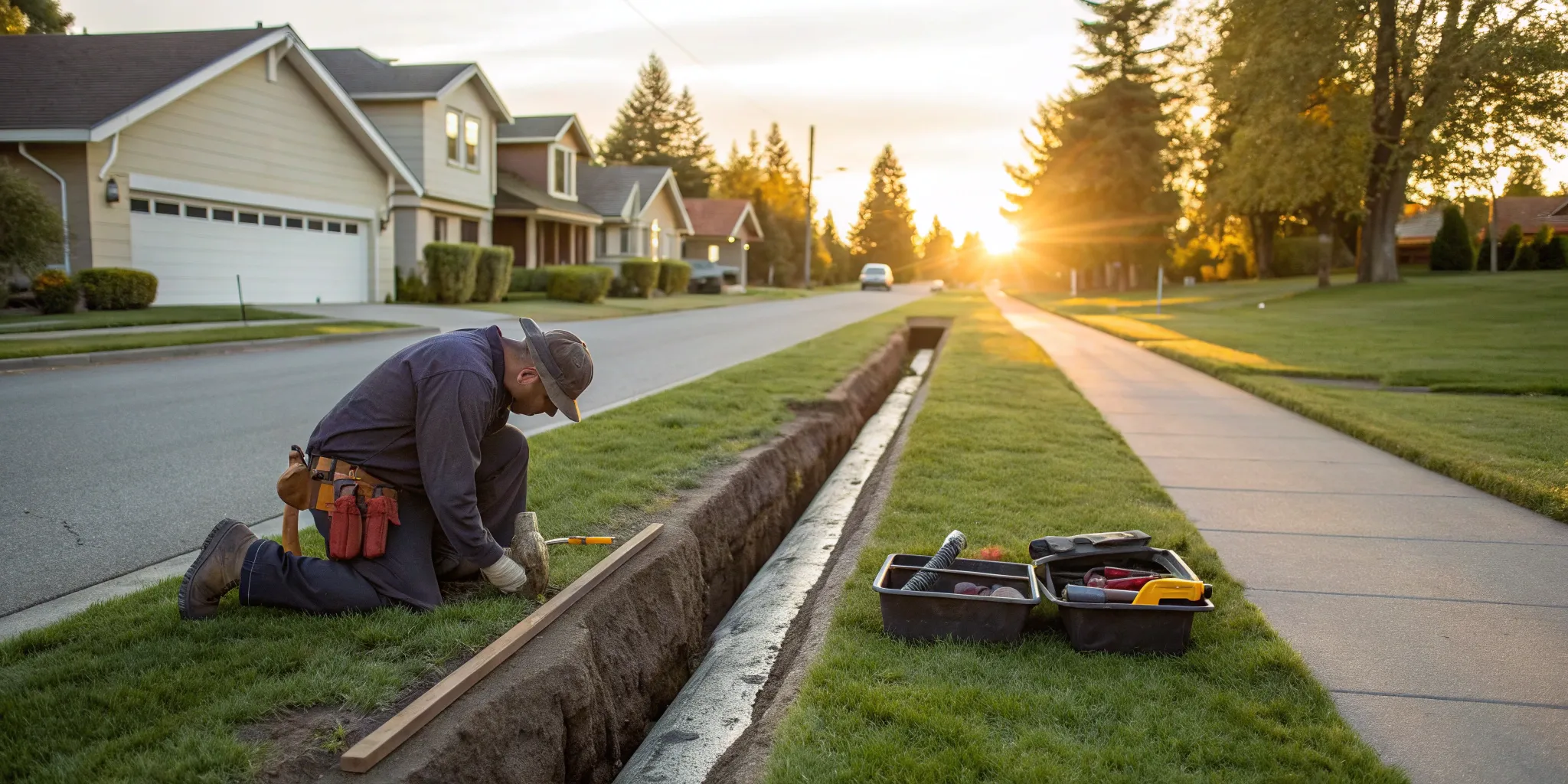
Maybe you’ve noticed the signs: a soggy patch in your lawn that never dries up, a sudden drop in water pressure, or an unexplained spike in your water bill. These are classic red flags that your main water line is failing. Once you get the diagnosis, the practical questions start flooding in. You’re probably wondering about the impact on your daily life and, most importantly, how long does it take to replace a main water line? While it’s a major component of your home’s residential plumbing, the process is more straightforward than you might think. Here, we’ll break down the typical timeline and the factors that can affect it, so you know exactly what to expect.
Key Takeaways
- Understand the Project Timeline: A typical main water line replacement takes one to three days, but the final schedule depends on factors like your property’s accessibility, soil type, and the condition of the old pipe.
- Prepare Your Home for a Smoother Process: You can help the project run efficiently by clearing the work area of personal items and planning for the temporary water shutoff by storing some water for essential needs.
- Vet Your Contractor Carefully: This is a significant job that requires a licensed, insured professional with specific experience in main water line replacements to ensure the work is done correctly and safely.
What Is a Main Water Line Replacement?
Think of your main water line as the primary artery for your home’s plumbing system. It’s the single pipe responsible for carrying fresh, clean water from the municipal supply right to your property. When this crucial line gets old, damaged, or starts to fail, a replacement becomes necessary. A main water line replacement is exactly what it sounds like: a professional plumbing service to carefully remove the old, problematic pipe and install a brand-new one in its place.
This isn’t a quick patch-up job. It’s a significant project that requires careful planning and expert execution to ensure the new line is installed correctly, connected securely, and will last for decades to come. The process often involves excavating a portion of your yard to access the pipe, though modern techniques can sometimes reduce the disruption. Getting it right is essential for protecting your property from water damage and ensuring you have a reliable supply of clean water. Because it’s such a critical part of your home’s infrastructure, this is a job best left to experienced professionals who handle residential plumbing in Spokane every day.
Key Signs It’s Time for a Replacement
Your home often gives you subtle (and sometimes not-so-subtle) hints that your main water line is in trouble. Paying attention to these signs can help you address the problem before it becomes a major, costly emergency. One of the most common red flags is a sudden and persistent drop in water pressure throughout your house. You might also notice your water looking discolored, rusty, or containing strange debris. If you see unexplained puddles, soggy spots, or unusually green patches of grass in your yard between the street and your house, you likely have an underground water leak. A sudden, unexplained spike in your water bill is another telltale sign that water is escaping somewhere it shouldn’t be.
A Quick Look at Water Line Materials
The material of your main water line plays a huge role in its lifespan and the types of problems you might face. Older homes, for instance, often have galvanized steel pipes. While strong, these pipes are prone to corrosion and rust from the inside out over time, which leads to low water pressure and discolored water. Other older materials like lead or clay also come with their own sets of significant issues. Modern installations typically use more durable and long-lasting materials like copper, PVC, or PEX. These materials are resistant to rust and corrosion, offering a much more reliable solution. Understanding what kind of pipes you have can help you anticipate when a replacement might be on the horizon.
How Long Does a Main Water Line Replacement Take?
One of the first questions we hear from homeowners facing this project is, “How long will my water be off?” It’s a great question, and the answer depends on several factors. While some replacements are straightforward, others can be more complex. The type of replacement, the method used, and the specifics of your property all play a role. Let’s walk through what you can generally expect so you can plan accordingly.
Setting Expectations: The Typical Timeline
For a standard main water line replacement, you can often expect the work to take one to two full days. This timeline covers most residential plumbing projects and includes everything from the initial excavation to the final connection and testing. Of course, this is just a ballpark figure. A more complex job, like one with difficult access or extensive pipe damage, might take longer. Proper preparation is the key to a smooth process. A thorough initial assessment allows us to map out the project, anticipate challenges, and give you a much more precise timeline for your specific situation.
Emergency vs. Planned Replacement Timelines
The timeline can also shift depending on whether the replacement is a planned project or an unexpected emergency. If you’re dealing with a sudden burst pipe, our priority is to stop the immediate damage. While we work quickly, emergency water leak repairs can sometimes take longer due to the urgent nature of the problem. On the other hand, a planned replacement allows us to schedule everything in advance, from securing permits to coordinating with utility companies. This proactive approach often leads to a more efficient and predictable workflow, preventing future headaches and saving you money in the long run.
How Trenchless Methods Can Speed Things Up
Traditional water line replacement involves digging a long trench across your yard, which is both time-consuming and disruptive. Thankfully, modern technology offers a much faster alternative. Innovative trenchless methods allow our specialists to replace your main water line with minimal digging, often in just a matter of hours. By creating small access points instead of a large trench, we can pull a new pipe through the path of the old one. This technique dramatically reduces labor time and gets your water back on faster, all while preserving your lawn and landscaping.
What Factors Influence the Replacement Timeline?
When you’re facing a main water line replacement, one of the first questions you’ll have is, “How long will my water be off?” It’s a fair question, but the answer isn’t always simple. The truth is, replacing a water line isn’t a cookie-cutter job. The timeline can shift based on a handful of key factors specific to your property. Think of it less like a quick fix and more like a small construction project—one that requires careful planning and execution.
Several variables come into play, from the location of the pipe to the type of soil in your yard. Even the weather can throw a wrench in the works. Understanding these factors can help you set realistic expectations for the project. It’s not just about digging a trench and laying a new pipe; it’s about working with your property’s unique landscape, dealing with potential surprises underground, and coordinating with local authorities. We’ll walk through each of these elements so you have a clear picture of what goes into your main water line replacement and why the timeline can vary from one home to the next.
Location and Accessibility
The first thing we consider is where your main water line is located and how easy it is to get to. A pipe running under an open, grassy lawn is far more accessible than one buried beneath a concrete driveway, a mature tree, or custom landscaping. If we have to work around or through these obstacles, it naturally adds time to the project. Proper preparation is essential for a successful installation, and that includes carefully planning how to access the line with minimal disruption to your property. Our goal is always to find the most direct and efficient path for your residential plumbing project.
The Depth and Complexity of Your Pipes
Not all pipes are buried at the same depth or run in a perfectly straight line. Deeper pipes require more extensive excavation, which takes more time and labor. The complexity of the pipe’s layout also plays a role. If the line has multiple bends or connections to other systems, the replacement process becomes more intricate. Furthermore, the material of the old pipe matters. Some materials, like old lead or galvanized steel pipes, may require special handling and tools for safe removal, adding another layer to the job and potentially extending the timeline.
Soil Conditions at Your Property
What’s happening underground is just as important as what’s on the surface. The type of soil on your property can significantly impact how quickly we can excavate. Soft, sandy soil is relatively easy to dig through, but Spokane’s geology can present challenges like dense clay or rocky conditions that slow down the process considerably. Sometimes, heavy machinery is needed for the bulk of the digging, but our crews may have to dig by hand around other buried utility lines to prevent damage. This careful, precise work is crucial for safety but can add hours or even days to the project.
The Condition of the Existing Line
The state of your current water line is another major factor. Are we replacing it as a proactive measure due to its age, or are we dealing with a complete failure? A pipe that has collapsed or has multiple severe leaks can complicate the removal process. For instance, old galvanized steel pipes are notorious for causing problems like low water pressure and frequent water leak repairs, and their deteriorated state can make them difficult to extract. A severely damaged line might require more extensive excavation to ensure all the broken sections are removed before the new pipe can be installed.
Weather and Seasonal Delays
As with any outdoor project, we are somewhat at the mercy of the weather. Heavy rain can turn the work area into a muddy pit, creating unsafe conditions and delaying excavation and backfilling. In Spokane, winter brings its own set of challenges. Frozen ground is incredibly difficult to dig through and can slow progress to a crawl. Extreme cold is also a common cause of pipe breaks, which can create emergency situations. While we do our best to plan around the forecast, unexpected weather events can sometimes force a pause in the work for the safety of our crew and the integrity of the installation.
Local Permits and Inspections
Replacing a main water line isn’t something we can just start digging for tomorrow. This type of work almost always requires permits from the city of Spokane or the relevant local authorities. The process involves submitting plans, waiting for approval, and scheduling inspections at various stages of the project. While we handle all the paperwork and coordination, the timeline for the city to issue permits and conduct inspections is out of our control. This administrative step is non-negotiable and is built into the overall project schedule to ensure everything is done to code and is completely safe, much like our gas line installation services.
The Main Water Line Replacement Process, Step-by-Step
Replacing your main water line might sound like a massive undertaking, but when you break it down, it’s a structured process that a professional team can handle efficiently. Knowing what to expect can make the entire experience feel much more manageable. While every property in Spokane is a little different, the core steps remain the same. From the initial inspection to the final cleanup, here’s a clear, step-by-step look at how we tackle a main water line replacement to get your home’s water flowing reliably again.
This isn’t a simple DIY fix; it’s a major component of your home’s plumbing that requires expert attention to ensure everything is done safely and correctly. The main line is the artery of your home’s water supply, responsible for bringing fresh water from the municipal source to every faucet, shower, and appliance. When it fails, it can cause everything from frustratingly low water pressure to significant water damage. Our process is designed to be as transparent and minimally disruptive as possible. We handle the heavy lifting, the permits, and the technical details, so you don’t have to. We’ll walk you through each phase so you feel informed and confident from start to finish, understanding exactly how we’re restoring this vital piece of your home’s infrastructure.
Step 1: Assessment and Planning
Everything starts with a thorough assessment. Before any digging begins, one of our expert plumbers will visit your property to diagnose the problem and plan the project. We’ll use specialized tools to pinpoint the location of the leak or damage and evaluate the condition of your existing pipe. This initial inspection helps us determine the best replacement method—whether that’s traditional trenching or a less invasive trenchless technique. We’ll also map out the pipe’s path, identify any potential obstacles, and provide you with a clear, upfront estimate so you know exactly what to expect.
Step 2: Securing Permits and Notifying Utilities
This is a crucial background step that we handle for you. Replacing a main water line requires the proper permits from the city of Spokane to ensure all work meets local codes and safety standards. We also coordinate with 811 and local utility companies to have them mark the locations of any underground gas, electric, and communication lines. This prevents accidental damage to other essential services and keeps everyone safe during the excavation process. Taking care of this administrative work correctly from the start prevents costly delays and ensures a smooth project.
Step 3: Water Shutoff and Excavation
Once the permits are approved and utility lines are marked, the physical work can begin. The first thing we’ll do is shut off the water supply to your home at the main valve to prevent any flooding. Next, our crew will start the excavation process to access the old water line. Depending on the plan we developed, this may involve digging a trench along the path of the existing pipe. We always work carefully to minimize the impact on your landscaping and property, keeping the work area as contained and organized as possible.
Step 4: Removing the Old Line and Installing the New One
With the old pipe exposed, our team gets to work removing it. Whether it’s cracked, corroded, or collapsed, we’ll carefully take out the damaged sections. Then, we’ll lay the new water line in its place. We use high-quality, durable materials like copper or PEX that are built to last for decades, resisting corrosion and root intrusion. Our focus is on precise installation, ensuring the new pipe is properly bedded and graded to guarantee optimal water flow for your residential plumbing system. This is the most critical phase, where quality workmanship makes all the difference.
Step 5: Connection, Testing, and Disinfection
After the new line is in the ground, we carefully connect it to your home’s plumbing on one end and the city’s water meter on the other. But we don’t stop there. We then conduct a rigorous pressure test to ensure every connection is secure and there are absolutely no leaks. This quality check is essential to prevent future problems and gives you peace of mind that the job was done right. Finally, we flush and disinfect the new line to remove any contaminants, ensuring your water is clean and safe to drink from the moment we turn it back on.
Step 6: Backfilling and Restoring Your Property
The final step is putting everything back together. Once the new line has passed all tests, our crew will backfill the trench, carefully compacting the soil in layers to prevent it from settling over time. We take pride in our work, and that includes leaving your property in great shape. We’ll do our best to restore the work area to its original condition, which can include grading the soil and cleaning up any debris. Our goal is to complete the job with minimal disruption, leaving you with a reliable new water line and a tidy yard.
How Your Current Water Line’s Condition Affects the Job
The state of your existing water line is one of the biggest variables in determining how long a replacement will take. A pipe that’s relatively intact is much simpler to handle than one that has collapsed or is made from outdated, brittle materials. Before we start any work, our team performs a thorough assessment to understand exactly what we’re dealing with. This inspection helps us anticipate challenges and give you a much more accurate timeline for the project. Think of it as the difference between a straightforward swap and a complex restoration—the condition of the old pipe sets the stage for the entire job.
The Impact of Pipe Material and Age
The material and age of your current water line play a huge role in the replacement process. Older homes in Spokane might have galvanized steel pipes, which are prone to corrosion and can become very fragile over time. These pipes often show signs of trouble like low water pressure or rust-colored water. When we remove them, they can crumble, making the process more delicate and time-consuming. Similarly, materials like clay or cast iron can be heavy and difficult to handle. On the other hand, replacing a more modern copper or PVC line is often a smoother process. Understanding your home’s residential plumbing history helps us prepare the right tools and techniques for a clean removal.
How Severe Damage Can Cause Delays
The extent of the damage to your water line directly impacts the project timeline. A small, localized crack is one thing, but a pipe that has completely collapsed or been crushed by tree roots presents a much bigger challenge. Severe damage can complicate the replacement and lead to delays. For instance, a collapsed line might require more extensive digging to remove all the broken pieces. It can also lead to saturated soil around the pipe, creating muddy conditions that slow down our crew. A significant water leak repair that has gone unaddressed can turn a standard replacement into a more involved project, requiring extra steps to stabilize the area before the new line can be installed.
Why Access and Pipe Depth Matter
Where your water line is located and how deep it’s buried are critical factors. If the pipe runs under a driveway, a mature tree, or extensive landscaping, accessing it becomes more complex. The depth also matters—deeper pipes require more excavation and safety measures, which adds to the overall time. Fortunately, modern techniques can often help. Innovative trenchless methods allow our specialists to perform full water line replacements with minimal digging, which can speed up the process considerably. By avoiding the need for extensive excavation, we can often complete the job faster and with less disruption to your property, getting your water back on in a fraction of the time.
Common Myths About Water Line Replacement Timelines
There’s a lot of chatter out there about what a main water line replacement entails, and frankly, a lot of it can sound pretty scary. You might hear stories about destroyed yards or projects that drag on forever. Let’s clear the air and tackle some of the most common myths. Understanding the reality of the process can help you feel much more confident when it’s time to schedule the work.
Myth #1: It’s a Simple, One-Day Job
While we all wish a major plumbing project could be wrapped up in a few hours, replacing a main water line is rarely a one-day job. This isn’t like swapping out a faucet. Replacing a water line is a complex process that involves careful planning to ensure a successful installation. The job includes locating and marking other utility lines, potentially securing permits, excavating, removing the old pipe, and carefully installing and connecting the new one. While our team works as efficiently as possible, rushing the job isn’t an option. We prioritize getting it done right to protect your property and ensure your residential plumbing system is reliable for years to come.
Myth #2: Your Entire Yard Will Be Dug Up
The thought of a backhoe tearing up your beautiful lawn is enough to make any homeowner anxious. Years ago, that might have been the only way. Today, however, that’s not always the case. Innovative trenchless technologies allow plumbing specialists to perform full water line replacements with minimal digging. Methods like pipe bursting break the old pipe apart underground while pulling a new one into its place. This approach significantly reduces the impact on your landscaping, driveway, and walkways. While traditional excavation is still necessary for some situations, we always explore the least invasive option first to protect your property.
Myth #3: It Always Takes Weeks to Finish
On the flip side of the “one-day job” myth is the fear that you’ll be dealing with a construction zone for weeks on end. This is also highly unlikely. Most main water line replacements for homes take about one to three days from start to finish. Some simpler jobs might even be done in less time. Once the initial assessment and permitting are handled, the actual replacement work is a streamlined process. Our team at Action Craft Experts is focused on completing your project promptly so you can get back to your normal routine with a dependable new water line.
How to Prepare for Your Main Water Line Replacement
A main water line replacement can feel like a major project, but a little preparation on your end goes a long way in making the process smooth and stress-free. When you know what to expect and how to get your home ready, you help our crew get the job done safely and efficiently. Think of it like any other significant home improvement—the more you plan, the better the outcome. Taking a few simple steps beforehand helps our team work without delays, protects your property, and minimizes disruptions to your daily routine.
This preparation ensures we can focus on what we do best: providing you with reliable and lasting residential plumbing solutions. From the moment we arrive, having a clear and accessible work area allows us to start immediately and stick to the timeline we’ve provided. It also helps prevent any accidental damage to your landscaping or outdoor belongings. By working together, we can make your main water line replacement a seamless experience from start to finish. Here are a few key steps you can take to get your home ready for our team.
Clear the Work Area for Our Crew
Before our team arrives, please take some time to clear the path to the main water line, which typically runs from the street to your home. Removing items like vehicles, potted plants, garden hoses, lawn furniture, and children’s toys from the yard and driveway is incredibly helpful. A clear space not only prevents your belongings from getting damaged but also gives our technicians the room they need to work safely with their equipment. This simple step can significantly speed up the process, as our crew won’t have to spend valuable time moving obstacles just to get started.
Plan for a Temporary Water Shutoff
During the replacement, we will need to shut off your water supply for a period of time. We’ll always communicate the expected duration of the shutoff with you beforehand so you can plan accordingly. To prepare, we suggest filling a few large containers or a bathtub with water for essential uses like flushing toilets, washing hands, and drinking. Having a supply of bottled water on hand is also a great idea. Planning for this temporary interruption ensures you and your family remain comfortable while we complete the installation of your new, reliable water line.
Coordinate With Neighbors and Utilities
Giving your neighbors a friendly heads-up about the upcoming work is a thoughtful gesture. The project might create some noise or require temporary use of street parking, so letting them know in advance can maintain good neighborhood relations. While our team at Action Craft Experts handles all the necessary coordination with local utility companies to mark underground lines, being aware of the schedule helps everyone. Open communication ensures that the project proceeds without any surprises for you or those living nearby, making the entire process smoother for the whole community.
Understand Why a Timely Replacement Is So Important
While preparing for the logistics, it’s also helpful to remember why this project is so crucial. A proactive main water line replacement is an investment in your home’s health and your peace of mind. Postponing a necessary replacement can lead to sudden breaks, causing extensive water damage, foundation issues, and costly emergency repairs. By addressing the issue now, you’re preventing a much larger, more disruptive problem down the road. You’re not just fixing a pipe; you’re protecting your property from the serious consequences of a major water leak repair.
Choosing the Right Contractor for the Job
Finding the right plumber for a main water line replacement is one of the most important decisions you’ll make. The quality of the work, the final cost, and how smoothly the project runs all come down to the team you hire. A great contractor not only has the technical skills but also communicates clearly, respects your property, and stands behind their work. This is about partnering with a professional who can manage a complex project with expertise. Taking the time to vet your options will save you from headaches and potential problems down the road.
Look for Proven Main Water Line Experience
Replacing a main water line is a major plumbing project, far more complex than fixing a leaky faucet. You want a team with specific, hands-on experience with this exact type of job. An experienced plumber knows how to assess the situation, anticipate challenges, and execute the replacement efficiently. They understand local soil conditions, building codes, and the best methods for minimizing disruption to your property. When you talk to a potential contractor, ask directly about their experience with main water line replacements and how many they’ve completed in the Spokane area.
Verify They Are Licensed and Insured
This step is non-negotiable. A licensed contractor has met state and local requirements to perform plumbing work, proving their competence. Insurance is just as critical, as it protects you from liability. General liability covers accidental damage to your property, while worker’s compensation covers injuries to the crew. Without proper insurance, you could be held financially responsible for accidents. Always ask for proof of licensing and insurance before signing any contract. This simple check ensures you’re working with a legitimate professional who takes your safety seriously.
Ask About Their Team and Equipment Availability
The efficiency of your water line replacement often depends on the contractor’s resources. A well-equipped company with a dedicated team can complete the job much faster. Ask if they use their own employees or subcontractors, and inquire about the technology they use—do they offer modern, less invasive methods like trenchless replacement? A contractor who has invested in advanced equipment and a skilled team is better prepared to handle the job without unnecessary delays. This is especially important for complex jobs like gas line repair and installations, where the right tools are essential.
Related Articles
- How Much to Fix a Broken Water Pipe Underground?
- Cost to Run Water Line 1000 Feet: A 2025 Guide
- 6 Signs of a Broken Main Water Line to Your House
Frequently Asked Questions
How long will my water actually be turned off during the replacement? This is a great question, and it’s usually less time than you might think. While the entire project can take a day or two, your water will only be shut off for a fraction of that time. We typically turn the water off right before we begin removing the old pipe and turn it back on as soon as the new line is connected and tested. We always communicate the specific shutoff window with you in advance so you can plan accordingly.
Will you have to dig up my entire yard to replace the pipe? Not necessarily. The image of a huge trench running across a pristine lawn is a common fear, but modern plumbing offers less disruptive options. Whenever possible, we use trenchless replacement methods that only require small access points at either end of the line. This technique allows us to install the new pipe underground, preserving your landscaping, driveway, and walkways. We’ll always assess your property to determine the most effective and least invasive method for your situation.
Is a main water line replacement covered by homeowner’s insurance? This really depends on your specific policy and the cause of the damage. Most standard homeowner’s insurance policies will cover the cost of repairing the damage caused by a sudden pipe burst, but they often do not cover the cost of replacing the pipe itself, especially if it failed due to age or neglect. We always recommend you call your insurance agent to review your coverage before starting any major work.
What kind of new pipe will you install, and how long will it last? We use modern, high-quality materials like copper or PEX for new water line installations. Unlike older galvanized steel pipes that corrode over time, these materials are incredibly durable and resistant to rust and root intrusion. A professionally installed main water line using these materials is a long-term investment in your home and can be expected to last for 50 years or more.
Can I just repair the leak instead of replacing the whole line? Sometimes a spot repair is possible, but it’s often not the best long-term solution, especially if your water line is old. If an older pipe has one leak, it’s usually a sign that the entire line is deteriorating, and another leak is likely to appear somewhere else soon. Replacing the entire line addresses the root cause of the problem, preventing future emergency calls and giving you peace of mind that your home’s main water supply is secure for decades.