









When you think about protecting your home, you probably think about the roof or the foundation. But the underground pipe that connects your home to the municipal water supply is just as critical. A break in this line can silently release hundreds of gallons of water into the ground, eroding the soil that supports your foundation and leading to devastating structural cracks. The cost of inaction can be immense, far exceeding the price of a simple plumbing repair. The key is catching the problem before it escalates. By paying attention to your property and understanding the key indicators, you can protect your biggest investment. Here are the crucial signs of a broken main water line to house that every homeowner should know.
Key Takeaways
- Look for system-wide symptoms: A problem with your main water line affects your entire home. Watch for key indicators like a sudden drop in water pressure at all faucets, discolored water from every tap, or soggy patches in the yard that have no other explanation.
- Your first response is the most critical: If you suspect a leak, immediately find and shut off your home’s main water valve. This single action stops the flow of water, minimizes property damage, and buys you time to call a professional for an expert repair.
- Prevention is cheaper than repair: Most main line breaks are caused by predictable issues like old pipes, invasive tree roots, or freezing temperatures. You can significantly reduce your risk by scheduling regular plumbing inspections and being mindful of your landscaping.
Is Your Main Water Line Broken? Key Warning Signs
Your main water line is the unsung hero of your home’s plumbing system, responsible for bringing fresh water from the municipal supply right to your faucets. When it’s working correctly, you probably don’t give it a second thought. But when it breaks, it can cause serious, widespread problems that affect your entire property.
A broken main water line isn’t just an inconvenience; it can lead to significant water damage, costly repairs, and even health hazards. The tricky part is that these lines are usually buried underground, making leaks difficult to spot immediately. Knowing the key warning signs can help you catch a problem early and call in a professional before the damage gets out of hand. Here are the top six indicators that your main water line might be in trouble.
Sudden Low Water Pressure
If you turn on a faucet and get a weak trickle instead of a steady stream, it’s easy to get frustrated. While a single clogged faucet can cause low pressure in one spot, a sudden drop in water pressure throughout your entire house is a major red flag. Check multiple fixtures—the kitchen sink, the shower, and an outdoor spigot. If they all have low pressure, the problem likely lies with the main line. A crack or break in the pipe could be letting water escape before it even reaches your home, causing that system-wide pressure drop.
Discolored or Cloudy Water
The water from your taps should always be clear. If you suddenly notice brown, yellow, or cloudy water coming from all your faucets, it’s a serious warning sign. A break in the main water line can allow dirt, sediment, and other contaminants from the surrounding soil to seep into your clean water supply. This not only looks unappealing but can also pose a health risk to your family. Don’t ignore discolored water; it’s a clear signal that the integrity of your water line has been compromised and needs immediate attention from a professional.
Soggy Spots in Your Yard
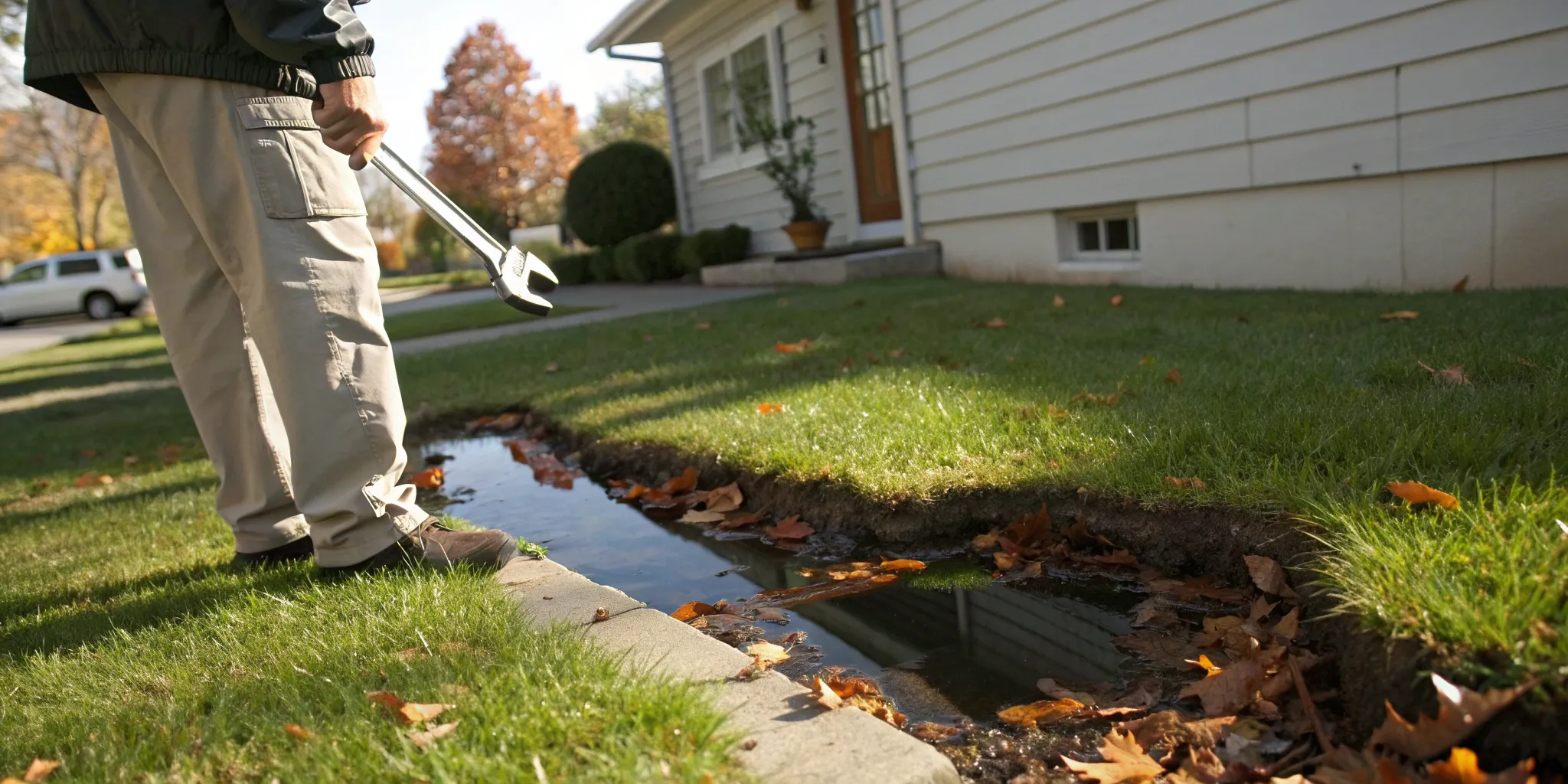
Have you noticed a patch of your lawn that’s suddenly lush and green, or a perpetually damp or marshy area that never seems to dry out? Unless it’s been raining heavily, these soggy spots often point directly to an underground leak. When a main water line breaks, it releases a significant amount of water into the surrounding soil. This can create puddles, sinkholes, or areas of unusually vibrant grass. If you see standing water in your yard with no logical explanation, it’s time to investigate a potential water leak repair.
Hissing or Gurgling Pipes
Your plumbing system should operate quietly for the most part. If you start hearing strange noises like hissing, bubbling, or gurgling coming from your pipes or walls, listen closely. These sounds can be caused by air getting into the system through a crack in the main line. You might also hear the sound of running water even when all your faucets and appliances are turned off. These auditory clues are often one of the first signs of a leak, especially for breaks that aren’t yet visible.
An Unexplained Spike in Your Water Bill
Your monthly water bill is usually pretty predictable. If you receive a bill that is suddenly much higher than usual, but your family’s water usage hasn’t changed, you likely have a hidden leak somewhere. A break in the main water line can waste hundreds or even thousands of gallons of water, and you’re the one paying for it. Before you dismiss it as a billing error, check your property for other signs of a leak. This unexpected expense is often the most compelling reason homeowners decide to call for a professional plumbing inspection.
Cracks in Your Foundation
This is one of the most serious signs of a main water line leak. If the break is located near your home, the escaping water can saturate the ground around and under your foundation. Over time, this can erode the soil, causing it to shift and settle. This loss of support can lead to cracks appearing in your home’s foundation, walls, or floors. Foundation damage is incredibly expensive to repair and can threaten the structural integrity of your entire house. If you spot new cracks, address the potential plumbing cause immediately.
How to Find a Main Water Line Leak on Your Own
If you suspect a main water line leak, you don’t have to wait for a professional to start investigating. Pinpointing the general area of a leak can save time and give you valuable information when you call for help. Here are a few straightforward methods you can use to check for a leak on your property.
Check Your Water Meter
Your water meter is one of the best tools for leak detection. First, make sure all water-using appliances and faucets are turned off inside and outside your home. Find your water meter, which is typically located in a box near the curb in front of your house. Open the lid and look at the meter’s face. Most meters have a small, triangular-shaped dial or a digital screen with a flow indicator. If that indicator is spinning or flashing, water is flowing somewhere on your property, signaling a leak. If there’s no movement, take a picture of the reading, wait an hour without using any water, and check it again. If the numbers have changed, you likely have a leak.
Look for Unusual Water Use
Sometimes, the first sign of a main water line issue shows up inside your home. A sudden and persistent drop in water pressure is a major red flag. If your showers feel weaker or your faucets aren’t flowing with their usual force, it could mean water is escaping from the line before it even reaches your house. Pay attention to any unexplained damp spots on your floors or walls, especially in the basement. When you notice these signs of water line issues, it’s important to assess the situation quickly. A consistent drop in pressure points to a significant problem that needs professional water leak repair.
Do a Visual Property Inspection
Put on some boots and take a walk around your yard, paying close attention to the ground between the water meter and your house. You’re looking for anything out of the ordinary. Inspect your yard and foundation for standing water or soft spots, which could indicate a serious breach in the line. Other signs include a patch of grass that’s unusually green and lush compared to the rest of your lawn, unexplained puddles, or areas of soil that have suddenly eroded. These visual cues mean water is saturating the ground from below. This is a clear sign that your residential plumbing system needs immediate attention.
Listen for Strange Noises
When your house is quiet, listen for sounds coming from your pipes. If you hear bubbling, gurgling, or hissing sounds when all faucets and appliances are off, water might be escaping from a damaged pipe. The best place to listen is in your basement or crawlspace, near where the main water line enters your home. A constant sound of running water is a definite sign of a leak. These noises are caused by water being forced out of a crack or hole in the pipe. Don’t dismiss these auditory clues; they are often the earliest indicators of a hidden leak that requires a professional diagnosis.
Suspect a Leak? Your Immediate Action Plan
If you think you have a main water line leak, taking quick, decisive action can save you from extensive property damage and costly repairs. A burst pipe can release a shocking amount of water in a short time, so every minute counts. Don’t panic—just follow these clear steps to get the situation under control. This immediate action plan will help you minimize the damage while you wait for professional help to arrive.
Shut Off the Main Water Valve
Your first move is to stop the flow of water into your house. You’ll need to locate and shut off your home’s main water valve, which is usually in a basement, crawl space, or utility closet. In some homes, it might be outside in an underground box. Once you find it, turn the handle clockwise until it’s completely closed. This single action is the most important thing you can do to prevent further water damage.
Call for a Professional Assessment
With the water off, your next call should be to a professional plumber. A main water line break isn’t a DIY project. You need an expert to accurately locate the leak, assess the damage, and determine the best course of action. Our team at Action Craft Experts specializes in water leak repair and can quickly diagnose the problem. A professional assessment ensures the repair is done correctly, preventing future issues and giving you peace of mind.
Document the Damage
Before any cleanup begins, grab your phone and document everything. Take clear photos and videos of all affected areas, including soggy spots in your yard, foundation cracks, and any visible pooling water. This evidence is incredibly important when you file a claim with your homeowner’s insurance company. Having detailed documentation will make the claims process much smoother and help ensure you get the coverage you’re entitled to. It’s a simple step that can save you a major headache later.
Stop Using Water
Even after you’ve shut off the main valve, water remains in your pipes. To prevent more problems, avoid using any water-dependent appliances like toilets, faucets, or the dishwasher. Draining the remaining water from the system can help relieve pressure on the broken pipe. You can do this by turning on the faucets at the lowest point in your house, like a basement sink or an outdoor spigot, until the water stops flowing. This helps contain the mess and prepares the system for repair.
Why Do Main Water Lines Break?
A broken main water line can feel like a random disaster, but it rarely happens out of the blue. These critical pipes are buried underground, facing constant pressure from the soil, temperature changes, and the water flowing through them. Over time, a combination of factors can weaken the line until it finally gives way. Understanding what causes these breaks can help you spot potential issues before they turn into a full-blown emergency that floods your yard.
Most main water line problems stem from a few common culprits, from the age of your pipes to the trees growing in your yard. Knowing the “why” behind a potential break is the first step in protecting your home. If you ever suspect an issue, getting a professional assessment is key to preventing major damage. Our team provides comprehensive residential plumbing services in Spokane to diagnose and resolve these exact kinds of problems. Let’s look at the most frequent causes of main water line breaks.
Aging or Corroded Pipes
Just like anything else in your home, pipes have a limited lifespan. Many older homes in Spokane were built with pipes made of materials like cast iron or galvanized steel. While durable for their time, these materials can corrode after several decades of constant contact with water and minerals. This corrosion weakens the pipe walls from the inside out, making them brittle and prone to cracking under pressure. You often won’t see the damage until it’s too late because it’s happening underground. If your home is over 50 years old and still has its original plumbing, aging pipes could be a significant risk factor for a future break.
Freezing Temperatures and Weather
Here in Spokane, we’re no strangers to freezing winters. When the ground gets cold enough, the water inside your main line can freeze and expand with incredible force. This expansion puts immense stress on the pipe walls. The repeated cycle of freezing and thawing season after season can cause the pipe material to fatigue and eventually crack. While extreme cold is a major concern, significant shifts in temperature, in general, can cause the ground to expand and contract, putting external pressure on the line. This is why many pipe breaks happen during the transition into and out of winter.
Shifting Ground or Soil Erosion
The ground beneath your property isn’t as static as you might think. Soil erosion from heavy rain or snowmelt, vibrations from nearby construction, or even the natural settling of your home can cause the earth to shift. This movement puts a lot of stress on a rigid water pipe, which can’t bend with the changing landscape. As the ground moves, it can force the pipe to bend, warp, or even collapse, leading to a significant leak or a complete break. These shifts are often gradual, but a sudden event like a small tremor can also cause immediate damage.
Invasive Tree Roots
Trees add beauty and value to your property, but their roots can be a hidden threat to your plumbing. Tree roots are naturally drawn to the moisture and nutrients found around your main water line. They can work their way into the tiniest crack or joint in the pipe. Once inside, the root will continue to grow, expanding and acting like a wedge that can split the pipe wide open. This can not only cause a major leak but also lead to serious blockages. If you have large, mature trees in your yard, their root systems could be putting your water line at risk.
High Water Pressure
While strong water pressure is great for your morning shower, excessively high pressure puts your entire plumbing system under constant strain. The municipal water supply sometimes delivers water at a pressure that is too high for residential pipes to handle safely over the long term. This relentless force can weaken joints, fittings, and the pipe walls themselves, eventually causing a leak or a sudden burst. If you hear a banging noise when you turn your faucets off, it could be a sign of high pressure. A professional plumber can perform a water leak repair and also test your home’s pressure and install a regulator if needed.
The Risks of Ignoring a Main Water Line Leak
It’s tempting to cross your fingers and hope a suspected water line issue goes away on its own, but this is one problem that only gets worse with time. A main water line leak isn’t just an inconvenience; it’s a direct threat to your property’s structure, your family’s health, and your finances. Letting it go unchecked can turn a manageable repair into a full-blown catastrophe. Understanding the specific dangers can help you see why immediate action is so important. From foundational damage to contaminated drinking water, the consequences are serious and far-reaching.
Major Property and Foundation Damage
A broken main water line releases a constant flow of water into the ground surrounding your home. This saturation can cause serious damage to your landscaping, driveway, and, most critically, your home’s foundation. Water can seep under the house, soaking the concrete and soil. Over time, this can lead to cracks in the foundation, a severe threat to your home’s structural integrity. What starts as a soggy patch in the yard can escalate into a need for extensive and costly water leak repair and foundational work. Don’t wait for the damage to become visible inside your home; by then, the problem is already severe.
Health Risks from Contaminated Water
A break in your main water line is a two-way street. While water is leaking out, contaminants can be getting in. A compromised pipe allows bacteria, pesticides, and disease-causing germs from the surrounding soil to enter your water supply. Heavy metals can also leach into the water you use for drinking, cooking, and bathing. If you notice your water is discolored or has an earthy taste, it’s a clear sign your water has been contaminated. Protecting your family’s health is a top priority, and ensuring you have a safe, clean water source is a critical part of residential plumbing maintenance.
Skyrocketing Repair Costs
When it comes to plumbing, procrastination is expensive. The longer you wait to address a main water line leak, the more complex and costly the repair becomes. A small leak might require a simple patch, but an ignored one can lead to a full pipe burst that requires extensive excavation and replacement. Beyond the plumbing itself, you’ll also have to pay for restoring your yard, repairing foundation damage, or dealing with water damage inside your home. Acting quickly at the first sign of trouble is the best way to protect your wallet and avoid a much larger financial headache down the road.
Mold and Structural Issues
Persistent moisture from an underground leak creates the perfect breeding ground for mold and mildew. This growth can happen silently behind walls or under floors, compromising your home’s air quality and potentially causing health problems. As mentioned, the constant water pressure against your foundation can also lead to significant structural issues. Leaks under your house can soak concrete and cause cracks, which is a serious threat to your home’s stability. These issues are not just expensive to fix; they can make your home unsafe. Addressing the leak promptly is the only way to prevent these long-term problems.
What to Expect for Main Water Line Repair Costs in Spokane
One of the first questions that comes to mind when you suspect a main water line break is, “How much is this going to cost?” It’s a valid concern, and while there’s no single price tag, understanding the factors that go into the final bill can help you feel more prepared. The cost of a main water line repair in Spokane depends on the specific problem, the solution required, and even your insurance coverage. Let’s break down what you can expect so you can make an informed decision.
Factors Influencing Repair Costs
The final cost for a main water line repair isn’t pulled out of a hat. Several key factors determine the price, with the biggest one being the extent of the damage. A small, accessible crack is much simpler to fix than a completely collapsed pipe buried under your driveway. Nationally, the typical cost to repair a main water line is about $1,025. The only way to know for sure is to have a professional diagnose the problem and provide a clear, upfront estimate for your specific water leak repair.
Repair vs. Replacement
Sometimes, you’ll face the choice between repairing the damaged section or replacing the entire line. A repair is often the go-to for newer pipes with an isolated leak. However, if your pipes are old, corroded, or have had multiple issues, a full replacement might be the smarter solution long-term. According to ConsumerAffairs, a simple repair can cost between $350 and $1,700, while a full replacement is a larger investment. A licensed plumber can help you weigh the pros and cons based on the condition of your pipes.
Navigating Insurance Coverage
Your homeowner’s insurance policy can be a huge help, but it’s important to know what it covers. Most standard policies do not cover the cost of repairing the broken pipe itself, as this is often considered a maintenance issue. However, they frequently cover the cost of water damage that results from the leak. In Spokane, the average labor cost for water damage repair alone can be substantial. Before you start any work, call your insurance agent to clarify your coverage and be sure to document everything.
How to Prevent Future Main Water Line Problems
Dealing with a broken main water line is a stressful and expensive ordeal. The good news is that you can take proactive steps to minimize the risk of a catastrophic failure. A little prevention goes a long way in protecting your property and your wallet from unexpected plumbing disasters. By being mindful of your home’s plumbing system and its environment, you can catch small issues before they turn into major emergencies. Here are a few key strategies to keep your main water line in top condition.
Schedule Regular Plumbing Inspections
Think of it as an annual check-up for your home’s plumbing. Having a professional plumber inspect your pipes every year can help you find and fix small problems before they become big, messy breaks. An expert can spot early signs of corrosion, stress fractures, or pressure issues that you might not notice. They can assess the health of your pipes and recommend preventative maintenance. Scheduling routine residential plumbing services is one of the most effective ways to ensure your system is working correctly and to avoid the headache of an emergency repair down the road.
Protect Your Pipes from Freezing
Here in Spokane, we know how cold the winters can get. Those freezing temperatures don’t just affect us—they affect the ground, too. When the soil freezes and thaws, it can shift and put immense stress on your underground water lines, leading to cracks and breaks. To protect your pipes, make sure any exposed sections are properly insulated. Before the first frost, disconnect your garden hoses and shut off the water to exterior faucets. On the most frigid nights, you can even let a faucet drip slowly to keep water moving through the pipes, which helps prevent them from freezing solid.
Manage Your Landscaping and Drainage
What’s happening in your yard can have a direct impact on the pipes buried beneath it. Invasive tree roots are a notorious cause of water line damage, as they can wrap around and crush pipes over time. Be mindful of where you plant trees and large shrubs, keeping them a safe distance from your main water line. Additionally, poor drainage can lead to soil erosion. As the ground shifts or washes away, it can leave pipes unsupported and vulnerable to damage. Ensure your gutters and downspouts direct water away from your foundation and that your yard is properly graded to prevent water from pooling around the water line.
Keep an Eye on Water Pressure
While a sudden drop in water pressure can signal an existing leak, consistently high water pressure can cause one. Most residential plumbing systems are designed to handle pressure between 40 and 60 PSI. Anything significantly higher puts constant strain on your pipes, joints, and fixtures, eventually leading to failures. You can buy a simple pressure gauge at a hardware store to test it yourself, or ask a plumber to check it during an inspection. If your pressure is too high, installing a pressure-reducing valve can be a smart investment to protect your entire plumbing system from premature wear and tear.
Related Articles
- How To Detect Water leaks In Your House – Action Craft Experts
- Water Leak Repair Spokane WA | Quick Repair for Plumbing Leaks
- High Water Bill with No Visible Leak? Here’s What Might Be Happening
- Spring Plumbing Checklist for Homeowners: What to Inspect
- Collapse sewer line? Here are the signs
Frequently Asked Questions
How do I know if the leak is in my main water line or somewhere else in my house? The biggest clue is whether the problem affects your entire home. If you have low water pressure at just one sink, the issue is likely with that specific fixture. But if the pressure drops at every faucet simultaneously, the problem is probably with the main line. The same logic applies to signs outside your home—a soggy patch in the yard or a puddle near the street points directly to the underground main line, not your interior plumbing.
Is a main water line break considered a plumbing emergency? Yes, it absolutely is. A broken main line isn’t something that can wait. The potential for widespread water damage to your yard, foundation, and home is significant and happens quickly. It can also compromise the safety of your drinking water by allowing contaminants from the soil to enter your pipes. It’s best to treat it with urgency, shut off your water, and call a professional immediately.
Where does my responsibility for the water line end and the city’s begin? This is a crucial distinction. As a homeowner, you are typically responsible for the section of the water line that runs from your house to the property line or the water meter, which is often located near the curb. The city is responsible for the pipe from the meter to the municipal water main under the street. If the leak is anywhere on your property, the repair falls to you.
Can I just ignore a small, slow leak in my yard? It might seem harmless, but even a small, persistent leak can lead to serious consequences. That constant moisture saturates the ground, which can erode the soil supporting your home’s foundation and lead to costly structural damage. It also wastes a significant amount of water over time, which you’ll see reflected in your monthly bills. It’s always smarter and more affordable to address the issue as soon as you spot it.
How long does a typical main water line repair take? The time required for a repair depends entirely on the situation. A simple fix on a pipe that’s easy to access might be completed in just a few hours. However, if the break is located under a driveway, requires extensive digging, or if the entire line needs to be replaced, the job could take a full day or more. Once a professional assesses the damage, they can give you a much more accurate timeline.