










That gurgling sound from your toilet, the shower that drains just a little too slowly, or that faint, unpleasant smell near a floor drain—these aren’t just minor annoyances. They are often the first warning signs of a serious problem brewing deep inside your main sewer line. While a plunger might offer a temporary fix, it doesn’t address the root cause, which could be anything from invasive tree roots to a collapsed pipe. To stop guessing, you need to know what is a sewer scope inspection. It’s a diagnostic camera service that provides a direct look at the problem, pinpointing the exact location and cause of the blockage. It’s the first step to creating a real, lasting solution.
Key Takeaways
- Protect Your Investment Before You Buy: A sewer scope is a non-negotiable step in home-buying that provides the leverage to negotiate repairs or price, saving you from inheriting a multi-thousand-dollar problem.
- Identify What a Standard Inspection Misses: This camera inspection is the only way to uncover hidden issues like invasive tree roots, cracked or collapsed pipes, and faulty installation that are your financial responsibility after closing.
- Recognize the Warning Signs in Your Current Home: For homeowners, recurring clogs, slow drains in multiple fixtures, and gurgling toilets are clear signals of a main line problem that needs a professional diagnosis to prevent a messy sewage backup.
What Is a Sewer Scope Inspection?
Think of a sewer scope inspection as a health check-up for your home’s main plumbing line. It’s a video inspection of the lateral sewer line that runs from your house to the city’s sewer main or your septic tank. This underground pipe is your financial responsibility, and any problems with it fall on you to fix. When you’re buying a home, you can see the new paint and shiny floors, but you have no idea what’s happening in the pipes buried under the yard. A sewer scope inspection sends a camera down the drain to give you a clear picture of the line’s condition, helping you avoid messy and expensive surprises after you’ve already signed the papers. It’s a relatively small investment that provides crucial information about the home’s residential plumbing system and offers serious peace of mind.
How the Technology Works
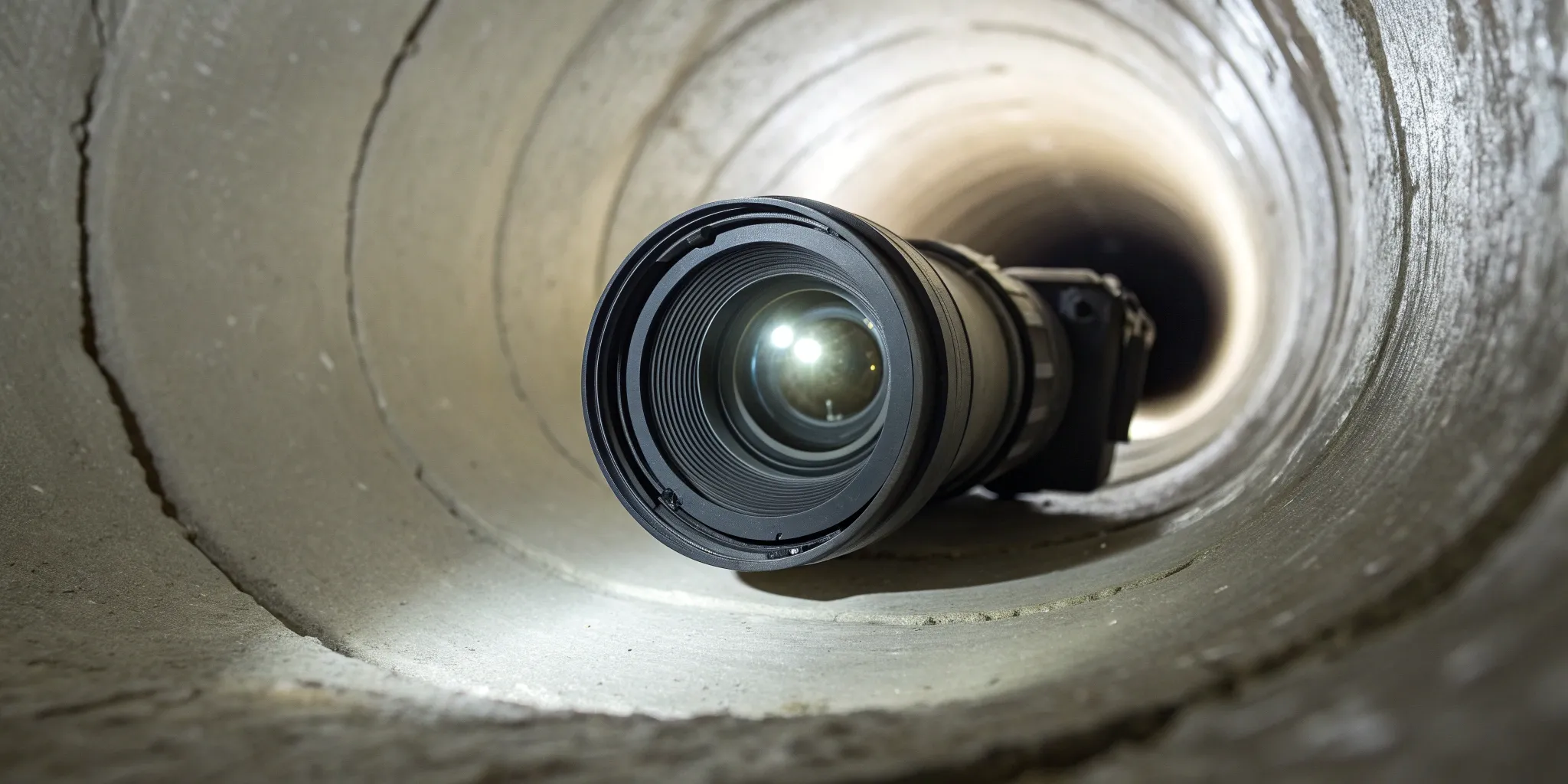
The process is straightforward and non-invasive. A trained technician inserts a flexible, high-resolution camera attached to a long cable into your home’s sewer line, usually through an accessible cleanout port. As the camera travels through the pipe, it sends a live video feed to a monitor, allowing the technician—and you—to see the pipe’s interior in real time. This technology makes it possible to spot issues like cracks, collapses, serious clogs, or tree root intrusion. To get the clearest view, it’s a good idea to run water through your sinks and tubs before the inspection. This helps flush out debris and allows the camera to glide more easily through the line, ensuring a thorough examination and accurate diagnosis of any potential problems.
When You Need an Inspection
You should get a sewer scope inspection any time you’re buying a home, regardless of its age. It’s especially critical for older properties, as their original clay or cast-iron pipes are more susceptible to cracks and root damage over time. However, even new construction can have hidden issues, like pipes that were accidentally crushed during building or improperly connected. For current homeowners, an inspection is a good idea if you’re experiencing recurring issues like slow drains or backups. Catching a small problem early can prevent it from turning into a catastrophic and costly water leak repair or a full-blown sewage backup into your home.
Why Homebuyers Should Always Get a Sewer Scope
When you buy a home, you inspect the roof and foundation, but what about the pipes you can’t see? The main sewer line is your responsibility after closing, and a standard home inspection won’t cover it. This leaves you exposed to some of the most disruptive and expensive repairs a homeowner can face. A sewer scope inspection is the only way to know the true condition of the line before you buy. It’s a crucial step that protects your investment from the start.
Avoid Costly, Hidden Surprises
A surprise sewer line replacement can cost thousands, turning new home excitement into a financial nightmare. For a fraction of that cost, an inspection uses a camera to find hidden problems like cracks or blockages before you buy. Catching these issues early is the key to avoiding a budget-breaking emergency. Without a scope, you’re simply hoping for the best with a vital part of your home’s plumbing system. It’s a small investment that prevents a massive, unexpected expense and provides invaluable peace of mind.
Gain Leverage in Negotiations
Knowledge is power in real estate. If a sewer scope reveals problems, the inspection report becomes your best negotiation tool. You can ask the seller to complete repairs before closing or negotiate a lower price to cover the future expense. If the damage is severe, the report gives you the clear evidence needed to back out of the purchase and avoid inheriting a disaster. This information puts you in control, ensuring you don’t overpay for a home with costly hidden flaws that require drain cleaning services.
Protect Your Home and Health
A faulty sewer line isn’t just a plumbing problem—it’s a hazard. When a line is blocked or broken, raw sewage can back up into your home, causing serious property damage and creating an unhealthy environment. This kind of backup can ruin floors, drywall, and personal belongings, and exposure to sewage waste poses significant health risks. A proper inspection helps confirm that your home’s residential plumbing is safe and secure, protecting both your property and your family from a messy and dangerous situation.
What a Sewer Scope Can Uncover
A sewer scope inspection is like getting a backstage pass to your home’s plumbing system. A small, high-resolution camera attached to a flexible cable is fed into your main sewer line, giving you a real-time video tour of a part of your home you’d otherwise never see. This pipe is responsible for carrying all the wastewater from your toilets, sinks, and showers away from your house to the city sewer. Without this inside look, you’re essentially guessing about the health of a critical, and very expensive, piece of your home’s infrastructure.
This simple procedure can identify a whole range of issues that are impossible to spot from the surface. From minor clogs that are just starting to form to major structural failures that could lead to a sewage backup, the camera sees it all. An inspection can uncover clogs, damage to the pipes, and other issues that could cost thousands to fix down the road. Knowing what’s happening underground before you buy a home—or before a small problem becomes a disaster in your current one—is one of the smartest moves a property owner can make. It’s all about replacing uncertainty with clear, actionable information.
Clogs and Blockages
When you think of a clog, you might picture a simple fix with a plunger. But the blockages a sewer scope uncovers are on a different level. Deep within the main line, years of accumulated grease, sludge, and non-flushable items can create solid masses that slow your drainage to a crawl or stop it completely. A sewer camera can pinpoint the exact location and cause of the blockage, whether it’s a buildup of household waste or a foreign object. Identifying these obstructions early allows for targeted drain cleaning services before you’re faced with a messy and stressful sewage backup into your home.
Damaged or Deteriorated Pipes
Sewer pipes don’t last forever. Older homes, especially, may have lines made from materials like clay or cast iron that are prone to deterioration over time. A sewer scope inspection can reveal cracks, fractures, corrosion, and even sections of the pipe that have completely collapsed. It can also spot “bellies” or sags in the line where water and waste pool, creating persistent clogs. Catching this kind of structural damage is critical. A small crack can lead to a significant water leak repair, causing soil erosion around the pipe, foundation issues, or sinkholes in your yard. The video footage provides clear evidence of the pipe’s integrity so you can address problems proactively.
Invasive Tree Roots
It might sound strange, but tree roots are one of the most common and destructive causes of sewer line damage. Roots are naturally drawn to the moisture and nutrients inside your pipes. They can work their way into the line through tiny, existing cracks or loose joints. Once inside, they grow and expand, creating a dense web that catches waste and causes severe blockages. As the roots get thicker, they can exert enough pressure to break the pipe apart. A sewer scope can easily identify root intrusion, showing you exactly where and how badly the roots have infiltrated the line, which is the first step toward removing them and repairing the damage.
Faulty Installation and Code Violations
Not all plumbing problems are due to age or outside forces; some are the result of poor workmanship. A sewer scope can uncover issues stemming from faulty installation, such as pipes made from substandard materials, improperly connected sections, or a lack of proper slope (grade). If a sewer line doesn’t have the right downward slope, waste won’t flow away correctly, leading to constant backups. These installation mistakes aren’t just inconvenient—they can also be code violations that you, as the new homeowner, would be responsible for fixing. Identifying these issues provides an opportunity to have them corrected by the seller or to adjust your offer accordingly, ensuring your residential plumbing is up to standard from day one.
The Sewer Scope Inspection Process
A sewer scope inspection might sound technical, but it’s a surprisingly straightforward and non-invasive process. A trained plumbing technician uses specialized camera equipment to give you a clear view of a home’s sewer line, from the inside out. Knowing what to expect can help you feel confident and prepared. The entire process, from setup to the final report, is designed to be efficient and give you the critical information you need without any guesswork. Here’s a step-by-step look at what happens before, during, and after the inspection.
Preparing for the Inspection
You don’t have to do much to prepare for a sewer scope inspection—your plumbing professional handles all the legwork. Before starting, the technician will locate the best access point to the sewer line. This is typically a cleanout pipe located in the basement, crawlspace, or outside in the yard. They will explain the process to you so you know exactly what’s happening. Our team at Action Craft Experts ensures you’re informed every step of the way as part of our comprehensive residential plumbing services. The main goal is to establish a clear and safe entry point for the camera equipment.
What Happens During the Service
Once the access point is ready, the technician will run water through the home’s pipes from various fixtures, like sinks and toilets. This helps clear out any minor debris and allows the camera to glide more easily through the line. Next, they’ll insert a flexible fiber-optic camera attached to a long cable into the sewer line. As the camera travels through the pipe toward the city sewer main or septic tank, it sends a live video feed to a monitor. The technician carefully watches for any issues, noting their location and severity. If a significant blockage is found, you may need professional drain cleaning services to resolve it.
Understanding Your Inspection Report
After the inspection is complete, you’ll receive a detailed report of the findings, often accompanied by the video recording. This report is your roadmap to the sewer line’s health. It will identify any problems discovered, such as cracks, collapses, blockages from grease or debris, and tree root intrusion. The report also provides valuable context, like the type of pipe material and the overall condition of the system. This information is crucial for homebuyers, as it can uncover hidden issues that could lead to sewage backups or an expensive water leak repair in the future. It’s a powerful tool for making informed decisions.
How Much Does a Sewer Scope Inspection Cost?
When you’re buying a home, every dollar counts. So, what’s the price tag for the peace of mind that comes with a sewer scope inspection? Generally, you can expect to pay somewhere between $280 and $685. While some inspections can be less and others more, this range gives you a solid idea of what to budget for. It might feel like just another expense in a long list of closing costs, but this is one you shouldn’t skip.
Think of it this way: you’re paying for a clear view into a critical part of your potential new home’s infrastructure—one that’s completely hidden from sight. Without it, you’re essentially gambling on the condition of a system that can cause massive, messy, and expensive problems down the road. The final cost can shift based on a few variables, but knowing the potential issues you could uncover makes it an invaluable part of the home-buying process. A qualified plumber can give you a precise quote based on the property’s specific needs.
Factors That Influence Price
The final bill for a sewer scope isn’t one-size-fits-all. Several factors can affect the price, and it’s helpful to know what they are. First, the accessibility of the sewer line plays a big role. If the cleanout port is hard to get to—say, hidden behind a wall or requiring a toilet to be removed—the extra labor will add to the cost. The length of the sewer line also matters; a longer pipe from the house to the city main simply takes more time to inspect thoroughly.
Sometimes, the inspection might be bundled with other services. For example, if you already suspect a clog, you might get a better rate by combining the camera inspection with professional drain cleaning services. It’s always a good idea to ask your plumbing company about their pricing structure and what’s included in the base fee.
An Investment vs. a Potential Repair Bill
It’s best to think of the inspection fee not as a cost, but as an investment in your financial future. Spending a few hundred dollars now could save you from a repair bill that easily climbs past $10,000. That’s right—major sewer line repairs are incredibly expensive. If the line is collapsed, invaded by tree roots, or broken under a driveway or patio, the cost to excavate and fix it can skyrocket to $30,000 or more.
Compared to that kind of financial hit, the price of an inspection is minimal. It gives you the information you need to either proceed with confidence or negotiate with the seller for repairs before you sign on the dotted line. Protecting your new home with a full picture of its residential plumbing system is one of the smartest moves you can make as a buyer.
Warning Signs You Need a Sewer Inspection
Knowing when to call for a sewer inspection can feel like a guessing game, but your home often gives you subtle (and not-so-subtle) clues. Paying attention to these signs can help you catch a small issue before it becomes a messy, expensive emergency. Whether you’re buying a new property or have lived in your home for years, understanding the red flags and common misconceptions is the first step toward protecting your investment.
Common Myths About Sewer Lines
Let’s clear up a few common misunderstandings about sewer lines. First, many people believe that if a house is connected to a public sewer, an inspection isn’t necessary. The reality is that you, the homeowner, are responsible for the sewer line that runs from your house to the city’s main connection. If that line breaks or gets clogged, the repair bill is yours. Another myth is that new homes are exempt from sewer problems. Unfortunately, even newly built homes can have issues from construction debris, improper installation, or soil settlement that can damage the pipes.
Red Flags That Signal a Problem
Your plumbing system will usually tell you when something is wrong with the sewer line. One of the most common signs is having multiple slow drains or frequent clogs. If your toilet, shower, and sink are all backing up, the problem likely lies in the main sewer line, not an individual pipe. Other red flags include gurgling sounds from your toilets, foul odors inside or outside your home, or an unusually green and lush patch of grass in your yard. That wet spot could indicate a leak in the sewer line, which requires immediate water leak repair.
For Current Homeowners vs. Homebuyers
Your reasons for getting a sewer inspection might differ depending on your situation. For homebuyers, an inspection is a critical part of your due diligence, especially with older homes. It uncovers hidden problems that could save you thousands in unexpected repairs and gives you negotiating power. For current homeowners, an inspection is a proactive measure. You are responsible for the sewer line from your house to the street. If you notice any of the red flags mentioned above, scheduling an inspection can diagnose the problem and prevent a raw sewage backup, which poses serious health risks and property damage. Regular residential plumbing maintenance can keep your system running smoothly.
Related Articles
- Collapse sewer line? Here are the signs
- How Much to Fix a Broken Water Pipe Underground?
- How to Identify Plumbing Problems in a New House
- Rough Plumbing Inspection: What Are They? Prepare for Them
- Spring Plumbing Checklist for Homeowners: What to Inspect
Frequently Asked Questions
Does a standard home inspection cover the sewer line? No, it almost never does. A general home inspector will check the plumbing fixtures inside the house, but they don’t have the specialized camera equipment needed to see inside the underground pipe that runs from the house to the street. A sewer scope is a separate, specialized service that you need to arrange to get a complete picture of the home’s plumbing health.
Do I really need an inspection for a brand-new house? It’s a very smart idea. Even with new construction, problems can hide underground. We’ve seen cases where pipes were accidentally crushed by heavy equipment during the build, improperly connected, or clogged with construction debris. An inspection on a new home confirms the line is clear and correctly installed from the start, preventing major headaches down the road.
How long does a sewer scope inspection usually take? The entire process is quite efficient and typically takes about one to two hours from start to finish. The exact time can vary a bit depending on how easy it is to access the sewer line and the total length of the pipe that needs to be inspected. Your technician can give you a more specific timeframe once they’re on site.
What should I do if the inspection finds a major problem with the sewer line? If you’re in the process of buying a home, the inspection report becomes a powerful tool. You can use the findings to negotiate with the seller, either asking them to complete the repairs before closing or to lower the asking price to cover the future expense. If the damage is severe, the report gives you the clear evidence you need to walk away from the purchase and avoid a financial nightmare.
Can I be present for the inspection? Absolutely, and we actually encourage it. Being there allows you to watch the live video feed from the camera right alongside the technician. You can ask questions as they come up and get a firsthand understanding of the sewer line’s condition, which helps you make a more informed decision when you can see any potential issues for yourself.