














If you own a large property, you know that some projects are just on a different scale. Running a new water line across a long distance is a perfect example. It’s a necessary step for a new build, an outbuilding, or connecting to a municipal supply, but figuring out the cost to run water line 1000 feet can feel overwhelming. It’s not just about the pipe; it’s about the labor, the land, and the method used to get it in the ground. This article will demystify the process for you. We’ll explore the key factors that determine the price, from soil conditions to installation techniques, giving you the knowledge you need to plan effectively and avoid any surprises.
Key Takeaways
- Look Beyond the Initial Quote: Your total project cost will include more than just the pipe and labor. Remember to factor in essential expenses like city permits, utility hookup fees, and the cost of repairing your landscaping after the work is done.
- Key Choices Determine Your Budget: The two biggest factors influencing your final cost are the pipe material you select (like affordable PVC vs. durable copper) and the installation method. A trenchless installation costs more upfront but can save you a fortune in landscape restoration.
- Professional Work is Non-Negotiable: A water line installation is a complex job that requires an expert. Hiring a licensed plumber ensures the work meets local codes, is covered by a warranty, and is done correctly to prevent expensive leaks and property damage.
How Much Does It Cost to Run a 1000-Foot Water Line?
Planning to run a new water line is a big undertaking, and one of the first questions on your mind is probably about the cost. For a substantial length like 1000 feet, the price tag can seem daunting. While every project is unique, you can generally expect the total cost to fall somewhere between $10,000 and $25,000. This wide range exists because so many different elements play a role in the final bill. It’s not as simple as buying a thousand feet of pipe and digging a trench.
Think of it like a major home renovation—the final price depends on the materials you choose, the complexity of the job, and the specific challenges of your property. For a water line installation, key factors include the type of pipe material (like PVC or copper), the soil conditions on your land, local labor rates here in Spokane, and the installation method your plumber uses. Understanding these components is the first step to creating a realistic budget and ensuring your project goes smoothly. A proper installation is crucial for any residential plumbing project, as it helps prevent future headaches like costly leaks and service interruptions.
Breaking Down the Cost Per Foot
To get a clearer picture, let’s look at the cost per foot. For a basic installation in ideal conditions, you might pay between $10 and $25 per foot. However, the price changes dramatically based on the installation method. If your project requires traditional trenching—digging a long ditch for the pipe—the cost can jump to between $50 and $200 per linear foot. This method is labor-intensive and often includes extra costs for repairing your lawn or driveway. A less invasive trenchless installation can range from $70 to $250 per foot. While the upfront cost is higher, it can save you money on landscape restoration.
Estimating Your Total Project Cost
With the per-foot costs in mind, you can see how a 1000-foot project can add up to between $10,000 and $25,000. While some smaller, simpler jobs might cost as little as $2,000, complex projects can easily exceed $15,000. The final estimate for your specific property will depend on a few key variables. These include the pipe material you select, the accessibility of your property, the local soil conditions, and whether your plumber needs to use trenching. The only way to get a precise figure is to have a professional assess your property. An experienced plumber can provide a detailed quote that accounts for all the unique aspects of a major plumbing installation.
What Factors Change the Price of a Water Line Installation?
When you’re planning a water line installation, it’s helpful to know that the final price tag is more than just the cost of the pipe itself. Several key factors can cause the total cost to swing one way or the other. Think of it like a recipe—the ingredients you choose and the complexity of the preparation will determine the final result. From the type of pipe you select to the unique layout of your property, each element plays a role. Understanding these variables will help you set a realistic budget and have a much clearer conversation with your plumber about the scope of the work. It’s all about knowing what goes into the job so you can prepare for the investment and avoid any surprises down the road.
Your Choice of Pipe Material
The material you choose for your water line is one of the biggest factors in the overall cost. PVC and PEX pipes are popular, budget-friendly options that work well in many situations. PEX is especially great because its flexibility helps it withstand both hot and cold temperatures. On the higher end, you have copper pipes. While copper is significantly more expensive, it’s incredibly durable and strong, making it a long-term investment for your property. The best choice really depends on your budget, soil conditions, and the specific demands of your home’s plumbing system. A professional can help you weigh the pros and cons of each to find the right fit.
Soil Conditions and Property Terrain
The land itself has a big say in your installation costs. A straightforward dig through soft, clear soil is one thing, but hitting unexpected obstacles is another. If your property in Spokane is full of rocks, dense tree roots, or hard-packed clay, the excavation process becomes much more difficult. This extra work requires more time and sometimes specialized equipment, which adds to the labor costs. The terrain of your yard—whether it’s flat or sloped—also influences how complex the job will be. Essentially, the tougher the ground is to work with, the more you can expect the installation price to increase.
Local Labor Rates
Labor is often the most significant portion of your total bill, and rates can vary depending on your location and the complexity of the job. A simple, direct water line installation will naturally cost less in labor than one that requires working around existing structures, landscaping, or difficult terrain. Hiring an experienced, licensed plumber is essential for ensuring the job is done right and meets all local codes. When you invest in professional residential plumbing services, you’re paying for expertise, efficiency, and the peace of mind that comes with a properly installed water line that will last for years.
How Deep the Pipe Needs to Be
The required depth for your water line also plays a crucial role in the final cost. In areas like Spokane where we experience freezing temperatures, pipes must be buried deep enough to sit below the frost line. This prevents the water inside from freezing, expanding, and bursting the pipe during the winter. A deeper trench means more digging, which translates to higher labor costs. While it might seem like a way to save money, cutting corners on depth can lead to a disastrous and expensive water leak repair down the line. Following local code requirements for burial depth is non-negotiable for a safe and reliable installation.
How Installation Methods Affect Your Budget
The way your new water line gets into the ground plays a huge role in the final price tag. It’s not just about digging a hole; modern plumbing offers a few different approaches, each with its own set of costs and benefits. The main choice you’ll face is between traditional trenching and less invasive trenchless methods. Understanding the difference will help you see beyond the initial quote and anticipate the total cost of the project, including any necessary cleanup and repairs after the pipe is laid.
While one method might seem cheaper per foot, the other could save you a fortune in landscaping bills. It’s a classic case of looking at the big picture. The right choice depends on your property’s layout, the location of existing utilities, and how much disruption you’re willing to handle. For example, a wide-open yard with no obstacles might be a perfect candidate for traditional trenching. But if your water line needs to cross under a prized rose garden or a brand-new driveway, a trenchless method is almost certainly the smarter investment. Your plumber can walk you through the best options for your specific property, but having a solid grasp of the basics will make that conversation much more productive. Below, we’ll break down what each option involves so you can make an informed decision that protects both your property and your wallet.
The Cost of Traditional Trenching
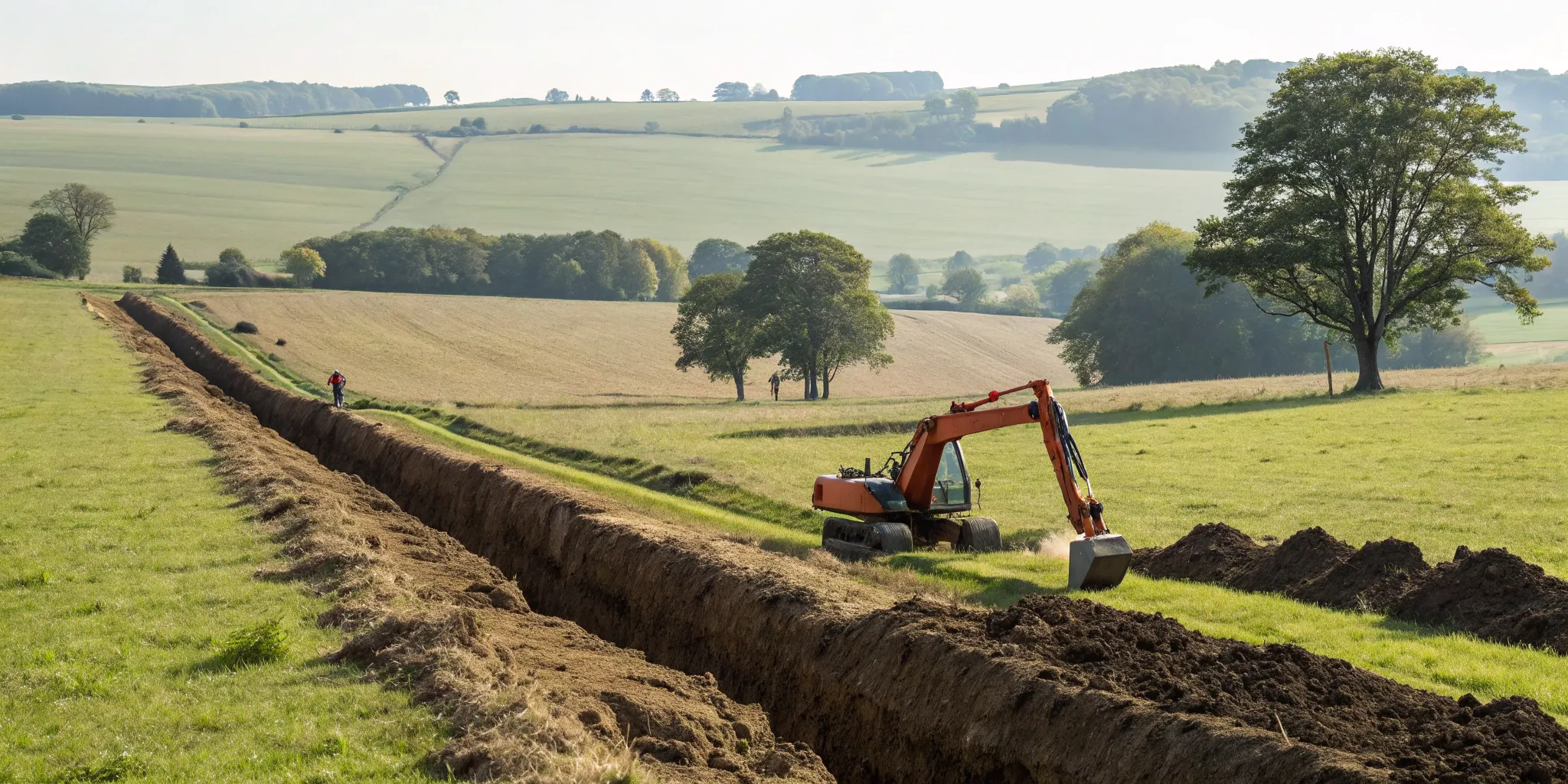
Traditional trenching is exactly what it sounds like: a team digs a long, open ditch to lay the new water line. This method is straightforward and has been the standard for years. The cost for a trenched installation typically runs from $50 to $200 per foot. While this is often the cheaper option on paper, it’s important to remember the costs that come after. Digging a trench across your property means you’ll have to budget for restoring your lawn, repairing your driveway, or fixing any landscaping that was disturbed. These residential plumbing projects require careful planning to account for the full scope of work.
Exploring Trenchless Options
If the thought of a giant trench in your yard makes you nervous, trenchless installation is a fantastic alternative. This modern technique costs more per foot, usually between $70 and $250, but it can save you a significant amount of money in the long run. Instead of digging a continuous ditch, plumbers create small access points at either end of the line. Because there’s minimal digging, you won’t have to worry about major landscaping repairs. This makes it an ideal solution for properties with established gardens, patios, or long driveways you’d rather not tear up for a water leak repair or new installation.
The Price of Directional Boring
Directional boring is a specific type of trenchless technology that offers incredible precision. It allows plumbers to install a new pipe by drilling a guided path underground, easily going under obstacles like driveways, buildings, or mature trees without disturbing them. While the initial cost can be higher than other methods, it nearly eliminates the expense and headache of surface restoration. This advanced technique is perfect for complex properties where preserving the landscape is a top priority. It’s a specialized skill that showcases the importance of working with experienced professionals for services like gas line installations and water line replacements.
A Quick Guide to Pipe Materials and Costs
Choosing the right material for your new water line is one of the biggest decisions you’ll make for this project. It directly affects not only your upfront installation cost but also the pipe’s durability and lifespan. Think of it as the foundation of your home’s water supply—you want something reliable that will stand the test of time, especially with Spokane’s changing seasons. Different materials come with their own set of pros, cons, and price points, and what works for one property might not be the best fit for another.
Understanding these differences is key to selecting the best option for your property’s needs and your budget. For example, some materials handle freezing temperatures better than others, while some offer unparalleled longevity. The right choice balances cost, performance, and the specific conditions of your land. Below, we’ll walk through the three most common types of pipes used for residential plumbing in Spokane: PVC, PEX, and copper. This guide will give you a clear picture of what to expect so you can have a confident conversation with your plumber about what works best for your home.
PVC: The Affordable Standard
PVC (Polyvinyl Chloride) is often the go-to choice for homeowners looking for a budget-friendly option. It’s lightweight and relatively simple to install, which helps keep labor costs down. You can typically expect PVC piping to cost between $0.50 and $5 per foot. While its affordability is a major plus, it’s important to consider its limitations. PVC can become brittle in freezing temperatures, making it susceptible to cracking if not buried deep enough to be protected from Spokane’s winter frost. It’s a solid choice for many applications, but its performance in extreme cold is something to discuss with your plumbing professional.
PEX: Flexible and Long-Lasting
PEX (Cross-Linked Polyethylene) has become a favorite in modern plumbing for its incredible flexibility and resilience. Costing around $2 to $5 per foot, it offers a great middle-ground between PVC and copper. The biggest advantage of PEX is its ability to expand and contract, which makes it highly resistant to bursting in freezing conditions—a huge benefit for local homeowners. Its flexibility also simplifies the installation process, as it can bend around corners and obstacles without needing extra fittings. This adaptability often translates to quicker, more efficient connections to your home’s main water system.
Copper: The Premium, Durable Choice
For decades, copper has been the gold standard for water lines, and for good reason. It’s incredibly durable, resistant to corrosion, and can last for 50 years or more. This premium quality comes with a higher price tag, typically ranging from $20 to $30 per foot. While the upfront investment is significant, many property owners find the peace of mind and longevity worth the cost, as it can prevent the need for future water leak repair. Copper is also a natural material that won’t leach chemicals into your water. The main drawbacks are the cost and the fact that it requires more skill to install, which can increase labor expenses.
What Permits and Extra Fees Should You Plan For?
When you’re budgeting for a new water line, it’s easy to focus on the big-ticket items like pipes and labor. But the final invoice often includes a few extra costs that can catch you by surprise if you’re not prepared. Planning for permits, utility fees, and even post-project cleanup is just as important as choosing the right materials. Let’s walk through the additional expenses you should factor into your budget to get a truly accurate picture of the total cost.
City Permits and Inspection Fees
Before any digging begins, you’ll almost certainly need a permit from the city. This isn’t just red tape; it’s a process that ensures your new water line is installed safely and meets all local building codes. The cost of these permits and the required inspections can vary quite a bit depending on the scale of your project. A professional plumber will handle all the paperwork and scheduling for you, making sure your project is fully compliant. This is a crucial step in any residential plumbing Spokane WA project, protecting your property and ensuring the work is done right the first time.
Utility Hookup Charges
Once the line is in the ground, it needs to be connected to the municipal water supply. Your local utility company will charge a hookup or “tap-in” fee for this service. This is one of the most variable costs you’ll encounter, as fees differ from one utility provider to another. It’s always a smart move to call your local water department directly to ask about their specific rates for new service connections. This way, you can get a precise number to add to your budget instead of relying on a rough estimate.
Restoring Your Landscaping
Installing a water line, especially with traditional trenching, is a disruptive process for your yard. It’s important to remember that the plumber’s job ends once the pipe is installed and tested. The cost of restoring your property is a separate expense you’ll need to plan for. This could involve anything from re-seeding your lawn and replanting flower beds to repairing sections of a driveway or walkway that had to be excavated. Factoring in these landscaping repair costs from the start helps prevent budget overruns and ensures your yard looks just as good as it did before the project began, which is often a necessary step after a major water leak repair.
Are There Hidden Costs to Watch Out For?
When you get a quote for a water line installation, it’s easy to focus on the big numbers for labor and materials. But a major project like this involves more than just laying a pipe in the ground. Several other costs can surface, and it’s smart to know what they are ahead of time so you can budget accurately. A transparent plumber will discuss these possibilities with you, but it never hurts to be prepared.
The most common extra expenses aren’t for the plumbing work itself, but for everything that happens around it. This includes restoring your property after the digging is done, dealing with the removal of the old water line, and ensuring the work doesn’t impact your home’s foundation. Asking your plumbing contractor about these potential costs upfront can prevent surprises on your final bill and give you a much clearer picture of the total investment required for your project.
Repairing Driveways and Patios
If your water line installation requires traditional trenching, some disruption to your property is unavoidable. The path of the new line might cross your lawn, garden, patio, or even your driveway. While your plumbing team will focus on expertly installing the pipe, the cost to repair these surfaces is typically not included in the plumbing quote. You’ll need to budget separately for expenses like reseeding the lawn, replanting flower beds, or hiring a contractor to repair cracked concrete or reset paving stones. These restoration costs can add a significant amount to your total project expense, so be sure to factor them into your plans.
Protecting Your Foundation
Any time excavation happens close to your home, you need to consider your foundation. If the new water line runs near your house, there’s a small but real risk of causing inadvertent damage. Professional plumbers are careful to protect your property, but shifting soil can sometimes lead to issues. The cost to repair a foundation is substantial and would be a separate project entirely. It’s one of the most important reasons to hire an experienced and insured team for any major residential plumbing project. A skilled crew knows how to minimize risks and secure the work area to keep your home safe.
Equipment and Disposal Fees
The work doesn’t always end once the new water line is in place. What about the old, defunct pipe? In many cases, it needs to be properly removed and disposed of, which can add to your project’s cost. A basic installation quote often doesn’t include the demolition of old structures or the removal and disposal of the old water line. This requires extra labor and equipment, and there are often fees for hauling away debris and old materials. Be sure to ask your plumber if their estimate includes the removal and disposal of the old line so you know exactly what to expect.
Smart Ways to Save on Your Water Line Installation
Installing a new water line is a significant investment, but it doesn’t have to break the bank. With some smart planning and informed decisions, you can manage the costs effectively without cutting corners on quality. It’s all about knowing where you can be flexible and where it pays to invest. From gathering quotes to choosing the right materials and timing, a few key strategies can make a big difference in your final bill. Here’s how you can approach your project thoughtfully and keep your budget in check.
Get Several Professional Quotes
Before you commit to any plumber, it’s wise to get a few different quotes. Think of it like shopping for any other major purchase. Comparing estimates from several reputable companies helps you understand the typical price range for your project and ensures you’re getting a competitive rate. A detailed quote should break down the costs for labor, materials, and any permits, so you know exactly what you’re paying for. This process isn’t just about finding the lowest price; it’s about finding the best value and a team you can trust for your residential plumbing needs.
Choose Cost-Effective Materials
The type of pipe you choose has a huge impact on your total installation cost. Materials like PVC are often the most budget-friendly, while options like PEX offer a great balance of flexibility and durability for a mid-range price. Copper is a premium, long-lasting choice, but it comes with a much higher price tag. The right material for you depends on your budget, soil conditions, and local building codes. A professional plumber can walk you through the pros and cons of each option, helping you select a material that provides long-term value and connects seamlessly to your home’s plumbing fixture installation.
Time Your Project Right
Believe it or not, when you schedule your installation can affect the price. If the work area is difficult to access—say, under a large tree or a concrete patio—it will require more labor and specialized equipment, driving up the cost. Planning your project for a time when the ground isn’t frozen or waterlogged can also make the excavation process smoother and more affordable. If you’re already planning other landscaping or construction work, coordinating your water line installation at the same time can save you from paying for excavation twice. Proper planning for projects like gas line installations can streamline the entire process.
Why You Should Always Hire a Professional Plumber
When you’re looking at a big project like installing a water line, it’s natural to wonder if you can save some money by doing it yourself. While I’m all for a good DIY project, plumbing is one area where it’s almost always better to call in a professional. A water line installation is far more complex than it looks, and a small mistake can lead to major headaches, from hidden leaks and property damage to serious health and safety risks.
Hiring a licensed plumber isn’t just about getting the job done; it’s about getting it done right the first time. Professionals bring years of experience, specialized equipment, and an in-depth understanding of local regulations to the table. They can anticipate problems you might not see coming and ensure your new water line provides clean, safe water for years to come. When you weigh the risks of a DIY installation against the security of professional work, the choice becomes clear. It’s an investment in your home’s safety and your own peace of mind.
Handling Complex Installations
Installing a water line involves much more than just digging a trench. A professional plumber assesses your property to determine the best pipe material for Spokane’s soil conditions, calculates the precise slope needed for proper water flow, and ensures a secure connection to both the municipal supply and your home’s system. A professional installation is your best defense against future problems, saving you from the stress and expense of unexpected repairs down the road.
An expert has the right tools and experience to manage any surprises that come up, whether it’s navigating rocky terrain or working around existing utility lines. They know how to prevent issues like pipe bursts or slow leaks that can cause serious damage over time. Trusting an expert with your residential plumbing in Spokane means you can be confident the job is handled correctly from start to finish.
Meeting Safety and Code Requirements
Plumbing work is governed by strict safety standards and local building codes for a reason—to protect public health. In Spokane, there are specific rules about how deep a water line must be buried, what materials are approved for use, and how connections must be made. A licensed plumber is an expert on these regulations, ensuring your project is fully compliant and will pass any required inspections.
Hiring a professional is the best way to make sure the job follows local rules and prevents costly problems later. Attempting this work without the right knowledge can lead to fines, orders to redo the entire installation, or even issues when you try to sell your home. A professional ensures your water line is not only functional but also completely safe and up to code, protecting your family and your investment.
Getting the Protection of a Warranty
One of the biggest advantages of hiring a professional plumber is the security that comes with their work. Reputable companies stand behind their installations with warranties that cover both materials and labor. If a fitting fails or a leak develops after the job is done, you’re covered. This peace of mind is invaluable, especially for a major project like a new water line.
In contrast, if you handle the installation yourself, you’re on the hook for any and all repairs. A professional’s warranty and insurance protect you from faulty parts and accidental damage during the project. When you get a professional water heater installation, for example, you know you’re covered if anything goes wrong. That same protection is just as crucial for the main water line that serves your entire home.
Related Articles
- High Water Bill with No Visible Leak? Here’s What Might Be Happening
- Water in Natural Gas Line? Causes, Symptoms & Solutions
- Do You Need a Permit for Gas Line Installation in Spokane?
- Moving Gas Lines: Costs and Considerations To Know
- Ask a Plumber: Flexible Gas Line or Classic Black Pipes?
Frequently Asked Questions
Why is the cost estimate for a 1000-foot water line so broad? A 1000-foot water line project is a major undertaking with many moving parts, which is why the price can range from $10,000 to $25,000. The final cost isn’t just about the length of the pipe; it’s a combination of the pipe material you choose, the difficulty of digging on your specific property, the installation method used, and even the depth required to stay below Spokane’s frost line. Every property is unique, so a job that’s a straightforward dig through soft soil will cost much less than one that involves navigating rocky ground or existing structures.
Is it a good idea to just choose the cheapest pipe material to save money? While it’s tempting to opt for the most budget-friendly material like PVC, it may not be the best long-term investment for your property. Cheaper materials can be more susceptible to cracking in freezing temperatures if not buried properly, which could lead to expensive leaks later on. The best choice balances cost with durability for your specific soil conditions. A professional can help you weigh the pros and cons of materials like PEX and copper to find the option that offers the best value and longevity for your home.
How long does a project like this usually take? Installing a 1000-foot water line is not a one-day job. For a project of this scale, you can typically expect the work to take anywhere from a few days to over a week. The exact timeline depends on the complexity of the installation, the type of terrain the crew is working with, weather conditions, and the specific installation method being used. A professional plumber can give you a more precise timeline after assessing your property.
When is a more expensive trenchless installation actually worth the cost? Trenchless methods are worth the higher upfront cost when the expense of restoring your property would be significant. If the new water line needs to run under a brand-new driveway, a custom stone patio, or through a garden you’ve spent years perfecting, trenchless is the way to go. It saves you from the massive headache and cost of tearing up and then rebuilding these valuable features, making it a smarter financial decision in the long run for many properties.
What’s the first step to getting an accurate quote for my property? The only way to get a truly accurate price for your project is to have a licensed plumber come out for an on-site consultation. They will need to walk the property, assess the soil conditions, identify any potential obstacles, and discuss your specific needs. This allows them to create a detailed, itemized quote that reflects the true scope of the work, ensuring there are no surprises down the road.