















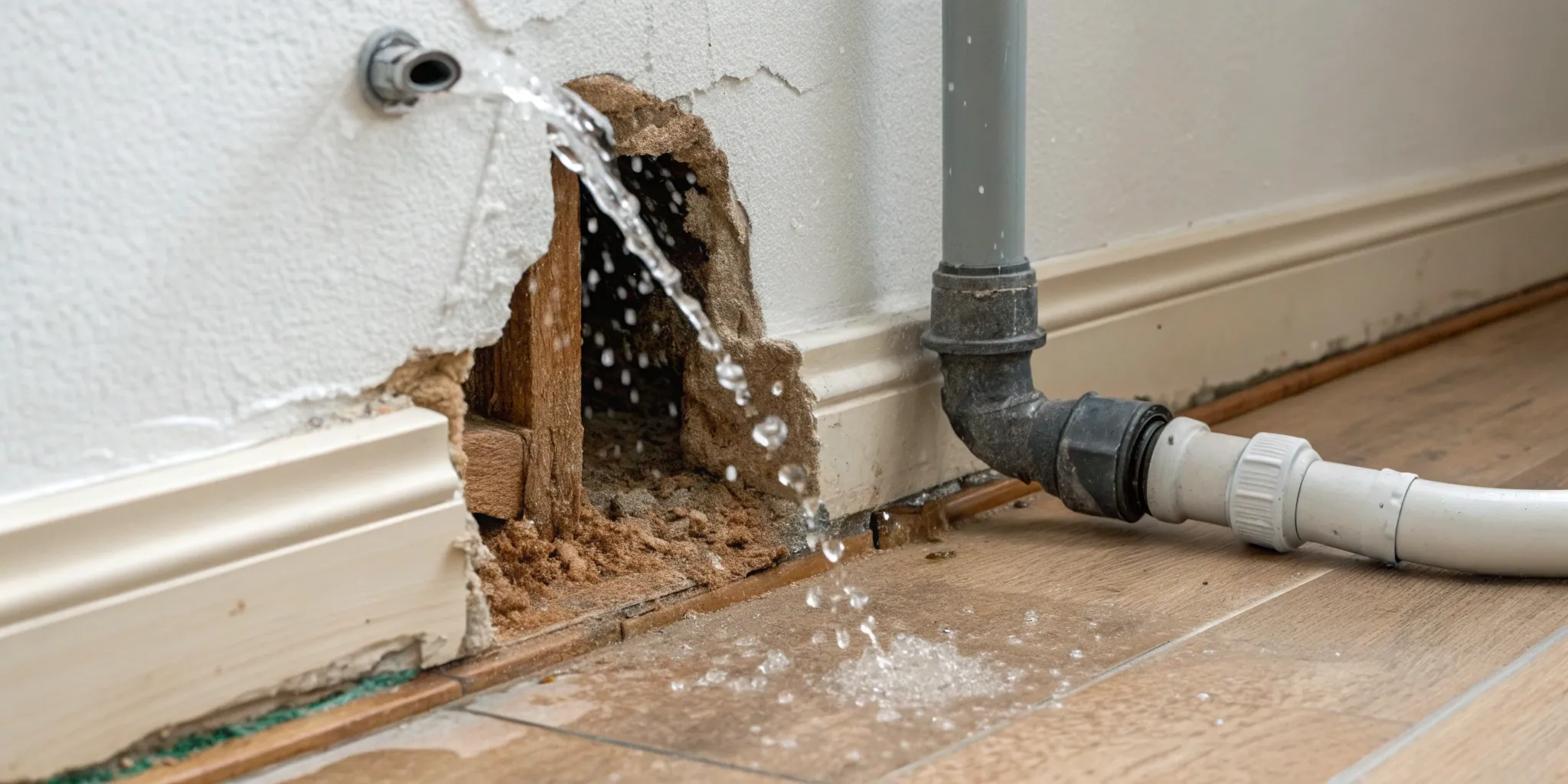
The old way of finding a leak often involved a lot of guesswork and cutting multiple holes in a wall. Thankfully, modern plumbing has a much more precise and less destructive approach. Today, professionals use advanced tools like thermal cameras and acoustic sensors to find the exact source of water without turning your home into a construction zone. This high-tech service comes with a price tag, and understanding the cost to find a water leak in wall areas is the first step. This guide explains how this technology works, what factors determine the final price, and how investing in a professional service saves you money in the long run.
Key Takeaways
- Professional detection is an investment, not just a cost: The price to find a leak covers specialized technology that pinpoints the source without destructive guesswork, saving you from expensive, unnecessary wall repairs down the road.
- Your home sends warning signs—don’t ignore them: Subtle clues like a musty odor, a small water stain, or a sudden spike in your water bill are clear indicators of a problem. Acting fast prevents a minor issue from causing major structural damage and mold.
- Proactive maintenance is your best defense: You can prevent most future leaks with simple habits like scheduling an annual professional plumbing inspection and placing inexpensive water sensors in high-risk areas like under sinks or near your water heater.
How Much Does It Cost to Find a Water Leak in a Wall?
That sinking feeling when you spot a mysterious water stain spreading across your drywall is something no homeowner wants. Your mind immediately jumps to the big questions: Where is it coming from, how bad is the damage, and of course, how much is this going to cost? While the final repair bill depends on the extent of the damage, the first step is always finding the source. The cost for professional leak detection can vary, but understanding the factors that influence the price will help you know what to expect.
Finding a hidden leak isn’t just about guesswork; it requires specialized tools and expertise to pinpoint the source without tearing your walls apart unnecessarily. A professional plumber can save you time, money, and a major headache by getting it right the first time. Let’s break down the typical costs and what goes into a quote.
A look at average leak detection prices
On average, you can expect professional leak detection services to cost between $175 and $350. This is a general range for a standard service call where a plumber uses specialized equipment to locate a leak. However, the final price can fall anywhere between $75 for a straightforward, easy-to-find leak and upwards of $3,000 for a complex issue hidden deep within your home’s structure. For a basic job of finding a single plumbing leak, many homeowners find the cost lands somewhere between $236 and $286. Think of these numbers as a starting point before a professional assesses your unique situation.
Why your quote might be different
No two leaks are exactly the same, which is why a flat-rate price is rare. The quote you receive will be tailored to your home and the specific problem you’re facing. The biggest factor is accessibility. A leak behind a simple sheet of drywall is much easier and cheaper to find than one buried in a concrete slab or behind a custom tile shower. Other factors that influence the cost include how long the search takes and the type of technology required to find the leak. An emergency call outside of regular business hours will also cost more than a scheduled appointment. A professional inspection is the first step in any water leak repair and will give you a clear picture of the costs involved.
What Determines the Cost of Finding a Leak?
When you suspect a water leak, one of the first questions that comes to mind is, “How much will this cost to find?” While the repair itself has its own price tag, the initial step of simply finding the leak is a service with a variable cost. There isn’t a single flat rate because every home and every leak is different. The final price on your invoice depends on a combination of factors, from where the leak is hiding to the tools needed to pinpoint it. Understanding these variables will help you make sense of any quote you receive and appreciate the work that goes into a professional water leak repair.
The leak’s location and accessibility
The biggest factor influencing the cost is where the leak is located and how hard it is to reach. A leak from a pipe under your kitchen sink is easy to spot and access, so finding it will be quick and relatively inexpensive. However, if the leak is hidden behind a tiled shower wall, under a concrete slab foundation, or within a ceiling, the job becomes much more complex. A plumber will need more time and potentially specialized equipment to pinpoint the exact source without causing unnecessary damage to your home. The longer it takes to safely access and identify the problem, the higher the labor cost will be.
The size and layout of your home
The overall size and complexity of your property also play a role. A larger home with multiple bathrooms and an intricate plumbing system simply has more pipes, fixtures, and ground to cover. A professional needs to conduct a more extensive search to rule out different possibilities and zero in on the problem area. A multi-story home or a commercial building with a sprawling layout presents more challenges than a small, single-level house. This is why a thorough inspection is a key part of any residential plumbing service in Spokane, as it ensures no potential source is overlooked.
The technology used for detection
Modern plumbers don’t just rely on guesswork; they use advanced technology to find leaks non-invasively. Professionals use tools like infrared cameras to detect temperature differences in walls, acoustic listening devices to hear water movement, and tiny video cameras to inspect the inside of pipes. While a service that uses this high-tech equipment might have a higher upfront cost than one that doesn’t, it can save you a fortune in the long run. This technology prevents a plumber from having to cut multiple holes in your walls, which avoids expensive drywall and paint repairs later on.
Time of day and urgency of the call
When you call a plumber matters. A standard appointment scheduled during regular business hours will always be the most affordable option. However, leaks don’t always happen on a convenient schedule. If you have water pouring into your living room on a Saturday night or a holiday weekend, you’ll need emergency service. Most plumbing companies have higher rates for after-hours, weekend, and holiday calls to cover the cost of having technicians on standby. This premium ensures you can get immediate help when you need it most, preventing a small leak from turning into a catastrophic flood.
Your geographic location and local rates
Just like with any other professional service, plumbing rates can vary significantly based on where you live. The cost of living, local market demand, and the average rates charged by other professionals in your area all influence pricing. For example, the cost to find a leak in Spokane might be different from the cost in a major metropolitan area like Seattle or a small rural town. While national averages suggest a basic leak detection service can range from $175 to $350, your specific quote will reflect the local economy and business operating costs.
How Pros Find Hidden Leaks in Walls
Ever wonder how a plumber can find a leak without turning your wall into Swiss cheese? It’s not magic—it’s technology. Professionals use a suite of specialized tools to pinpoint the exact source of a leak with minimal disruption. This approach saves you from unnecessary demolition and gets right to the heart of the problem. Instead of guessing, we use precise methods to diagnose and plan an effective water leak repair. Here’s a look at the high-tech equipment we use to find hidden leaks.
Using thermal imaging cameras
One of the first tools out of the bag is often a thermal imaging camera. This device doesn’t see through walls, but it does see temperature differences. When water leaks, the moisture evaporates and cools the surrounding material, like drywall or insulation. The thermal camera picks up on these cold spots, which show up as distinct blue or purple areas on its screen. This allows a technician to quickly identify the general location and scope of the moisture without drilling a single hole. It’s a fast, non-invasive way to narrow down the search and focus on the problem area.
Listening with acoustic leak detectors
Once we have a general idea of where the leak might be, we can use an acoustic leak detector to get more specific. Think of it as a super-powered stethoscope for your plumbing. These highly sensitive microphones are designed to listen for the distinct sounds of water escaping from a pressurized pipe—a faint hiss or drip that’s impossible to hear with the naked ear. By moving the sensor along the wall, a plumber can follow the sound to its loudest point, pinpointing the exact location of the leak. This technology is incredibly precise and works well for leaks buried deep within walls or even under concrete slabs.
Measuring with moisture meters and sensors
While a thermal camera shows us temperature changes, a moisture meter confirms the presence of water and tells us how saturated the area is. This handheld device has two small pins that are pressed against the wall surface to measure the electrical conductivity of the material. Since water conducts electricity, a higher reading means more moisture. By taking readings at several points, we can map out the full extent of the water damage. This step is crucial for understanding how far the water has spread and helps prevent future problems like mold growth by ensuring all affected areas are addressed.
Looking inside with video pipe inspections
Sometimes, the problem isn’t with a pipe in the wall but with the drain line connected to it. For these situations, we use a video pipe inspection camera. This involves feeding a small, high-resolution waterproof camera attached to a flexible fiber-optic cable directly into your pipes. We can see exactly what’s going on inside in real-time on a monitor. This allows us to spot cracks, corrosion, tree root intrusion, or blockages that are causing the leak. It takes all the guesswork out of the diagnosis, so we know precisely what kind of repair is needed before we start any work.
What to Expect From a Leak Detection Service
Calling a professional for a suspected leak can feel a little nerve-wracking, especially when you don’t know what’s happening behind your walls. Knowing what the process looks like can help ease your mind. When you hire a leak detection specialist, you’re paying for their expertise and advanced equipment to pinpoint the problem without tearing your home apart. Here’s a step-by-step look at what you can expect.
The initial assessment and consultation
When the plumber arrives, they’ll start by talking with you. You can help them by sharing any signs you’ve noticed, like where you see stains, hear dripping, or smell musty odors. They’ll combine your observations with their own initial inspection of the area. This consultation is a crucial first step that helps them narrow down the potential location of the leak. They’ll explain their process, the tools they plan to use, and what they’ll be looking for. This is your chance to ask questions and understand the plan before they get to work.
How long the detection process takes
The time it takes to find a leak can vary quite a bit. If the evidence is strong and the leak is in an accessible spot, a technician might find it in under an hour. However, if the leak is small, deep within a concrete slab, or in a home with complex plumbing, it could take several hours. The technician will work methodically to trace the source of the water. Remember, a thorough investigation is better than a quick guess that leads to cutting into the wrong wall. The duration directly impacts the final cost, but a true professional will work efficiently to find the problem without wasting time.
Getting your report and findings
Once the technician has successfully located the leak, they won’t just point to a wall and leave. You’ll receive a detailed report explaining their findings. This report should clearly identify the exact location of the leak and describe its severity. A good plumber will also explain the likely cause, whether it’s a corroded pipe, a loose fitting, or something else. They may even use a camera to show you the damage inside the pipe. This documentation is important for your records and for any potential insurance claims you might need to file.
Understanding repair estimates and next steps
Finding the leak is only the first half of the job. After explaining the problem, the technician will provide a clear, itemized estimate for the water leak repair. This quote should outline the cost of labor and materials needed to fix the pipe and get your plumbing back in working order. The detection service and the repair are often billed as separate services, so make sure you understand the costs for each. Once you approve the estimate, the plumber can schedule the repair, giving you a clear path forward to resolving the issue for good.
How to Find the Right Leak Detection Pro
Once you’ve confirmed a leak, the next step is finding the right person to handle it. Choosing a qualified professional isn’t just about getting the job done; it’s about ensuring the work is done correctly, protecting your home from further damage, and giving you peace of mind. A great plumber will not only find the source of the water but will also clearly explain the problem and the best way to fix it. Taking a little time to vet your options can save you a lot of stress and money down the road.
Check credentials and get multiple quotes
Before you hire anyone, do a quick background check. Make sure any plumber you consider is licensed, bonded, and insured to work in Washington. This protects you in case of accidents or property damage. After confirming their credentials, the next step is to get several written price quotes. This helps you understand the typical market rate for leak detection in Spokane and ensures you’re getting a fair price. Don’t just jump on the lowest offer; consider the plumber’s experience, technology, and reputation as part of the overall value.
Read reviews and ask smart questions
Reading reviews from past customers on sites like Google and Yelp gives you a real-world look at a company’s reliability and quality of service. Once you’ve narrowed down your list, it’s time to ask some smart questions. A true professional will be happy to explain their process.
A few key questions to ask include:
- What methods and tools do you use to find hidden leaks?
- How much experience do you have with leaks in homes like mine?
- Can you explain the next steps after you find the leak?
This isn’t a DIY job because professionals have specialized tools and the right experience to pinpoint leaks without causing unnecessary damage. A confident and clear answer is a great sign you’re talking to an expert in professional water leak repair.
Understand what’s included in the price
A detailed quote is essential for avoiding surprise costs. Before you agree to any work, make sure you know exactly what you’re paying for. A standard leak detection estimate typically covers the plumber’s travel time, setting up their equipment, and the labor for the detection process itself.
However, it’s just as important to ask what isn’t included. Often, the initial quote will not cover the cost of repairs, fixing the wall after the leak is accessed, painting, or any permit fees required by the city. Getting clarity on these details upfront helps you budget accurately and prevents misunderstandings later.
Red flags to watch for
Sometimes, the signs of a leak are subtle, but other times they are clear warnings that you need help immediately. If you notice any of the following, it’s best to stop what you’re doing and call a professional plumber:
- Persistent leaks: A drip that comes back no matter what you do.
- Visible mold or mildew: Dark spots or musty smells are a sure sign of a long-term moisture problem.
- Old pipes: If your home has older plumbing, pipes can corrode and fail without warning.
- Hard-to-reach leaks: Any leak inside a wall, ceiling, or foundation requires an expert.
Why You Shouldn’t Wait: The Real Cost of Delay
It’s tempting to ignore that small water spot on the ceiling or the faint musty smell in the basement, hoping it will just go away. But when it comes to water leaks, waiting is one of the most expensive mistakes a homeowner can make. The initial cost of finding and fixing a leak is often a fraction of what you’ll pay if you let the problem fester. The damage from a hidden leak snowballs quickly, affecting your home’s structure, your family’s health, and your finances. Acting fast isn’t just about fixing a pipe; it’s about protecting your biggest investment.
Structural damage and expensive repairs
That small drip inside your wall is doing more than just dripping. It’s soaking into everything around it: drywall, wood studs, and insulation. Delaying a water leak repair can lead to serious structural damage. Saturated wood can rot and weaken, compromising the integrity of your walls and floors. Insulation becomes compacted and useless, leading to higher energy bills. Even worse, water can seep into your electrical system, creating a serious fire hazard. What starts as a simple plumbing issue can quickly turn into a massive, multi-part renovation project that costs thousands to fix.
Mold growth and potential health risks
Where there’s persistent moisture, mold is sure to follow. A hidden leak creates the perfect damp, dark environment for mold to thrive behind your walls. This isn’t just an unsightly problem; it poses significant health risks, especially for children, the elderly, and anyone with respiratory issues. Mold spores can trigger allergies, asthma attacks, and other serious health concerns for your family. The process of mold remediation is also complex and expensive, often requiring specialized professionals. Addressing the source of the leak is the first step in protecting your family and ensuring your home’s residential plumbing is sound.
Higher utility bills and lower property value
Have you noticed your water bill creeping up for no apparent reason? An undetected leak could be the culprit. Even a slow drip can waste a surprising amount of water over weeks and months, directly impacting your monthly expenses. Beyond the immediate cost, unresolved water issues can significantly lower your property value. When you decide to sell, signs of past or present leaks are a major red flag for potential buyers and home inspectors. Evidence of water damage suggests hidden problems, making your home harder to sell and potentially forcing you to accept a lower offer.
Common Mistakes to Avoid When You Suspect a Leak
When you think you have a water leak, it’s easy to feel a little panicked. Your first instinct might be to ignore it and hope it goes away, or maybe you’re tempted to grab a wrench and solve it yourself. But how you react in those first few hours can make a huge difference in the final repair cost and the amount of damage to your home. Let’s walk through some common missteps people make so you can handle the situation like a pro.
Ignoring the early warning signs
It’s tempting to dismiss a small, damp spot on the ceiling or a faint musty smell as no big deal. But these are often the first clues that water is escaping somewhere it shouldn’t be. Early warning signs can be subtle, like a sudden jump in your water bill, a patch of peeling paint, or lower water pressure from a faucet. Think of these as your home’s way of sending an SOS. Addressing these signs immediately is the key to catching a small problem before it turns into a full-blown disaster requiring extensive water leak repair.
Attempting a DIY fix without the right skills
I get it—the urge to save money by tackling a repair yourself is strong. But when it comes to hidden water leaks, a DIY approach can easily backfire. Without the right training and tools, you might only fix a symptom while the real leak continues to cause damage behind your walls. You could even make the problem worse, turning a small drip into a major flood. While calling a professional has an upfront cost, it often saves homeowners money in the long run by ensuring the job is done right the first time and preventing secondary issues like mold growth.
Waiting too long to call a professional
Procrastination is the biggest enemy of a leaking pipe. A “wait and see” approach gives water more time to saturate your home’s drywall, wood framing, and insulation. The consequences of waiting can be severe, leading to major problems like structural damage, dangerous mold growth that affects your family’s health, and even electrical hazards. What starts as a simple plumbing issue can quickly become a complex and expensive restoration project. The moment you suspect a leak, it’s time to pick up the phone and call for professional help.
Not hiring a service with specialized tools
Finding a leak inside a wall isn’t a guessing game. True professionals don’t just show up and start cutting holes in your drywall. Leak detection specialists use advanced tools like thermal imaging cameras, acoustic listening devices, and video pipe inspection cameras to pinpoint the exact source of the water with minimal disruption. When you’re hiring a plumber, ask if they have specialized leak detection equipment. Choosing a company with the right technology means a faster, more accurate diagnosis and a less invasive repair process for your home.
Warning Signs You Have a Hidden Water Leak
Some of the most destructive plumbing problems are the ones you can’t see. A hidden water leak behind a wall or under a floor can silently cause structural damage, mold growth, and wasted money. The good news is that your home usually gives off subtle clues long before a catastrophe happens. Knowing what to look for is the first step in catching a small issue before it becomes a major headache. Pay attention to these warning signs—they’re your home’s way of telling you it needs help.
Visible stains, peeling paint, or warped walls
Your walls and ceilings are often the first places to show evidence of a leak. Keep an eye out for damp spots or discolored patches, which often look like yellowish-brown rings that grow over time. Another telltale sign is bubbling or peeling paint or wallpaper, which happens when moisture gets trapped behind the surface. You might also notice that your drywall feels soft to the touch or that your baseboards are starting to warp or swell. These aren’t just cosmetic flaws; they are clear indicators that water is seeping in from a hidden pipe and compromising your home’s structure.
Musty smells or the sound of running water
Sometimes, your nose and ears will detect a leak before your eyes do. A persistent musty or earthy odor that you can’t seem to get rid of is a major red flag for mold and mildew, which thrive in the damp, dark spaces created by a hidden leak. Beyond smells, listen carefully when your house is quiet. If you hear the sound of dripping, gurgling, or running water when all your faucets and appliances are turned off, you likely have a leak. Those sounds mean water is actively flowing somewhere it shouldn’t be, and it’s important to find the source quickly.
A sudden spike in your water bill
Your monthly water bill is a powerful diagnostic tool. If you notice a sudden, unexplained jump in your usage and costs, it’s a strong sign that you have a leak somewhere in your system. Don’t dismiss it as a fluke; take a moment to compare it to previous months. A continuous leak, even a small one, can waste hundreds of gallons of water. The leak could even be in the underground pipe between the city main and your house. Checking your bill regularly is a simple way to monitor your home’s residential plumbing health and catch problems early.
When to make an emergency call
While it can be tempting to try a DIY fix, some situations demand a professional. If you’re dealing with an ongoing leak you can’t locate, see significant water stains spreading quickly, or notice a big drop in your home’s water pressure, it’s time to call for help. Ignoring these signs or attempting a complex repair without the right expertise can lead to much bigger problems and more expensive damage. When you suspect a serious issue, getting a professional water leak repair is the safest and most effective way to protect your property and peace of mind.
How to Prevent Future Water Leaks
After dealing with a leak, the last thing you want is a repeat performance. The good news is that you can be proactive about protecting your home. A little prevention goes a long way in avoiding the stress and expense of water damage. Instead of waiting for a disaster, you can take a few simple steps to keep your plumbing system healthy and your walls dry. It’s all about shifting from a reactive mindset to a preventative one. By staying ahead of potential problems, you can save yourself a lot of trouble and keep your home safe and sound for years to come.
Schedule regular plumbing maintenance
Think of your home’s plumbing like your car—it needs regular check-ups to run smoothly. Scheduling routine maintenance is one of the most effective ways to catch small issues before they become big, expensive problems. Once a year, take a walk through your home and do a visual inspection. Check the seals around your toilets, tubs, and showers for any signs of cracking or wear. Look under your sinks for any drips or water stains.
While these at-home checks are great, having a professional take a look is even better. A plumber can spot subtle signs of trouble you might miss, like corrosion on pipes or small pressure changes. A professional inspection provides a comprehensive overview of your system’s health. At Action Craft Experts, our residential plumbing services are designed to keep your home’s plumbing in top condition, giving you total peace of mind.
Install a water monitoring system
Technology can be a fantastic ally in the fight against water leaks. Water monitoring systems act as an early warning system, alerting you to trouble the moment it starts. The simplest options are inexpensive water detection alarms. You can place these small sensors in leak-prone areas like behind the washing machine, next to the water heater, or under the kitchen sink. If they detect moisture, they’ll sound a loud alarm, giving you a chance to act fast.
For even greater protection, you can install a smart water shut-off system. These devices monitor your water flow and can automatically turn off the main water supply if they detect an unusual pattern, like a burst pipe. This can be a real lifesaver, especially if a leak happens while you’re away from home. Investing in a monitoring system is a smart move to prevent a small drip from turning into a major water leak repair bill.
Related Articles
- How Much to Fix a Broken Water Pipe Underground?
- How To Detect Water leaks In Your House – Action Craft Experts
- 6 Signs of a Broken Main Water Line to Your House
Frequently Asked Questions
Is the cost to find the leak different from the cost to repair it? Yes, these are almost always two separate services with separate costs. The leak detection fee covers the specialized labor and technology used to pinpoint the exact source of the problem. Once the plumber finds it, they will provide you with a detailed, upfront estimate for the actual repair work. This two-step process ensures you know exactly what you’re paying for and can approve the repair costs before moving forward.
How do I know if my leak is an emergency? A situation becomes an emergency if you can see water actively pooling on the floor, notice your ceiling sagging, or hear the sound of spraying water inside a wall. A sudden and significant drop in water pressure throughout your entire home is another critical sign. If you experience any of these, your first move should be to shut off your home’s main water valve and then call for immediate professional help to minimize the damage.
Will my homeowner’s insurance pay for leak detection? This really depends on your specific policy. Generally, homeowner’s insurance is designed to cover the damage caused by a sudden and accidental leak, but it often doesn’t cover the cost of repairing the faulty pipe itself. Some policies may include coverage for the “tear-out” and access costs associated with finding the leak. The best course of action is to contact your insurance agent directly to clarify what your policy covers.
Why is professional leak detection better than just opening up the wall myself? While cutting into the drywall might seem like a direct approach, it’s a huge gamble. You could easily miss the leak’s true source, leading to multiple unnecessary holes and a much bigger drywall repair job. Professionals use non-invasive technology like thermal cameras and acoustic listeners to find the precise location of the leak without causing extra damage. This saves you money and mess in the long run by getting it right the first time.
What can I do to prepare for the plumber’s visit? To help the process go as smoothly as possible, you can clear the area where you suspect the leak might be. Move any furniture, rugs, or personal items out of the way to give the technician a clear workspace. It’s also helpful to make a few notes about when you first noticed the problem and any specific signs you’ve observed, like where the water stains are or what time of day you hear dripping.