

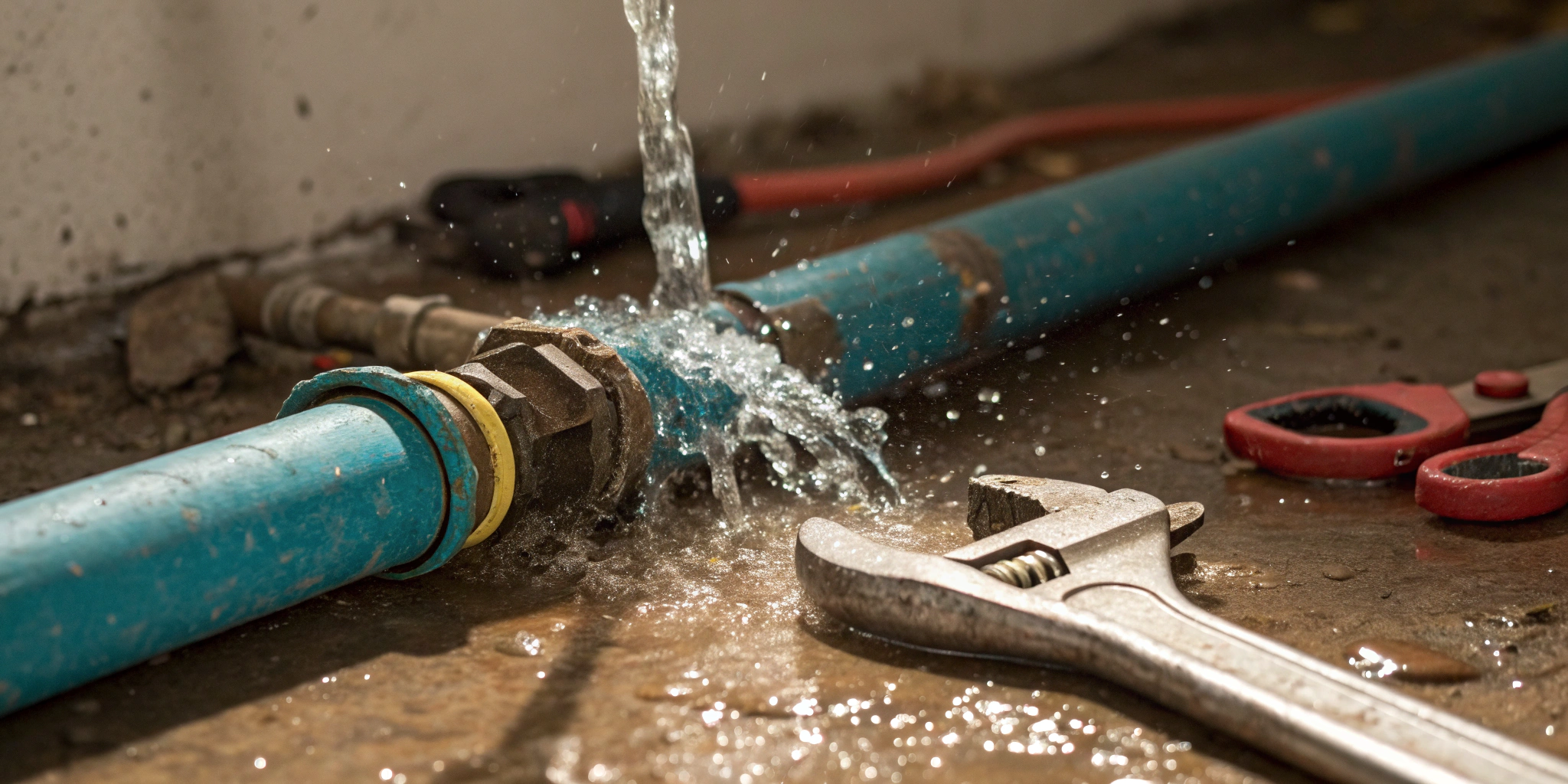
The initial quote to fix a burst pipe is often just the tip of the iceberg. While the plumbing repair itself is the first step, the water that escaped can create a cascade of secondary issues, each with its own price tag. Understanding these potential “hidden” costs is crucial for budgeting for the full scope of the project. Beyond the immediate fix, you might be looking at expenses for professional water damage restoration, mold remediation, and even structural repairs to your home. This article will walk you through the complete financial picture, explaining the factors that determine the burst water pipe repair cost and the other essential services you may need to get your home back to normal.
Key Takeaways
- Location and Materials Dictate the Price: The final cost for a burst pipe repair is mainly influenced by how hard the pipe is to reach, what it’s made of (like plastic versus copper), and the overall extent of the break.
- Plan for Water Damage Restoration Costs: The plumber’s bill is just the first step. Your total expense will likely include fixing whatever the water touched, which can mean professional drying, mold remediation, and drywall repair.
- Proactive Care is Your Best Defense: You can prevent most burst pipes with simple maintenance. Insulating pipes in cold areas, managing your home’s water pressure, and scheduling routine inspections are small steps that save you from a major headache.
What’s the Average Cost to Repair a Burst Pipe?
When you’re dealing with a burst pipe, the first question that probably pops into your head is, “How much is this going to cost me?” It’s a totally fair question, and the answer really depends on the situation. On average, homeowners can expect to pay around $500 for a professional water leak repair. However, that’s just a ballpark figure. The final bill could be as low as $150 for a simple fix or climb over $5,000 for a major problem, like a burst underground line.
Most homeowners find their total cost lands somewhere between $200 and $3,000. The final price tag depends on a few key things: where the pipe is located, how bad the damage is, and what kind of pipe needs fixing. It’s helpful to know that the plumber’s labor usually accounts for a large portion of the total repair cost—often around 80%. According to industry reports, some repairs are priced out per foot, which can range from $150 to $250 when you combine materials and labor.
Beyond fixing the pipe itself, you’ll also need to budget for any secondary damage. Fixing water-soaked drywall or flooring can add $4 to $7 per square foot to your expenses. And if moisture has been sitting for a while, you might need mold removal, which can run from $10 to $25 per square foot. The total cost ultimately comes down to the specific circumstances of the burst pipe and the extent of the damage it caused.
What Factors Influence the Final Bill?
When you get a quote for a burst pipe repair, you might wonder why the price isn’t a simple, flat rate. Several key factors determine the final cost. Understanding these variables helps you see exactly what you’re paying for, from the pipe’s location to the extent of the damage.
Pipe Location and Accessibility
One of the biggest cost drivers is where the damaged pipe is. If a leak is under a sink, a plumber can get to it quickly. However, pipes hidden behind walls, under floors, or underground are much harder to reach. Accessing them often requires cutting into drywall or digging, which adds significant time and labor to the project. A straightforward water leak repair in an open area will always be more affordable than one that requires demolition just to get to the source of the problem.
The Type of Pipe Material
The material of your pipes also plays a role in the repair cost. Modern homes often use PVC or PEX pipes, which are inexpensive and easy to work with. Older homes, however, might have copper, cast iron, or galvanized steel pipes. These materials are more expensive and can require specialized tools and techniques to repair. For example, soldering copper is more labor-intensive than fitting PVC. A professional plumber will factor in the cost of the specific materials needed to ensure your system is repaired correctly and is fully up to code.
The Extent of the Damage
The severity of the break has a major impact on the final price. A tiny pinhole leak might be fixed with a simple patch or by replacing a small section of pipe. In contrast, a major burst that has split a long section of pipe or damaged multiple fittings requires a much more extensive repair. The more pipe and fittings that need replacing, the higher the cost for both materials and time. Our team assesses the full scope of the damage to provide a clear plan for your residential plumbing needs.
Labor and Local Rates
Labor is typically the largest portion of any plumbing bill. Plumbers charge for their time, expertise, and specialized equipment. Hourly rates vary depending on your location and the plumber’s experience, and an emergency call outside of business hours will also cost more. When you hire a professional, you’re paying for their skill in diagnosing the problem quickly and making an efficient, lasting repair. This expertise is what prevents a small leak from turning into a catastrophic and far more expensive problem down the road, ensuring the job is done right.
How Repair Costs Vary by Pipe Material
The material your pipes are made of plays a huge role in the final cost of a burst pipe repair. It’s not just about the price of the pipe itself; different materials require different tools, techniques, and time to fix properly. A simple patch on a modern plastic pipe is a completely different job than soldering a section of an old copper line. Think of it like fixing a car—the cost to replace a bumper on a standard sedan is going to be much lower than on a vintage sports car because the parts and the expertise needed are worlds apart.
In Spokane homes, we see a variety of pipe materials, from modern PEX and PVC to classic copper and even older cast iron or galvanized steel in historic properties. Each has its own set of pros, cons, and associated repair costs. Plastic pipes are typically the most budget-friendly to fix, while metals like copper command a higher price for both materials and labor. If you have older pipes, like cast iron, the repair can be more complex due to corrosion and weight, which often means more time and a higher bill. Understanding what’s running through your walls can help you set realistic expectations for your water leak repair budget.
PVC and Plastic Pipe Repairs
If your home has PVC or other plastic pipes, you can breathe a little sigh of relief when it comes to repair costs. These materials are the most affordable to fix, with the pipe itself costing just a few dollars per foot. Because plastic is lightweight and easy to work with, our technicians can often complete the repair much faster than with metal pipes. This efficiency translates directly into lower labor costs for you. It’s a straightforward process of cutting out the damaged section and fitting a new piece in its place, making it a common and cost-effective fix for many modern residential plumbing systems.
Copper Pipe Repairs
Copper pipes are known for their durability and longevity, but when they burst, the repair is a bit more involved and costly than with plastic. The material itself is more expensive, with prices ranging from $2 to $15 per foot. Repairing copper also requires more skill and time, as it often involves soldering to create a secure, leak-proof seal. While the upfront repair cost is higher, many homeowners appreciate copper for its resistance to corrosion and its long lifespan. It’s a trade-off between a higher initial repair bill and the peace of mind that comes with a robust, long-lasting material carrying your home’s water supply.
Cast Iron and Galvanized Pipe Repairs
If you live in one of Spokane’s beautiful older homes, you might have cast iron or galvanized steel pipes. While these materials were built to last, repairing them can be tricky. Over time, they can become brittle and corroded, making a simple fix much more complex. These pipes are heavy and often located in tight spaces, which means repairs are more labor-intensive. Because of these challenges, the cost to fix cast iron or galvanized pipes is typically higher than for modern materials like PVC. Our team has the expertise to handle these vintage systems, ensuring a safe and effective plumbing leak repair that respects the integrity of your older home.
How the Pipe’s Location Impacts Your Bill
When you get a quote for a burst pipe repair, one of the biggest factors determining the price is simply where the pipe is located. Think of it this way: the harder it is for a plumber to physically reach the damaged pipe, the more time and labor the job will require. A pipe that’s out in the open, like the one under your kitchen sink, is a relatively straightforward fix. But one that’s hidden behind a wall or buried under your lawn is a completely different story, requiring a lot more work before the actual repair can even begin.
The total cost isn’t just for the plumbing work itself. It also includes the labor needed to access the pipe—whether that means cutting into drywall, navigating a cramped crawl space, or excavating part of your yard. After the pipe is fixed, you also have to consider the cost of putting everything back together. This is why a simple-sounding pipe repair can quickly become a more involved project. Understanding how accessibility affects the final bill will help you know what to expect when you call for a professional estimate. Let’s break down the most common scenarios, from the easiest fixes to the most complex projects.
Easy-to-Access Pipes
This is the best-case scenario for a burst pipe. When a pipe is exposed and easy to reach, the repair is typically quick and much less expensive. Think about the pipes under your kitchen or bathroom sink, the ones connected to your washing machine, or those running along the ceiling of an unfinished basement. In these situations, a plumber can immediately see the problem, diagnose the issue, and get to work on the fix without any demolition. Because there’s no need to cut into walls or dig, you’re primarily paying for the plumber’s time and the materials, keeping the overall cost at the lower end of the spectrum.
Pipes Behind Walls or in Crawl Spaces
Things get a bit more complicated when the burst pipe is hidden from view. If you’ve noticed a water stain spreading on your ceiling or a wall feeling damp, you’re likely dealing with a pipe in a wall, ceiling, or tight crawl space. Accessing these pipes requires more than just a wrench; it involves carefully cutting into drywall or navigating a confined area to reach the source of the leak. This extra step adds to the labor time and overall cost. After the plumbing is fixed, you’ll also need to factor in the expense of repairing the wall and repainting, making a professional water leak repair crucial to minimize collateral damage.
Underground Pipes and Main Water Lines
Repairing a burst pipe that’s underground is the most complex and costly scenario. This applies to your main water line running from the street to your house or other pipes buried in your yard or under a concrete slab. These repairs are major projects that require excavation, often with specialized equipment, just to expose the damaged section. The labor involved is significant, and the final bill will also include the cost of backfilling the trench and potentially repairing any landscaping, driveways, or walkways that were disturbed. This type of job requires a team with deep experience in large-scale residential plumbing to ensure it’s done correctly and safely.
Hidden Costs: What Else Might You Pay For?
When you get a quote for a burst pipe repair, it’s easy to focus on that single number. But the cost of fixing the pipe itself is often just the beginning. The water that escaped can cause a cascade of other issues, each with its own price tag. Understanding these potential “hidden” costs ahead of time can help you budget for the full scope of the project and avoid any unwelcome financial surprises. From restoring water-damaged areas to dealing with emergency call-out fees, let’s walk through the other expenses you might encounter.
Water Damage Restoration
Once the pipe is fixed, the next step is dealing with the mess the water left behind. Professional water damage restoration is a critical part of the process, and the costs can add up quickly. On average, you can expect to pay around $3,500 for a thorough cleanup. This service typically involves bringing in industrial-grade fans and dehumidifiers to dry everything out, treating surfaces to prevent mold growth, and repairing or replacing damaged drywall and insulation. Tackling this immediately is key to preventing more serious, long-term problems. The initial water leak repair is just the first step in getting your home back to normal.
Mold Removal
Where there’s water damage, there’s a risk of mold. If moisture is left to sit for too long, mold can begin to grow in as little as 24 to 48 hours. If a professional discovers mold during the restoration process, you’ll need to budget for its removal, which can add another $10 to $25 per square foot to your bill. Because mold can pose serious health risks, this isn’t a DIY job. Professional remediation ensures the mold is safely and completely removed, protecting your home and your family’s health. It’s an expense that you absolutely don’t want to skip.
Structural Repairs and Permits
A severe pipe burst can do more than just soak your drywall; it can compromise structural elements of your home. Beyond basic cleanup, you might find yourself needing to replace warped flooring, repair damaged subfloors, or fix compromised wooden beams. These structural repairs can significantly increase the overall cost. Depending on the extent of the work, you may also need to obtain permits from your local municipality, which adds another layer of expense and paperwork. A trusted residential plumbing expert can help you understand the full scope of the damage and what will be required to make your home safe again.
Emergency Service Fees
Burst pipes rarely happen at a convenient time. More often than not, they occur in the middle of the night, over a weekend, or on a holiday. When you need a plumber to come out immediately during off-hours, you can expect to pay an emergency service fee. This fee, which typically ranges from $100 to $300, is charged on top of the regular labor and repair costs. While it’s an extra expense, paying for an emergency call-out is essential to stop the flow of water as quickly as possible and minimize the extent of the damage.
Does Insurance Cover Burst Pipe Repairs?
When you’re dealing with a burst pipe, the first question is often, “Is this covered by my insurance?” It’s a valid concern, and the answer usually lies in your homeowners policy. While every policy is different, there are some general rules of thumb. Insurance companies typically distinguish between sudden, accidental damage and problems from neglect or old age. Understanding this difference is key to knowing what to expect when you file a claim. Let’s break down what that means for you.
What Your Policy Likely Covers
Most homeowners insurance policies protect you from sudden and accidental disasters. If a pipe freezes and bursts or a hose fails without warning, your insurance will likely step in. However, it’s crucial to know what they’ll pay for. Typically, your policy covers the consequences of the burst pipe—the water damage to your home. This includes repairing soaked drywall, ruined flooring, and damaged furniture. What it usually doesn’t cover is the cost of the actual plumbing leak repair itself. They’ll pay to fix the mess, but you’ll be responsible for fixing the pipe.
Common Exclusions in Your Policy
Insurance is for unexpected events, not issues that could have been prevented. That’s why most policies won’t cover damage from gradual wear and tear or poor maintenance. If a slow, dripping leak from an old pipe finally gives way, your claim might be denied because the problem wasn’t sudden. Similarly, if damage is due to neglect—like failing to heat your home during a cold snap—the insurance company may not cover the costs. This is why staying on top of your home’s residential plumbing is so important; it prevents disasters and helps ensure you’re covered.
How to File a Claim (and What to Expect)
If you have a burst pipe, acting quickly and methodically makes the claims process much smoother. First, stop the water by shutting off your home’s main valve if it’s safe. Next, document everything. Before moving anything, take clear photos and videos of the flooded areas and the source of the leak. This evidence is essential for your claim. Once you’ve documented the scene, call your insurance company immediately to report the incident. They will guide you on the next steps, which almost always includes getting a professional plumber to assess and repair the pipe. A detailed invoice will be a key part of your claim.
How to Prevent Burst Pipes and Save Money
Dealing with a burst pipe is a stressful and expensive ordeal. The good news is that you can often avoid this plumbing nightmare with a little proactive care. Taking a few preventative steps can save you thousands of dollars in repairs and water damage restoration down the line. Think of it as a small investment in your home’s health and your own peace of mind. By focusing on insulation, water pressure, and regular check-ups, you can significantly reduce the risk of a sudden pipe failure.
Insulate and Winterize Your Pipes
One of the biggest culprits behind burst pipes is freezing water. When water freezes, it expands, putting immense pressure on your pipes from the inside. Here in Spokane, we know how cold the winters can get. To protect your plumbing, it’s smart to insulate any exposed pipes, especially those in unheated areas like basements, crawl spaces, and attics. You can find simple foam pipe sleeves or wrapping at any hardware store. This simple step acts like a winter coat for your plumbing, keeping the water inside from freezing. Improving your home’s overall insulation also adds another layer of defense against the cold.
Manage Your Water Pressure
High water pressure might feel great in the shower, but it puts constant stress on your entire plumbing system. Over time, this strain can weaken pipe joints and fittings, leading to leaks or a sudden burst. You can think of it as high blood pressure for your home—it causes damage silently. A plumber can test your home’s water pressure and, if it’s too high, install a pressure-reducing valve. This device helps regulate the flow, protecting your pipes from unnecessary wear and tear. It’s a straightforward fix that can prevent a major water leak repair in the future.
Schedule Regular Inspections
Just like you go for regular health check-ups, your plumbing system benefits from professional inspections. Having a plumber inspect your pipes every couple of years can help you catch small problems before they turn into disasters. An expert can spot signs of corrosion, hidden leaks, or stress points you might miss. This is especially important if you live in an older home with outdated pipe materials. A routine inspection is a small expense that provides valuable insight into the health of your home’s residential plumbing and helps you plan for future maintenance.
When to Call a Professional Plumber
Some home repairs are perfect for a weekend DIY project, but a burst pipe doesn’t fall into that category. Knowing the right moment to pick up the phone can be the difference between a manageable fix and a full-blown disaster. If you find yourself in one of these situations, it’s time to call in the experts.
For Any Burst Pipe Emergency
A gushing pipe is an all-hands-on-deck situation. The very first thing you should do is find your home’s main water shut-off valve and turn it off completely. This stops the flow of water and prevents further damage. Once the water is off, your next call should be to a professional plumber. This isn’t a “wait and see” problem. Fast action is crucial for effective water leak repair and helps keep the damage from spreading throughout your home.
When the Pipe is Hard to Reach
If you suspect the burst pipe is hidden behind a wall, under the floorboards, or in the ceiling, don’t grab a sledgehammer just yet. Accessing these pipes requires precision and the right tools to avoid damaging your home’s structure, electrical wiring, or other plumbing lines. A professional has the equipment and experience to locate the leak with minimal disruption. They can open up the wall or floor safely, make the repair, and ensure everything is properly sealed afterward, saving you a much bigger headache.
If You See Significant Water Damage
Stains on the ceiling, warped floorboards, or a musty smell are all red flags that you have a serious leak. When you see signs of significant water damage, it means the problem has likely been going on for a while. A professional plumber can use specialized tools to pinpoint the exact source of the burst pipe, which might not be where the damage is most visible. They can fix the underlying issue and give you a clear assessment of the damage, which is critical information for any necessary restoration work.
When You’re Simply Not Sure
It’s perfectly fine if you don’t know exactly what’s wrong. If you hear dripping sounds, notice a sudden drop in water pressure, or see an unexplained puddle, it’s better to be safe than sorry. Attempting a repair without the right knowledge can easily turn a small problem into a major one. Getting a professional assessment from a residential plumbing expert will give you a clear diagnosis and a solid plan for fixing it correctly the first time.
Get a Clear Estimate for Your Spokane Pipe Repair
When you’re dealing with a burst pipe, the last thing you need is a surprise on the final bill. Understanding the potential costs upfront can help you feel more in control of a stressful situation. While the average cost to fix a burst pipe is around $500, this figure can vary widely depending on the specifics of your problem. A simple fix might be as low as $150, while a complex job could exceed $5,000.
So, what influences that final number? The single biggest factor is the pipe’s location. A leak in an exposed pipe under a sink is a much quicker fix than one hidden behind a wall, under a concrete slab, or buried in your yard. The extra labor required to access these hidden pipes is what drives up the cost. You should also account for potential secondary expenses. If you need help after hours, an emergency service fee is standard. More significantly, after the plumbing is fixed, you may need to budget for water damage restoration, which can include drying out the area, preventing mold, and repairing drywall.
It’s always a good idea to check your homeowner’s insurance policy, as many plans cover sudden and accidental water damage. The best way to get a handle on your specific costs is to have a professional assess the damage. At Action Craft Experts, we provide clear, upfront estimates for all our water leak repair services in Spokane, ensuring you know exactly what to expect before we begin any work.
Related Articles
- How Much to Fix a Broken Water Pipe Underground?
- 24/7 Burst Pipe Plumbing Service: An Expert Guide
- 6 Signs of a Broken Main Water Line to Your House
- How to Tell If a Pipe Burst in the Wall: 7 Signs
Frequently Asked Questions
What’s the very first thing I should do if a pipe bursts in my home? Before you do anything else, find your home’s main water shut-off valve and turn it off completely. This immediately stops the flow of water and is the most critical step you can take to prevent further damage. Once the water is off, your next move should be to call a professional plumber.
Are there any warning signs that a pipe might be about to burst? Yes, your plumbing system often gives you a heads-up. Pay attention to things like a sudden drop in water pressure, strange banging or dripping sounds coming from inside your walls, or damp spots and discoloration appearing on drywall. A water bill that’s unexpectedly high can also be a sign of a hidden leak that is stressing your pipes.
Is it cheaper to just patch the pipe or replace the whole section? While a small patch might seem like the most budget-friendly option, it’s often just a temporary fix. For a more durable and reliable solution, especially if the pipe is older or showing signs of corrosion, replacing the entire damaged section is the better long-term investment. A professional can evaluate the pipe’s overall condition and advise you on the best course of action.
How long will I be without water during the repair? The amount of time you’ll be without water really depends on the job’s complexity. For a simple repair on a pipe that’s easy to get to, it could just be a few hours. However, if the pipe is buried underground or hidden behind a wall, the repair will naturally take longer. Your plumber can give you a more accurate timeline once they see the problem firsthand.
Besides the plumbing repair, what’s the biggest ‘hidden’ cost I should prepare for? The most significant secondary expense is almost always water damage restoration. After the pipe itself is fixed, you still have to deal with the aftermath of the water. This process involves professionally drying out the entire area, replacing soaked drywall or flooring, and making sure mold doesn’t have a chance to grow, which can be a sizable project in itself.