















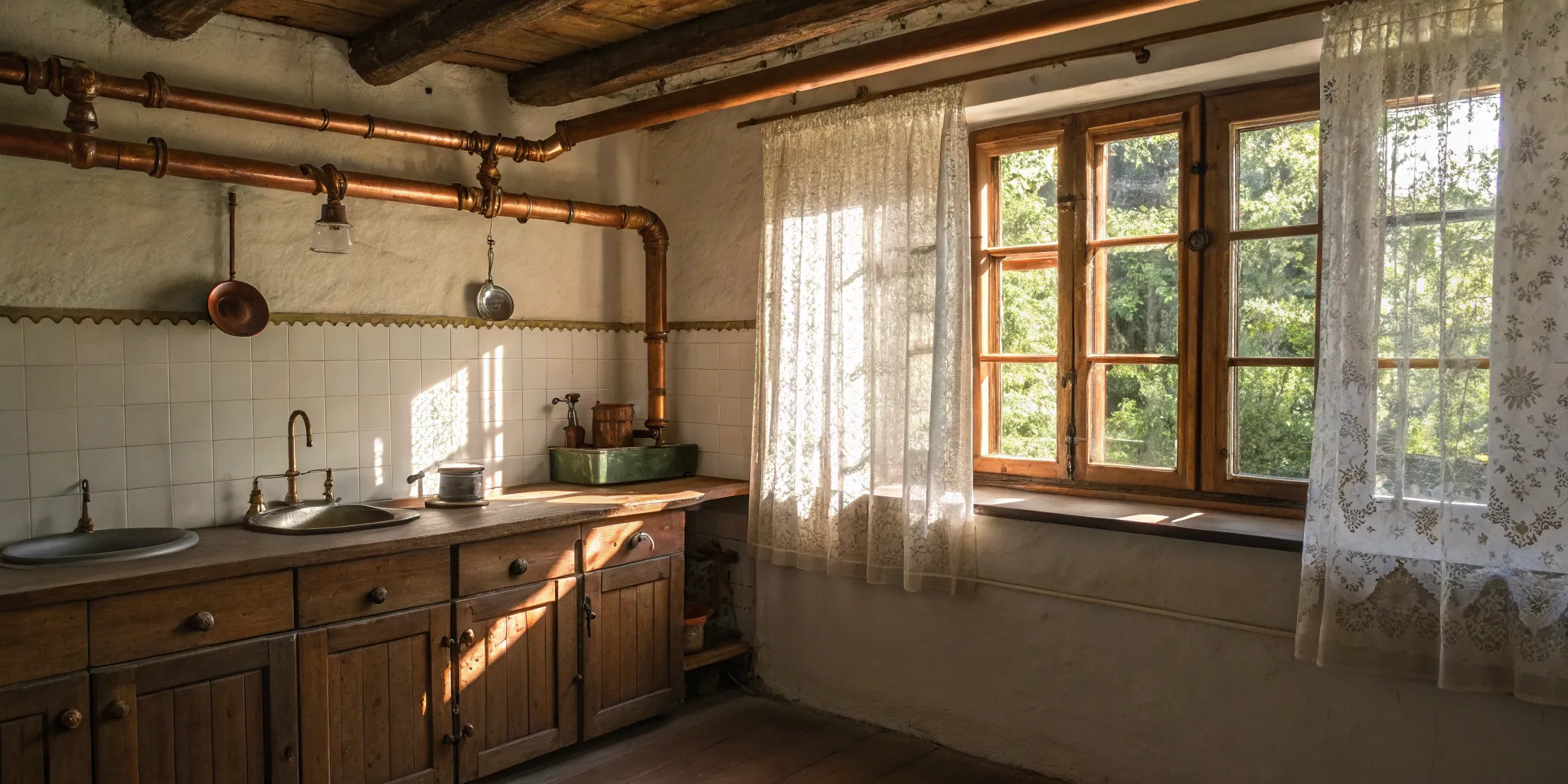
Owning an old house comes with a unique charm that new construction just can’t match. It also comes with a unique set of challenges, especially when it comes to what’s hidden behind the walls. If you’re dealing with low water pressure, rusty water, or the constant worry of a leak, you’ve probably wondered about a full plumbing replacement. The first question that comes to mind is always the biggest: what is the cost to replace plumbing in an old house? This guide is here to give you clear, straightforward answers. We’ll break down every factor, from your home’s size to the materials you choose, so you can build a realistic budget and make a confident decision.
Key Takeaways
- Understand the Key Cost Factors: Your final price tag is determined by your home’s size, how easily plumbers can access the pipes, and the materials you choose. Getting a detailed quote from a local professional is the only way to get an accurate estimate for your specific project.
- Recognize When to Replace, Not Just Repair: If you’re dealing with constant leaks, low water pressure, or discolored water, your plumbing system is likely failing. For older homes with original galvanized or lead pipes, a full replacement is the smartest long-term investment for your home’s health and value.
- Plan for a Smooth Project: The success of a repipe depends on hiring a licensed, insured contractor and setting a realistic budget. Always include a 15-20% contingency fund to cover unexpected issues, like hidden water damage, that can be uncovered when walls are opened.
How Much Does It Cost to Replace Plumbing in an Old House?
Let’s get straight to the point: replacing the plumbing in an old house is a significant investment. The total cost can range anywhere from $3,000 to over $15,000. That’s a wide gap, and it’s because no two plumbing replacement projects are exactly alike. The final price tag depends on several key factors, including the size of your home, the accessibility of your pipes, the materials you choose, and local labor rates.
Think of it less as a single price and more as a customized project quote. A smaller, single-story home will have a very different cost profile than a large, multi-story house with several bathrooms. Understanding what drives these costs is the first step toward creating a realistic budget for your home’s residential plumbing needs. In the following sections, we’ll break down these variables so you can get a clearer picture of what to expect.
Costs by House Size
The size of your house and the number of bathrooms it has are two of the biggest factors in determining the cost of a full repipe. More square footage and more plumbing fixtures simply mean more pipes, more fittings, and more labor. For a smaller home with one bathroom, you might be looking at a cost between $4,000 and $6,000.
For larger homes with multiple bathrooms and kitchens, the cost typically starts around $7,000 and can go up to $12,000 or more. Each sink, toilet, and shower requires its own supply and drain lines, which adds to the complexity and material costs of the plumbing fixture installation. A sprawling home over 3,000 square feet could easily see costs exceed $15,000, especially if the layout is complex.
How Location Impacts Price
Where you live plays a surprisingly large role in your total plumbing replacement cost. The primary reason for this is the variation in local labor rates. Plumbers in major metropolitan areas often have higher overhead and charge more per hour than those in smaller towns or rural areas.
While Spokane’s rates may not be as high as those in major coastal cities, local market conditions, permit fees, and the cost of materials all contribute to the final price. This is why getting a quote from a local, trusted professional is so important. An estimate from a Spokane plumbing company will give you a much more accurate figure than a national average ever could, as it will be based on real-world costs in our area.
What Factors Affect Plumbing Replacement Costs?
Figuring out the cost to replumb an old house isn’t as simple as looking up a price tag. Several key factors come into play, and each one can significantly influence your final quote. Understanding these variables will help you set a realistic budget and know what to expect when you start talking to plumbers. From the size of your home to the materials hidden behind your walls, let’s break down what really drives the cost of a full plumbing replacement.
Your Home’s Size and Layout
It makes sense that the bigger your house, the more it will cost to replumb. A sprawling multi-story home with three bathrooms will require more pipes, fittings, and labor than a two-bedroom bungalow. The total cost depends on the size of your home, the type of pipes used, and how much the plumber charges per hour. The layout also matters. A simple, straightforward design is easier to work with than a complex one with plumbing running through multiple floors and tight spaces. Getting a detailed quote from a professional is the best way to understand how your home’s specific size and layout will impact the price.
Pipe Accessibility
How easy is it to get to your pipes? If your plumbing is hidden behind finished drywall, tile, or concrete, the job gets more complicated. It costs more if plumbers have to cut into walls or floors to reach pipes, especially in homes built on a concrete slab. A house with an accessible crawl space or an unfinished basement often means lower labor costs because the pipes are easier to reach. The more demolition and subsequent repair work required, the higher the overall project cost will be. Our team is experienced in handling all types of residential plumbing challenges with minimal disruption.
Current Pipe Materials
What’s already in your walls plays a big role in the replacement process. Older homes often have pipes made of materials like galvanized steel, cast iron, or even lead. These materials are prone to corrosion, rust, and clogs over time, which can lead to serious issues. Removing these outdated pipes can be more labor-intensive than working with modern materials. Identifying the type of pipes you have is a critical first step in the quoting process, as it helps determine the scope of work needed to prevent future water leak repairs.
Local Labor and Permit Fees
Labor costs are a significant portion of any plumbing project and can vary based on your location. In most cases, repiping your home requires permits from your local municipality to ensure the work meets safety and building codes. A professional plumbing company will handle the permitting process for you, but the fees are typically included in the total cost of the project. Working with a licensed and insured contractor ensures that all work is done correctly and legally, protecting you from potential issues down the line.
Common Plumbing Materials and Their Costs
The type of pipe you choose is one of the biggest factors in your total plumbing replacement cost. Each material comes with its own price tag, lifespan, and set of benefits. Understanding the basics will help you have a more productive conversation with your plumber about what’s right for your home and your budget. Let’s break down some of the most common options you’ll encounter for a whole-house repipe.
PEX Piping
PEX (cross-linked polyethylene) is a flexible plastic piping that has become a go-to choice for modern plumbing. Its main advantage is its flexibility, which allows it to bend around corners without needing extra fittings. This makes installation faster and reduces the number of potential leak points. PEX is also resistant to freezing, as it can expand and contract without bursting. It doesn’t rust or corrode like metal pipes can. With costs typically ranging from $0.50 to $2 per foot, it’s an excellent, cost-effective option for many homeowners looking to replace old pipes.
Copper Pipes
Copper pipes have been the standard for decades, and for good reason. They are incredibly durable and have a long lifespan, often lasting 50 years or more. Copper is naturally resistant to corrosion and rust, ensuring your water quality remains high. However, this premium quality comes at a higher price. You can expect to pay between $4 and $12 per foot for copper piping. While the initial investment is higher, many homeowners see it as a worthwhile expense for the peace of mind and longevity it provides for their home’s plumbing system.
CPVC Pipes
CPVC (chlorinated polyvinyl chloride) is another plastic piping option that offers a great balance of performance and affordability. It’s a rigid plastic pipe that is resistant to many chemicals and high temperatures, making it suitable for both hot and cold water lines. CPVC pipes are known for being leak-resistant and won’t leach harmful chemicals into your water supply. The cost is very budget-friendly, generally falling between $0.50 and $1 per foot. For homeowners focused on keeping costs down without sacrificing safety and reliability, CPVC is a solid choice.
Comparing Material Costs
When you add it all up, the material you select plays a huge role in the final bill. A complete plumbing replacement in an older home can range from $4,000 to $15,000, and sometimes more. This wide range accounts for the difference between choosing an affordable material like PEX or CPVC versus a premium one like copper. The final cost to replace plumbing also depends on the complexity of the installation and your home’s specific needs. The best way to get a clear picture is to have a professional assess your situation and provide a detailed quote for our residential plumbing services.
Which Plumbing Material Should You Choose for Your Old House?
Choosing the right plumbing material for your old house feels like a huge decision, and it is! The pipes you select will be a part of your home for decades, so you want to get it right. If your home has its original plumbing, you’re likely dealing with outdated materials like galvanized steel, cast iron, or even lead. These materials are prone to rust, clogs, and leaks over time, which can cause significant damage to your home. Moving on from these is the first step toward a healthier, more reliable plumbing system.
Today, the main contenders are PEX, copper, and CPVC, each with its own set of benefits. The best choice for your home depends on a few key factors: how long you want the pipes to last, the specifics of the installation, and the long-term value you’re looking for. It’s not just about the upfront cost; it’s about investing in a system that gives you peace of mind and reliable performance. Making an informed choice now prevents future headaches and costly repairs. Let’s break down what you need to consider so you can feel confident in your decision. We’ll look at durability, installation needs, and the overall value each material brings to your home.
Durability and Lifespan
When you’re investing in a full repipe, you want it to last. Modern materials like PEX and CPVC are designed for longevity, with a typical lifespan of 50 years or more. This means you can install them and not have to think about them again for a very long time. In contrast, the galvanized steel or cast iron pipes common in older Spokane homes are often living on borrowed time. They corrode from the inside out, leading to rust-colored water, low pressure, and eventually, a frustrating water leak repair. Choosing a durable, modern material is the best way to protect your home from water damage and ensure your plumbing system is reliable for decades.
Installation and Compatibility
The type of material you choose directly impacts the installation process. PEX, for example, is a flexible tubing that can be snaked through walls with minimal disruption, making it a popular choice for retrofitting old houses. Copper, on the other hand, is rigid and requires soldering at every connection, which can be more labor-intensive. A professional plumber will ensure that whichever material you choose is installed correctly and is compatible with your existing fixtures and appliances. Proper installation is key to avoiding common mistakes like overtightening connections or ignoring local plumbing codes, which is why trusting an expert for your residential plumbing in Spokane is so important for a successful repiping project.
Long-Term Value and Maintenance
While the upfront cost is a major consideration, the long-term value is where you’ll see the real return on your investment. Replacing old, corroded pipes does more than just stop leaks; it can significantly improve your water pressure and quality, making your daily routines more enjoyable. New pipes are also a major selling point if you ever decide to move. Plus, modern materials require very little maintenance. This investment prevents expensive damage from future leaks, like mold growth or ruined floors. When you upgrade your pipes, it’s also a great time to consider a new plumbing fixture installation to complete the update and add even more value to your home.
What Challenges Should You Expect When Replacing Plumbing?
Replacing the plumbing in an old house is a significant upgrade, but it’s rarely as simple as just swapping out old pipes for new ones. Think of it more like a minor renovation—one that happens mostly behind your walls. Knowing what to expect can help you plan your budget and timeline, turning a potentially stressful project into a smooth and successful one. From navigating your home’s unique structure to dealing with unexpected repairs, being prepared is the key to managing the process without any major headaches. Let’s walk through some of the most common hurdles you might face.
Structural and Access Issues
One of the biggest variables in any repiping job is simply getting to the pipes. In older homes, plumbing is often hidden behind plaster walls, tucked under hardwood floors, or even encased in concrete slabs. Unlike modern construction, these houses weren’t built with easy access in mind. To replace the pipes, plumbers may need to strategically cut into walls, ceilings, or floors. This is especially true for homes built on a concrete slab foundation. A professional team will work carefully to minimize disruption, but some drywall or flooring repair will likely be part of the process. This is a normal part of any residential plumbing overhaul.
Hidden Costs and Surprises
When you open up the walls of an old house, you might find more than just pipes. It’s common to uncover pre-existing issues like wood rot, mold from slow leaks, or outdated electrical wiring that needs to be addressed for safety. These discoveries can add to your project’s cost and timeline. Beyond the plumbing work itself, you’ll also need to budget for the restoration. Plan on setting aside an extra $1,000 to $2,000 to cover repairs to drywall, painting, and flooring after the new pipes are in. A thorough plumber can often spot signs of potential water leak repair needs during the initial inspection, giving you a more complete picture of the total cost.
Meeting Code and Permit Rules
Repiping your home isn’t just a private project; it’s a job that needs to meet local safety standards. In most areas, including Spokane, a full plumbing replacement requires a permit from the city. This ensures the work is done correctly and complies with current building codes, which have likely changed significantly since your home was first built. These codes are in place to protect you, ensuring your new system is safe and reliable. Working with a licensed contractor is essential, as they will handle the entire permitting process for you, from application to final inspection. This is especially critical for specialized work like gas line installations, which have very strict safety regulations.
Avoiding Common Material Mistakes
Choosing the right pipe material is important, but ensuring it’s installed correctly is what truly guarantees a long-lasting system. Common DIY or handyman errors can lead to big problems down the road. Simple mistakes like overtightening fittings, using the wrong type of sealant, or ignoring proper support for pipes can cause leaks and system failure. Each type of pipe—whether it’s PEX, copper, or CPVC—has specific installation requirements that professionals are trained to follow. This expertise ensures every connection is secure and every pipe is placed correctly, giving you peace of mind that your new plumbing system is built to last. Proper technique is just as crucial for a water heater installation as it is for your home’s entire pipe network.
How Long Does Plumbing Replacement Take?
One of the biggest questions homeowners have when facing a full repipe is, “How long will my house be a construction zone?” It’s a fair question. A whole-home plumbing replacement is a significant project, and it’s helpful to have a clear idea of the timeline so you can plan your life around it. While every home is unique, most professional plumbing replacements follow a predictable schedule.
The total time depends on factors like your home’s size, the complexity of the plumbing layout, and how easily your pipes can be accessed. A straightforward project in a smaller home will naturally be quicker than a complex job in a large house with hidden pipes. An experienced plumber can give you a precise estimate after assessing your property, but we can outline some general timelines to help you prepare.
Project Timelines
For a standard-sized home, around 2,000 square feet, you can generally expect a full repiping project to take between two and five days. This timeline covers the entire process, from shutting off the water and removing old pipes to installing the new system and testing it. If pipes outside your home also need to be replaced, the project could extend by another day or two. It’s a good idea to plan for the work to take about a week, just in case. Since your water will be shut off for the duration of the project, many families find it more comfortable to arrange to stay somewhere else until the work is complete and the water is back on. A professional team will work efficiently to complete your residential plumbing project with as little disruption as possible.
Common Causes for Delays
Even with the best planning, some things can extend a project timeline. One of the most common causes for delays is pipe accessibility. If your pipes are hidden behind thick walls, under concrete slabs, or in tight crawl spaces, it simply takes more time and labor to reach them. Cutting into walls and floors adds to the workload and the eventual repair costs. Another factor is permitting. Most cities, including Spokane, require permits for major plumbing work to ensure everything is up to code. The application and inspection process can sometimes add time before or during the project. Finally, unexpected discoveries, like hidden water damage or structural issues near the pipes, can also pause work while a solution is found.
Should You Replace or Repair Your Plumbing?
Deciding whether to patch up a problem or overhaul your entire plumbing system is a huge decision. A quick fix might seem easier on your wallet right now, but sometimes it’s just a temporary solution for a much bigger issue. If you’re constantly calling a plumber for the same recurring problems, it might be time to think about a full replacement. The key is knowing how to spot the difference between a minor hiccup and a system that’s on its last legs. Let’s walk through the signs that point to a replacement and compare the costs so you can make the best choice for your home.
Signs You Need a Full Replacement
Your house has ways of telling you its plumbing is failing. Pay attention to frequent leaks, discolored water, or a sudden drop in water pressure—these are classic red flags. You might also notice your drains are always slow, your water bills are creeping up, or you see rust on your pipes. If your home was built before the 1960s and still has its original plumbing, it’s likely time for an update. Certain materials are also a major concern; if you have lead, polybutylene, or galvanized steel pipes, a full replacement is recommended to avoid potential health issues and major water leak repair down the road.
Repair vs. Replace: A Cost Breakdown
While a single repair is less expensive upfront, the costs of frequent fixes can add up quickly, often costing you more in the long run. A full plumbing replacement is a significant investment, with costs typically ranging from $4,000 to $15,000, depending on your home’s size and the complexity of the job. However, this one-time cost buys you peace of mind and a reliable system for decades. It also protects your home from the extensive water damage that can come from failing pipes. Investing in a complete residential plumbing overhaul can be the most cost-effective solution for an older house with systemic issues.
How to Budget for a Full Plumbing Replacement
Tackling a full plumbing replacement is a major home project, and the price tag can feel intimidating. But creating a solid budget is the best way to manage the process without stress. When you know what to expect, you can make confident decisions for your home and your wallet. A whole-home repipe is a complicated project that requires careful planning, but breaking down the budget makes it much more approachable. Think of it as creating a roadmap for your renovation—it helps you see the path from start to finish and prepares you for any detours along the way.
Planning for Unexpected Costs
When you’re dealing with an old house, surprises are part of the package. That’s why the most important part of your budget is a contingency fund. This is extra money—typically 15% to 20% of your total project cost—set aside specifically for the unexpected. During demolition, your plumber might uncover issues like hidden water damage, mold, or asbestos that need to be addressed before the new pipes can go in. Having a buffer ensures these discoveries don’t derail your project or your finances. Planning for potential water leak repairs ahead of time means a small hiccup won’t turn into a major crisis.
How to Read a Plumbing Quote
Once you start getting estimates, you’ll see they’re more than just a final number. A good quote is a detailed breakdown of the entire project. Look for an itemized list that includes the cost of materials, labor charges (usually by the hour or a flat rate), permit fees, and any additional expenses like drywall repair. A vague quote is a red flag. You want to see exactly what you’re paying for. Don’t be afraid to ask questions if something isn’t clear. Understanding the scope of your residential plumbing project helps you compare different offers accurately and choose a contractor who is transparent and thorough.
Tips for Timing and Preparation
Scheduling your plumbing replacement strategically can save you headaches. If you’re already planning another renovation, like a kitchen or bathroom remodel, that’s the perfect time to repipe, since the walls will already be open. If not, try to schedule the work when it will cause the least disruption to your household. Replacing old pipes is a big investment, but it’s one that prevents costly water damage and adds real value to your home. If the upfront cost feels too high, ask potential contractors if they offer financing options. Planning ahead for major projects like water heater installations can also help you get used to budgeting for these essential home upgrades.
How to Find the Right Plumbing Contractor
Choosing the right contractor is the single most important decision you’ll make for your plumbing replacement project. This isn’t just a simple repair; a whole-home repipe is a significant investment in your property’s health and value, and the quality of the work will impact your home for decades. It’s a complex job that requires careful planning, precision, and a deep understanding of how older homes are built. You need a team you can trust to work in your home, respect your property, and do the job right the first time. Finding a true partner for this project means looking beyond just the price tag. It’s about finding a licensed, insured, and experienced professional who understands the unique challenges of working on older homes in the Spokane area—from navigating plaster and lath walls to updating systems to meet current codes. A great contractor communicates clearly from the initial consultation to the final walkthrough, provides a detailed and transparent quote, and stands behind their work with a solid warranty. They are your guide through this process, ensuring you feel confident and informed every step of the way. The right team turns a potentially stressful renovation into a smooth, successful upgrade for your home.
What to Look For in a Plumbing Partner
When you’re vetting potential plumbers, start with the non-negotiables: ensure they are licensed, bonded, and insured in Washington. This is your first line of defense, protecting you from liability if an accident happens on your property. Next, look for a company with a proven track record of repiping older homes, as they’ll be familiar with the specific challenges involved. Check online reviews on multiple platforms and don’t hesitate to ask for local references you can call. A reputable company will have a strong professional presence and be happy to share examples of their past work. Ultimately, you want a team that specializes in residential plumbing in Spokane and can demonstrate their expertise, making you feel confident in their ability to handle your project.
Questions to Ask Your Plumber
Before you sign a contract, it’s essential to ask the right questions to make sure you’re hiring the best team for the job. A true professional will welcome your questions and provide clear, direct answers without hesitation. Think of this as an interview for a very important job.
Here are a few key things to ask:
- Can you provide a detailed, itemized quote that breaks down labor and material costs?
- What type of piping material (like PEX or copper) do you recommend for my home, and why?
- Will you be responsible for obtaining all the necessary permits from the local municipality?
- What is the estimated timeline, and what does your daily cleanup process look like?
- Do you offer a warranty on your workmanship and the materials used?
Their answers will give you valuable insight into their professionalism and experience.
Red Flags to Watch For
Just as important as knowing what to look for is knowing what to avoid. Be wary of any contractor who gives you a vague quote over the phone without seeing the property in person. High-pressure sales tactics are another major red flag; a professional will give you time to review their estimate without making you feel rushed. Also, be cautious of extremely low bids. If a price seems too good to be true, it often means cut corners, subpar materials, or surprise fees later. Attempting a complex repipe yourself to save money can also lead to costly mistakes like overtightening connections or ignoring plumbing codes, which can cause serious water leak damage. Trust your gut—if something feels off, it probably is.
Related Articles
- Cost to Replumb a Bathroom: A Complete Price Guide
- How Much Does It Cost to Repipe a House? A Guide
- Repiping a House Cost: The 2025 Price Guide
- How Much to Repipe a House with Copper? (Full Guide)
Frequently Asked Questions
How do I know if my old pipes really need to be replaced? Look for clues your plumbing system is giving you. If you’re dealing with consistently low water pressure, water that looks rusty or discolored, or you’re calling a plumber for leaks more than once a year, your pipes are likely failing. These aren’t isolated problems; they’re signs that the entire system is old and corroding from the inside out. A full replacement addresses the root cause instead of just patching up the symptoms.
What’s the biggest unexpected cost I should prepare for? The most common surprise is discovering what a slow leak has been hiding behind your walls. When we open things up, we sometimes find wood rot, mold, or other structural issues that must be fixed before new pipes can be installed safely. This is why having a contingency fund of about 15-20% of the project’s total cost is so important. It gives you a buffer to handle these discoveries without derailing your budget.
Will I have to move out of my house while the work is being done? While you technically can stay in your home, your water will be shut off for the entire duration of the project, which typically lasts a few days. There will also be noise and workers in your space. For these reasons, most families find it much more comfortable to arrange to stay with relatives or at a hotel until the new plumbing is installed and the water is back on.
Is it better to use PEX or copper pipes in an old house? There isn’t one “best” answer—it really depends on your priorities and your home’s layout. PEX is a flexible, modern plastic that is often more affordable and easier to install in older homes because it can be routed through walls with less disruption. Copper is a classic, incredibly durable material with a very long lifespan, but it comes with a higher price tag and a more labor-intensive installation. A professional can help you weigh the pros and cons for your specific situation.
Why can’t I just keep repairing leaks as they happen? Think of it like putting a patch on a worn-out tire. You can fix one spot, but it doesn’t change the fact that the rest of the tire is thin and ready to blow. When old pipes start failing, one leak is often a preview of more to come. The costs of repeated emergency service calls and the potential for catastrophic water damage from a major burst pipe almost always end up being more expensive than a planned, proactive replacement.