












The best way to handle a plumbing disaster is to prevent it from ever happening. While some home issues are unavoidable, a burst water pipe outside house is often the result of preventable problems like freezing temperatures, old pipes, or invasive tree roots. Taking a few proactive steps throughout the year can save you from the stress, mess, and expense of a major water line break. Think of it as a small investment in your home’s health and your own peace of mind. This guide is all about prevention, offering simple, actionable tips to keep your outdoor plumbing secure through every season.
Key Takeaways
- Recognize the subtle clues: A burst pipe often shows itself through less obvious signs like a sudden drop in water pressure, an unexplained spike in your water bill, or persistent soggy spots in your yard.
- Act quickly in an emergency: If you suspect a burst pipe, your first and most important step is to shut off the main water valve. After that, document the damage with photos and call a professional plumber right away.
- Focus on simple prevention: You can avoid most outdoor pipe bursts with a few key tasks. Insulate exposed pipes, disconnect hoses before winter, and schedule routine inspections to catch issues like corrosion or high water pressure early.
How to Spot a Burst Pipe Outside Your Home
A burst pipe isn’t always a dramatic geyser erupting on your front lawn. Often, the signs are much more subtle, especially when the break happens underground. Knowing what to look for can help you catch the problem early, saving you from extensive water damage and costly repairs. If you notice any of these red flags, it’s a good idea to investigate further. As your go-to for residential plumbing in Spokane, we want you to have the knowledge to protect your home.
Puddles and Soggy Spots in Your Yard
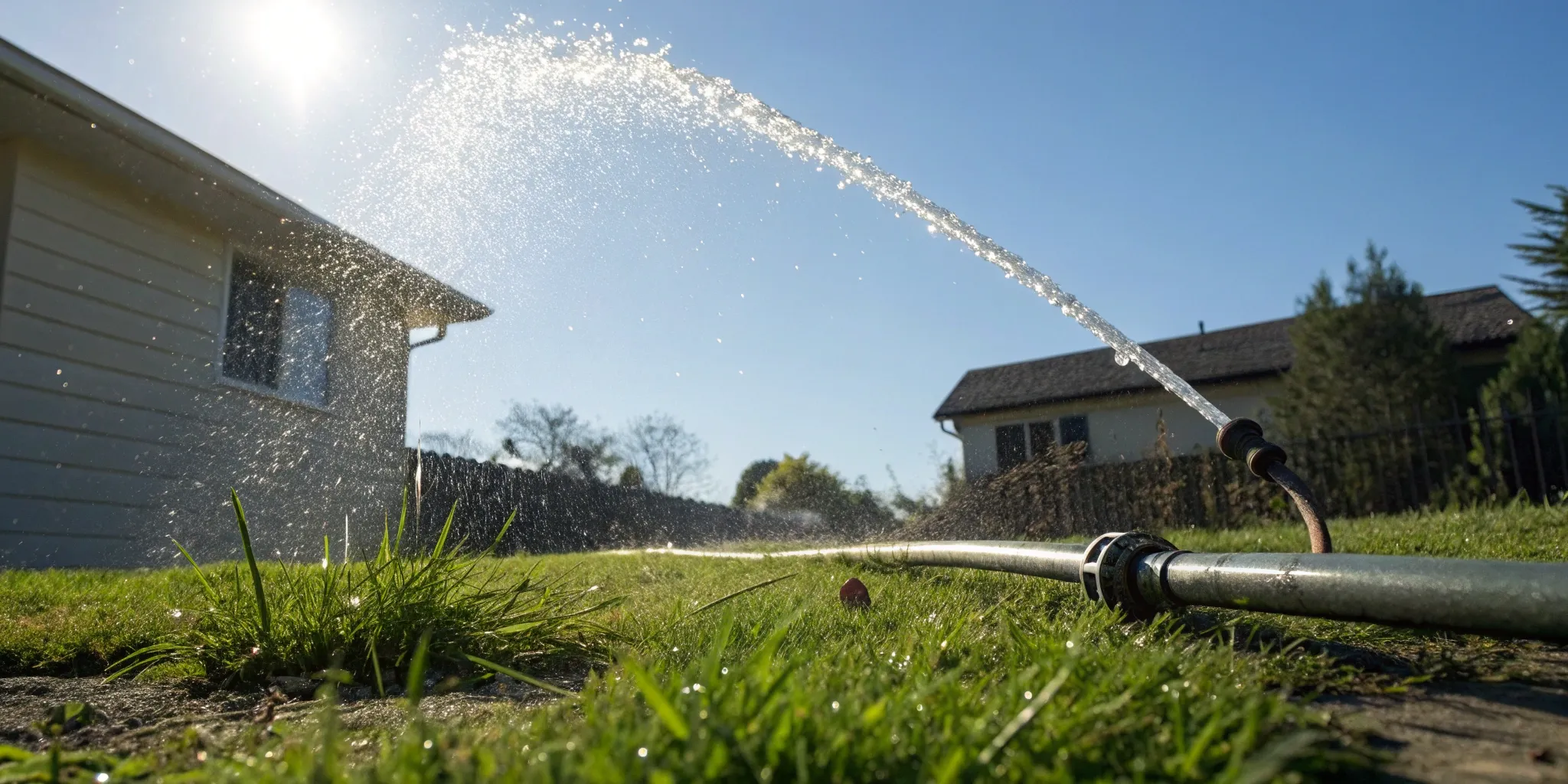
One of the most straightforward signs of a broken water line is a patch of your yard that’s suddenly swampy. If you find persistent puddles or unusually green, lush spots on your lawn—especially when it hasn’t rained recently—it’s a strong indicator that water is leaking from a pipe underground. The ground can only absorb so much water, and eventually, it will become saturated and pool on the surface. Don’t dismiss these wet areas as poor drainage without first considering the possibility of a hidden pipe break. It’s your property’s way of telling you something is wrong just below the surface.
A Sudden Drop in Water Pressure
Have you noticed your shower feeling more like a drizzle than a downpour? Or does your kitchen faucet lack its usual force? A sudden and noticeable drop in water pressure throughout your home is a classic symptom of a burst pipe. When a pipe breaks, a significant amount of water escapes before it ever reaches your fixtures. This diversion of water means there’s less pressure to push it through your faucets and showerheads. If everything seems weaker than usual, it’s a clear signal that your water isn’t going where it’s supposed to.
Hissing or Gurgling Sounds from Your Pipes
Your plumbing system should be relatively quiet when you’re not using it. If you start hearing strange hissing, bubbling, or gurgling sounds coming from your walls or from the ground outside, pay close attention. These noises can indicate that air is being pulled into the pipe at the point of the break, or that water is actively escaping underground. Turn off all your appliances that use water and listen carefully near where your main water line enters your home. Unusual sounds are often one of the first clues that you have a leak that needs to be addressed.
An Unexpected Spike in Your Water Bill
Your water bill is usually pretty predictable. If you get a bill that’s suddenly much higher than normal without a clear explanation—like filling a pool or watering a new lawn—it’s a major red flag. This kind of spike often means water is continuously running somewhere, and a hidden leak from a burst pipe is a common culprit. Before you panic, check for running toilets or dripping faucets. If you can’t find an obvious source inside, the problem is likely an underground leak. A professional water leak repair can pinpoint the source and stop the waste.
Murky or Discolored Water
When a water main breaks underground, it doesn’t just let water out; it can also let dirt, sediment, and other contaminants in. If the water coming from your taps suddenly looks brown, rusty, or filled with debris, it’s a serious sign that the integrity of your water line has been compromised. This isn’t just an aesthetic issue—it’s a potential health hazard for your family. Discolored water should never be ignored. Stop using the water for drinking or cooking immediately and call a professional plumber to assess the situation and ensure your water supply is safe again.
A Pipe Burst Outside? Here’s What to Do Right Now
Discovering a burst pipe in your yard can be just as alarming as finding one inside. Seeing water gushing across your lawn or creating a massive puddle is stressful, but staying calm and acting quickly can make all the difference. By following a few key steps, you can minimize the damage to your property and get the situation under control before a professional arrives. Think of this as your emergency action plan—a clear guide to help you handle the chaos confidently.
Shut Off the Main Water Valve
This is your first and most important move. Stopping the water at its source will prevent further flooding and damage to your yard, foundation, and landscaping. Before you ever have an emergency, it’s a great idea to locate your home’s main water shut-off valve. It’s often found in a basement, crawl space, or outside near the street under a utility box lid. Once you find it, turn the valve clockwise until it’s fully closed. This single action immediately contains the problem and gives you the breathing room you need to figure out your next steps without the pressure of rushing water.
Drain Your Faucets
After you’ve shut off the main valve, there’s still water left in your plumbing system. To relieve the pressure on the broken pipe, you need to drain it out. Start by opening the outdoor spigots. Then, head inside and turn on the cold water taps on the lowest level of your home, like in a basement sink or first-floor bathroom. This allows the remaining water to flow out and away from the break, which can help reduce the amount of water that ultimately escapes from the damaged pipe and saturates the ground around your home’s foundation.
Document the Damage for Insurance
Before anything gets moved or repaired, grab your phone and start taking pictures and videos. This step is crucial for your homeowners insurance claim. Document the burst pipe itself if you can see it, the soggy areas of your yard, any damage to landscaping or hardscaping like patios and walkways, and any water that has seeped near or into your home’s foundation. Get shots from multiple angles to create a clear and comprehensive record. Having this visual evidence will make the claims process much smoother and helps ensure you get the coverage you’re entitled to.
Call for an Emergency Plumbing Repair
A burst exterior pipe is not a DIY project. This kind of repair requires specific tools, materials, and expertise to fix correctly and prevent future problems. Once you’ve shut off the water and documented the scene, your next call should be to a licensed plumber. A professional can accurately locate the break, assess the full extent of the damage to your water line, and perform a lasting water leak repair. Getting an expert on the scene quickly ensures the job is done right and your water service is restored safely and efficiently.
Identify and Avoid Safety Hazards
Water and electricity are a dangerous combination. If the burst pipe is near any outdoor electrical outlets, lighting, or your main electrical service line, it’s wise to shut off the power at the breaker box—but only if you can do so safely. Do not step in standing water to access your electrical panel. A burst pipe can also create sinkholes or unstable, slippery ground. Be mindful of where you walk and keep kids and pets away from the affected area until the situation is fully resolved. Your safety should always be the top priority.
Why Do Outdoor Pipes Burst?
It’s easy to assume a burst pipe is a random, unlucky event, but there are usually specific culprits behind the chaos. Understanding what causes outdoor pipes to fail is the first step in preventing a waterlogged yard and a sky-high water bill. The pipes that run underground and along the exterior of your home are exposed to a unique set of challenges, from Spokane’s freezing winters to the slow, steady pressure of nature itself.
Most pipe bursts can be traced back to a handful of common issues: extreme weather, the simple process of aging, excessive water pressure, and even your beautiful backyard landscaping. Sometimes, the problem started years ago with a subpar installation. By getting familiar with these potential threats, you can be more proactive about protecting your home’s plumbing. A little knowledge goes a long way in spotting warning signs early and avoiding a full-blown emergency. If you’re dealing with an older home or live in an area with lots of mature trees, being aware of these factors is even more critical for your home maintenance routine.
Freezing Weather and Ice Plugs
Here in Spokane, we’re no strangers to freezing temperatures, and that’s a major threat to your outdoor pipes. When water freezes, it expands with incredible force. If water inside a pipe freezes solid, it can create an ice plug that blocks the flow. The pressure builds up behind that plug, and since the water has nowhere to go, it can easily split the pipe wall. This is why uninsulated pipes connected to hose bibs or sprinkler systems are so vulnerable. Even a short cold snap can be enough to cause a crack or a complete burst, leading to a serious water leak repair once things start to thaw.
Corrosion and Old Age
Just like anything else, pipes have a lifespan. Over the years, especially with older metal pipes like galvanized steel or cast iron, corrosion and rust can take a toll. This process gradually weakens the pipe walls from the inside out, making them thin and brittle. Eventually, the pipe can’t withstand normal water pressure anymore and a rupture occurs. If your home was built several decades ago and still has its original plumbing, age and corrosion could be a significant risk factor. Regular inspections can help you get ahead of a potential failure before it happens, saving you from a messy and expensive surprise.
High Water Pressure or Shifting Ground
Your pipes are designed to handle a specific amount of water pressure. If the pressure from the municipal supply is too high, it puts constant strain on your entire plumbing system. This relentless stress can weaken joints and pipe walls over time, eventually causing a burst. Another powerful force at play is the ground itself. Shifting soil due to freeze-thaw cycles, nearby construction, or natural settling can put immense physical stress on buried pipes. This movement can bend, crack, or even completely sever a water line, leading to an immediate and significant leak.
Intrusive Tree Roots
The same trees that provide shade and beauty to your yard can be a hidden danger to your underground pipes. Tree roots are naturally drawn to sources of moisture, and even a tiny amount of condensation on a water pipe can attract them. The roots can work their way into minuscule cracks or joints in the pipe. As the roots grow larger and thicker, they act like a wedge, prying the pipe apart until it breaks. This is a slow but powerful process that often goes unnoticed until you see a soggy patch in your lawn or a sudden drop in water pressure.
Faulty Installation
The quality of your plumbing’s installation plays a huge role in its longevity. If pipes were installed using cheap, low-quality materials or weren’t properly secured and bedded in the trench, they are far more likely to fail prematurely. An improper installation can create stress points, leave joints vulnerable to leaks, or allow pipes to shift and bend under the weight of the soil. This is why it’s so important to rely on experienced professionals for any residential plumbing work. A job done right from the start is the best defense against future breaks and bursts.
Protect Your Home: How to Prevent Burst Pipes
Dealing with a burst pipe is a headache no one wants. The cleanup, the cost, and the disruption to your daily life are stressful, to say the least. But the good news is that you can be proactive and take simple, actionable steps to protect your home’s plumbing from this kind of disaster. A little preventative maintenance goes a long way, especially when it comes to the pipes outside your house that are exposed to Spokane’s changing seasons. From freezing winters to shifting ground in the spring, your outdoor plumbing takes a beating. By paying attention to a few key areas, you can keep your entire plumbing system healthy and avoid that dreaded middle-of-the-night emergency call. Think of it this way: these preventative measures are some of the smartest investments you can make in your property. They don’t just save you from costly repairs; they give you valuable peace of mind, knowing your home is secure. We’ll walk through some straightforward strategies to keep your pipes in top shape, from simple insulation tricks to knowing when to call in a pro for a check-up. It’s all about staying ahead of potential problems before they start.
Insulate Outdoor Pipes and Spigots
Think of pipe insulation as a winter coat for your plumbing. Any pipes located in unheated or exposed areas—like crawl spaces, attics, garages, or along exterior walls—are vulnerable to freezing. You can find affordable foam pipe sleeves or fiberglass insulation at any hardware store. Simply wrap them around the pipes to provide a thermal barrier against the cold. For outdoor spigots, you can use insulated faucet covers. These are easy to install and effectively shield your faucets from freezing temperatures, which is one of the most common causes of outdoor pipe bursts.
Prepare Your Plumbing for Winter
Before the first deep freeze hits, it’s crucial to winterize your outdoor plumbing. This is a simple but vital task. Start by disconnecting all garden hoses from your outdoor spigots. If you leave them attached, water can get trapped inside and freeze, creating pressure that can crack the faucet or the pipe it’s connected to. Next, find the shut-off valve for your outdoor spigots, which is usually located inside your home in the basement or a crawl space. Turn it off, then go back outside and open the spigots to let any remaining water drain out completely.
Keep Water Pressure in a Safe Range
Consistently high water pressure puts a lot of stress on your entire plumbing system, weakening pipes and joints over time. While strong water pressure feels great in the shower, anything over 80 PSI is a risk factor for leaks and bursts. You can check your home’s pressure with an inexpensive pressure gauge that attaches to a hose spigot. If you find that your pressure is too high, a plumber can install a pressure regulator on your main water line. This device controls the pressure of the water entering your home, protecting your pipes from unnecessary strain.
Schedule Regular Plumbing Inspections
Sometimes, plumbing problems develop slowly and out of sight. Small, undetected leaks can corrode pipes, and aging components can fail without warning. That’s why having a professional plumber perform regular inspections is so important. An expert can spot early signs of trouble, like corrosion or high water pressure, and address them before they turn into a major water leak repair emergency. A routine check-up provides a clear picture of your plumbing’s health and is one of the best ways to prevent unexpected and costly damage down the road.
Does Homeowners Insurance Cover Burst Pipes?
The moment you discover a burst pipe, one of the first questions that pops into your head is probably, “Am I covered for this?” The answer is usually yes, but it’s not always straightforward. Let’s walk through what you can typically expect from your homeowners insurance policy when dealing with a pipe that bursts outside your house.
Understanding Your Coverage
Most standard homeowners insurance policies cover damage from what they call “sudden and accidental discharge” of water. This means if a pipe freezes and bursts unexpectedly, the resulting damage to your home’s foundation, yard, or personal belongings is likely covered. However, there’s a key detail to remember: the policy pays for the damage, not always the pipe itself. If the pipe burst because of old age, corrosion, or a lack of maintenance on your part, your insurer might deny the claim for the pipe repair. It’s always a good idea to pull out your policy documents or call your agent to understand the specifics of your coverage before you need it.
What You Might Pay Out-of-Pocket
Even with good insurance, you’ll likely have some out-of-pocket costs. First, you’ll have to pay your deductible, which is the amount you cover before your insurance kicks in. You’ll also be responsible for the cost of the actual water leak repair, as most policies don’t cover the source of the problem. Water damage can easily run into thousands of dollars, so it’s important to be prepared. Any costs that go beyond your policy’s coverage limits will also be on you. Keeping a healthy emergency fund can make a huge difference when facing an unexpected plumbing disaster like this.
How to File Your Claim
When you’re ready to file a claim, being organized will make the process much smoother. Start by calling your insurance agent as soon as possible to report the incident. Before you clean up or start major repairs, document everything. Take plenty of photos and videos of the burst pipe and all the water damage from different angles. Keep a detailed log of everyone you speak with at the insurance company, noting the date and time of the conversation. Hold onto receipts for any emergency repairs or supplies you had to buy. This documentation is your best tool for ensuring you get the full compensation you’re entitled to.
Know When to Call a Professional Plumber
While there’s a certain satisfaction that comes with fixing things around the house yourself, a burst pipe is one of those problems that falls squarely into the “call a professional” category. The stakes are just too high. An outdoor pipe burst isn’t just a simple leak; it’s an emergency that can lead to serious property damage, a flooded yard, and even a compromised foundation if left unchecked. Trying to patch it up without the right tools or expertise can easily make a bad situation much worse.
Calling a licensed plumber isn’t admitting defeat—it’s making a smart, strategic move to protect your biggest investment. Professionals have the diagnostic equipment to pinpoint the exact location of the break, the right materials to ensure a lasting repair, and the experience to get the job done quickly and safely. When water is gushing and every minute counts, having an expert on your side provides invaluable peace of mind and saves you from costly secondary repairs down the line.
Signs You Need Immediate Help
It’s time to pick up the phone the moment you notice any clear signs of a burst pipe. Don’t wait to see if the problem gets better on its own—it won’t. If you see unexpected puddles, soggy patches, or mini sinkholes forming in your yard where it’s usually dry, that’s a major red flag. Inside your home, a sudden and significant drop in water pressure is another telltale sign that water is escaping somewhere it shouldn’t be. You might also see visible cracks on outdoor pipes or hear unusual hissing or bubbling sounds coming from the ground. Any of these symptoms warrant an immediate call to a plumber.
The Risks of a DIY Repair
It can be tempting to try a quick fix, especially when you’re watching your water bill climb by the minute. But while a DIY patch might seem like a good idea, it often causes more harm than good. Consumer-grade clamps or sealants are rarely strong enough to hold against municipal water pressure, meaning your “fix” is likely to fail and cause a second, more aggressive flood. You could also use the wrong materials, leading to corrosion, or accidentally damage the pipe further. A professional water leak repair ensures the pipe is fixed correctly according to local codes, preventing future issues and giving you confidence that the problem is truly solved.
What to Expect from a Professional Service Call
When you call for help, you can expect a calm, efficient, and professional response. A licensed plumber will arrive with a fully stocked truck, ready to tackle the problem. First, they’ll perform a thorough assessment to locate the break and determine the extent of the damage. They will explain what needs to be done, walk you through your options, and provide a clear, upfront estimate for the work. With your approval, they’ll use specialized tools and high-quality materials to perform a durable repair, restoring your water service safely. Our goal is to handle the entire process smoothly, providing expert residential plumbing services that bring your home back to normal as quickly as possible.
Related Articles
- 6 Signs: How to Tell if a Pipe Burst Underground
- How to Tell If a Pipe Burst in the Wall: 7 Signs
- Burst Water Pipe Repair Cost: A 2026 Guide
- Pipe Burst Repair Cost: What to Expect to Pay
- 24/7 Burst Pipe Plumbing Service: An Expert Guide
Frequently Asked Questions
How can I tell if a soggy spot in my yard is from a burst pipe or just poor drainage? A key difference is consistency. A puddle from poor drainage will usually dry up when it hasn’t rained for a few days. A soggy patch from a broken pipe, however, will stay wet and squishy regardless of the weather because the leak is constant. You might also notice that the grass in that specific area is much greener and grows faster than the rest of your lawn. If you see a persistent wet spot combined with a drop in your home’s water pressure, a burst pipe is the likely cause.
What’s the most important thing I can do to prevent my outdoor pipes from freezing in the winter? The single most effective step you can take is to disconnect your garden hoses from the outdoor spigots before the first hard freeze. When a hose is left attached, it traps water in the faucet and the connecting pipe. As that water freezes and expands, it can easily crack the pipe. It’s a simple, five-minute task that can save you from a major headache and an expensive repair.
My insurance policy covers water damage. Does that mean it will pay to repair the actual pipe? This is a common point of confusion. Generally, homeowners insurance is designed to cover the damage caused by the burst pipe, not the repair of the pipe itself. For example, your policy would likely help pay for fixing a damaged foundation or reseeding your lawn. However, the cost of hiring a plumber to excavate and replace the broken section of pipe often falls to the homeowner, especially if the break was due to age or corrosion.
I think I have a burst pipe, but I can’t find my main water shut-off valve. What should I do? Don’t panic. If you can’t locate the valve quickly, your next best move is to call a professional plumber for an emergency service right away. Trying to find it while water is actively flooding your yard wastes precious time. An experienced plumber can not only locate and shut off the valve for you but can also immediately begin assessing the situation to get the repair process started.
How long does it typically take to fix a burst pipe outside? The timeline for a repair really depends on where the break is located and how severe it is. A straightforward break that is easy to access might be fixed in just a few hours. However, if the pipe is buried deep underground or is located under a driveway or patio, the job becomes more complex and will naturally take longer because it requires excavation. A professional will always work to restore your water service as quickly and safely as possible.