














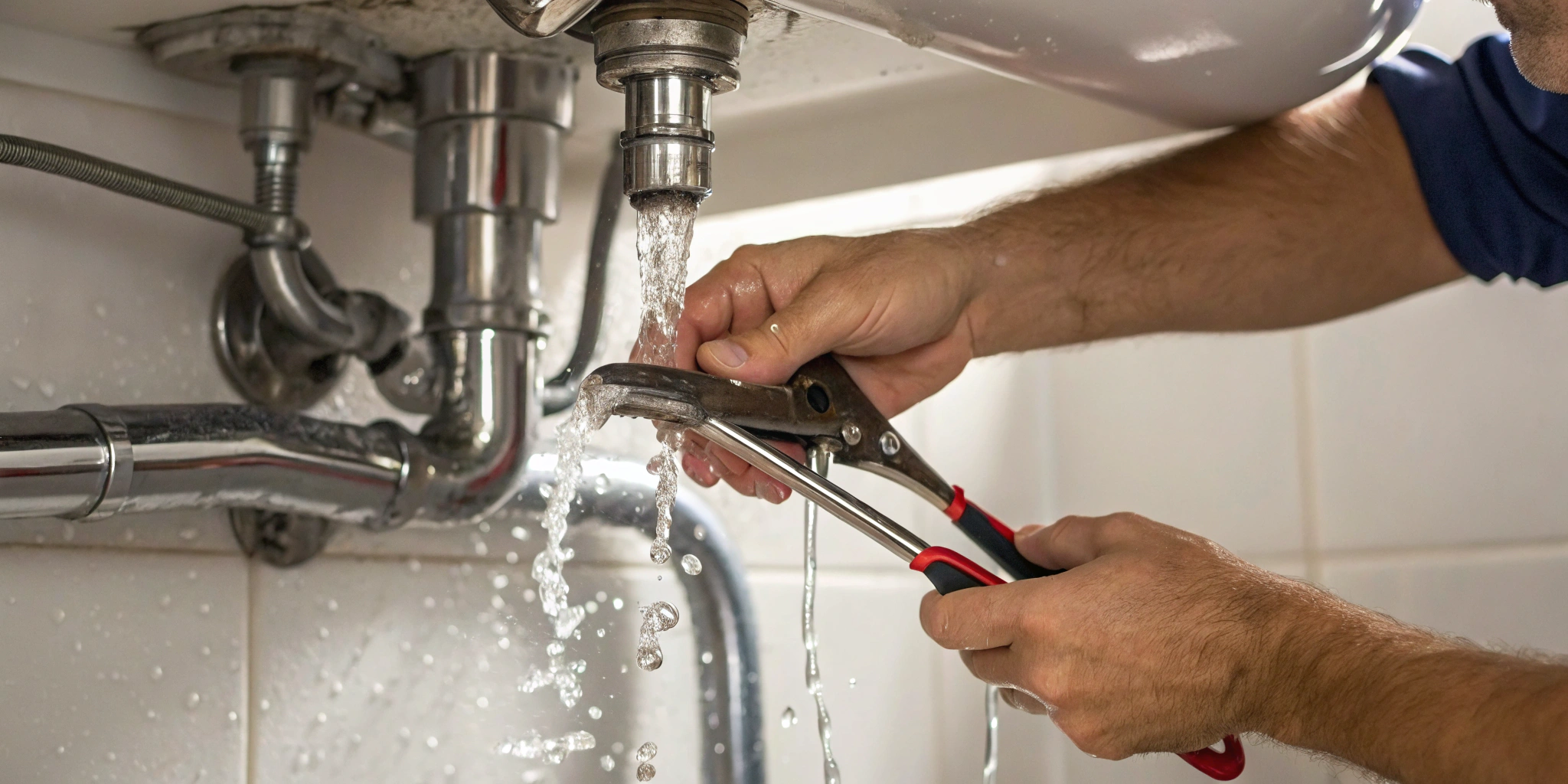
The sound of rushing water inside your walls is a homeowner’s nightmare, and it immediately brings financial worries to the forefront. While the immediate plumbing fix is urgent, it’s only one part of the total pipe burst repair cost. The hidden expenses, like drying out your home’s structure and replacing damaged flooring or ceilings, can quickly dwarf the initial repair bill. This is why it’s so important to have a clear understanding of the entire process, from the emergency call to the final restoration. This article will demystify the costs, explaining what you’re paying for and why, so you can make informed decisions during a stressful time.
Key Takeaways
- The plumbing fix is just the start of the total cost: Remember that the final bill includes not just the pipe repair, but also the often more expensive water damage restoration, potential mold cleanup, and repairs to any walls or floors that were opened for access.
- Your pipe’s location and material directly impact the price: An easy-to-reach PVC pipe is a relatively simple fix, while a corroded cast iron pipe buried under a concrete slab will require significantly more labor, time, and expense to repair.
- Proactive maintenance is your best financial defense: You can prevent a crisis by insulating pipes before winter, scheduling regular plumbing inspections, and addressing small leaks immediately, saving you from the high cost and stress of an emergency.
How Much Does It Cost to Fix a Burst Pipe?
When you’re dealing with a burst pipe, the first question on your mind is usually, “How much is this going to set me back?” It’s a tough question because the final bill isn’t just for the plumbing work. The total cost includes the initial water leak repair, but it can also involve water extraction, drying out your home, and even mold remediation or structural repairs. What starts as a simple plumbing issue can quickly become a much larger, and more expensive, project.
Several factors play into the final cost, turning what seems like a straightforward fix into a significant expense. The pipe’s location, the material it’s made from, and the extent of the water damage all contribute to the price. For example, a burst pipe in an easily accessible basement will cost less to fix than one hidden behind a tiled bathroom wall. Likewise, repairing a modern PVC pipe is often simpler and cheaper than dealing with an old, corroded cast iron one. Understanding these variables can help you get a clearer picture of what to expect and why the costs can vary so much from one home to another. We’ll break down the numbers so you can feel more prepared.
Emergency vs. Standard Service Rates
A pipe bursting rarely happens at a convenient time. If you need a plumber to come out in the middle of the night, on a weekend, or during a holiday, you can expect to pay emergency service rates. These rates are higher because they cover the cost of having technicians on call 24/7. While it costs more, paying for an emergency call is crucial for minimizing water damage. The longer you wait, the more extensive and expensive the cleanup will be. A standard service call during regular business hours will always be the more affordable option, but with a burst pipe, waiting is rarely a luxury you have.
Typical Repair Costs in Spokane
For the plumbing repair itself, homeowners in the Spokane area typically pay between $200 and $1,000. The average cost for labor and materials usually lands somewhere around $500. However, this number only covers fixing the pipe. The true cost emerges when you factor in the water damage restoration, which can range from $1,000 to over $5,000, depending on how much water escaped and where it went. A small leak caught quickly will be on the lower end, while a major burst that floods a finished basement will be on the higher end. Getting a professional assessment is the best way to understand the full scope of the costs.
What Factors Into the Cost of a Pipe Repair?
When a pipe bursts, the first question that usually comes to mind is, “How much is this going to cost?” It’s a valid concern, and the honest answer is: it depends. There isn’t a flat rate for pipe repairs because every situation is unique. The final price on your invoice is a combination of several key variables that professional plumbers assess when they arrive. Think of it less like buying a product off the shelf and more like commissioning a custom solution for your home’s specific problem.
The cost reflects not just the new piece of pipe but the expertise required to diagnose the problem correctly, access it without causing unnecessary damage, and perform a lasting repair. A plumber has to consider the pipe’s material, its exact location, the extent of the break, and the urgency of the situation. A tiny drip from an exposed pipe under your kitchen sink is a very different job from a major burst inside a wall. Understanding these factors can help you see where the value is in a professional water leak repair and give you a clearer picture of what to expect when you get an estimate.
The Pipe’s Material and Age
The type of pipes running through your home plays a big role in the repair process and cost. Common materials like copper, PVC, and PEX each require different tools and techniques to fix. For example, copper pipes are durable but more expensive to repair than PVC. If your home is older, you might have cast iron or galvanized steel pipes, which can be more difficult to work with and may require specialized methods to repair without causing more damage. The age of the plumbing is also a factor. Older pipes can become brittle and corroded, meaning a simple patch might not be enough; a larger section may need to be replaced to prevent future breaks.
Its Location and Accessibility
Where the broken pipe is located is one of the biggest cost drivers. A leak from a pipe under a bathroom sink is relatively easy to get to and fix. However, if the pipe is hidden behind a wall, under a concrete slab, or in a tight crawl space, the job becomes much more complex. A significant portion of the labor cost in these cases is for accessing the pipe—which can involve cutting through drywall, tile, or even concrete. After the plumbing is fixed, you also have to account for the cost of repairing the wall or floor, which adds to the total expense and time.
The Severity of the Damage
The difference between a small pinhole leak and a major pipe burst is huge, both in terms of water damage and repair costs. A small leak might be fixed by replacing a short section of pipe. A catastrophic burst, on the other hand, can flood a room in minutes, requiring not only a more extensive plumbing repair but also significant water damage restoration. The true cost often includes drying out the structure, replacing damaged flooring and drywall, and sometimes even mold remediation. This is why it’s so important to address even minor leaks as soon as you spot them.
Labor and Time on the Job
Labor is often the most significant part of your bill. This cost covers the plumber’s time, skill, and the specialized equipment needed to do the job right. The total time on the job—from diagnosis to cleanup—will influence the final price. Furthermore, if you need help outside of regular business hours, expect to pay a higher rate for emergency service. That premium ensures a qualified professional will come to your home immediately—day or night—to stop the leak and prevent further damage. A straightforward residential plumbing repair during the day will always be more affordable than a complex, after-hours emergency call.
How Can You Tell If a Pipe Has Burst?
A burst pipe doesn’t always mean a catastrophic flood in your living room. Sometimes, the signs are much more subtle, starting as small clues that something is wrong within your walls or under your floors. Catching these early warnings can save you from extensive damage and costly repairs down the line. If you notice any of the following signs, it’s a good idea to investigate further and call a professional to take a look.
Sudden Changes in Water Pressure
One of the most common giveaways of a burst pipe is a sudden and significant drop in your water pressure. You know how your shower normally feels or how quickly your kitchen sink fills up. If you turn on a faucet and the water comes out in a weak trickle instead of its usual steady stream, pay attention. This often means a large amount of water is escaping from a break in the pipe somewhere else in your system, preventing the proper pressure from building up at the fixture. Don’t just write it off as a fluke; a consistent loss of pressure is your plumbing system’s way of telling you it needs help.
Visible Water Damage or Stains
Often, the first visual clue of a burst pipe is the damage it leaves behind. Keep an eye out for damp spots, discoloration, or dark stains appearing on your ceilings, walls, or floors. These marks can look yellowish or brown and tend to grow over time. You might also see paint or wallpaper starting to bubble, peel, or warp in affected areas. Even a small, seemingly harmless wet spot can indicate a much larger pool of water collecting behind the scenes. Addressing the source of the leak quickly is the key to preventing structural damage and mold growth, so it’s crucial to call for a professional water leak repair as soon as you spot these signs.
Strange Noises, Smells, or a Higher Water Bill
Sometimes, your other senses will alert you to a problem before you see it. Listen for unusual sounds like hissing, dripping, or the distinct sound of running water when all your taps and appliances are turned off. These noises often point to a leak inside a wall or under the floor. You might also notice a persistent musty or earthy smell, which is a classic sign of hidden moisture and potential mold. Another major red flag is a sudden, unexplained spike in your water bill. If your usage habits haven’t changed but your bill has shot up, it’s a strong indicator that water is leaking somewhere on your property.
What Are the Hidden Costs of a Burst Pipe?
When a pipe bursts, your first thought is probably about the cost of the plumbing repair itself. But that initial bill is often just the tip of the iceberg. The water that escapes can cause a cascade of problems, each with its own price tag. Understanding these potential hidden costs can help you grasp the full financial scope of the situation and make more informed decisions as you move forward with repairs. From restoring your home to dealing with paperwork, the expenses can add up quickly.
Water Damage Restoration
The most immediate and often most expensive consequence of a burst pipe is the water damage. While the plumbing fix might be straightforward, the extensive water damage restoration that follows can easily run from $1,000 to over $5,000. This process involves more than just mopping up the mess. Professionals need to bring in industrial-grade fans and dehumidifiers to completely dry out walls, floors, and ceilings. Depending on the extent of the damage, you may also need to replace drywall, insulation, flooring, and even structural components of your home. This is why a fast and effective water leak repair is so critical to minimizing these secondary costs.
Mold Cleanup and Remediation
Where there’s water damage, mold is often not far behind. It only takes 24 to 48 hours for mold to start growing in damp, dark places like behind walls or under floorboards. If this happens, you’ll need professional mold remediation, which is a separate and specialized service. This process includes containing the affected area to prevent spores from spreading, physically removing the mold, and treating the surfaces to prevent it from returning. Ignoring mold isn’t an option, as it can cause serious health issues and further damage the structure of your home, adding another significant layer to your total repair costs.
City Permits and Inspection Fees
For extensive plumbing work, you may need to secure a permit from the city. This is especially true if the repair involves replacing or rerouting major sections of your plumbing system. While it might seem like just another hassle, permits ensure that all the work is done to code, which is crucial for your family’s safety and the future resale value of your home. These permits and the subsequent inspections come with fees that can be an unexpected addition to your budget. It’s a necessary step that protects you in the long run but is often overlooked in initial cost estimates.
Potential Insurance Premium Increases
Your homeowner’s insurance can be a huge help when dealing with a burst pipe, but using it isn’t always “free.” First, you’ll have to meet your deductible. More importantly, filing a major water damage claim can lead to an increase in your insurance premiums. It’s a good idea to review your policies carefully to understand exactly what is covered—some policies have specific exclusions. Before filing a claim, weigh the total cost of the damage against your deductible and the possibility of a future rate hike. Sometimes, for smaller incidents, it can be more cost-effective to handle the repairs out of pocket.
How Does the Pipe’s Location Affect the Bill?
When it comes to fixing a burst pipe, one of the biggest cost factors has nothing to do with the pipe itself—it’s all about where it’s located. A pipe that’s easy to reach is a relatively simple fix. But if it’s hidden behind a wall, buried under your lawn, or tucked away in a cramped crawl space, the job gets more complicated and, as a result, more expensive. The extra cost comes from the additional labor and materials needed just to get to the problem.
Think of it this way: the plumbing repair is only one part of the job. The other part is everything a plumber has to do to access the pipe and then restore the area afterward. This can involve cutting through drywall, digging trenches, or even breaking up concrete. Each of these steps adds time and complexity to the project, which is reflected in the final bill. Understanding how a pipe’s location impacts the repair process will give you a much clearer picture of the potential costs and help you know what to expect when you call a professional.
Underground vs. Above-Ground Pipes
The difference in cost between repairing an above-ground pipe and an underground one is significant. An exposed pipe, like the one under your kitchen sink, is the most straightforward scenario. A plumber can see the leak, access it easily, and get right to work. This means less time on the job and a lower labor cost for you.
Underground pipes are a different story. A burst pipe buried in your yard requires excavation to even reach it. This process involves locating the pipe, digging a trench, and carefully working around other utility lines. The extra labor and equipment needed for digging drive up the cost considerably. After the repair, you also have the expense of refilling the trench and restoring your landscaping. A professional water leak repair is essential here to diagnose the issue accurately and minimize disruption to your property.
Accessing Pipes in Walls and Ceilings
Hearing water running behind a wall when no faucets are on is a stressful experience, and for good reason. Pipes hidden in walls and ceilings are among the most challenging to repair. The first step is pinpointing the exact location of the burst, which can sometimes require specialized equipment. Once found, your plumber will need to cut a hole in the drywall or ceiling to access the damaged section.
The more difficult it is for a plumber to get to the pipe, the more time the job will take, increasing the labor cost. And remember, the plumber’s job is to fix the pipe, not the wall. After the plumbing is repaired, you’ll be left with a hole that needs to be patched, textured, and painted. This secondary repair adds another layer of cost and coordination to the overall project, turning a simple leak into a multi-step process.
Working in Basements and Crawl Spaces
Basements and crawl spaces present their own unique set of challenges. A crawl space is often a tight, dark, and dirty environment, making it physically difficult for a plumber to work. Maneuvering tools and materials in such a confined area slows down the repair process, which naturally leads to higher labor charges. If the burst pipe is in an especially hard-to-reach corner, the time on the job can increase even more.
Basement pipe repairs can also become expensive, particularly if the pipe is located beneath a concrete slab. This is known as a slab leak and is one of the more complex residential plumbing issues. The repair requires breaking through the concrete foundation to reach the pipe, fixing the leak, and then pouring new concrete to patch the floor. This is an intensive process that involves heavy-duty equipment and significantly more labor than a standard pipe repair.
How Do Different Pipe Materials Affect the Price?
When a pipe bursts, one of the first questions that comes to mind is, “How much will this cost?” A huge piece of that puzzle is the type of pipe you have in your home. The material—whether it’s modern PVC, classic copper, or older cast iron—directly influences the repair methods, the cost of replacement parts, and the amount of labor required. Some materials are simply more expensive and challenging to work with than others, which will be reflected in your final bill.
Understanding what kind of pipes are running through your walls or under your floors can give you a clearer picture of the potential costs. For example, lightweight plastic pipes are often quicker and cheaper to fix than heavy, corroded metal ones. A professional plumber can identify the material and explain how it affects the scope of the water leak repair. This knowledge helps you understand the estimate and feel more confident in the repair plan. It takes the guesswork out of the process and ensures you’re making an informed decision about your home’s plumbing.
The Cost of PVC vs. Copper
In many homes, you’ll find either PVC (a type of plastic) or copper pipes. PVC is a lightweight and inexpensive material, which makes it one of the most affordable options to repair. The pipes and fittings are budget-friendly, and the repair process is typically straightforward, involving cutting out the damaged section and cementing a new piece in its place. This usually translates to lower material and labor costs for you.
Copper, on the other hand, is a more premium material. It’s known for its durability and longevity, but it comes with a higher price tag. Repairing copper pipes often requires a skilled plumber to solder the joints, a process that takes more time and expertise. Because both the material and the labor are more intensive, fixing a burst copper pipe generally costs more than fixing a PVC one.
Expenses for Cast Iron and Other Materials
If you live in an older home, you might have cast iron or galvanized steel pipes. While incredibly durable in their prime, these materials are heavy, difficult to cut, and prone to rust and corrosion over time. When a cast iron pipe bursts, the repair is often more complex than with modern materials. The sheer weight and brittleness of old cast iron can make it challenging to handle without causing more damage.
Because of these challenges, repairs often involve replacing an entire section of the pipe rather than just patching a small hole. This can increase both material and labor costs significantly. In some cases, a burst pipe might be a sign that it’s time to consider updating your home’s plumbing system to prevent future issues. A full assessment of your residential plumbing can help determine the best long-term solution.
Deciding Between Patching or Replacing
The extent of the damage plays a major role in the final cost. A small crack or pinhole leak might be fixable with a simple patch or clamp, which is a relatively quick and inexpensive solution. However, a major burst that has split the pipe open will almost always require a full replacement of the damaged section. As you might expect, replacing a section of pipe costs more than patching it.
A professional plumber will assess the pipe’s overall condition before recommending a fix. If the pipe is old, corroded, or has multiple weak spots, patching it might only be a temporary solution. In those situations, replacing the entire section is a smarter investment to prevent another burst down the road. Getting an expert opinion is key to making the right call for a lasting plumbing leak repair.
What Are Common Misconceptions About Repair Costs?
When you’re dealing with a burst pipe, the last thing you want is a surprise on the final bill. Unfortunately, many homeowners have a few ideas about repair costs that don’t quite line up with reality. Believing these myths can lead to sticker shock and make a stressful situation even worse. Let’s clear up some of the most common misconceptions so you can face a pipe repair with a clear understanding of what to expect. Knowing the truth about the costs involved helps you make better decisions, from deciding whether to file an insurance claim to knowing when to call a professional for water leak repair. By getting ahead of these myths, you can manage the process more effectively and avoid costly mistakes.
Underestimating the Final Price Tag
One of the biggest mistakes is thinking the plumber’s bill is the only expense. While the cost to fix the pipe itself can range from a few hundred to a couple of thousand dollars, that’s often just the beginning. The real expense comes from the aftermath. Water damage restoration, which includes drying out walls, replacing flooring, and treating for mold, can easily add thousands more to your total cost. It’s crucial to remember that you’re not just paying for a plumbing fix; you’re paying to restore your home to its pre-leak condition.
Assuming Insurance Covers Everything
Many people believe their homeowner’s insurance will swoop in and cover every last penny. This isn’t always the case. Standard policies have limitations and may not cover certain types of pipe issues unless you’ve purchased extra coverage. For example, damage from a slow, long-term leak might be denied, while damage from a sudden burst is more likely to be covered. Always review your policy to understand your deductibles and what’s excluded. A professional plumber can provide detailed documentation to support your claim, but the final coverage decision rests with your insurance provider.
Believing a DIY Fix Will Save You Money
It’s tempting to grab a wrench and try to fix a leak yourself, especially if it looks small. While the DIY spirit is admirable, it can backfire with plumbing. A quick fix might not address the underlying problem, leading to a much bigger, more expensive disaster later. Professionals are trained to spot hidden damage and ensure the repair is done safely and correctly. Hiring a pro for your residential plumbing needs from the start often saves you money and a major headache in the long run.
How Can You Financially Prepare for a Burst Pipe?
A burst pipe is one of those home emergencies that can throw your entire budget off track. While you can’t predict when it will happen, you can take steps to soften the financial blow. Being prepared isn’t about worrying; it’s about having a solid plan in place so you can handle the situation with confidence instead of panic. Here’s how you can get your finances ready for a potential plumbing crisis.
Start an Emergency Repair Fund
The best defense against an unexpected repair bill is having money set aside specifically for it. Think of it as a safety net for your home. Creating an emergency fund for repairs means you won’t have to scramble or dip into your regular savings when a pipe bursts. Considering that the average cost for water damage remediation alone can be thousands of dollars, this fund is essential. Start by setting a realistic goal and contributing a small amount each month. Even a little bit adds up over time and provides peace of mind, knowing you have a financial cushion ready for any urgent residential plumbing needs.
Understand Your Insurance Coverage
Many homeowners are surprised to learn what their insurance policy does—and doesn’t—cover. Don’t wait for a disaster to find out you’re not protected. Take some time to review your homeowner’s policy now. Pay close attention to the sections on water damage. Standard policies often cover sudden and accidental events, like a burst pipe, but may exclude damage from slow leaks or specific types of pipes. It’s also important to check if your policy covers the cost of the actual plumbing leak repair or just the resulting damage. If anything is unclear, call your agent and ask direct questions. Knowing your coverage limits helps you plan for any out-of-pocket expenses.
Get an Accurate Estimate from a Pro
When a pipe bursts, the initial plumbing fix is only part of the total cost. You also have to account for water damage restoration, which can be extensive. To get a clear picture of the financial impact, you need a detailed estimate from a qualified professional. A trustworthy plumber will break down the costs for you, separating the price of the pipe repair from the potential expenses for drying out walls, replacing flooring, and preventing mold. This complete assessment allows you to budget accurately and provides the necessary documentation for your insurance claim. Getting a professional on-site quickly ensures you understand the full scope of the job from the very beginning.
When Is It Time to Call for Emergency Service?
A burst pipe is more than just a plumbing problem; it’s an emergency that can cause significant damage to your home in a matter of minutes. Knowing how to spot the warning signs and what to do immediately can save you from a much bigger headache and more expensive repairs down the line. When water is actively damaging your property, every second counts. Acting quickly and decisively is the key to protecting your home and minimizing the fallout. Here’s how to tell when you have a plumbing emergency on your hands and the first steps you should take to control the situation.
Warning Signs That Require Immediate Help
Some plumbing issues can wait until morning, but a burst pipe demands immediate action. It’s a serious problem that can quickly lead to structural damage and mold growth if it’s not addressed right away. If you notice any of the following red flags, it’s time to call a professional immediately:
- A sudden and significant drop in your home’s water pressure.
- Wet, damp, or discolored spots appearing on walls, ceilings, or floors.
- Strange sounds like hissing, bubbling, or banging coming from within your walls.
- Water from your faucets that suddenly appears rusty or discolored.
- A persistent musty or moldy smell with no obvious source.
- An unexplained and sharp increase in your water bill.
These are all clear indicators of a major issue that requires professional water leak repair before the damage gets worse.
How to Stop Damage from Getting Worse
Finding a burst pipe can be alarming, but your actions in the first few minutes can make a huge difference. Taking immediate steps to contain the problem can limit the damage while you wait for help to arrive. Here’s what you should do:
- Shut Off the Main Water Supply: This is the most critical first step. Locate your home’s main water shut-off valve and turn it off completely to stop the flow of water to the broken pipe.
- Begin Drying the Area: If it’s safe, open windows and use fans or a dehumidifier to start circulating air and drying out the affected space.
- Document the Damage: Before you move anything, take clear photos and videos of the burst pipe and any water damage. This evidence will be crucial when you file an insurance claim.
Once you’ve taken these steps, your next call should be to a trusted professional who can handle your residential plumbing emergency.
How Can You Prevent Future Pipe Bursts?
Dealing with a burst pipe is stressful and expensive. The good news is that you can take proactive steps to prevent it from happening again. A little prevention goes a long way in protecting your property, especially during Spokane’s cold winters. These measures are an investment in your peace of mind.
Insulate and Winterize Your Plumbing
One of the most effective ways to prevent a burst pipe is to protect it from the cold. When water freezes, it expands, putting immense pressure on your pipes. Insulating pipes in unheated areas like basements, crawl spaces, and garages is a critical first step. You can use simple foam pipe sleeves or heat tape to keep the water inside from reaching freezing temperatures. It’s also a smart idea to disconnect your garden hoses and shut off the water to your outdoor spigots before the first frost hits. Taking these winterizing steps is a small effort that provides a huge defense against cold-weather plumbing disasters.
Schedule Regular Maintenance Checks
Think of regular maintenance as a health check-up for your home’s plumbing system. Scheduling an annual inspection with a professional allows an expert to spot potential trouble before it escalates. During a check-up, a plumber can identify early signs of corrosion, check for pinhole leaks, and test your water pressure to ensure it’s not too high—a common culprit behind pipe strain. Catching these issues early is far less disruptive and costly than dealing with a full-blown burst pipe. Consistent residential plumbing maintenance keeps your system running smoothly and gives you confidence that everything is in good working order.
Address Small Problems Before They Escalate
It’s easy to ignore a slow drain or a dripping faucet, but these minor annoyances can be warning signs of bigger problems. A slow drain might indicate a clog that’s building pressure within your pipes, while a persistent drip could point to corrosion or excessive water pressure. Don’t put these fixes on the back burner. Addressing them promptly can prevent the stress that leads to a burst pipe. If you notice a drain isn’t clearing as quickly as it used to, it might be time for professional drain cleaning services. Taking care of small issues as they arise is one of the best ways to maintain a healthy, reliable plumbing system.
Related Articles
- How Much to Fix a Broken Water Pipe Underground?
- 24/7 Burst Pipe Plumbing Service: An Expert Guide
- How to Tell If a Pipe Burst in the Wall: 7 Signs
- 6 Signs of a Broken Main Water Line to Your House
Frequently Asked Questions
Why can’t I get an exact price for a pipe repair over the phone? An accurate estimate requires seeing the problem firsthand. The final cost depends on variables that can’t be assessed over the phone, such as the pipe’s exact location, its material, and the severity of the break. A professional needs to see whether they’ll be cutting into a wall or simply working under a sink to give you a price that reflects the actual work required.
What are the absolute first things I should do if a pipe bursts in my home? Before you do anything else, find and shut off your home’s main water valve. This immediately stops the flow of water and prevents the damage from getting worse. Once the water is off, your next call should be to a professional plumber to handle the emergency.
Will my homeowner’s insurance cover the cost of a burst pipe? Coverage really depends on your specific policy. Generally, insurance covers the damage caused by a sudden and accidental event, like the water damage to your floors and walls. However, it often doesn’t cover the cost of repairing the pipe itself. It’s always best to review your policy or call your agent to understand exactly what is and isn’t covered.
Is the plumber’s bill the only cost I should expect? The plumbing repair is typically just the first expense. The larger cost often comes from water damage restoration, which includes professionally drying out the structure, replacing damaged drywall or flooring, and sometimes even mold remediation. It’s important to budget for both the initial fix and the necessary cleanup afterward.
What’s the most effective way to prevent pipes from bursting in the first place? While insulating pipes for winter is crucial, the most effective long-term strategy is regular professional maintenance. Having a plumber inspect your system annually can catch issues like corrosion, hidden leaks, or dangerously high water pressure before they cause a catastrophic failure. This proactive approach is the best way to protect your home.