












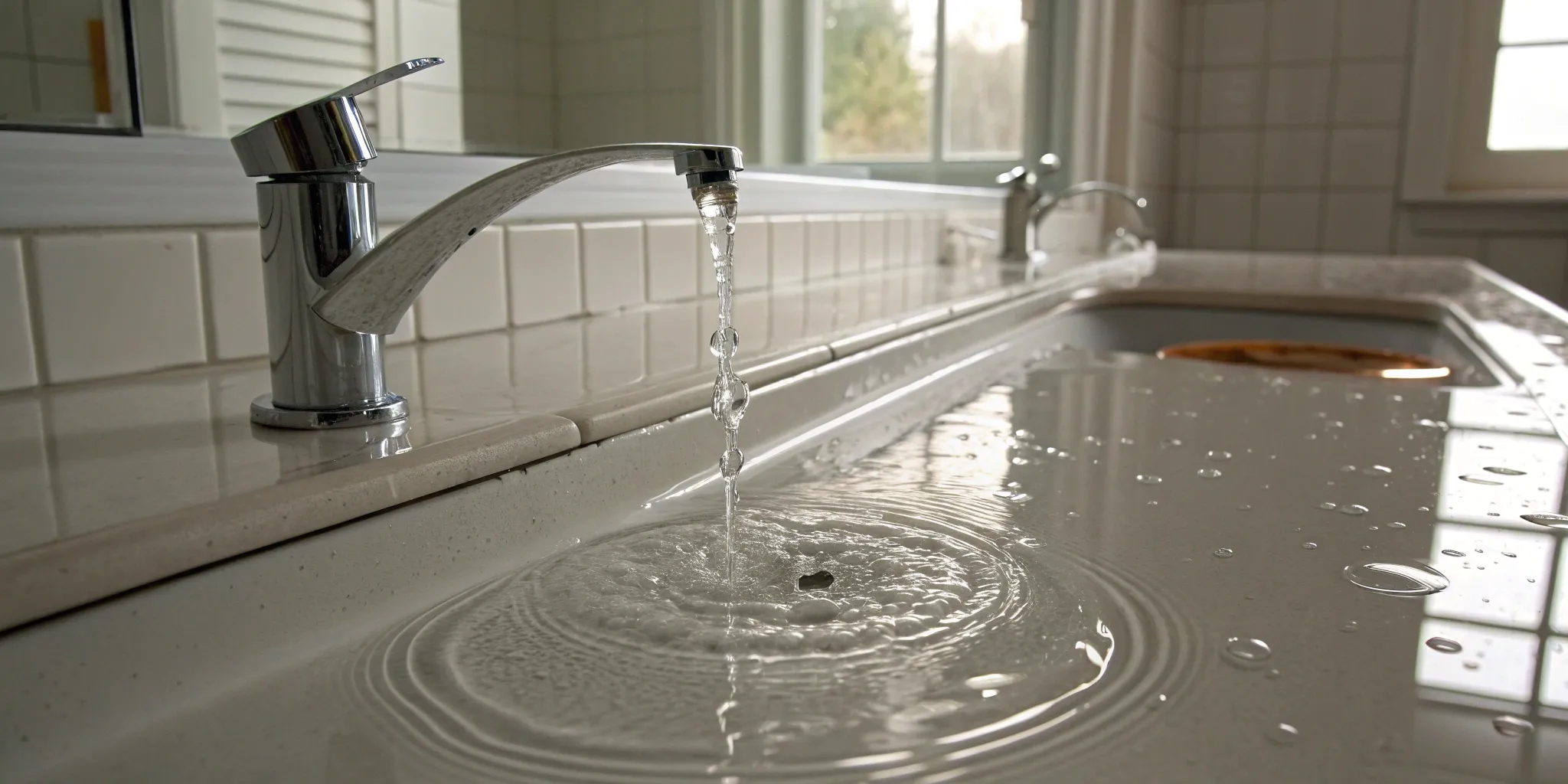
That musty, damp smell in your basement or bathroom is more than just an annoyance—it’s a warning sign. It often indicates the presence of mold and mildew, which can only grow with a consistent source of moisture. Instead of trying to cover the odor with air fresheners, it’s time to play detective. That smell is one of the most reliable indicators that you have a hidden water leak creating the perfect damp environment for mold to thrive. Protecting your property is important, but safeguarding your family’s health from mold exposure is critical. We’ll show you the other signs of a hidden water leak to look for so you can find the source and clear the air for good.
Key Takeaways
- Use your eyes, ears, and nose to spot trouble: Hidden leaks often give themselves away with subtle signs like faint water stains, musty odors, or dripping sounds. Simple checks, like monitoring your water meter, can help you confirm a problem before it gets out of hand.
- Understand that small drips lead to major damage: A hidden leak isn’t just a waste of water; it’s a direct threat to your home’s structure and your family’s health. Unchecked moisture leads to mold, rotted wood, and even foundation issues, turning a simple repair into a costly renovation.
- Know when to call for backup: While preventative checks are smart, finding the exact source of a hidden leak requires specialized tools. If you’ve confirmed a leak but can’t find it, calling a professional plumber saves you from tearing up your home and ensures the problem is fixed correctly the first time.
What Are the Telltale Signs of a Hidden Water Leak?
Some plumbing problems, like a clogged toilet, are impossible to ignore. A hidden water leak, however, can be much more subtle. It might start as a tiny drip inside a wall or under your floor, causing damage for weeks or even months before you notice anything is wrong. The key is to know what to look for—and listen for—so you can catch these sneaky leaks early. Paying attention to small changes in your home can save you from dealing with major repairs and a massive headache down the road.
Look for These Visual Clues
Your eyes are one of your best tools for spotting a hidden leak. Keep an eye out for water stains on your ceilings or walls, which often look like yellowish or brownish rings. You might also notice paint that is bubbling, peeling, or blistering, which is a sure sign that moisture is trapped behind it. Warped walls or floors can also indicate a persistent leak. Don’t ignore the appearance of mold or mildew in unusual spots, especially in corners or on walls that don’t typically get wet. If you spot any of these signs, it’s a good idea to investigate further before the problem gets worse and you need a serious water leak repair.
Listen for These Warning Sounds
Sometimes, you can hear a leak before you can see it. When your house is quiet, typically late at night, take a moment to listen. Do you hear the sound of running water, even though all the faucets and appliances are turned off? That could be water flowing through a broken pipe. Other warning sounds include persistent dripping, hissing, or even a clanging noise coming from within your walls. These sounds are your plumbing system’s way of telling you something is wrong. Getting familiar with the normal sounds of your home will help you recognize when your residential plumbing needs a professional check-up.
Notice a Drop in Water Pressure?
If your morning shower feels more like a trickle than a powerful spray, a hidden leak could be the culprit. A sudden or gradual drop in water pressure is a classic sign that water is escaping from a pipe somewhere between the main line and your faucet. Another major clue is your water bill. If you see an unexpected spike in your monthly bill but your family’s water usage hasn’t changed, a leak is the most likely cause. That money is essentially going down the drain through a crack or hole in your plumbing. Don’t just pay the higher bill—treat it as a warning sign that it’s time to find the source of the leak.
Simple DIY Tests to Detect a Hidden Leak
If you suspect a leak but can’t find the source, you can play detective with a few simple tests. These checks don’t require any special tools and can help you confirm if you have a hidden leak before you call in a professional. They’re quick, easy, and can give you valuable peace of mind or the confirmation you need to take the next step. Think of it as gathering clues—the more information you have, the better. By running these simple diagnostics, you can get a clearer picture of what’s happening with your home’s plumbing and save yourself from potential water damage down the road.
Try the Water Meter Test
Your water meter is one of the best tools for identifying a hidden leak. First, make sure all water-using appliances in your home are turned off. That means no flushing toilets, running faucets, or cycles on the dishwasher or washing machine. Once everything is off, head outside and check your water meter. Take a picture or write down the number. Wait for about an hour without using any water, then check the meter again. If the reading has changed, even slightly, you likely have a leak somewhere in your system. This test is incredibly reliable for catching persistent, slow leaks that might otherwise go unnoticed until they cause major problems. If the meter moves, it’s time to call for a professional water leak repair.
Use Food Coloring to Check Your Toilet
A constantly running toilet is a common source of wasted water and high bills. A faulty flapper is often the culprit, and there’s an easy way to check for this specific leak. Just add a few drops of dark food coloring to the water in your toilet tank. Don’t flush! Let it sit for about 15 to 20 minutes. Then, check the water in the toilet bowl. If you see any of the food coloring in the bowl, it means water is seeping from the tank. This is a clear sign that your toilet’s flapper isn’t sealing properly and needs to be replaced. It’s a simple fix that can make a big difference in your monthly water consumption.
Check Your Water Bill for Spikes
Your monthly water bill is more than just a number—it’s a report on your home’s water usage. Get into the habit of looking at it closely each month. If you notice a sudden, unexplained spike in your bill, but your family’s habits haven’t changed, it’s a major red flag. Compare your recent bills to those from previous months or even the same time last year to spot any unusual increases. A surprisingly high bill is often the first and only sign of a hidden leak. Whether it’s a dripping faucet or a crack in an underground pipe, tracking your usage can help you catch the problem early. If your bill is climbing, it’s a good idea to have your residential plumbing system inspected.
Common Hiding Spots for Water Leaks
Water leaks are sneaky. They don’t always announce themselves with a dramatic burst pipe. More often, they start small in places you rarely look, causing damage long before you notice them. Knowing where to check can help you catch these problems early. Here are some of the most common hiding spots for water leaks in your home.
Behind Your Walls and Under Your Floors
So much of your home’s plumbing is hidden from view, running behind drywall and beneath floorboards. This makes these areas prime real estate for undetected leaks. You might not see dripping water, but you’ll see the evidence it leaves behind: mysterious stains on your walls or ceiling, peeling paint or wallpaper, or warped or soft spots on your floor. A persistent musty smell with no obvious source is another major red flag. If you notice any of these signs, it’s crucial to investigate further. A small leak behind a wall can quietly damage your home’s structure and lead to mold growth, so getting professional water leak repair is the safest bet.
In the Bathroom
The bathroom is the most water-intensive room in your house, so it’s no surprise that it’s a hotspot for leaks. Check around the base of your toilet for any moisture, which could signal a failing wax ring. Look for loose tiles or discolored grout in your shower, as water can seep through these cracks. Don’t forget to peek under the sink for drips from the supply lines or drain. A water stain on the ceiling of the room below your bathroom is a dead giveaway that something is wrong upstairs. These issues often stem from aging fixtures, so if you suspect a problem, it might be time to have a professional inspect your plumbing and consider a new plumbing fixture installation.
In the Kitchen
Your kitchen is another area packed with plumbing, creating multiple opportunities for leaks. The sink is an obvious culprit, so regularly check the cabinet underneath for dampness, water stains, or a musty odor. Your dishwasher and refrigerator’s ice maker are also common sources. Look for small puddles on the floor around these appliances or signs of water damage on the surrounding flooring or cabinets. Even a slow drip from a supply line can warp your cabinets and ruin your floors over time. If you have a garbage disposal, check its connections, as they can sometimes loosen and leak. A quick inspection every few weeks can save you from a major headache and costly repairs.
In the Basement and Foundation
Leaks in your basement or foundation can be especially serious because they can compromise your home’s structural integrity. If you have an unfinished basement, take a walk around and look for puddles, damp spots on the walls, or drips from overhead pipes. In homes with a concrete slab foundation, leaks can occur in the pipes running beneath the floor. Signs of a slab leak include unexplained warm spots on the floor, the sound of running water when no taps are on, or new cracks appearing in your foundation or walls. These leaks can erode the soil supporting your home, so addressing them quickly is essential for your property’s safety and stability. It’s a complex job best left to experts in residential plumbing in Spokane.
Around Appliances and Water Heaters
Many of our essential home appliances are connected to a water supply, and these connections can fail over time. Your water heater is a major one to watch. Check for puddles or rust stains on the floor around its base, which could indicate a slow leak or a tank that’s about to fail. Washing machine supply hoses are another common failure point; they can become brittle and crack, leading to a flood. It’s a good idea to inspect them regularly and replace them every few years. Don’t forget other appliances like dishwashers and refrigerators with ice makers. A quick visual check for moisture around these units can help you catch a problem before it gets out of hand. If you spot trouble, professional hot water heater repair can prevent a small issue from becoming a disaster.
What Does That Musty Smell Really Mean?
If you’ve ever walked into your basement, bathroom, or kitchen and been hit with a damp, earthy smell, you know exactly what I’m talking about. That distinct musty odor is more than just unpleasant—it’s your home’s way of sending out an SOS. This smell is a classic sign of mold or mildew, which only grows where there’s excess moisture. And one of the most common sources of that unwanted moisture is a hidden water leak.
Ignoring that smell is like ignoring a smoke alarm. It’s a warning that something is wrong behind the scenes, potentially within your walls, under your floors, or in your ceiling. Instead of reaching for an air freshener, it’s time to figure out the root cause. Addressing the source of the smell not only protects your property from significant damage but also safeguards the health of everyone inside.
Identifying Mold and Mildew
That musty smell is produced by microbial volatile organic compounds (MVOCs), which are gases released by mold and mildew as they grow and multiply. Think of it as their signature scent. These fungi thrive in dark, damp environments with poor air circulation. A slow, persistent leak from a pipe provides the perfect breeding ground for them to flourish long before you ever see a visible water stain.
You’ll often notice the smell is strongest in enclosed areas like under sinks, in closets, laundry rooms, or basements. Because even a minor leak can create enough humidity for mold to take hold, that odor is often the very first clue you have a problem. If you can smell it, there’s a moisture source somewhere nearby that needs to be found and fixed.
Why a Musty Smell Often Means a Hidden Leak
Mold and mildew can’t grow without water. While high humidity can sometimes be the culprit, a persistent musty odor that’s concentrated in one area often points directly to a plumbing issue. Hidden water leaks, even tiny pinhole-sized ones, release a steady supply of moisture into wall cavities, subflooring, or ceiling spaces, creating an ideal habitat for mold.
This is why that smell is such a reliable indicator of a problem. The leak itself might be completely out of sight, but the resulting mold growth makes its presence known through that unmistakable odor. If you’ve noticed a musty smell that won’t go away, it’s a strong signal that you need professional water leak repair to locate and fix the source before the damage gets worse.
The Health Risks of Ignoring That Smell
A musty odor isn’t just a nuisance; it’s a warning sign for potential health issues. Exposure to mold and mildew can trigger a range of problems, especially for children, the elderly, and anyone with allergies, asthma, or a compromised immune system. According to the Environmental Protection Agency, mold exposure can cause symptoms like a stuffy nose, wheezing, and red or itchy eyes or skin.
For people with serious mold allergies, the reactions can be much more severe. Ignoring the problem allows mold to spread, increasing the concentration of spores in the air you breathe every day. Protecting your property is important, but ensuring a healthy living environment for your family is paramount. Addressing the leak and the resulting mold is the only way to eliminate the smell and the health risks for good.
What Do Those Unexplained Water Stains Mean?
Water has a way of leaving clues, and those mysterious stains on your ceilings, walls, or floors are often the most obvious signs of a hidden leak. While it’s tempting to paint over them and hope for the best, these discolorations are your home’s way of telling you something is wrong. Let’s break down what these stains mean and where the problem might be hiding.
Decoding Ceiling Stains
Have you noticed a new, unsightly brown or yellowish circle on your ceiling? This is a classic sign of a water leak. The discoloration comes from water slowly seeping through the drywall from above. You might also see the paint start to bubble or the drywall itself feel soft or warped to the touch. This often points to a problem with an upstairs bathroom fixture or a leaky pipe in the ceiling. Don’t just cover it up with a fresh coat of paint—that stain is a clear signal that you need to investigate the source of the water before it causes more serious damage.
What Discolored Walls Are Telling You
Just like with ceilings, your walls can give you visual warnings. If you see paint or wallpaper starting to peel or bubble for no apparent reason, it’s likely due to moisture trapped behind the surface. This is a sign that water is accumulating inside the wall, which can compromise the structural integrity of the drywall and studs. More importantly, this damp, dark environment is the perfect breeding ground for mold. Addressing the source is crucial to prevent further damage, and a professional water leak repair can pinpoint the problem without causing unnecessary damage to your walls.
Warning Signs on Your Floors
Don’t dismiss a damp spot on the carpet or a warped floorboard as a simple spill. Unexplained moisture on your floors is a major red flag. You might find soggy spots on carpets, especially near walls or appliances like dishwashers and refrigerators. On hard surfaces, you could see discoloration or feel a squishiness underfoot. If you notice puddles forming around your home’s foundation, it could indicate a slab leak—a serious issue where a pipe under your concrete slab has broken. These are signs you can’t afford to ignore, as they can lead to significant structural problems for your entire home.
The Dangers of Ignoring a Hidden Leak
It’s easy to think a tiny drip is no big deal, but a hidden water leak is one of those problems that only gets worse—and more expensive—with time. What starts as a minor issue can quickly spiral, causing serious problems for your home’s structure, your family’s health, and your wallet. Ignoring the signs isn’t just putting off a small repair; it’s risking significant damage that could have been easily prevented. Addressing a leak as soon as you suspect one is one of the smartest things you can do as a homeowner.
Risk of Structural and Foundation Damage
One of the most serious threats a hidden leak poses is to the very structure of your home. When water seeps into the ground around your house, it can erode the soil that supports your foundation. Over time, this can cause the foundation to shift, settle unevenly, or even crack. A compromised foundation is a massive problem that can lead to warped floors, cracked walls, and doors that no longer close properly. The longer a leak goes unchecked, the more extensive and costly the structural repairs will be. Prompt water leak repair is crucial to protecting your home’s integrity.
The Threat of Mold and Health Issues
Where there’s persistent moisture, mold and mildew are sure to follow. A hidden leak creates the perfect damp, dark environment for mold to thrive behind walls, under floors, or in ceilings. Not only does mold cause unsightly stains and a persistent musty odor, but it can also pose significant health risks. Mold spores can trigger allergic reactions, asthma attacks, and other respiratory issues for your family. If you notice a musty smell that you can’t seem to place, it’s a strong indicator that you have a hidden leak that needs immediate attention from a residential plumbing expert.
How Small Leaks Lead to Big Bills
A hidden leak hits your finances from two directions. First, there’s the wasted water. Even a small, steady drip can add up to hundreds of gallons of wasted water each month, causing a sudden and unexplained spike in your utility bill. Second, and more significantly, is the cost of repairing the damage. Water can ruin drywall, warp wood floors, destroy insulation, and damage personal belongings. What might have been a simple pipe repair can turn into a major renovation project if the leak is ignored for too long. Catching it early saves you from a much bigger financial headache down the road.
Protecting Your Property Value
Your home is one of your biggest investments, and water damage is a surefire way to decrease its value. Potential buyers are often wary of homes with a history of water issues, as it can signal underlying structural or mold problems. Discoloration on walls, warped flooring, or a musty smell are all red flags during a home inspection. By addressing leaks quickly, you’re not just fixing a plumbing problem—you’re actively protecting your property’s value and ensuring it remains a safe, healthy, and solid investment for the future.
When Is It Time to Call a Professional Plumber?
While some home maintenance is great for a weekend DIY project, hidden water leaks usually aren’t one of them. Knowing when to put down the wrench and pick up the phone can save you a lot of time, money, and stress. If you’ve run through the DIY tests and are still coming up empty-handed—or if the signs are too big to ignore—it’s time to bring in an expert.
Signs You Need an Expert Immediately
If you’ve noticed a sudden, unexplained spike in your water bill, it’s a major red flag that something is wrong. Combine that with damp spots appearing on your walls or ceilings, peeling paint, or a persistent musty odor you just can’t seem to air out, and you likely have a hidden leak. These aren’t issues that will resolve themselves. Ignoring them can lead to widespread water damage, mold growth, and even structural problems. When you see these signs, it’s crucial to call for professional water leak repair right away to get the situation under control.
How Professionals Find Hidden Leaks
You might be able to spot the obvious signs, but finding the exact source of a leak hidden behind a wall or under a concrete slab is a different story. Professional plumbers come equipped with specialized tools like thermal imaging cameras, acoustic listening devices, and moisture meters. This technology allows them to pinpoint the leak’s location with incredible accuracy, all without having to tear up your home unnecessarily. This non-invasive approach saves you from costly and messy exploratory demolition. Their training and experience mean they can interpret the data correctly and find the problem fast, making them an essential part of your home care team for all residential plumbing needs.
How Action Craft Experts Can Help
If you’re seeing any of the warning signs, don’t hesitate. The best first step is to shut off your home’s main water supply to prevent further damage, and then give us a call. Our team at Action Craft Experts can quickly get to the root of the problem. We use our expertise and advanced equipment to confirm the leak, find its source, and provide a clear, effective plan for repair. We understand how stressful a hidden leak can be, and we’re committed to providing fast, reliable solutions to protect your home and give you peace of mind.
How to Prevent Hidden Water Leaks
Finding and fixing a hidden leak is a relief, but preventing one from ever happening is even better. A proactive approach to your home’s plumbing can save you from the stress and expense of water damage down the road. By taking a few key steps, you can protect your property and keep your plumbing system in top shape. These preventative measures don’t have to be complicated, but they are incredibly effective at stopping small issues before they become major disasters. Think of it as simple, routine care that offers significant peace of mind.
Perform Regular Maintenance Checks
The easiest way to prevent a plumbing emergency is to catch problems early. We recommend scheduling a professional plumbing inspection once a year. During these checks, a trained plumber can spot subtle signs of trouble you might miss, like minor pipe corrosion, worn-out seals, or tiny drips that signal a bigger issue on the horizon. This routine maintenance allows you to address potential leaks before they cause damage. Think of it like a check-up for your home’s circulatory system—it keeps everything flowing smoothly and helps you avoid costly surprises. Our team offers comprehensive residential plumbing services to keep your system healthy.
Protect Your Pipes from Damage
Your pipes are under constant pressure, and a couple of common issues can push them to their breaking point. First, excessively high water pressure strains pipes, joints, and fittings, leading to leaks over time. A plumber can test your pressure and install a pressure-reducing valve if needed. Second, if you live in an area with hard water, mineral buildup can corrode your pipes from the inside out, creating weak spots. Installing a water softener can extend the life of your pipes and appliances. Taking these steps helps ensure your plumbing infrastructure remains strong and resilient against daily demands.
Consider a Leak Detection System
For an extra layer of security, technology can be your best friend. Smart water leak detectors are small sensors you can place near potential trouble spots like your water heater, washing machine, or under the kitchen sink. If they detect moisture, they’ll send an alert straight to your phone, allowing you to act fast. For whole-home protection, you can install a smart water monitor. This device tracks your water usage and can automatically shut off the main water supply if it detects an unusual flow pattern, like a burst pipe. These systems are valuable for giving you peace of mind when you’re away from home.
Related Articles
- How To Detect Water leaks In Your House – Action Craft Experts
- 6 Signs of a Broken Main Water Line to Your House
- High Water Bill with No Visible Leak? Here’s What Might Be Happening
- How Much to Fix a Broken Water Pipe Underground?
Frequently Asked Questions
What’s the first thing I should do if I suspect a leak? If you think you have a leak, the very first step is to shut off your home’s main water valve to prevent any further damage. Once the water is off, you can try the water meter test mentioned in the post to confirm if water is still running somewhere. If the meter shows activity, it’s a clear sign you have a leak, and your next call should be to a professional plumber.
My water bill is high, but I can’t find any visible signs of a leak. What should I do? An unexpectedly high water bill is one of the most reliable signs of a hidden leak, so don’t dismiss it. This situation is precisely when you need an expert. Professionals use specialized equipment, like acoustic listeners and thermal cameras, to locate leaks that are hidden underground or inside your walls without having to cause unnecessary damage to your home.
Is it safe to just paint over a water stain on my ceiling? Painting over a water stain is never a good idea. The stain is just a symptom of a bigger problem, and covering it up won’t make the leak go away. The water will continue to seep through, causing more damage to your drywall, promoting mold growth, and potentially compromising your home’s structure. You have to fix the source of the leak first.
How can I tell the difference between a plumbing leak and general dampness in my basement? General dampness, often from humidity or poor ventilation, usually makes the entire basement feel clammy and may have a widespread musty smell. A leak, on the other hand, tends to create more specific evidence. Look for a concentrated puddle, a distinct dripping sound, or a water stain on the wall or floor that seems to be growing. When in doubt, a professional inspection can give you a definitive answer.
How often should I have my plumbing professionally inspected? We recommend having your home’s plumbing system inspected by a professional once a year. Think of it as a preventative health check-up for your house. An annual inspection can catch small issues like minor corrosion, failing seals, or high water pressure before they have the chance to turn into a major, destructive leak.