











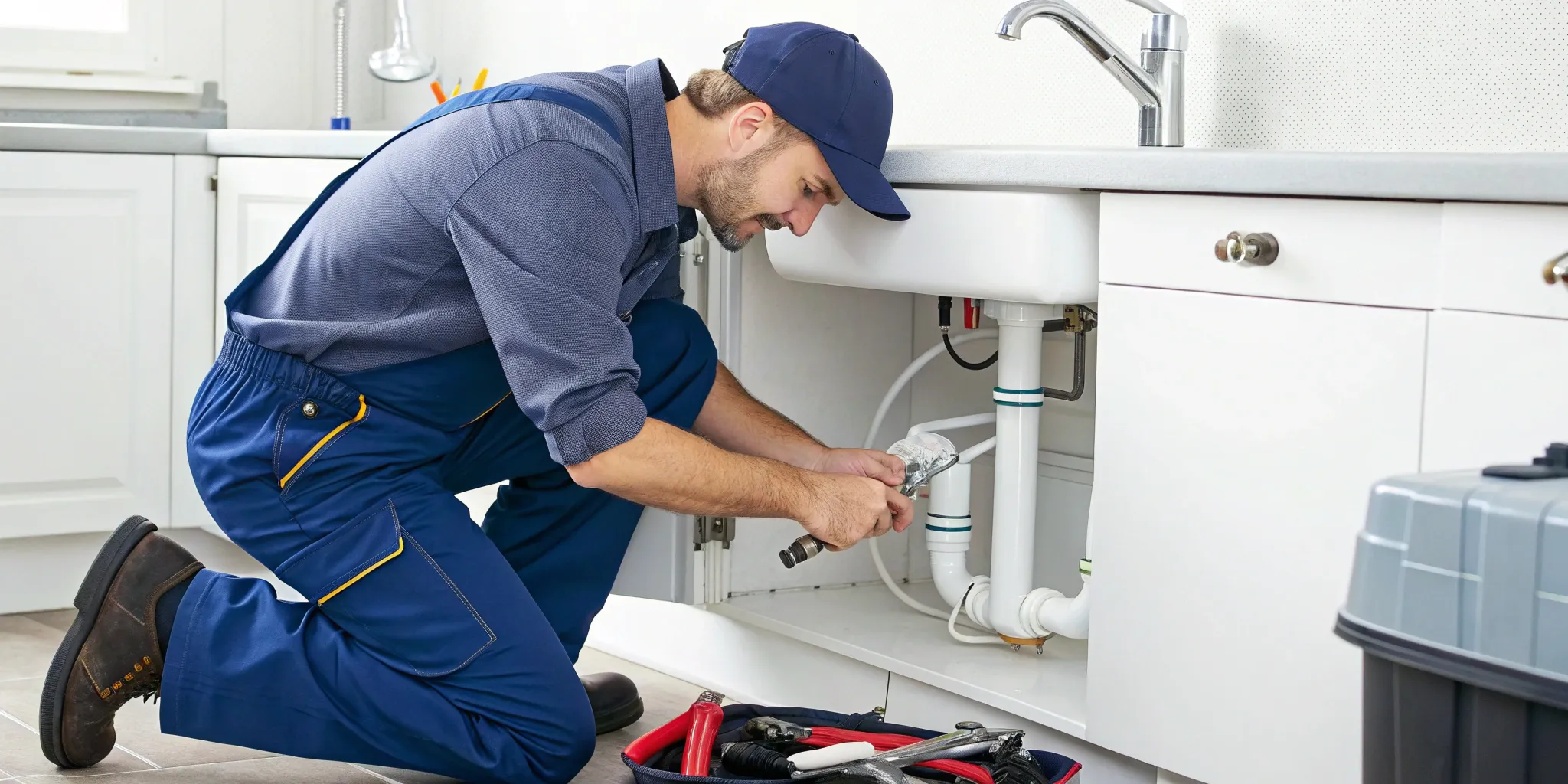
That sudden sound of rushing water is a moment of pure panic for any property owner. When a pipe bursts, every second counts, and the actions you take in the first few minutes can save you thousands of dollars in damages. Before you even pick up the phone, you need a clear action plan. This guide is your emergency playbook. We will walk you through the four critical steps to take immediately to contain the situation and protect your home. From shutting off the water main to documenting the damage for insurance, we’ll give you the confidence to manage the crisis. Then, we’ll explain what to expect from a professional burst pipe repair service so you can feel prepared from start to finish.
Key Takeaways
- Prevention is your best defense: You can avoid most burst pipes with simple maintenance. Insulate pipes in cold spots, check that your water pressure is in the safe 40-80 psi range, and keep drains clear to prevent pressure buildup.
- Master your emergency shut-offs: In a burst pipe emergency, your first two moves are critical: shut off the main water valve to stop the flood, then turn off the electricity to the affected area to prevent a shock hazard.
- Trust your senses and vet your pros: Pay attention to the early warning signs of a leak, like water stains, odd sounds, or a drop in pressure. When you need help, take a moment to choose a licensed, insured plumber with a strong local reputation.
Why Do Pipes Burst and How Can You Stop It?
A burst pipe is one of the most stressful and damaging things a homeowner can face. Suddenly, you’re dealing with a flood of water, potential property damage, and an emergency call to a plumber. The good news is that most burst pipes are preventable. They don’t just happen out of the blue; they’re usually the result of underlying issues like freezing temperatures, excessive water pressure, corrosion, or stubborn clogs. Understanding these common causes is the first step toward protecting your home. Let’s walk through why pipes burst and the simple, proactive steps you can take to stop it from happening to you.
Prevent Freezing with Proper Insulation
Here in Spokane, we know how cold the winters can get. When water inside your pipes freezes, it expands, creating immense pressure that can cause the pipe to crack or burst. One of the most effective ways to prevent this is to insulate any pipes in unheated or poorly insulated areas of your home, like the basement, crawl space, or attic. Pipe insulation is relatively inexpensive and easy to install, making it a fantastic weekend project. On particularly frigid nights, you can also let cold water drip from a faucet served by exposed pipes. The constant movement makes it much harder for the water to freeze. These small steps are crucial for any residential plumbing in Spokane during the winter months.
Manage High Water Pressure
While strong water pressure feels great in the shower, it can be tough on your plumbing system. High water pressure puts constant stress on your pipes, fittings, and joints, which can eventually lead to leaks or a full-blown burst. Ideally, your home’s water pressure should be between 40 and 80 psi. You can check this yourself with an inexpensive pressure gauge from a hardware store, or we can test it for you during a service call. If your pressure is too high, a plumber can easily install a pressure-reducing valve to bring it down to a safe level. Managing your water pressure is a key part of preventing a future water leak repair emergency.
Address Old or Corroded Pipes
Like everything else in your home, pipes have a limited lifespan. Over decades, materials like galvanized steel can corrode from the inside out, becoming thin and weak. Old or corroded pipes are far more susceptible to bursting under normal pressure fluctuations. It’s a good idea to visually inspect any exposed pipes for signs of trouble, such as discoloration, rust spots, flaking, or dimpling. If you live in an older home and aren’t sure about the condition of your plumbing, a professional inspection can help identify weak spots. Being proactive about replacing aging pipes can save you from the massive headache and expense of a sudden failure.
Keep Drains Clear with Regular Maintenance
You might not think a clogged drain could lead to a burst pipe, but a severe blockage can create a serious problem. When water can’t flow freely, pressure can build up behind the clog. In some cases, this pressure becomes strong enough to rupture the pipe. You can prevent most clogs with simple habits, like using drain strainers in your sinks and showers and never pouring grease down the kitchen sink. For tougher blockages, it’s best to skip the harsh chemical drain cleaners, which can damage your pipes. Instead, professional drain cleaning services can safely and effectively clear the line, keeping your entire system flowing smoothly.
What Are the Telltale Signs of a Burst Pipe?
A burst pipe doesn’t always announce itself with a dramatic flood. More often, it starts with subtle clues that are easy to dismiss if you don’t know what to look for. Catching these early warning signs can be the difference between a simple fix and a major home repair. Your senses are your best tool here—what you see, hear, and smell can tell you a lot about the health of your plumbing system. If something feels off, it probably is. Paying attention to changes in your home, from a new water stain on the ceiling to a sudden drop in shower pressure, is key. Knowing these signs helps you act quickly and call for a professional water leak repair before the problem gets out of hand.
Spotting Water Damage and Stains
One of the most obvious signs of a burst pipe is visible water damage. Keep an eye out for damp spots, discoloration, or dark rings appearing on your walls or ceilings. You might also notice paint that is bubbling, peeling, or flaking away from the wall surface. In more serious cases, you could see sagging drywall, which indicates a significant amount of water has accumulated. Don’t ignore these visual cues, even if they seem small. A tiny stain can be a sign of a slow leak that could suddenly become a major break. Taking care of your residential plumbing in Spokane means being proactive about these little warnings.
Noticing Changes in Water Pressure
Have you noticed your shower sputtering or the kitchen faucet delivering a weak stream of water? Fluctuating water pressure is a classic symptom of a problem in your plumbing lines. If the pressure is sometimes strong and sometimes weak without any clear reason, it could mean water is escaping from a crack or break somewhere in the system. A single fixture losing pressure might point to a localized clog, but if you notice a drop in pressure throughout your house, it’s a strong indicator of a more significant leak. Don’t just get used to a weaker flow; it’s your home’s way of telling you something is wrong.
Listening for Strange Sounds or Smelling Odors
Sometimes, you’ll hear a burst pipe before you see it. Listen for unusual sounds like hissing, bubbling, or dripping coming from behind your walls, especially when all your faucets are turned off. These noises often point to water actively leaking. Another red flag is a strange smell. A persistent musty or earthy odor suggests that water has been sitting long enough to cause mold and mildew growth. If you notice a sewage smell, it could indicate a break in a drain line. Our drain cleaning services can address blockages, but a foul odor could also signal a more serious pipe breach.
Checking for High Water Bills and Mold
Your water bill can be a powerful diagnostic tool. If your bill suddenly spikes without a change in your family’s water usage, you likely have a hidden leak. This is your plumbing system running 24/7, and you’re paying for every drop. Another telltale sign is the appearance of mold or mildew in unusual places, like on a non-shower wall or along baseboards. Mold needs moisture to grow, so its presence is a clear indicator of a persistent water source. Addressing the underlying plumbing leak is the only way to solve the problem for good and protect both your home and your health.
A Burst Pipe Emergency: Your First Four Steps
A burst pipe can feel like a scene from a disaster movie, with water spreading fast and panic setting in. It’s one of those homeowner nightmares that you hope never happens. But if it does, knowing exactly what to do in the first few minutes is crucial. Before you even pick up the phone to call for help, taking a few immediate steps can dramatically reduce the damage to your home and prevent a bad situation from becoming a catastrophe.
This isn’t about fixing the pipe yourself—it’s about damage control. By following these four steps, you can contain the situation and protect your property while you wait for a professional to arrive. Think of it as first aid for your home’s plumbing. Taking these actions will not only save you money on repairs but also give you a sense of control in a chaotic situation. Once the immediate crisis is managed, you can confidently call for a residential plumbing expert in Spokane to handle the rest. These initial actions create a safer environment for the plumber to work in and can make the difference between a simple repair and a major restoration project.
1. Shut Off the Main Water Supply
This is your top priority. Stopping the flow of water at its source is the single most effective thing you can do to prevent further flooding. Your main water shut-off valve, or stop tap, is usually located where the main water line enters your home—often in the basement, a crawl space, or a utility closet. It might have a wheel-like handle or a lever. To shut off the water, turn the handle clockwise until it’s tight. This simple action cuts off the water supply to your entire house, immediately stopping the gush from the burst pipe and giving you a moment to breathe.
2. Turn Off the Power and Heat
Water and electricity are a dangerous combination. If water is pooling near electrical outlets, appliances, or your fuse box, it’s critical to shut off the electricity to the affected area. If you can safely access your home’s main breaker box, do so and turn off the main breaker. This eliminates the risk of electrical shock or a short circuit that could cause a fire. You should also turn off your central heating system and water heater. This helps prevent further damage, especially if the burst pipe is connected to your hot water system.
3. Open Faucets to Drain the Pipes
Even after you’ve turned off the main water supply, there’s still water left in your plumbing system. To get it out, go through your house and open all the cold water taps. This helps drain the remaining water from the pipes, relieving built-up pressure and reducing the amount of water that can leak out from the break. Don’t forget to flush your toilets a few times as well to help empty the tanks and lines. This step helps minimize the mess and makes the eventual water leak repair a little more straightforward for the professionals.
4. Document the Damage for Insurance
Once the immediate danger has passed, switch into documentation mode. Before you start moving things or cleaning up, use your phone to take plenty of photos and videos of the burst pipe and all the affected areas. Capture images of damaged walls, floors, furniture, and any personal belongings. This evidence will be essential when you file a claim with your homeowner’s insurance company. Contact your insurance provider as soon as possible to report the incident and find out what your policy covers. Having clear documentation will make the claims process much smoother and help ensure you get the compensation you need for repairs.
What to Expect from a Professional Repair Service
When you’re dealing with a burst pipe, the last thing you need is more uncertainty. Calling a professional plumber means you’re not just getting a quick fix; you’re getting a clear, step-by-step process designed to handle the chaos and protect your home. From the moment they arrive, a true expert takes control of the situation, moving from immediate damage control to lasting repairs and even helping you prevent future disasters. Knowing what to expect can make a stressful situation feel much more manageable. A professional service follows a reliable plan: they’ll assess the damage, perform the right repair, manage the cleanup, and offer advice to keep your plumbing system healthy for the long haul.
Emergency Response and Damage Assessment
Once you make the call, the clock is ticking. A professional plumbing team understands the urgency and will arrive quickly to get the situation under control. The first priority is always to stop the flow of water and prevent any further damage to your property. Your plumber will conduct a thorough assessment to identify the source and extent of the leak. This isn’t just a quick glance; they’ll inspect the affected area to understand exactly what went wrong. This initial evaluation is critical because it informs the entire repair strategy, ensuring the right solution is used for your specific problem and giving you a clear picture of the work that needs to be done.
Professional Pipe Repair and Replacement
After assessing the damage, your plumber will determine the best course of action. This could mean a straightforward repair for a small crack or a full replacement for an old, corroded pipe. A licensed and insured professional has the expertise to make the right call, ensuring the fix is safe, effective, and up to code. They’ll explain your options clearly so you can feel confident in the decision. This is where quality craftsmanship really matters. A professional water leak repair isn’t just about patching a hole; it’s about restoring the integrity of your plumbing system for long-term reliability.
Water Removal and Cleanup
Fixing the pipe is only half the battle. The water left behind can cause serious secondary damage, including mold growth and structural rot. While plumbers aren’t a water restoration company, they will handle the immediate aftermath by removing any standing water from the work area. They’ll also give you essential advice on the next steps for drying out your space completely, such as using fans and dehumidifiers. This guidance is key to protecting your home and ensuring the cleanup process starts off on the right foot, minimizing the potential for lingering moisture problems long after the plumbing is fixed.
Preventive Inspections to Avoid Future Issues
A great plumber does more than just solve the immediate crisis—they help you avoid the next one. After the repair is complete, you can ask for a preventive inspection of your home’s plumbing. This is a chance to identify other potential weak spots in the system, such as aging pipes, uninsulated lines in crawl spaces, or areas with high water pressure. By addressing these vulnerabilities proactively, you can significantly reduce the risk of another burst pipe down the road. Think of it as a check-up for your home’s circulatory system, providing peace of mind and protecting your investment in your residential plumbing.
Understanding the Cost of Burst Pipe Repair
Dealing with a burst pipe is stressful enough without the added worry of a surprise bill. While every situation is unique, understanding the factors that influence the final cost can help you feel more in control. The price of a repair depends on several key elements, including the location of the pipe, the extent of the water damage, and the specific materials needed for the job. A pipe that bursts under a concrete slab will naturally be more complex and costly to fix than one that’s easily accessible in a basement.
At Action Craft Experts, we believe in transparent pricing. We’ll always assess the situation thoroughly and provide you with a clear, upfront estimate before any work begins, so you know exactly what to expect.
What Determines the Final Price?
The final cost of a water leak repair is shaped by a few critical factors. The pipe’s location is the biggest variable—a burst pipe behind a wall or under flooring requires more labor to access and repair. The type of pipe (copper, PEX, PVC) also affects material costs. Furthermore, the repair method plays a role. In some cases, modern techniques can be more efficient and less invasive, which often translates to lower labor costs. It’s also important to consider the cost of repairing any water damage to your walls, floors, and belongings, which can vary significantly.
Average Costs for Common Repairs
Pinpointing an exact price without seeing the damage is impossible, but we can give you an idea of where costs start. The initial step is always a professional diagnosis to find the source of the leak and assess the damage. According to industry sources, this initial diagnostic visit can range from $49 to $89. This fee covers the expert assessment needed to determine the best course of action. From there, your plumber will provide a detailed quote for the full repair, including labor and materials, so you can approve the cost before the work gets underway.
Navigating Your Insurance Claim
The good news is that many homeowners insurance policies cover damage from a burst pipe. Insurers generally cover damage caused by freezing, but often only if you’ve taken reasonable steps to maintain heat in your home and protect your plumbing. The first thing you should do after shutting off the water is to call your insurance agent to understand your coverage. Be sure to document everything with photos and videos before any cleanup begins. A professional plumbing company can provide the detailed invoicing and documentation your insurer will need to process your claim for your residential plumbing needs.
How to Choose the Right Plumber for the Job
When you’re dealing with a burst pipe, the last thing you want to do is scramble to find a trustworthy plumber. The pressure is on, but making a quick decision without a little homework can lead to more problems down the road. Taking a few moments to vet your options ensures you hire a professional who can handle the job correctly and efficiently. Think of it as a small investment of time that protects your home and your wallet. A great plumber not only fixes the immediate issue but also gives you peace of mind. Here are the key things to look for when you need to hire a pro, fast.
Look for Quick, 24/7 Availability
A burst pipe doesn’t wait for business hours. Water damage spreads quickly, so you need a plumber who understands the urgency and is ready to respond at any time, day or night. When you’re searching, prioritize companies that offer 24/7 emergency services. Their availability shows they are equipped to handle urgent situations and are committed to minimizing damage to your home. A plumber who can get to you quickly is essential for any serious water leak repair, as a fast response can be the difference between a simple fix and a major restoration project.
Verify Their Licenses and Insurance
This step is non-negotiable. Before you let anyone start work on your home, confirm they are fully licensed and insured. A license proves that the plumber has met the state’s requirements for training and expertise, so you know they’re qualified for the job. Insurance is just as important—it protects you from any liability if a worker is injured or if your property is accidentally damaged during the repair. Any reputable plumbing company will be happy to provide proof of their credentials. Don’t be afraid to ask; it’s a standard part of ensuring you’re working with a true professional.
Check Customer Reviews and Local Reputation
Want to know what it’s really like to work with a plumbing company? See what your neighbors are saying. Online reviews on sites like Google are an incredible resource for getting an honest look at a company’s reliability, professionalism, and quality of work. Look for patterns in the feedback. Are customers consistently praising their quick response times and fair pricing? Or are there repeated complaints about missed appointments or surprise fees? A strong local reputation is a clear sign that you’re choosing a company trusted by your community for all kinds of residential plumbing needs.
Ask About Guarantees and Transparent Pricing
No one likes financial surprises, especially during a stressful home repair. A trustworthy plumber will be upfront about their pricing structure and provide a detailed estimate before they begin working. Ask if they charge a flat rate or by the hour, and make sure you understand any potential additional costs. It’s also smart to inquire about warranties or guarantees on their work. A company that stands behind its repairs with a solid guarantee shows confidence in their skills and gives you an extra layer of protection, ensuring the job is done right the first time.
Related Articles
- Burst Water Pipe Repair Cost: A 2026 Guide
- 24/7 Burst Pipe Plumbing Service: An Expert Guide
- How Much to Fix a Broken Pipe in Wall? Answered
- 6 Signs: How to Tell if a Pipe Burst Underground
- Pipe Burst Repair Cost: What to Expect to Pay
Frequently Asked Questions
How can I find my main water shut-off valve before an emergency happens? This is such a smart question to ask. The best time to find your shut-off valve is definitely now, not when water is flooding your floor. It’s usually located where the main water line enters your house. Check your basement, crawl space, or a utility closet near the front of your home. Look for a wheel-style handle or a lever on a pipe coming out of the wall. Once you find it, make sure everyone in your household knows where it is and how to turn it clockwise to shut it off.
Is it safe to use chemical drain cleaners to prevent clogs that could burst a pipe? I strongly advise against using harsh chemical drain cleaners. While they might seem like a quick fix, they can be incredibly corrosive and eat away at your pipes over time. This actually weakens them, making them more prone to leaks and bursting. A much safer and more effective approach for preventing clogs is to be mindful of what goes down your drains and to schedule a professional drain cleaning service when you notice things are slowing down.
My water pressure seems fine in the shower. Do I still need to worry about it being too high? What feels good in the shower isn’t always what’s best for your plumbing. Your pipes can be under constant stress from pressure that’s too high, even if it feels normal to you. The ideal range is between 40 and 80 psi. Anything consistently above that can wear down fittings and joints, leading to a sudden break. The only way to know for sure is to have it tested with a gauge, which is a simple check we can perform during any service visit.
How long does a typical burst pipe repair take? The repair time really depends on where the pipe is located and the extent of the damage. If the burst pipe is easily accessible in a basement or under a sink, a professional can often complete the repair in just a few hours. However, if the pipe is hidden behind a wall, under a concrete slab, or requires significant replacement, the job could take a full day or longer. A good plumber will always give you a clear time estimate along with their quote.
Will my homeowner’s insurance automatically cover the damage from a burst pipe? Coverage can be tricky, so it’s best not to assume you’re automatically covered. Most policies cover damage from a sudden and accidental event, like a pipe freezing and bursting. However, they may deny a claim if the break was caused by long-term neglect or a lack of maintenance. Your best bet is to call your insurance agent as soon as possible to understand your specific policy and to thoroughly document all the damage with photos before any cleanup begins.