




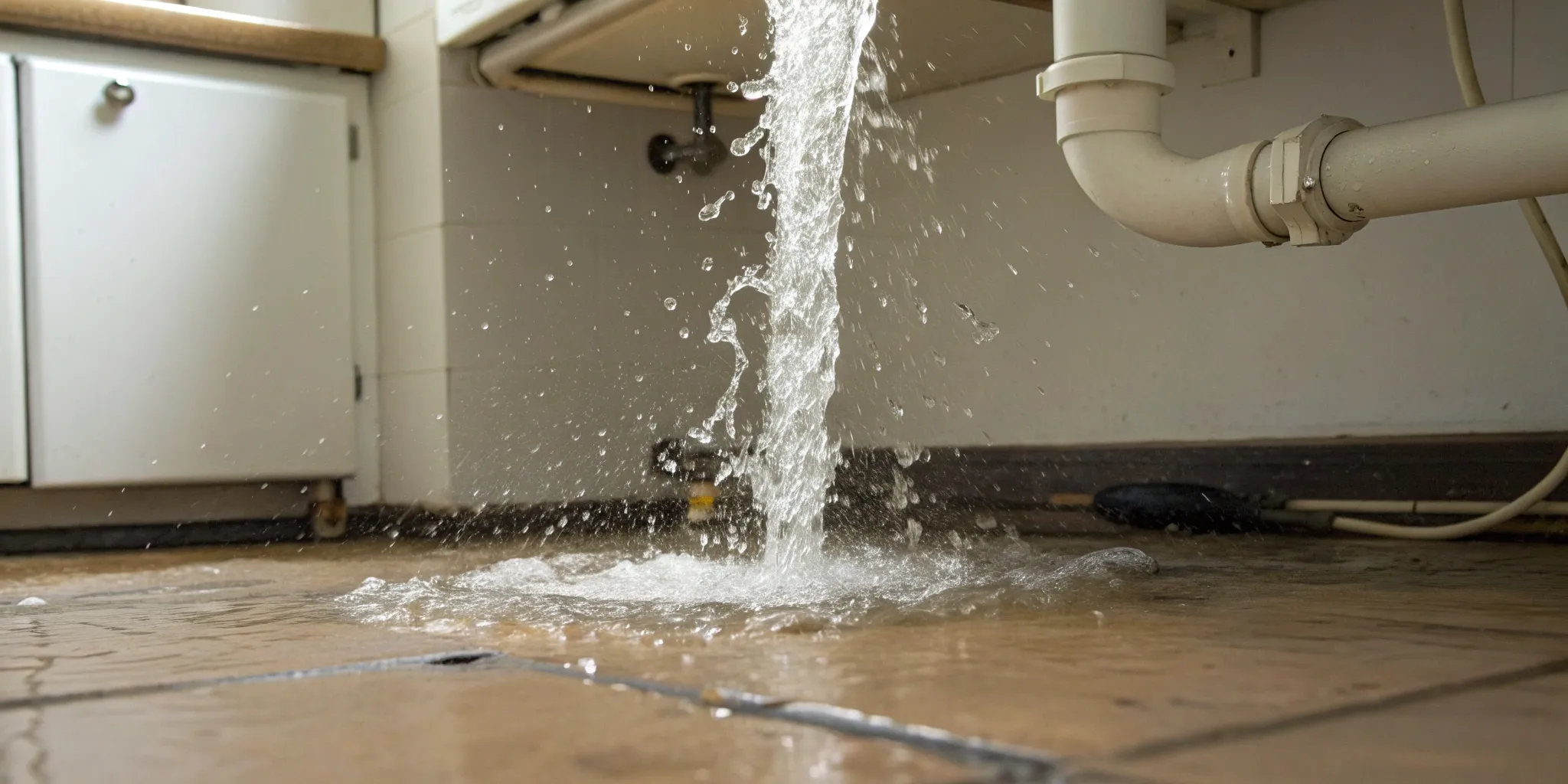
A burst pipe doesn’t always announce itself with a basement flood. Sometimes, the first clue is much quieter—a faint hissing sound in the walls, a sudden drop in water pressure when you turn on the shower, or an unexpectedly high water bill. Learning to recognize these subtle red flags is your first line of defense against a major plumbing disaster. By paying attention to what your home is telling you, you can catch a problem before it escalates. In this post, we’ll explore both the subtle and the obvious signs of a failing pipe, outline the immediate steps to take, and explain how to prevent future issues. Think of this as your complete guide to handling a burst pipe repair with confidence.
Key Takeaways
- Pipe bursts are preventable, not random: Most pipes fail due to predictable causes like freezing temperatures, high water pressure, or simple old age. You can get ahead of these issues by insulating pipes in cold areas, monitoring your water pressure, and scheduling routine plumbing inspections.
- Know the subtle signs of a hidden leak: Don’t wait for a flood to take action. A sudden drop in water pressure, strange hissing sounds from your walls, or an unexpectedly high water bill are all early warnings that a pipe may have already failed.
- Act quickly and correctly in an emergency: When you discover a leak, immediately shut off your home’s main water valve to stop the damage. Once the water is off, your next step is to call a professional for a safe and permanent repair.
Why Do Pipes Burst?
A burst pipe can feel like a sudden, random disaster, but it’s rarely a surprise to your plumbing system. Pipes usually fail for specific, identifiable reasons that build up over time. Understanding what causes them to break is the first step in preventing a watery mess in your home. From the bitter cold of a Spokane winter to the slow, silent damage happening inside your walls, several culprits could be at play. A pipe doesn’t just decide to burst one day; it’s often the final result of ongoing stress, age, or external forces.
Think of it like a slow leak in a tire—the problem exists long before the tire goes flat on the highway. The same principle applies to your plumbing. Whether it’s the gradual weakening from corrosion, the intense strain from high water pressure, or the powerful force of expanding ice, the signs are often there if you know what to look for. By learning to recognize the underlying causes, you can take proactive steps to protect your property. Let’s walk through the most common reasons pipes fail so you can spot potential risks before they turn into full-blown emergencies and know when to call for help.
Frozen Water Expansion
Here in Spokane, we’re no strangers to freezing temperatures, and neither are our pipes. When water freezes, it expands by about 9%, and that expansion puts immense pressure on its container—in this case, your pipes. It’s not the ice itself that splits the pipe, but the pressure buildup between the ice blockage and the closed faucet. This is especially risky for pipes in unheated areas like basements, crawl spaces, and exterior walls. A single night of sub-freezing temperatures can be enough to cause a rupture, leading to a serious water leak repair situation once things start to thaw.
Old or Corroded Pipes
Like everything else in your home, your plumbing has a lifespan. Older pipes, particularly those made from galvanized steel or even aging copper, can corrode from the inside out over decades. This corrosion gradually thins and weakens the pipe walls, making them less able to withstand normal water pressure. Eventually, a weak spot gives way, resulting in a burst. If you live in an older home and aren’t sure what kind of pipes you have, it’s a good idea to have them inspected. Catching corrosion early can save you from the headache and expense of a major failure and is a key part of responsible residential plumbing maintenance.
Intense Water Pressure
While good water pressure is great for a shower, pressure that’s too high puts constant strain on your entire plumbing system. Every pipe, joint, and fixture is under stress. This condition, sometimes called “water hammer,” can be caused by issues with the municipal supply or a faulty pressure regulator at your home. Over time, this relentless pressure can fatigue a weak point in a pipe and cause it to fail suddenly. If you hear banging noises when you turn faucets on or off, or if your water flow seems unusually forceful, your water pressure might be dangerously high. Addressing it can prevent a burst and extend the life of your appliances and fixtures.
Shifting Soil and Intrusive Tree Roots
The threats to your pipes aren’t always indoors. The ground outside your home is constantly shifting due to changes in moisture, freezing, and thawing. This movement can put stress on underground water and sewer lines, causing them to bend, crack, or separate. Tree roots are another major issue. They are naturally drawn to the moisture and nutrients inside your pipes and can be incredibly powerful. A tiny root can work its way into a small crack, and as it grows, it can expand and break the pipe apart. If you have large, mature trees on your property, be mindful of where your underground utility lines are located to prevent costly damage.
Signs You Have a Burst Pipe
A burst pipe doesn’t always announce itself with a dramatic basement flood. Often, the initial signs are much more subtle, and catching them early can save you from extensive and costly damage. Your home has ways of telling you when something is wrong with its plumbing; you just have to know what to look and listen for. Paying attention to small changes in your home’s environment—from a new stain on the ceiling to a strange sound in the walls—is the first step in identifying a potential plumbing emergency before it gets out of hand. These clues might seem minor at first, but they are often the first indicators of a serious issue brewing behind your drywall. A small leak can quickly escalate, leading to water damage, mold growth, and compromised structural integrity. Recognizing these warning signs allows you to act fast, call a professional, and prevent a small problem from becoming a catastrophe. Don’t ignore what your house is telling you. Your senses are your best first line of defense. What you see, hear, and even smell can point to a hidden problem. A musty odor, for example, can indicate hidden moisture and mold growth from a slow leak. Being proactive and vigilant about these signs is key to protecting your property and your peace of mind.
Puddles, Drips, and Water Stains
This is often the most obvious clue. Look for new water stains on your ceilings, walls, or floors. They might start as a small, discolored spot but can quickly grow, indicating that water is actively leaking from a burst pipe. You might also find unexplained puddles on the floor, especially near walls, under sinks, or in your basement. Don’t dismiss a small damp spot or a minor drip. What you see on the surface is often just a fraction of the water damage happening behind the scenes. A prompt water leak repair can prevent that small stain from turning into a major structural issue and protect your home from further harm.
A Sudden Drop in Water Pressure
If you turn on the shower and get a weak sprinkle instead of a steady stream, a burst pipe could be the culprit. A significant break in a water line means a large volume of water is escaping before it ever reaches your faucet. This causes the water coming out of your fixtures to suddenly be much weaker. This drop in water pressure can be a clear sign that a pipe has burst somewhere in your plumbing system. Before you panic, check a few different faucets in your home. If the low pressure is happening everywhere, it’s a strong indicator of a system-wide problem that needs professional attention right away.
Hissing or Gurgling Sounds in the Walls
Your walls shouldn’t be making noise. If you hear hissing, whistling, or gurgling sounds coming from inside your walls, especially when no water is running, listen closely. These sounds can indicate that water is escaping from a burst pipe and spraying or running within the wall cavity. The hissing is often the sound of water under high pressure forcing its way through a crack, while gurgling can mean air is getting into the system through the break. These auditory clues are serious red flags, even if you don’t see any visible water yet. It’s best to have your residential plumbing inspected right away to locate the source of the noise.
An Unexpectedly High Water Bill
Your water bill is usually pretty predictable. If you suddenly receive a bill that’s significantly higher than usual but your water habits haven’t changed, you likely have a hidden leak. A burst pipe can waste hundreds of gallons of water a day, running up your bill without you even knowing it. If you notice a significant increase in your water bill without a corresponding increase in usage, it may be time to investigate further. Compare your recent bill to those from previous months. A sudden, unexplained spike is one of the most reliable signs of a continuous leak somewhere in your system, and it’s a clear signal to call for a professional inspection.
Your First Steps When a Pipe Bursts
A burst pipe can feel like a major crisis, with water suddenly appearing where it shouldn’t be. It’s definitely stressful, but taking immediate, calculated action can save you from extensive damage and costly repairs. While the initial reaction might be panic, a clear head is your best tool in this situation. Think of this as your emergency action plan. By following these steps in order, you can contain the problem, protect your property, and get professional help on the way. We’ll walk you through exactly what to do from the moment you discover the leak.
Shut Off the Main Water Supply
This is your absolute first move. Before you do anything else, you need to stop the flow of water at its source. Find your home’s main water shut-off valve—it’s often located in the basement, a crawl space, or near your water heater. Turn the valve clockwise until it’s completely closed. This cuts off the water supply to your entire house. Once the main valve is off, go around and open a few faucets. This helps drain the remaining water from the pipes and relieves any built-up pressure, which can help prevent the break from getting worse.
Call Action Craft Experts for Emergency Repair
With the water off, your next call should be to a professional. A burst pipe isn’t a simple DIY project; it requires an expert to ensure the repair is done correctly and safely. Trying to fix it yourself can often lead to bigger problems down the road. Give our team at Action Craft Experts a call right away. We handle emergency water leak repair across Spokane and can dispatch a licensed plumber to assess the situation and get started on a permanent fix. The sooner you call, the sooner we can help you get your home back to normal.
Document the Damage for Insurance
While you wait for help to arrive, it’s time to put on your investigator hat. Pull out your phone and start taking photos and videos of everything. Document the source of the leak, the standing water, and any damage to your floors, walls, furniture, and personal belongings. The more evidence you have, the smoother your insurance claim process will be. Once you have your initial photos, contact your insurance agent to let them know what happened and ask about the next steps for filing a claim.
Move Valuables to a Dry Area
Now it’s time for damage control. If it’s safe to enter the area, start moving any valuables out of harm’s way. This includes furniture, electronics, rugs, and sentimental items that could be ruined by water. The goal is to protect your belongings and clear the space for the repair team. If you can, start removing standing water with buckets, mops, old towels, or a wet-dry vacuum. Getting the water out quickly is key to preventing mold growth and minimizing long-term damage to your home’s structure.
Prioritize Your Safety
Above all else, keep yourself and your family safe. If the water is deep or is near electrical outlets, appliances, or your fuse box, do not enter the area. Water and electricity are a dangerous combination. If you have any concerns about your home’s structural integrity or electrical safety, the best thing you can do is turn off the power at the breaker box (if you can do so safely) and leave the house. Your property can be repaired, but your safety is irreplaceable. Wait for a professional to give you the all-clear.
Temporary Fixes to Minimize Damage While You Wait
After you’ve shut off the water and called for help, the waiting game begins. While you can’t perform a permanent repair, some temporary measures can control the leak and protect your home from further harm. Think of these as plumbing first aid—they’re designed to stabilize the situation until a professional arrives. The goal is simply to minimize the mess while our team is on the way. These quick fixes can make a huge difference in preventing water from spreading and causing more extensive issues.
Applying a Pipe Clamp or Sleeve
A pipe clamp is an effective temporary fix you can find at most hardware stores. It’s a metal sleeve with a rubber gasket that fits around the pipe and tightens over the leak. To use one, place the rubber pad directly over the hole and secure the clamp. Tighten the screws evenly until the dripping stops. This method is great for containing small, accessible leaks on straight runs of pipe. It’s a reliable stopgap until a professional can perform a permanent water leak repair.
Using Epoxy Putty and Repair Tape
Another handy tool is plumbing epoxy putty. This clay-like substance can be molded over a small hole or crack to form a seal. Before applying, make sure the pipe is completely dry. Knead the putty until it’s pliable, then press it firmly over the leak. It will harden within minutes to form a waterproof patch. Self-fusing silicone repair tape can also be stretched and wrapped tightly around a leak to stop the water flow. Both are excellent short-term fixes for minor drips.
Common DIY Mistakes That Worsen the Problem
In a stressful situation, it’s easy to make a mistake that worsens the problem. The biggest error is not shutting off the main water supply immediately, as every moment water flows increases the damage. Another misstep is using the wrong materials, like duct tape, which can’t hold back water pressure and will quickly fail. Overtightening a pipe clamp can also crack an old, fragile pipe, turning a small drip into a much bigger issue. Your goal is to contain the leak, not to fix it permanently.
Knowing When to Attempt a Fix vs. When to Wait
It’s important to know your limits. A temporary fix is only for small, accessible leaks, like a pinhole drip on an exposed pipe under a sink. If you’re dealing with a large crack, gushing water, or a leak hidden in a wall, do not attempt a DIY repair. Your focus should be on safety. After shutting off the water, clear the area and wait for professional help. Trying to patch a major leak can cause a bigger flood. When in doubt, wait for our expert residential plumbing team to handle it safely.
How to Prevent Future Pipe Bursts
After dealing with the stress and mess of a burst pipe, the last thing you want is a repeat performance. The good news is that you can take several proactive steps to protect your home’s plumbing system. A little prevention goes a long way in avoiding costly water damage and emergency repairs down the road. Think of these tips as your home’s defense plan against future plumbing disasters. By incorporating these simple habits and checks into your routine, you can keep your pipes healthy and your home dry.
Insulate Pipes in Cold Areas
Let’s be honest, Spokane winters are no joke. Pipes located in unheated or poorly insulated areas like basements, crawl spaces, attics, and garages are especially vulnerable to freezing. When water freezes, it expands, putting immense pressure on your pipes. You can easily find foam pipe sleeves or insulation wrap at a local hardware store. Simply cut them to size and fit them around any exposed pipes. This simple, inexpensive step acts like a winter coat for your plumbing, significantly reducing the risk of a freeze. It’s one of the most effective ways to protect your residential plumbing system.
Maintain a Consistent Indoor Temperature
Even when you’re away on a winter vacation, your home’s heating system is still on pipe-protection duty. It’s crucial to keep your thermostat set to at least 55°F at all times during the cold months. This consistent warmth helps keep the water flowing through your pipes well above freezing temperature. For extra protection, open the cabinet doors under your kitchen and bathroom sinks. This allows the warm air from your home to circulate around the pipes, preventing cold spots where freezing could begin. It’s a simple, no-cost trick that can save you a major headache.
Schedule Regular Plumbing Inspections
You see your doctor for an annual check-up, and your plumbing system deserves the same care. A professional inspection can catch hidden issues before they escalate into a full-blown crisis. A trained plumber can spot early signs of corrosion, pinhole leaks, and high water pressure that you might not notice. Scheduling a regular check-up allows an expert to assess the health of your pipes and recommend preventative maintenance. This proactive approach is the best way to handle a potential water leak repair before it causes serious damage, giving you valuable peace of mind.
Monitor Your Home’s Water Pressure
Your home’s water pressure should be in a “just right” zone—not too high, not too low. Water pressure that’s consistently too high (over 80 psi) puts constant strain on your pipes, joints, and fixtures, leading to wear and tear and eventual failure. You can buy an inexpensive water pressure gauge at a hardware store to test it yourself. If the pressure is too high, a plumber can install a pressure regulator. On the flip side, if you ever notice a sudden and significant drop in water pressure, it could be a sign that a pipe has already burst somewhere in your system.
Review Your Insurance and Maintenance Plan
Take a few minutes to review your homeowner’s insurance policy. It’s important to understand what is and isn’t covered when it comes to water damage from burst pipes. Most standard policies cover sudden and accidental damage, but they may not cover damage resulting from a lack of maintenance. Knowing your coverage helps you prepare for the unexpected. Create a simple annual maintenance checklist that includes insulating pipes, checking your thermostat settings, and scheduling a professional inspection. Having a plan—and a trusted plumber’s number on hand—makes all the difference.
Related Articles
- Burst Water Pipe Repair Cost: A 2026 Guide
- 24/7 Burst Pipe Plumbing Service: An Expert Guide
- 6 Signs: How to Tell if a Pipe Burst Underground
- Pipe Burst Repair Cost: What to Expect to Pay
Frequently Asked Questions
What’s the single most important thing I can do to prevent a burst pipe during a Spokane winter? The most effective step you can take is to insulate any pipes running through unheated spaces like your crawl space, basement, or garage. You can find simple foam pipe sleeves at any hardware store. This, combined with keeping your thermostat set to at least 55°F even when you’re away, creates a strong defense against the freezing temperatures that are the number one cause of burst pipes in our area.
I hear a strange noise in my walls but don’t see any water. Should I be worried? Yes, you should take any unusual sounds seriously. Hissing or gurgling noises coming from inside a wall are often the first and only signs of a hidden leak. Water could be spraying or running behind your drywall, and it’s only a matter of time before you see significant damage. It’s best to call a professional right away to locate the source of the sound before a small issue becomes a major problem.
Is it safe to use a temporary fix, or should I just wait for a professional? A temporary fix like a pipe clamp or epoxy putty is only appropriate for a very small, accessible leak, like a pinhole drip on an exposed pipe under your sink. The goal is simply to manage the mess while you wait for help. If you’re dealing with a large crack, gushing water, or a leak you can’t see, your only job is to shut off the main water supply and wait for an expert. Attempting a repair in those situations can make things much worse.
How can I tell if my home’s water pressure is too high? An easy way to check is by using an inexpensive water pressure gauge that screws onto an outdoor hose spigot. Your home’s pressure should ideally be between 40 and 60 psi; anything consistently over 80 psi is putting your entire plumbing system under constant stress. If you notice your water flow seems unusually strong or hear banging sounds when you turn off faucets, it’s a good idea to test the pressure or have a plumber check it for you.
My house is older. How do I know if my pipes are at risk of bursting? While you might see some clues on exposed pipes, like discoloration, flaking, or small bumps, the truth is that most corrosion happens from the inside out. The most reliable way to understand the condition of an older plumbing system is to schedule a professional inspection. A plumber can assess the material and health of your pipes and identify weak spots before they have a chance to fail.