











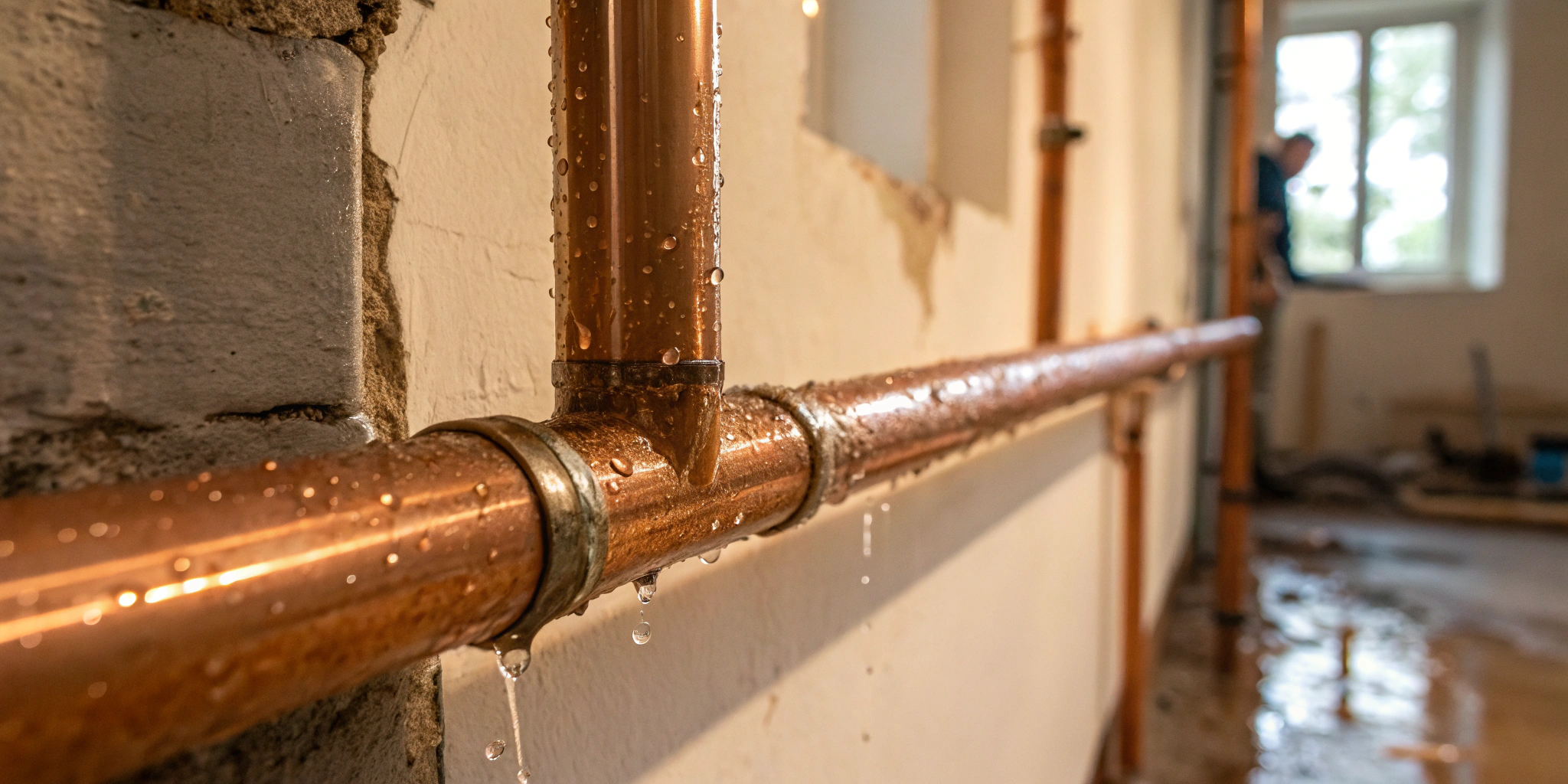
A broken pipe is more than just a plumbing problem; it’s the start of a potential chain reaction. The initial cost of the repair is often just the tip of the iceberg. The real question isn’t just how much to fix a broken pipe in a wall, but what the total cost will be after accounting for drywall replacement, potential mold remediation, and ruined insulation. Water damage can be extensive and expensive, turning a seemingly small leak into a major restoration project. In this article, we’ll look beyond the pipe itself to give you a complete financial picture, helping you understand all the potential expenses so you can budget accordingly and avoid any unwelcome surprises.
Key Takeaways
- Budget for more than just the pipe: The plumber’s bill for the leak is only the starting point. Remember to account for follow-up costs like drywall repair, water damage cleanup, and potential mold remediation to fully restore your home.
- Your first moves dictate the final cost: What you do in the first few minutes is crucial. Immediately shut off your home’s main water valve and call a professional to keep a small leak from turning into a major, expensive flood.
- Prevention is the most affordable strategy: You can avoid future disasters with simple maintenance. Scheduling regular inspections, insulating pipes before winter, and managing your home’s water pressure are the best ways to protect your system from failure.
How Much Does It Cost to Fix a Broken Pipe in a Wall?
When you suspect a broken pipe is hiding behind your drywall, one of the first questions that comes to mind is, “How much is this going to set me back?” While there’s no single price tag for this kind of repair, understanding the factors that go into the final bill can help you feel more prepared. The cost depends on everything from the pipe’s location to the extent of the damage. Let’s break down what you can typically expect to pay.
Understanding Average Repair Costs
For a standard repair, most homeowners find themselves spending around $500. This price point usually covers the plumber’s time and the installation of a new pipe section to fix the immediate problem. Of course, this is just a starting point. A minor, easily accessible leak might cost a couple of hundred dollars, while a more severe break that has caused significant damage could run into the thousands. The final cost of a water leak repair really depends on the unique circumstances of your situation, including how much drywall needs to be removed and replaced.
Breaking Down Labor vs. Material Costs
It might surprise you to learn that about 80% of your repair bill typically goes toward the plumber’s labor, not the parts. The pipes and fittings themselves are often relatively inexpensive. Plumbers often price their work based on the complexity and length of the repair, sometimes charging between $150 and $250 per foot. You’re paying for the expertise needed to open the wall carefully, fix the pipe correctly, and ensure the job is done right the first time. This is where having trusted residential plumbing services makes all the difference in protecting your home from future issues.
Comparing Emergency vs. Scheduled Repair Prices
When water is actively spraying inside your walls, you can’t wait for a 9-to-5 appointment. Calling for emergency service outside of regular business hours, like on a night or weekend, will get you immediate help, but it comes at a premium. You can generally expect to pay an extra $100 to $300 for an emergency call-out fee. While nobody loves an extra charge, paying it can save you thousands in water damage by stopping the leak as quickly as possible. If the leak is a slow drip and can be contained, you might save some money by scheduling a visit during normal hours.
What Factors Influence the Final Repair Bill?
When you get a quote for a broken pipe, you’ll quickly realize it’s not a simple, flat-rate fix. The final price tag can vary quite a bit because every leak is unique. The cost depends on where the pipe is, the material it’s made of, and how much damage the water has already caused. Think of it less like buying a product off the shelf and more like a custom project. Understanding these variables will help you see exactly what goes into a professional water leak repair and why the costs can differ from one home to the next. Let’s break down the main factors that will shape your final bill.
Pipe Location and Accessibility
Where the broken pipe is hiding is one of the biggest cost drivers. A leak under your kitchen sink is relatively easy to access and fix. But when a pipe is buried inside a wall, ceiling, or concrete slab, the job gets more complex. A plumber will need to carefully cut through drywall or other materials just to reach the problem. According to home services marketplace Angi, just fixing the pipe itself can run between $150 and $500, and that doesn’t even include patching up the wall afterward. The more difficult it is to get to the pipe, the more labor is involved, which naturally increases the cost.
The Pipe’s Material and Age
The type of pipes you have in your home also plays a role. Different materials like copper, PEX, and galvanized steel require different repair techniques and parts. Older homes with galvanized or cast-iron pipes can present more challenges, as these materials can become brittle over time. Sometimes, what seems like a small leak is actually a sign of a much larger section of pipe nearing the end of its life. A professional plumber will assess whether a simple patch will do or if a larger section needs to be replaced to prevent another break in the near future. This kind of expert assessment is a key part of any quality residential plumbing service.
The Extent of Water Damage
Often, the cost of fixing the pipe is only one piece of the puzzle. The water that escaped before you noticed the leak can cause significant secondary damage. Water can seep into drywall, insulation, wood framing, and flooring, creating a perfect environment for mold and rot. As one plumbing expert notes, you’ll likely have extra costs for water damage cleanup, including drying out the area, treating for mold, and repairing structural elements. The longer a leak goes undetected, the more widespread and expensive this secondary damage becomes. That’s why it’s so important to act fast at the first sign of trouble.
When You Call: Urgency and After-Hours Fees
A pipe doesn’t care if it’s 2 p.m. on a Tuesday or 2 a.m. on a Sunday. If a pipe bursts on a weekend or in the middle of the night, you’ll need to call for emergency service. This immediate response comes at a premium. You can expect an emergency call to add anywhere from $100 to $300 to your bill. While nobody loves paying extra, that after-hours fee covers the cost of having a skilled technician on-call and ready to go. And honestly, paying an emergency fee is often much cheaper than letting water pour into your home for hours, which would lead to far more extensive and costly repairs.
How Can You Tell If a Pipe Broke Inside a Wall?
A broken pipe hidden behind drywall can feel like a silent threat, but it almost always leaves clues. The trick is knowing what to look for. Catching a leak early is the best way to prevent a small plumbing issue from turning into a major, expensive restoration project. Your senses are your best tools here—what you see, smell, and hear can tell you a lot about what’s happening inside your walls.
Think of yourself as a detective in your own home. You’re looking for anything out of the ordinary, from a faint, musty odor to a mysterious puddle on the floor. Even your monthly water bill can hold a critical piece of the puzzle. By paying attention to these subtle signs, you can identify a problem and call for a professional water leak repair before significant damage occurs. Let’s walk through the specific warning signs you should keep an eye out for.
Spotting Visible Signs of Water Damage
Your walls and ceilings are the first places to show evidence of a hidden leak. Keep an eye out for damp spots, which may feel wet or soft to the touch. You might also notice discoloration, often appearing as yellowish or brownish stains that grow over time. Paint or wallpaper that starts to bubble, peel, or blister is another tell-tale sign that moisture is trapped behind the surface. In some cases, you might even see mold or mildew beginning to form, which often looks like small black or green specks. Don’t ignore these visual cues; they are direct indicators of a water problem that needs immediate attention.
Listening for Unusual Sounds and Smells
Sometimes, you can hear a leak before you see it. When your house is quiet, listen for faint sounds coming from inside the walls. A dripping, hissing, or rushing sound when no faucets or appliances are running is a major red flag. Beyond sounds, a persistent musty or earthy odor is another common sign of a hidden pipe break. This smell is caused by moisture that has soaked into your home’s wood, insulation, and drywall, creating the perfect environment for mold and mildew to grow. If a particular room consistently smells damp, it’s time to investigate further.
Noticing Spikes in Your Water Bill
Your utility bill can be one of the most reliable leak detectors you have. If you notice a sudden and significant increase in your water bill without a corresponding change in your family’s usage, a hidden leak is a likely culprit. A single dripping pipe can waste hundreds or even thousands of gallons of water over a month, driving your costs way up. Make a habit of reviewing your bill each month. If a number looks unusually high, don’t just pay it and move on. Treat it as a serious warning sign that water is being lost somewhere in your home’s residential plumbing system.
Checking for Structural Warning Signs
When a leak goes undetected for a long time, it can start to compromise your home’s structural integrity. Be on the lookout for more serious signs of damage. This can include walls that appear warped or bowed, ceilings that are sagging, or flooring that feels soft and spongy underfoot. These symptoms indicate that the building materials have absorbed a large amount of water and are beginning to weaken. At this stage, the problem has moved beyond a simple leak and is now affecting the core structure of your home. Addressing these issues immediately is critical to prevent further, more catastrophic damage.
What Other Costs Come With a Broken Pipe?
Fixing the broken pipe is just the first step. The initial plumbing bill often doesn’t account for the collateral damage water leaves behind. When a pipe bursts inside a wall, the water soaks into everything it touches—drywall, insulation, flooring, and framing. Addressing this secondary damage is crucial for restoring your home and preventing long-term problems, but it comes with its own set of costs. Understanding these potential expenses will help you budget for the full scope of the repair and avoid any unpleasant financial surprises down the road. From simple drywall patches to extensive mold remediation, these are the other costs you need to be prepared for.
Repairing and Restoring Drywall
Once our team has accessed and repaired the broken pipe, there will be a hole in your wall. Repairing this drywall is a necessary follow-up cost. The size and complexity of the repair depend on how much drywall had to be removed to reach the pipe and how much of the surrounding area was damaged by water. Experts at Angi advise homeowners to “be prepared for extra costs like repairing water damage, mold removal, or fixing drywall that had to be cut open.” This can involve cutting out the damaged sections, replacing them with new drywall, taping, mudding, and sanding to create a seamless finish before you can even think about repainting.
Cleaning Up Water Damage
Beyond the pipe itself, you’ll have to manage the aftermath of the leak. Professional water damage cleanup is often necessary to prevent more serious issues from developing. As one plumbing resource notes, “Beyond the pipe repair, you’ll likely have extra costs for cleaning up water damage, like drying, preventing mold, and fixing walls.” This process involves using industrial-grade fans and dehumidifiers to thoroughly dry out the wall cavity, framing, and any affected flooring. A prompt and professional water leak repair and cleanup is the best way to minimize these secondary costs and protect your home’s structural integrity.
Dealing with Mold Remediation
If water damage isn’t addressed quickly and completely, mold can begin to grow in as little as 24 to 48 hours. Mold not only causes further damage to your home but also poses a significant health risk. Remediation is a specialized process that can be quite expensive. According to Angi, the cost for “Mold Remediation: $1,500 – $6,000+ if not dried quickly.” This is not a DIY project; proper mold removal requires containment procedures and safety equipment to prevent spores from spreading throughout your home. Acting fast to dry out the affected area is the single best way to avoid this costly and hazardous problem.
Replacing Damaged Flooring and Insulation
Water always follows gravity, which means a broken pipe in a wall can easily lead to damaged flooring and subflooring below. Carpets may need to be professionally cleaned or replaced entirely, while hardwood or laminate flooring can warp and buckle, requiring a full replacement. The insulation inside your walls will also likely be compromised. Once wet, fiberglass or cellulose insulation becomes compressed and loses its thermal resistance, and it can also become a breeding ground for mold. The costs for “repairing water damage after a burst pipe, including drying and fixing drywall, averages about $3,500,” which often includes replacing these essential materials.
What Should You Do the Moment You Find a Broken Pipe?
Discovering a soggy patch on your drywall or a puddle on the floor is a stressful moment for any homeowner. But before you panic, know that a fast, methodical response can make a huge difference in the final repair cost and the extent of the damage. Acting quickly helps you regain control of the situation. Your immediate goals are to stop the flow of water, protect your property, and get professional help on the way. Here are the four crucial steps to take the second you suspect a pipe has broken inside your wall.
Shut Off Your Water Main Immediately
This is your absolute first priority. A burst pipe can release several gallons of water per minute, and every second counts. Stopping the water at its source is the only way to prevent a small problem from turning into a catastrophic flood. You need to locate your home’s main water shut-off valve and turn it completely off. It’s usually found in the basement, a crawl space, or near your water heater. If you live in a warmer climate, it might be outside on an exterior wall or in an underground box near the street. Turn the handle clockwise until it stops. Once the water is off, open a faucet on the lowest level of your home to drain any remaining water from the pipes.
Take Steps to Contain the Damage
With the water supply cut off, your next job is to manage the water that has already escaped. If it’s safe to do so, turn off the electricity to the affected area at the breaker box to prevent any electrical hazards. Start moving furniture, electronics, rugs, and any other valuables away from the wet area. Use buckets to catch any remaining drips and lay down old towels or blankets to soak up standing water. If you have a wet/dry vacuum, now is the time to use it. The faster you can remove the water, the less chance it has to seep into your subflooring, framing, and other structural components.
Document Everything for Your Insurance Claim
Before you start any major cleanup or repairs, pull out your phone and document everything. Take clear photos and videos of the water-stained wall, the puddle on the floor, the source of the leak if you can see it, and any damaged belongings. This evidence will be essential when you file a claim with your homeowner’s insurance provider. Most standard policies cover sudden and accidental water damage from a burst pipe, but they won’t cover damage caused by slow, long-term leaks or poor maintenance. Having detailed documentation makes the claims process much smoother and helps ensure you get the coverage you’re entitled to.
Know When to Call a Professional
While it might be tempting to open up the wall yourself, a broken pipe is a job for a licensed plumber. Professionals have specialized equipment to pinpoint the exact location of the break with minimal damage to your drywall. Attempting a DIY fix can often lead to bigger problems and more expensive repairs down the line. A professional can not only fix the immediate issue but also assess the condition of your surrounding pipes to prevent future breaks. As soon as you’ve shut off the water, your next call should be for professional water leak repair. This ensures the job is done correctly and safely from the start.
How Do Professional and DIY Repair Costs Compare?
When you’re staring at a water stain spreading across your drywall, your first thought might be to grab a toolkit and save some money. While the DIY spirit is admirable, it’s important to weigh the upfront savings against the potential long-term costs. Hiring a professional plumber often provides more value than just a quick fix; it offers peace of mind, safety, and a guarantee that the job is done correctly the first time. Let’s break down how the costs really stack up when you compare a professional repair to a DIY attempt.
What’s Included in a Plumber’s Rates
When you get a quote from a professional, you’re paying for more than just their time. A plumber’s hourly rate, which typically ranges from $45 to $200, covers a lot of ground. The majority of that cost—about 80%—is for their skilled labor. This includes their expertise in accurately diagnosing the problem, using specialized tools you likely don’t own, and performing the water leak repair efficiently and safely. You’re investing in their years of training and experience, which ensures the fix is durable and up to code, preventing future headaches and more expensive repairs down the road.
The Hidden Costs of DIY Mistakes
Going the DIY route might seem cheaper initially, but a small mistake can quickly turn a minor leak into a major disaster. An improperly sealed pipe can lead to recurring leaks, causing serious problems like structural damage to your walls, dangerous mold growth, and even higher energy bills from soaked insulation. While you might save on the upfront labor cost, you could end up paying far more for drywall replacement, mold remediation, and a second, more complex plumbing call. Professional residential plumbing services offer a reliable solution that protects your home and prevents these costly secondary issues from ever happening.
How Insurance Coverage Plays a Role
Your homeowner’s insurance policy can be a huge help when dealing with a broken pipe, but it’s not a blank check. Most standard policies will cover the cost of water damage if the cause was “sudden and accidental.” This means if a pipe unexpectedly bursts, your insurance may pay to repair the drywall, replace ruined flooring, and address any structural issues. However, the policy often won’t cover the cost of repairing the pipe itself. It’s also important to know that damage from slow, long-term leaks due to poor maintenance is usually not covered. Always review your policy to understand your specific coverage before you need it.
What Happens If You Ignore a Broken Pipe?
It’s tempting to ignore a small water spot on the ceiling or a faint musty smell, hoping it will just go away. But when it comes to a broken pipe inside a wall, waiting is one of the worst things you can do. What starts as a minor plumbing issue can quickly spiral into a major, expensive disaster that affects your home’s structure, your family’s health, and your wallet. That “wait and see” approach almost never works out. Instead, the problem quietly grows behind the scenes, causing damage you can’t see until it’s too late.
Acting fast is the key to containing the damage and keeping repair costs from getting out of control. A small leak doesn’t fix itself; it only gets worse, soaking everything around it and creating a perfect storm for serious problems. Understanding the specific risks involved can help you see why calling a professional right away is always the smartest move. From rotting wood to hazardous mold, the consequences of inaction are serious and costly. The longer water is allowed to sit, the more it seeps into porous materials, turning a straightforward fix into a complex and invasive restoration. This isn’t just about fixing a pipe; it’s about protecting your entire home investment.
The Risk of Long-Term Structural Damage
That persistent drip inside your wall is doing more than just making a mess—it’s slowly compromising the integrity of your home. Water from a leaking pipe will saturate everything it touches, including drywall, wood studs, and insulation. Over time, this constant moisture can cause wood to rot and weaken, drywall to crumble, and ceilings to sag. It can also create a serious fire hazard if the water comes into contact with electrical wiring. What begins as a simple water leak repair can turn into a complex structural restoration project if left unaddressed, threatening the very framework of your house.
Health Hazards from Mold Growth
Beyond the structural risks, a hidden leak creates the ideal environment for mold and mildew to thrive. It only takes 24 to 48 hours for mold spores to begin growing on damp surfaces. Once it starts, it can spread quickly through your walls and ventilation system. Mold exposure can cause a range of health issues, from allergic reactions and asthma attacks to headaches and respiratory infections. The musty odor is more than just unpleasant; it’s a clear sign that the air quality in your home is being compromised, posing a direct risk to your family’s well-being.
How Repair Costs Escalate Over Time
Putting off a pipe repair is a guaranteed way to inflate the final bill. The initial cost to fix the pipe itself is often the smallest part of the expense. The real financial damage comes from the secondary problems. The longer you wait, the more you’ll have to pay for water damage cleanup, drywall replacement, new flooring, and replacing ruined insulation. If mold has taken hold, you’ll also face the significant cost of professional mold remediation. A prompt call for residential plumbing services can keep a manageable repair from becoming a full-blown home renovation project that costs thousands.
Which Mistakes Make Pipe Repairs More Expensive?
A broken pipe is stressful enough without the final bill adding to the shock. While some costs are unavoidable, certain common reactions can cause the price of a repair to skyrocket. Knowing what not to do is just as important as knowing what to do. A small leak can quickly become a major financial headache if it’s not handled correctly from the start. By avoiding a few key missteps, you can keep the damage—and the cost—to a minimum. These mistakes often stem from a desire to save time or money, but they almost always have the opposite effect. Let’s walk through the most common pitfalls so you can be prepared.
Delaying the Call for Professional Help
When you first spot a leak, it’s tempting to think, “It’s not that bad, I’ll watch it.” But waiting is one of the costliest mistakes you can make. Water doesn’t just go away; it soaks into your home’s structure. A delay of even a day or two can allow moisture to saturate drywall, warp wood studs, and create the perfect environment for mold to grow. What could have been a straightforward pipe fix now involves extensive water damage restoration. The belief that the problem is solved once the visible water is gone is a myth. Professional water leak repair isn’t just about the pipe; it’s about assessing and addressing all the hidden moisture before it leads to bigger, more expensive problems.
Trying Improper Quick Fixes
In a pinch, reaching for duct tape or a sealant seems like a clever, temporary solution. Unfortunately, these quick fixes rarely hold up against water pressure and can make the situation worse. When these patches fail—and they usually do—they can cause a sudden, more catastrophic flood. Plus, when a professional plumber arrives, they first have to remove the sticky, gummy mess you’ve created before they can even begin the real repair, adding time and labor costs to your bill. While the DIY spirit is admirable, plumbing inside your walls is not the place for experimentation. A proper repair requires the right materials and techniques to ensure a permanent, reliable seal.
Ignoring the Early Warning Signs
Pipes rarely break without giving a few hints first. Ignoring these early warnings is like hitting snooze on a fire alarm. That faint musty smell, a small discolored spot on the ceiling, or a water bill that’s suddenly higher than usual are all signs that something is wrong. Many homeowners dismiss these subtle clues, but they are your best chance to catch a small leak before it becomes a big one. Addressing a slow drip is far cheaper than dealing with a burst pipe and the resulting flood. Paying attention to your home and maintaining its residential plumbing system is the most effective way to prevent a minor issue from escalating into a major, costly emergency.
Hiring an Unqualified Contractor
When you’re trying to save money, hiring a general handyman or an uncertified plumber might seem like a good deal. However, this can be a very expensive gamble. An unqualified contractor may not have the right tools or expertise to diagnose the root cause of the problem, leading to a repair that doesn’t last. They might use the wrong materials or fail to meet local building codes, putting your home at risk. When the repair inevitably fails, you’ll have to pay a qualified professional to not only fix the original problem but also to undo the shoddy work. Always choose a licensed, insured, and reputable plumbing company to ensure the job is done right the first time.
How Can You Prevent Future Pipe Breaks?
After dealing with the stress and expense of a broken pipe, the last thing you want is a repeat performance. The good news is that you can be proactive. Taking a few preventative steps can protect your home’s plumbing system, saving you from future headaches and costly repairs. Think of it as simple maintenance that safeguards one of your biggest investments. By staying ahead of potential problems, you can keep your pipes in great shape and your mind at ease. Here are four key strategies to prevent future pipe breaks.
Set a Schedule for Regular Inspections
Just like a regular check-up for your car, your home’s plumbing benefits from routine professional attention. A full plumbing inspection every couple of years can catch small issues before they escalate into major disasters. A trained plumber can spot early signs of corrosion, stress fractures, and pressure problems that are easy to miss. This simple preventative measure is one of the most effective ways to understand the health of your residential plumbing in Spokane and address minor concerns before they lead to a burst pipe. It’s a small investment that offers huge peace of mind.
Winterize and Insulate Your Pipes
Spokane winters are a major threat to your pipes. When water freezes, it expands, putting immense pressure on the pipes containing it. To avoid a frozen pipe disaster, it’s essential to prepare your home for winter. Insulate pipes in unheated areas like basements, crawl spaces, and attics. On the coldest nights, let your faucets drip slightly to keep water moving. If you plan to be away, don’t turn your heat completely off. Keeping your home’s temperature consistent can prevent a costly and damaging freeze.
Manage Your Home’s Water Pressure
You might not think about your home’s water pressure until it’s too low, but pressure that’s too high is a silent pipe killer. Consistently high pressure puts constant strain on your entire plumbing system—pipes, joints, and fixtures—leading to wear and tear and eventual failure. A plumber can easily check your home’s pressure and, if it’s too high, install a pressure-reducing valve to keep it in a safe range. This single adjustment can significantly extend the life of your pipes and prevent unexpected breaks from happening down the road.
Use Early Leak Detection Methods
Sometimes, a pipe will give you a warning before it breaks completely. The key is knowing what to look for. Keep an eye out for subtle signs like rust-colored water, damp spots on walls, or a musty smell you can’t place. You can also check your water meter: turn off all water-using appliances and see if the meter is still moving. If it is, you likely have a leak. Catching these small issues early allows you to call for a water leak repair before a tiny drip becomes a destructive flood.
Related Articles
- How Much to Fix a Broken Water Pipe Underground?
- How to Tell If a Pipe Burst in the Wall: 7 Signs
- 6 Signs of a Broken Main Water Line to Your House
- Cost to Replace Plumbing in an Old House: 2025 Guide
Frequently Asked Questions
Why is the plumber’s labor the biggest part of the bill? When you hire a professional plumber, you’re paying for much more than just their time. The cost covers their expertise in finding the leak with minimal damage, using specialized tools to fix it correctly, and ensuring the repair meets safety codes. This skill prevents small mistakes that could lead to future leaks, mold, or even more significant water damage, saving you from much larger expenses down the line.
Will my homeowner’s insurance cover the entire cost of a broken pipe? This is a great question, and the answer usually depends on your specific policy. Most standard insurance plans cover the damage caused by a “sudden and accidental” pipe break, like the cost to repair your drywall and replace ruined flooring. However, they often don’t cover the cost of the actual plumbing repair itself. It’s always best to review your policy or call your agent to understand exactly what is covered before you need it.
How long does it typically take to fix a pipe inside a wall? The plumbing repair itself can often be completed in just a few hours, depending on how easy it is to access the pipe. However, the entire process takes longer. You have to account for the time it takes to carefully open the wall, assess the situation, and perform the fix. The subsequent steps, like professional drying and drywall restoration, will add more time before your wall looks like new again.
Once the pipe is fixed, can I just let the wall air dry? It’s really not a good idea to let the wall air dry on its own. Moisture can remain trapped inside the wall cavity, soaking into the wood framing and insulation. This creates a perfect breeding ground for mold and can lead to structural rot over time. Professional water damage cleanup uses specialized equipment to ensure the area is completely dry, which is a critical step in preventing much bigger and costlier problems.
Is it better to patch the broken section or replace a larger portion of the pipe? That decision really depends on the overall condition of your pipes. If the break was caused by an isolated incident, a simple patch might be all you need. However, if the pipe is old and showing signs of widespread corrosion, fixing one spot might just be a temporary solution before another break occurs nearby. A professional plumber can assess the situation and recommend the most durable, long-term solution for your home.